
Search Results
Keyword:Nuclear Power
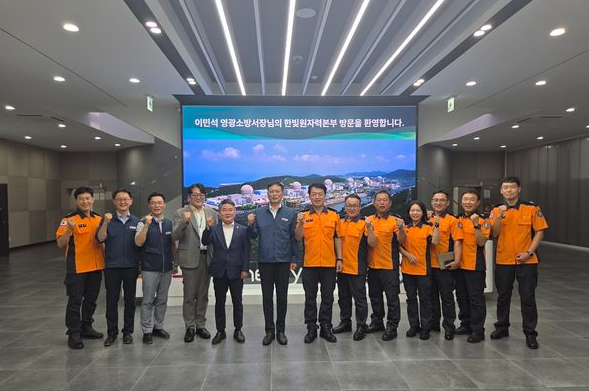
Yeonggwang Fire Station in South Jeolla Province, South Korea, visited Hanbit Nuclear Power Plant to strengthen the disaster response coordination system.
On August 6, Lee Min-seok, Chief of Yeonggwang Fire Station in South Jeolla Province, led a team of 10 commanders and working-level personnel, including the head of the Prevention Safety Division and the captain of the Field Response Unit, to visit the Hanbit Nuclear Power Plant Headquarters of Korea Hydro & Nuclear Power, a Class A national critical facility, for an on-site inspection and special check aimed at establishing a rapid and effective initial response system in the event of a disaster. The visit placed particular emphasis on the unique characteristics of nuclear power facilities, with the goal of consolidating the coordination system with KHNP's self-defense fire brigade and enhancing the disaster response capabilities of field commanders. At the site, the fire station confirmed the status of major fire protection facilities and firefighting equipment at the nuclear power plant, inspected access routes and fire water supply facilities for fire and disaster situations, toured major power generation facilities, and reviewed disaster response routes. Discussions were also held on the linked response system and cooperation plans with KHNP's self-defense fire brigade.
2026-08-06
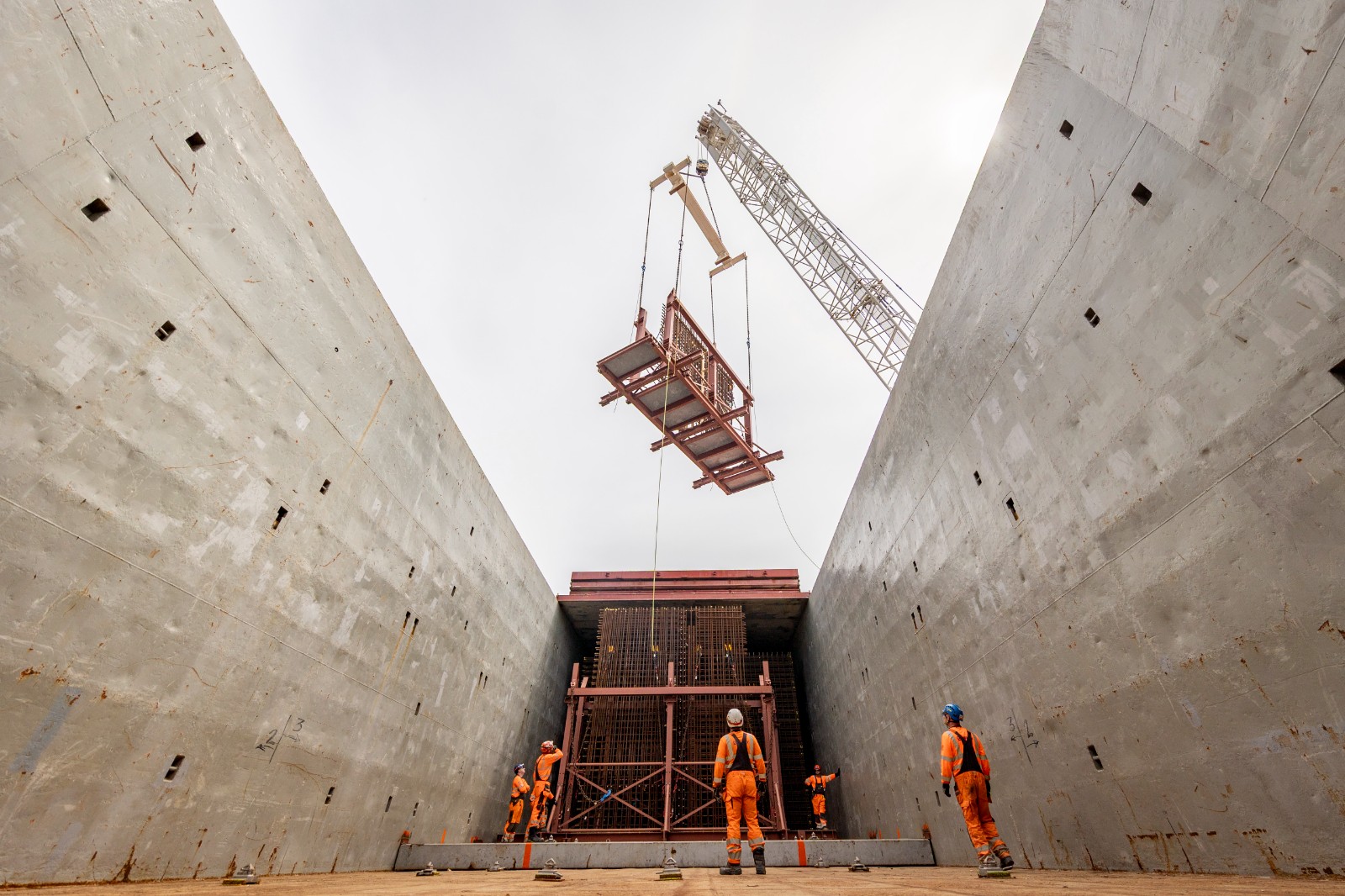
Final Voyage Completed for Rebar Cage Sea Transport to Hinkley Point C Nuclear Power Station
This summer, the cargo vessel Anfield Peak departed from the Port of Bristol in the UK, heading to Hinkley Point C Nuclear Power Station in Somerset. This marked the vessel's final voyage for the related transport mission. Previously, it had made over 100 round trips between the two locations, delivering factory-prefabricated rebar cages to the nuclear construction site. These rebar cages are large in volume and high in density, serving as critical foundational components in civil engineering construction. Under traditional practices, such rebar cages are typically prefabricated on-site before concrete pouring. The Hinkley Point C project, however, has shifted part of the rebar cage prefabrication process to a factory in Bristol, with the cages then transported by sea to the site for installation...
2026-08-06

United States to Host IAEA ATLAS Initiative Ministerial Launch
The United States will host the ministerial launch of the International Atomic Energy Agency (IAEA) Atoms for Transport Licensing and Applications at Sea (ATLAS) Initiative in Washington, D.C., on August 26-27, 2026. The event will bring together ministers, policymakers, and industry representatives to discuss topics related to the safe and reliable application of nuclear technology in the maritime domain. The ATLAS Initiative aims to establish an international framework to harmonize legal and regulatory issues facing maritime nuclear energy applications and to support the deployment of related civilian nuclear technologies. Building on the IAEA's experience in nuclear safety, nuclear security, and safeguards, the Initiative emphasizes technology neutrality and places safety, security, and non-proliferation requirements as the foundation for advancing maritime nuclear applications...
2026-08-06
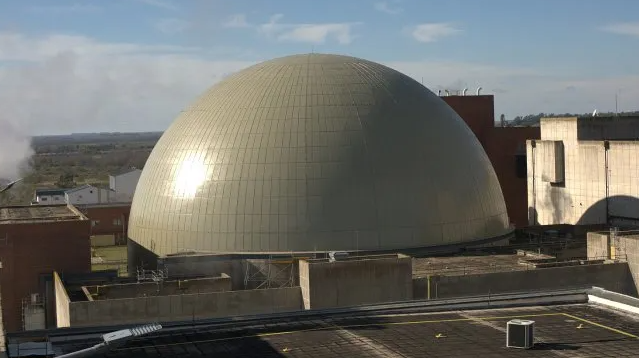
Argentina's nuclear power generates 4.45 million kWh in half a year, accounting for over 7% of national electricity and meeting the residential electricity needs of 6 million people
Operating data from Nucleoeléctrica Argentina for the first half of 2026 shows that the Atucha 2 and Embalse nuclear power plants generated a combined 4,450,355 kWh, accounting for over 7% of the country's total electricity generation during the period and covering 13% of national residential electricity demand. Notably, although Atucha 1 is temporarily out of service due to a life extension project, the nuclear plants are still able to supply electricity to approximately 6 million people. In addition to its operational breakthroughs, Nucleoeléctrica Argentina is also actively expanding its international business. The company has formally established a new business unit aimed at...
2026-08-06
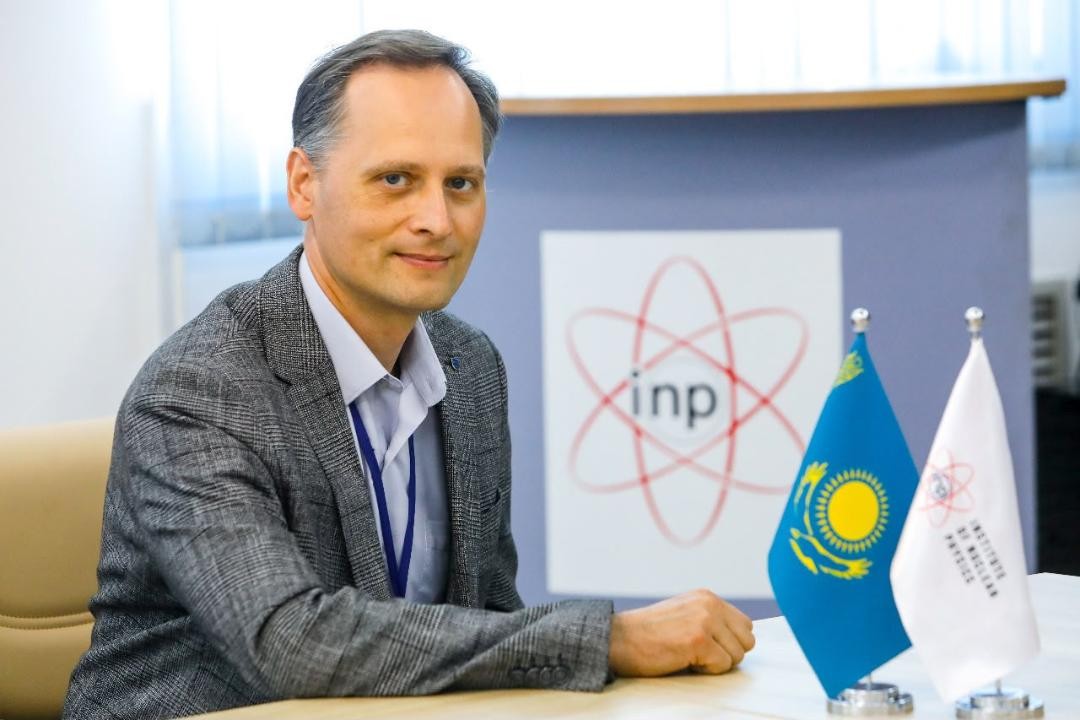
Kazakh experts call for enhanced radioecological monitoring in border regions
As Central Asian countries accelerate the development of nuclear energy, Kazakh experts have recently proposed that the radioecological monitoring system in border regions should be improved as soon as possible to provide long-term environmental data support for the construction and operation of regional nuclear power projects. Relevant materials indicate that nuclear energy is becoming an important direction in the energy policies of several Central Asian countries. Kazakhstan has decided to build its own nuclear power plant, while neighboring countries such as Uzbekistan are also advancing or preparing similar projects. Growing electricity demand and the need to reduce greenhouse gas emissions are key factors driving the development of nuclear energy in the region. Experts believe that nuclear power development involves not only the construction of advanced units, but also the simultaneous establishment of an effective ecological and radiation safety assurance system. Modern nuclear power plants...
2026-08-06
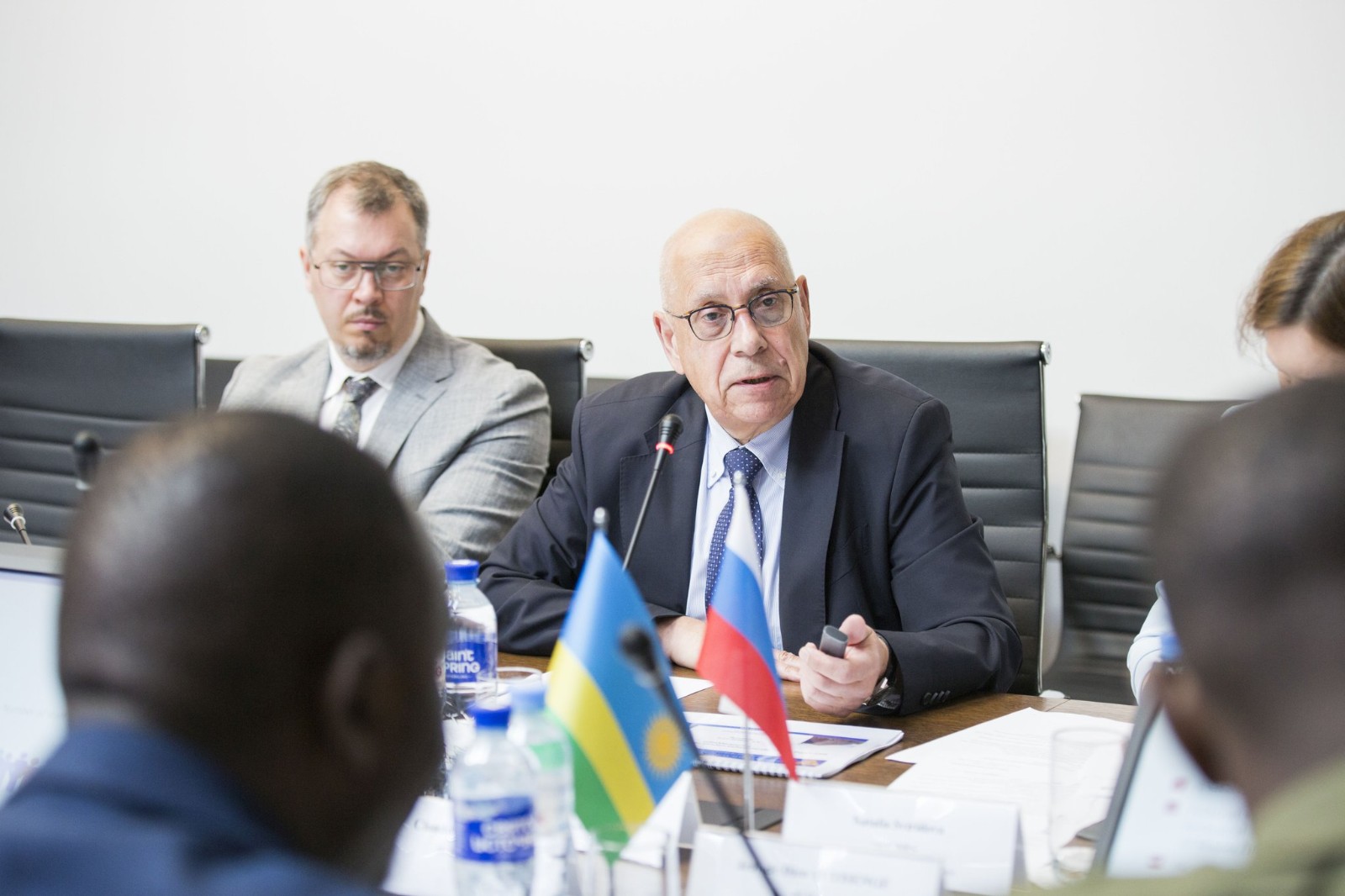
Rwandan Delegation Visits the Scientific and Technical Center for Nuclear and Radiation Safety in Russia
On August 4, 2026, a delegation from the Republic of Rwanda visited the Federal Budgetary Institution "Scientific and Technical Center for Nuclear and Radiation Safety" (FBU STC NRS) during its visit to the Federal Service for Environmental, Technological, and Nuclear Supervision (Rostekhnadzor). The delegation was led by Claude Nkusi, Deputy Director General of the Rwanda Utilities Regulatory Authority (RURA). At the beginning of the meeting, Alexander Khamaza, Director of the Scientific and Technical Center for Nuclear and Radiation Safety, delivered a welcome speech and introduced the Center's main activities in providing scientific and technical support to Rostekhnadzor. During the visit, the Rwandan delegation also learned about the...
2026-08-06

"Academician Lomonosov" Floating Nuclear Power Plant Passes Two-Week Audit by International Experts, with Significantly Fewer Findings Compared to 2022
An international team of inspectors at the Arctic port of Pevek conducted a two-week safety assessment of the Akademik Lomonosov, the world's only operating floating nuclear power plant. The experts observed daily operations and studied documentation in key areas. The audit focused on management organization, engineering support, maintenance and repair, radiation protection, and preparedness for various emergency scenarios. The final report shows a significant reduction in the number of findings compared to inspections prior to 2022. This is attributed to the professionalism of management and staff, who followed domestic and international best practices, thereby achieving a high level of safety and operational culture. The plant's nuclear...
2026-08-06
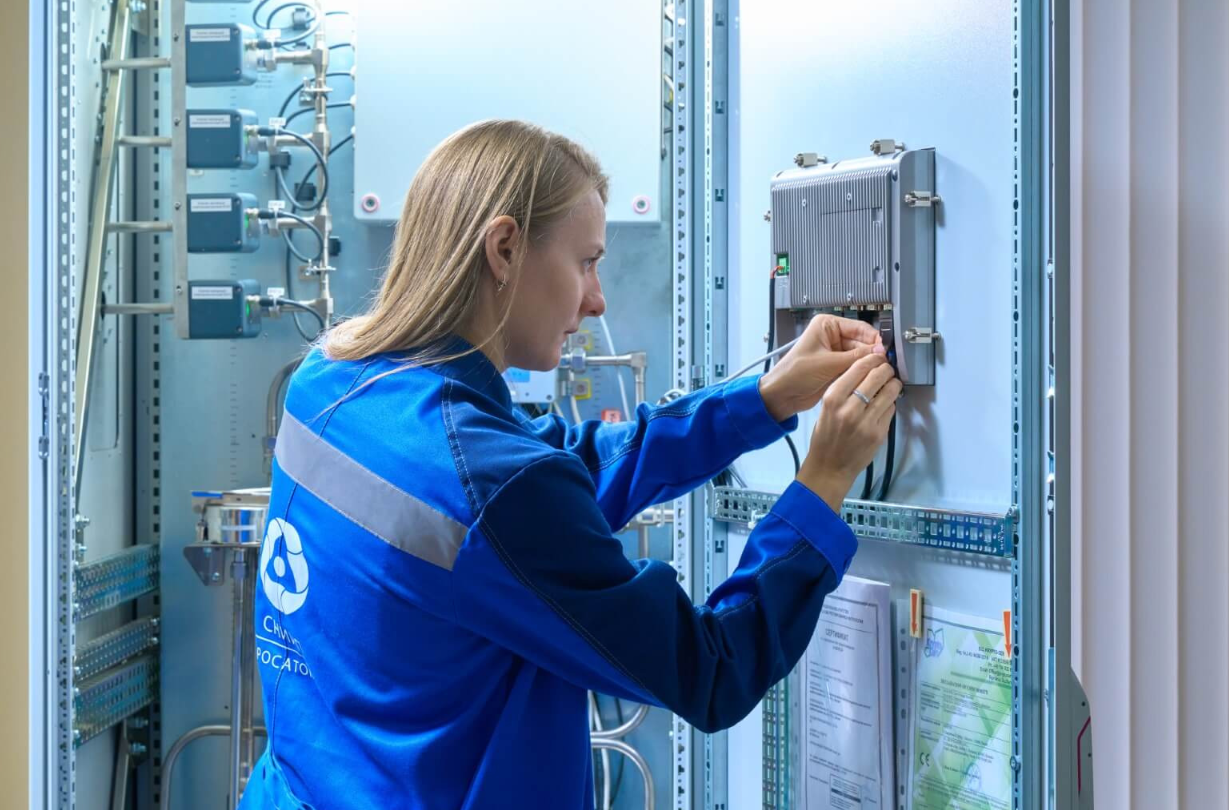
Rosatom selects SNIIP as chief design organization for radiation control systems, overseeing standardization of radiological instrumentation and import substitution assurance at nuclear facilities
Rosatom has selected the Research Institute of Scientific Instruments (SNIIP) as the chief design organization for radiation control systems. The institute, which is part of Rosatom's automation control and electrical equipment division, has been granted this status for a range of similar products in radiation control equipment and systems, including automated radiation control systems and radiation environment monitoring. SNIIP's status as chief design organization means it will be responsible for ensuring Russia's technological autonomy in this field and for developing radiation control instruments and systems. SNIIP General Director Alexey Nikitin stated that this recognition is a testament to the years of work, experience, and professional expertise of the institute's employees...
2026-08-06
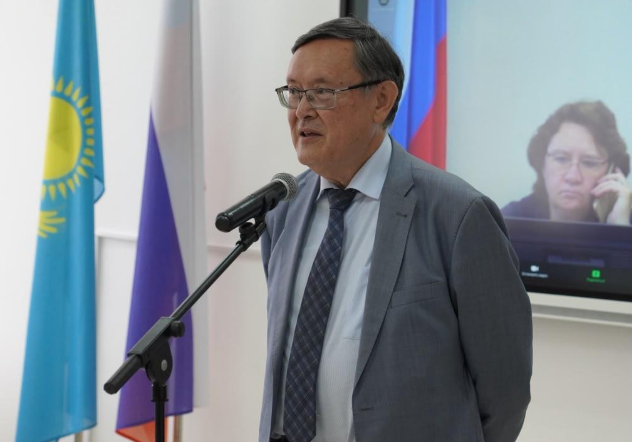
Kazakhstan Welcomes Its First Cohort of Nuclear Industry Specialists
On August 5, the inaugural graduation ceremony was held in Almaty for the first cohort of students at the Kazakhstan branch campus of the National Research Nuclear University MEPhI (НИЯУ МИФИ). Timur Zhantikin, Vice Chairman of the Atomic Energy Agency of Kazakhstan, attended the ceremony and presented diplomas to the graduates. In his address, he noted that as Kazakhstan's atomic energy industry enters a new phase of development, the demand for specialized professionals continues to grow, and the targeted training programs offered by the branch campus are crucial to filling this gap. The graduation of this first cohort marks the beginning of Kazakhstan's establishment of an independent domestic nuclear talent cultivation system. For a long time, Kazakhstan's nuclear industry has relied on overseas education or on-the-job training to supplement its engineering workforce...
2026-08-06
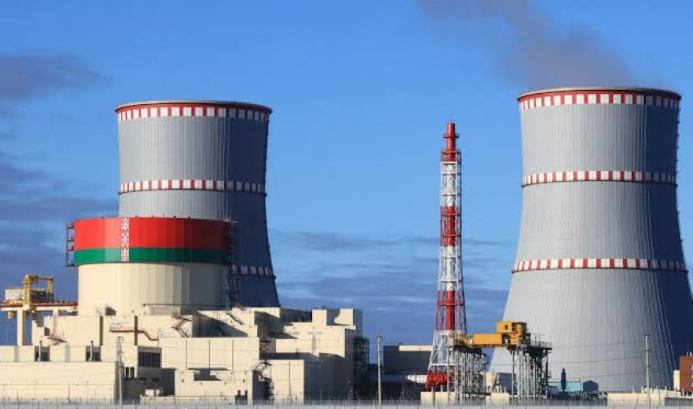
Belarus Plans Construction of New Nuclear Power Plant
Belarus plans to build a third unit at its existing nuclear power plant and is planning a second nuclear power plant. The Belarusian nuclear power plant has become a flagship project of the Union State and a symbol of cooperation between Belarus and Russia. However, the country does not intend to stop there. The President of Belarus has made an important decision: to build a third unit at the existing nuclear power plant, while studying the possibility of constructing a second nuclear power plant in the Mogilev region. Energy Minister Denis Moroz discussed the significance of this initiative, its timeline, and the direction of energy development over the next 15 years in the "Economic Environment" program. In 2008, the President of Belarus made the strategic decision to build a nuclear power plant, at a time when other countries were shutting down...
2026-08-06

"China Nuclear Power Development Report (2026)": China's Total Scale of Operating and Approved-Under-Construction Nuclear Power Units Ranks First in the World
On August 6, the National Energy Administration released the "China Nuclear Power Development Report (2026)". As of the end of 2025, China had a total of 112 nuclear power units in operation and approved for construction, with a total installed capacity of 125 million kilowatts, ranking first in the world. Among them, 59 units were in operation with an installed capacity of 62.48 million kilowatts, ranking third globally; 53 units were approved and under construction with a capacity of 62.93 million kilowatts, maintaining the world's largest nuclear power engineering construction scale for 19 consecutive years. The report shows that during the "14th Five-Year Plan" period, China newly approved 46 nuclear power units with a total capacity of 54.5 million kilowatts, and newly commissioned 11 units with a capacity of 12.45 million kilowatts. In 2025, China commissioned one new nuclear power unit, namely Unit 2 of the "Guohe One" demonstration project; and approved the construction of 10 new nuclear power units with a total capacity of 12.1 million kilowatts, involving Units 5 and 6 of Zhejiang Sanmen, Units 5 and 6 of Shandong Haiyang, Units 1 and 2 of Fujian Xiapu, Units 3 and 4 of Guangdong Taishan, and Units 5 and 6 of Guangxi Fangchenggang...
2026-08-06
CGN and Shandong Provincial People's Government Sign Strategic Cooperation Agreement
On August 5, China General Nuclear Power Group Co., Ltd. and the People's Government of Shandong Province signed a strategic cooperation agreement in Jinan. Zhou Naixiang, Deputy Secretary of the Shandong Provincial Party Committee and Governor of Shandong Province, and Pang Songtao, Deputy Secretary of the Party Committee and General Manager of China General Nuclear Power Group Co., Ltd., witnessed the signing. Zhang Haibo, Member of the Standing Committee of the Shandong Provincial Party Committee and Executive Vice Governor of Shandong Province, and Cai Zhen, Member of the Standing Committee of the Party Committee and Vice General Manager of China General Nuclear Power Group Co., Ltd., signed the agreement on behalf of both parties respectively. According to the agreement, the two parties will carry out multi-level, multi-field, and multi-form cooperation and exchanges in accordance with laws and regulations, with a focus on frontier innovation areas such as nuclear energy development and utilization, deep-sea offshore wind power, new energy industries, and nuclear technology applications, intensifying cooperative development efforts to support Shandong Province in building a pilot zone for green, low-carbon, and high-quality development.
2026-08-06
World Nuclear Association: Global Nuclear Power Investment Must Reach $250 Billion Annually to Support Tripling of Installed Capacity by 2050
Global nuclear power investment is expected to see significant growth, with annual investment needs potentially exceeding $250 billion by 2050 to meet rising world energy demand. According to a report by the World Nuclear Association (WNA), this investment scale aims to at least triple global nuclear power installed capacity and is supported by 38 countries. This represents a potential investment opportunity of up to $6 trillion for the nuclear power industry, attracting widespread attention. In addition to government funding, private sector capital participation is crucial to the comprehensive development of nuclear power. The report emphasizes that investment should not only focus on new nuclear power plant construction but also expand the nuclear fuel cycle to support large-scale operations, ensure energy supply...
2026-08-06
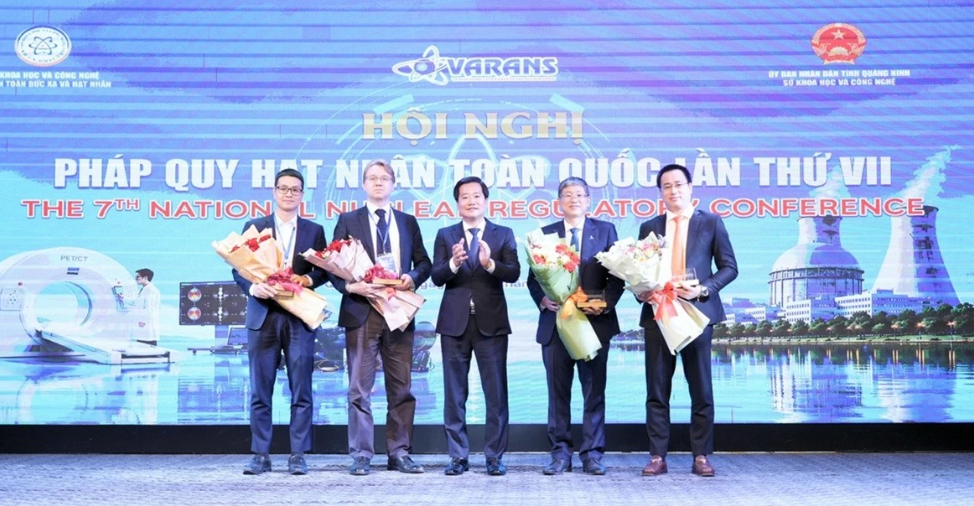
Petrovietnam Calls for Synchronized Regulation and Development in Ninh Thuan 2 Nuclear Power Project
Petrovietnam has proposed adopting a synchronized coordination mechanism in the development of the Ninh Thuan 2 nuclear power project. The Group believes that for this nuclear power plant project, regulatory, licensing, and inspection procedures should proceed in parallel with the project development process during the investment preparation phase. This approach can enhance document quality, control risks, and ensure the project is implemented safely and in compliance with standards. Petrovietnam emphasized that nuclear power projects require regulatory work (including licensing, assessment, and review) to be integrated into all stages of the project lifecycle, rather than being treated as a subsequent step. The Vietnam Oil and Gas Group proposed that, to effectively advance project preparation, regulatory capacity building should be strengthened...
2026-08-06
UK Energy - Nuclear joins World Association of Nuclear Operators
Great British Energy - Nuclear (GBE-N) has joined the World Association of Nuclear Operators (WANO) as a new member of its fifth membership category. This membership category is open to organizations worldwide that are planning, constructing, or preparing to operate new nuclear facilities. By joining WANO, GBE-N will gain access to the association's global professional network, operational experience feedback, and tailored support for new nuclear projects. WANO can provide assistance in the construction, commissioning, operational readiness, startup, and long-term safe and reliable operation of new nuclear plants. GBE-N, a UK government-owned entity, is advancing plans to deploy Rolls-Royce Small Modular Reactors in Gwynedd, North Wales (formerly known as Wylfa).
2026-08-06