
Search Results
Keyword:RI
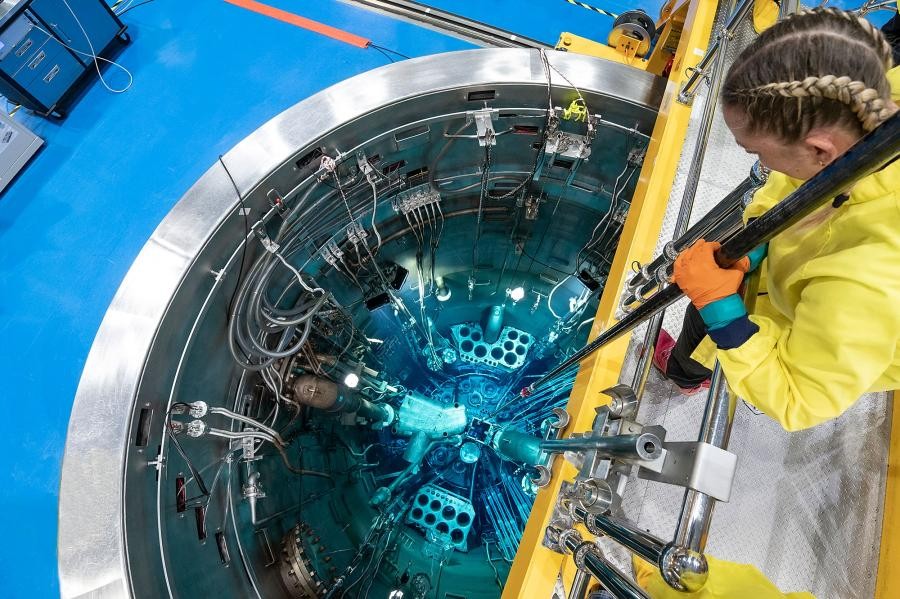
Australia's OPAL Multipurpose Reactor Marks 20 Years of Operation: Supporting Nuclear Medicine, Industrial Silicon Irradiation, and Neutron Science
The OPAL multipurpose reactor at the Lucas Heights campus of the Australian Nuclear Science and Technology Organisation (ANSTO), located south of Sydney, has marked the 20th anniversary of achieving first criticality. On August 12, 2006, OPAL achieved a self-sustaining controlled nuclear chain reaction, marking the facility's transition from the construction phase to the scientific operations phase. ANSTO stated that over the past 20 years, OPAL has become one of Australia's key nuclear science infrastructures, serving multiple fields including medicine, industry, and scientific research. OPAL is not a power reactor and is not used for electricity generation. According to available information, Australian federal law and relevant state and territory legislation prohibit the construction of nuclear power reactors, fuel fabrication, and waste disposal facilities. Unlike power reactors used for...
2026-08-12
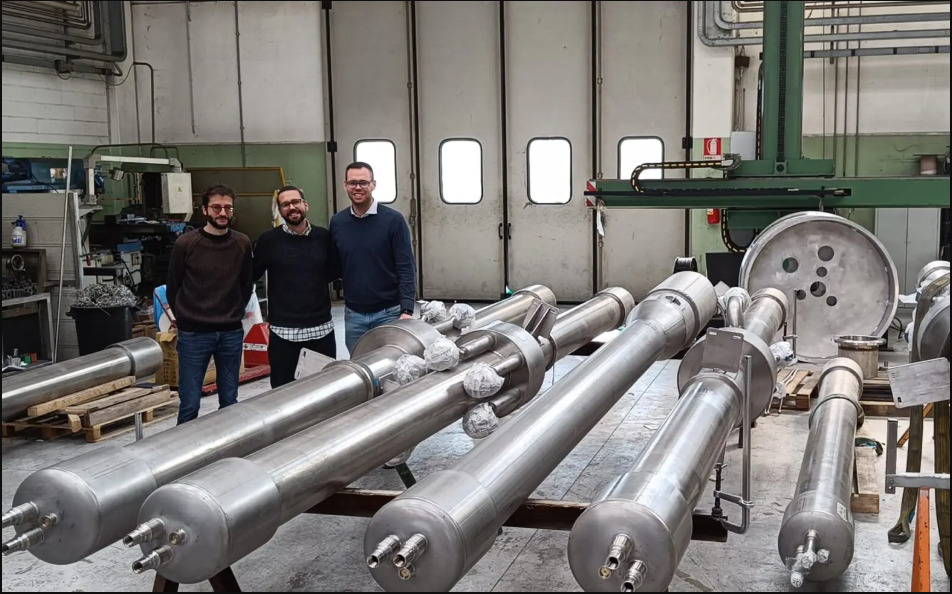
Fusion for Energy completes full delivery of ITER cryopump distribution system
The International Thermonuclear Experimental Reactor (ITER) will operate in an ultra-high vacuum environment. To prevent contamination inside the device, a set of cryopumps supplied by Europe will extract gas particles and alternate operation before and after plasma discharges, maintaining the vacuum vessel pressure at approximately one millionth of Earth's atmospheric pressure. The core of cryopump operation lies in the extremely low-temperature environment. Its internal panels will be cooled to 4 K, approximately minus 269 degrees Celsius, close to absolute zero, to capture gas particles; they are then warmed to release and expel the particles. To precisely control this process, Europe is also supplying ITER with the Front-End Cryopump Distribution System (FECDS), which delivers helium at specific doses and temperatures to the cryopumps...
2026-08-12

UK Low-Level Waste Repository Advances Capping Project, Rail-Transported Aggregate Exceeds 285,000 Tonnes
Nuclear Waste Services (NWS) is advancing capping-related works at the Low-Level Waste Repository on the west coast of Cumbria, UK, to strengthen long-term protection of existing disposal trenches and vaults. Since the repository began operations in 1959, it has supported the safe disposal of approximately 1 million cubic metres of low-level radioactive waste, making it a key facility in the UK's radioactive waste management system. NWS, part of the Nuclear Decommissioning Authority (NDA), is primarily responsible for consolidating the UK's radioactive waste management capabilities, providing management solutions for legacy wastes from civil and defence sectors as well as wastes arising from future new-build nuclear projects...
2026-08-12
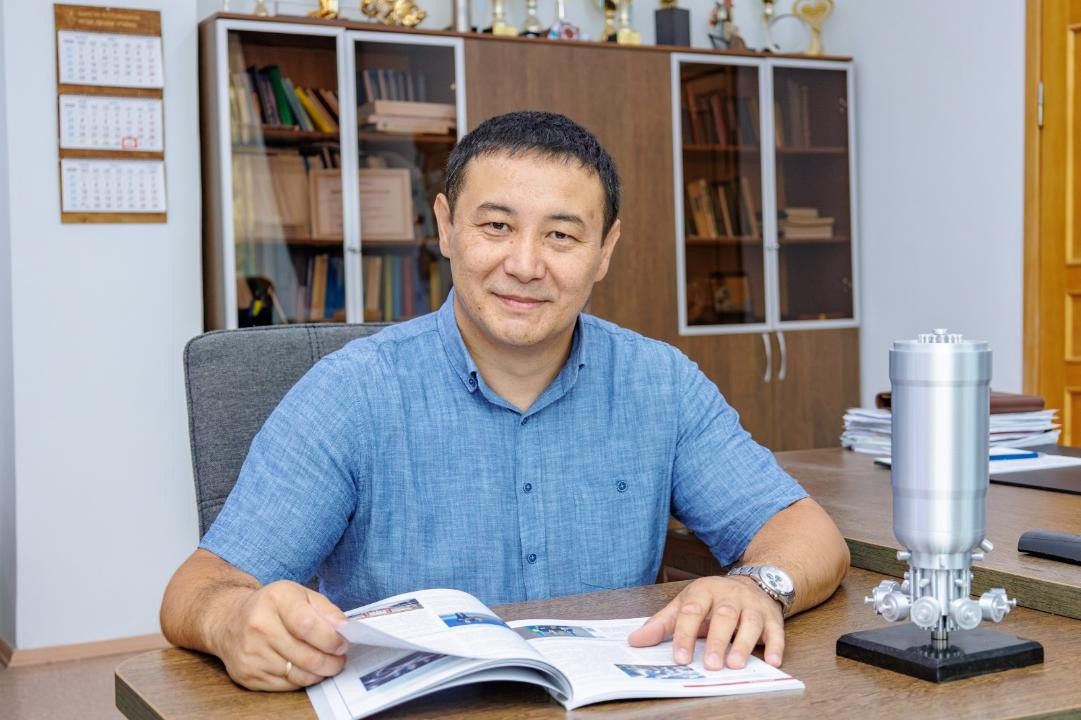
Kazakhstan's National Nuclear Center Advances Material Testing Research for Future Reactors
On August 11, the National Nuclear Center of the Republic of Kazakhstan presented its progress in research on structural materials for advanced reactors. Yerzhan Ernatuly Sapataev, head of the Radiation Materials Science Laboratory at the center's Institute of Atomic Energy, stated that the development of next-generation reactors and fusion technologies has imposed higher requirements on structural materials in terms of high-temperature resistance, radiation tolerance, and corrosion resistance, and that material reliability will directly determine the safety and service life of future nuclear energy systems. Materials inside future reactors typically need to...
2026-08-12

Two Units of Kozloduy NPP Operating at Full Capacity as Scheduled
As of 13:00 on August 11, 2026, the two units of Kozloduy Nuclear Power Plant continue to operate at full capacity in accordance with the power generation schedule. The plant's operating team maintains continuous watch to ensure the safe and stable operation of the relevant facilities. To guarantee the water volume required for the circulating pump station and the technical water cooling system, the plant has implemented technical and organizational measures under existing conditions to maintain the operation of the shore pump station. The technical condition of the relevant facilities requires ongoing attention, and operational parameters are being continuously monitored on site. To optimize water intake conditions, the plant needs to clean the riverbed between the Danube River and the shore pump station. The operation of the shore pumps is being monitored, with flow regulated by adjusting the blade angles; if necessary, further...
2026-08-12
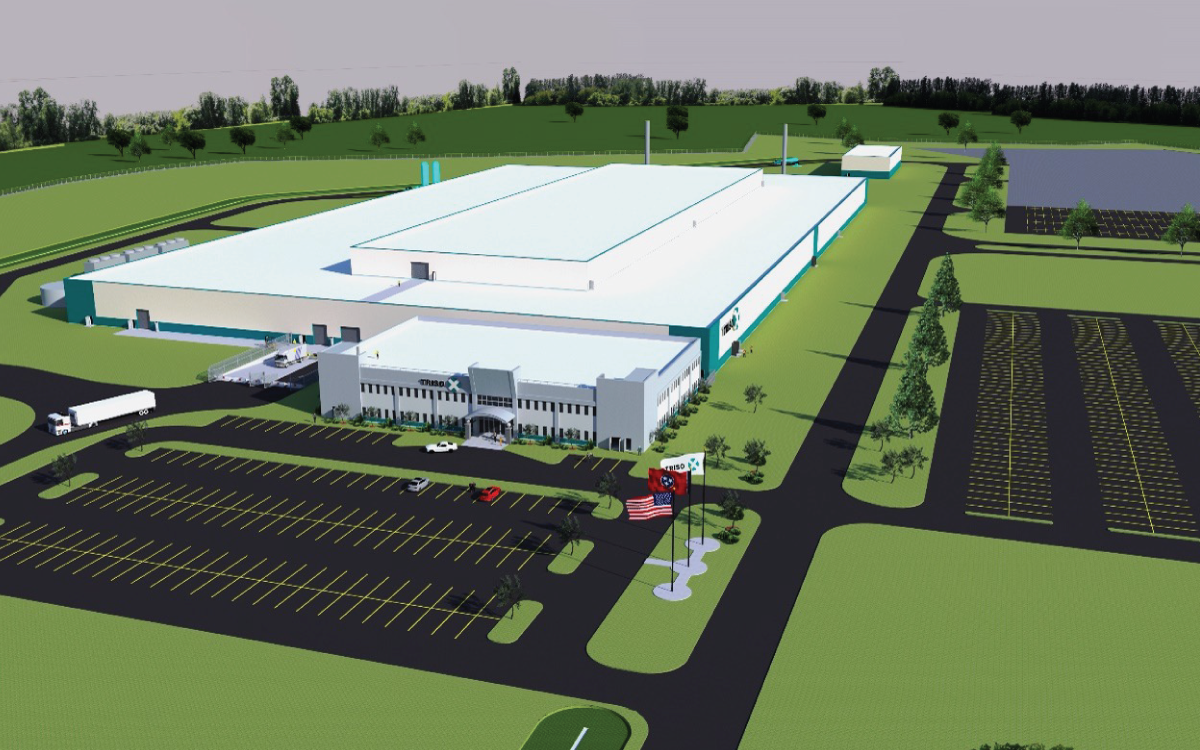
TRISO-X and Oak Ridge National Laboratory Extend Advanced Nuclear Fuel R&D Collaboration
TRISO-X announced on August 11 that it has extended its Collaborative Research and Development Agreement with the U.S. Department of Energy's Oak Ridge National Laboratory (ORNL). The newly signed agreement has a term of 30 months and will continue to advance commercial-scale development of TRISO fuel, manufacturing process optimization, and technology transfer, building on the collaboration established since 2016. TRISO-X is a wholly-owned subsidiary of X-energy, primarily engaged in advanced nuclear fuel manufacturing. Under the agreement, TRISO-X will continue to operate its existing pilot-scale facilities at Oak Ridge National Laboratory, with a focus on transitioning TRISO fuel from laboratory R&D to commercial-scale manufacturing. The collaboration includes optimizing fuel...
2026-08-12
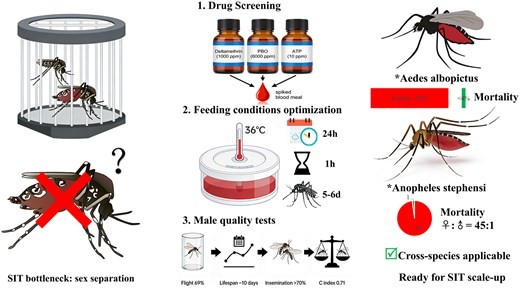
Chinese Team Proposes "Toxic Blood Meal" Pre-Treatment Approach to Boost Sterile Insect Technique for Mosquitoes
Chinese researchers have recently proposed a novel sex-sorting approach for the Sterile Insect Technique (SIT) in mosquitoes: adding a specific agent to the blood meal ingested by female mosquitoes, leveraging the biological difference that female mosquitoes feed on blood while males do not, to substantially reduce the number of females before release. The study was published in the June issue of the Journal of Medical Entomology. The Sterile Insect Technique is a pest population control method centered on radiation-induced sterility. Its basic process involves mass-rearing male target insects in the laboratory, sterilizing them through radiation exposure to render them reproductively incapable, and then releasing them into the field, where they mate with wild females to produce non-viable eggs, thereby suppressing target population growth. This technique has been incorporated into integrated pest management systems and is regarded as a relatively environmentally friendly pest control approach.
2026-08-12

Texas to Accelerate Opening of Sterile Fly Facility to Combat New World Screwworm Outbreak
The U.S. Department of Agriculture announced that, in response to the New World screwworm (NWS) outbreak already detected in Texas and New Mexico, the sterile fly facility at Moore Air Base in Edinburg, Texas, will open early next spring, approximately seven months ahead of the original schedule. Construction on the facility began in April of this year, and once completed, it will produce sterile flies to support outbreak control efforts using the Sterile Insect Technique (SIT). Under the plan, the facility will reach full operational capacity by the end of 2028, producing approximately 300 million sterile flies per week. The Sterile Insect Technique works by releasing sterilized flies into the environment to mate with wild screwworms, thereby interrupting the reproductive cycle and reducing the risk of continued parasite spread...
2026-08-12
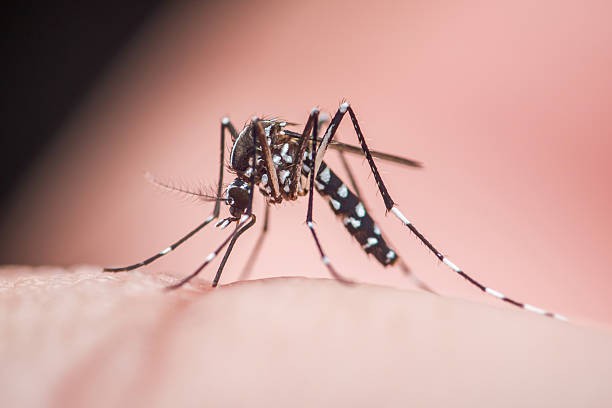
French city of Illkirch plans to test sterile insect technique to combat tiger mosquitoes
Thibaud Philipps, Mayor of Illkirch-Graffenstaden in France's Bas-Rhin department, hopes to pilot the Sterile Insect Technique (SIT/TIS) locally, sterilizing male tiger mosquitoes through radiation and releasing them regularly to curb population growth. According to local authorities, tiger mosquitoes have been officially established in Illkirch-Graffenstaden since 2019. In recent years, the local tiger mosquito population has continued to increase, significantly impacting residents' daily lives. The municipal government has previously implemented multiple control measures, including launching the "Tiger Team" project in 2024 to educate the public on mosquito prevention and control methods, as well as providing subsidies of up to 50 euros per household for purchasing mosquito traps. To date, approximately 400 households have received relevant traps...
2026-08-12

University of Tokyo and University of York Successfully Validate Positronium Ratio Imaging Principle for the First Time
A research team from the Graduate School of Engineering at the University of Tokyo and the University of York in the UK established a novel geometric imaging principle utilizing positron three-photon decay. Using a gamma-ray measurement system comprising scintillators and silicon photomultipliers (SiPMs), along with the existing PET radiopharmaceutical ^18F-FDG, they successfully visualized the positronium three-photon decay ratio for the first time, completing the proof-of-principle for Positronium Ratio Imaging (PRI). The findings were published in *Communications Physics*. Current clinical nuclear medicine PET examinations primarily utilize gamma rays generated from two-photon annihilation between positrons and electrons to visualize drug accumulation in the body. While this method provides quantitative information on metabolism or drug uptake, it offers limited insight into microenvironmental features such as tissue hypoxia, which are closely related to disease malignancy. In recent years, researchers have attempted to obtain additional tissue information through the average lifetime of positronium formed during positron annihilation, but this approach typically requires the introduction of special nuclides or agents, limiting its practical application.
2026-08-12
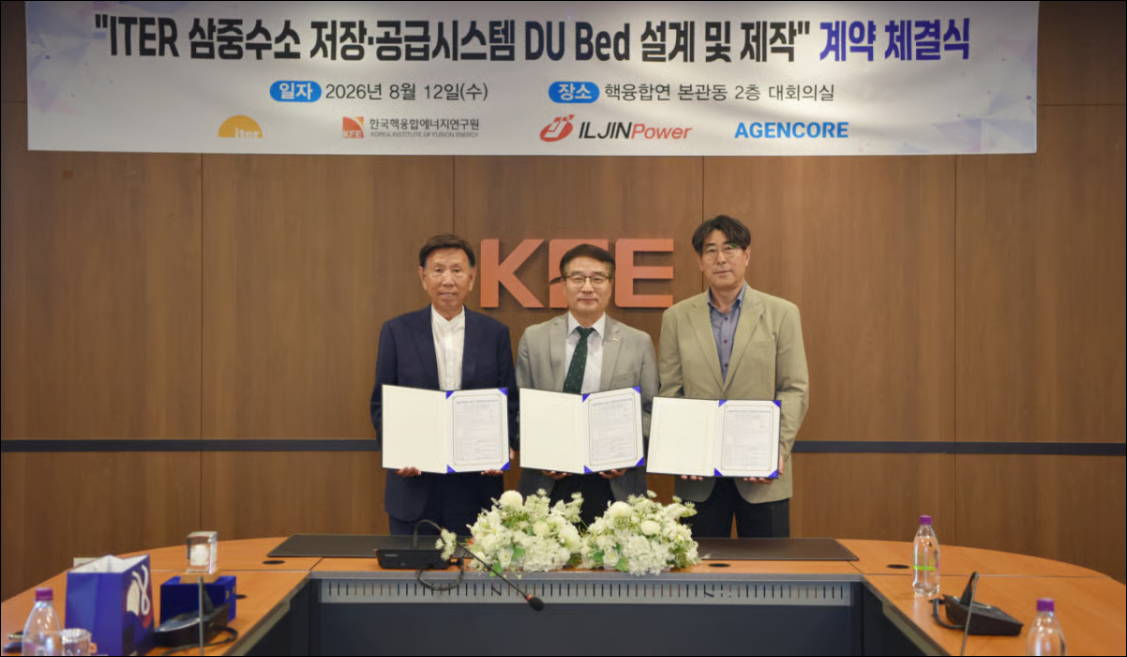
Korea Fusion Energy Institute Launches Design and Manufacturing of ITER Tritium Storage and Supply Vessels
The Korea Fusion Energy Institute (KFE) announced on August 12 at its headquarters in Daejeon that it has signed a contract with a consortium comprising Iljin Power and Aizen Core to undertake the design and manufacturing of the tritium storage and supply vessels for the International Thermonuclear Experimental Reactor (ITER). ITER is currently the world's largest fusion experimental device, being jointly constructed by seven parties—Korea, the United States, the European Union, Japan, China, Russia, and India—in Cadarache, southern France. Under the procurement agreement signed between KFE and the ITER Organization in March 2025, Korea...
2026-08-12
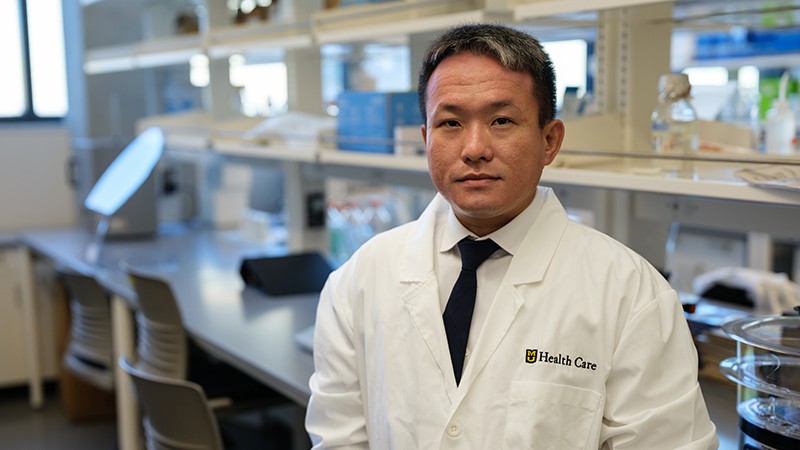
University of Missouri Receives $1 Million Grant to Research New FLASH Radiotherapy System
On August 11, researchers at the University of Missouri School of Medicine received a $1 million grant from the National Institutes of Health to study a new technology in cancer radiotherapy—the TheryQ FLASHKNiFE system. The project is funded through June 2027. A long-standing challenge in cancer treatment is how to kill tumor cells while protecting surrounding healthy tissue as much as possible. Existing radiotherapy can already achieve millimeter-level precision, but radiation damage and related side effects still limit the dose patients can safely receive. Unlike conventional approaches, FLASH radiotherapy does not primarily alter the direction of radiation beams, but instead delivers irradiation in an extremely short time at an ultra-high dose rate...
2026-08-12
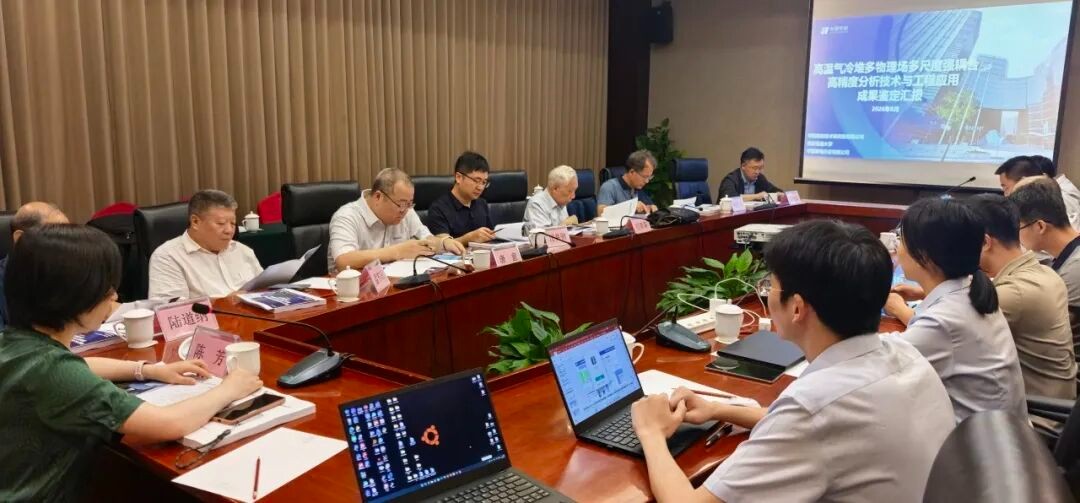
"High-Precision Analysis Technology and Engineering Application of Multi-Physics, Multi-Scale, Strongly Coupled High-Temperature Gas-Cooled Reactor" Passes Scientific and Technological Achievement Appraisal, Reaching Internationally Leading Level
On August 7, the China Nuclear Energy Association organized a scientific and technological achievement appraisal meeting in Beijing for the high-precision analysis technology and engineering application of multi-physics, multi-scale, strongly coupled high-temperature gas-cooled reactors. Ye Qizhen, academician of the Chinese Academy of Engineering, served as the leader of the project review panel. The expert group unanimously agreed to pass the achievement appraisal, recognizing it as reaching an internationally leading level. Xu Weiqiang, General Manager of the Nuclear Energy Research Institute, attended the meeting, and Liu Wei, Director of the Reactor Engineering Institute, delivered a special report. This achievement was completed through five years of joint research by Huaneng Nuclear Energy Technology Research Institute and Xi'an Jiaotong University, targeting world-class challenges such as strong multi-physics coupling in the core of pebble-bed high-temperature gas-cooled reactors, limited in-core temperature measurement points, and complex bypass flow paths. For the first time internationally, it established...
2026-08-12
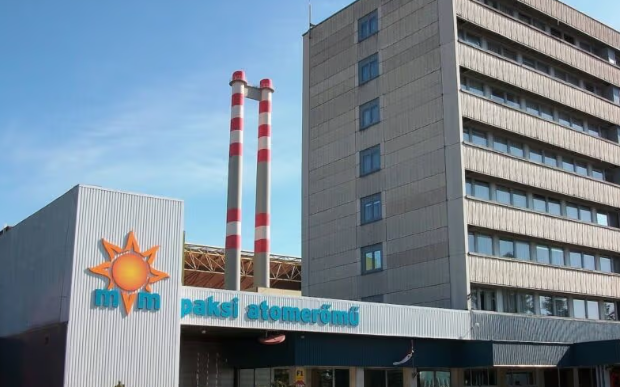
Budapest Launches Feasibility Study for Long-Distance Heat Supply from Paks Nuclear Power Plant
On August 11, 2026, Budapest Public Services Company (BKM), in partnership with the Budapest University of Technology and Economics, launched a feasibility study to explore the delivery of thermal energy from the Paks Nuclear Power Plant to the city's district heating system via a hot-water pipeline of approximately 125 kilometers. The study focuses on the technical, economic, and construction feasibility of the project. The Paks Nuclear Power Plant is located about 100 kilometers from the capital, and the current heat load of Budapest's district heating system is approximately 100 MWth in summer, peaking at 1,000 MWth in winter. The core significance of this concept lies not only in providing a low-carbon heat source for the city but also in improving the efficiency of waste heat utilization at the nuclear power plant. The Paks Nuclear Power Plant currently...
2026-08-12

Urenco in Almelo, Netherlands accelerates expansion, ninth centrifuge hall enters planning
Urenco in Almelo, the Netherlands, is continuing its large-scale expansion. Before a new large facility has even been completed, the company has already begun advancing its next expansion project, with a ninth production hall housing thousands of centrifuges now in the preparatory stage. This signals a clear acceleration in the pace of the company's uranium enrichment capacity expansion. Urenco's core business is supplying fuel for nuclear power plants, namely enriching uranium through centrifuges. In recent years, tight global energy supply, fluctuating natural gas prices, and heightened energy security concerns have brought nuclear energy back into focus for many countries. As demand for nuclear power rises, the importance of the nuclear fuel supply chain has also grown, and Urenco...
2026-08-12