
Search Results
Keyword:SIT

Chonnam National University Hospital in Hwasun, South Korea, Adopts Deepnoid's Chest X-ray AI Interpretation Solution "M4CXR"
Deepnoid announced on August 31 that it has signed a supply contract with Chonnam National University Hospital in Hwasun, South Korea, to provide the hospital with its AI-based chest X-ray preliminary opinion generation solution, M4CXR. This contract is part of the "AI Medical System Support Project for Regional Responsible Medical Institutions" promoted by the Ministry of Health and Welfare of South Korea. Chonnam National University Hospital in Hwasun plans to improve the work efficiency of medical staff in interpreting chest X-ray images and further enhance the quality of medical services through the introduction of M4CXR. A representative from the Hwasun branch of Chonnam National University Hospital stated that introducing a generative AI-based image interpretation support system is of great significance for improving the quality of public medical services...
2026-08-31

India's Nuclear Power Expansion Drives Mechanical Seal Demand; Sealmatic Positions Itself in Nuclear-Grade Supply Chain
August 29, 2026 - Sealmatic India Ltd. is leveraging its in-house mechanical seal technology and nuclear application quality certifications to expand into India's nuclear energy equipment supporting market. As India advances its nuclear power capacity expansion, demand for highly reliable mechanical seals in reactors and related pumping systems is expected to grow steadily. Although mechanical seals are not among major primary equipment such as reactors, pumps, or turbines, they play a critical role in the safe, reliable, and continuous operation of nuclear power plants. These products are primarily used in systems including main coolant, reactor coolant, auxiliary feedwater, and emergency core cooling pumps, where seal reliability, operational integrity...
2026-08-31

CA01 Module of Unit 1 at Guangxi Bailong Nuclear Power Plant Successfully Hoisted into Position in the Nuclear Island
On August 29, the CA01 module of Unit 1 at the Bailong Nuclear Power Plant of SPIC Guangxi Nuclear Power was precisely positioned, marking a new phase of parallel civil construction and installation in the nuclear island. ▲On August 29, the hoisting operation of the CA01 module of Unit 1 at the Guangxi Bailong Nuclear Power Plant of SPIC was proceeding in an orderly manner. The CA01 module is located in the reactor building of the nuclear island and serves as the installation room for main equipment such as the reactor pressure vessel, steam generators, and pressurizer. The module is T-shaped in overall form, with external dimensions of 28 meters in length, 29 meters in width, and 24 meters in height. It consists of 47 sub-modules, with a total lifting weight of approximately 1,167 tons, making it the largest and heaviest structural module in the nuclear island. The hoisting operation commenced at 8:07 a.m. and, after a series of maneuvers including lifting, hovering, slewing, lowering, and adjustment, was successfully positioned at 12:58 p.m., with the entire process being safe, controllable, stable, and orderly.
2026-08-31
NRC Approves Environmental Assessment for Small Modular Reactor at Texas Industrial Site
The U.S. Nuclear Regulatory Commission (NRC) recently completed the environmental assessment of applications submitted by Long Mott Energy and X-energy, issuing a finding of no significant impact. This conclusion marks a key milestone in the construction permit review process for the advanced reactor project planned for Seadrift, Texas. The project plans to build a 320-megawatt small modular reactor at Dow's industrial manufacturing site in Seadrift to provide electricity and high-temperature industrial steam to the facility. Long Mott Energy is a wholly owned subsidiary of Dow, and the project intends to use X-energy's advanced reactor technology to serve the energy needs of industrial facilities along the Texas Gulf Coast.
2026-08-28
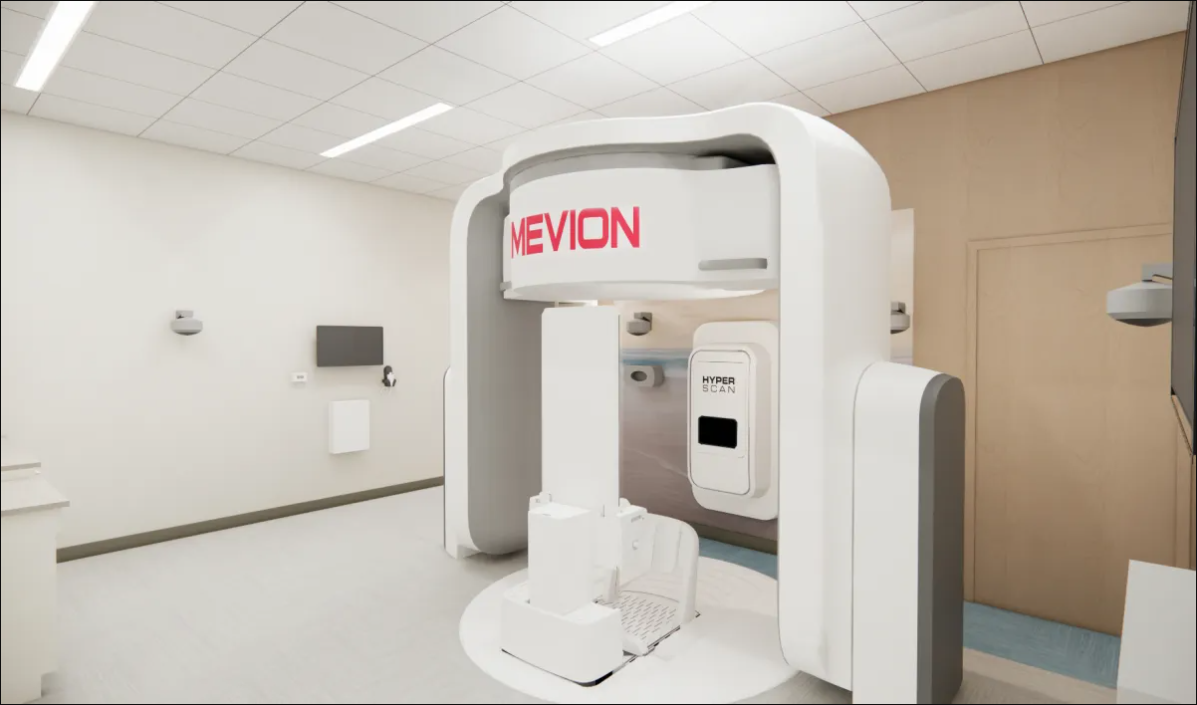
Auburn University Installs 200 MeV Superconducting Proton Accelerator to Build First University-Led Space Electronics Radiation Testing Facility in the U.S.
Auburn University's Applied Research Institute has announced the installation of a new 200 MeV superconducting proton accelerator, advancing the construction of the nation's first university-led proton testing facility dedicated to space electronics qualification. The system, a RAD-FX-200 superconducting synchrocyclotron manufactured and installed by Mevion Medical Systems, serves as the core component of Auburn University's new radiation-hardening facility. According to reports, the facility will help address gaps in U.S. space qualification testing capacity, providing radiation testing services for microelectronics to government agencies, aerospace, and defense-related industries. Systems such as satellites, missile defense interceptors, spacecraft, and launch vehicles rely on microelectronics, which may be affected by proton radiation in orbital environments. A single radiation-induced failure can cause system loss, and such failures are typically difficult to repair once in orbit...
2026-08-28

NNSA Administrator Brandon Williams Visits Kairos Power to Review SMR Technology
Kairos Power, a U.S. small modular reactor developer, recently announced that Brandon Williams, Administrator of the National Nuclear Security Administration (NNSA), has visited the company's Manufacturing Development Campus in Albuquerque, New Mexico, to review its readiness for advanced reactor deployment. According to Kairos Power, Williams and his delegation toured the campus's advanced manufacturing, fuel development, molten salt production, modular systems, and large-scale hardware verification facilities. The campus serves as a key base for the company's advancement of fluoride salt-cooled high-temperature reactor technology and also supports the engineering validation and manufacturing capability development required for future reactor deployment.
2026-08-27
Japan's Helical Fusion and Tohoku University Launch Social Communication Research on Fusion Energy
Helical Fusion recently announced that it has launched a joint research project with the Takahashi-Kariwara Laboratory of the Graduate School of Engineering at Tohoku University in August 2026, focusing on ideal communication methods for the social implementation of fusion energy. The project is planned to last approximately one year, with a focus on exploring the communication methods, dialogue mechanisms, and decision-making pathways required for fusion energy to move toward social application. According to the project plan, both parties will examine cases of existing advanced technologies in areas such as social acceptance and risk perception to study communication strategies needed for the stable application of fusion energy in future society. The research also plans to introduce...
2026-08-27
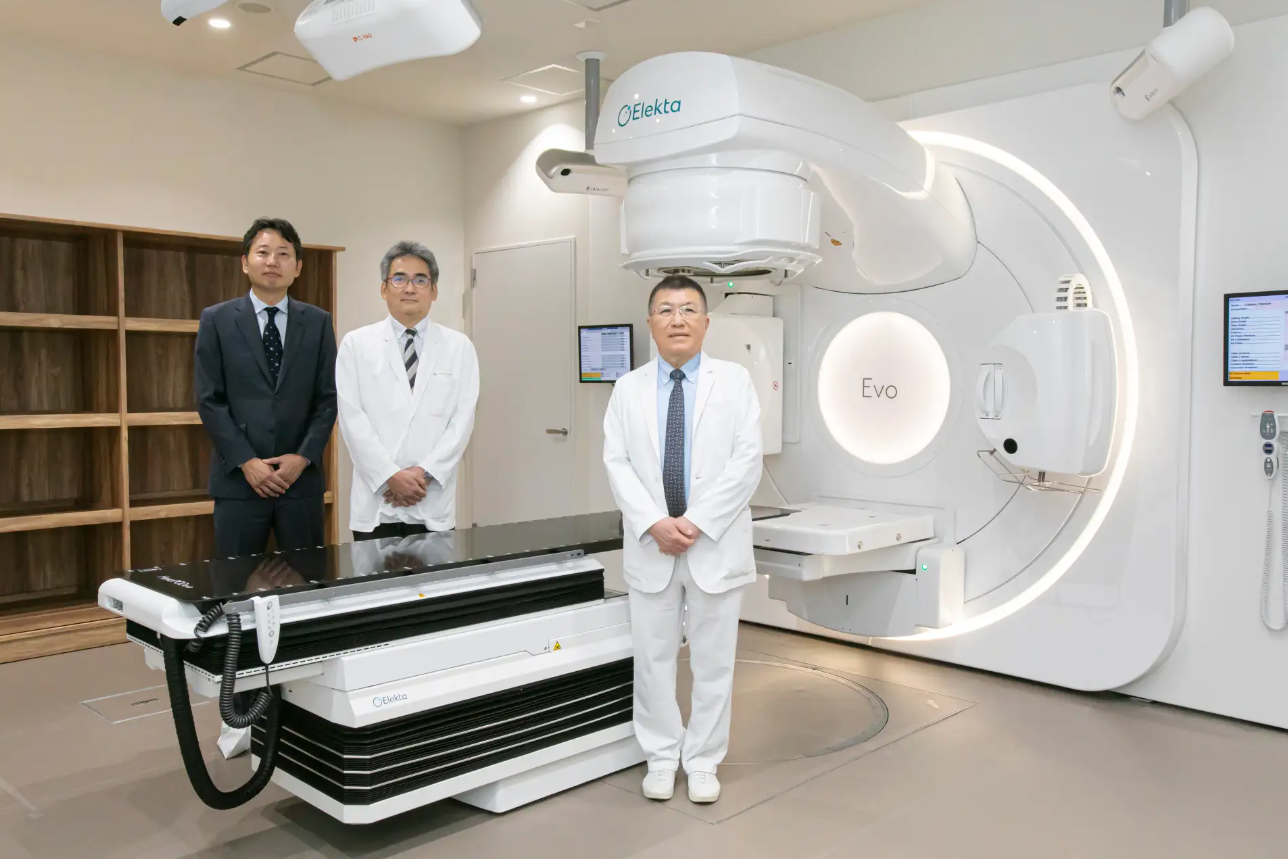
Hyogo Medical University Hospital to Launch Japan's First Elekta Evo Linear Accelerator System Treatments
Elekta K.K. announced on August 27 that its high-precision radiation therapy device, the Elekta Evo linear accelerator system, will be installed for the first time in Japan at Hyogo Medical University Hospital, with the first treatment scheduled to commence on September 24, 2026. This marks the entry of this next-generation radiation therapy system into clinical application in Japan. As the number of cancer patients increases, the demand for personalized and precise treatment in the field of radiation therapy continues to rise. The Elekta Evo is positioned as a next-generation radiation therapy system capable of covering both routine and more complex cancer treatment scenarios. The system is equipped with Iris, an AI-driven high-definition imaging technology, which enables clearer visualization of the positional relationships between organs in the patient's body...
2026-08-27
Tohoku University and Rigaku Establish Joint Research Institute for X-ray Metrology
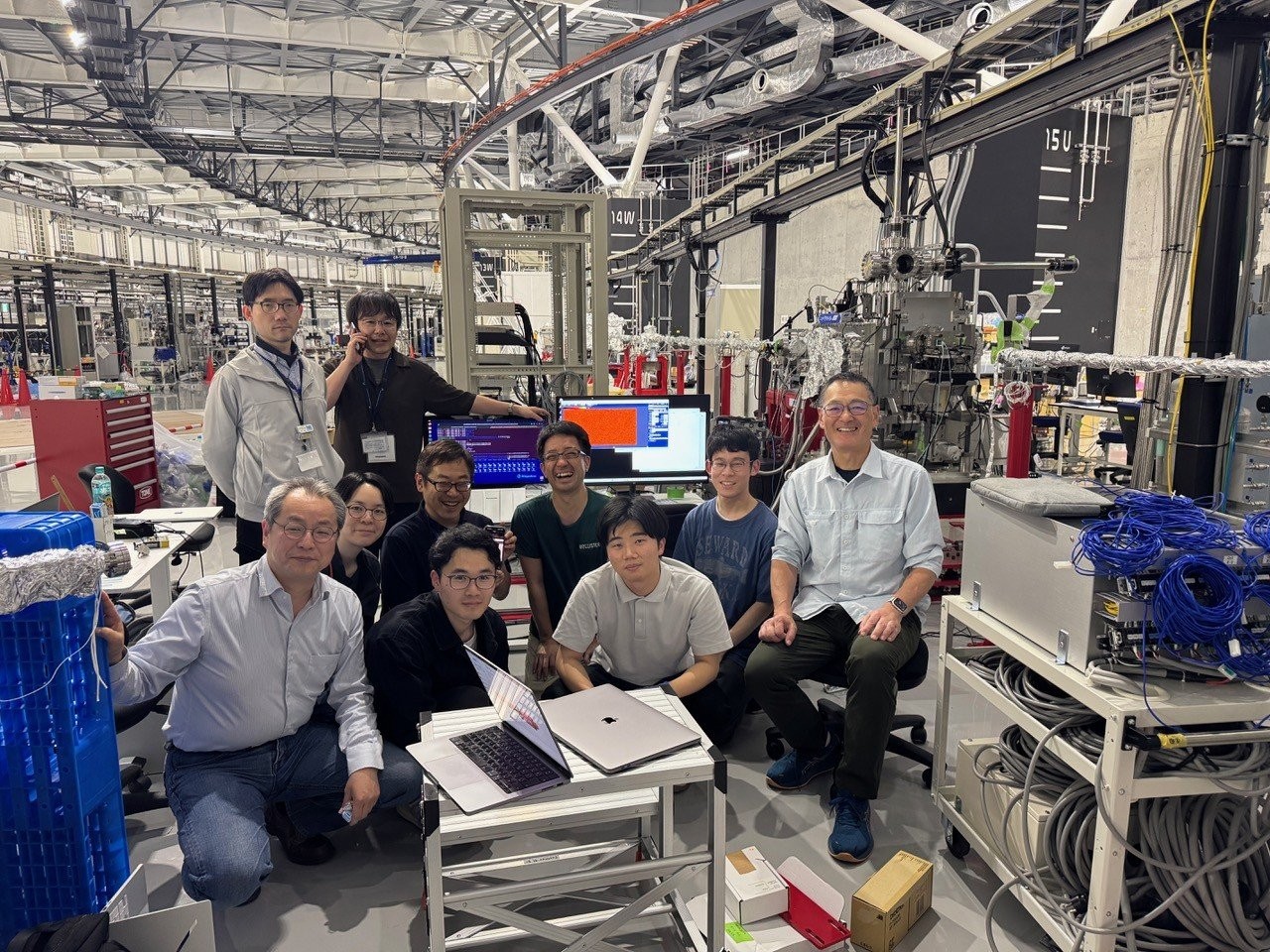
Tohoku University and Rigaku Corporation, a subsidiary of Rigaku Holdings Group, recently announced that they established the "Rigaku-Tohoku University X-ray Metrology Co-Creation Research Institute Beyond The Limits" on August 1, 2026, and commenced joint research. The institute will operate for a period of three years, until July 31, 2029, with the possibility of extension based on research outcomes. According to the announcement, the new institute will focus on upgrading X-ray metrology technologies, establishing new measurement methods, and nurturing the next generation of researchers. As semiconductor devices continue to shrink in size while becoming increasingly multi-layered and multi-material in composition, manufacturing processes are growing more complex, driving rising demand for high-precision, non-destructive evaluation of materials and structures. Existing measurement methods face limitations in evaluating fine structures and precisely analyzing depth-direction structures, making the development of new approaches such as soft X-ray techniques an important direction.
2026-08-27
Canadian Light Source Synchrotron at University of Saskatchewan Receives $3 Million CAD in Upgrade Funding
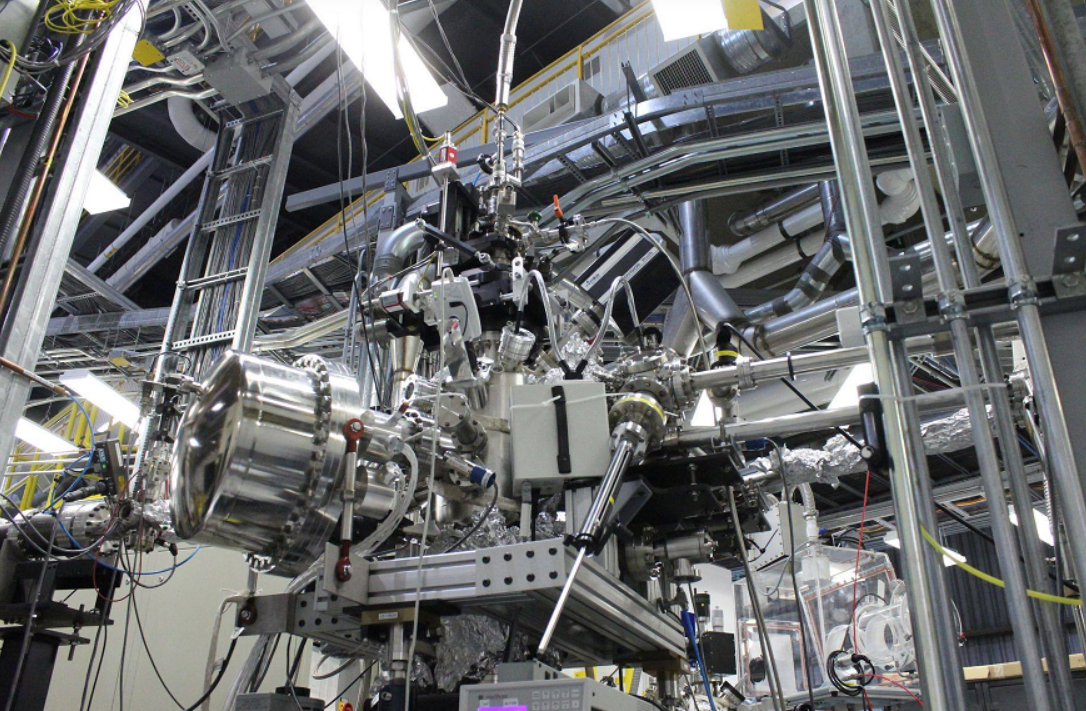
On August 26, Innovation Saskatchewan announced that it will provide $3 million CAD in funding to the Canadian Light Source synchrotron at the University of Saskatchewan to support the installation of an advanced solid-state amplifier, advancing the facility's upgrade efforts. According to reports, this solid-state amplifier is a key component of the Canadian Light Source's core particle accelerator and will support the operation of its 22 synchrotron radiation beamlines. The upgrade is expected to enhance facility performance, operational reliability, and energy efficiency, further strengthening its capacity for cutting-edge scientific research. The Canadian Light Source is Canada's only synchrotron facility. Synchrotrons use electromagnetic fields and radiofrequency waves to accelerate electrons to near the speed of light, keeping them in a circular orbit; as electrons move, they generate high-brightness, highly focused synchrotron radiation beams, which are directed to different experimental beamlines to help researchers study material structures and properties at the atomic scale.
2026-08-27

South Korea's Woojin Entech Patents Diagnostic Device for APR1400 Control Rod Position Transmitter
South Korea's Woojin Entech announced on August 27 that it has completed the development of a precision diagnostic device for the Control Rod Position Transmitter (RSPT) applicable to APR1400 units and has completed the relevant patent registration. The Control Rod Position Transmitter is used to measure the position of control rods within the reactor and transmit related signals to the control system, making it a critical component for reactor control and monitoring. The patented diagnostic device is primarily designed to accurately assess the status of the control rod control system and to pre-check multiple types of fault conditions before unit operation. According to the company, existing RSPT precision diagnostic systems require the installation of multiple cables during testing, making preparation work relatively complex...
2026-08-27
Department of Nuclear Medicine at the Affiliated Hospital of Southwest Medical University Completes Its First PET/CT-Guided Interventional Puncture Procedure
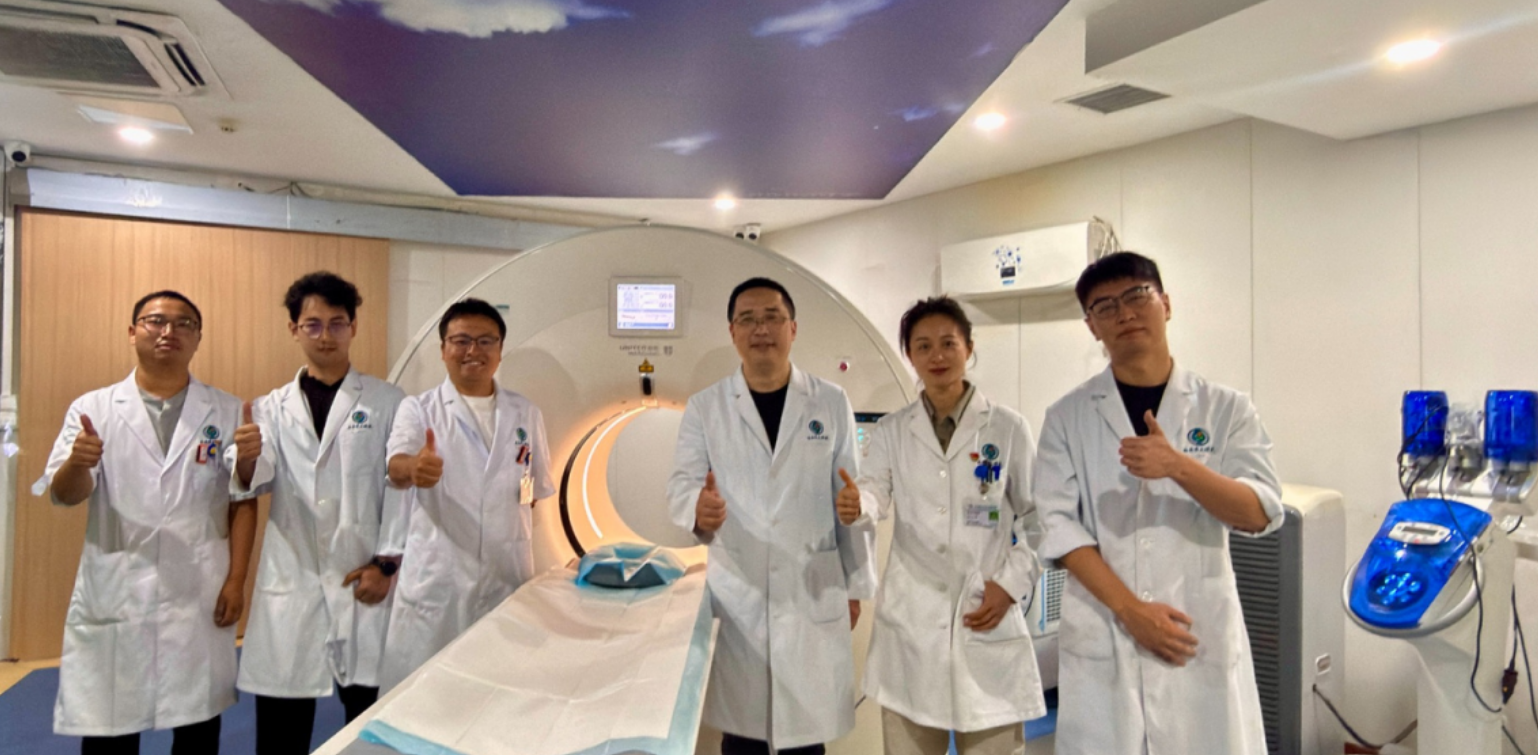
From August 21 to 22, Professor Sun Long from the PET Center of the First Affiliated Hospital of Xiamen University was invited to the Department of Nuclear Medicine at the Affiliated Hospital of Southwest Medical University for academic exchange, and on the following day provided on-site guidance for the hospital's first PET/CT-guided interventional puncture procedure. The successful completion of this procedure marks a new clinical practice milestone for the department in the field of interventional nuclear medicine. On August 21, Professor Sun Long delivered a special lecture titled "Exploration of Clinical Integrated Application of Diagnostic Nuclear Medicine and Interventional Nuclear Medicine Based on the PET Platform," focusing on how the PET platform extends from disease diagnosis and precise localization to interventional diagnosis and treatment. Drawing on clinical practice and typical cases, he introduced the application of interventional nuclear medicine in lesion...
2026-08-27
Fifth Mega Saltstone Disposal Unit Approved for Operation at U.S. Savannah River Site
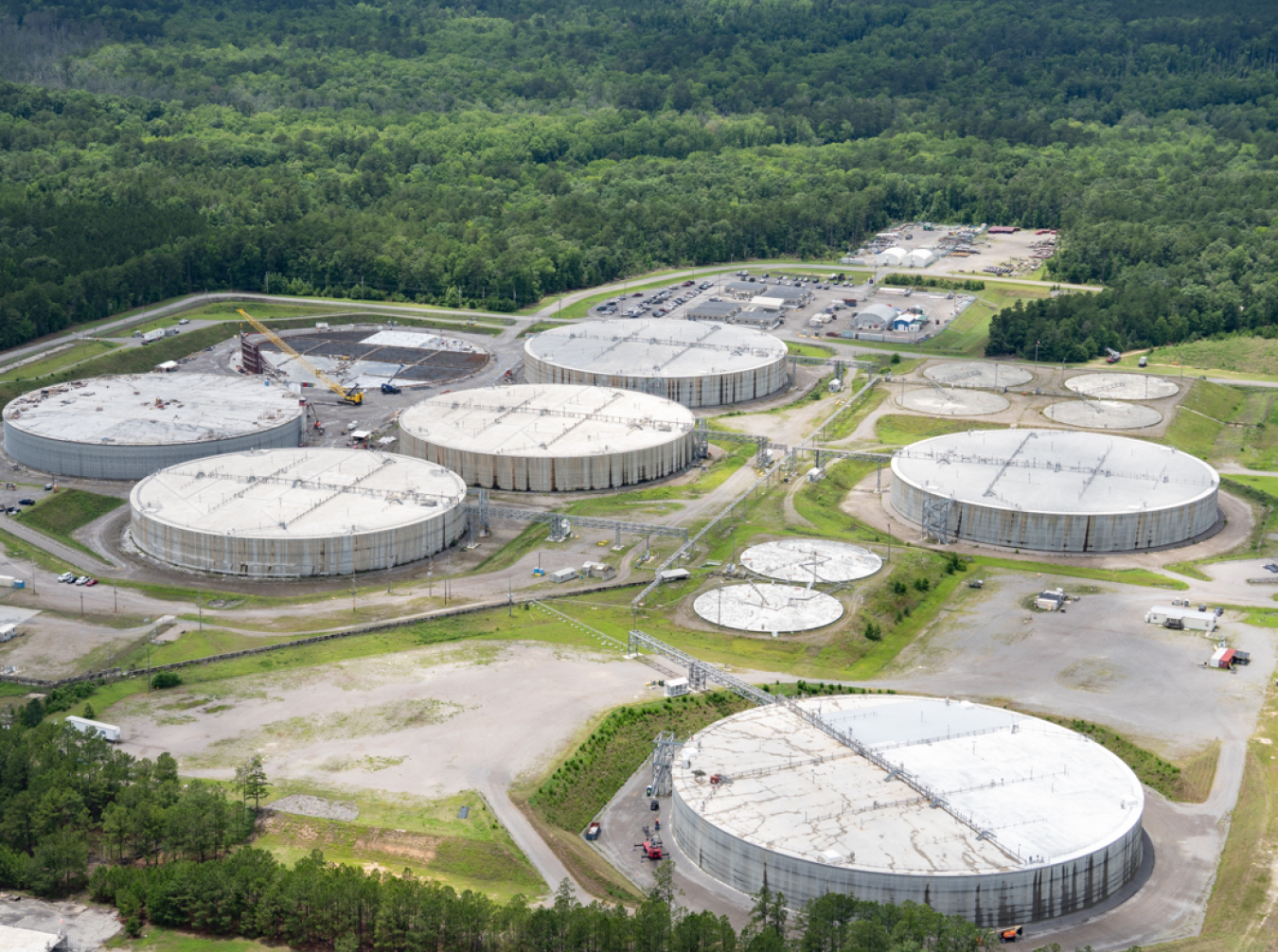
The U.S. Department of Energy Office of Environmental Management announced on August 25 that it has approved the operation of the fifth mega saltstone disposal unit at the Savannah River Site in Aiken, South Carolina. Designated as SDU 10, the facility will receive purified material for final disposal, marking a new milestone in the site's cleanup program. According to reports, SDU 10 completed construction in June 2024, nearly 10 months ahead of schedule. Its leak-tightness testing was completed in December 2025, and the test results verified that the unit can safely store up to 33 million gallons of purified, solidified salt solution generated at the Savannah River Site. Saltstone disposal units are the end-stage facilities in the salt waste treatment process.
2026-08-26
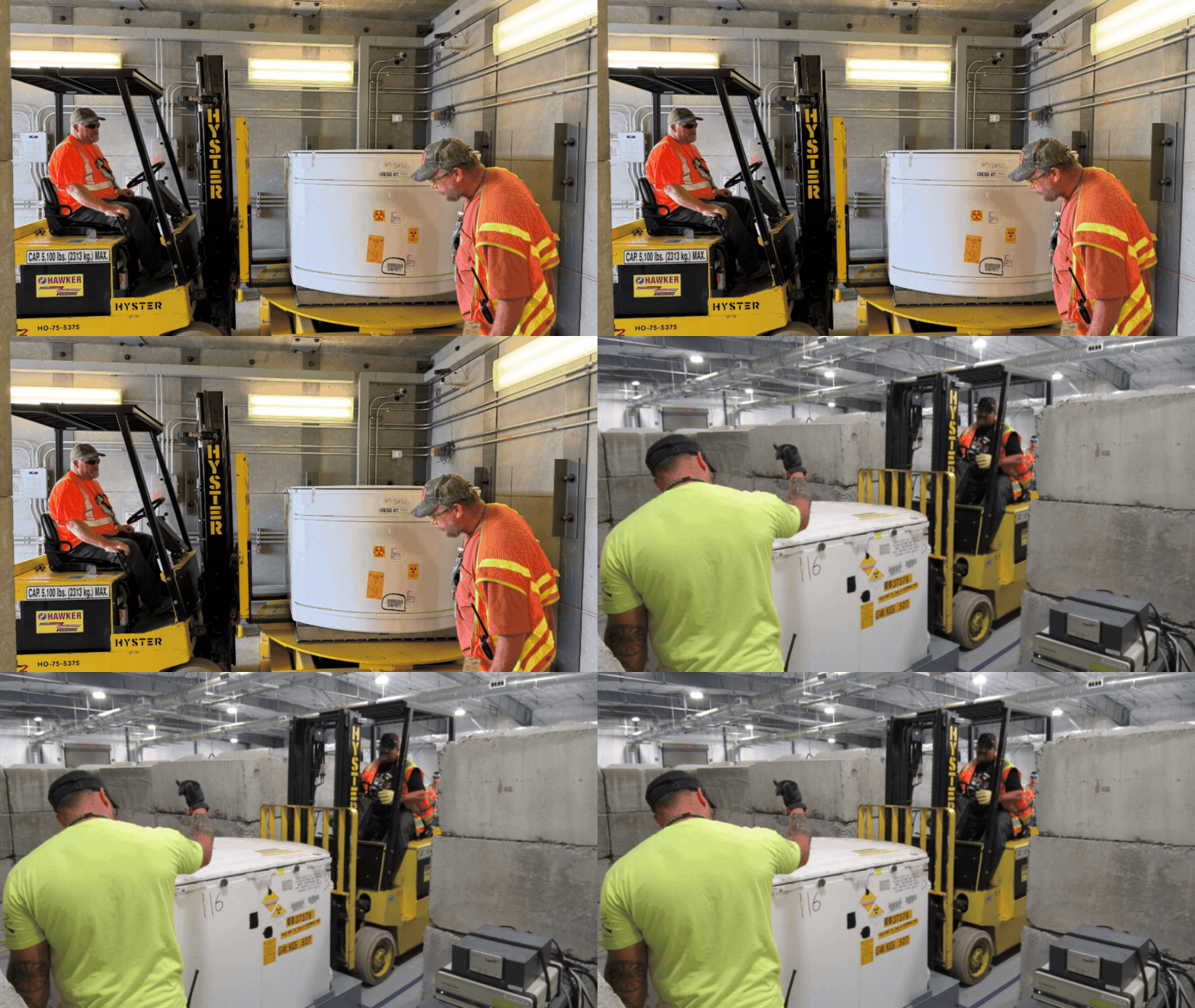
Hanford Site Resumes Certification Work for Permanent Disposal of Transuranic Waste
The U.S. Department of Energy Office of Environmental Management recently stated that its contractor, Central Plateau Cleanup Company, has resumed transuranic waste characterization and disposal certification work at the Hanford Site in Washington State, preparing for the future shipment of relevant waste to the Waste Isolation Pilot Plant near Carlsbad, New Mexico, for permanent disposal. The Hanford Site had suspended its transuranic waste treatment program in 2011 due to higher priorities for other cleanup tasks, and resumed related work in 2018. According to the plan, the site will resume shipping contact-handled transuranic waste to the Waste Isolation Pilot Plant by September 30, 2028. Hanford Site Office of the U.S. Department of Energy Office of Environmental Management...
2026-08-26
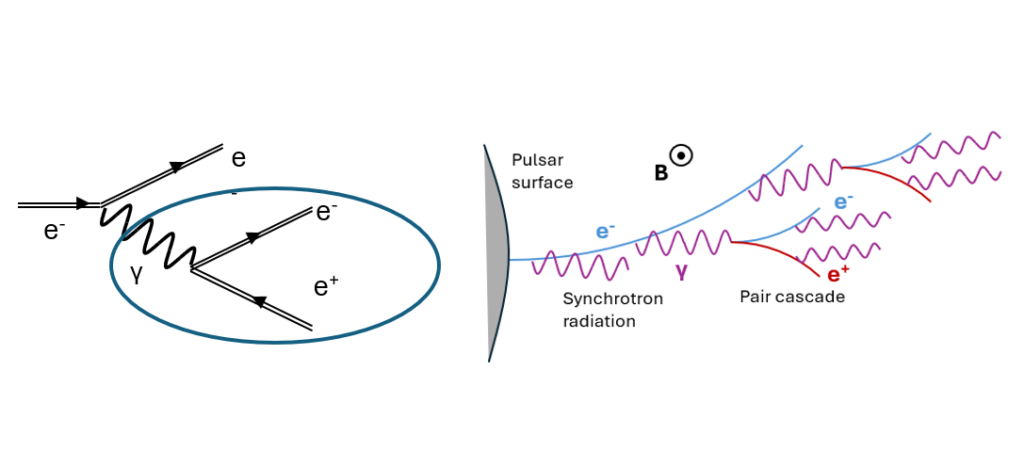
Lancaster University in the UK receives EPSRC funding to study antimatter production in intense laser pulses
Christopher Arran, a lecturer at Lancaster University and the Cockcroft Institute in the UK, has recently been awarded a three-year New Investigator Award from the UK Engineering and Physical Sciences Research Council (EPSRC) to study electron-positron pair production in the extremely intense electromagnetic fields of high-power lasers. The research focuses on matter-antimatter production processes under intense laser pulse conditions. Similar interactions are believed to exist in extreme cosmic environments, such as near pulsars and black hole accretion disks. Previously, such interactions had only been measured at large particle accelerator facilities such as Stanford University and the European Organization for Nuclear Research (CERN), but the electric and magnetic field strengths used in those experiments were far weaker than the strong-field conditions achievable with current high-power lasers.
2026-08-26