
Search Results
Keyword:UE
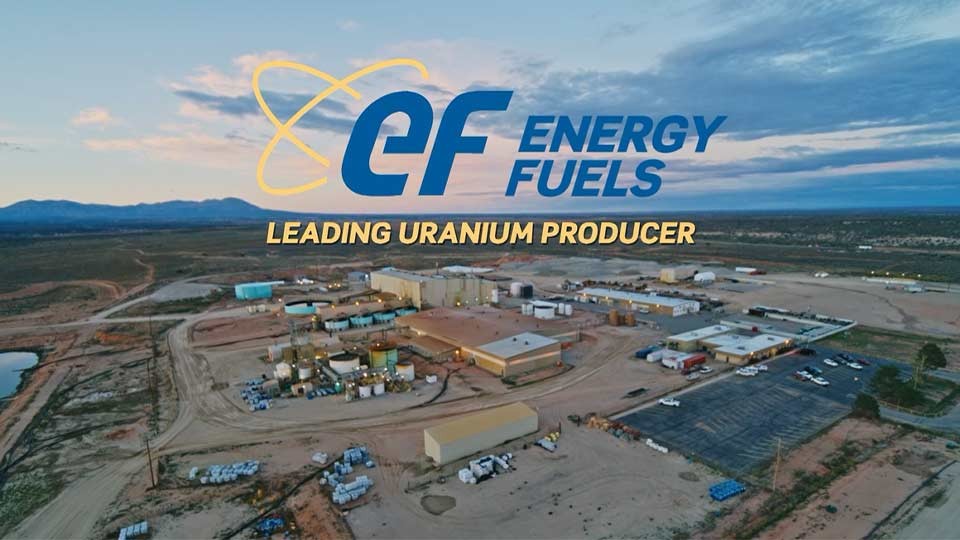
Energy Fuels' Utah Plant's Terbium Oxide Certified by Japanese Rare Earth Permanent Magnet Manufacturer
On August 19, U.S. critical materials producer Energy Fuels Inc. announced that the terbium oxide produced at its White Mesa plant in Utah has passed all certifications from a Japanese rare earth permanent magnet manufacturer, enabling its use in commercial rare earth permanent magnet production without further qualification or verification. According to the company, this Japanese manufacturer is one of the world's largest rare earth permanent magnet producers outside China. Energy Fuels stated that the certification of its terbium oxide demonstrates that its heavy rare earth product quality and rare earth processing capabilities have been recognized by downstream users. The company's previously produced neodymium-praseodymium oxide and dysprosium oxide have also obtained qualification certifications for use in rare earth permanent magnet manufacturing. Terbium is one of the important heavy rare earth elements, primarily used to enhance the heat resistance and performance of high-strength neodymium-iron-boron permanent magnets. Neodymium-iron-boron permanent magnets are widely used in automotive, advanced electronics, robotics, aerospace, and other sectors. According to Benchmark Mineral Intelligence's European CIF price data, the current market price of terbium oxide is approximately $5.5 million per metric ton.
2026-08-20
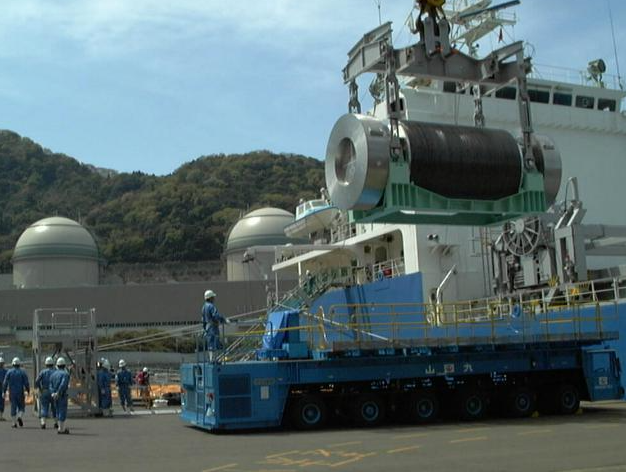
Kansai Electric's Dry Cask Storage Project for Spent Fuel at Three Fukui Nuclear Plants Accelerates
Kansai Electric Power Company (KEPCO) plans to construct dry cask storage facilities for spent fuel at the sites of its three nuclear power plants in Takahama, Oi, and Mihama in Fukui Prefecture, Japan, and the local approval process for the project has recently accelerated. According to local arrangements, in addition to regulatory review, the project requires prior consent from the Fukui Prefectural Government and the towns where the nuclear plants are located. The Nuclear Regulation Authority (NRA) of Japan has completed safety reviews of the dry cask storage facility plans for the Takahama and Mihama nuclear power plants, while the plan for the Oi plant remains under review. Takahama Town Mayor Hisakatsu Nishijima...
2026-08-20
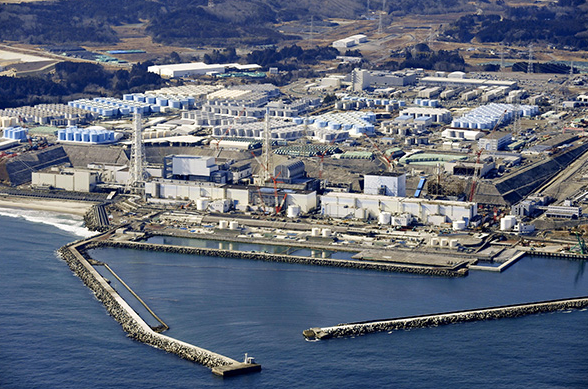
Trial lifting of damaged fuel assembly completed at Unit 2 of Japan's Fukushima Daiichi Nuclear Power Station
Tokyo Electric Power Company (TEPCO) announced on August 18 that a trial lifting of a damaged fuel assembly in the spent fuel pool of Unit 2 at the Fukushima Daiichi Nuclear Power Station has been completed. The assembly was damaged in a fall 45 years ago and was subsequently repaired with wire. This trial lifting was conducted to confirm whether it can be safely handled during the subsequent removal operation. A total of 615 fuel assemblies are stored in the Unit 2 fuel pool, including 587 spent fuel assemblies and 28 unused fuel assemblies. The removal work began on June 2, and the fuel assemblies will be transferred to the shared fuel pool within the plant site. As of August 17, 35 fuel assemblies had been removed. Despite interruptions during the operation, Tokyo Electric Power Company...
2026-08-20

Urenco USA Breaks Ground on National Enrichment Facility Expansion, Plans to Add 2.1 Million SWU Capacity
On August 18, local time, Urenco USA held a groundbreaking ceremony in Eunice, New Mexico, United States, to launch the future expansion of its commercial uranium enrichment facility. U.S. Secretary of Energy Chris Wright, Urenco Group Chief Executive Officer Boris Schucht, and company management attended the ceremony. Urenco USA is the only commercial-scale uranium enrichment producer in the United States, operating the National Enrichment Facility (NEF). The company announced in June this year that it would increase the facility's capacity by nearly 50%. This expansion is part of a multi-billion-dollar investment, with plans to build a new...
2026-08-19
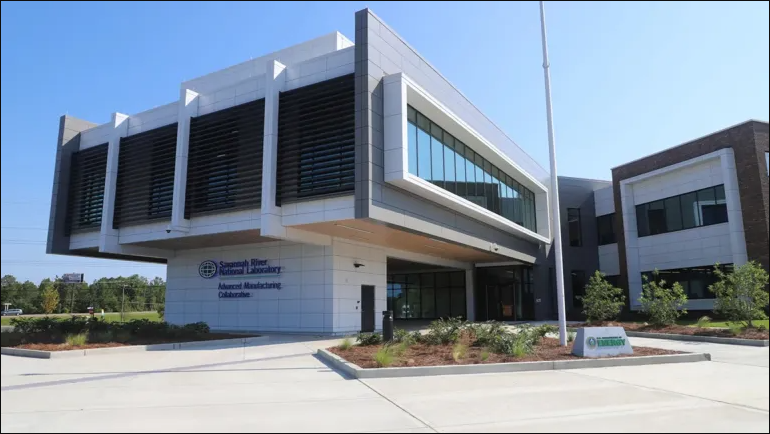
U.S. Laboratory Advances Nuclear Waste Cleanup Technology R&D with Artificial Intelligence
Researchers in South Carolina, U.S., are leveraging artificial intelligence to develop new tools for tackling complex tasks such as nuclear material disposal, waste management, and environmental cleanup. The relevant projects are being conducted at the Advanced Manufacturing Collaborative (AMC) in Aiken, a facility affiliated with the Savannah River National Laboratory (SRNL), spanning approximately 63,000 square feet, with the project launched on August 7, 2025. The Advanced Manufacturing Collaborative brings together researchers, engineers, students, industry partners, and university teams, with a focus on advancing R&D in artificial intelligence, robotics, additive manufacturing, and advanced materials. Johnny Green, Director of the Savannah River National Laboratory, stated that...
2026-08-19
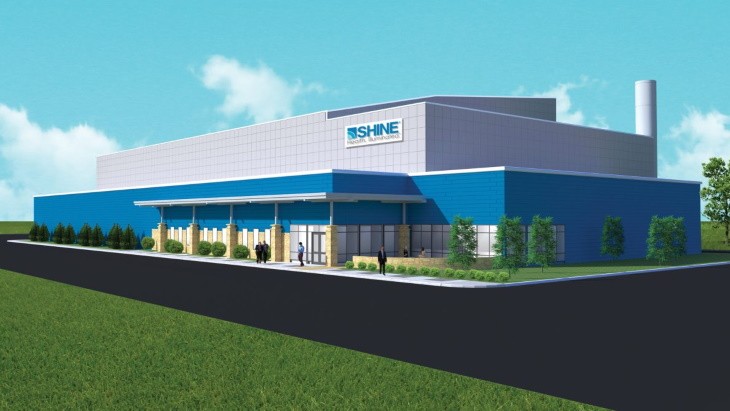
SHINE Advances Commercial Spent Fuel Recycling Facility Construction
U.S. electricity demand is growing at a rate rarely seen in decades, and nuclear energy is considered one of the key options to meet the incremental demand. Meanwhile, the current open nuclear fuel cycle still treats spent fuel primarily as single-use waste, failing to fully utilize most of the energy potential that remains within it. SHINE Technologies is developing spent fuel recycling technologies and plans to build a facility with spent fuel recycling capabilities. The company stated that multiple collaborations funded by the U.S. Department of Energy's Advanced Research Projects Agency-Energy (ARPA-E) CURIE program are advancing the work from validated laboratory-scale chemical processes toward commercial scale...
2026-08-19

SHINE Joins GE Vernova-Led Project to Modernize Nuclear Fuel Reprocessing Materials Accountability
SHINE Technologies (SHINE) announced on August 18 that it has joined a nuclear fuel reprocessing materials management project led by GE Vernova (GE Vernova), with both parties collaborating on tracking, measurement, and nuclear materials accountability of spent fuel during the reprocessing process. The project is led by GE Vernova's Advanced Research Center and funded by the U.S. Department of Energy's Advanced Research Projects Agency-Energy (ARPA-E), with the goal of introducing artificial intelligence technologies into reprocessing facilities to improve real-time monitoring of spent fuel flow and the efficiency of nuclear materials accounting. As a subcontractor to GE Vernova, SHINE will participate in improving sensor deployment schemes and developing an AI-supported materials tracking system, ensuring that nuclear materials control and accountability requirements are incorporated into the overall design at the early stages of reprocessing facility development.
2026-08-19
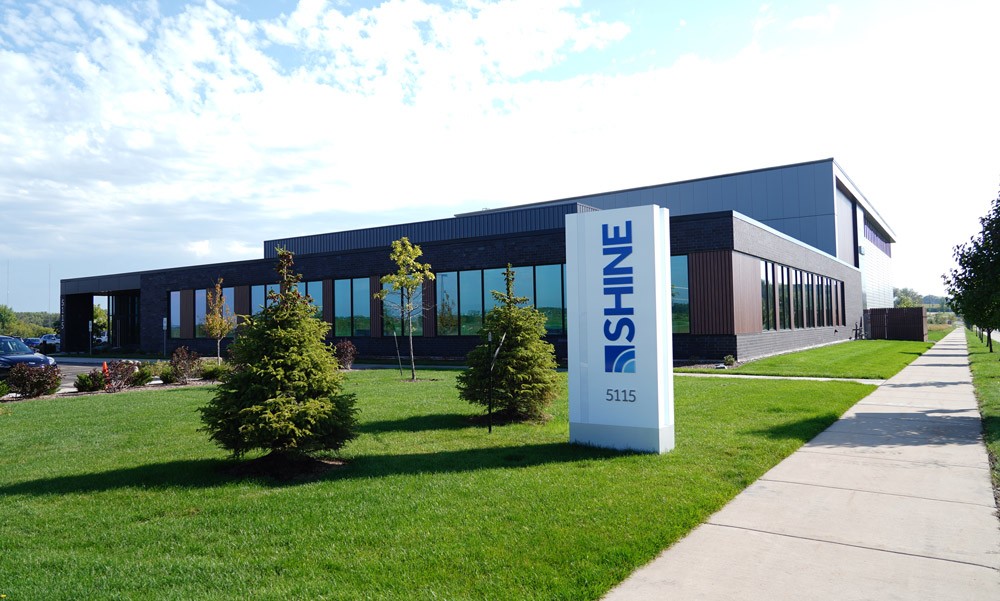
SHINE to Advance Spent Fuel Recycling Separation Technology with Argonne National Laboratory and Others
On August 18, fusion energy company SHINE announced that it will collaborate with the U.S. Department of Energy's Argonne National Laboratory and Case Western Reserve University to apply high-throughput chemical separation technology to the nuclear fuel recycling process it is currently developing. The collaboration is carried out under the CURIE program of the U.S. Department of Energy's Advanced Research Projects Agency-Energy (ARPA-E), with additional funding led by Case Western Reserve University, and SHINE participates as a subcontractor. Spent fuel is often referred to as nuclear waste, but it retains approximately 90% of its energy potential while containing multiple reusable byproducts. In recent years, federal programs and private investment in the United States have driven renewed interest in spent fuel recycling. Argonne National Laboratory is developing a new chemical processing device called "Packed Centrifugal Equipment for Radiochemical Separation," abbreviated as PaCERS. The device generates centrifugal force exceeding normal gravity conditions through high-speed rotation to improve chemical separation efficiency, and reduces costs across multiple stages of nuclear fuel recycling through higher throughput and lower solvent usage.
2026-08-19

Port of Long Beach Advances Offshore Small Modular Reactor Project
The Port of Long Beach in California, USA, is advancing an exploratory project for an offshore small modular reactor (SMR) system that could one day provide electricity for port operations, terminal equipment, charging infrastructure, and vessels at berth. If the project ultimately comes to fruition, it could become one of California's first new nuclear power projects in nearly 50 years. The project partner is Bluecore Energy, a startup founded less than a year ago that plans to develop small nuclear reactors deployable on floating barges. The Port of Long Beach has leased the Pier 48 site to the company for technology development and testing. Previously, the Port of Long Beach also...
2026-08-19
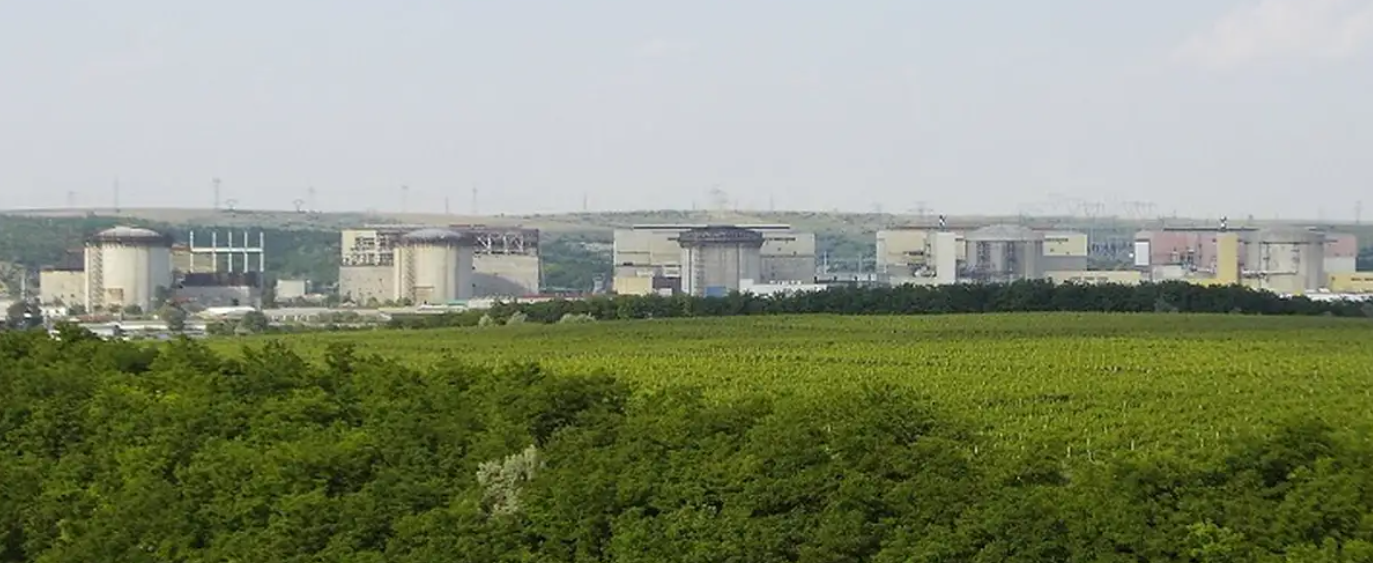
Cernavoda Nuclear Power Plant Fully Shut Down Due to Falling Danube River Water Levels
Due to the continuous decline of the Danube River water level, the two units of Romania's only nuclear power plant, the Cernavoda Nuclear Power Plant, have been successively shut down. To alleviate the pressure on electricity supply, Unit 4 of the Rovinari coal-fired cogeneration plant has been put into operation, adding approximately 330 megawatts of generating capacity to Romania's power system. Romania's nuclear power company (Nuclearelectrica) previously reported that due to the sharp decline in the Danube River water level, which affected the assurance of cooling water for the reactor, Unit 2 of the Cernavoda Nuclear Power Plant was shut down in a controlled manner on the morning of August 13. The company stated that the shutdown process was carried out in accordance with procedures. At the end of July this year, Unit 1 of the Cernavoda Nuclear Power Plant had already been shut down for the same reason...
2026-08-19

ASP Isotopes Subsidiary Evaluates Metal Hydrofluorination and Fluorination Project in Namibia
ASP Isotopes Inc. recently announced that its wholly-owned subsidiary, Quantum Leap Energy LLC, is evaluating metal conversion opportunities in Namibia, with work focusing on technologies and processes required for critical stages of the fission and fusion nuclear fuel cycles. According to the disclosure, the evaluation includes plans to construct a pilot-scale hydrofluorination and fluorination facility in the Walvis Bay area of Namibia. Public environmental and social impact assessments and consultation procedures for the project have already been initiated. The proposed facility will be used to develop, test, and demonstrate metal hydrofluorination and fluorination processes. In accordance with Namibian regulatory requirements, relevant public consultation notices have been published through customary local channels. The company...
2026-08-19
NANO Nuclear and QNI Sign Memorandum of Understanding to Advance Domestic HALEU Fuel Supply Cooperation in the U.S.
NANO Nuclear Energy Inc. (NANO Nuclear) and Quadrant Nuclear Industries, Inc. (QNI) announced on August 18 that the two companies have signed a memorandum of understanding (MOU) establishing a non-binding framework for future high-assay low-enriched uranium (HALEU) fuel supply cooperation. Under the MOU, the parties will engage in discussions regarding the supply of HALEU to be produced by QNI in the future and long-term offtake arrangements. The fuel in question is planned to come from QNI's proposed Vanguard facility at Idaho National Laboratory (INL). QNI stated that once the facility operates at full capacity, its annual HALEU production...
2026-08-19
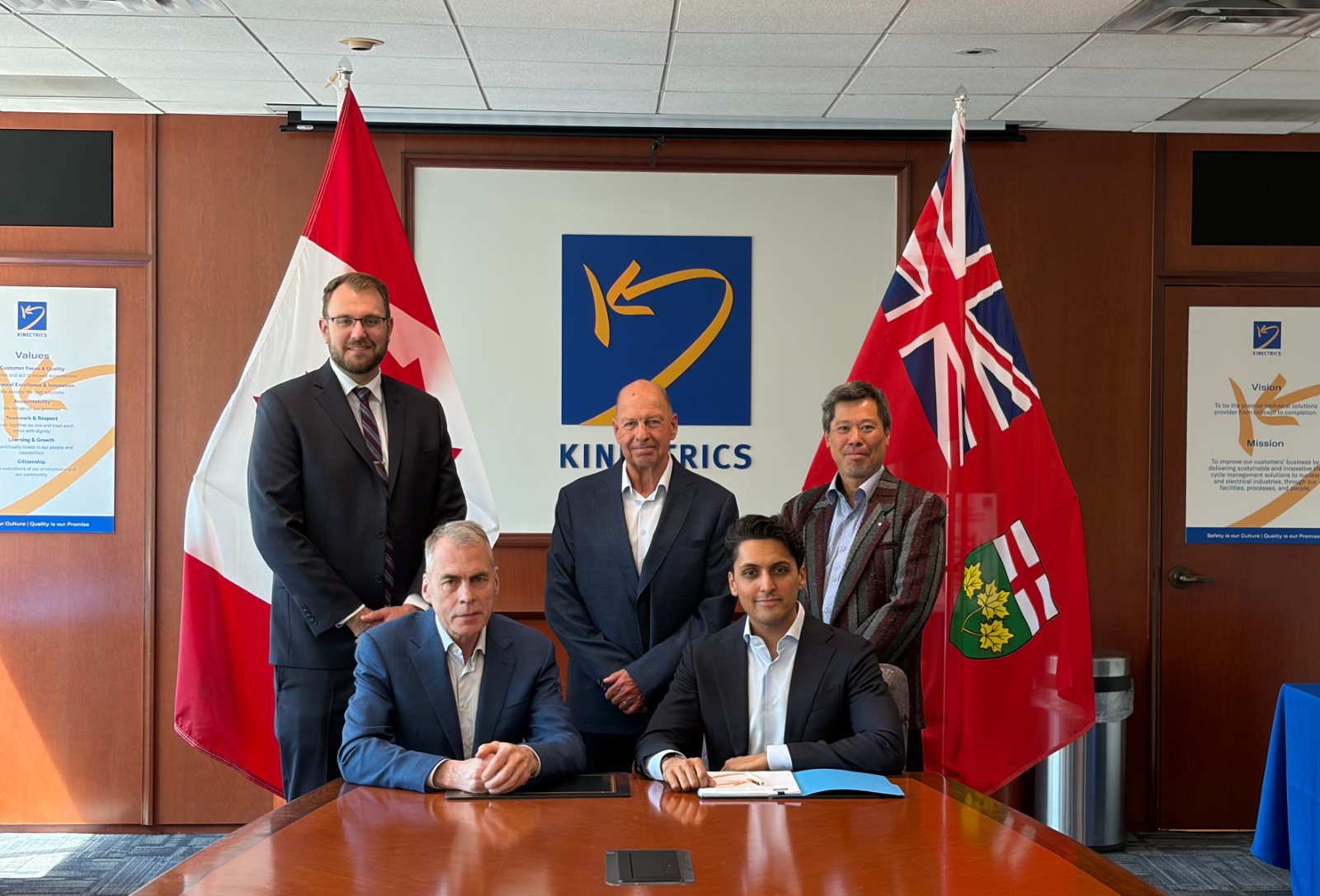
CCTE Commissions Kinectrics for Independent Review of ANEEL Fuel Qualification Program
Clean Core Thorium Energy (CCTE) has commissioned Kinectrics Inc. (Kinectrics) to conduct an independent technical review of its ANEEL fuel qualification program, advancing the fuel's technical and regulatory qualification preparations ahead of demonstration in commercial reactors. Kinectrics is a subsidiary of BWX Technologies Inc. (BWXT). Photo: Front row, left to right: John D'Angelo, President of Kinectrics, and Milan Shah, Chief Operating Officer of CCTE; Back row, left to right: Sean Donnelly, Vice President of New Nuclear Construction, Paul...
2026-08-19
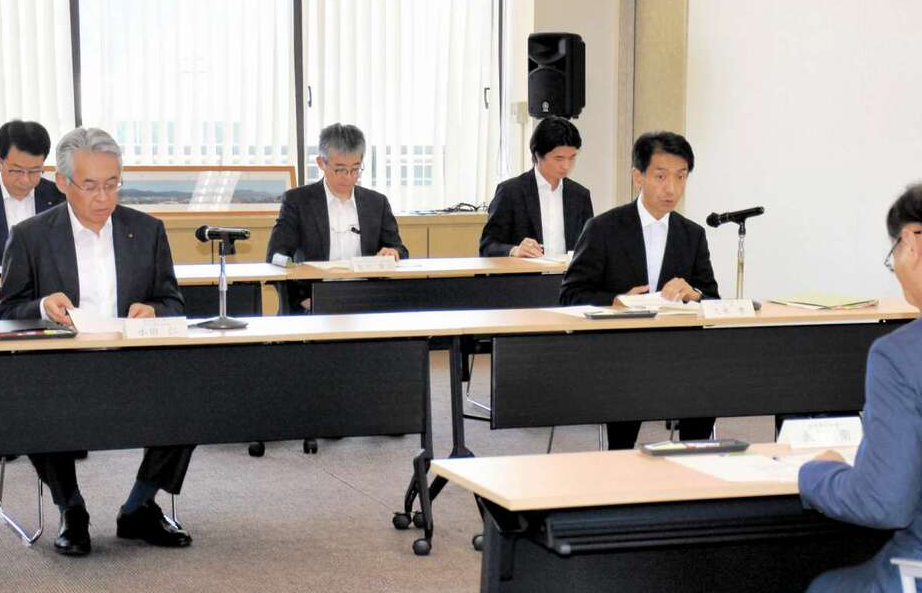
Kansai Electric says Rokkasho reprocessing plant delay does not change target of starting operation in fiscal 2027
On August 18, officials from Japan's Agency for Natural Resources and Energy (ANRE) and Kansai Electric Power Company (KEPCO) visited the Aomori Prefectural Government to explain the construction and operation schedule of the spent fuel reprocessing plant under construction in Rokkasho Village, Aomori Prefecture. The facility is a key project in Japan's nuclear fuel cycle system and is also listed as one of the receiving sites for spent fuel transported from nuclear power plants in Fukui Prefecture. Kansai Electric reiterated that even if the completion of the Rokkasho reprocessing plant is delayed from its original schedule within the current fiscal year, the target of starting operation within fiscal 2027 remains unchanged. The company stated that under the current spent fuel transport roadmap, the transport volume from fiscal 2028 onward is not expected to be significantly affected; if construction...
2026-08-19
Russian Segment of ISS Adjusts BTN-M2 Equipment Configuration, Continues Neutron and Gamma Radiation Observations
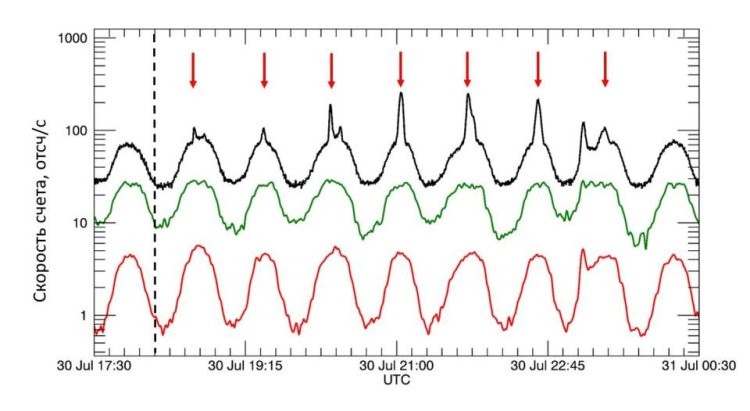
On August 13, 2026, during the ISS-75 expedition mission, Russian cosmonauts Pyotr Dubrov and Anna Kikina performed configuration adjustments to the BTN-M2 scientific equipment inside the Nauka module of the Russian Segment of the International Space Station. Figure 1. Profiles of gamma rays (energies below 500 keV, black curve), 511 keV photons from electron-positron annihilation (green curve), and high-energy neutrons (red curve) detected by the BTN-M2 instrument aboard the ISS on July 30–31, 2026. Red arrows indicate enhanced gamma-ray flux during the solar proton event (SPE) as the ISS passed over high-latitude regions of the Earth...
2026-08-18