
Search Results
Keyword:UE
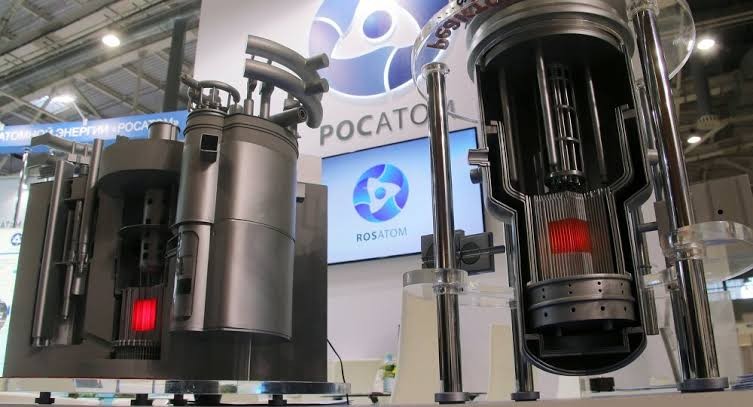
Initial Testing Completed for Nine Fuel Handling Gripping Devices for MBIR Project
On August 17, 2026, Russia's InterPolaris completed initial testing of nine gripping devices for the Multipurpose Fast Neutron Research Reactor (MBIR) project. These devices will be used for fuel transport and handling operations, primarily serving the handling and transfer of fuel assemblies and fuel rod storage within the OTT fuel complex. The key focus of the device development is to enhance safety and reliability during the gripping, transfer, and positioning of fuel assemblies. Each gripping device consists of components including an eyelet, body, cover plate, head, cam, locking sleeve, indicator light, battery, stepper motor with electrical connections, and a backup device. Among these, the locking sleeve is used to prevent accidental cam opening, and the backup device...
2026-08-18
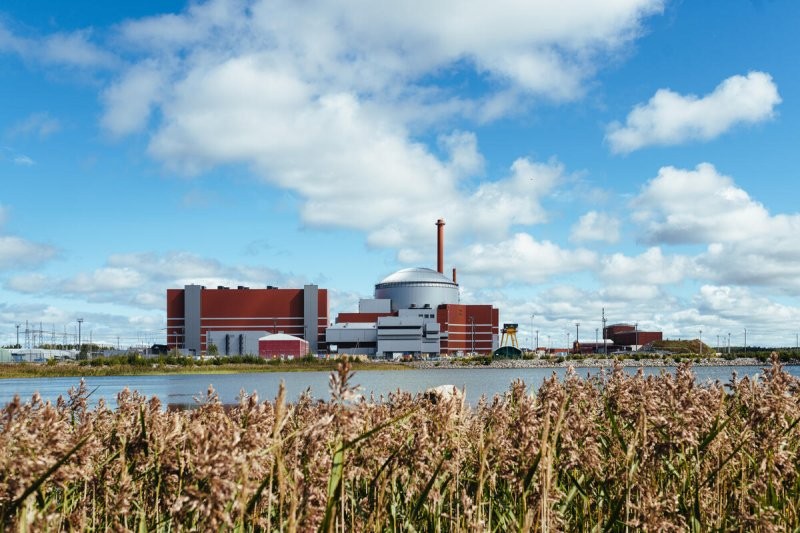
Finland's Olkiluoto 3 unit reduces power output due to main coolant pump fault
Finnish utility Teollisuuden Voima (TVO) said on August 17 that Unit 3 of the Olkiluoto nuclear power plant (OL3) will continue to operate at a stable power output of approximately 1,300 MW, about 84% of full capacity, for the coming weeks due to technical faults in two main coolant pumps in the nuclear island. The unit's rated generating capacity is approximately 1,600 MW. TVO stated that the faults were discovered during this summer. Since then, the unit has reduced its output power and investigations have been conducted into the causes of the faults and corrective measures. Under the latest arrangement, OL3 will continue operating at a reduced power level to monitor the effectiveness of corrective actions until the unit begins its scheduled annual outage on September 10, 2026. TVO...
2026-08-18
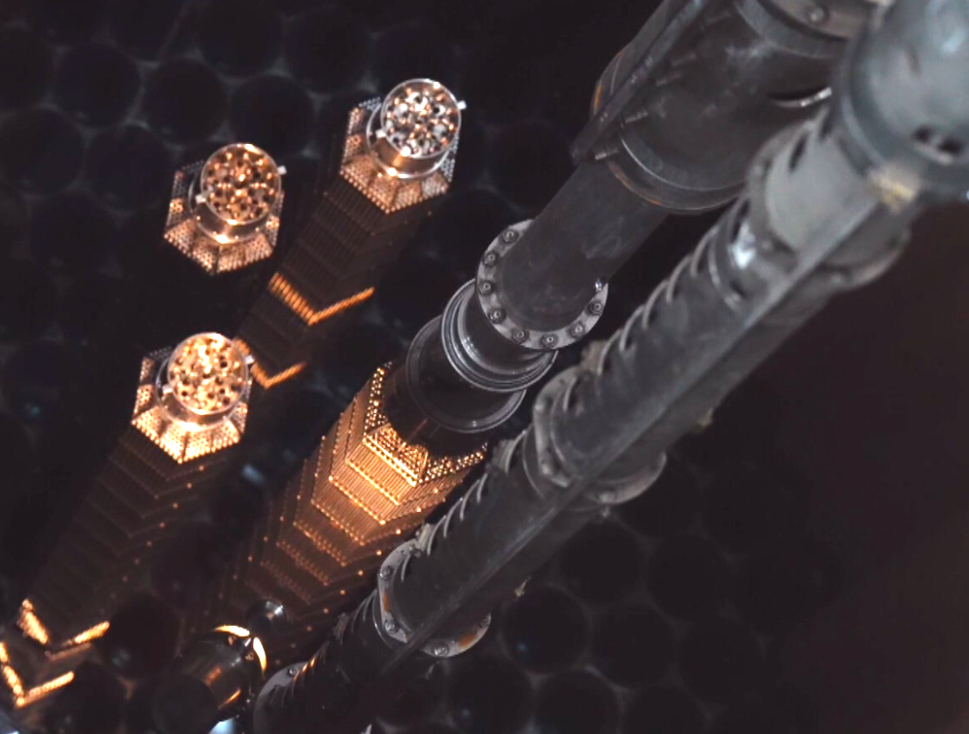
Fuel Loading Completed for Tianwan Nuclear Power Plant Unit 7, Entering Commissioning Phase with Nuclear Fuel
On August 18, with the completion of core loading correctness verification and the commencement of protective tube assembly reinstallation, the first nuclear fuel loading work for Unit 7 of the Tianwan Nuclear Power Plant in Lianyungang, Jiangsu Province, was successfully concluded, marking the entry into the commissioning phase with nuclear fuel. This laid a solid foundation for subsequent reactor criticality, grid connection, and commercial operation of the unit. Fuel loading is a key milestone in the entire lifecycle of nuclear power plant construction and a critical starting point for the unit's operation with nuclear fuel. Unit 7 of the Tianwan Nuclear Power Plant is the first VVER-1200 Generation III nuclear power unit to be constructed in China, and this fuel loading also marks the first-ever fuel loading for a VVER-1200 type nuclear power unit in China. The loading process commenced on the 12th and was fully completed by the 18th, with a total of 163 nuclear fuel assemblies loaded.
2026-08-18
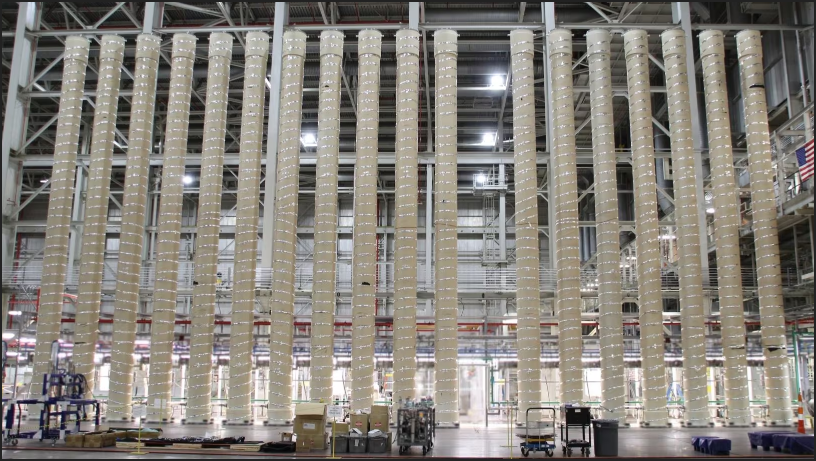
South Korea's Nuclear Expansion Faces Fuel Supply Pressure as Enriched Uranium Costs Surge Nearly Sixfold in Seven Years
Against the backdrop of accelerating global nuclear power construction and surging electricity demand from AI data centers, the nuclear fuel supply chain is facing new tensions. Due to limited uranium enrichment capacity and sanctions affecting Russian-related supplies, international uranium enrichment prices have risen sharply over the past seven years. South Korea's nuclear expansion plans are consequently facing fuel procurement pressure, with industry experts concerned that if mid- to long-term nuclear fuel security proves insufficient, newly built nuclear units could face operational risks in the future. Korea Hydro & Nuclear Power (KHNP) recently disclosed that South Korea's domestic annual enriched uranium consumption is expected to increase from approximately 460 tons currently to about 540 tons next year. The rising demand mainly stems from the overlap between life-extension operations of some older nuclear units and the commissioning of new units...
2026-08-18
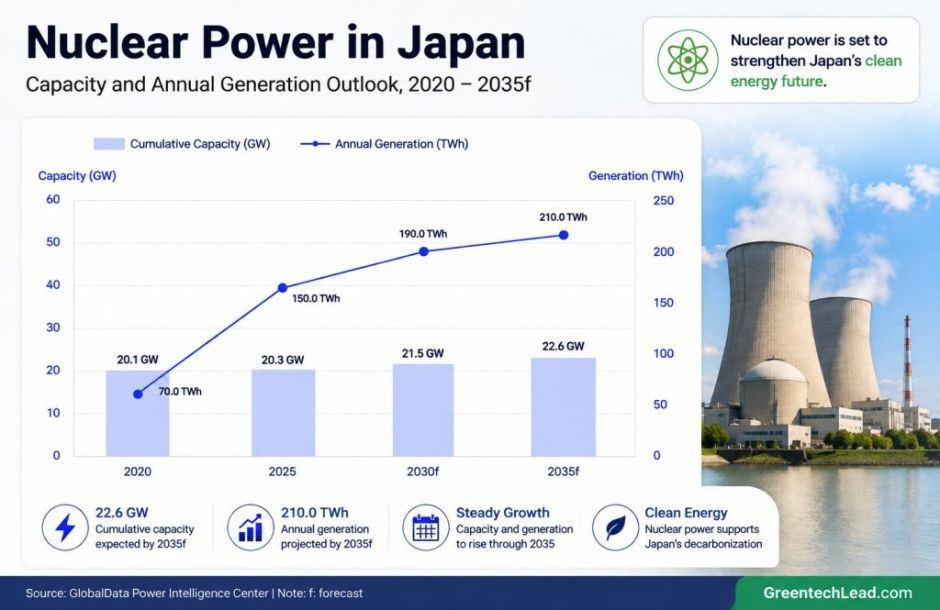
Japan's Nuclear Power Revival Enters Supply Chain Rebuilding Phase, with Spent Fuel and Engineering Capacity as Key Constraints
As Japan advances energy security, reduces dependence on fossil fuel imports, and expands low-carbon electricity supply, the focus of the country's nuclear power market is shifting from mere reactor restarts to a comprehensive supply chain rebuild covering manufacturing, operations and maintenance, life extension, fuel cycle, and waste management. GlobalData estimates Japan's nuclear power generation at 101.0 TWh in 2025 and projects it to increase to 123.3 TWh by 2035. Japan's policy target is to maintain nuclear power at approximately 20% to 22% of the electricity generation mix. Based on total annual electricity demand of approximately 1,050 TWh, a 20% nuclear share corresponds to about 210 TWh, while a 22% share corresponds to about 231 TWh. Compared with the 2025 nuclear generation figure of 101.0 TWh, the estimated gap is approximately 109 TWh to 130 TWh.
2026-08-18

Fresh nuclear fuel delivered for Reactor 1 of the Akademik Lomonosov floating nuclear power plant
The fuel division of Russia's State Atomic Energy Corporation (Rosatom) has delivered a batch of fresh nuclear fuel to Pevek, Chukotka Autonomous Okrug, for Reactor 1 of the Akademik Lomonosov floating nuclear power plant. The plant, which is part of Rosatom's power division, is currently the only operating floating nuclear power plant in the world. The fuel was produced by Machine-Building Plant Joint-Stock Company (MSZ JSC) in Elektrostal, Moscow Oblast. Prior to delivery to the plant, the fuel assemblies had undergone acceptance testing and technical inspections, and received certification from the Russian Maritime Register of Shipping, the authority responsible for acceptance certification of nuclear fuel for marine reactor units.
2026-08-18
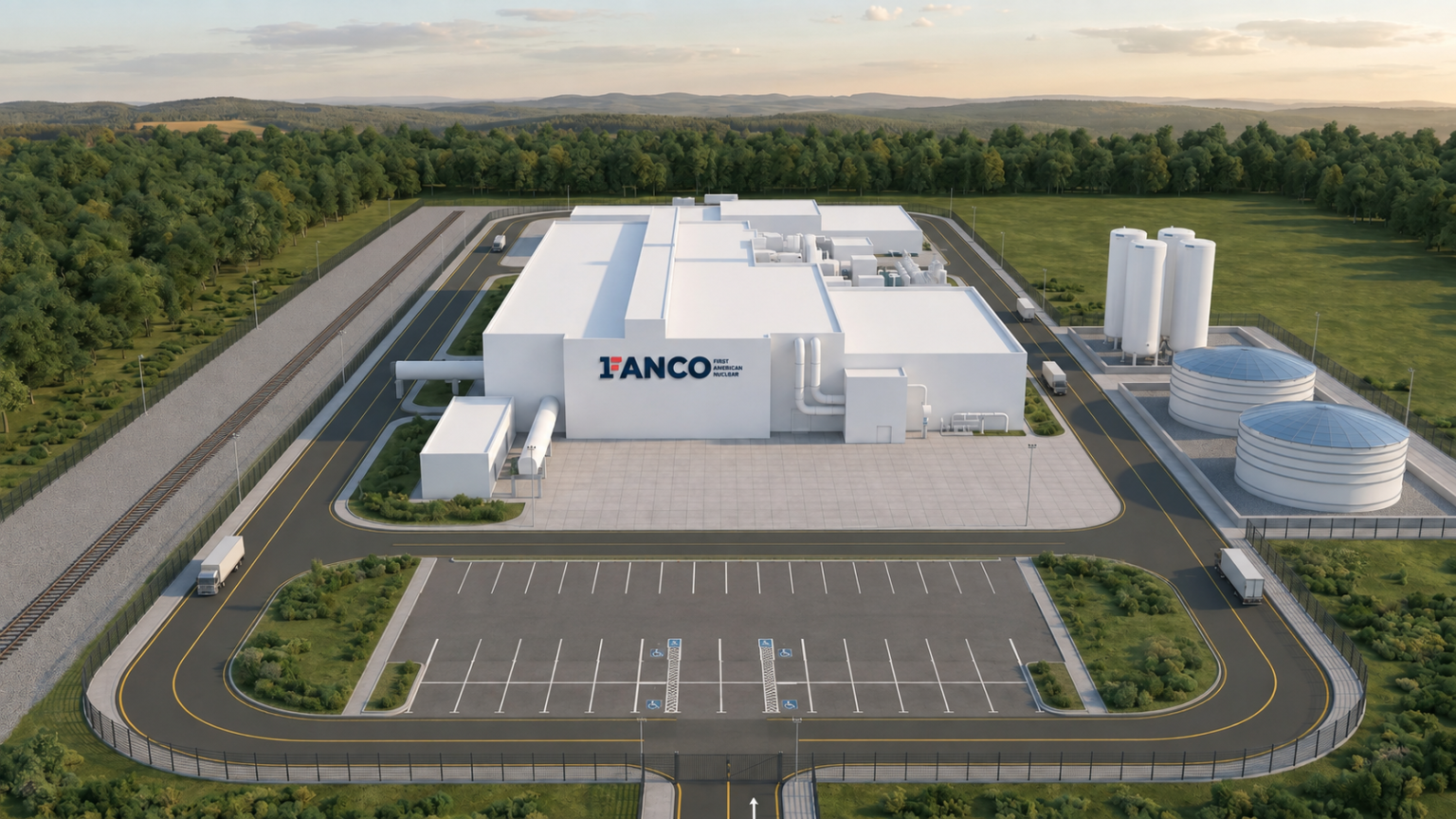
First American Nuclear Company's Regulatory Engagement Plan for Proposed HALEU Fuel Facility Accepted for Docketing by NRC
First American Nuclear Co. (FANCO) announced on August 17 that its regulatory engagement plan for the proposed Class II high-assay low-enriched uranium (HALEU) conversion and fuel fabrication facility has been accepted for docketing by the U.S. Nuclear Regulatory Commission (NRC). The facility will serve the company's EAGL-1 small modular reactor project currently under development. According to the company's disclosure, the NRC ADAMS accession number for the letter of intent is ML26222A181, and the NRC ADAMS accession number for the regulatory engagement plan is ML26222A177. This submission advances the pre-application regulatory engagement between FANCO and the NRC regarding the proposed ceramic fuel fabrication facility. The facility is planned to support the EAGL-1 lead-bismuth...
2026-08-18
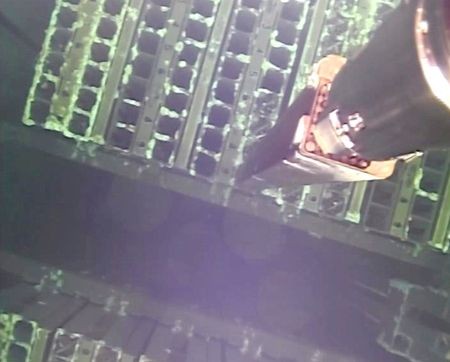
Removal of Highly Radioactive Spent Fuel Begins at Unit 2 of Fukushima Daiichi Nuclear Power Station
Tokyo Electric Power Company Holdings (TEPCO) said on August 17 that it has begun removing spent fuel assemblies with high radiation levels from the spent fuel pool of Unit 2 at the Fukushima Daiichi Nuclear Power Station in northeastern Japan, the site of a severe nuclear accident. Last month, TEPCO removed 28 unused nuclear fuel assemblies from the Unit 2 spent fuel pool. Compared with spent fuel, these unused fuel assemblies pose relatively lower risks. The company plans to complete the removal of spent fuel from Unit 2 by the end of fiscal year 2028. To date, the Unit 2 spent fuel pool contains a total of 587 spent fuel assemblies, of which TEPCO has completed the removal of...
2026-08-18
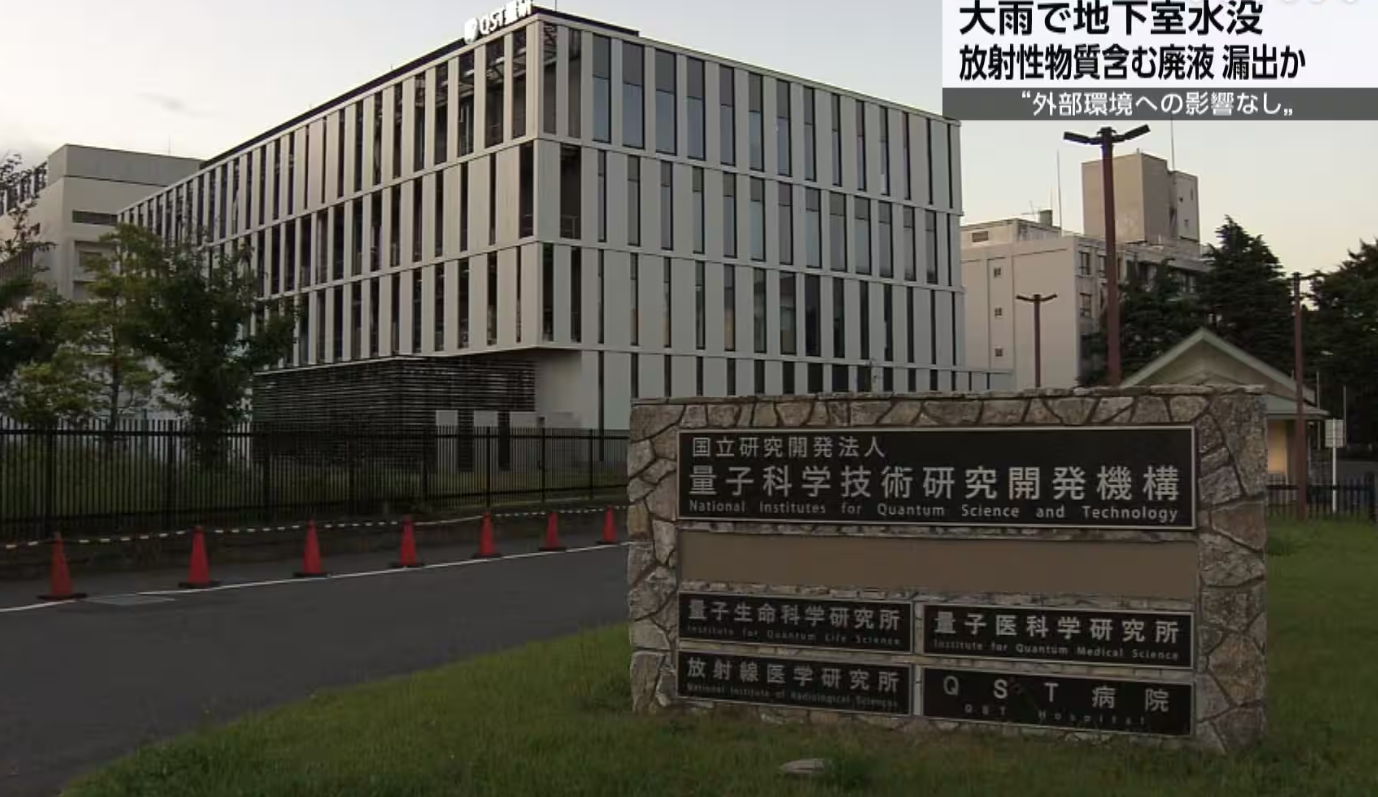
Radioactive liquid waste leak suspected at QST's underground facility in Chiba due to record rainfall
According to Japanese media reports, due to record-breaking rainfall in Chiba Prefecture, an underground facility of the National Institutes for Quantum Science and Technology (QST) in Chiba City was flooded, and radioactive liquid waste in underground storage tanks at the facility may have mixed with rainwater and leaked outdoors. QST stated that as of the 13th, an estimated 2,000 to 3,000 liters of liquid waste had accumulated in the relevant underground storage tanks. After investigating water bodies around the tanks, the institute confirmed that detected radioactive material concentrations were below standard values, and no environmental impact has been indicated so far. QST reported the incident to national and local governments the following day and plans to submit preventive measures to the Nuclear Regulation Authority of Japan.
2026-08-18
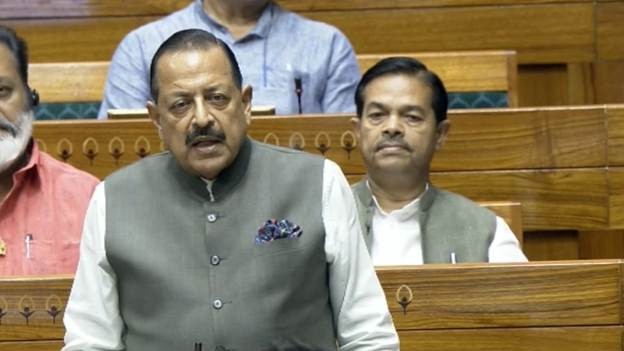
India Unveils Nuclear Energy Self-Reliance Roadmap, Targeting 100 GW Nuclear Capacity by 2047
India's Minister of State for the Prime Minister's Office, Jitendra Singh, recently stated in a written reply to the Lok Sabha that India is accelerating the development of its domestic nuclear energy ecosystem, with key focus areas including advanced reactor technologies, small modular reactors, domestic manufacturing capabilities, private sector participation, and the long-term development and utilization of thorium resources. Singh stated that India's long-term nuclear energy strategy remains based on its three-stage nuclear power program, aiming to gradually utilize the country's relatively abundant thorium resources while ensuring long-term energy security. India proposed a Nuclear Energy Mission in its 2025-2026 federal budget, planning to expand nuclear power capacity to 100 GW by 2047...
2026-08-17

Danube Water Levels Continue to Drop, Hungary's Paks Nuclear Power Plant May Reduce Output Again
Hungary's Paks Nuclear Power Plant may reduce its power generation output again early next week due to the continued decline in Danube water levels. Péter Magyar stated on social platform X that Tuesday and Wednesday will be critical periods, with the Danube water level expected to drop by another 14 to 15 centimeters, while the current level is only 9 centimeters away from the threshold that would force the shutdown of the second-to-last turbine at the Paks plant. Magyar noted that this critical phase is expected to end on August 20, when the water level in the Hungarian section of the Danube is expected to recover, influenced by inflows from the Austrian catchment area. Previously, on August 12, Magyar stated that the Hungarian government had decided to build temporary water-retention structures near the Paks Nuclear Power Plant and sink two barges to raise local water levels and ensure the plant's water intake conditions.
2026-08-17
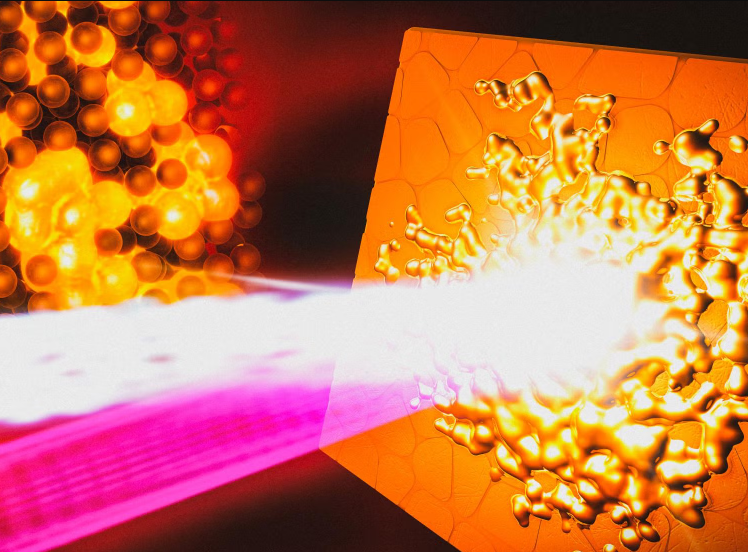
SLAC team observes progressive melting of copper under extreme heat in real time
Researchers at the SLAC National Accelerator Laboratory, under the U.S. Department of Energy, and their collaborators used the Mega-electron-volt Ultrafast Electron Diffraction (MeV-UED) facility to observe in real time the melting process of copper atoms under extreme temperatures. The study was published in Nature Communications. Future fusion power plants will need to replicate fusion reactions that occur inside stars here on Earth. The core plasma can reach temperatures of hundreds of millions of degrees Celsius, while surrounding structural materials must withstand sudden, intense thermal shocks. Copper and its alloys, owing to their excellent thermal conductivity, are considered capable of serving as "heat sinks" in fusion systems...
2026-08-15
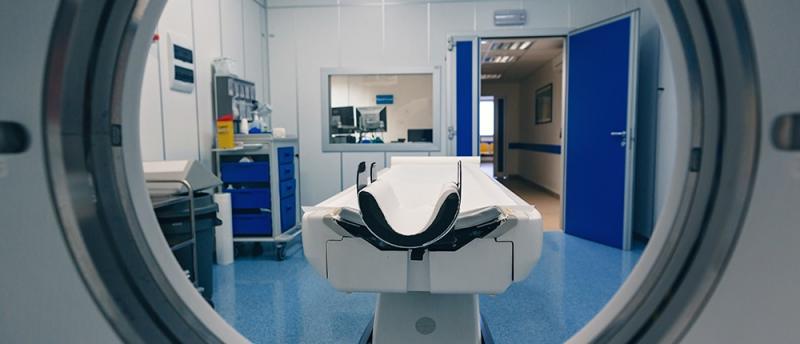
Bac Ninh Province, Vietnam, Issues Plan for Peaceful Use of Atomic Energy
The People's Committee of Bac Ninh Province, Vietnam, recently issued Plan No. 299/KH-UBND, deploying the implementation of the province's strategy for the peaceful use of atomic energy through 2035, with a vision toward 2050. Signed by Mai Son, Standing Vice Chairman of the Bac Ninh Provincial People's Committee, the plan aims to implement national strategic tasks in line with local conditions, enhance management efficiency in the atomic energy sector, and promote atomic energy in serving socioeconomic development while ensuring radiation safety, nuclear safety, and nuclear security. Under the plan, Bac Ninh Province will focus on advancing research and applications of radiation technology and radioisotopes in fields such as healthcare, agriculture, natural resources and environment, and industry, while strengthening the safety management of radiation sources. Relevant applications will serve...
2026-08-15

Society of Interventional Radiology Launches Framework to Quantify the Value of Interventional Radiology
The Society of Interventional Radiology (SIR) is developing a framework to measure the clinical and economic value of interventional radiology, aiming to expand the specialty's role in health system planning, payment reimbursement, and patient management. According to reports, SIR has partnered with triLumen Health Partners to develop a strategic roadmap focused on identifying and quantifying the contributions of interventional radiology in academic medical centers, community hospitals, and outpatient settings. The project is expected to inform SIR's strategic planning extending through 2029 and beyond. Dr. Saher S. Sabri, SIR President, stated that interventional radiology is currently often evaluated using metrics such as procedure volume and relative value units, but these metrics may not fully reflect its role in long-term clinical care, perioperative management, and overall health system cost control...
2026-08-16
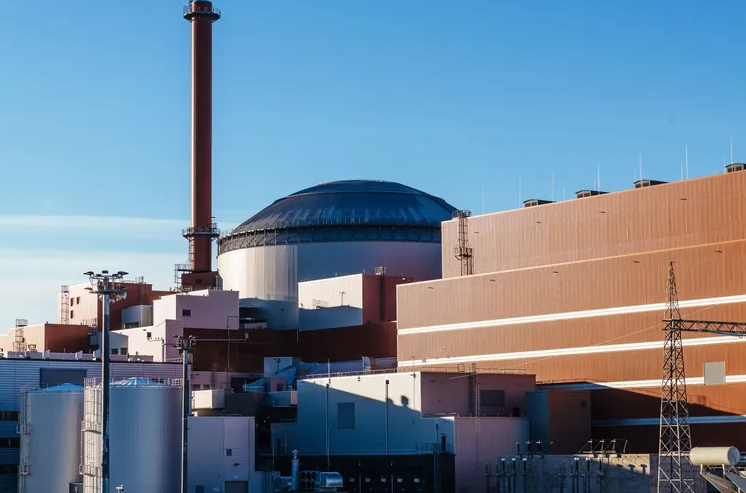
Finland's Olkiluoto 3 nuclear reactor reduces output by 450 MW due to fault
Finland's largest nuclear reactor, Olkiluoto 3 (OL3), is currently operating at a reduced power level of approximately 300 MW. The unit's normal net power output is around 1,600 MW, and its generation accounts for about 14% of Finland's total electricity demand. According to Teollisuuden Voima (TVO), as reported by Tekniikka & Talous, the power reduction is due to a fault in one of the reactor-side circulation pumps. The damaged circulation pump has been repaired and is under monitoring, and the power level of Unit 3 is expected to return to normal on August 18. The circulation pump's function is to circulate cooling water through the reactor core. Meanwhile, Olkiluoto 2 has also been operating at a reduced power level of approximately 155 MW since mid-July...
2026-08-14