
Search Results
Keyword:Unit
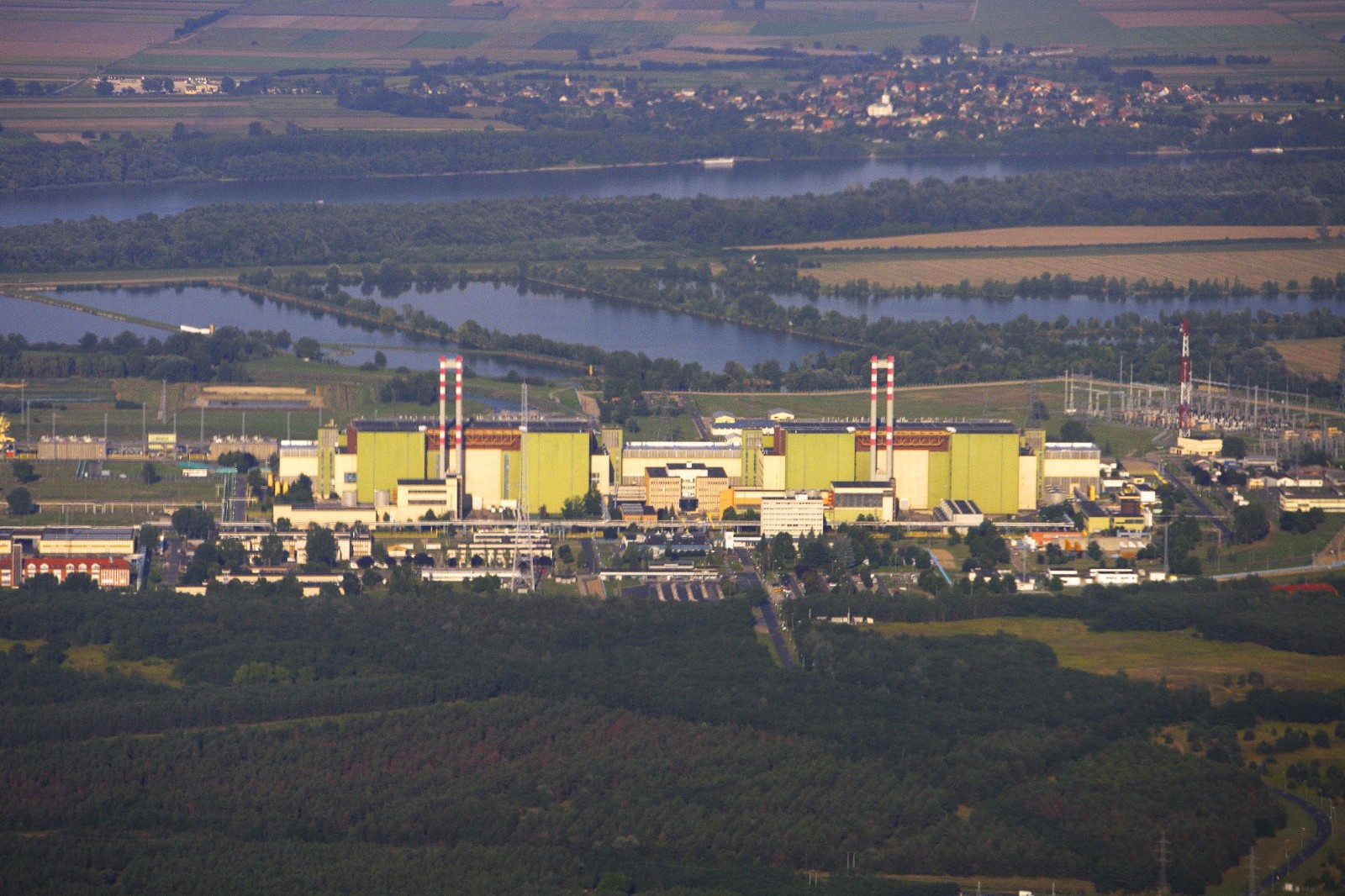
Danube water levels continue to decline, Unit 4 of Hungary's Paks Nuclear Power Plant reduces power output
Affected by persistent drought, water levels of the Danube in Hungary have dropped to low levels, impacting the operation of the Paks Nuclear Power Plant, which relies on Danube water for cooling. The plant's operator announced on July 31 that, due to a further drop in the water level at the Paks section to -126 cm, experts would reduce the power output of Unit 4 by 50% starting from 22:45 local time on July 31. The Paks Nuclear Power Plant is Hungary's only operating nuclear power plant, generating approximately half of the country's total electricity. Earlier announcements had mentioned that, due to the extremely low Danube water level, shutdowns of some units at the plant had become difficult to avoid. Peter Magyar stated on social media on July 30...
2026-08-01
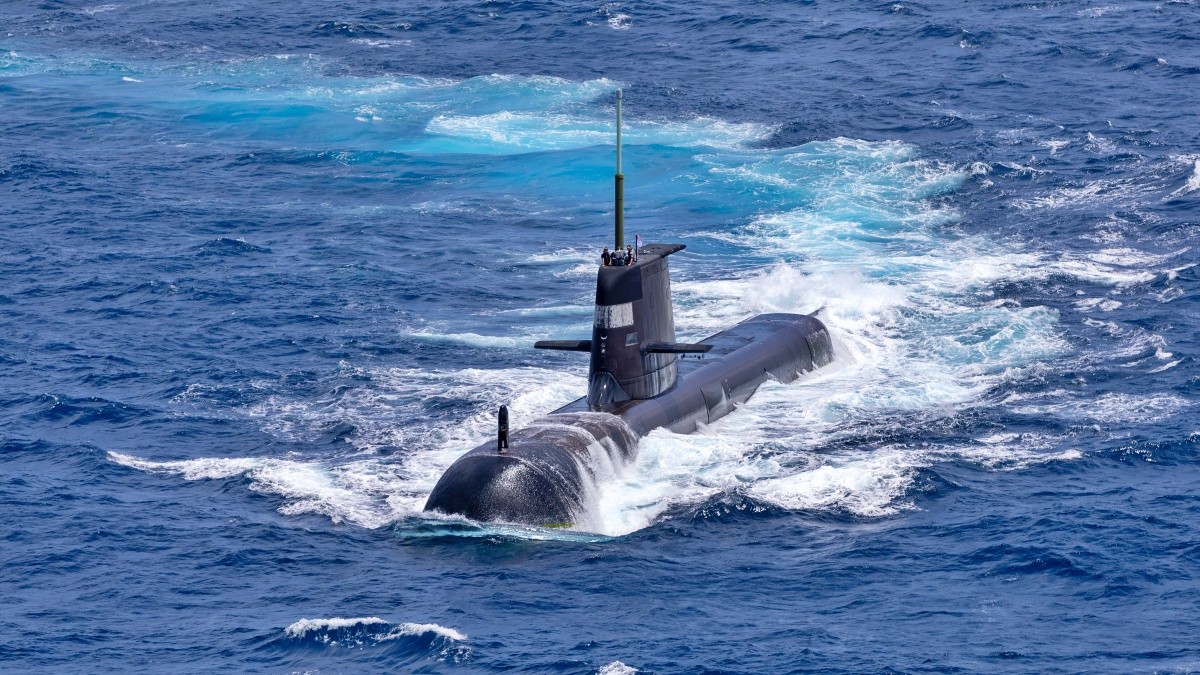
U.S. Navy Awards General Dynamics Electric Boat Contract for Construction of 14 Nuclear Submarines
General Dynamics Electric Boat announced that the U.S. Navy has awarded it a contract package for the construction of 14 nuclear submarines, with a total contract value of $76.6 billion. According to information released by the company, under this announced U.S. Navy contract framework, General Dynamics Electric Boat will receive $29.5 billion for the construction of five Columbia-class submarines, and an additional $42.1 billion for the construction of nine Virginia-class submarines. The contract also includes funding to support shipyard infrastructure construction. General Dynamics Electric Boat serves as the prime contractor for the program. A portion of the construction work will be subcontracted to Newport News Shipbuilding, a division of Huntington Ingalls Industries. ...
2026-08-01
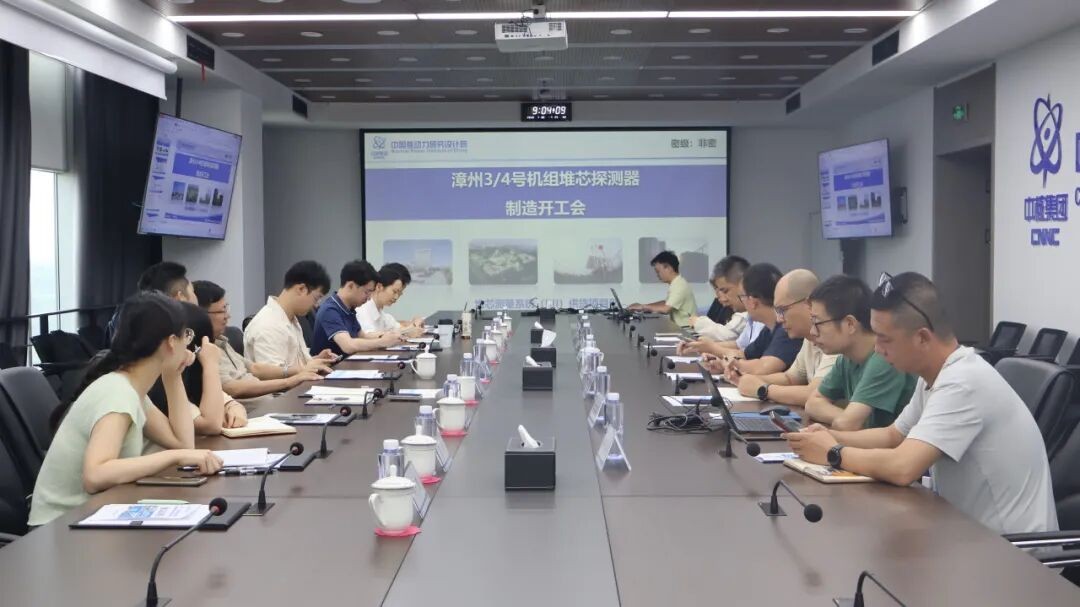
Full-scale Construction Commences for Core Detector Project of Zhangzhou Units 3 & 4
On July 30, the core detector project for Zhangzhou Units 3 & 4, undertaken by China Nuclear Control System Engineering Co., Ltd., commenced smoothly at the Shandong Branch, with experts from the owner and the institute attending the meeting. This project marks the first large-scale application of the Longmou® Core — core detector assembly products, independently developed by China Nuclear Control, on HPR1000 (Hualong One) units. It signifies a new stage of high-quality development in the engineering application of the Longmou® Core series products, represents an important milestone, and will further enhance the autonomy, safety, and international competitiveness of China's nuclear power industry chain. Going forward, China Nuclear Control will continue to uphold the philosophy of "integrating nuclear innovation for efficiency and leading the future with intelligence," persistently deepen technological research in the nuclear detection field, accurately align with user needs, strengthen coordination and collaboration with relevant parties, and safely and efficiently advance project implementation to ensure high-quality product delivery...
2026-08-01

State Council Approves Four Nuclear Power Projects, Eight Units Granted Construction Approval
On July 31, the State Council's executive meeting reviewed and approved four nuclear power projects, including the Phase I project of Zhuanghe in Liaoning Province. The meeting noted that nuclear power units should be constructed and operated in accordance with the highest global safety standards, with strengthened safety oversight across the entire chain and all sectors, to ensure absolute nuclear safety. According to reports, the approved projects comprise a total of 8 units across 4 projects, specifically: 2 units for Phase II of CNNC's Jinqimen Nuclear Power in Zhejiang, 2 units for Phase I of Zhuanghe Nuclear Power in Liaoning, 2 units for Phase III of CGN's Taipingling Nuclear Power in Guangdong, and 2 units for Phase I of SPIC's Laiyang Nuclear Power in Shandong. According to the approvals previously issued by the National Nuclear Safety Administration for the Environmental Impact Reports (site selection stage) of the above four projects...
2026-07-31

On-site assembly of the 50MW heat exchange station for Unit 4 of Xudabao Nuclear Power Plant successfully completed
On July 30, the 50MW heat exchange station for Unit 4 of Xudabao Nuclear Power Plant completed on-site assembly, providing solid equipment support for heating in the front plant area this winter. The heat exchange station measures 16 meters in length, 9 meters in width, and 7.4 meters in height, with a total weight of 150 tons. The equipment integrates heat exchangers, circulating water pumps, water treatment devices, and electrical control instruments, forming a complete integrated heating system. The system is arranged on the zero-meter floor of the turbine hall and is responsible for heating the office areas in the front plant area. To ensure the winter heating milestone, the Equipment Procurement Division of Liaoning Nuclear Power, together with the on-site Equipment Department of the engineering company, equipment manufacturers, and installation units, established a special working group, implementing mechanisms such as weekly leadership meetings, daily morning briefings for teams, and daily progress reports, and successively coordinated and resolved issues related to equipment transportation, pipeline hoisting, scaffold erection and dismantling, power supply assurance, and cross-construction coordination, completing all assembly work of the heat exchange station as planned.
2026-07-31

Siemens Healthineers and Cleveland Clinic Launch 10-Year Strategic Alliance to Advance Innovation in Advanced Imaging and Radiation Oncology
On July 30, Siemens Healthineers and Cleveland Clinic announced the launch of a 10-year strategic alliance, building on their 35-year partnership to further drive clinical and workflow innovation, enhance patient care quality, and improve healthcare operational efficiency. Under the collaboration arrangement, Siemens Healthineers will provide Cleveland Clinic with a range of diagnostic imaging and treatment-related technologies, covering magnetic resonance imaging, computed tomography, radiation oncology, interventional radiology, and X-ray. Both parties stated that the alliance will focus on areas such as diagnostic imaging, cardiology, and radiation oncology, providing clinical teams with new tools and training support, and offering patients more...
2026-07-31
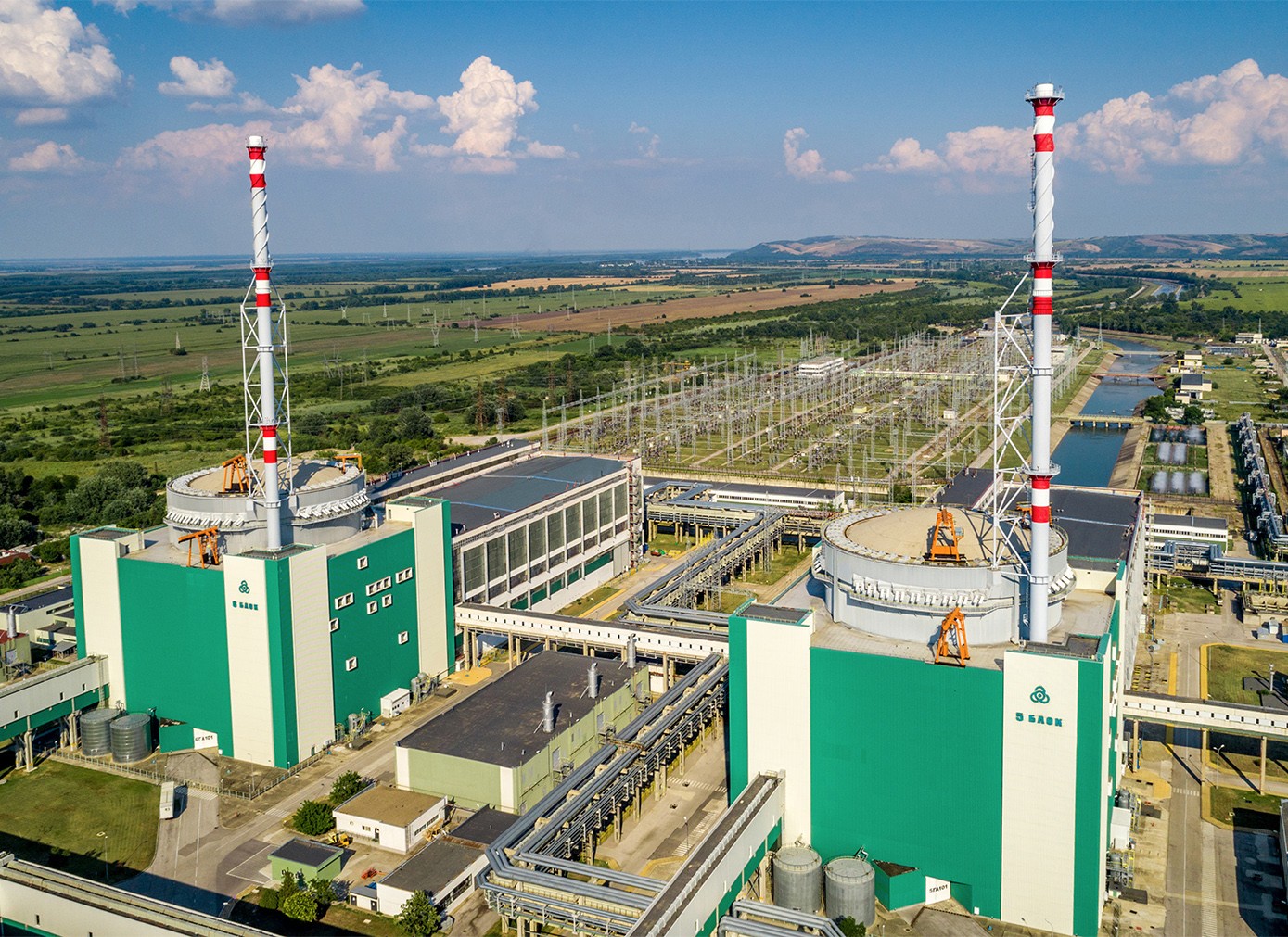
Two Units of Kozloduy NPP Operating at Full Capacity as Scheduled
On July 30, Kozloduy NPP stated that its two units are currently operating at full capacity in accordance with the power generation plan. Affected by the persistently low water level of the Danube River, the plant established a special working group in early July and activated relevant response measures to ensure the safe and reliable operation of the units under conditions of prolonged river water level decline. Kozloduy NPP is maintaining close communication with the Executive Agency for Exploration and Maintenance of the Danube River to continuously track water level trends. Monitoring data from recent days show that the Danube River water level has dropped to its lowest in recent decades...
2026-07-31
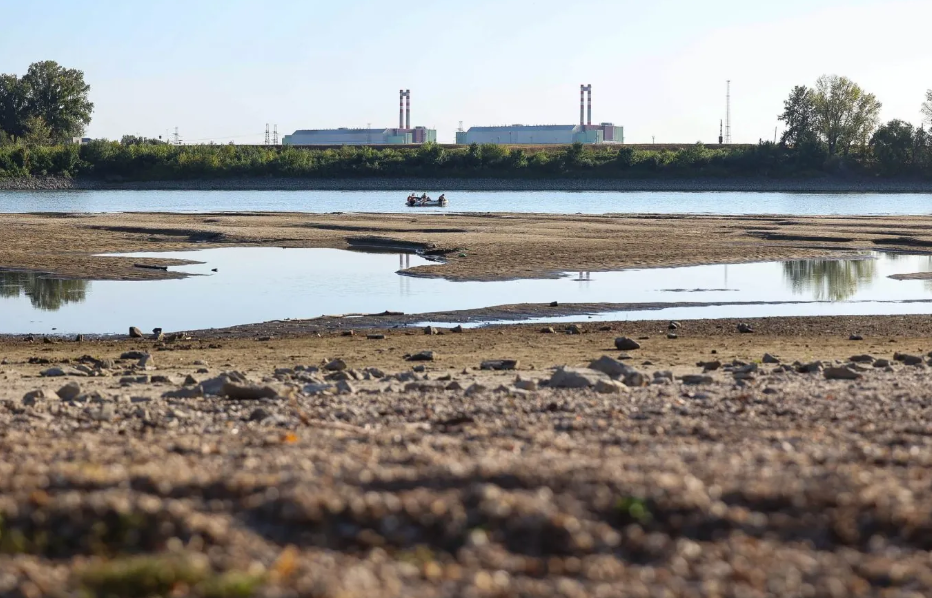
Hungary's Paks Nuclear Power Plant Faces Full Shutdown Due to Record Low Danube Water Level
Affected by persistent drought and high temperatures, the water level of the Danube River at the Budapest section dropped to 23 cm (fixed datum reading, a record low), restricting cooling water intake at the Paks Nuclear Power Plant. Starting Wednesday, July 29, Unit 3 was the first to be shut down; the operator, MVM Paks Nuclear Power Plant Ltd, subsequently stated on its official website that all four units would inevitably be disconnected within the next 24 to 72 hours, with power generation coming to a complete halt. MVM explained that the existing water volume of the Danube is still sufficient to cool the reactors, but the intake pumps can no longer draw water because the riverbed is exposed and the pump inlets are too far from the water surface—an equipment failure rather than an absolute shortfall in cooling water volume. To this end, the Hungarian side deployed 4 pumping barges and 2 floating cranes near the plant as an emergency measure, but with water levels expected to continue falling, a preventive full shutdown remains unavoidable.
2026-07-31
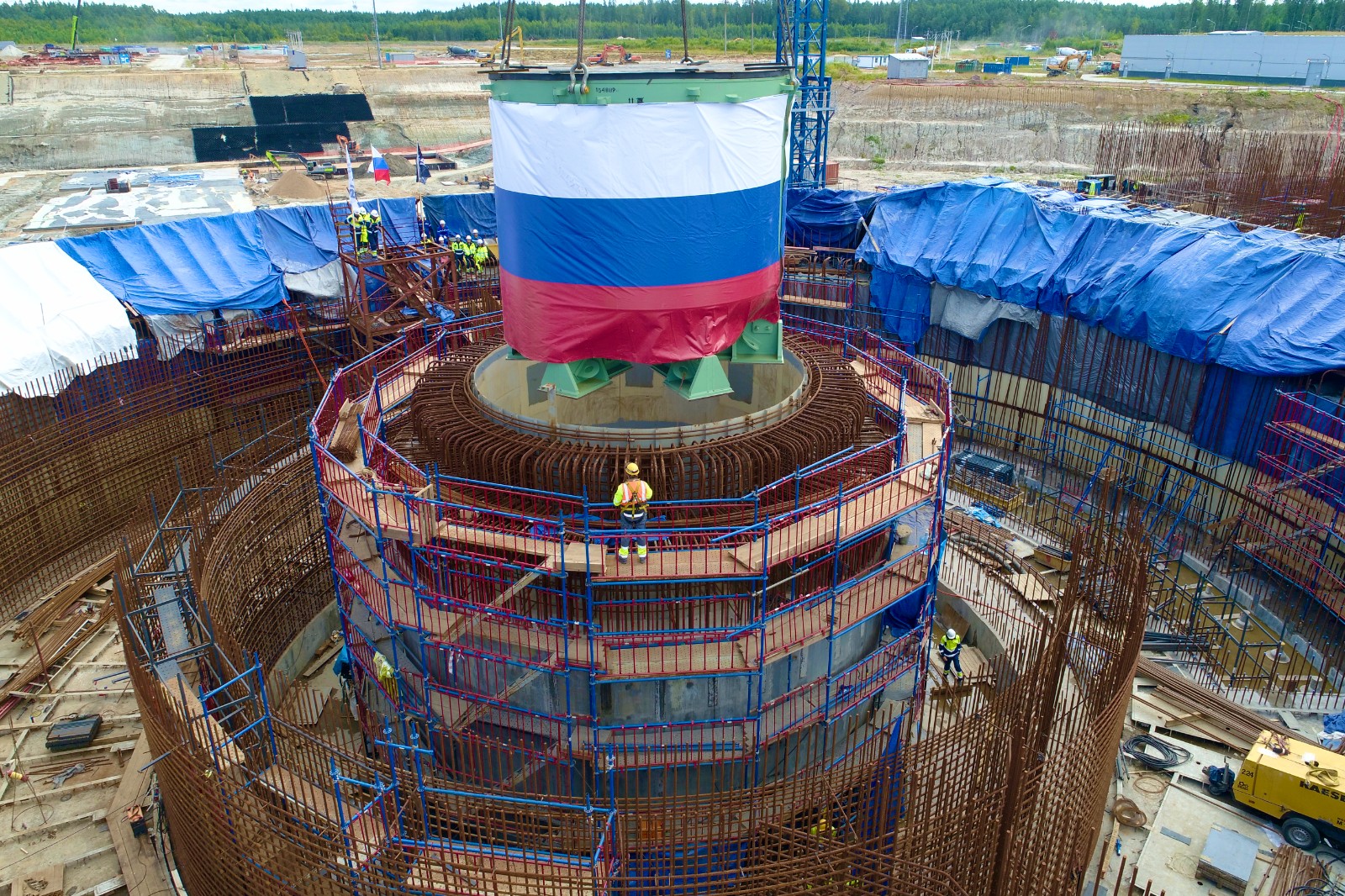
Unit 4 of Leningrad NPP Phase II completes installation of first major equipment
Unit 4 of Russia's Leningrad NPP Phase II recently completed the installation of the core melt catcher vessel. This is the first major equipment of the unit to enter the installation stage, and also the first passive safety system equipment to be installed. The steel structure weighs 157 tonnes, and the installation was carried out using a heavy crawler crane, taking about one work shift of approximately 8 hours, nearly 3 months ahead of the original schedule. Valery Zhemchugov, Acting Director of Leningrad NPP, stated that the installation of the core melt catcher vessel is a key milestone in the construction of Unit 4, a VVER-1200 pressurized water reactor unit, and that the relevant work was completed in accordance with quality requirements, providing more time for subsequent reactor building civil and installation works.
2026-07-31

South Korea Confirms Operating Nuclear Power Units Unaffected by Strong Earthquake in Kyushu, Japan
Following the strong earthquake in the Kyushu region of Japan, related aftershock signals have been detected in southern South Korea. The Nuclear Safety and Security Commission (NSSC) of South Korea stated that inspections confirmed all operating nuclear power units within the country remain unaffected. The NSSC noted that after the earthquake, inspections were conducted on all 27 operating nuclear power units, including the Kori Nuclear Power Plant in Busan and the Wolseong Nuclear Power Plant in Gyeongju, with no significant abnormalities or safety issues found. Korea Hydro & Nuclear Power (KHNP) also stated that no reports of damage to nuclear facilities have been received so far. The NSSC will continue to monitor the operational status of nuclear power plants to respond to potential subsequent aftershocks....
2026-07-31

U.S. Research Team Tracks Main Drivers of Global Methane Rise Using Stable Isotope Analysis
A research team from the U.S. National Oceanic and Atmospheric Administration Global Monitoring Laboratory and the University of Colorado has recently traced the sources of the rapid rise in global atmospheric methane since 2007 through high-precision methane concentration measurements and carbon and hydrogen stable isotope analysis. The findings show that over the past two decades, microbial emissions have been the primary factor driving the increase in methane concentrations, while fossil fuel-related methane emissions may have remained relatively stable overall. A methane molecule consists of one carbon atom and four hydrogen atoms, and methane from different sources differs in its carbon and hydrogen isotope composition. Researchers used this chemical fingerprint to distinguish methane sources: fossil fuel methane such as natural gas typically contains a relatively higher proportion of carbon-13, while methane produced by microbial processes in wetlands, landfills, livestock, and agricultural environments has a lower carbon-13 proportion, exhibiting a "lighter" isotopic signature. The proportion of deuterium in hydrogen isotopes also varies with the way methane is formed, providing a further basis for source identification.
2026-07-31
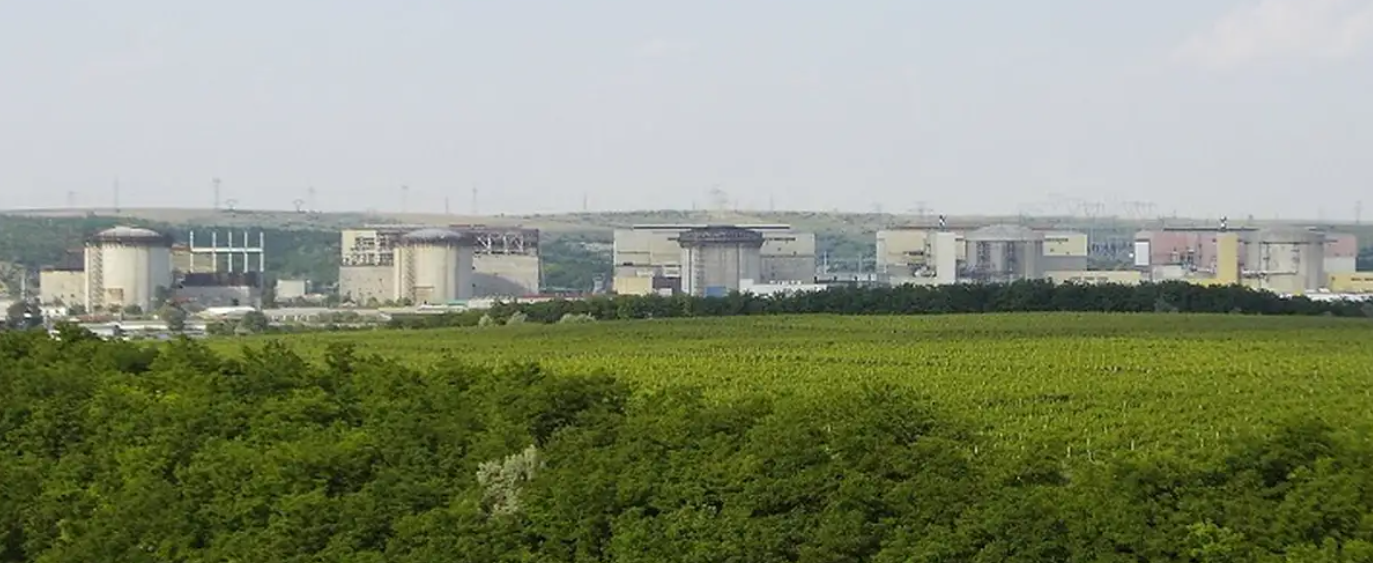
Unit 2 of Romania's Cernavoda Nuclear Power Plant not to shut down temporarily due to low Danube water level
Romania's National Nuclear Power Company (Nuclearelectrica) stated on July 30 that Unit 2 of the Cernavoda Nuclear Power Plant will continue to operate connected to the grid. Previously, the company had warned that the unit, located in Constanța County in southeastern Romania, might need to shut down due to the low water level of the Danube River. The company said that based on an operational analysis completed the previous night, experts believe the currently obtained relevant parameters allow Unit 2 to continue operating under safe conditions. Therefore, the unit will remain connected to Romania's national power system. Nuclearelectrica also stated that technical personnel will continuously monitor and analyze the plant's operating parameters. Given the subsequent hydrological forecasts for the Danube water level...
2026-07-31
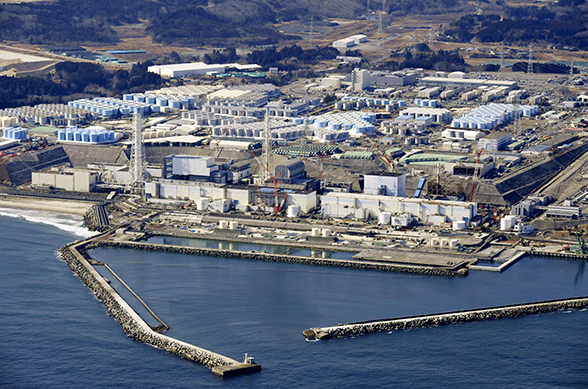
Third fuel debris retrieval test at Fukushima Daiichi Unit 2 postponed due to robotic arm malfunction
The robot used by Tokyo Electric Power Company (TEPCO) for the third experimental fuel debris retrieval at Fukushima Daiichi Nuclear Power Station Unit 2 malfunctioned during an on-site operational test, forcing the cancellation of the plan originally scheduled to start after July 2026 if all went well. The company stated it will reassess the relevant procedures. The malfunction occurred in part of the large robotic arm equipment used to collect fuel debris. During an operational test in the reactor building of Unit 2, TEPCO found an abnormality in one of the motors driving the robotic arm, causing the brake to fail to release and the arm to be unable to extend. The company is currently studying the replacement of the faulty motor. The third experimental retrieval plan was to use a large robotic arm...
2026-07-31
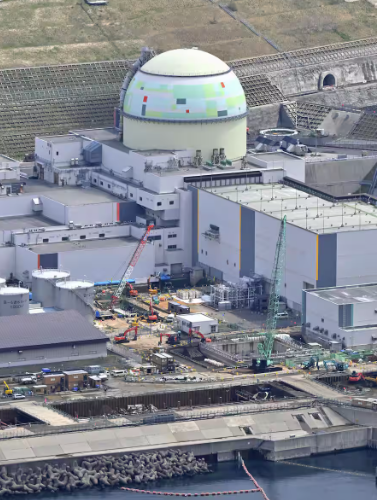
Restart of Tomari Nuclear Power Plant Unit 3 Delayed to After End of 2027
Hokkaido Electric Power Co. announced on July 30 that the restart of Unit 3 at the Tomari Nuclear Power Plant will be significantly delayed compared to earlier expectations, with the earliest possible date being the end of 2027 or later. Previously, the company had set a target of restarting as early as possible within 2027, but due to delays in the seawall construction project and the fact that the Nuclear Regulation Authority (NRA) has not yet completed its review of the relevant design and construction plans, the timeline for the unit's return to operation remains uncertain. Hokkaido Electric Power President Susumu Saito stated at a press conference that the seawall at the Tomari plant was originally scheduled for completion in the spring of 2027, but is now expected to be finished by mid-August 2027 due to additional work such as seismic reinforcement of the wharf and liquefaction countermeasures...
2026-07-31

U.S. Confirms Order for Nine Virginia-Class Block VI Nuclear Submarines
The U.S. Department of Defense has confirmed that it has signed a contract modification agreement with General Dynamics Electric Boat to order nine Virginia-class Block VI multi-purpose nuclear-powered submarines. The statement said the contract is an incentive-based modification, and the submarines will be used by the U.S. Navy. Despite delays in General Dynamics' previous orders, both parties have moved forward with this new contract. On July 15, U.S. President Donald Trump had asked the company's management to accelerate the construction progress of U.S. Navy submarines. In addition to the Virginia-class submarines, the U.S. Department of Defense has also ordered five Columbia-class Type II ballistic missile nuclear submarines from Newport News Shipbuilding. Under the contract arrangement, related work is expected to be completed before July 2038...
2026-07-31