
Search Results
Keyword:Unit
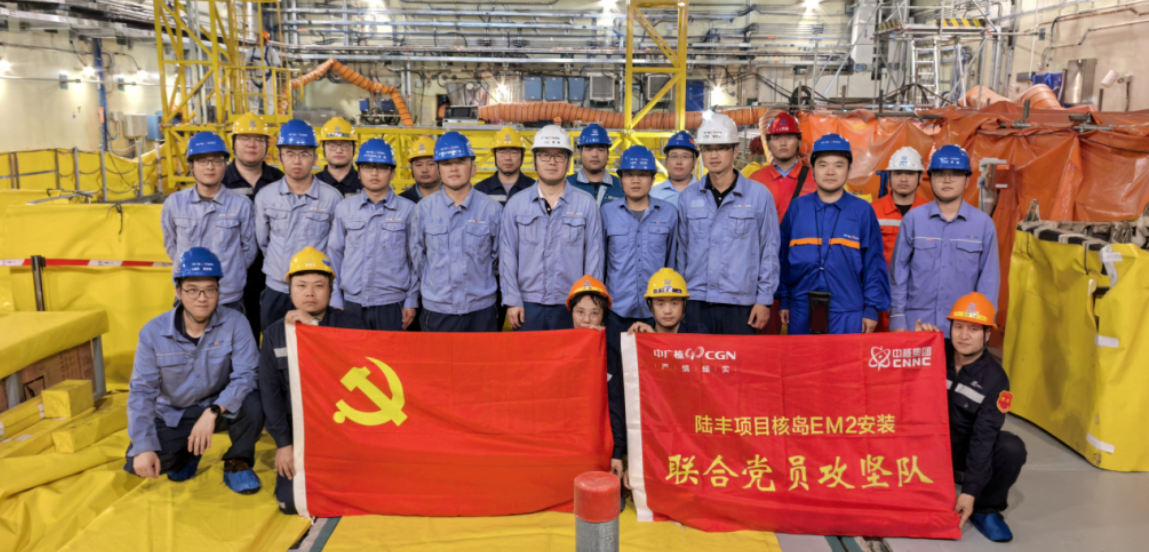
Lufeng Nuclear Power Unit 5 PMC Installation Task Successfully Completed
On July 6, 2026, with the successful installation, handover, and commissioning of the PMC02 and PMC03 systems for Lufeng Nuclear Power Unit 5, the PMC system installation work for the unit was successfully completed, marking the full achievement of the core tasks of the 5PMC Installation Joint Party Member Task Force. The smooth realization of this key milestone fully demonstrated the robust capability of the integrated engineering and production joint team in collaborative construction, driving a phased breakthrough in the construction of Unit 5. This laid a solid foundation for subsequent on-site inspections for the nuclear material license and the smooth receipt of new fuel. Collaborative Breakthrough to Ensure Milestones As the core specialized key equipment for receiving, storing, and transferring nuclear fuel in a nuclear power plant, the PMC system is a critical carrier ensuring the stable operation of the fuel handling system and an indispensable prerequisite for on-site nuclear material license inspections. Its installation quality and construction schedule directly impact the overall construction pace of the unit and the broader fuel loading and commissioning timeline. During this PMC installation phase, the on-site construction conditions were complex, and the pressure to overcome challenges was unprecedented. The team faced multiple difficulties, including intensive cross-disciplinary operations, intricate construction interfaces, severely limited workspace, and tight availability of lifting and scaffolding resources. Project progress faced significant resistance, coordination was highly challenging, and the task was extremely arduous. To fundamentally reverse the passive situation and ensure the achievement of construction goals, the Lufeng Nuclear Power Production Service Department, under the overall guidance of the company's Party Committee, took the initiative. It adopted a model where leaders personally oversaw the campaign and tackled problems directly on-site. By coordinating the construction efforts of the Safety Protection Department, Technical Department, Project Department, supervision units, and various participating construction entities, the PMC Installation Joint Party Member Task Force was formally established. The team consistently adhered to Party-building leadership in project breakthroughs, firmly upholding the value orientation of "Three Focuses." They solidified a normalized multi-party coordination mechanism involving daily meetings and on-the-spot problem-solving, effectively breaking down construction barriers and interface bottlenecks between the work teams of the two construction companies, CNNC Huaxing and China Nuclear Industry 23. By dynamically coordinating construction plans, on-site safety management, manpower organization, and resource allocation, they achieved on-site problem identification, assessment, and resolution. This efficiently resolved various issues such as cross-construction conflicts, material transport obstructions, and resource allocation tensions. Through meticulous coordination and integrated collaborative operations, they provided solid organizational support for achieving the construction goals. Innovation and Pragmatism to Set Benchmarks Throughout the entire campaign, all Party member core members took the lead, shouldered heavy responsibilities, targeted efforts precisely, and broke through difficulties, comprehensively solidifying on-site construction conditions. The team scientifically coordinated the erection, dismantling, and optimization of scaffolding in the fuel building, streamlined the construction logic for civil and installation cross-operations, and systematically completed the defect rectification and power-on work for the spent fuel crane, auxiliary crane, and 130t overhead crane, thoroughly clearing pre-installation obstacles for key equipment introduction. All personnel adhered to the principle of "taking one step forward, being proactive," ensuring that on-site conditions did not wait for procedures and that progress was not stalled by interfaces. They continuously optimized process connections and operational logic, focused on key areas in phases, assigned responsibilities by module, and dynamically optimized resource allocation. By balancing safety with progress and upholding both bottom lines and efficiency, they efficiently and successfully completed the introduction, positioning, and installation of key equipment for the PMC02 system. Concurrently, leveraging experience from previous multi-unit construction projects, the team boldly broke away from traditional fixed procedures and innovatively optimized the construction organization logic. They adopted an interleaved parallel construction approach, simultaneously carrying out multiple key specialized tasks for the first time within the group, including preliminary nuclear cleaning of the spent fuel pool hall, pressure testing of the spent fuel pool, pipe installation and flushing, and comprehensive foreign material search and removal from the fuel racks. Through innovation and pragmatic action, they created a benchmark case for efficient PMC system installation in Hualong One units. Successful Completion, Setting Off Again The successful completion of the PMC installation campaign for Unit 5 is a landmark achievement demonstrating the deep integration of Party-building and production at Lufeng Nuclear Power, efficient multi-disciplinary coordination, and the effective implementation of refined on-site management. It fully showcases the excellent spirit of the Party member team in daring to fight tough battles, being capable of winning them, charging forward, and sustaining continuous operations. The journey does not end; the campaign continues. Next, the PMC Installation Joint Party Member Task Force will persistently maintain its fighting posture, firmly anchor on the overall goal of unit fuel loading, steadily advance the commissioning and various functional tests of the PMC02 and PMC03 systems, and efficiently complete key tasks such as system commissioning and the interconnection of the four pools. They will strive to ensure the smooth passage of the on-site nuclear material license inspection, injecting strong momentum into the high-quality and safe commissioning and operation of the unit.
2026-07-31

Joint Safety Inspection of Directly Managed Nuclear Technology Utilization Units in Shandong by East China and North China Nuclear and Radiation Safety Supervision Stations
To thoroughly implement General Secretary Xi Jinping's important directive on the Quanzhou shoe factory fire accident, which calls for "in-depth investigation and rectification of various risk hazards, meticulous implementation of safety production measures, and resolute prevention of major and catastrophic accidents," the Ministry of Ecology and Environment's East China Nuclear and Radiation Safety Supervision Station (hereinafter referred to as the East China Station) recently joined forces with the North China Nuclear and Radiation Safety Supervision Station (hereinafter referred to as the North China Station) to take swift action. Together, they formed a joint inspection team to conduct safety inspections on some of the Ministry of Ecology and Environment's directly managed nuclear technology utilization units in Shandong Province. Shandong currently has 19 such units directly managed by the Ministry of Ecology and Environment, making it a major province in nuclear technology utilization. To ensure that this joint inspection achieves the goal of identifying...
2026-07-31
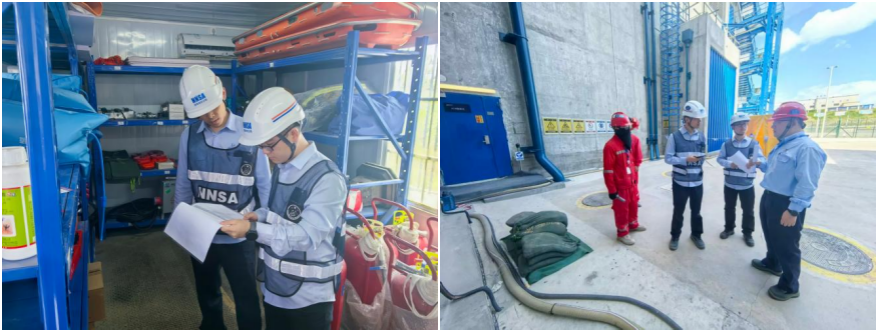
South China Regional Office of the National Nuclear Safety Administration Conducts Special Supervision and Inspection of Changjiang Units Under Construction
As the South China region enters the main flood season with concentrated typhoons and heavy rainfall, nuclear facilities face significant pressure in resisting meteorological disasters, and safety control responsibilities are critical. To rigorously prevent nuclear safety risks triggered by natural disasters during the flood season and to reinforce the primary responsibility of operating entities for safety production, the South China Regional Office of the National Nuclear Safety Administration (hereinafter referred to as the South China Regional Office) made advance deployments and carried out a special supervision and inspection of typhoon and flood prevention for the Changjiang units under construction in an unannounced manner. This inspection comprehensively verified the effectiveness of control measures, tightened the primary responsibility of the operating entity, and effectively built a safety barrier for nuclear facilities during the flood season. Inspectors went deep into the construction sites of Units 3 and 4 of the Changjiang Nuclear Power Plant and the small modular reactor demonstration project, focusing on checking nuclear...
2026-07-31
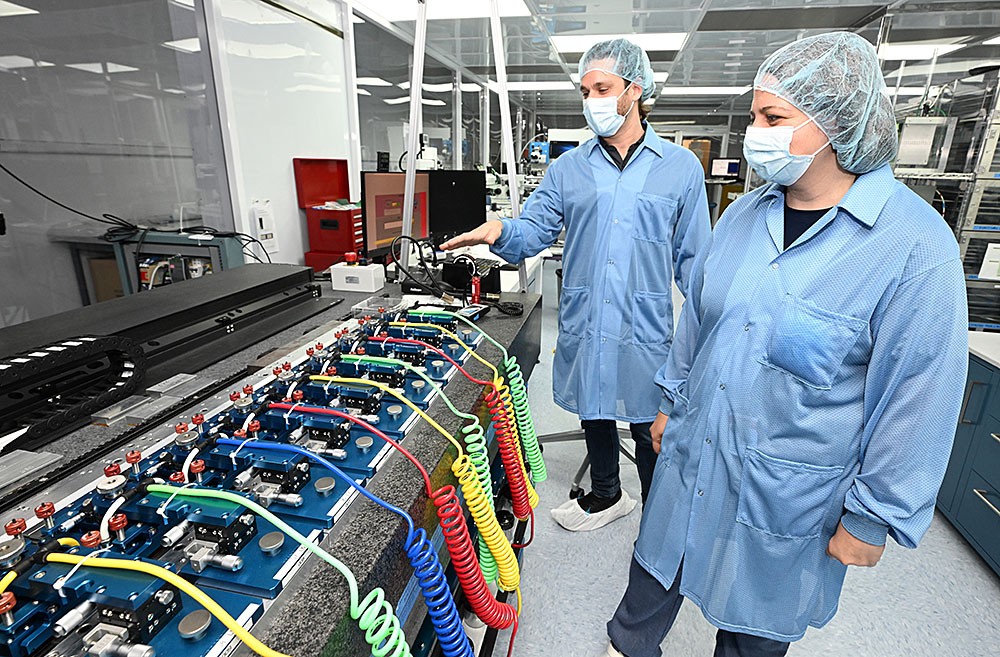
U.S. Brookhaven National Laboratory Achieves Milestones in High-Luminosity Large Hadron Collider Upgrade
On July 29, the Large Hadron Collider (LHC) at CERN concluded its recent run and entered a four-year shutdown for maintenance. During this shutdown, some LHC components will be dismantled and rebuilt for the High-Luminosity LHC (HiLumi LHC) upgrade project. The U.S. Department of Energy's Brookhaven National Laboratory has recently achieved important production milestones in both accelerator and detector-related work. The LHC helps scientists study the fundamental structure of matter by accelerating and colliding two beams of protons traveling in opposite directions in a nearly 17-mile circular ring. The core goal of the HiLumi LHC upgrade is to significantly increase the number of particle collisions per unit time, i.e., enhance "luminosity," thereby increasing the chance of recording rare interactions.
2026-07-30
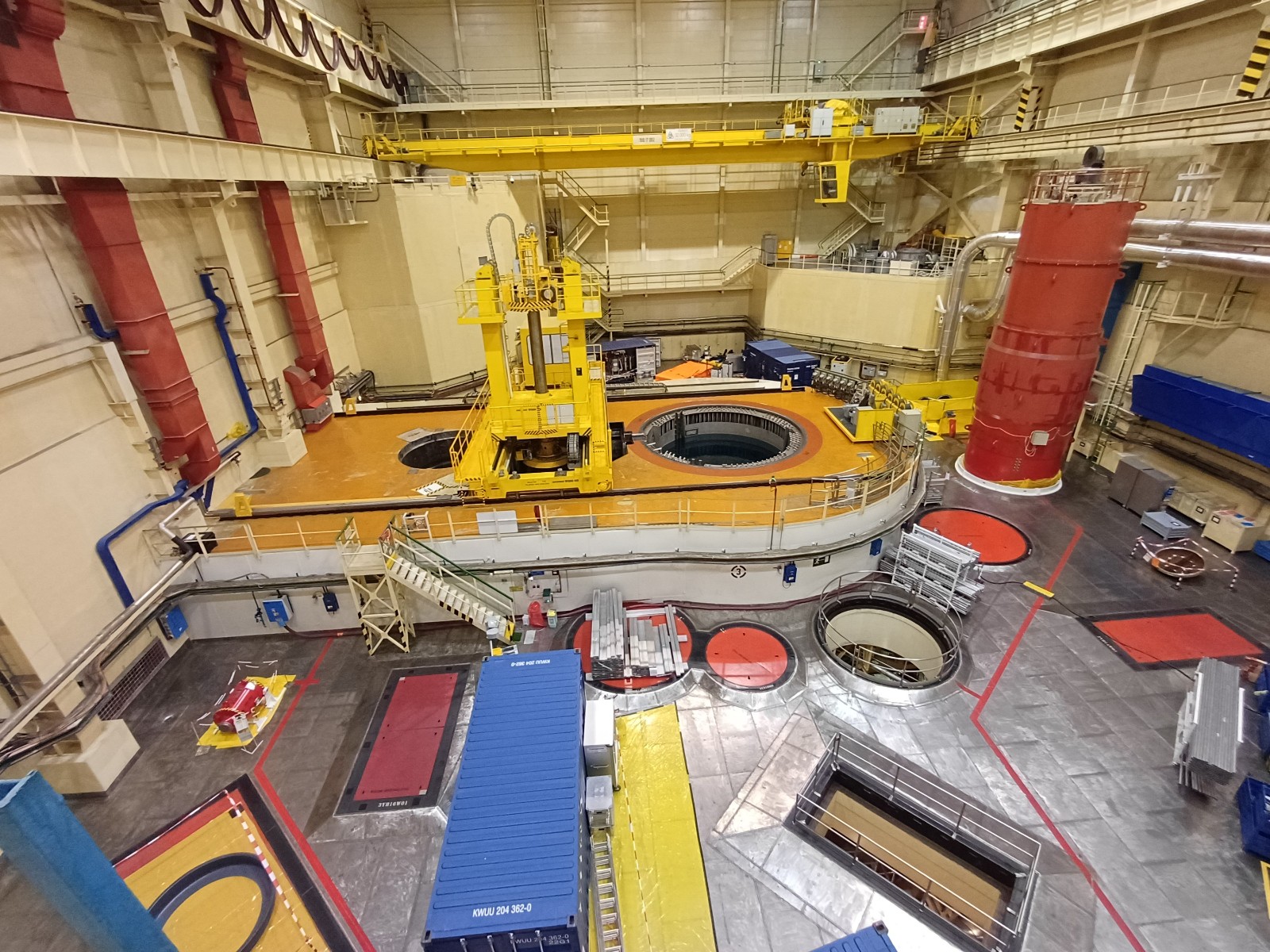
Fuel unloading completed for Unit 3 of Dukovany Nuclear Power Plant
On July 30, Unit 3 of the Dukovany Nuclear Power Plant completed the unloading of reactor fuel assemblies, and the planned refueling outage has now entered its next phase. During this outage, the plant will replace part of the nuclear fuel and carry out hundreds of inspections, tests, and maintenance activities to enhance nuclear safety levels and ensure the long-term stable operation of the unit. In this outage, although the actual number of fuel assemblies to be replaced accounts for about one-fifth of the total, operators must first remove all fuel assemblies from the entire core and transfer them to the spent fuel pool. Subsequently, the reactor water level will be lowered to create conditions for maintenance of core cooling system components and inspection of some primary circuit equipment...
2026-07-30
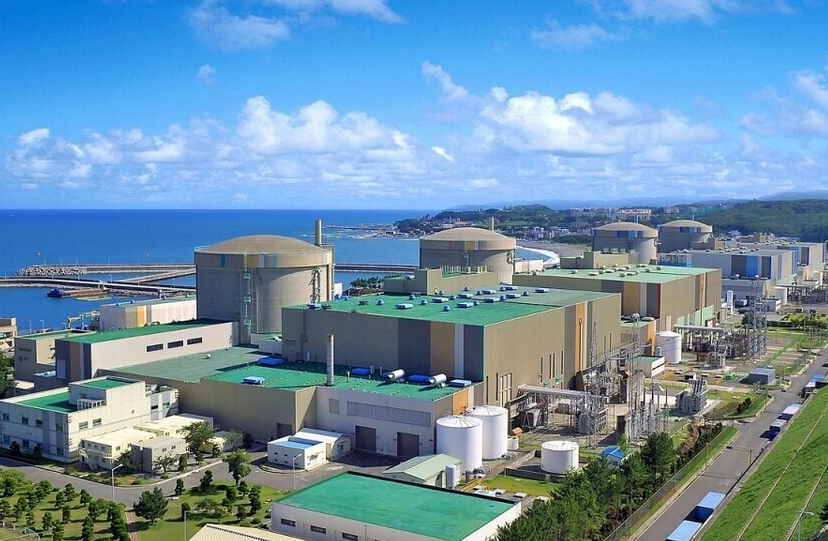
Heavy water leak at Wolseong Nuclear Power Plant Unit 2 in South Korea found to be far larger than initially reported
The actual scale of the heavy water leak that occurred at Wolseong Nuclear Power Plant Unit 2 in Gyeongju, North Gyeongsang Province, South Korea, in September last year, is reported to be far larger than the initially disclosed figure. The Gyeongju Environmental Movement Alliance disclosed on the 30th that a detailed internal report obtained from Korea Hydro & Nuclear Power (KHNP) shows the total amount of heavy water leaked was 1,311.15 kg, approximately five times the initially reported 256 kg, of which 5.14 kg was recorded as having leaked outdoors. After the incident, Korea Electric Power Corporation (KEPCO) had reported a heavy water leak of 256 kg and stated that no external leakage occurred. The detailed report now made public reveals...
2026-07-30
TerraPower Isotopes to Donate Actinium-225 via Oncidium Foundation to Support Cancer Treatment Accessibility
TerraPower Isotopes (TPI), a subsidiary of U.S. nuclear innovation company TerraPower, announced on July 29 that it will coordinate the donation of the rare medical isotope actinium-225 (Ac-225) through the Oncidium Foundation to support economically disadvantaged cancer patients in accessing targeted radionuclide therapy. The Oncidium Foundation is a non-profit organization dedicated to promoting global access to targeted radionuclide cancer treatments. Its RLT-Connect program aims to help financially challenged patients access relevant therapies, reducing treatment disparities caused by geographic and economic conditions. This donation also marks TPI's entry into Oncidium's collaborative ecosystem of radioisotope suppliers, medical practitioners...
2026-07-30
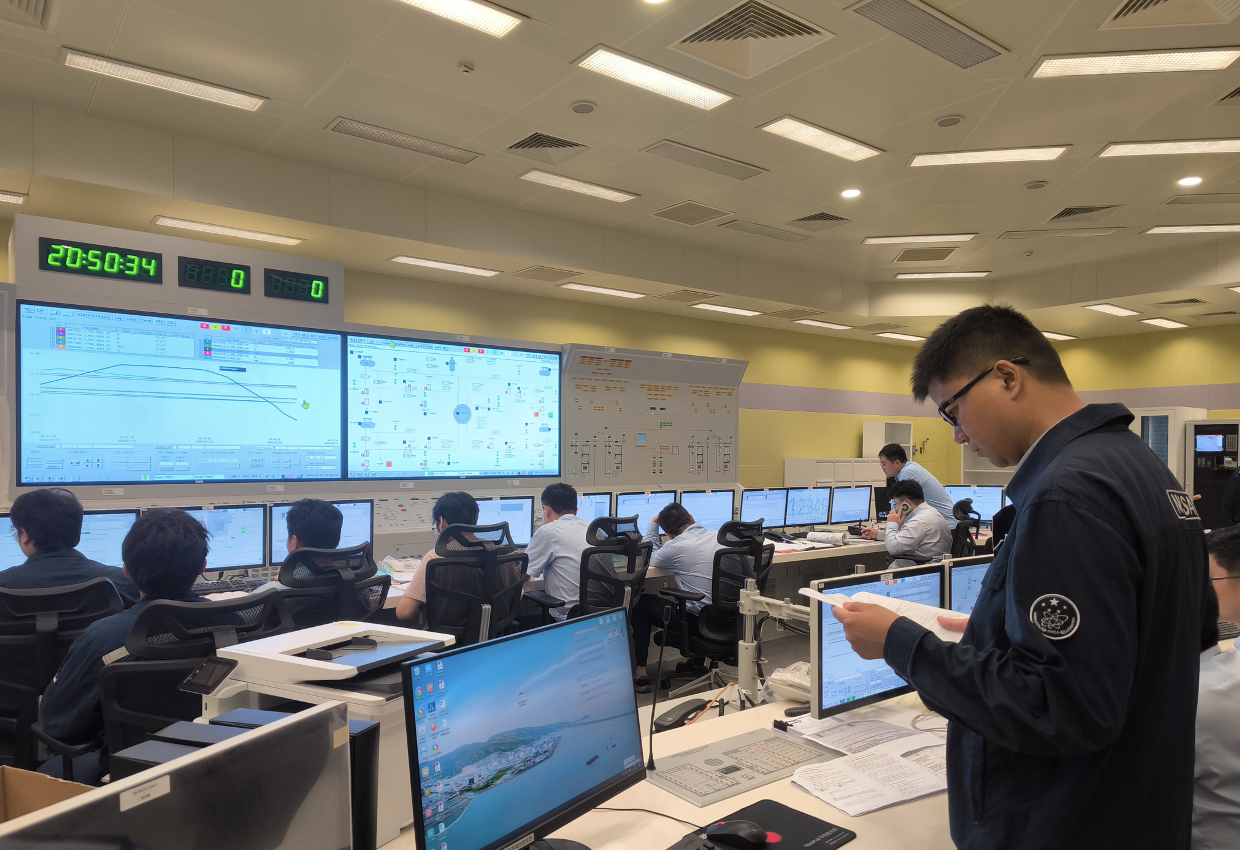
Ministry of Ecology and Environment's North China Nuclear and Radiation Safety Supervision Station Conducts Special Supervision on Cold Test Release for Tianwan Nuclear Power Unit 8
The Cold Functional Test (hereinafter referred to as the cold test) is the first major comprehensive test for a nuclear power unit transitioning from the installation phase to the commissioning phase. It is a key core link to verify the pressure-bearing capacity and sealing performance of the nuclear island main system and equipment under design pressure conditions, and serves as a critical milestone to ensure the subsequent safe and stable operation of the unit. Recently, the Ministry of Ecology and Environment's North China Nuclear and Radiation Safety Supervision Station (hereinafter referred to as the North China Supervision Station) conducted comprehensive supervision on the cold test control point release for Tianwan Nuclear Power Plant Unit 8. Adhering to the principle of supervision moving forward, the station consolidated the pre-test foundation. Upholding the nuclear safety supervision philosophy of "prevention first, moving the checkpoint forward," the North China Supervision Station focused on the preconditions for the cold test control point release, verified various items pending rectification one by one, and ensured that all hidden dangers were effectively addressed, building a solid safety barrier for the smooth progress of subsequent tests.
2026-07-30

SuperCritical Obtains Exclusive License for Uranium Extraction from Seawater Technology, Plans Industrial Deployment in the United States
SuperCritical Materials Corp., a U.S. developer of nuclear fuel and critical materials infrastructure, announced on July 24 that it has obtained an exclusive license from Battelle Memorial Institute for a patented uranium adsorbent technology used to extract uranium from seawater. The technology was originally developed by Pacific Northwest National Laboratory (PNNL) and its research partners. Battelle Memorial Institute currently manages eight national laboratories for the U.S. federal government. SuperCritical stated that the technology has been verified to extract uranium from seawater...
2026-07-30
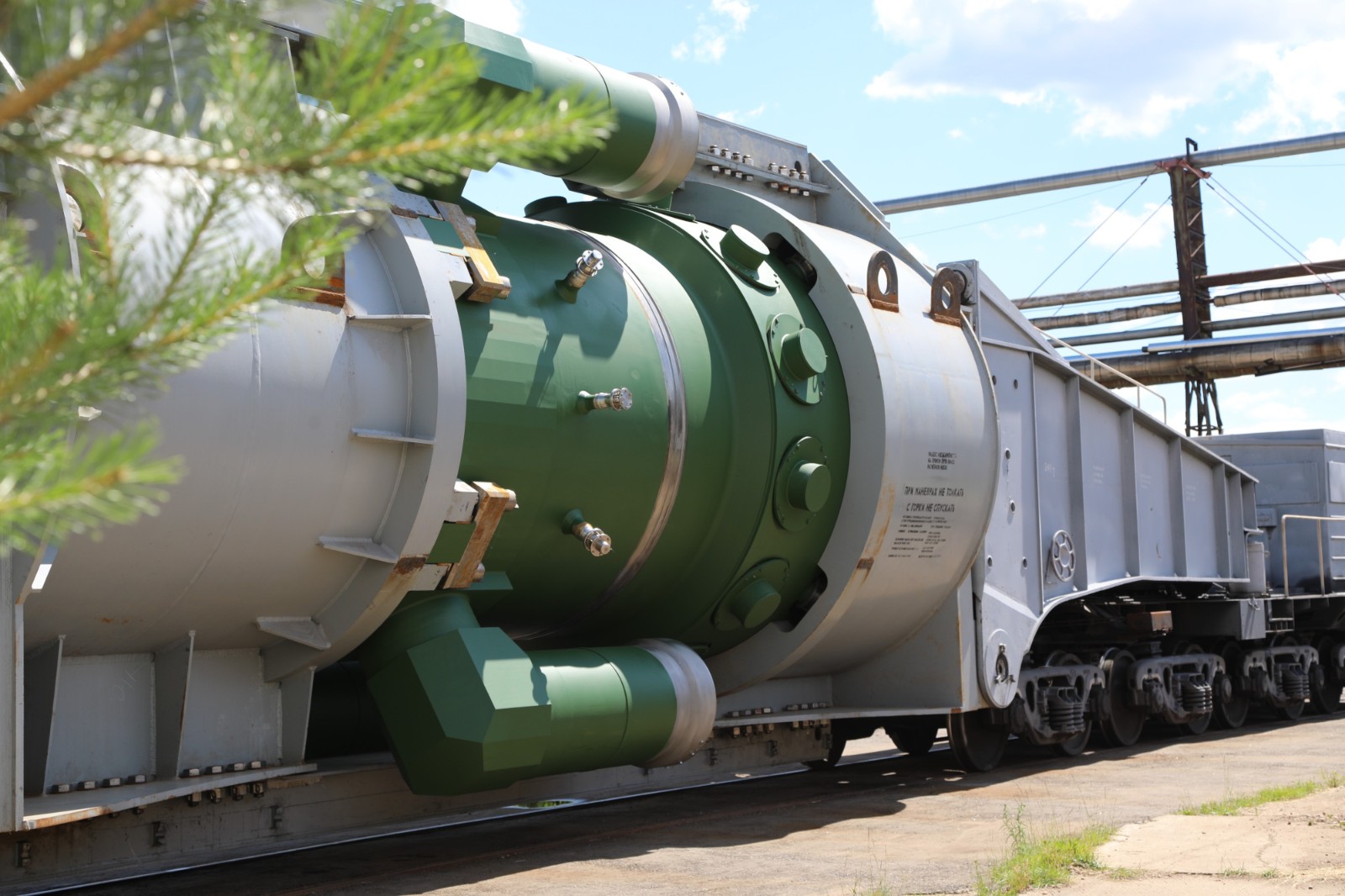
Russia Completes Manufacturing of Second RITM-200 Reactor Unit for Leningrad Nuclear-Powered Icebreaker
On July 29, Rosatom's ZiO-Podolsk Mechanical Plant in the Moscow Region completed the manufacturing of the second RITM-200 reactor unit for the Leningrad nuclear-powered icebreaker. With this, the manufacturing of all major equipment for the reactor compartment of this under-construction 22220-type universal nuclear-powered icebreaker has been fully completed. The Leningrad nuclear-powered icebreaker began construction in January 2024. The naming of the vessel is linked to the 80th anniversary of the lifting of the Siege of Leningrad, with veterans and survivors of the siege proposing that this new-generation nuclear-powered icebreaker be named Leningrad. Following Rosatom's tradition of naming reactor units, the two completed reactor units of the Leningrad have been named "Iskra" and "Grom," commemorating the operations that broke and ultimately lifted the Siege of Leningrad between 1943 and 1944.
2026-07-30
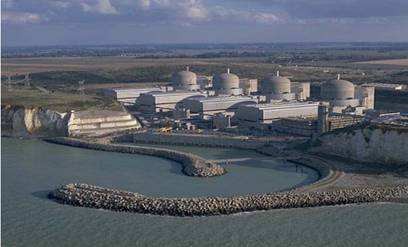
Public Meeting Held on Restart Plan for Three Mile Island Unit 1
As electricity demand from AI-related data centers rises, multiple locations across the United States are reassessing the value of nuclear reactors originally slated for decommissioning. Recently, the restart plan for Unit 1 of the Three Mile Island Nuclear Power Plant in eastern Pennsylvania has entered the public engagement phase. The Three Mile Island plant has long been under scrutiny due to the 1979 accident at Unit 2, which involved a nuclear fuel meltdown and the release of radioactive materials. The proposed restart involves the adjacent Unit 1, which has been in the decommissioning process since 2019. Upon restart, it will operate under the name "Crane Clean Energy Center." On July 28, the U.S. Nuclear Regulatory Commission...
2026-07-30
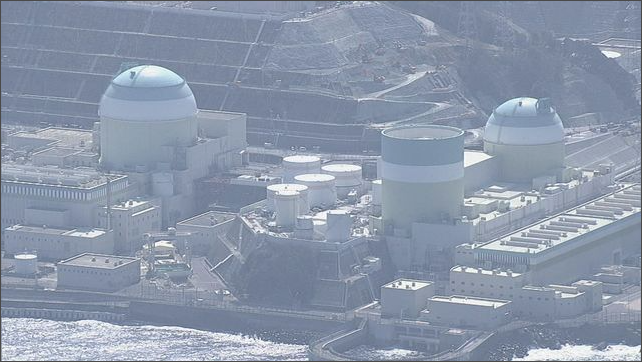
Japan's Ikata Nuclear Power Plant Unit 1 Decommissioning Plan to Enter Second Phase
The Environmental Safety Management Committee for the Ikata Nuclear Power Plant, established by the Ehime Prefectural Government, recently held a meeting to review the progress of the decommissioning plan for Unit 1 of the Ikata Nuclear Power Plant. The unit ceased operation in 2016 and is currently in the decommissioning implementation phase. Unit 1 of the Ikata Nuclear Power Plant is operated by Shikoku Electric Power Co. The company began decommissioning the unit in 2017, planning to carry out the work in four phases over a total period of approximately 40 years. Currently, the first phase has been largely completed, primarily involving the removal of nuclear fuel. Shikoku Electric Power Co. has applied to the Japanese central government to enter the second phase, which involves dismantling equipment around the reactor area, and has...
2026-07-30
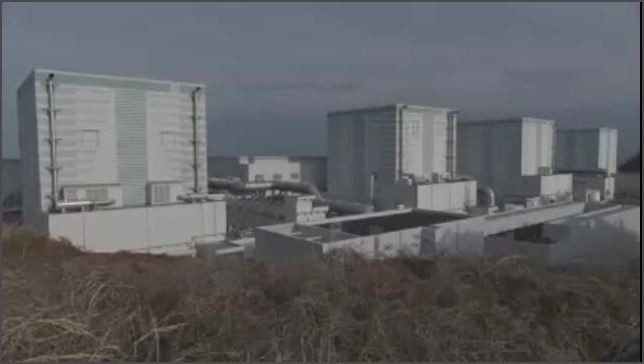
TEPCO says cooling interruption of spent fuel pool at Fukushima Daini Unit 1 due to human error
Tokyo Electric Power Company (TEPCO) announced on July 29 that the event in April 2026, where the spent fuel pool cooling system at Unit 1 of the Fukushima Daini Nuclear Power Plant was shut down for approximately 32 hours, was determined to be caused by human error. At the time of the incident, the plant was in the decommissioning phase. On April 5, a fault alarm was triggered by the cooling water circulation pump of Unit 1 at Fukushima Daini. After on-site personnel confirmed smoke from the equipment, the pump was stopped, resulting in an interruption of the spent fuel pool cooling system for about 32 hours. TEPCO previously stated that the cause was damage to the cable connecting the pump motor. According to TEPCO's latest explanation, the cable melting may be related to the installation method when the cable was replaced in 2012...
2026-07-30
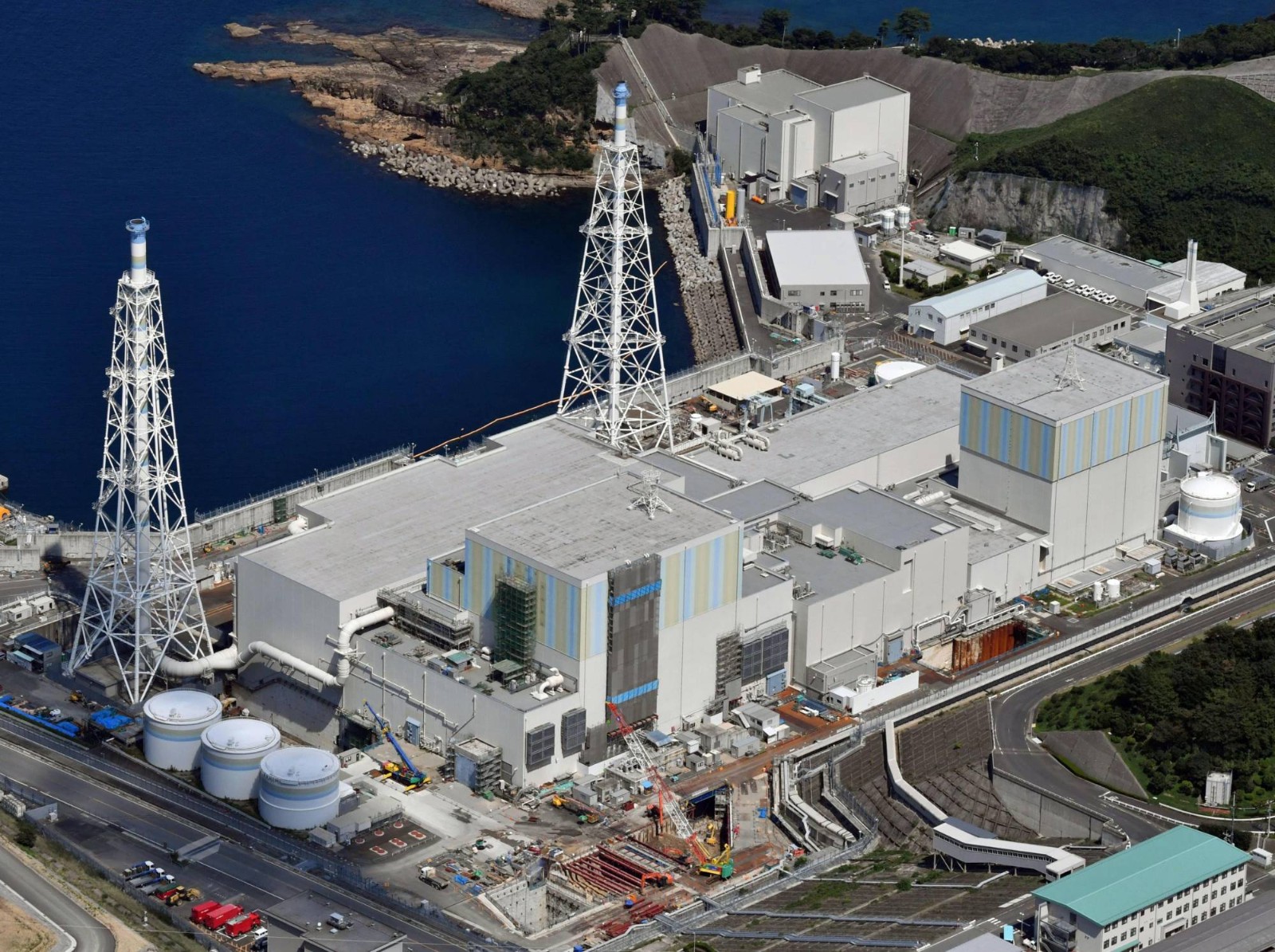
Chugoku Electric Power Submits Third Amendment to Reactor Installation Change Permit Application for Shimane Nuclear Power Plant Unit 3 to Regulatory Authority
Chugoku Electric Power Co., Inc. announced on July 29 that it had submitted the third amendment to the reactor installation change permit application for Unit 3 of the Shimane Nuclear Power Plant to the Nuclear Regulation Authority (NRA) on the same day. The company stated that this amendment adjusts the application content for related equipment at the plant based on previous review findings. This includes reclassifying certain equipment already installed for Unit 2, such as the emergency response center, for shared use between Unit 2 and Unit 3. According to reports, Chugoku Electric Power had previously submitted two amendments to the reactor installation change permit application for Unit 3 of the Shimane Nuclear Power Plant, on December 22, 2021, and June 29, 2022, respectively.
2026-07-29
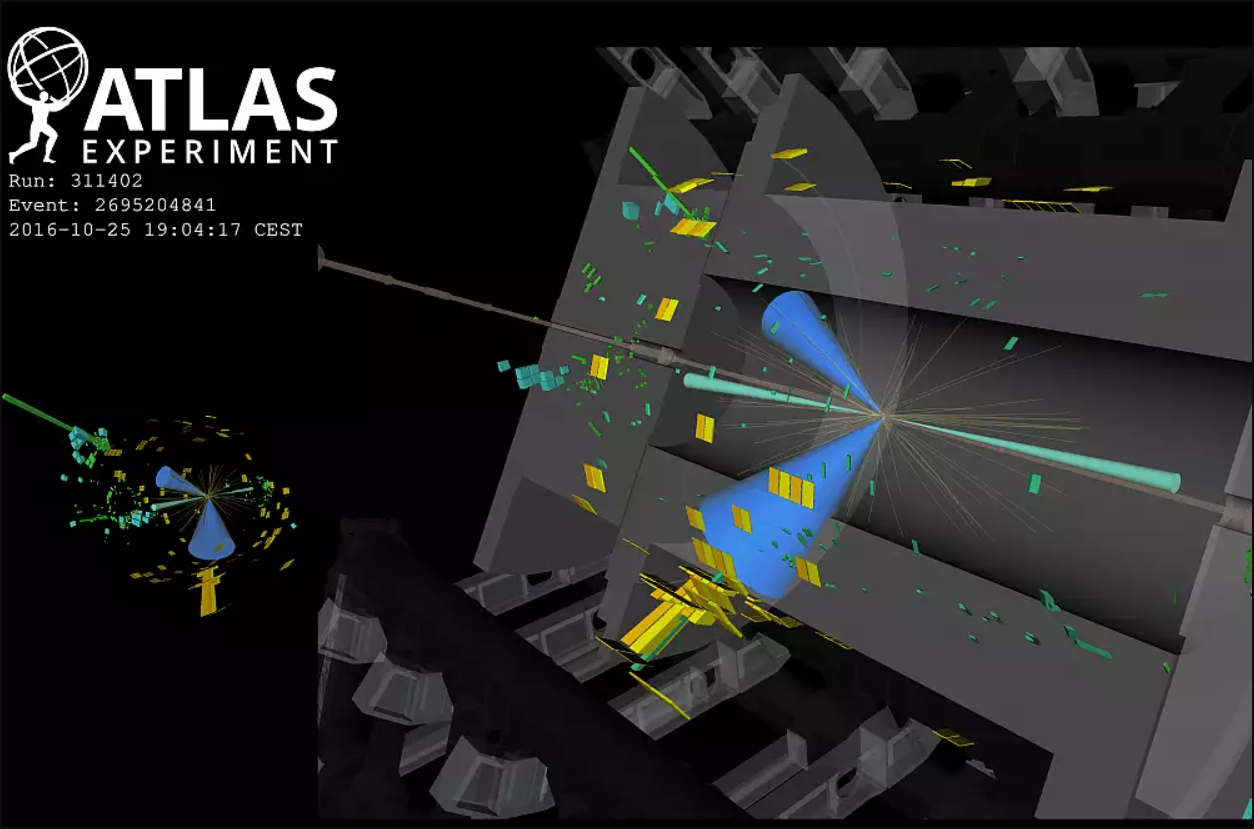
Indiana University Team Participates in Large Hadron Collider Detector Upgrade
On July 28, 2026, physicists from Indiana University are participating in an international scientific collaboration to install new particle detector components at the Large Hadron Collider (LHC) at CERN, located near Geneva, Switzerland, to enhance scientists' ability to study the fundamental building blocks of the universe. The Large Hadron Collider is currently the world's largest particle accelerator, which helps researchers explore the structure of matter and fundamental interactions by colliding protons at near-light speeds and analyzing the particles produced in the collisions. Indiana University is a member of the ATLAS experiment collaboration, which comprises approximately 245 institutions from over 40 countries, with thousands of scientists...
2026-07-29