
Search Results
Keyword:Unit
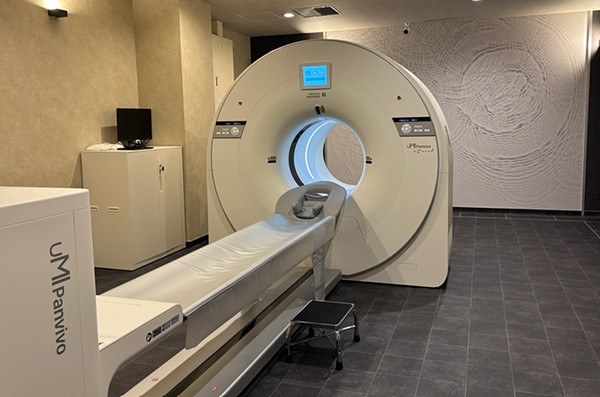
United Imaging Healthcare's New-Generation Digital PET/CT "uMI Panvivo" Enters Clinical Use in Japan
August 3 news, United Imaging Healthcare Japan Co., Ltd. announced that the first unit in Japan of its new-generation digital PET/CT scanner uMI Panvivo has been put into clinical use at Saitama Central Clinic, located in Omiya-ku, Saitama City. Saitama Central Clinic is a medical institution specializing in diagnostic imaging. Since its opening in 2009, the clinic has continuously conducted comprehensive cancer screening centered on PET/CT scans, and provides FDG-PET cancer examination services based on the needs of local medical institutions, with an annual PET/CT examination volume ranking among the highest in Japan. With the introduction of uMI Panvivo, the clinic expects to further shorten examination time and enhance image quality on the basis of its existing high-precision diagnostic imaging...
2026-08-03
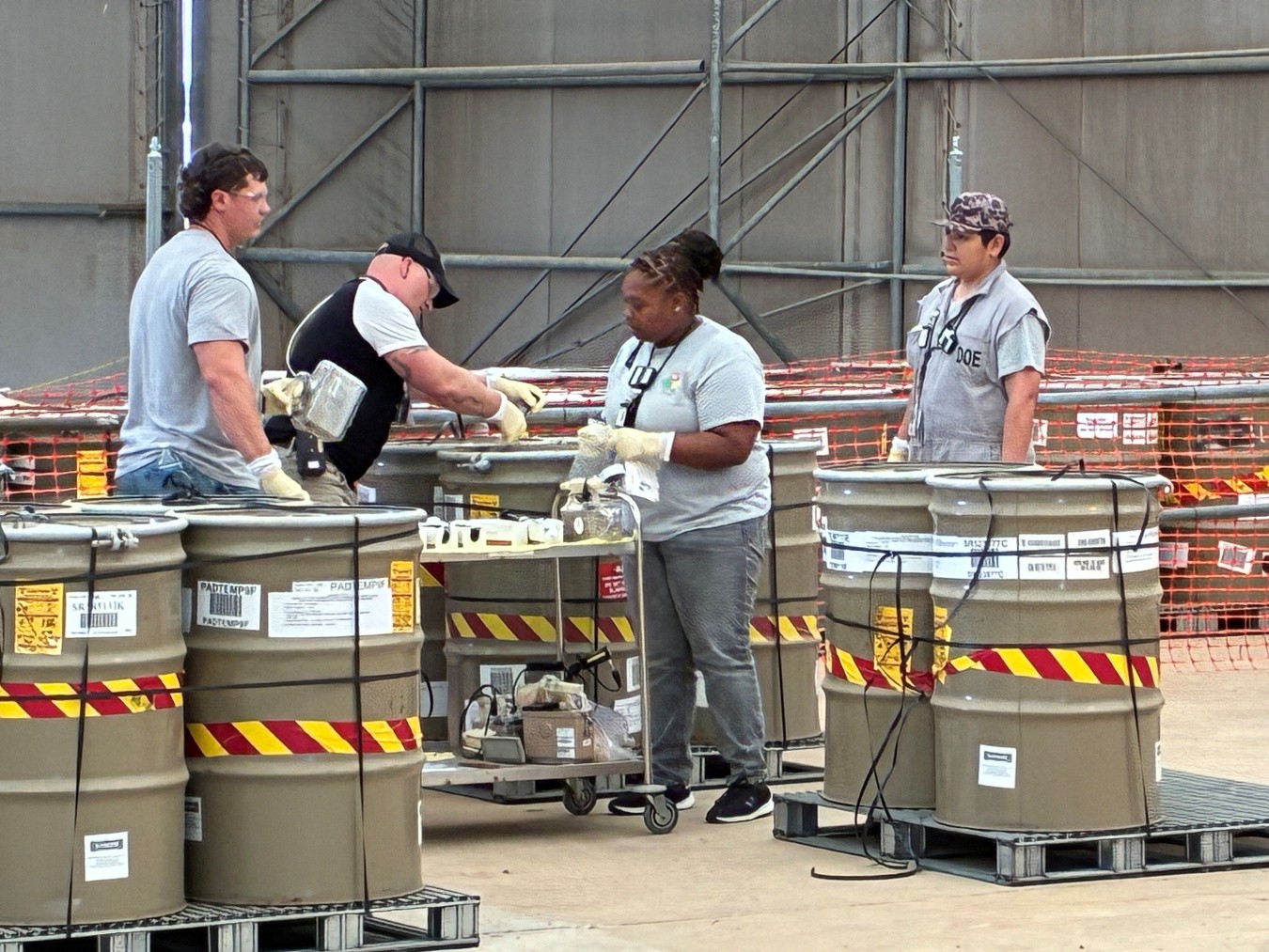
U.S. to Resume Shipping Transuranic Waste Drums from Savannah River Site to WIPP for Permanent Disposal
The U.S. Department of Energy Office of Environmental Management (EM) will resume shipping remote-handled transuranic waste drums from the Savannah River Site (SRS) in South Carolina to the Waste Isolation Pilot Plant (WIPP) in New Mexico for permanent disposal on July 28, 2026. Prior to resuming shipments, relevant teams have completed flammable gas analysis, confirming that these waste containers meet safety requirements for transport to the underground disposal facility. Flammable gas sampling is a critical safety step before transuranic waste transportation. Workers assess potential combustion risks inside containers by detecting gases such as hydrogen, methane, and volatile organic compounds, and confirm their safety during transport and disposal...
2026-08-03
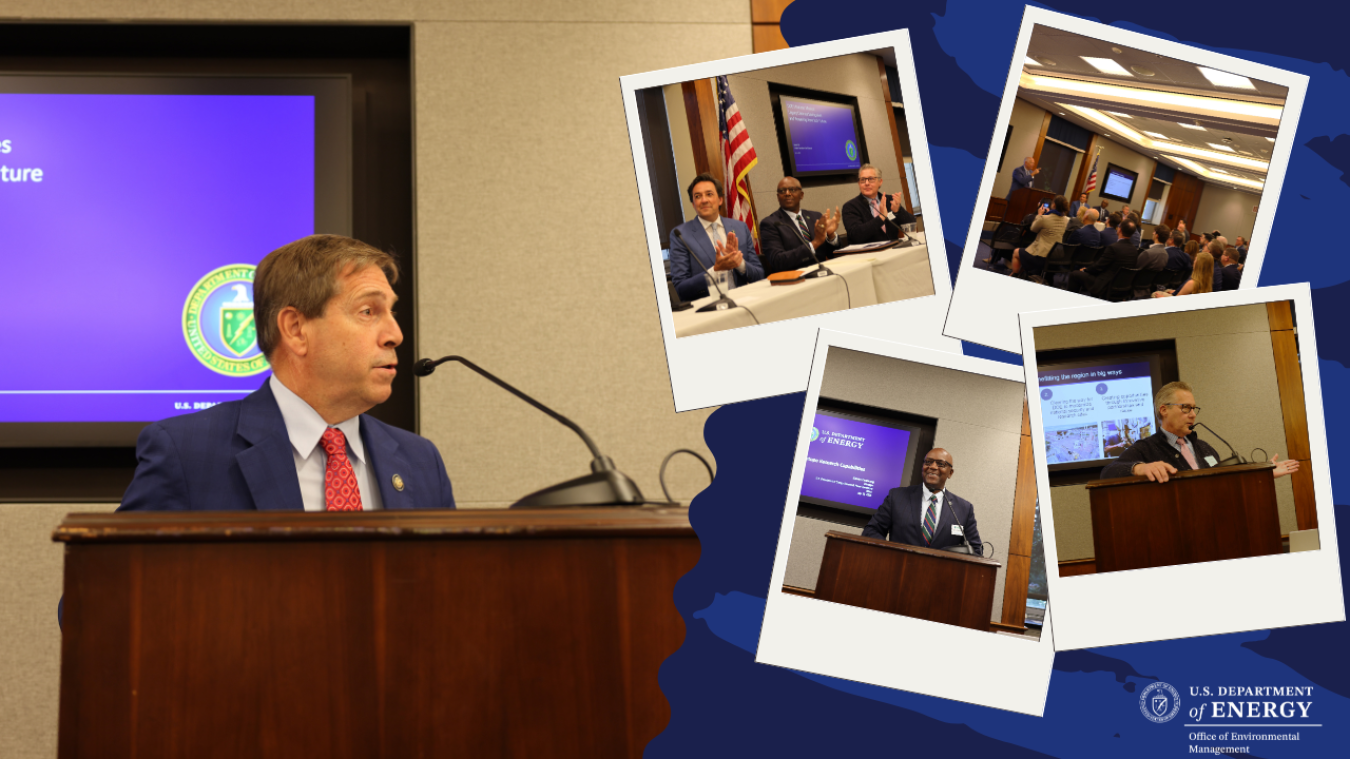
U.S. Department of Energy Highlights Progress in Legacy Waste Cleanup and Medical Isotope R&D
Recently, senior officials from the U.S. Department of Energy attended an event hosted by the U.S. House Nuclear Cleanup Caucus, presenting the application progress of legacy nuclear waste cleanup efforts in medical isotope R&D and future energy technologies. The event, themed "DOE's Isotope Mission: Legacy Cleanup Saves Lives, Empowers America's Future," focused on how nuclear cleanup missions align with isotope production and medical research. DOE's Under Secretary for Science Dario Gil, along with Oak Ridge National Laboratory Environmental Management Office Manager Eric Olds and Savannah River Operations Office Manager Edwin DeShon, jointly attended the event. DeShon...
2026-08-03
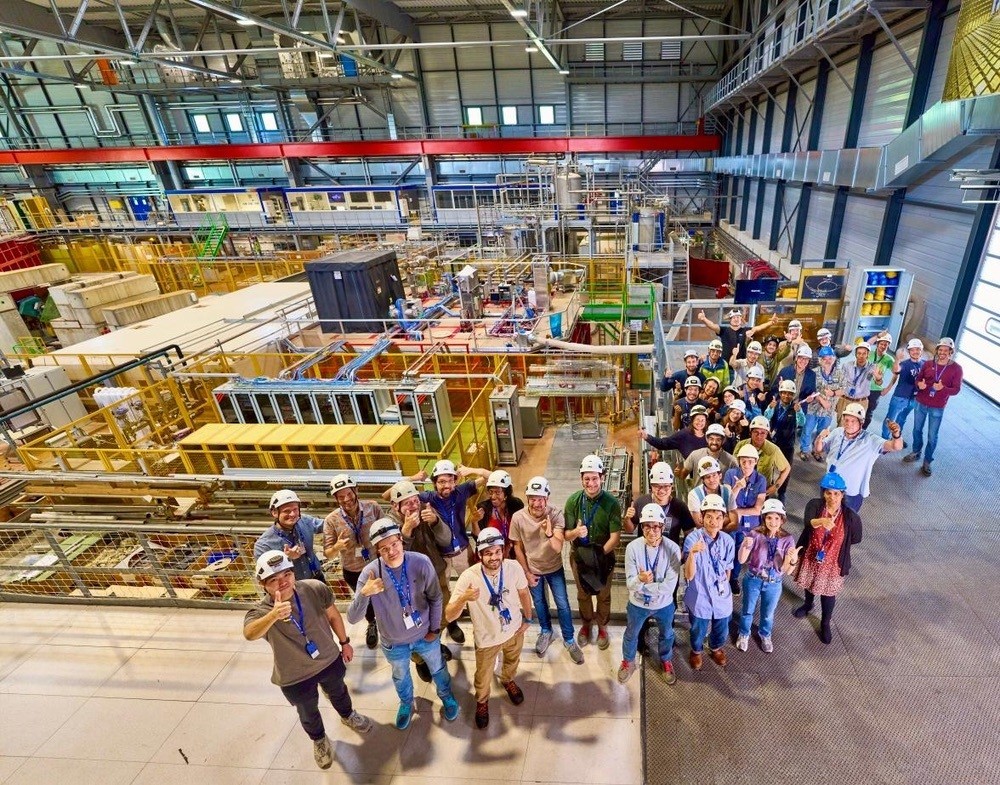
DUNE Prototype Detector Undergoes 300 kV Pressure Test at CERN
The Deep Underground Neutrino Experiment (DUNE), an international collaborative project led by the Fermi National Accelerator Laboratory under the U.S. Department of Energy, is conducting pressure tests on the prototype detector ProtoDUNE at CERN's Neutrino Platform to verify the long-term stability of the relevant detection technology under extreme operating conditions. DUNE is designed as a large-scale neutrino research experiment aimed at studying the properties of neutrinos and their role in the evolution of the universe. The experiment will install large liquid argon time projection chamber detectors approximately one mile underground at the Sanford Underground Research Facility in South Dakota, USA. Once the detectors are filled with liquid argon and sealed, internal components will be difficult to access for extended periods...
2026-08-03
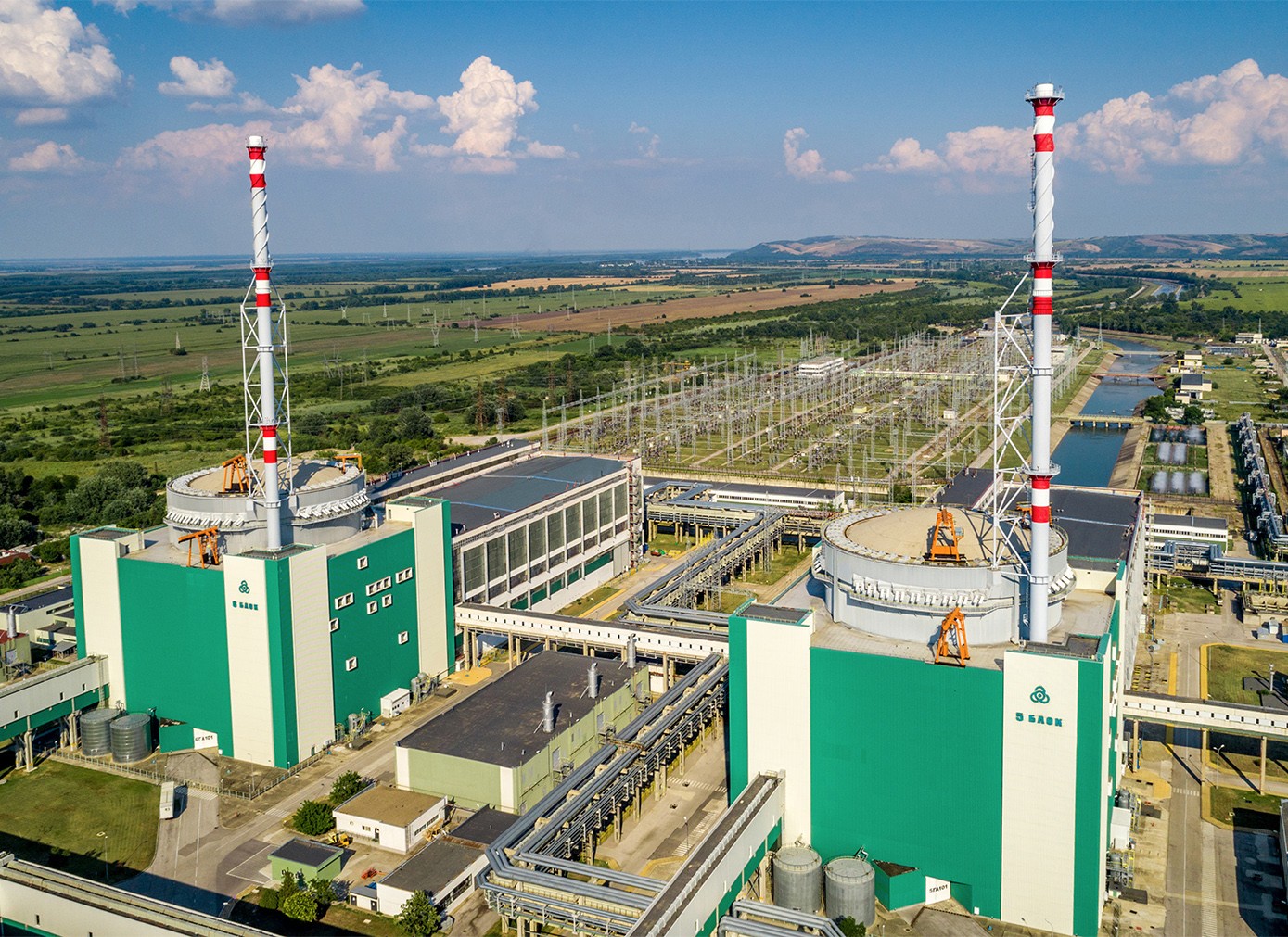
Bulgaria Approves Decommissioning Licenses for Units 3 and 4 of Kozloduy Nuclear Power Plant
On August 1, the Bulgarian Nuclear Regulatory Agency (NRA) issued a 10-year license to the State Enterprise for Radioactive Waste Management (SERAW), authorizing it to carry out the decommissioning of Units 3 and 4 of the Kozloduy Nuclear Power Plant. The license was presented to SERAW Deputy Executive Director Elizabeth Mladenova by NRA Chairman Tsanko Bachiski. The license is held by SERAW's specialized department responsible for the decommissioning of Units 1 to 4 of the Kozloduy Nuclear Power Plant. SERAW Management Board Chairman Sergey Tsochev attended the license award ceremony. According to the license requirements, the decommissioning of Units 3 and 4 must comply with Bulgaria's Law on the Safe Use of Nuclear Energy and relevant implementing regulations.
2026-08-03
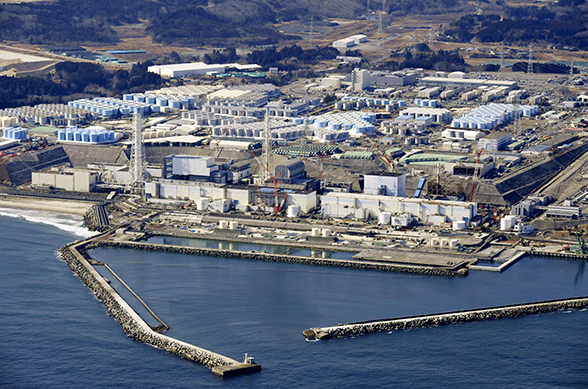
Nitrogen Supply Unit at Fukushima Daiichi Nuclear Power Station Resumes Operation After Malfunction
Tokyo Electric Power Company (TEPCO) reported on August 1 that a reactor nitrogen supply unit at the Fukushima Daiichi Nuclear Power Station malfunctioned that day, but was subsequently repaired and resumed gas supply. The company stated that during the malfunction, no significant fluctuations were observed in hydrogen concentrations inside the reactors of Units 1 to 3 or in surrounding radiation monitoring data, and no risk of hydrogen explosion was confirmed. The reactor containments and pressure vessels of Units 1 to 3 at the Fukushima Daiichi Nuclear Power Station require continuous nitrogen injection to suppress hydrogen accumulation resulting from radiolysis of water. If hydrogen concentrations exceed a certain level, the risk of hydrogen explosion may increase. According to TEPCO, at 11:14 a.m. on August 1, a worker...
2026-08-03

Unit 3 of the Huaneng Changjiang Nuclear Power Phase II project—Hainan Province's first "Hualong One" nuclear power project—has been connected to the grid and is generating electricity
On August 1, Unit 3 of the Huaneng Changjiang Nuclear Power Phase II Project, the first large-scale pressurized water reactor nuclear power project under controlling construction by China Huaneng Group Co., Ltd. and the first "Hualong One" nuclear power project in Hainan Province, was connected to the grid, generating Huaneng's first kilowatt-hour of pressurized water reactor nuclear power. This marks that the unit has officially gained the capability to transmit power to the grid, taking a key step toward the goal of commercial operation. The project plans to build two 1.2-million-kilowatt nuclear power units, equipped with China's independently developed third-generation pressurized water reactor nuclear power technology, the "Hualong One." It vigorously promotes the independent design of nuclear power and the localization of equipment manufacturing, and adopts a safety design concept combining active and passive systems, which can significantly improve the reliability and safety of the nuclear power plant. ...
2026-08-03
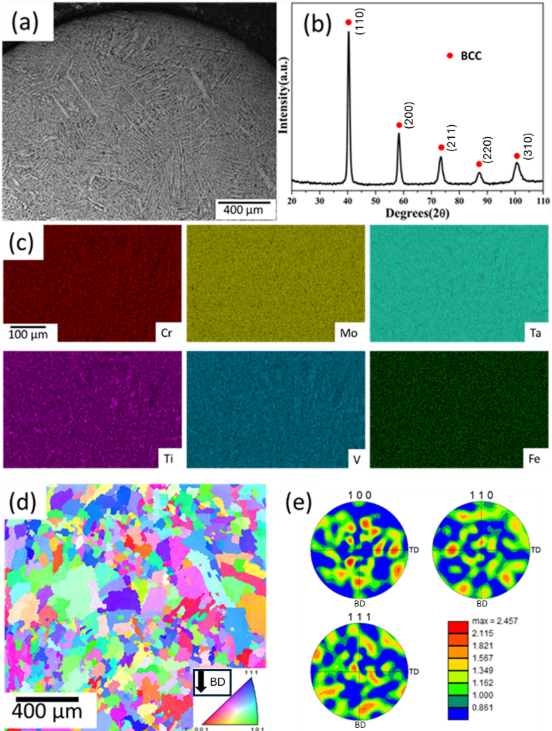
Additively Manufactured CrMoTaTiV Refractory Alloy Demonstrates Excellent Radiation Resistance
A materials study released on July 31 shows that a research team used laser powder directed energy deposition (LP-DED) technology to fabricate a novel Cr₁₀Mo₂₅Ta₂₅Ti₁₅V₂₅ refractory complex concentrated alloy and systematically evaluated its structural stability and mechanical properties under irradiation environments. The study targets the demand for high-temperature, high-irradiation structural materials in next-generation nuclear fission and fusion devices. In the study, samples were subjected to 3.5 MeV Fe²⁺ ion irradiation at the Ion Beam Materials Laboratory of Los Alamos National Laboratory in the United States, at irradiation temperatures of room temperature and 650°C, with local doses reaching approximately 1.8, 6, and 18 dpa. Microstructural analysis...
2026-08-01
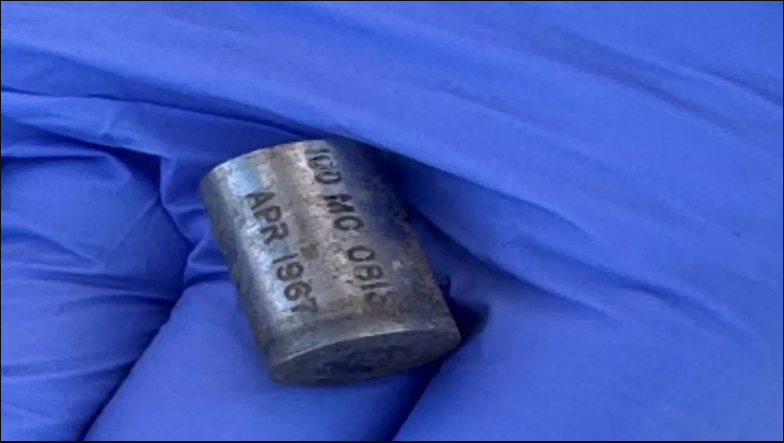
Buried Cesium-137 Sealed Source Discovered by Texas Patrol Officer Near Roadside in Midland County
According to the Texas Department of Public Safety, a corporal with the department recently discovered a buried cesium-137 sealed radioactive source with an activity of 100 millicuries during a routine patrol near a roadway in Midland County. The incident resulted in no injuries or radiation contamination, and public safety was not threatened. On July 24 local time, the corporal, assigned to the department's Radioactive/Nuclear Threat Detection Section, was patrolling near South County Road 1210 when the vehicle-mounted radiation detection system activated. He then used other detection equipment to survey the surrounding area and traced the radiation signal to an underground location. To ensure safe disposal, he requested assistance from local, state, and federal...
2026-08-02
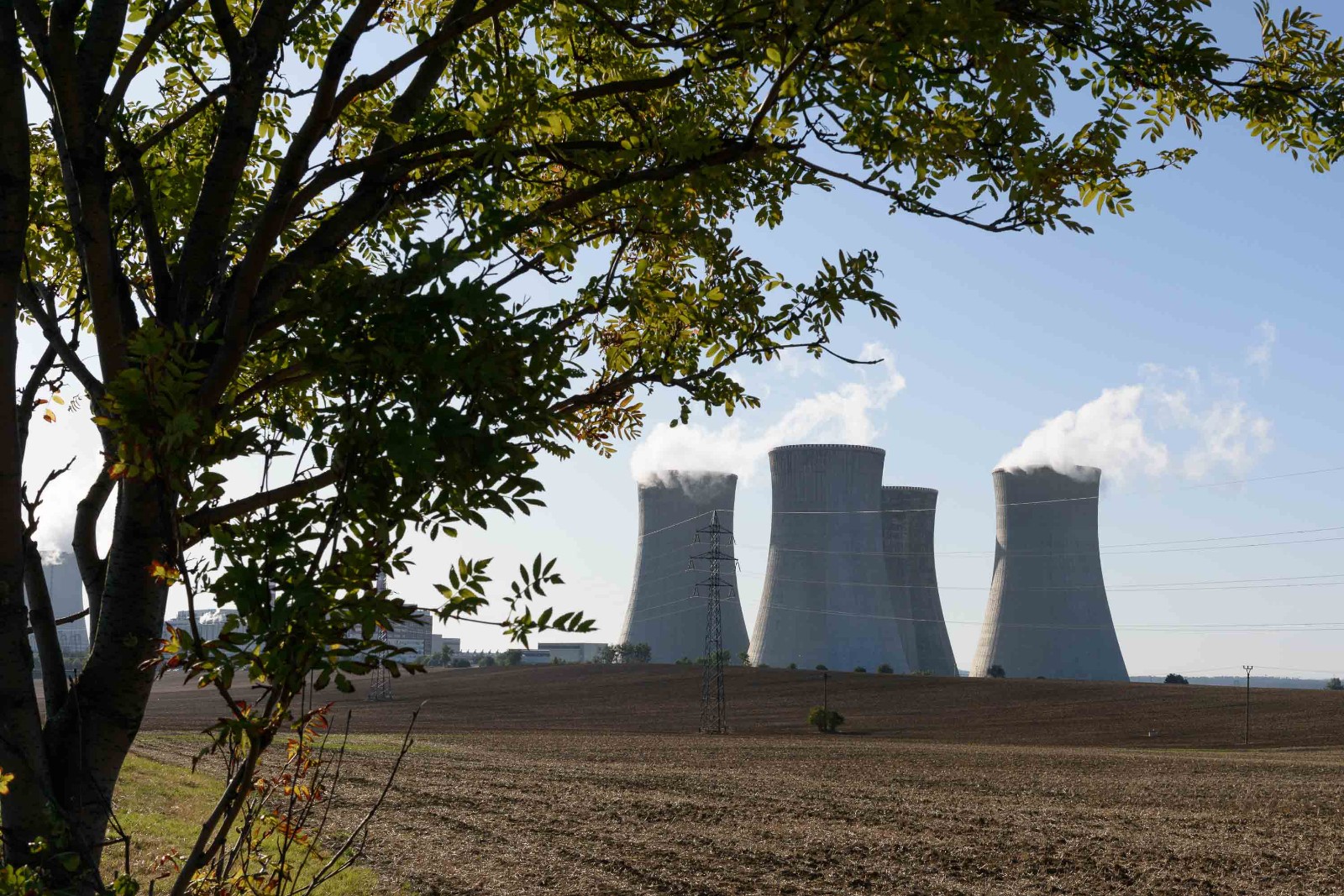
Units 3 and 4 of Dukovany Nuclear Power Plant to Undergo Joint Maintenance of Shared Systems
Dukovany Nuclear Power Plant staff will initiate a planned extended outage for Unit 4 on the evening of August 1, while Unit 3 will remain in its outage state. Both units will be offline simultaneously in August, and the plant will use this window to conduct comprehensive inspections, maintenance, and modernization of the shared facilities of Units 3 and 4. Bohdan Zronek, member of the Board of Directors of ČEZ Group and head of the nuclear energy division, stated that the simultaneous shutdown of Units 3 and 4 at Dukovany will place the plant under an intensive work schedule over the coming weeks. Experts from ČEZ and its suppliers will handle hundreds of tasks, and the effectiveness of the outage work depends on precise coordination across all stages. According to...
2026-08-01
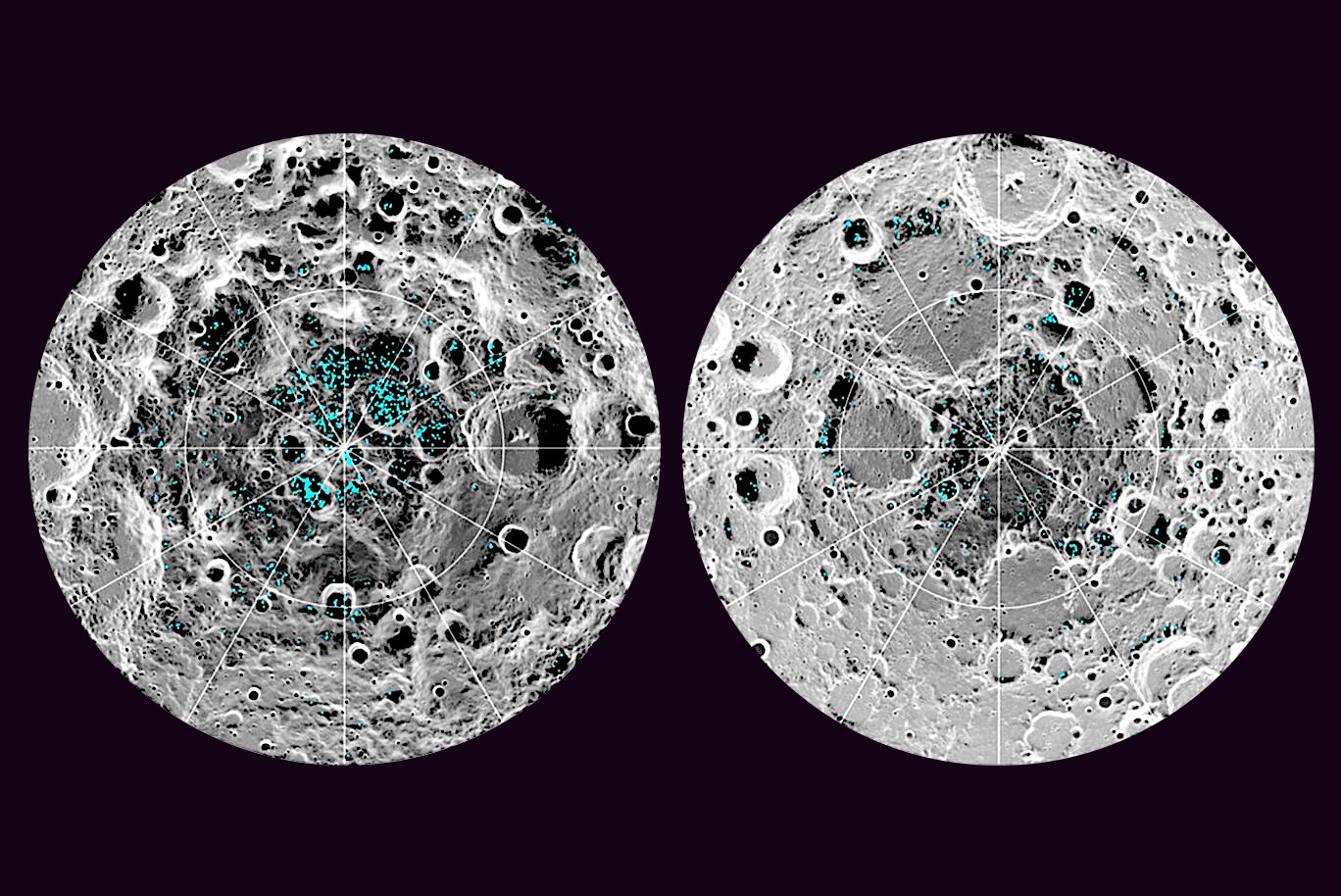
U.S. Explores New Methods for Lunar Ice Detection Using Synchrotron X-ray Microtomography and Seismic Models
On July 31, researchers at Lawrence Berkeley National Laboratory, in collaboration with scientists from the University of Maryland and the University of Hawaii, proposed a new method for locating subsurface ice deposits on the Moon using seismic waves. The findings, published in the journal Science Advances, are expected to provide a reference for interpreting detection data and locating water resources in future lunar landing missions. The research focuses on how subsurface lunar materials respond to seismic waves. The team developed computational models to predict the behavior of lunar subsurface media of varying compositions under seismic wave excitation. Experimental results showed differences in seismic response between ice-bearing and dry rocks, indicating that seismological methods have the potential to identify ice layers buried beneath lunar regolith and rock.
2026-08-01
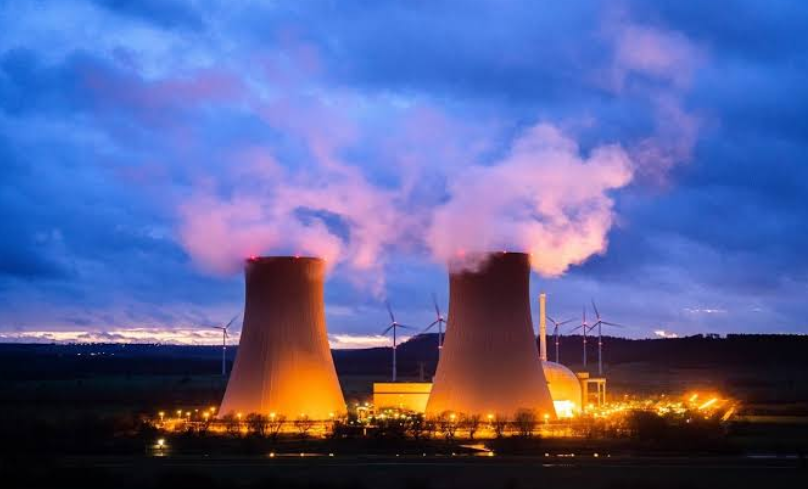
Four new units at India's Kudankulam nuclear power plant delayed by three years, cost overrun of 55% to $14.4 billion
The construction cost of four new units at the Kudankulam nuclear power plant being built by Russia's Rosatom in India has increased by 55% since 2024 due to delays. Each unit has a capacity of 1 gigawatt, and the updated total construction cost has reached 1.38 trillion Indian rupees (approximately $14.4 billion). Among them, the construction cost of Units 3 and 4 has increased by 73%, while the cost of Units 5 and 6 has risen by 40%. Russia had previously provided India with $4.2 billion in state credit for the construction of Units 3 and 4. Indian officials stated that the reasons for the delays include the impact of the COVID-19 pandemic, difficulties in the supply of specific materials and equipment, and problems faced by contractors. Despite...
2026-08-02
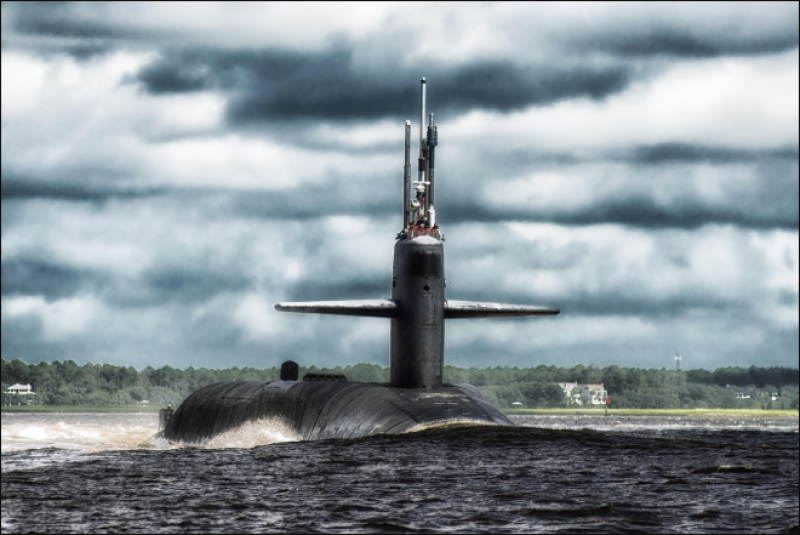
Follow-up consultations on ROK-US nuclear-powered submarine and nuclear cooperation agreement progress slowly
According to a South Korean diplomatic source on July 31, South Korea and the United States have yet to finalize the schedule for the second working-level consultation, and the follow-up talks originally planned for July have not yet taken place. The consultations are aimed at implementing the security-related agreements outlined in the joint statement issued at last year's summit between the two countries, including South Korea's introduction of nuclear-powered submarines and the revision of nuclear cooperation arrangements regarding uranium enrichment and spent nuclear fuel reprocessing. The two sides previously held their first working-level consultation in Seoul on the 2nd and 3rd of last month. U.S. Under Secretary of State for Political Affairs Allison Hooker led a cross-agency delegation to South Korea at the time to discuss the implementation of the security agreement with the South Korean side. Observers...
2026-08-02

U.S. Team Traces Source of Anomalous Gamma Rays from Zinc-70, Nuclear Magnetic Transitions May Improve Models of Heavy Element Formation
An international research team led by scientists from the Facility for Rare Isotope Beams (FRIB) at Michigan State University has recently identified the source of the large number of low-energy gamma rays emitted by zinc-70 nuclei. The study suggests that magnetic transitions occurring within the nucleus are the key reason for this anomalous signal enhancement. The findings were published in the journal Nature under the title "Magnetic character of the low-energy enhancement in 70Zn." Gamma rays are electromagnetic radiation released when excited atomic nuclei transition to lower, more stable energy levels. For a long time, scientists have observed an anomalous increase in the number of low-energy gamma rays in some atomic nuclei, known as the low-energy enhancement (LEE), but its physical mechanism had remained unclear...
2026-08-02
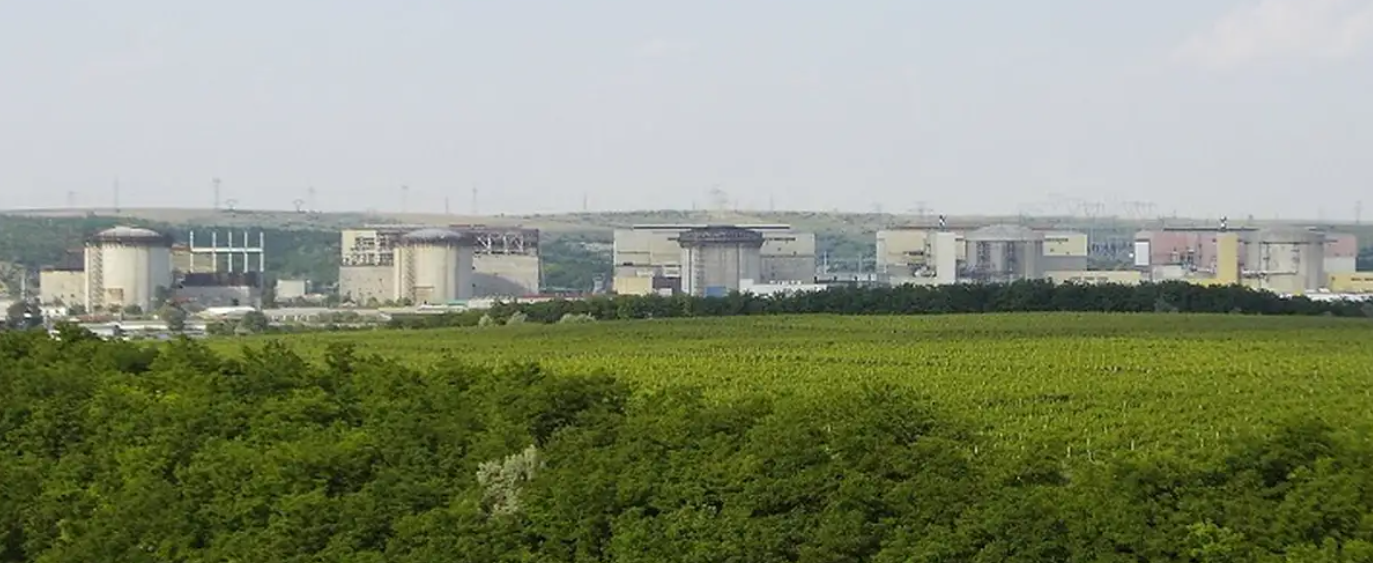
Romania Declares National State of Emergency for August Amid Decline in Power Generation
Romania's Acting Prime Minister and Energy Minister Ilie Bolojan announced on July 31 after a cabinet meeting that Romania would enter a national state of emergency in August due to a decline in power generation caused by drought. Bolojan stated that the drought has reduced water levels in rivers, with a notable decrease in the flow of the Danube River. The flow has dropped from over 4,000 cubic meters per second to 1,600 cubic meters per second. He said that as a result, the water level in the intake basin of the Cernavodă NPP has fallen, and Unit 1 of the plant had to be shut down recently. He also noted that Unit 2 of the Cernavodă NPP faces a high risk of shutdown. Should Unit 2 go offline, Romania's total...
2026-08-01