
Search Results
Keyword:fusion

South Korea Sets 2035 Commercialization Target for Small Modular Reactors
The Ministry of Science and ICT (MSIT) of South Korea announced on August 12 its "Seven Future Growth Engines SEED" promotion plan, designating small modular reactors, nuclear fusion, and next-generation renewable energy as key focus areas for the future clean energy sector. Among these, nuclear power-related content primarily centers on the commercialization of small modular reactors, research and development of non-light water reactor-type reactors, nuclear fuel supply security, and fusion demonstration power generation. According to the plan, South Korea will advance the development of light water reactor-type small modular reactors, targeting commercialization in Gijang County, Busan by 2035. The innovative small modular reactor (i-SMR) will undergo detailed design through public-private cooperation starting next year...
2026-08-13
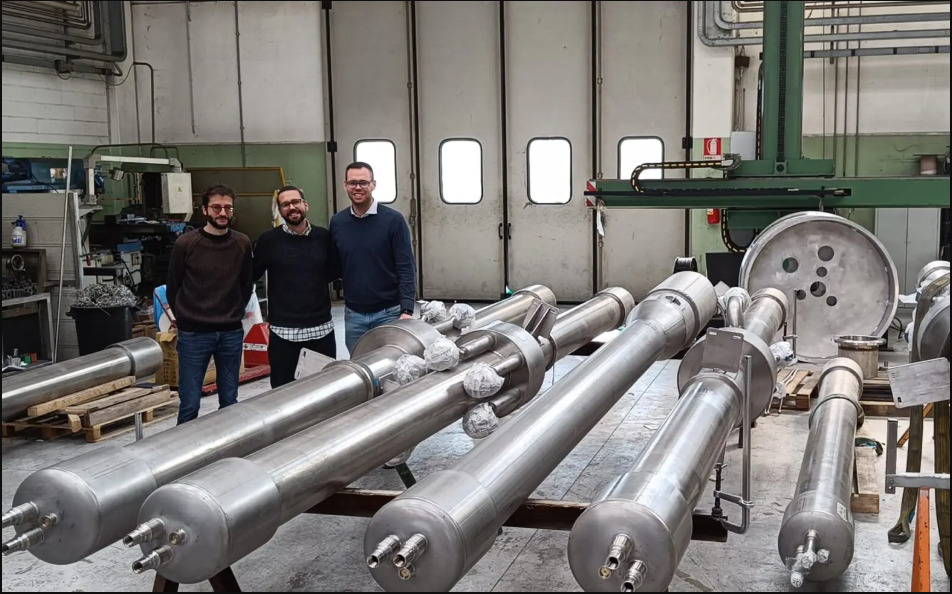
Fusion for Energy completes full delivery of ITER cryopump distribution system
The International Thermonuclear Experimental Reactor (ITER) will operate in an ultra-high vacuum environment. To prevent contamination inside the device, a set of cryopumps supplied by Europe will extract gas particles and alternate operation before and after plasma discharges, maintaining the vacuum vessel pressure at approximately one millionth of Earth's atmospheric pressure. The core of cryopump operation lies in the extremely low-temperature environment. Its internal panels will be cooled to 4 K, approximately minus 269 degrees Celsius, close to absolute zero, to capture gas particles; they are then warmed to release and expel the particles. To precisely control this process, Europe is also supplying ITER with the Front-End Cryopump Distribution System (FECDS), which delivers helium at specific doses and temperatures to the cryopumps...
2026-08-12

Fuse Energy Technologies Corp. Reports FAETON-X Single-Shot D-D Fusion Neutron Yield of 1.27×10¹²
Fuse Energy Technologies Corp., headquartered in California, USA, announced on August 11 that its megajoule-class dense plasma focus device FAETON-X measured a peak neutron yield of (1.27±0.27)×10¹² neutrons per shot in a single D-D fusion experiment. The company stated that this is one of the highest single-shot fusion neutron yields publicly recorded by a commercial fusion enterprise, and the first to reach the 10¹² order of magnitude. FAETON-X is a megajoule-class pulsed-power fusion system developed by Fuse, designed as a single-pulse flash neutron source, serving pulsed-power fusion R&D and...
2026-08-12
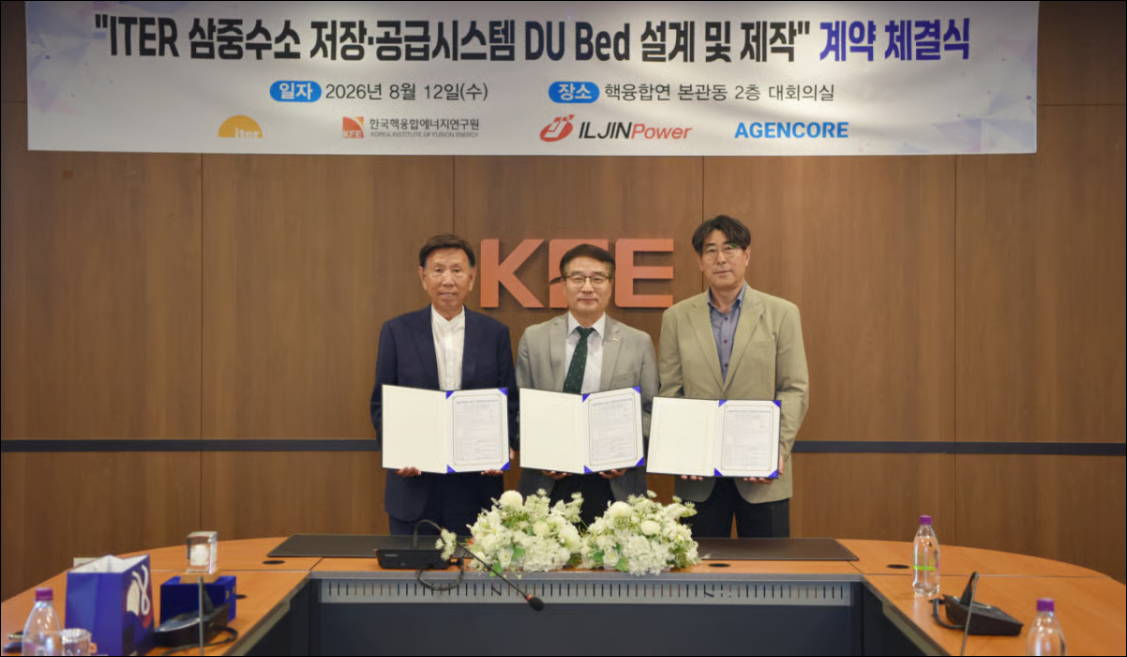
Korea Fusion Energy Institute Launches Design and Manufacturing of ITER Tritium Storage and Supply Vessels
The Korea Fusion Energy Institute (KFE) announced on August 12 at its headquarters in Daejeon that it has signed a contract with a consortium comprising Iljin Power and Aizen Core to undertake the design and manufacturing of the tritium storage and supply vessels for the International Thermonuclear Experimental Reactor (ITER). ITER is currently the world's largest fusion experimental device, being jointly constructed by seven parties—Korea, the United States, the European Union, Japan, China, Russia, and India—in Cadarache, southern France. Under the procurement agreement signed between KFE and the ITER Organization in March 2025, Korea...
2026-08-12
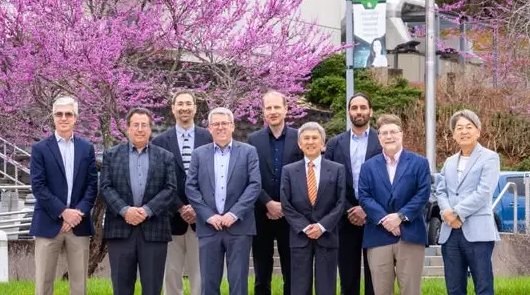
Kyoto Fusioneering and Oak Ridge to Build World's First Fusion Blanket Verification Facility UNITY-3
Kyoto Fusioneering (KF), a Japanese fusion energy engineering company, announced that it will jointly build a facility named UNITY-3 with the U.S. Oak Ridge National Laboratory (ORNL) to verify the breeding blanket technology required for commercial fusion power plants. The project is described as the world's first facility dedicated to breeding blanket demonstration, and KF will also relocate its U.S. business base to Oak Ridge, Tennessee. The project has received support from the U.S. Department of Energy's relevant roadmap, Tennessee's nuclear energy supply chain investment fund, and the DOE, indicating that the fusion industry is shifting from purely plasma physics breakthroughs toward engineering, system integration, and supply chain development. The breeding blanket is a critical component for deuterium-tritium fusion power...
2026-08-12
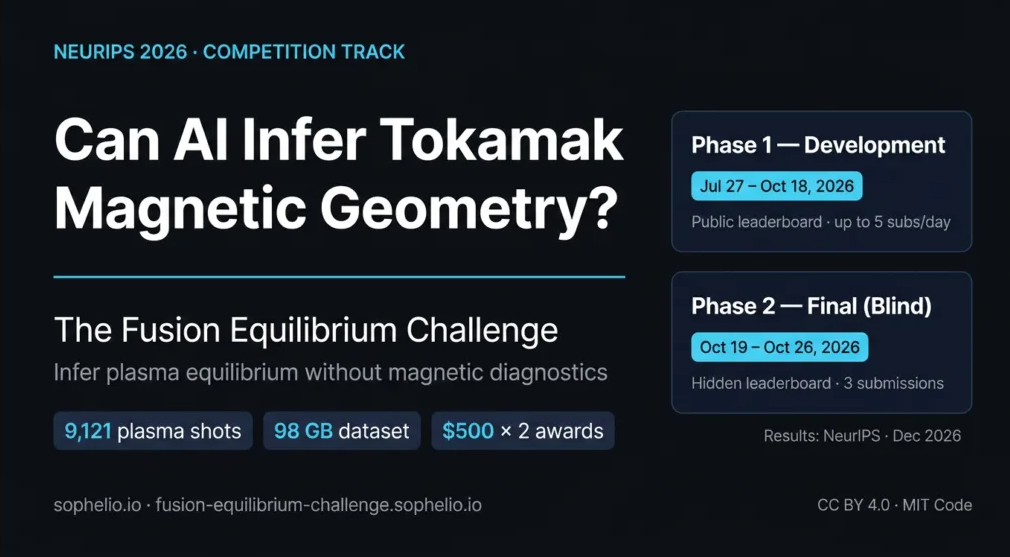
Sophelio Launches Fusion Equilibrium Challenge, Opening DIII-D and MAST Experimental Datasets
On August 11, Sophelio launched the Fusion Equilibrium Challenge. The competition has been accepted into the 2026 Conference on Neural Information Processing Systems (NeurIPS) competition track, making it the first fusion energy-related challenge to enter this track. The challenge is co-organized by Sophelio together with the DIII-D National Fusion Facility, the UK Atomic Energy Authority (UKAEA) FAIR-MAST project, and the Institute for Fusion Studies (IFS) at the University of Texas at Austin, with data hosted on the Hugging Face platform. Open to the global machine learning community, the competition re...
2026-08-12
South Korea Designates Small Modular Reactors and Nuclear Fusion as Key Future Growth Technologies
South Korean President Lee Jae-myung will chair a briefing session on the "Seven Seeds for Future Growth Engines" at the presidential office Cheong Wa Dae on the afternoon of August 12, focusing on the development pathways for advanced technologies including Small Modular Reactors (SMRs) and nuclear fusion, as well as related industrial ecosystems and supply chain security measures. According to Cheong Wa Dae, the meeting aims to jointly study advanced technology deployment with the science and industry communities, support artificial intelligence (AI) transformation, and strengthen South Korea's future industrial foundation capabilities. The seven areas designated as priorities include Small Modular Reactors, nuclear fusion, renewable energy, quantum technology, aerospace, advanced biotechnology, and advanced materials and component supply chains....
2026-08-12
Unanimously Approved! China's First ISO International Standard in the Field of Fusion Fueling Officially Released
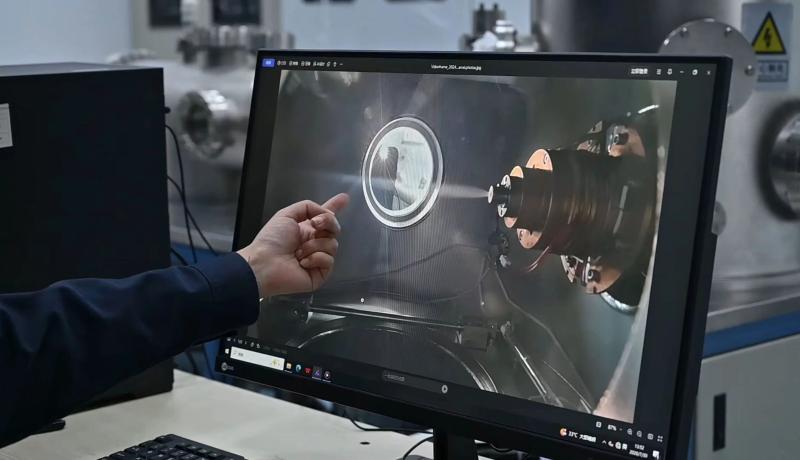
On August 10 local time, the international standard ISO 19991:2026, "Fusion Technology — Experimental Magnetic Confinement Fusion Facilities — Ultrasonic Molecular Beam Injection Fueling Technology for Fusion Devices," formulated by China, was officially released. Earlier, during the final voting process, all 12 countries, including France, Germany, and Russia, cast affirmative votes. This is the first ISO international standard in the field of fusion fueling and the second ISO international standard in the fusion field led by the Southwestern Institute of Physics (SWIP) under the China National Nuclear Corporation (CNNC). Ultrasonic molecular beam injection fueling technology is a key fuel supply technology for controlled nuclear fusion devices. This technology, an advanced fusion fueling technology originally developed by China, forms high-speed, directional molecular beams through adiabatic gas expansion. It features high speed, strong directionality, relatively high fueling efficiency, and low particle recycling, significantly enhancing the fuel control capability of fusion devices. It has been applied to more than ten magnetic confinement fusion experimental devices both domestically and internationally.
2026-08-11
UK's Materials Detritiation Facility at Culham Resumes Operations to Support JET Fusion Decommissioning Materials Research
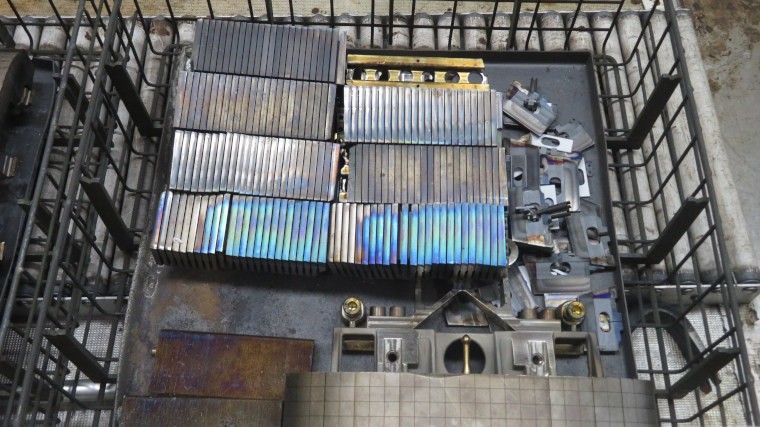
The UK Atomic Energy Authority recently announced that the Materials Detritiation Facility (MDF) at Culham has resumed operations following a 12-month engineering shutdown and upgrade. Experimental data produced by the facility has already been used to support research related to the removal of materials from the Joint European Torus (JET) device, providing a basis for waste management strategies under the JET Decommissioning and Repurposing (JDR) project. Over three years of plasma operations, deuterium-tritium (DT) experiments conducted at JET have left residual amounts of tritium in the tokamak's walls and internal components. This phenomenon is associated with tritium's tendency to enter materials under high-power fusion operating conditions. For JET decommissioning work, accurately determining the tritium...
2026-08-11
Korea's Naju Artificial Sun Research Facility Expected to Receive Preliminary Feasibility Study Results in September
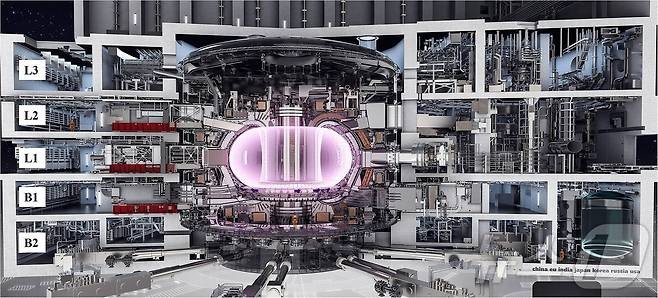
The project to build the Naju Artificial Sun research facility in Korea is expected to receive the results of the national preliminary feasibility study in September. With a total investment of approximately 1.2 trillion KRW, the project plans to construct large-scale nuclear fusion research and demonstration infrastructure in Wangok-myeon, Naju City, South Jeolla Province, and is regarded by local governments as a key pillar in the future industrial layout of the South Jeolla–Gwangju Integrated Special Zone. The Ministry of Science and ICT (MSIT) designated the "Nuclear Fusion Core Technology Development and Strategic Infrastructure Construction Project" as a national R&D project and included it in the preliminary feasibility study on January 30. According to the previous schedule, the evaluation period was approximately seven months. The results were originally expected to be announced in August, but...
2026-08-11
Russian Scientists Propose Fast Calculation Method to Simulate Plasma Ion Parameters in Seconds
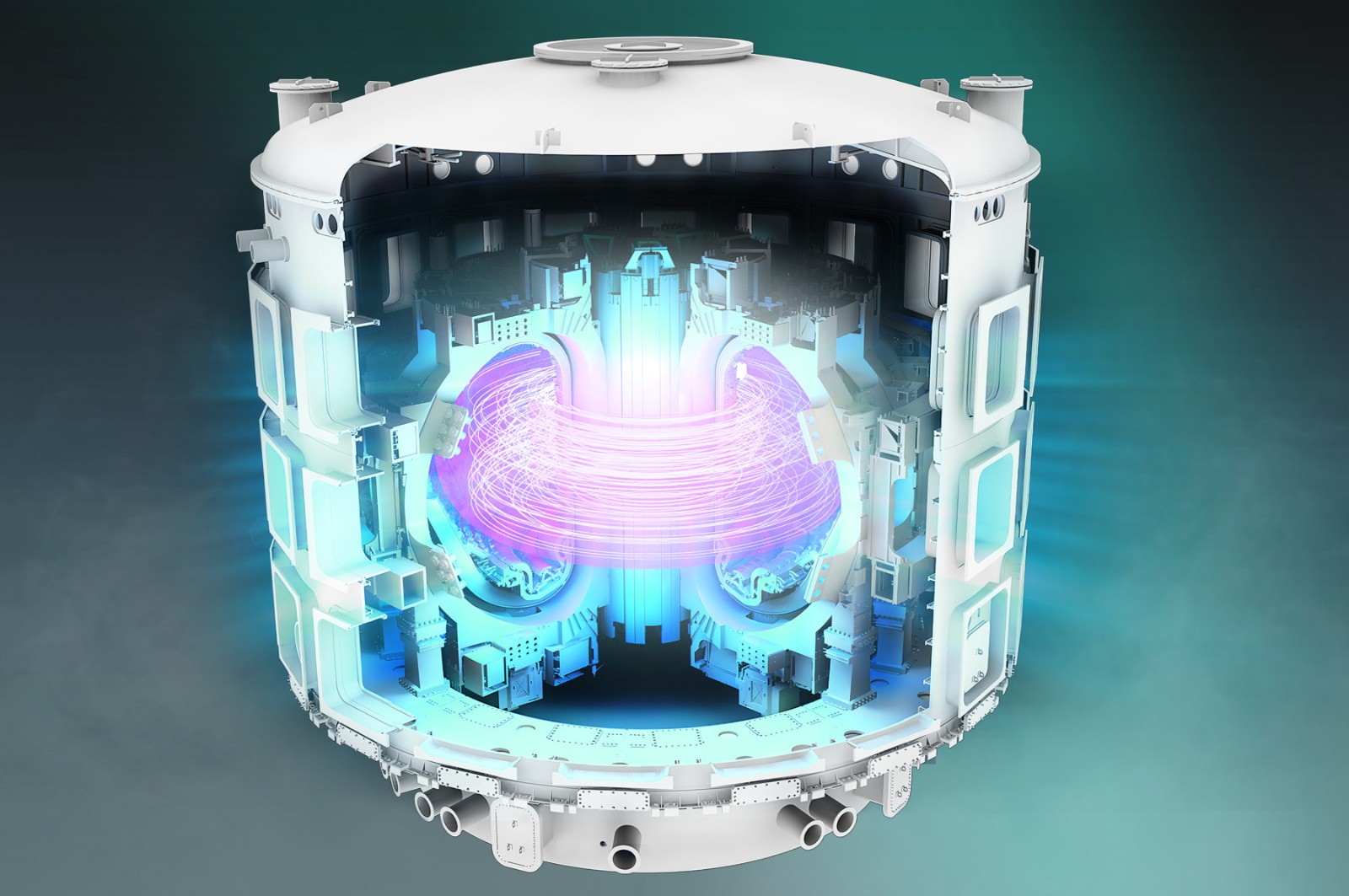
Researchers from the HSE University and the Moscow Institute of Physics and Technology (MIPT) have developed an analytical method for calculating the behavior of heavy ions in helium under strong electric fields, which can accelerate the computation of ion mobility and ion–molecule reaction rates by thousands of times. The findings have been published in Physica Scripta. Plasma, composed of charged particles such as electrons, negative ions, and positive ions, is typically quasi-neutral and highly conductive. It exists not only in fluorescent lamps and welding arcs but is also used in controlled nuclear fusion devices such as tokamaks. Atmospheric plasma jets can also be applied to wound disinfection, work surface cleaning...
2026-08-11
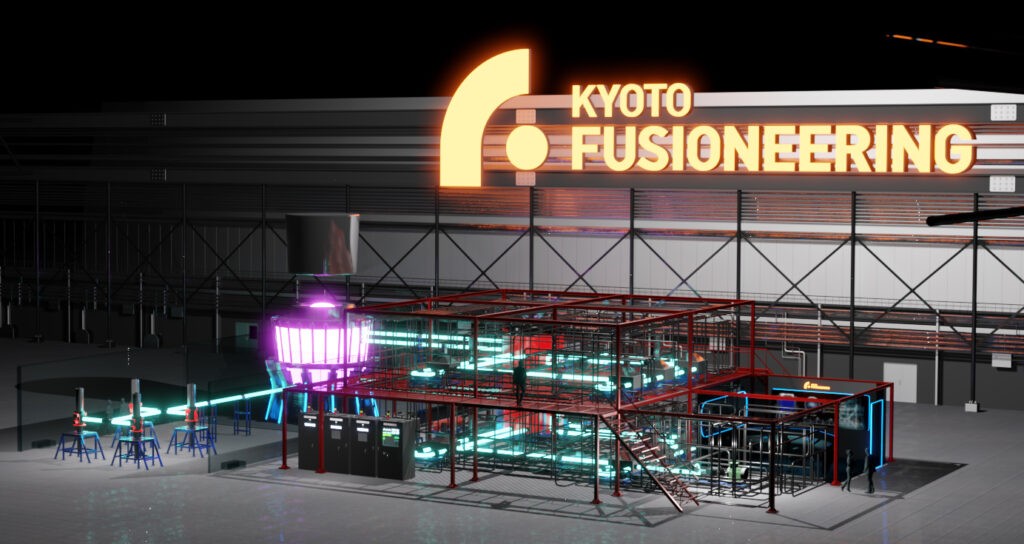
Kyoto Fusioneering to Relocate U.S. Headquarters to Oak Ridge
Kyoto Fusioneering (KF) will relocate its U.S. headquarters to Oak Ridge, Tennessee, investing $46.9 million in Anderson County and creating 51 new jobs. The project will build critical fusion testing infrastructure, with a focus on supporting the development of the fusion nuclear testing facility UNITY-3. UNITY-3 is planned to be built at Oak Ridge National Laboratory (ORNL) through a public-private partnership. The facility has received support from the U.S. Department of Energy (DOE) and has been listed as a national priority in its final "Fusion Science and Technology Roadmap." According to the plan, UNITY-3 will employ a deuterium-tritium (D-T) fusion neutron source to validate tritium breeding capabilities and related performance under conditions approaching a real fusion nuclear environment...
2026-08-11

TMTG Advances $6 Billion-Plus Merger with TAE, Pivoting to Commercial Fusion Energy
Trump Media & Technology Group (TMTG) recently disclosed that it will proceed with its merger plan with fusion energy firm TAE Technologies (TAE), despite reporting significant losses in the second quarter. The deal is valued at over $6 billion, with TMTG committing to invest $300 million in TAE before the transaction closes. According to company disclosures, TMTG recorded a loss of $238 million in the second quarter of 2026, with revenue of $1.7 million and total assets approaching $2 billion. In the first half of 2026, the company's net loss widened to $644 million, compared to a loss of $52 million in the same period last year. The company attributed the widening losses primarily to...
2026-08-11
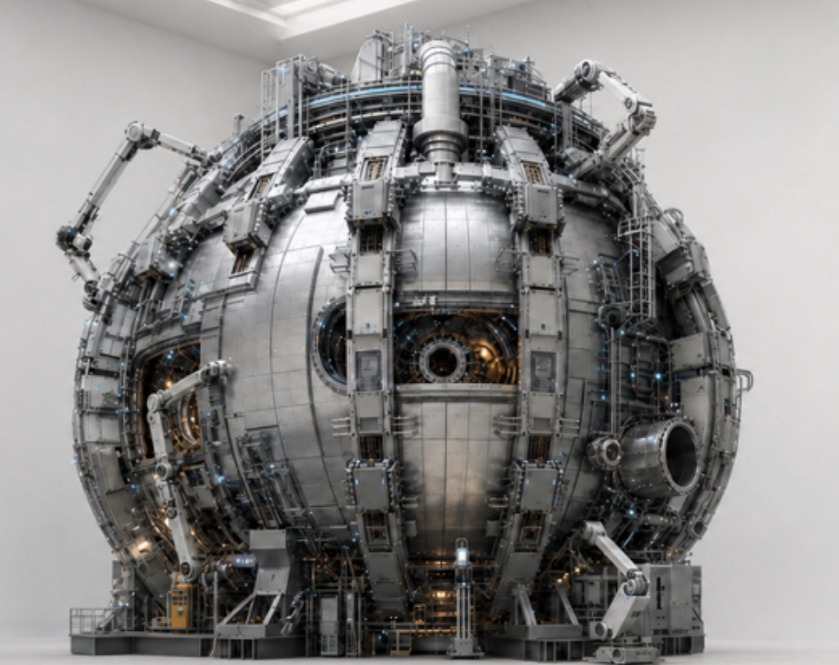
Shenju Nuclear Energy Unveils "Jinwu-1" Spherical Torus Fusion-Fission Hybrid Reactor Design
Shenju (Sichuan) Nuclear Energy Co., Ltd. has unveiled the first-generation device, the Jinwu-1 design, which adopts the spherical torus fusion-fission hybrid reactor technology pathway, driving a subcritical nuclear energy system with a compact fusion neutron source to achieve functions such as energy amplification, fuel breeding, and transmutation of long-lived nuclides. According to the design, Jinwu-1 uses a 50 MW-class fusion power as the conceptual design baseline, employing high-temperature superconducting magnets, a replaceable center column, and a modular subcritical nuclear energy zone. Its fusion core has a major radius of approximately 1.5 meters, with the goal of delivering approximately 40 MW of fusion neutron power at 14.1 MeV energy, serving as an industrial-grade neutron source. In terms of system design, Jinwu-1 amplifies fusion neutron energy through a subcritical fission blanket...
2026-08-11

MIT Research Proposes Framework for Assessing Economic Viability of Fusion Power Plants
Researchers at the Massachusetts Institute of Technology (MIT) have recently proposed an assessment framework aimed at addressing the core question that fusion energy must confront in transitioning from scientific feasibility to commercial profitability: how can a fusion power plant achieve economic viability in the energy market? The related open-access paper, titled "Criteria for the Economic Viability of Fusion Power Plants," has been published online in the Journal of Fusion Energy. The paper is authored by Dennis Whyte, Professor of Nuclear Science and Engineering at MIT, and Andrew W. Lo, Professor of Finance at the MIT Sloan School of Management, with contributions from researchers at Rutherford Energy Ventures and the MIT Plasma Science and Fusion Center.
2026-08-10