
Search Results
Keyword:nuclear fusion
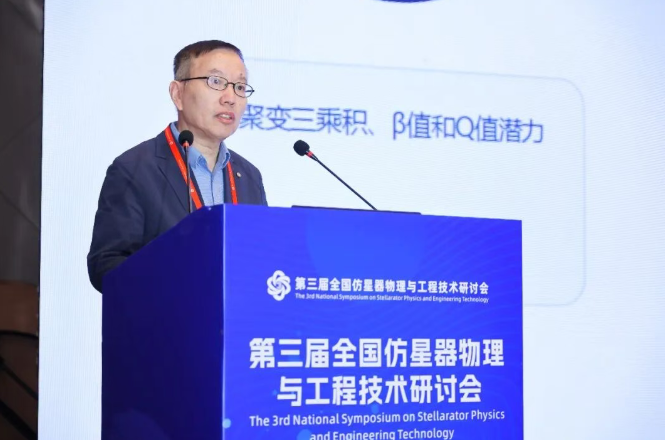
Topological Fusion of Magnetic Mirror and Stellarator: How Fu Guoyong's Team's "Linked-Mirror" Deduces a New Engineering Pathway for Controlled Nuclear Fusion
After decades of fundamental theoretical exploration and engineering trial and error, global controlled nuclear fusion is accelerating into the deep waters of commercial validation. Faced with the engineering limits of the Tokamak approach under extreme parameters and the manufacturing complexity ceiling confronting traditional Stellarators, Chinese research teams are opening a new pathway that combines physical feasibility with engineering economy. Recently, the team led by Fu Guoyong, Professor at the School of Physics of Zhejiang University, Director of the Zhejiang University Fusion Theory and Simulation Center, and Founder of Jingjie Fusion Energy, officially released on the preprint website arXiv a research paper titled "A Novel Linked-Mirror Device for Fusion." Through three-dimensional numerical computation, the study obtained for the first time equilibrium solutions of the Linked-Mirror configuration under finite Beta (the ratio of plasma pressure to magnetic pressure) conditions. This breakthrough marks a decisive step for this technical pathway from a purely theoretical concept toward an engineering validation device.
2026-10-30
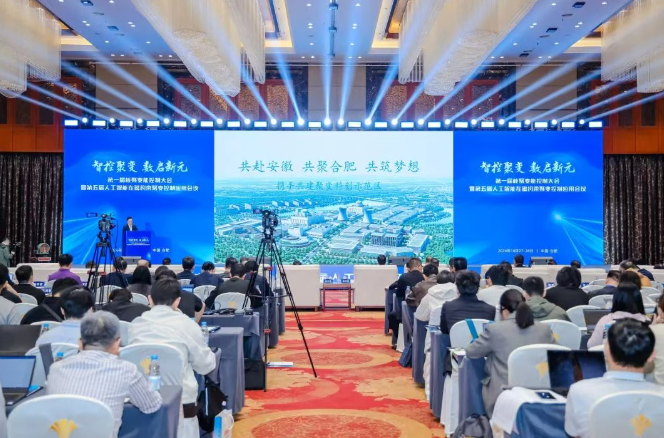
"Lingshu" Plasma Control System Reaches Internationally Leading Level
Recently, the First Fusion Energy Control Conference and the Fifth Conference on the Application of Artificial Intelligence in Magnetic Confinement Fusion Control opened in Hefei, Anhui Province, where the latest progress of China's self-developed Lingshu plasma control system was officially released. It is understood that the Lingshu system has integrated more than 40 control algorithms, achieved a system reliability of 99.7%, and features a minimum control cycle of only 50 microseconds (equivalent to one twenty-thousandth of a second), along with continuous stable operation capability exceeding 50 hours. Multiple key performance indicators have reached internationally leading levels. Xiao Bingjia, a researcher at the Institute of Plasma Physics of the Chinese Academy of Sciences and Director of the Artificial Intelligence and Digital Twin Center at the Energy Research Institute of the Hefei Comprehensive National Science Center...
2026-10-29

China's Largest Fusion Power Supply System Simulation Platform Begins Trial Operation
Recently, China's largest hardware-in-the-loop simulation platform for power supply systems in the fusion field has officially entered trial operation and passed final acceptance, with its comprehensive performance reaching the leading level among comparable international platforms. This marks that China has established a complete technology chain from algorithm research and development for fusion power supply systems, hardware-in-the-loop simulation verification, to the implementation of complete equipment sets. It is reported that the platform was developed by China Fusion Energy Co., Ltd. under CNNC, relying on a fully independent real-time simulation architecture. Under operating conditions where the number of model switches exceeds 10,000, the core solving step can reach as high as 0.8 microseconds. The performance parameters of the full-chain software and hardware all meet the preset design indicators at high standards, and core technologies are fully independently controlled. The platform's commissioning...
2026-10-28
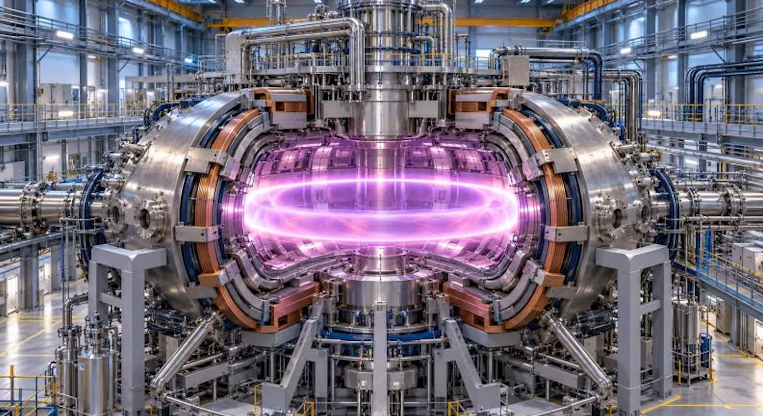
Israel Releases Report Calling for Immediate Launch of Nuclear Fusion Industry Layout
Recently, Israel's Ministry of Energy and Infrastructure officially released a strategic report, calling on the government to take immediate action to fully promote the development of the national nuclear fusion energy industry through the introduction of a public-private collaborative investment mechanism. It is reported that the report proposes three potential development roadmaps aimed at positioning Israel as a key player in the global nuclear fusion industry chain. The Israeli government plans to fully leverage the country's existing advantages in laser technology, radio frequency systems, advanced materials, and robotics to support technological breakthroughs and equipment development in controlled nuclear fusion. The report also acknowledges that Israel in...
2026-10-28
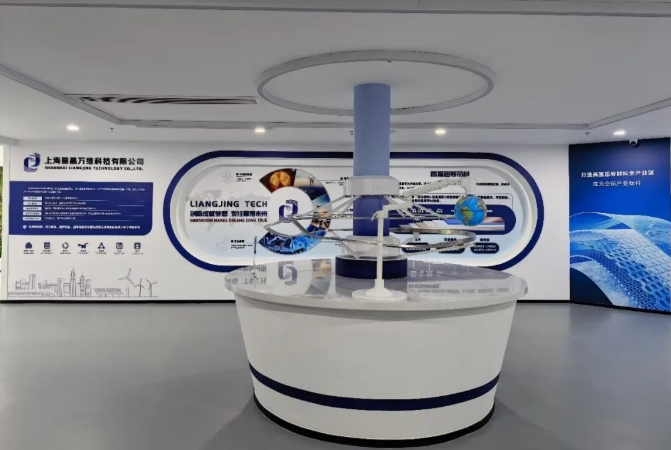
Liangjing Technology Completes Hundreds of Millions of Yuan in Financing to Advance High-Temperature Superconducting Tapes
Recently, Shanghai Liangjing Wanwei Technology Co., Ltd. (referred to as Liangjing Technology), a Chinese high-temperature superconducting materials industrialization enterprise, announced the consecutive completion of angel round, angel+ round, and Pre-A round financing totaling hundreds of millions of yuan. This round of financing was jointly led by Shenzhen Capital Group and China Reform Fund, with participation from China Nuclear Fund, CRRC Transformation and Upgrading Fund, Zijin Mining, and several other industrial and state-owned funds. The funds will be used for capacity expansion, research platform construction, and full-chain self-development of core equipment. It is reported that Liangjing Technology was established in May 2025, with core technology originating from the team of Professor Li Yijie at the School of Physics and Astronomy, Shanghai Jiao Tong University. The company adopts an independent pulsed laser deposition (PLD) route, having achieved breakthroughs in superconducting target self-manufacturing...
2026-10-26
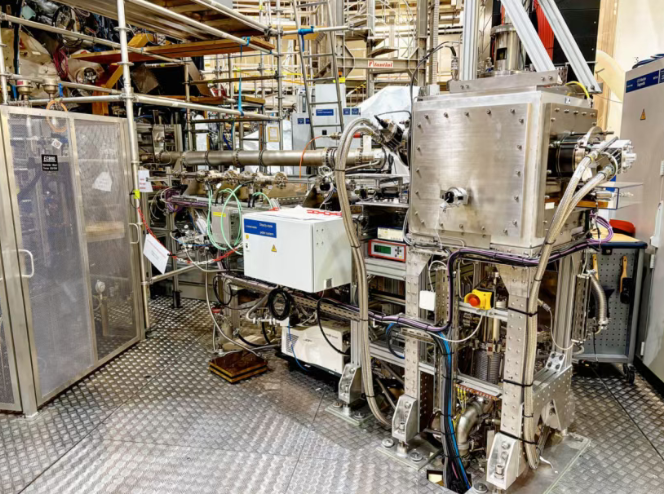
World's Largest Stellarator W7-X Launches New Experimental Campaign to Pursue Long Pulses
Recently, Wendelstein 7-X (W7-X), the world's largest and most complex stellarator fusion device operated by the Max-Planck-Institute for Plasma Physics (IPP) in Germany, has officially launched its latest OP2.4 experimental campaign. This three-month experiment has attracted over one hundred top scientists from approximately 20 laboratories across Europe and around the world, jointly advancing stellarator technology toward longer pulses and higher performance. It is understood that the OP2.4 experiment will focus on three key research areas: high-performance plasmas, fast ions and turbulent transport, and long-pulse operation. Sci...
2026-10-26
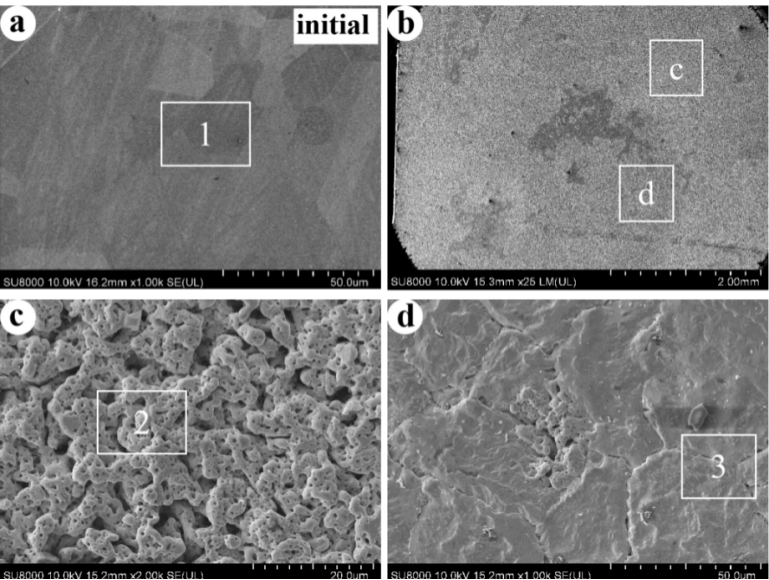
Hefei Energy Research Institute Achieves Progress in Research on Compatibility Between Fusion Materials and Liquid Metals, Providing a Basis for Cladding and First Wall Material Selection
The research team at the Neutron Technology Application Research Center of the Institute of Energy, Hefei Comprehensive National Science Center, has recently made important progress in research on material compatibility and performance evolution mechanisms under liquid metal environments in nuclear fusion reactors. The team conducted in-depth research on the long-term corrosion characteristics of austenitic heat-resistant stainless steel and iron-nickel-based heat-resistant alloys in high-temperature static liquid lead-lithium, as well as the contact damage mechanisms between tungsten fiber-reinforced tungsten matrix composites and liquid lithium. The related results were not only published in top academic journals in the field of nuclear materials, but also presented at the 9th International Symposium on Liquid Metal Applications in Fusion. Liquid lithium and lead-lithium eutectic alloys, due to their...
2026-10-25

Pulsed Fusion Technology Race Drives U.S. High-Voltage Semiconductor R&D; Helion Secures $225 Million to Build Domestic Supply Chain
U.S. commercial fusion developer Helion Energy has recently reached a preliminary funding agreement with the U.S. Department of Commerce to receive up to $175 million in federal funding support under the framework of the CHIPS and Science Act (CHIPS Act). Combined with $50 million in matching funds from private investors, the total joint investment of $225 million will be dedicated to establishing dedicated manufacturing bases and production lines in the United States, with a full-scale push to develop high-voltage, high-power pulsed semiconductor power devices and integrated modules required for commercial fusion reactor operation. Helion's technology pathway is fundamentally based on high-power pulsed power systems, a physical approach...
2026-10-24

Hanhai Fusion Energy Receives Project Approval Support from the Sichuan Provincial Department of Science and Technology Key R&D Program
The project "Development and Application Demonstration of Megawatt-Level Microsecond Pulsed Energy Output and Recovery Energy Storage System for Transient Operating Conditions of Fusion Devices," organized and applied for by Chengdu Hanhai Fusion Energy Technology Co., Ltd., has recently been officially approved for establishment following rigorous review by the Sichuan Provincial Department of Science and Technology, and has been included in the Sichuan Provincial Key R&D Program with dedicated research funding support. This is the first time that a Sichuan provincial-level key R&D program has supported controlled nuclear fusion commercialization technology exploration in the form of a dedicated project, with the project focus precisely targeting the development of pulsed energy output and electromagnetic direct recovery energy storage systems unique to the field-reversed configuration (FRC) technical route. As global controlled nuclear fusion gradually transitions from the fundamental physics question of "whether ignition can be achieved" to...
2026-10-23
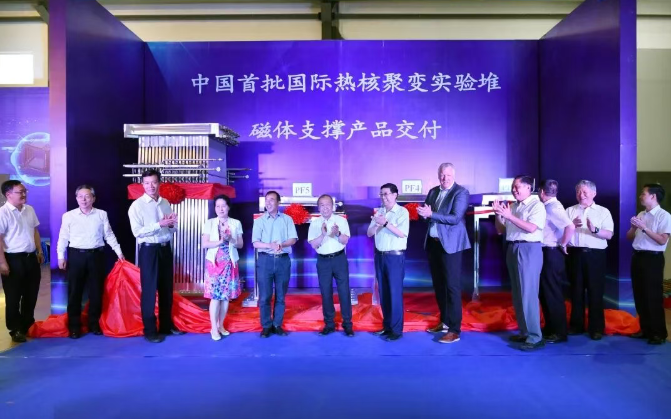
Chasing the "Artificial Sun": Aerospace Xinli Fusion Key Component Project Approved as a Major Special Project of Guizhou Province
Recently, the project "Research on Key Components, Materials and Forming Processing Technology for Controlled Nuclear Fusion Devices," declared by Guizhou Aerospace Xinli Technology Co., Ltd., has been successfully approved as a 2026 Guizhou Provincial Science and Technology Major Special Project, marking a key step for the enterprise in deeply participating in the national future energy strategy and the localization of fusion equipment. The approved Science and Technology Major Special Project will take key components of the blanket system as its entry point, focusing on tackling materials and forming processes under extreme environments. The project advances simultaneously along three main lines: first, breaking through the development technology of special materials and components for the first wall that directly faces the plasma; second, overcoming the forming and processing challenges of core equipment such as blanket shielding blocks; third, establishing...
2026-10-22

Zhejiang Ziming Cryogenics Secures Investment from Two Major Central Energy SOEs to Scale Up Fusion Cryogenic Systems
Recently, Zhejiang Ziming Cryogenics Technology Co., Ltd. announced the completion of a new round of financing. This round brought together multiple institutions including the CNNC Science and Technology Innovation Fund under China National Nuclear Corporation and the Oriental Zhongying High-end Energy Equipment Fund managed by Dongfang Electric Group in partnership with Bank of China Asset Management, marking the capital market's strong recognition of the company's breakthroughs in bottleneck cryogenic technologies and engineering applications. Founded in 2022, Ziming Cryogenics has long been dedicated to the research and development of ultra-low temperature technologies and core equipment, specializing in complete cryogenic system solutions, high-capacity Stirling cryocoolers, ultra-low temperature precision control valves, and cryogenic pumps and fans. Currently, its kilowatt-class Stirling cryocoolers, covering...
2026-10-21

Princeton team launches Borealis Fusion, focusing on the magnetic mirror pB11 pathway
Recently, Borealis Fusion, a startup co-founded with the participation of the research team at the Princeton Plasma Physics Laboratory (PPPL) in the United States, announced its establishment. The company has chosen the magnetic mirror pathway, focusing on proton-boron-11 (pB11) neutron-free nuclear fusion technology, aiming to provide cost-competitive clean electricity. It is understood that Borealis Fusion was jointly founded by five doctoral scholars with backgrounds in physics and engineering from Princeton University: Damien Scott, Ian Ochs, Elijah Kolmes, Tal Rubin, and Alex Glasser. Its core technology originates from the pB11 frontier research led by Princeton University professor Nat Fisch, and the technology...
2026-10-20
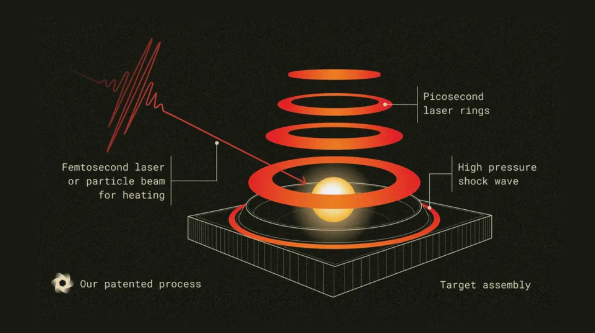
MIT Startup Develops "Desktop" Dual-Laser Fusion Device, Targeting Tritium Fuel Gap
Recently, Cambridge Heavy Industries, a startup based at the Massachusetts Institute of Technology (MIT) laboratory in the United States, has emerged from stealth, publicly disclosing for the first time its previously confidential micro "desktop" inertial confinement fusion (ICF) technology scheme. It is understood that, unlike the National Ignition Facility (NIF), which employs a massive third-generation spatial array of 192 laser beams, Cambridge Heavy Industries has developed a unique two-dimensional dual-laser ignition device. The first laser irradiates the fuel pellet in a concentric ring pattern to generate an inwardly propagating shock wave, while the second laser precisely irradiates the shock wave...
2026-10-19
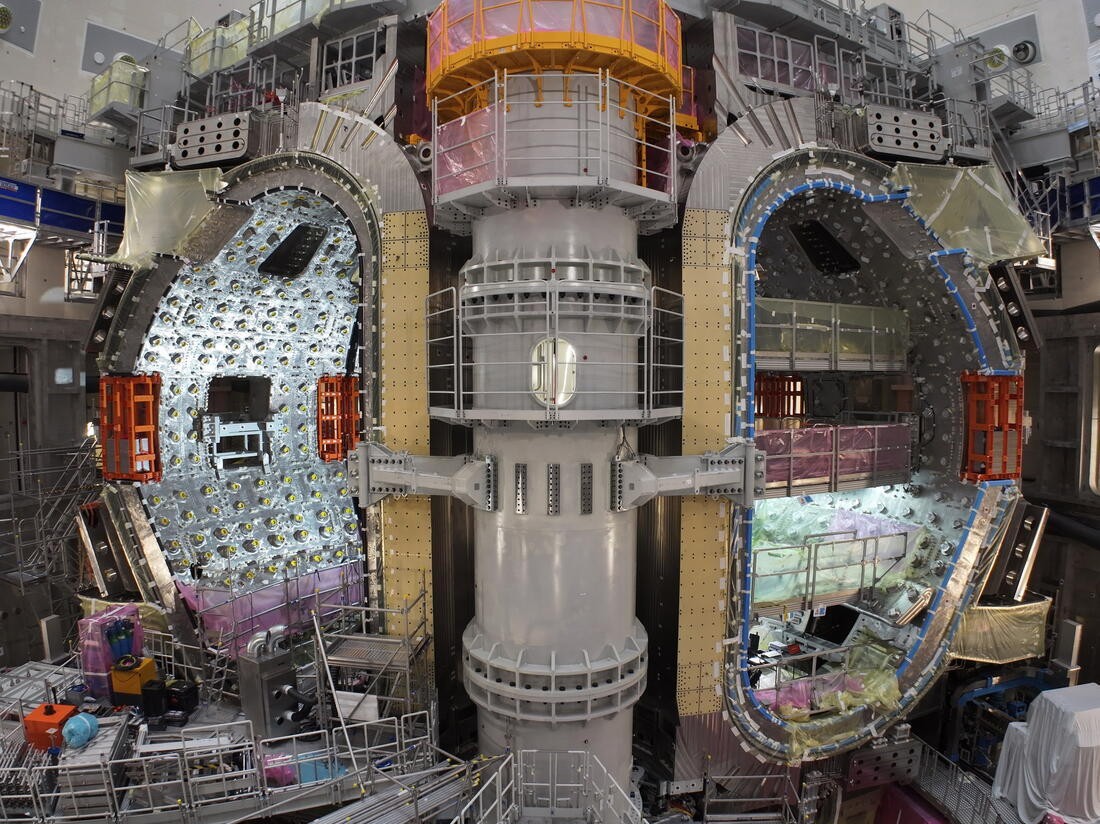
French Nuclear Safety and Radiation Protection Authority Approves Exemption of ITER Vacuum Vessel from Fission Pressurized Equipment Regulation
The French Nuclear Safety and Radiation Protection Authority (ASNR) has formally issued a regulatory ruling, approving the application by the International Thermonuclear Experimental Reactor (ITER) Organization to exclude the Vacuum Vessel, a core component of the ITER tokamak device, from the scope of regulation under the French and European Nuclear Pressure Equipment Directive (ESPN). This breakthrough ruling marks the beginning of key fusion reactor components breaking free from the regulatory framework derived from traditional fission reactors. Prior to this decision, the ITER Vacuum Vessel had long been classified as nuclear pressure equipment. This classification originated from the management practices of traditional light-water fission reactors, whose underlying logic presumes internal pressure as the primary engineering load on the structure. However...
2026-10-11
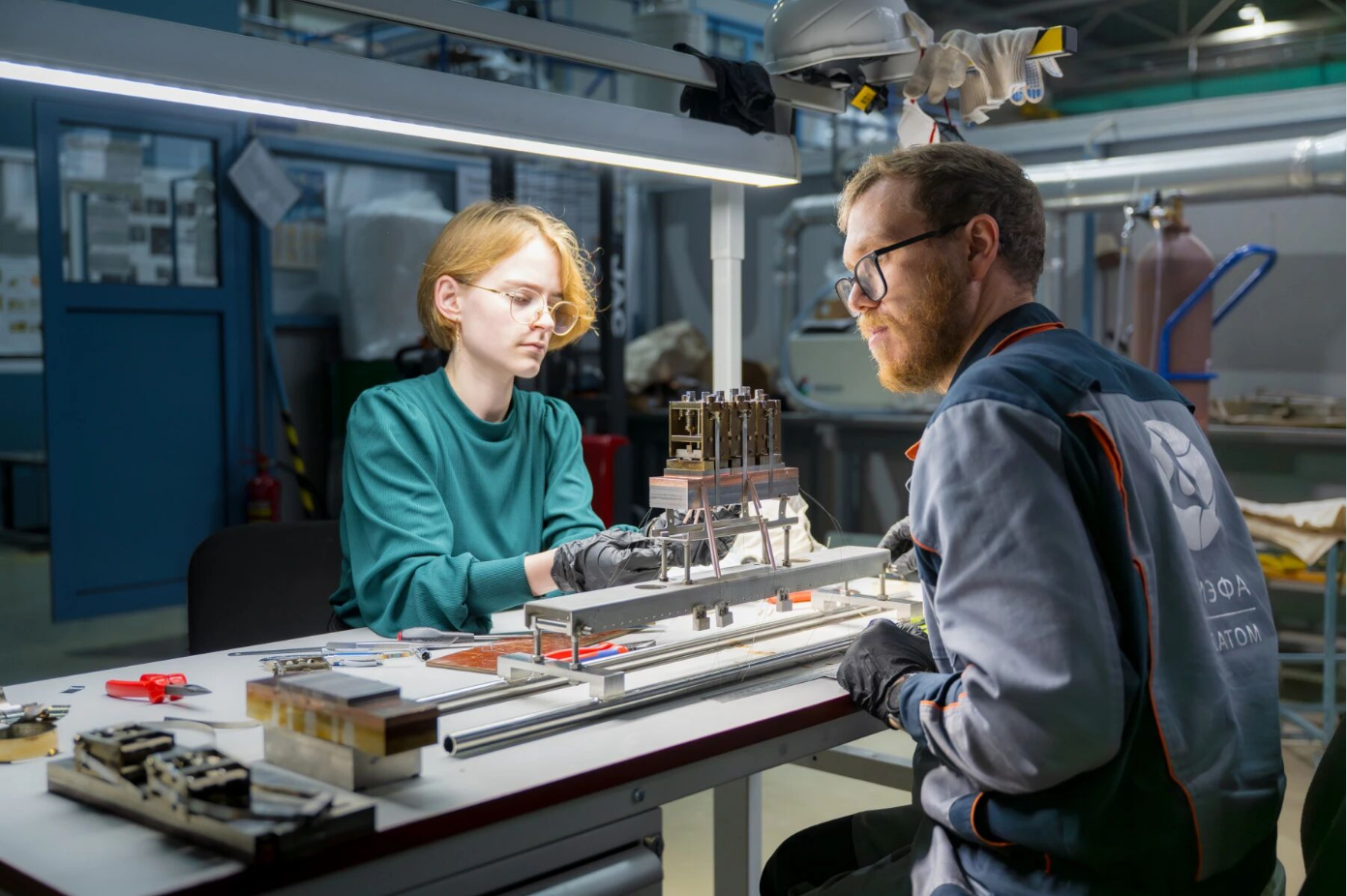
Russia Completes Qualification Tests of ITER First Wall Tungsten Lining, Advancing Development of Key Components for International Thermonuclear Fusion
The Efremov Institute of Electrophysical Apparatus (NIIEFA), a subsidiary of Rosatom State Atomic Energy Corporation, recently successfully completed the qualification testing phase of tungsten materials for the first wall lining of the International Thermonuclear Experimental Reactor (ITER). This testing aimed to verify the feasibility of the selected technical solution. The expert team completed vacuum rapid brazing of the tungsten lining, robotic ultrasonic inspection, and rigorous thermal cycling tests, laying a solid foundation for subsequent mass production of key components. As the physical boundary between the scorching plasma and the main reactor equipment in a tokamak device, the first wall lining must protect the equipment from high-energy particle bombardment while...
2026-10-10