
Search Results
Keyword:progrès

U.S. Fusion Company Discloses Texatron Platform Progress and Capital Markets Plans
American Fusion disclosed to shareholders on August 14 the latest developments in the global fusion energy industry, data center electricity demand in Texas, and the company's capital markets arrangements. The company stated that its Texatron fusion engine under development remains in the testing and engineering validation phase, and whether it can be used for commercial power supply in the future depends on multiple conditions, including test plans, regulatory approvals, financing, scaled production, and commercialization progress. American Fusion stated that its long-term goal is to develop the Texatron platform into a scalable distributed power source and explore supplying electricity to data centers, hospitals, defense facilities, industrial facilities, and other customers through a power-as-a-service model.
2026-08-17
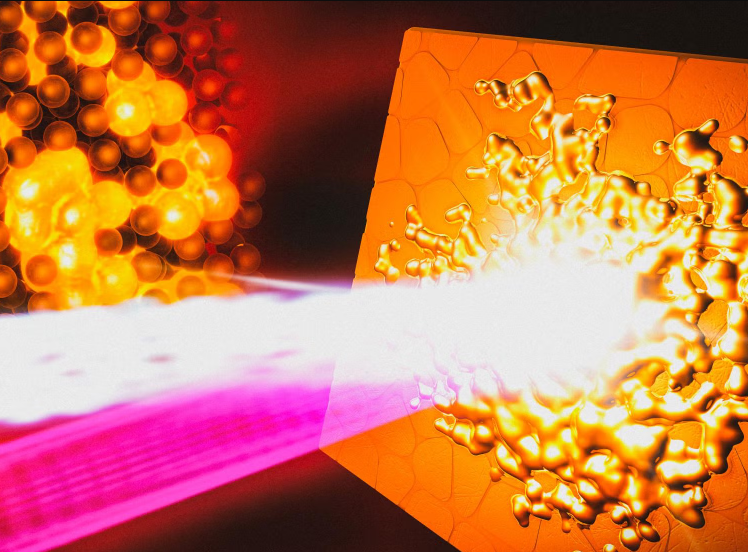
SLAC team observes progressive melting of copper under extreme heat in real time
Researchers at the SLAC National Accelerator Laboratory, under the U.S. Department of Energy, and their collaborators used the Mega-electron-volt Ultrafast Electron Diffraction (MeV-UED) facility to observe in real time the melting process of copper atoms under extreme temperatures. The study was published in Nature Communications. Future fusion power plants will need to replicate fusion reactions that occur inside stars here on Earth. The core plasma can reach temperatures of hundreds of millions of degrees Celsius, while surrounding structural materials must withstand sudden, intense thermal shocks. Copper and its alloys, owing to their excellent thermal conductivity, are considered capable of serving as "heat sinks" in fusion systems...
2026-08-15
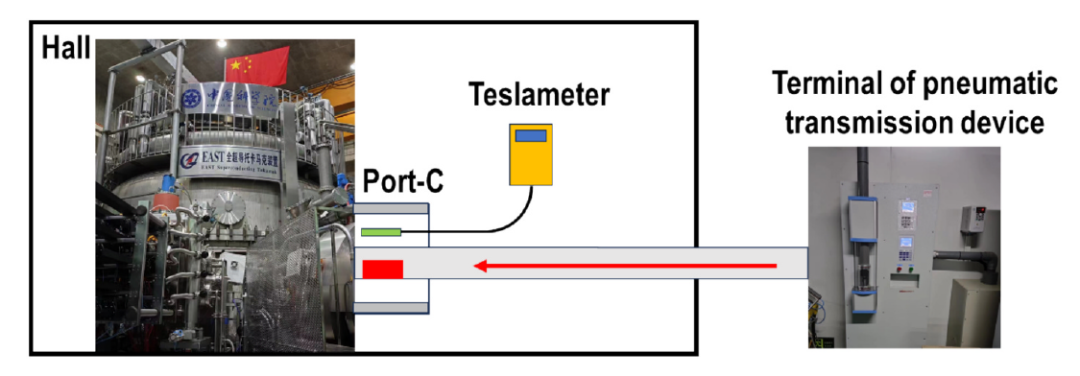
The Energy Research Institute of Hefei Comprehensive National Science Center Achieves a Series of New Progress in Safety Assessment of Activated Corrosion Products under Magnetic Field Environments in Fusion Reactors
Recently, the Radiation Protection and Safety Research Center of the Energy Research Institute of Hefei Comprehensive National Science Center has made a series of significant progress in the field of safety assessment of activated corrosion products under magnetic field environments in fusion reactors. The research team conducted systematic studies on the corrosion behavior of China's low-activation ferritic/martensitic steel CLF-1 in magnetic field environments, from three dimensions: water corrosion characteristics, migration patterns of corrosion products, and the influence of surface roughness. The relevant results have been published as three papers in the journal *Nuclear Materials and Energy*, which is ranked in Zone 1 of the emerging journal classification table. This series of research outcomes provides key scientific evidence for the radiological safety assessment of cooling water systems in fusion reactors...
2026-08-15
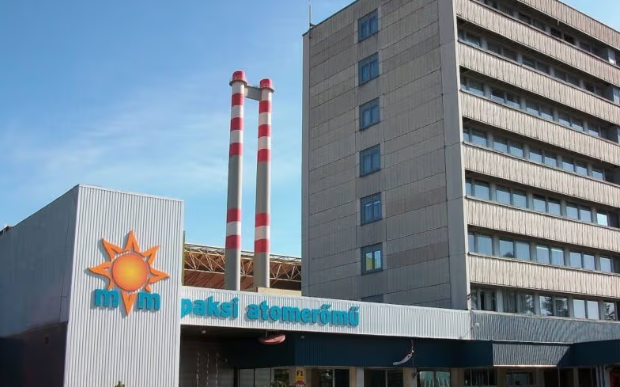
Rosatom Says Paks Nuclear Power Plant Expansion Project Progressing as Planned
Alexey Likhachev, Director General of Rosatom, stated that the construction of the Paks nuclear power plant expansion project in Hungary, with Russian participation, is progressing well, and Rosatom is carrying out related work in accordance with the plan agreed upon with the Hungarian owner. Likhachev noted that Russia is fully organizing equipment production for the two new units at the Paks nuclear power plant. Currently, enterprises under Rosatom have initiated manufacturing work related to the reactors for both units. Among these, the forging blanks for the reactor of Unit 5 at the Paks nuclear power plant have been completed, and the shell assembly stage will begin shortly. He also stated that the casting of the reactor blank for Unit 6 at the Paks nuclear power plant is progressing as planned.
2026-08-14
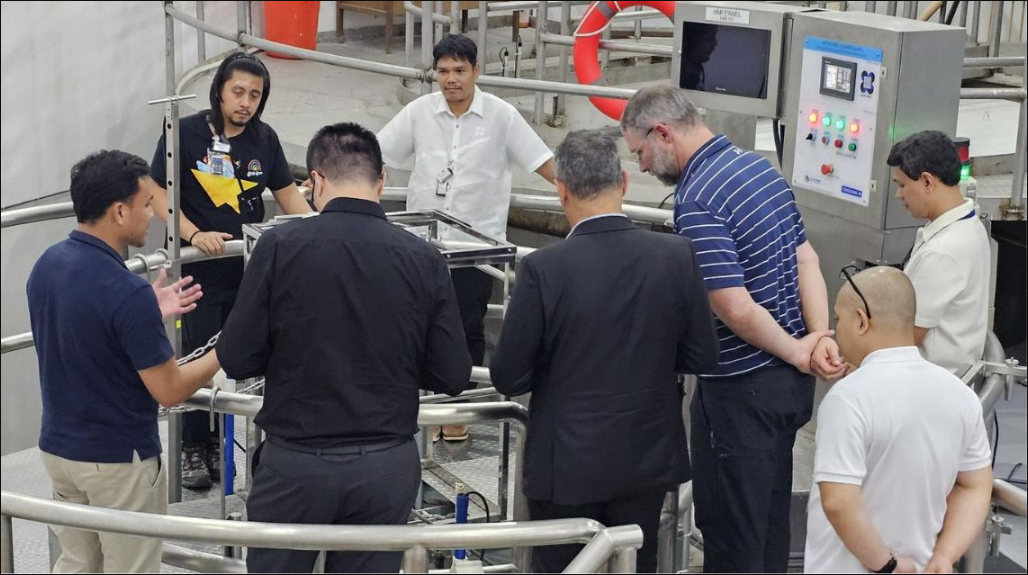
IAEA Expert Team Acknowledges Safety Progress of Philippine Research Reactor
The International Atomic Energy Agency (IAEA) conducted a follow-up Integrated Safety Assessment of Research Reactors (INSARR) mission to the Philippine Research Reactor-1 (PRR-1) Subcritical Assembly for Training, Education and Research (SATER) facility in Quezon City, approximately 10 kilometers northeast of Manila, Philippines, from August 10 to 12, 2026. The review was conducted at the request of the Philippine Nuclear Research Institute (PNRI) to examine the implementation status of safety recommendations made during the initial INSARR mission in 2023. The mission team consisted of two experts from Romania and the United States, along with one IAEA official. During the visit, they conducted an on-site inspection of the assembly facility, reviewed relevant documents, and engaged with the facility's management, operations, and technical staff...
2026-08-13

New Progress in Containment Construction of Unit 1 at Egypt's El Dabaa Nuclear Power Plant
The Egyptian Nuclear Power Plants Authority announced that the fourth-layer concrete pouring of the containment inside the reactor building of Unit 1 at the El Dabaa Nuclear Power Plant has been completed. This construction milestone raised the reactor building height from 24.4 meters to 34.0 meters above ground level, marking continued progress of Egypt's first nuclear power plant toward the key equipment installation phase. The pouring operation lasted 30 consecutive hours, utilizing 5 concrete pump trucks with placing booms and pouring approximately 1,608 cubic meters of concrete. During construction, about 80 professionals participated in each of the day and night shifts, with an additional 20 personnel ensuring round-the-clock stable operation of construction equipment and machinery, demonstrating the high-intensity advancement of the project in organizational scheduling and on-site coordination...
2026-08-12

Former U.S. President Biden's Prostate Cancer Progress: Has Received Radiation Therapy and Hormone Therapy
The health condition of former U.S. President Joe Biden has recently drawn renewed attention. In an interview video, his son Hunter Biden stated that after Biden was diagnosed with prostate cancer, the cancer cells had metastasized, spreading to the bones and other parts of the body, and described the process as extremely painful. According to relevant information, Biden, now 83 years old, disclosed in May 2025 that he had been diagnosed with an aggressive form of prostate cancer, with cancer cells confirmed to have spread to the bones at that time. In October, a Biden spokesperson announced that he was undergoing radiation therapy and hormone therapy. Radiation therapy is one of the common nuclear technology medical applications in tumor treatment, primarily using ionizing radiation on tumor tissue to...
2026-08-10
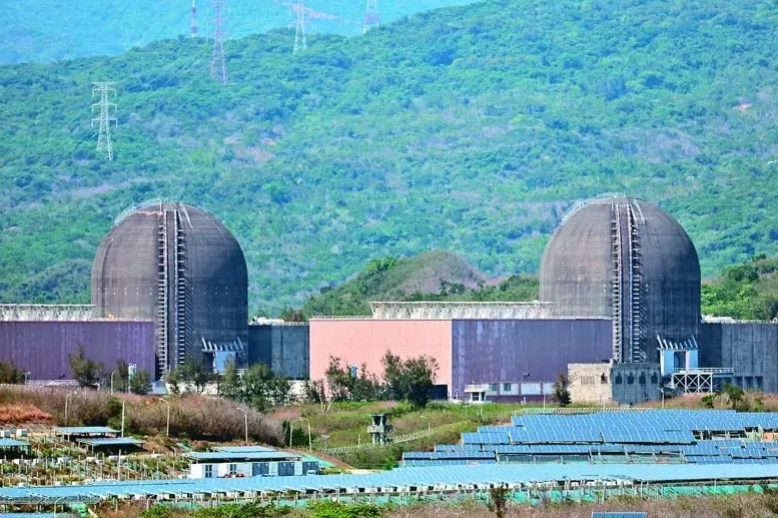
Taiwan's Nuclear Plant No. 3 safety inspection schedule extended to 2029, nuclear restart progress faces uncertainty
The latest report from the Audit Department shows that the actual progress of Taiwan's nuclear restart may be lower than expected by the public. Although the Ministry of Economic Affairs has determined that Nuclear Plant No. 2 and Nuclear Plant No. 3 are feasible for restart, and Taipower's restart plan for Nuclear Plant No. 3 has been submitted to the Nuclear Safety Commission for review, a gap has emerged in the progress of the critical self-conducted safety inspections. Although the five self-conducted safety inspection contracts for Nuclear Plant No. 3 have been awarded, the contract performance period may be extended to July 2029, casting uncertainty over the original goal of completing document review by the end of 2028. Nuclear Plant No. 3 is currently regarded as the plant with the best chance of advancing toward restart, but its restart process still must clear multiple hurdles including safety review, aging assessment, aging management, and related document review...
2026-08-10
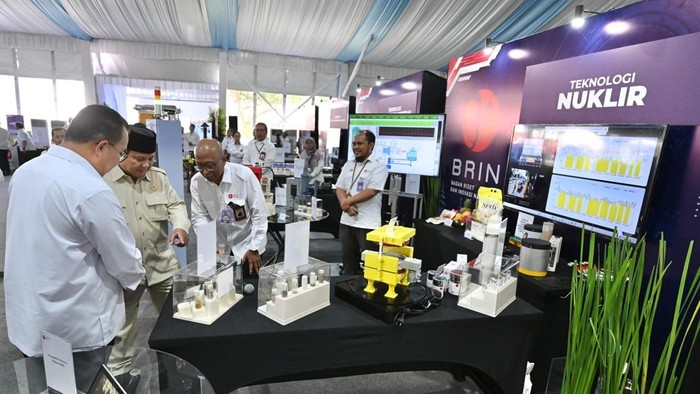
Indonesia's BRIN Showcases Nuclear Technology Research Progress, Covering Radiopharmaceuticals and Food Irradiation Applications
The National Research and Innovation Agency (BRIN) of Indonesia recently showcased its nuclear technology research achievements at the Presidential Palace in Jakarta. BRIN Head Arief Satria stated that the relevant technologies fall within the scope of peaceful uses of nuclear energy, with applications extending beyond energy to also cover food and health sectors. In the health sector, BRIN is developing radiopharmaceuticals for nuclear medicine. These drugs contain radioactive substances and can be used for cancer diagnosis and treatment. Arief stated that radiopharmaceutical research and development is of great significance for cancer detection and therapy. In the food sector, BRIN applies nuclear technology to food preservation, with a focus on irradiation treatment of export fruits. Arief explained that some importing countries re...
2026-08-07
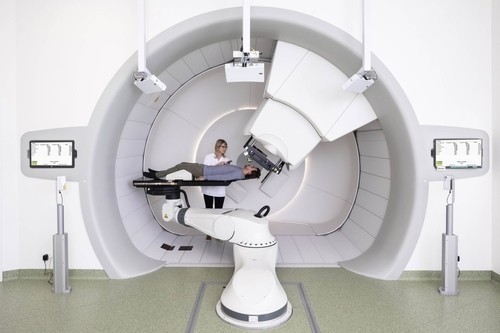
Construction of Proton Therapy Center in Ulsan, South Korea Faces Hurdles: Government Funding Allocation Adjustments Impact Project Progress
The proton therapy center construction project in Ulsan, South Korea, has recently encountered obstacles to progress. The project was once regarded as a key component in improving the regional cancer treatment system in southeastern South Korea, but due to shifts in government medical financial support priorities, the difficulty of securing large-scale national funding independently has increased significantly. According to information from Ulsan City on August 6, Ulsan City completed the feasibility study and basic planning services for the proton therapy center construction in March of last year and began seeking national funding. However, the Ministry of Health and Welfare responded that it would be difficult to provide large-scale project funding to Ulsan City alone. Previously, Ulsan City had planned to establish a proton therapy center to build a system enabling cancer patients to undergo surgery...
2026-08-07
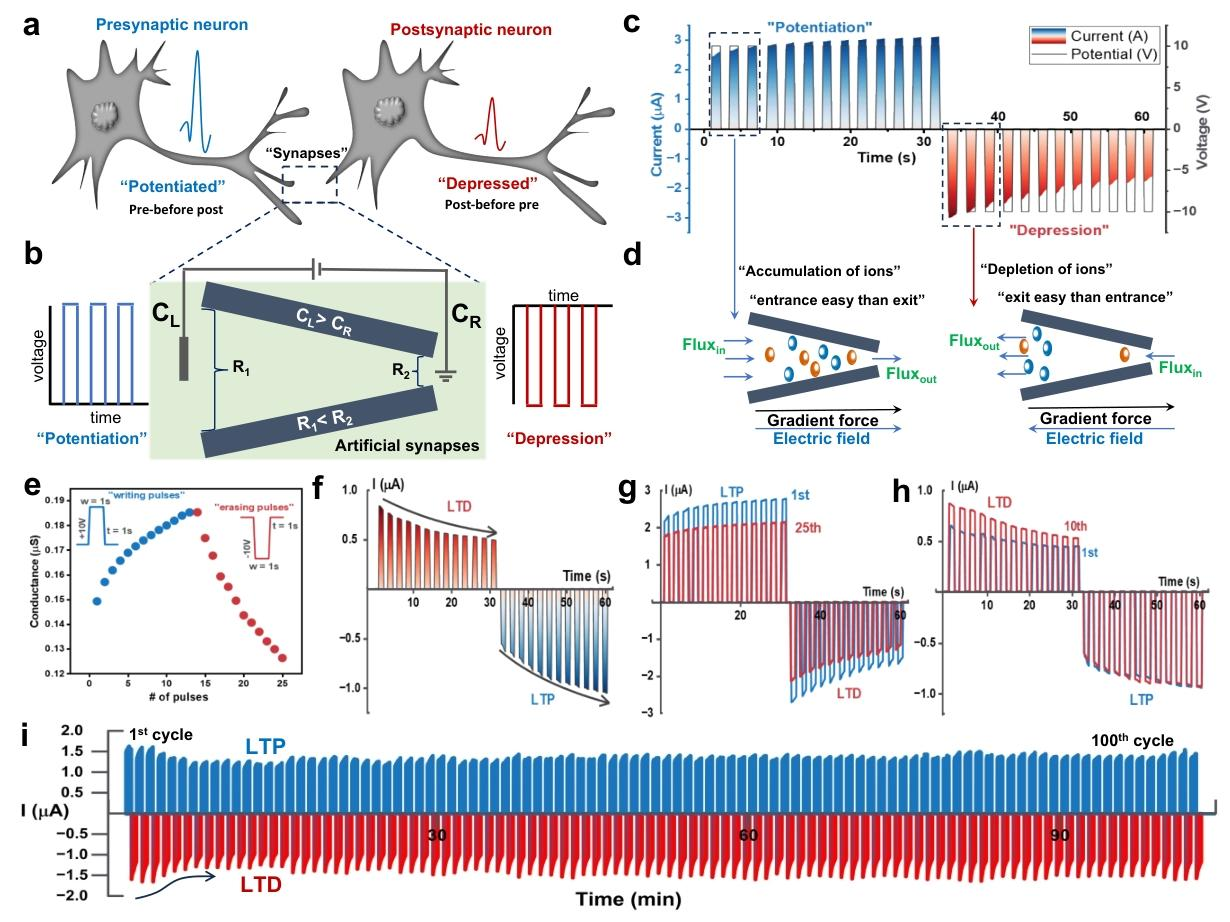
New Progress in Ion Dynamics Regulation in Nanofluidic Memristors by the Institute of Modern Physics, Chinese Academy of Sciences
Water-based nanofluidic ionic devices offer unique advantages in frontier fields such as brain-computer interfaces and biocompatible computing. Recently, the research team from the State Key Laboratory of Heavy Ion Science and Technology at the Institute of Modern Physics, Chinese Academy of Sciences, in collaboration with Lanzhou University, Hebei University of Geosciences, and other partners, successfully achieved stable ionic memristive effects in single-ion-track nanochannels. Through precise regulation, they realized programmable transitions between memristive and synaptic functions, providing a new technological pathway for the development of next-generation low-power neuromorphic computing hardware. The related results were published in the journal *Small* on July 22. Relying on the Heavy Ion Research Facility in Lanzhou (HIRFL), the researchers...
2026-08-04
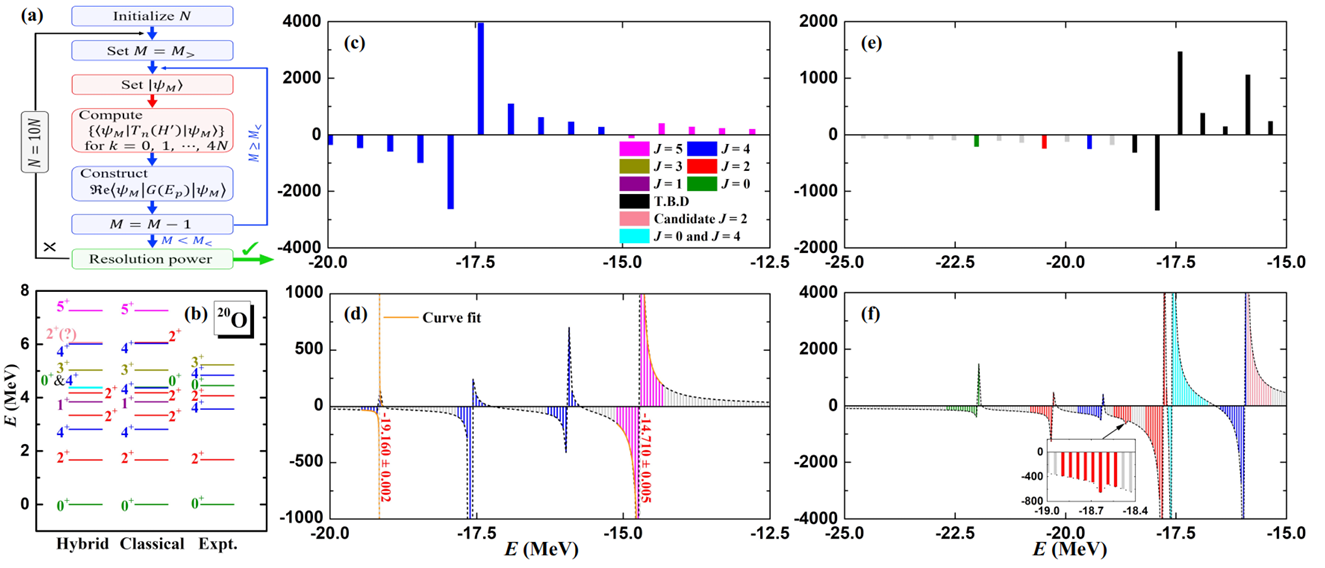
New Progress in First-Principles Quantum Computing for Nuclear Structure
Recently, the research team at the Institute of Modern Physics, Chinese Academy of Sciences, has made new progress in quantum computing studies of first-principles nuclear structure for multi-fermion systems. The team developed a universal quantum-classical hybrid computing framework capable of calculating Green's functions and spectral functions of nuclear many-body systems. The relevant results were published as a Letter in Physical Review C. First-principles Hamiltonian many-body calculations are a core approach for revealing the laws of strongly correlated quantum systems, widely applied in fields such as quantum chemistry and nuclear physics. However, the Hilbert space of such problems grows exponentially with particle number, posing insurmountable computational resource challenges on classical computers...
2026-08-03
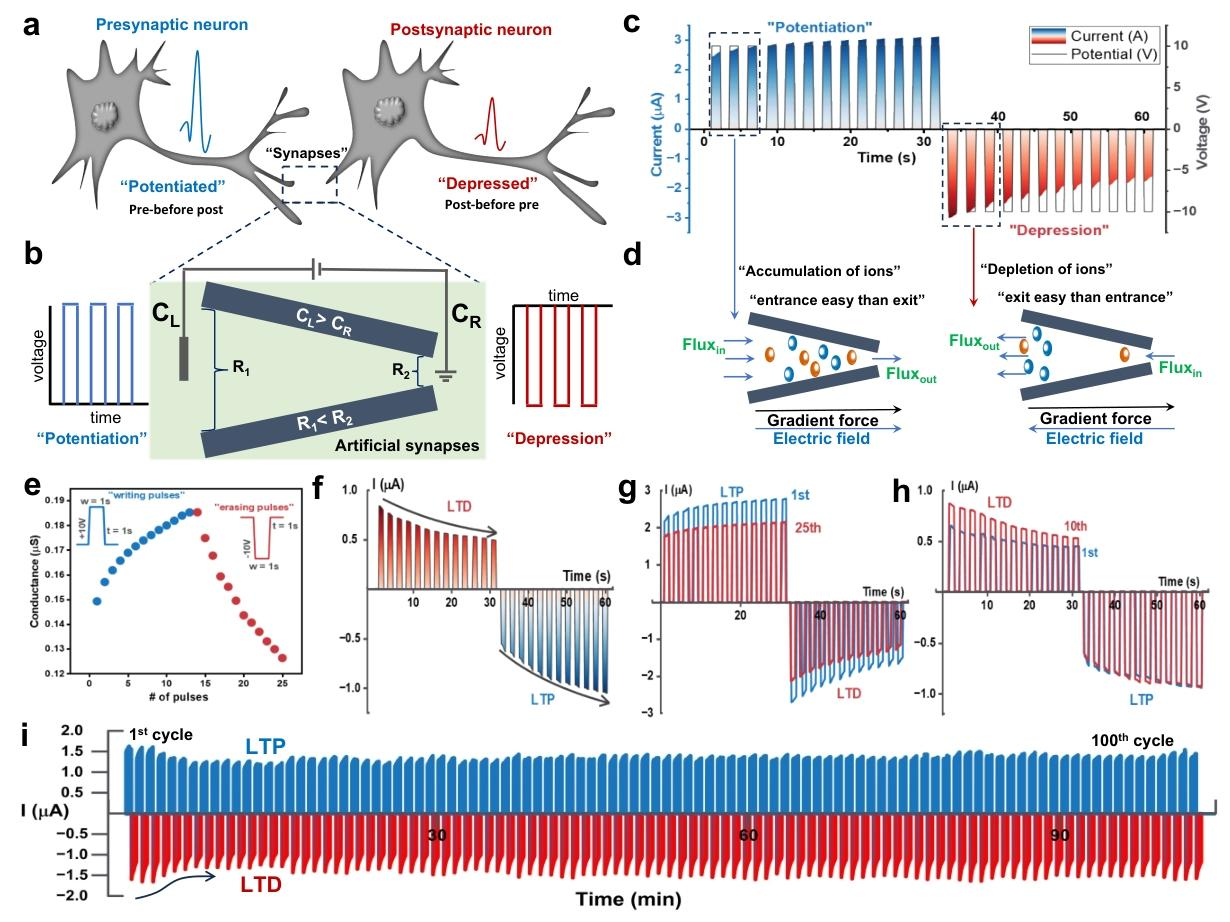
New Progress in Ion Dynamics Regulation in Nanofluidic Memristors by the Institute of Modern Physics, Chinese Academy of Sciences
Water-based nanofluidic ionic devices offer unique advantages in frontier fields such as brain-computer interfaces and biocompatible computing. Recently, the research team from the State Key Laboratory of Heavy Ion Science and Technology at the Institute of Modern Physics, Chinese Academy of Sciences, in collaboration with Lanzhou University, Hebei University of Geosciences, and other partners, successfully achieved stable ionic memristive effects in single-ion-track nanochannels. Through precise regulation, they realized programmable transitions in memristive and synaptic functions, providing a new technological pathway for the development of next-generation low-power neuromorphic computing hardware. The related results were published in the journal *Small* on July 22. Leveraging the Heavy Ion Research Facility in Lanzhou (HIRFL), the researchers...
2026-08-03

Progress and Cost Performance Management of the ITER Project Enhancement
The ITER Organization reported on July 29 that, regarding the construction progress and cost control of the International Thermonuclear Experimental Reactor (ITER), the project team has established a more detailed monthly tracking mechanism, and regularly reports key performance indicators, updated estimates at completion, and milestone trend analyses to the ITER Council. The ITER project is large in scale with complex interfaces; management efforts involve not only overall schedule and budget but also continuous assessment of thousands of activities including design, manufacturing, component installation, commissioning, and operational readiness. For tasks on the critical path, even delays of a few weeks can have cascading effects on multiple construction work packages. To identify...
2026-08-03
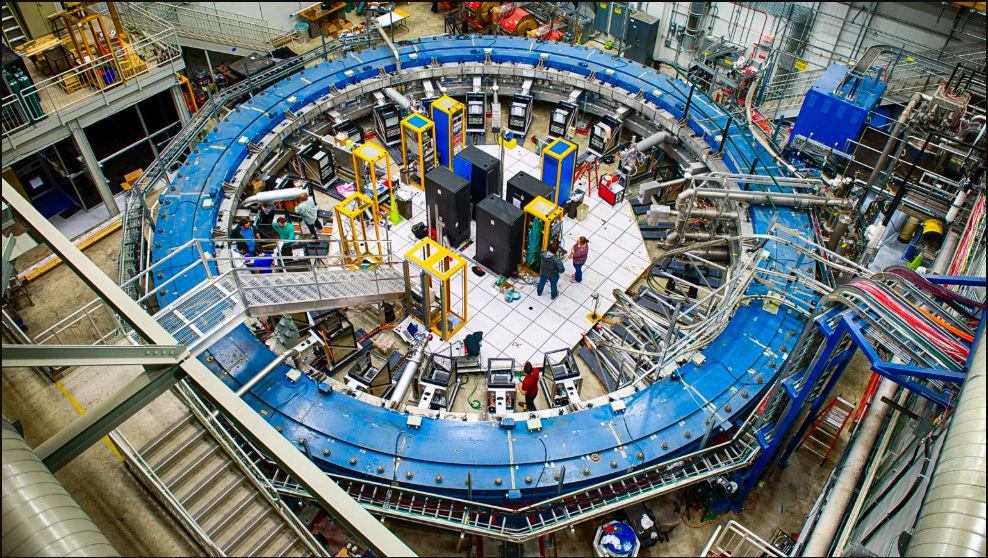
After 25 Years, the Muon Wobble Puzzle Sees Key New Progress in Physics
For 25 years, precise measurements of how muons wobble in a magnetic field have been a major puzzle in particle physics. Early experiments showed a discrepancy between the measured value of the muon's g-factor and theoretical predictions, a difference once seen as a possible hint of unknown particles. Recent new theoretical calculations and experimental analyses have brought a new twist to this puzzle. The muon is a heavier cousin of the electron that precesses like a tiny magnet in a magnetic field. Its extra wobble is quantified by the muon g-2 coefficient. According to quantum theory, known particles and interactions influence this coefficient through fleeting quantum fluctuations, making muon g-2 a key test of the Standard Model...
2026-08-03