
Search Results
Keyword:progrès
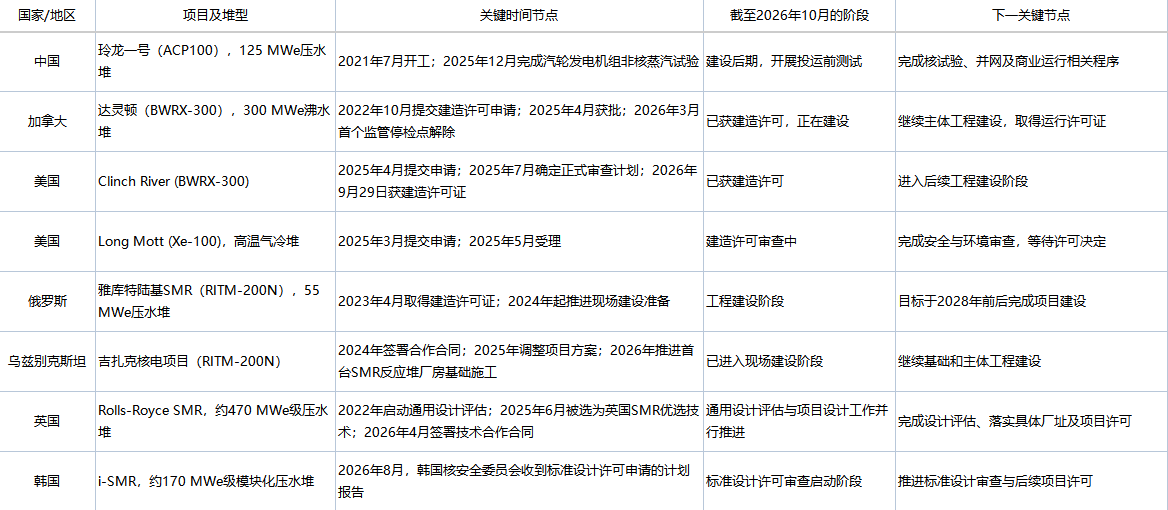
Global Major SMR Project Progress Review
As of now, global SMR competition has already formed several different tiers: Linglong One is advancing pre-operational testing, Darlington and Russia's land-based projects have entered the construction phase, Clinch River has just crossed the threshold for a U.S. commercial SMR construction permit, Long Mott is still under licensing review, and representative projects in the UK and South Korea are mainly advancing design and regulatory approval. In subsequent comparisons of these projects, the most valuable indicators will be first fuel load, first criticality, first grid connection, commercial operation, and whether construction can be replicated after the first-of-a-kind unit. Project progress: China's Linglong One is one of the more advanced projects among land-based SMR commercial demonstration projects. In December 2025, the project completed non-nuclear steam testing, verifying the functions of conventional island-related systems; public information in early 2026 shows that the project is still conducting pre-operational testing. The project adopts a 125 MWe pressurized water reactor design, mainly targeting applications such as power generation, heating, industrial steam, and seawater desalination.
2026-10-09
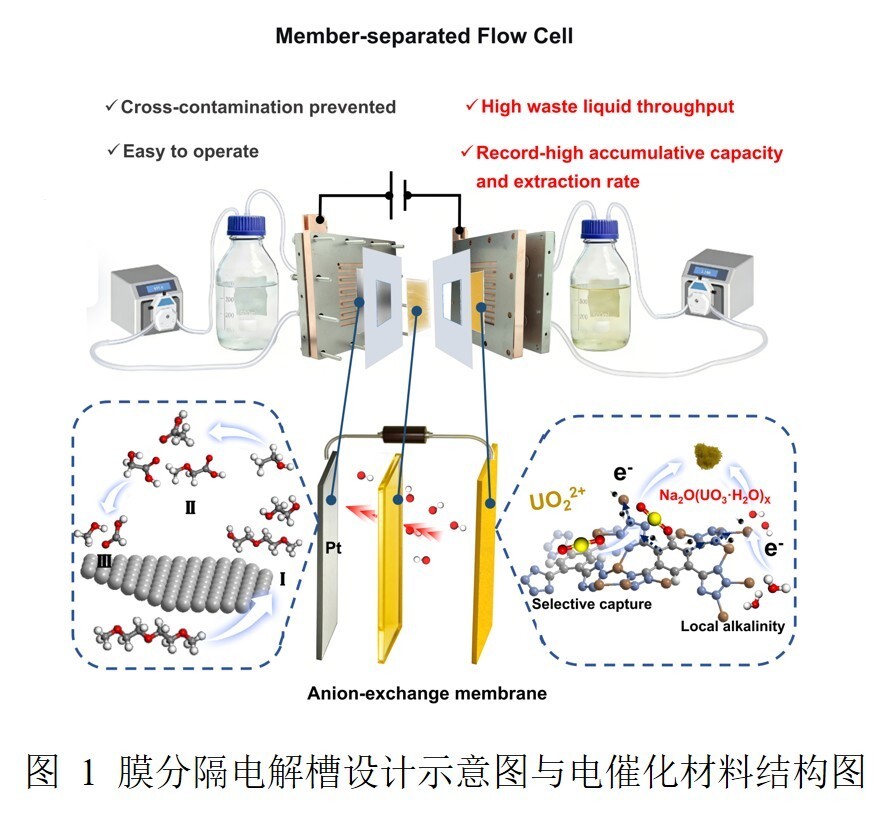
Shanghai Institute of Applied Physics Makes Important Progress in Electrolyzer Design and Electrocatalytic Materials Research
Recently, the National Key Laboratory of Thorium-based Nuclear Fission Energy at the Shanghai Institute of Applied Physics, Chinese Academy of Sciences, has made important progress in the fields of membrane-divided electrolyzer design and electrocatalytic materials. Researchers combined electrolyzer reactor design with electrocatalytic material innovation to develop an anion exchange membrane-divided H-type electrolysis system based on nonporous metal-organic framework (MOFs) materials, achieving efficient electrochemical recovery of uranium resources and complete degradation of organic ether solvents in uranium-containing organic ether wastewater. The related results, titled "Nonporous Metal-Organic Framework Enables Record-High Uranium Extraction and Complete Diglyme Degra...
2026-09-30
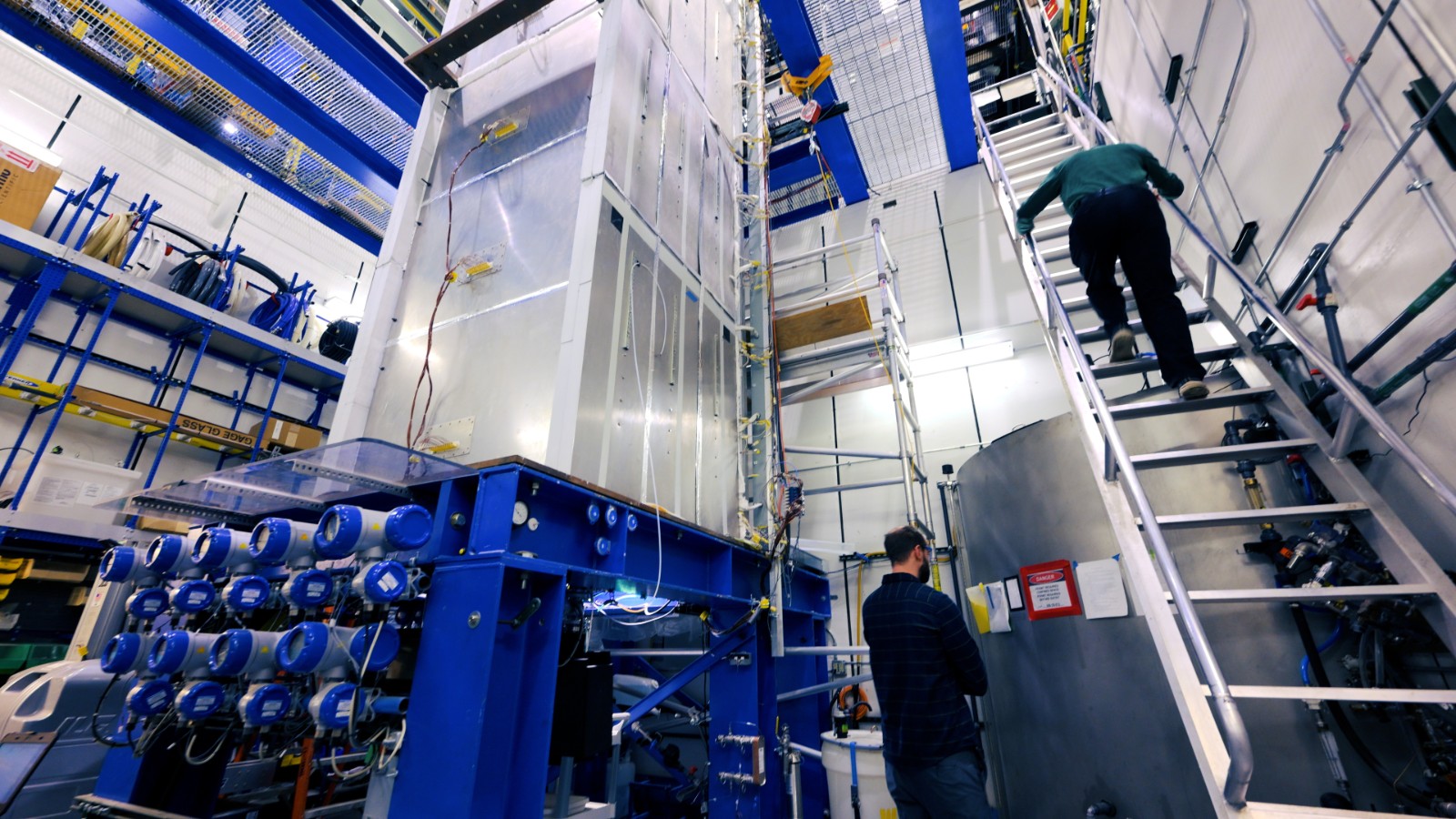
Argonne National Laboratory Achieves Latest Research Progress in Advanced Reactor Passive Safety, Revealing Flow Characteristics of Reactor Cavity Cooling System Using NSTF Facility
A research team at Argonne National Laboratory, under the U.S. Department of Energy (DOE), has achieved the latest research progress on passive shutdown decay heat removal mechanisms for next-generation advanced nuclear reactors. Under unplanned reactor shutdown or sudden emergency accident conditions, nuclear fuel continues to release decay heat. Ensuring continuous and reliable heat removal under complete power loss and without manual intervention is a core issue in the inherent safety design of Generation IV advanced reactors. The Argonne research team recently focused on the transient thermal-hydraulic response characteristics of key passive heat removal systems under realistic dynamic decay heat curves. This...
2026-09-30
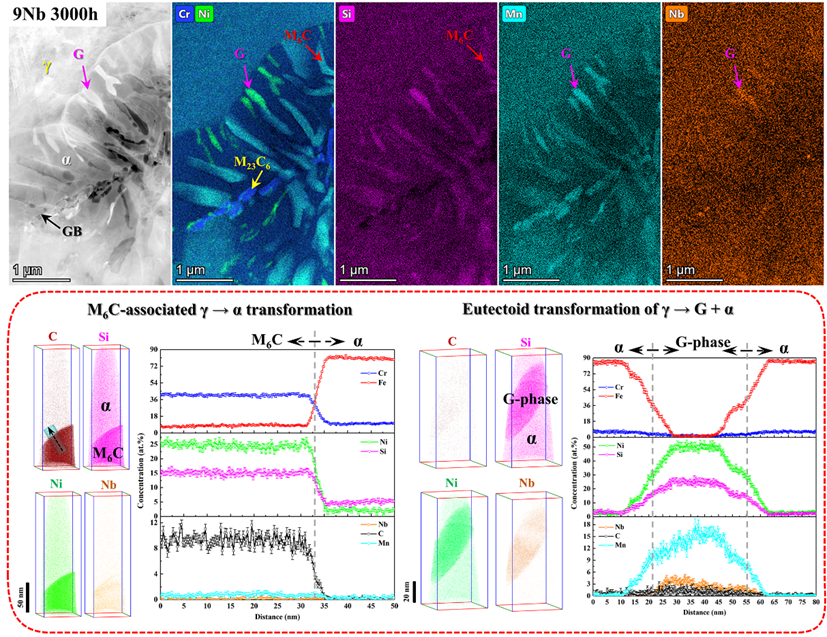
New Progress in Research on Microstructural Stability of High-Silicon Austenitic Steels for Lead-Cooled Fast Reactors
The lead-cooled fast reactor is an important reactor type in the fourth-generation nuclear energy system, and its structural materials need to withstand harsh service environments such as high temperature, irradiation, and liquid lead-bismuth corrosion over the long term. High-silicon austenitic stainless steel possesses excellent lead-bismuth corrosion resistance and is an important candidate structural material for core equipment such as the reactor vessel and internals of lead-cooled fast reactors. However, Si addition significantly alters the phase precipitation mechanism during high-temperature service and induces austenite decomposition, affecting the long-term microstructural stability of the material. Recently, the Special Alloys Research Department of the Institute of Metal Research, Chinese Academy of Sciences, in collaboration with the Department of Mechanical Engineering of The Hong Kong Polytechnic University, building on prior work that revealed Si-induced austenite decomposition behavior in high-silicon austenitic steels and the resulting mechanical...
2026-09-21
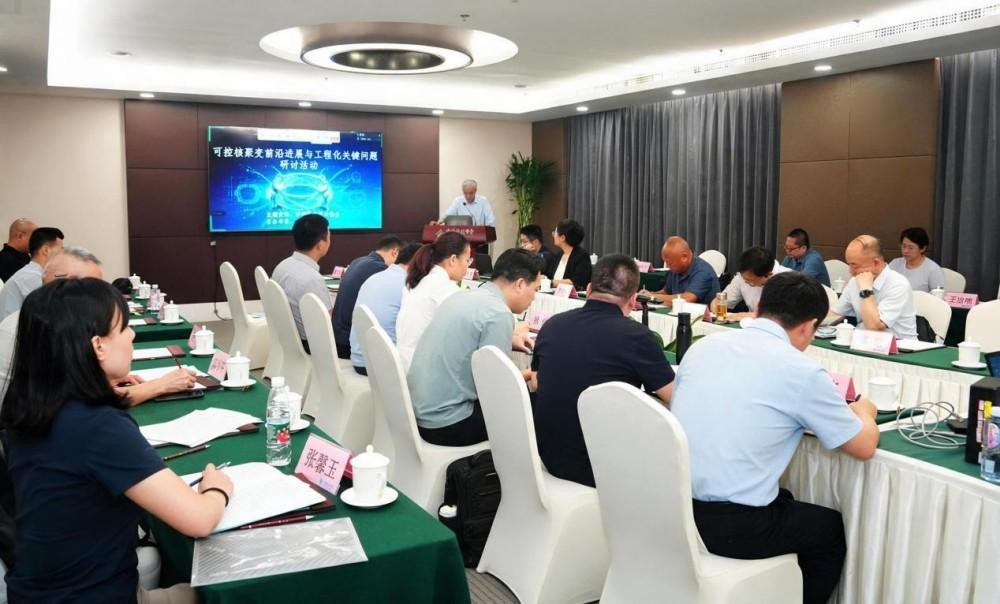
Symposium on Frontier Progress and Key Engineering Issues of Controlled Nuclear Fusion Held in Beijing
On August 30, a small-scale high-end brand exchange event—the Symposium on Frontier Progress and Key Engineering Issues of Controlled Nuclear Fusion, supported by the China Association for Science and Technology and hosted by the Chinese Nuclear Society—was held at the China Science and Technology Hall. More than 20 frontline experts from universities, research institutes, and industry engaged in exchange and discussion on relevant topics. The event focused on the strategic needs of national low-carbon transition and energy self-sufficiency and security, discussed frontier progress and key issues in the engineering implementation of controlled nuclear fusion, and aimed to help cultivate strategic emerging industries and accelerate the building of an energy powerhouse. Professor Luan Benli of Yantai University served as executive chairman, and Professor Liu Shichang of North China Electric Power University served as academic secretary. The symposium featured...
2026-09-15
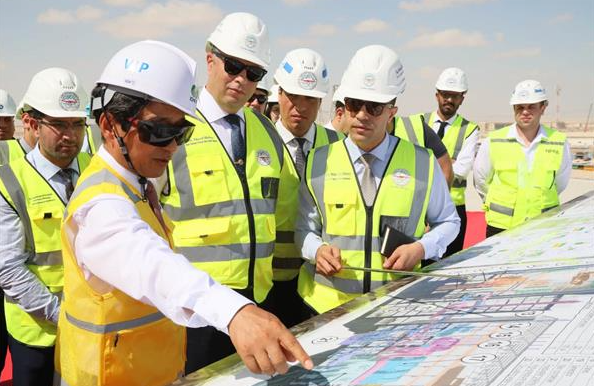
Egypt's El Dabaa Nuclear Power Plant Construction Progress Reviewed Jointly by Korea and Egypt
On September 10, 2026, Korea Hydro & Nuclear Power (KHNP) and Egypt's Nuclear Power Plants Authority (NPPA) jointly reviewed the construction progress of the El Dabaa Nuclear Power Plant project and exchanged views on further strengthening project collaboration. Kim Wan-joong, South Korean Ambassador to Egypt, and relevant personnel from Korea Hydro & Nuclear Power attended the meeting. During the meeting, Sherif Helmy, Chairman of Egypt's Nuclear Power Plants Authority, was briefed on the implementation of the scope of work undertaken by Korea Hydro & Nuclear Power. The two sides focused on discussions regarding strengthening working-level communication between Korea and Egypt, and coordinating the work arrangements of participating construction units and relevant institutions...
2026-09-10

Russia Says India's Kudankulam Nuclear Power Plant Project Progressing Smoothly
On September 8, Russian Presidential Press Secretary Dmitry Peskov stated at a briefing for Indian media that the Kudankulam Nuclear Power Plant project in India is progressing smoothly, and Russia looks forward to negotiations with India on new nuclear power plant projects. Peskov said: "The Kudankulam Nuclear Power Plant project is progressing well, and we look forward to further developing cooperation in this area while awaiting negotiations on the construction of new nuclear power plants in India." The report noted that these remarks were made on the eve of the BRICS summit in New Delhi...
2026-09-09
Japanese Research Uses Tau PET to Reveal Association with Symptom Progression in Progressive Supranuclear Palsy
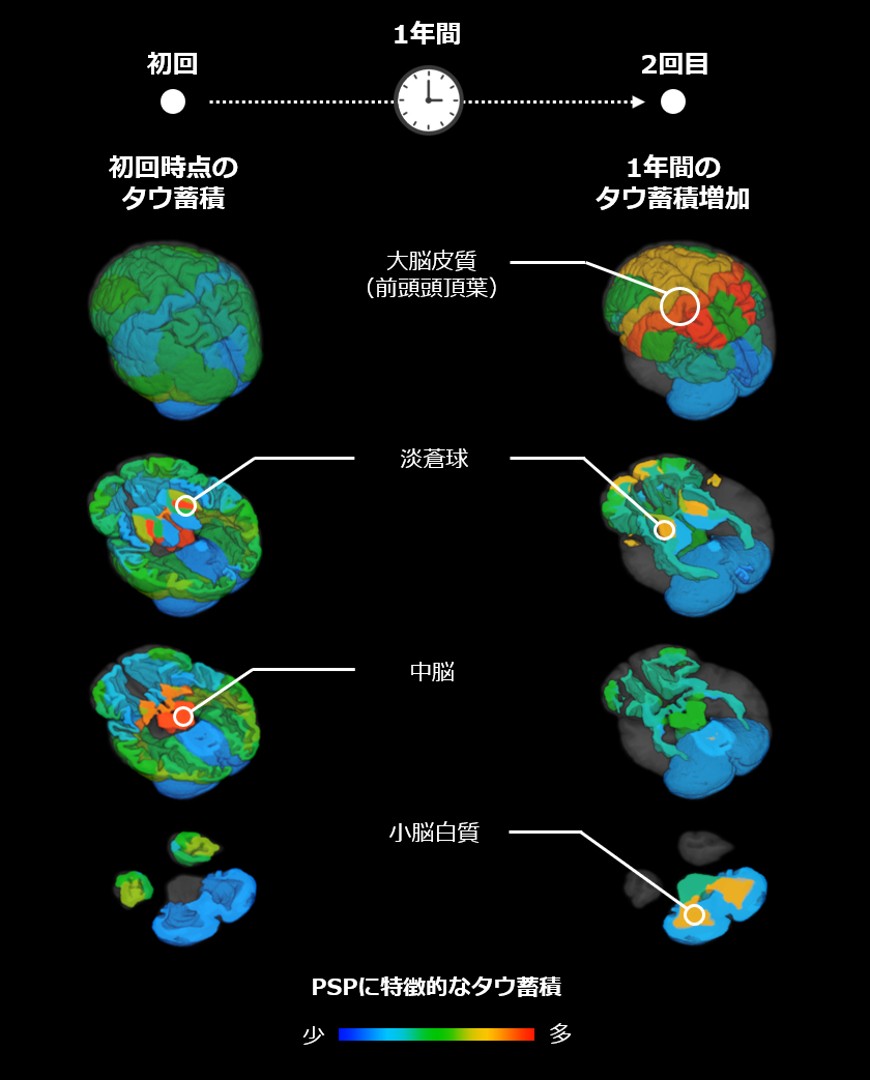
A research team at the National Institutes for Quantum Science and Technology (QST) in Japan recently announced findings from a study on progressive supranuclear palsy (PSP). Using their self-developed tau PET imaging technology, the researchers conducted follow-up scans on the same group of PSP patients at approximately one-year intervals, confirming for the first time in living brains that the faster tau protein accumulates in the globus pallidus region deep within the brain, the faster patient symptoms progress. The findings were published on September 5, 2026, in the international neurology journal *Movement Disorders*. Characteristic tau protein accumulation regions in PSP Progressive supranuclear palsy is a progressive neurodegenerative disease occurring in middle-aged and older adults, with common manifestations including increased risk of falls, difficulty with movement, eye movement disorders, postural instability, and cognitive dysfunction. There is currently no therapy that can cure or halt disease progression; therefore, establishing biomarkers that can objectively reflect disease changes and treatment efficacy has been a critical issue in drug development. Previous autopsy studies have shown that abnormal tau protein accumulation in the brains of PSP patients is an important pathological feature, particularly concentrated in deep brain regions such as the globus pallidus and midbrain. However, autopsy samples cannot be used for long-term dynamic observation, and how tau protein accumulation changes over time and how it corresponds to symptom progression had previously remained unclear. In recent years, positron emission tomography (PET) has made it possible to observe tau protein in living brains, but existing studies have mainly shown that tau protein increases over time without sufficiently demonstrating a direct association between these changes and symptom worsening. In this study, the research team used the PET radiopharmaceutical 18F-PM-PBB3 developed by QST, namely florzolotau (18F), to perform two PET examinations on 26 PSP patients and 10 healthy controls, conducted at baseline and approximately one year later. The researchers combined 57 brain regions identified by MRI and performed multivariate analysis of PET signal changes to identify PSP-related tau protein accumulation regions and their spread over time. The results showed that at baseline, tau protein in PSP patients was primarily accumulated in subcortical regions such as the globus pallidus and midbrain, consistent with previous reports. Follow-up imaging at one year showed further increases in tau protein accumulation in the globus pallidus, along with marked increases in tau accumulation in the frontoparietal lobes and cerebellar white matter, suggesting that during the course of PSP, tau protein may spread from deep brain regions to the cerebral cortex and cerebellar-related areas. The research team further focused on Richardson's syndrome, the most typical and common subtype of PSP. This subtype typically progresses rapidly, and the 18 patients with this subtype included in this study showed significant increases in PSP rating scale scores within one year. The analysis found that changes in tau protein accumulation in the globus pallidus showed the strongest correlation with the degree of symptom progression; that is, the faster tau protein accumulated in this region, the more pronounced the worsening of patient symptoms. Analyses of individual patients likewise showed that globus pallidus tau protein accumulation can reflect the course of PSP from mild to severe stages. The researchers believe that serial tau PET imaging has the potential to serve as a novel imaging biomarker for assessing PSP disease progression, and also provides a basis for tau-targeted therapeutic strategies: if future therapies can inhibit tau protein accumulation, it may be possible to slow symptom progression. Next steps still require longer-term follow-up in a larger number of patients to validate the relationship between changes in tau protein accumulation and overall symptom progression and treatment response. The imaging assessment method established in this study may not only be used for disease monitoring and clinical trial efficacy evaluation in PSP, but may also be extended to research on other tau protein-related neurodegenerative diseases and dementias, providing new technical support for the diagnosis and therapeutic development of related diseases.
2026-09-07
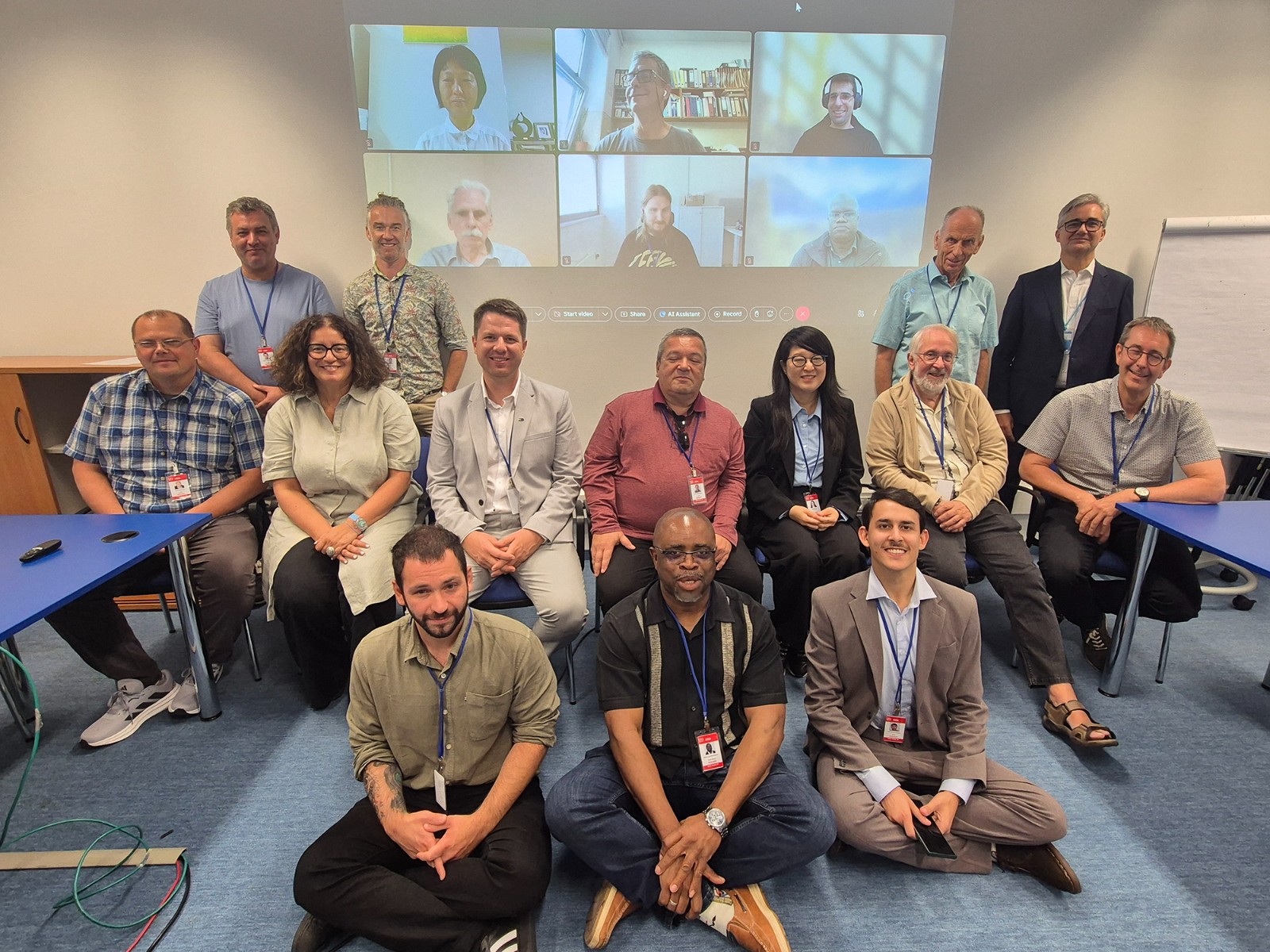
IAEA Meeting Focuses on Data Needs for Ion Beam Analysis, JINR Presents Progress in Nuclear Track Emulsion Research
From August 24 to 28, 2026, the International Atomic Energy Agency held a Technical Meeting on Data Requirements for Ion Beam Analysis in Vienna, Austria, attended by scientists and experts from multiple nuclear physics research institutions. Andrey Zaitsev, Senior Researcher at the High Energy Physics Laboratory of the Joint Institute for Nuclear Research, delivered a report at the meeting, presenting the current performance of nuclear track emulsions and research progress related to the BECQUEREL project. The meeting focused on assessing whether existing nuclear data can meet current and future application needs of ion beam analysis, and discussed new experimental methods, as well as the application of artificial intelligence and machine learning in experiments and data processing. Topics included elastic backscattering cross sections, nuclear re...
2026-09-05

Progress on Contract Work for Vietnam's Ninh Thuan 1 Nuclear Power Plant
Alexey Likhachev, President of Rosatom, stated on September 3 during the Eastern Economic Forum that contract work for the construction and operation of Vietnam's first nuclear power plant, Ninh Thuan 1, is progressing. Likhachev said that relevant contract documents are being expedited, with the goal of reaching legally binding agreements on the project timeline and configuration options. He noted that the VVER-1200 Generation III+ reactor has been selected as the technical solution for the Ninh Thuan 1 Nuclear Power Plant. Meanwhile, both sides are also conducting preliminary research work on a research reactor. Vietnam's National Assembly decided in December 2024 to restart the Ninh Thuan 1 Nuclear Power Plant project. The project was previously suspended in 2016. According to an intergovernmental agreement signed during the Vietnamese Prime Minister's visit to Russia in March this year, the Ninh Thuan 1 Nuclear Power Plant will be built using advanced Russian technology and financed through a special loan provided by the Russian Federation.
2026-09-04
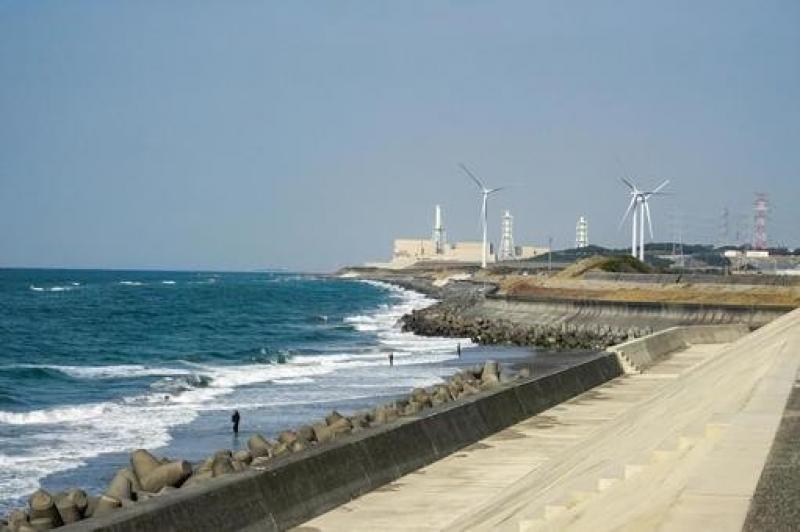
Chubu Electric Power Suspected of Falsifying Decommissioning Progress at Hamaoka Nuclear Power Plant
According to disclosures, Japan's Chubu Electric Power Company (CEPCO) is suspected of submitting improper reports to the Japan Spent Fuel Reprocessing and Decommissioning Promotion Organization (NuRO), which manages decommissioning funds, during the cost declaration process for the decommissioning of Units 1 and 2 at the Hamaoka Nuclear Power Plant, overstating project progress and settling related costs accordingly. The Hamaoka Nuclear Power Plant is located in Omaezaki City, Shizuoka Prefecture, Japan. Chubu Electric Power decided to shut down Units 1 and 2 of the plant in 2008, with related decommissioning work commencing in 2009. Sources say that when declaring decommissioning project costs, the company is suspected of reporting project progress as faster than actual conditions and using inaccurate data in documents submitted to the fund management organization...
2026-08-27
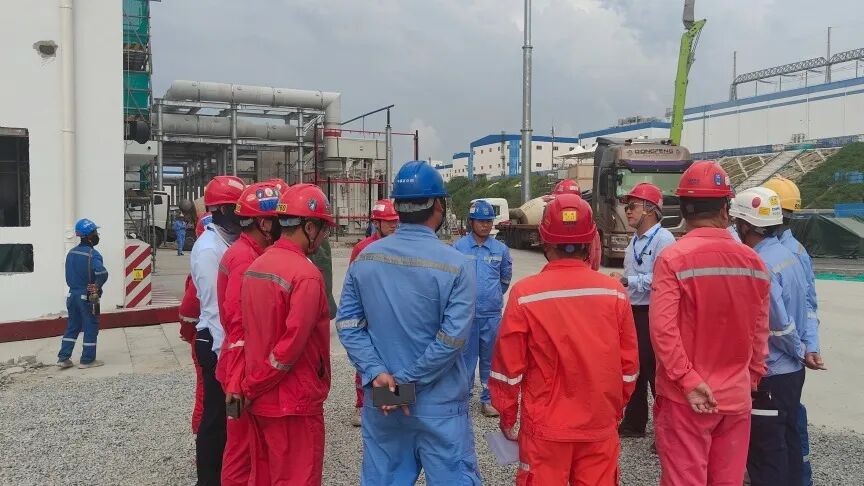
Huaneng Hainan Changjiang Nuclear Power Unit 4 Standardized Demonstration Zone Construction Achieves Phased Progress
To thoroughly implement the safety production directives from higher authorities and effectively enhance the visual management level of safe and civilized construction at Changjiang Nuclear Power Unit 4, on August 16, 2026, the special working group for the safe and civilized construction standardization demonstration zone of Huaneng Hainan Changjiang Nuclear Power Unit 4 went deep into the construction site to conduct a comprehensive inspection and guidance on the creation of the standardized demonstration zone for Unit 4. The inspection was led by company leaders, with the participation of relevant responsible persons from the Engineering Management Department, Safety and Quality Assurance Department, as well as major construction participating units including CNNC 22 and CNNC 5. The working group strictly followed the implementation plan, verifying item by item the setting of signage and labels in the demonstration zone, material fixed-position management, safety protection facilities, environmental sanitation...
2026-08-22
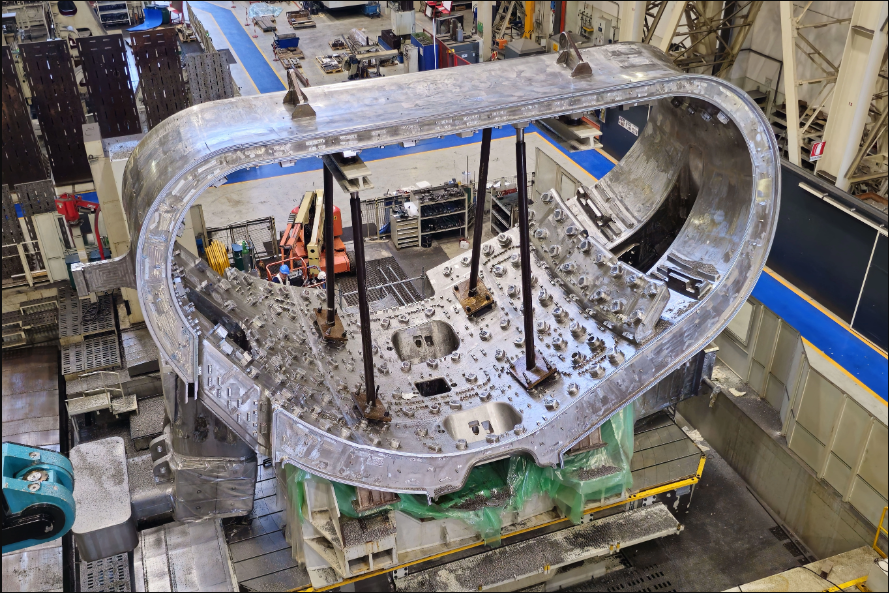
ITER vacuum vessel assembly in France progresses steadily, with five European sectors at different critical stages
The vacuum vessel assembly work for the International Thermonuclear Experimental Reactor (ITER) project in southern France is progressing steadily. As the core component of the ITER tokamak device, the vacuum vessel will contain the plasma confined by superconducting magnets, serving as the critical space where fusion reactions occur. This stainless steel ring-shaped structure weighs approximately 5,200 tonnes in total, measures 19.4 meters in diameter, and consists of nine sectors, five of which are manufactured by Europe. The European Fusion for Energy organization (F4E), together with the AMW consortium comprising Ansaldo Nucleare, Westinghouse Electric Italy, and Walter Tosto Company, is responsible for the related manufacturing work.
2026-08-21
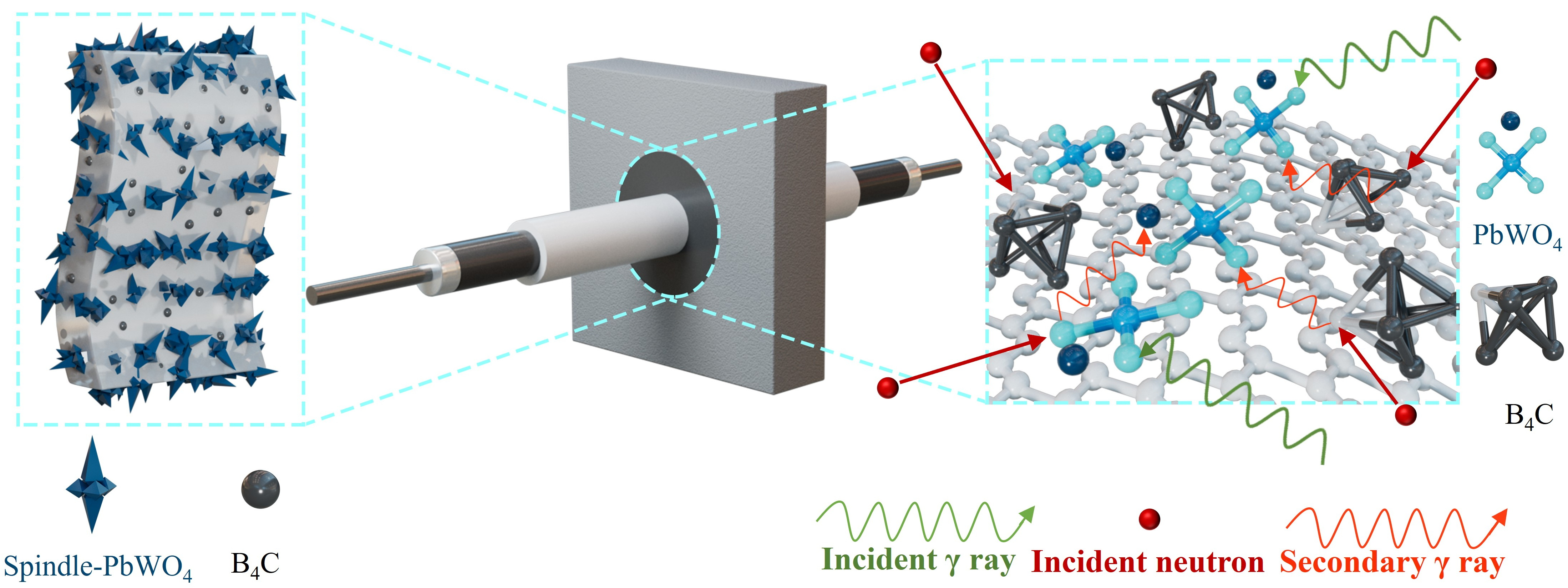
Progress in Tritium Containment and Radiation Protection Materials Research at the Institute of Plasma Physics, Chinese Academy of Sciences
Recently, Associate Researcher Huo Zhipeng of the Fusion Reactor Blanket and Safety Research Center at the Institute of Plasma Physics, Chinese Academy of Sciences, together with his supervised master's students Zhang Jie and Chen Zuoyang, developed a class of flexible PbWO4-B4C reinforced silicone rubber composites with dual functions of tritium safety containment and nuclear radiation protection. The related research results were published in Journal of Materials Research and Technology. Future fusion facilities require comprehensive performance from radiation protection materials in tritium safety containment systems, including airtight sealing, flexibility for easy assembly and disassembly, and radiation shielding capability, for penetration hole sealing, post-maintenance, and high-flux neutron and γ-ray radiation protection. The research...
2026-08-21
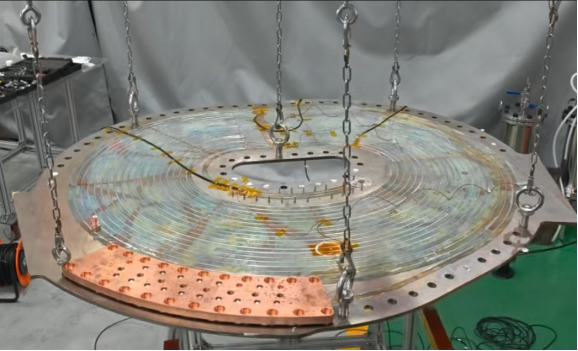
SuperMag New Energy Achieves Milestone Progress in Development of 25 T-Class High-Temperature Superconducting Toroidal Field Model Magnet
Recently, SuperMag New Energy has achieved two milestone progresses in the development of its 25 T-class high-temperature superconducting toroidal field model magnet: following the completion of R&D and testing of the first panel-type high-temperature superconducting single pancake coil, the company has initiated batch manufacturing of panel-type single pancake coils; meanwhile, the self-developed 24 cm² low-resistance detachable joint has completed prototype fabrication and performance testing in the liquid nitrogen temperature range, with an equivalent joint resistance of approximately 33 nΩ. These two progresses correspond to two critical aspects: stable manufacturing of single pancake coils and low-loss interconnection of multiple units. The project has advanced from the single-component process validation stage toward multi-pancake manufacturing and model magnet system integration. The single pancake coil is not an ordinary component in the model magnet, but rather a fundamental unit integrating conductor, panel structure, insulation, electrical connection, and testing interfaces. Each single pancake requires independent manufacturing and inspection, and also serves as the foundation for subsequent multi-pancake stacking, magnet excitation, and cryogenic operation.
2026-08-21