
Search Results
Keyword:radiation
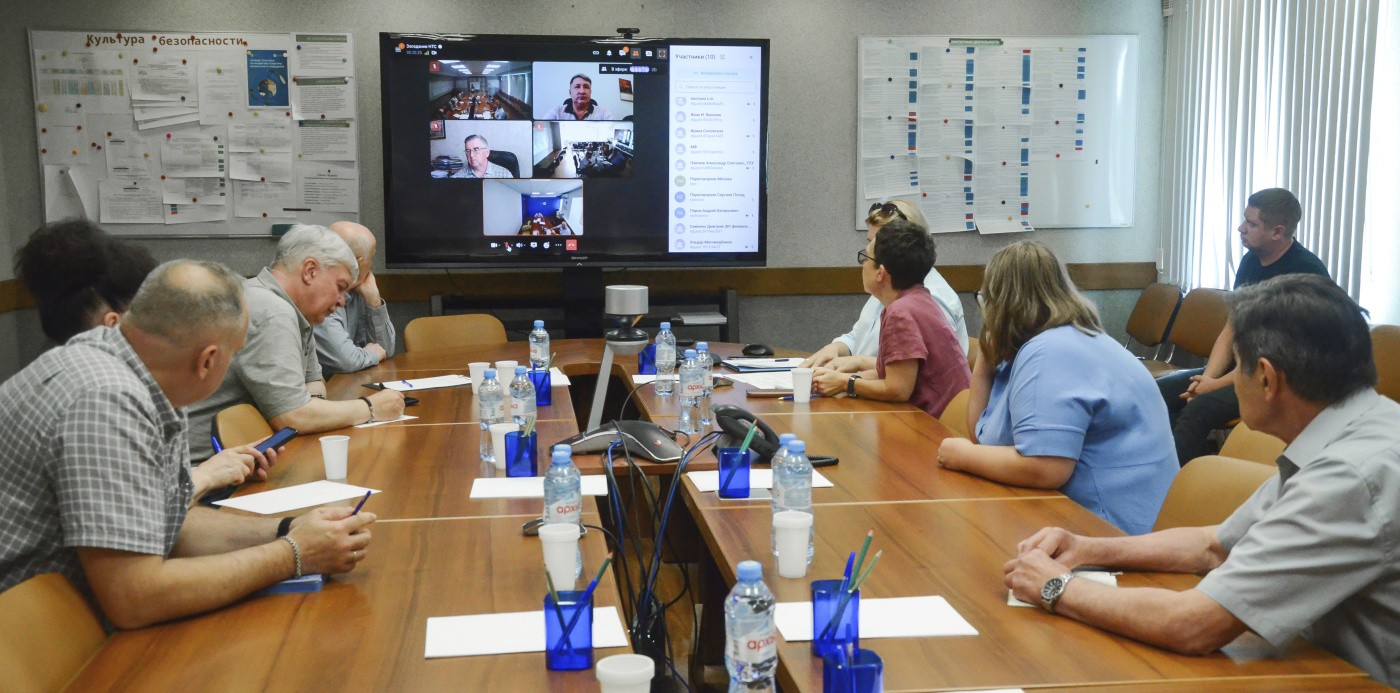
Russian RADON Discusses Technical Solutions for Recovering Disused Sealed Radiation Sources
The Federal State Unitary Enterprise RADON recently held a meeting of its Scientific and Technical Council to discuss technical solutions for recovering disused sealed ionizing radiation sources (DSIRS) from container-free storage facilities. The meeting was chaired by Artyom Ivanov, Deputy Director General for Science and Development, Doctor of Economics, and was attended by company experts as well as representatives from the National Research Nuclear University MEPhI, Russian State Agrarian University, and ODC UGR Joint-Stock Company. The meeting focused on reviewing a project proposal submitted by RADON's Volgograd branch in the southern region. The project was presented by Dmitry Semenko, General Director of the Volgograd branch, and aims to dismantle the...
2026-08-11
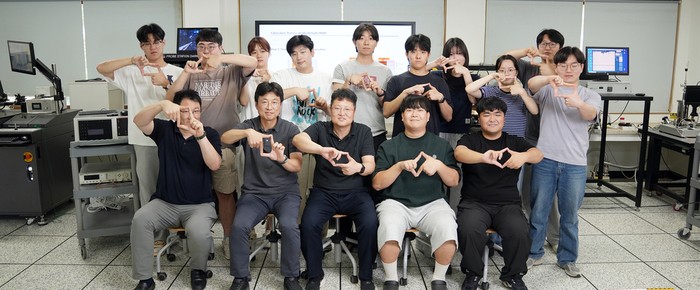
Korean Research Team First to Quantitatively Reveal Radiation Degradation Mechanisms in Gallium Arsenide Semiconductors
A semiconductor research team in Korea has recently succeeded, for the first time in the country, in quantitatively identifying the performance degradation mechanisms of gallium arsenide (GaAs) compound semiconductors under radiation environments. Gallium arsenide is regarded as a key material for next-generation aerospace, aviation, and defense systems, and the findings contribute to understanding the impact of high-energy radiation on the reliability of compound semiconductor devices. The research was led by Professor Kim Min-soo and Professor Hwang Hyun-jun from the Department of Semiconductor Engineering, in collaboration with the Advanced Radiation Research Center at the Korea Atomic Energy Research Institute and WaveTrack Corporation. The research team noted that communication and power equipment aboard low-Earth-orbit satellites or detectors, when exposed to high-energy radiation environments over extended periods, may experience...
2026-08-11
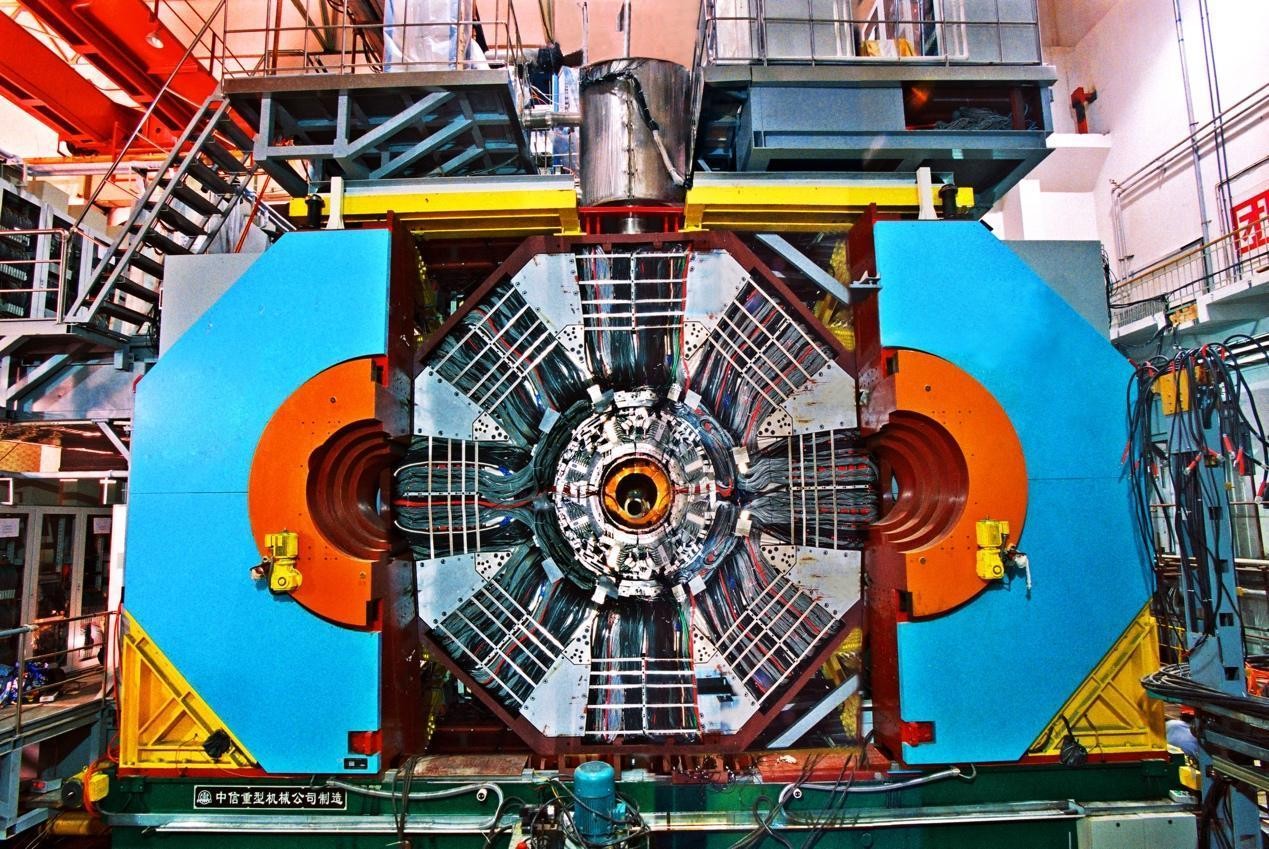
"Smashing Out" More New Particles Unknown to Humanity — Exploring the Upgraded Beijing Electron-Positron Collider After Its Second Renovation
Beside Yuquan Road in Beijing, beneath an ancient courtyard surrounded by lush greenery, lies a giant scientific facility shaped like a badminton racket — the Beijing Electron-Positron Collider. Inside this 240-meter-circumference ring-shaped device, electrons and positrons can be accelerated to near the speed of light and smashed head-on into each other. By studying the microscopic particles produced in these collisions, scientists explore the fundamental laws governing the microscopic world, verify existing physical theories, and search for unknown new particles. Recently, a reporter visited this facility to uncover the secrets of this national heavyweight that has just completed its second major upgrade. After this renovation, key indicators such as collision energy and collision luminosity have been significantly improved, achieving a historic breakthrough in core performance. Since its completion...
2026-08-11
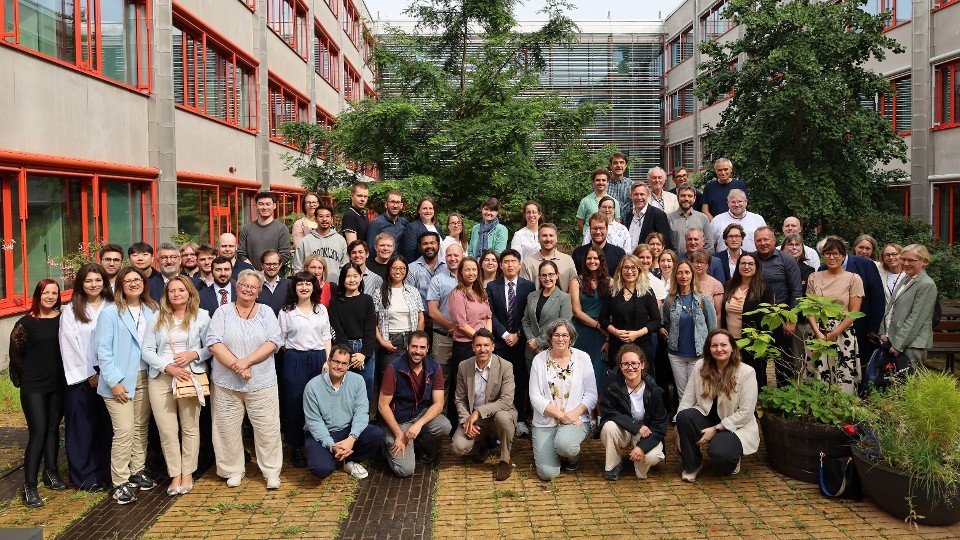
The 8th International Radiation Protection School Held in Stockholm
The Nuclear Energy Agency (NEA) of the Organisation for Economic Co-operation and Development, in collaboration with the Swedish Radiation Safety Authority (SSM) and the Centre for Radiation Protection Research (CRPR) at Stockholm University, will hold the 8th International Radiation Protection School (IRPS) in Stockholm, Sweden, from 10 to 14 August 2026. This five-day course is designed for early-career professionals in the nuclear and related fields, with a focus on helping participants systematically understand the international radiation protection system and master its practical application in emerging scenarios. The curriculum will cover the scientific foundations, historical evolution, development trajectory of the radiation protection system, and its translation into regulatory and national frameworks. According to the organisers, participants...
2026-08-11
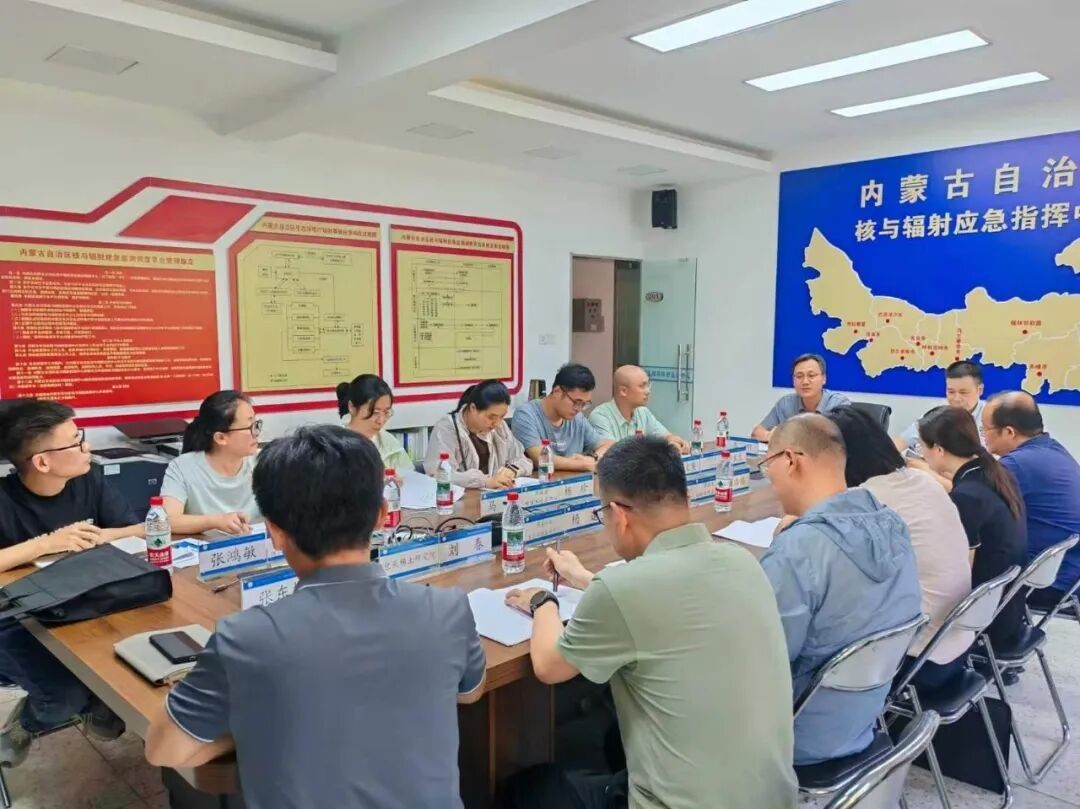
Inner Mongolia Nuclear and Radiation Monitoring Center Organizes Standard Pre-Research Exchange Meeting
In accordance with the arrangement of the radiation monitoring standard pre-research project, the Inner Mongolia Nuclear and Radiation Monitoring Center (hereinafter referred to as the Inner Mongolia Center) undertakes the pre-research task for the standard "Determination of Total Uranium and Thorium in Soil and Sediment - Inductively Coupled Plasma Mass Spectrometry." To standardize the inter-laboratory method validation process and ensure the smooth progress of the validation work, the Inner Mongolia Center recently organized a standard pre-research method validation exchange meeting in Baotou City, attended by experts from the Radiation Environmental Monitoring Technical Center of the Ministry of Ecology and Environment for on-site guidance. Seven laboratories from across the country participated in this validation exchange meeting, including provincial-level radiation environmental monitoring institutions and laboratories in the nuclear industry, nuclear technology applications,...
2026-08-11
Meeting of the New Academic Committee of the Key Laboratory of Radiation Environmental Monitoring of the Ministry of Ecology and Environment Held in Beijing
Recently, the meeting of the new academic committee of the Key Laboratory of Radiation Environmental Monitoring of the Ministry of Ecology and Environment (hereinafter referred to as the Key Laboratory) was successfully held in Beijing. Experts from multiple domestic universities, research institutes, and leading industry enterprises gathered together to discuss the construction, scientific and technological innovation, and the 15th Five-Year Plan development of the Key Laboratory. The Radiation Environmental Monitoring Technical Center of the Ministry of Ecology and Environment, the supporting institution of the Key Laboratory, attended the meeting. The meeting first announced the appointment documents for the new academic committee and held a certificate awarding ceremony. In his address, the main responsible person of the Radiation Environmental Monitoring Technical Center congratulated the establishment of the new academic committee and expressed gratitude to the experts who have long supported the construction of the Key Laboratory...
2026-08-11
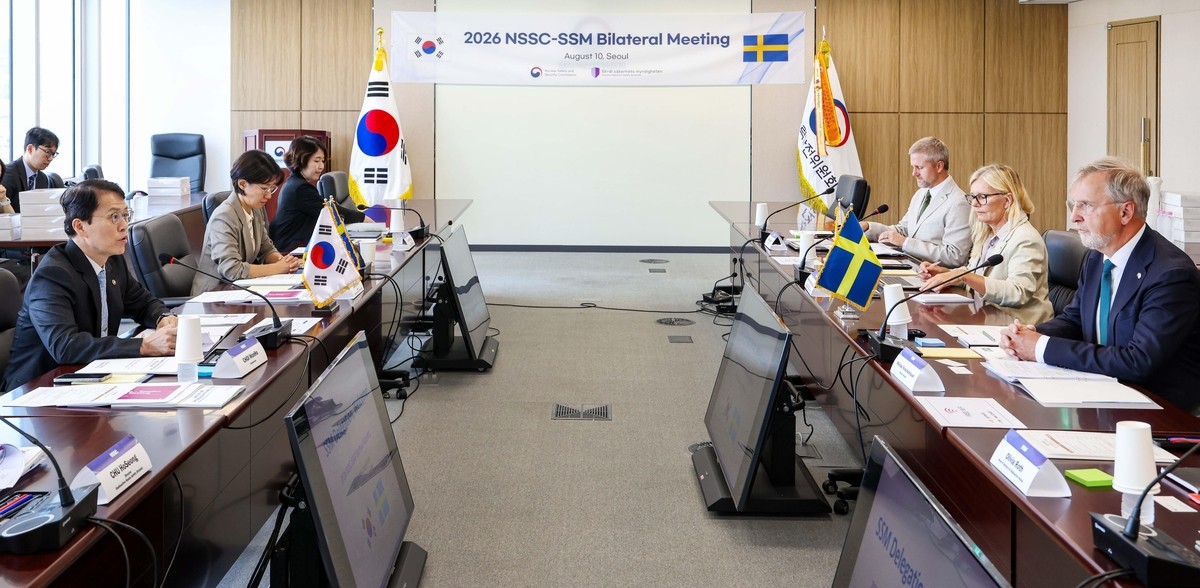
South Korea and Sweden Discuss Cooperation on High-Level Waste Disposal and SMR Regulation
The Nuclear Safety and Security Commission (NSSC) of South Korea announced on August 10 that it held a bilateral meeting with the Swedish Radiation Safety Authority (SSM) in Seoul, during which the two sides exchanged views on topics including high-level radioactive waste management, nuclear safety regulation, and the development of small modular reactors (SMRs). Sweden has accumulated strong technical expertise in the field of radioactive waste management and has developed a relatively mature technical system for high-level radioactive waste disposal. Currently, Sweden has 6 operating nuclear power units and 7 permanently shut down units, 6 of which are in the decommissioning phase. Following Finland, Sweden is constructing the world's second deep geological disposal facility for high-level radioactive waste. The NSSC of South Korea...
2026-08-10
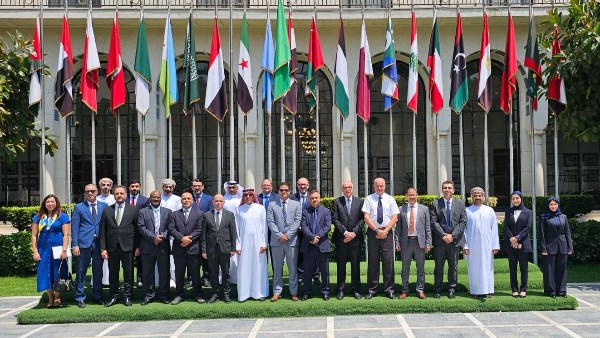
Arab League Holds Second Technical Committee Meeting on Nuclear and Radiation Emergency Preparedness Roadmap, Focusing on Cross-Border Coordination and Alignment with IAEA Obligations
The General Secretariat of the League of Arab States held its second open-ended technical committee meeting at its headquarters from August 9 to 10, focusing on following up on the implementation of the Arab cooperation roadmap for nuclear and radiation emergency preparedness and response. The meeting was attended by representatives of Arab member states, the Arab Atomic Energy Agency (AAEA), and relevant Arab and international organizations, indicating that this issue has risen from mere technical cooperation to an important component of regional security governance. The core objective of the meeting is to enhance the coordination capacity and response capability of Arab countries in the face of nuclear accidents and radiological emergencies. As nuclear technology continues to expand in energy, medical, industrial, and scientific research applications, nuclear...
2026-08-10

Former U.S. President Biden's Prostate Cancer Progress: Has Received Radiation Therapy and Hormone Therapy
The health condition of former U.S. President Joe Biden has recently drawn renewed attention. In an interview video, his son Hunter Biden stated that after Biden was diagnosed with prostate cancer, the cancer cells had metastasized, spreading to the bones and other parts of the body, and described the process as extremely painful. According to relevant information, Biden, now 83 years old, disclosed in May 2025 that he had been diagnosed with an aggressive form of prostate cancer, with cancer cells confirmed to have spread to the bones at that time. In October, a Biden spokesperson announced that he was undergoing radiation therapy and hormone therapy. Radiation therapy is one of the common nuclear technology medical applications in tumor treatment, primarily using ionizing radiation on tumor tissue to...
2026-08-10
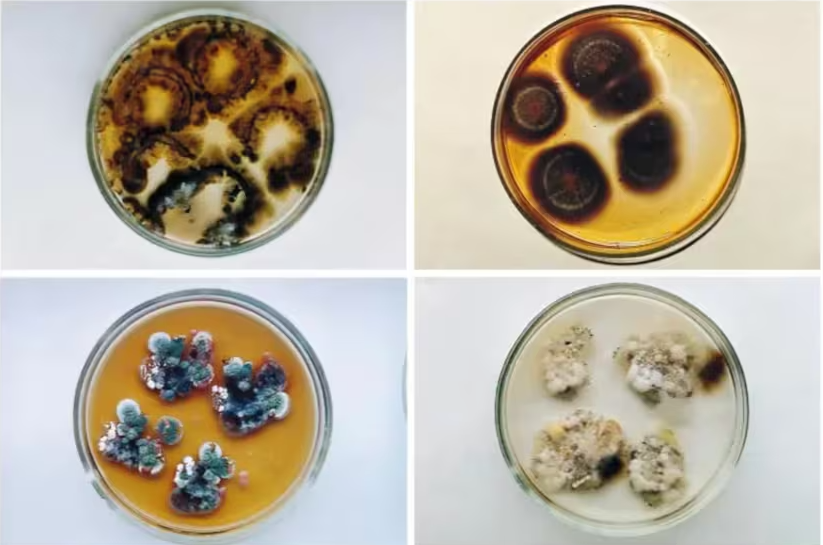
Chernobyl Black Fungi Draw Attention: Potential Value in Ionizing Radiation Tolerance and Shielding Research
Nearly four decades after the explosion of Unit 4 at the Chernobyl Nuclear Power Plant, the areas surrounding the damaged reactor remain heavily contaminated with radiation. In this high-radiation environment, researchers have discovered that a type of black fungus is not only capable of surviving but may also exhibit strong environmental adaptability, drawing continued scientific interest in its radiation tolerance mechanisms. According to available data, this fungus, scientifically known as Cladosporium sphaerospermum, has been found on the interior walls of buildings associated with the contaminated reactor at Chernobyl. Researchers point out that its deep black appearance is linked to the large amounts of melanin accumulated within its cells. Compared with ordinary organisms, this type of fungus exhibits exceptional tolerance in high...
2026-08-10
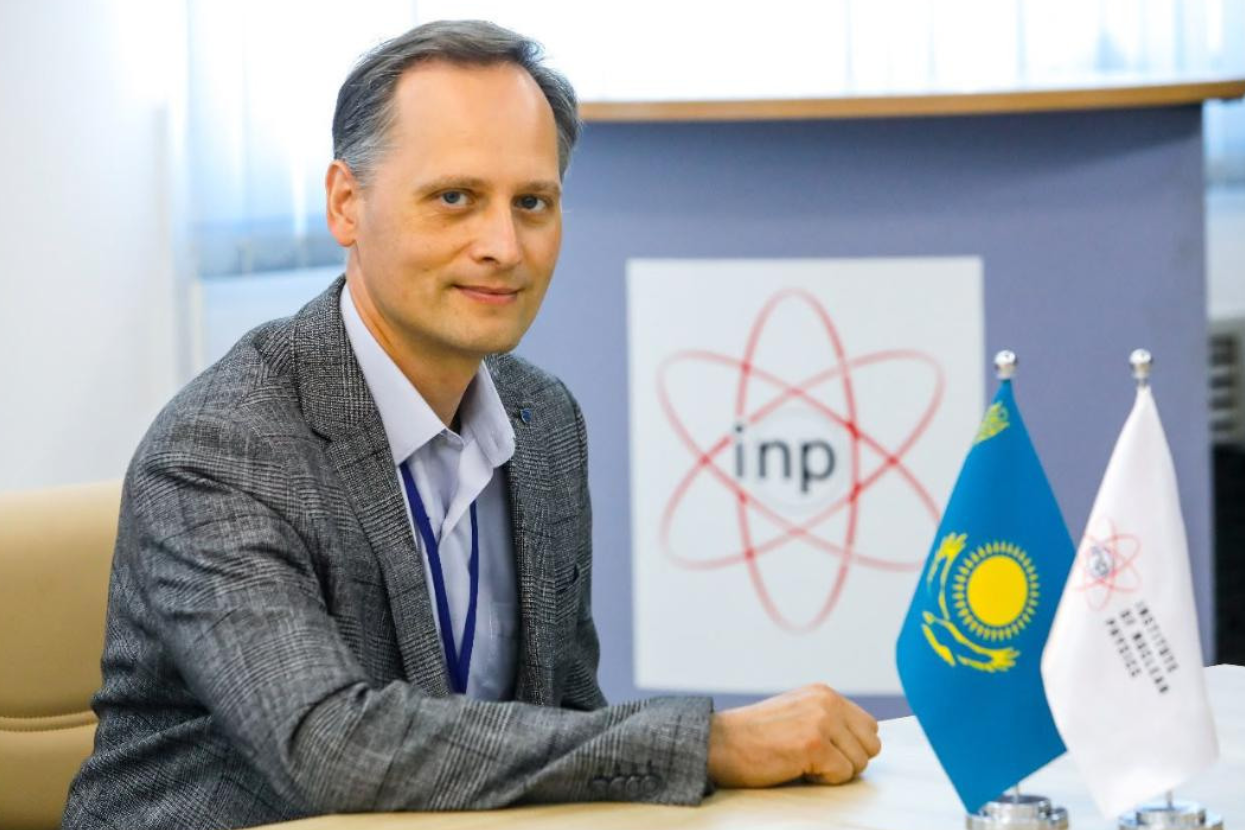
Kazakh scholars call for integrated radioecological monitoring system in border regions amid Central Asian nuclear power development
As energy demand continues to grow in Central Asian countries, nuclear power is becoming an important direction in regional energy policy. Kazakhstan has decided to build its own nuclear power plant, while neighboring countries such as Uzbekistan are also advancing or preparing similar projects. Nuclear energy is regarded as a key option for ensuring electricity supply and reducing greenhouse gas emissions, but its development cannot be limited to the construction of power plants alone. It must be accompanied by a comprehensive ecological and radiation safety assurance system, particularly in areas where cross-border impacts may exist. Although modern nuclear power plants are designed in accordance with strict international safety standards, environmental monitoring cannot be predicated on the probability of accidents. The impact of large industrial facilities on the surrounding environment requires...
2026-08-10
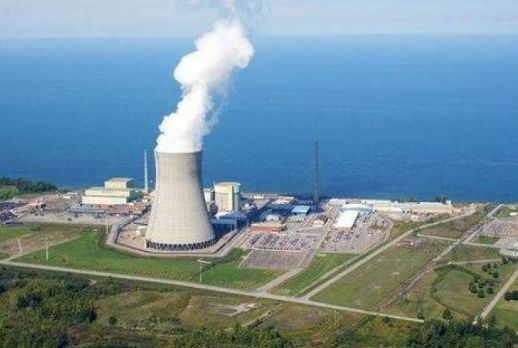
Vietnam's Nuclear and Radiation Safety Inspectorate Accelerates Year-End Efforts: Surprise Inspections + 20 National Standards + Institutional Closure
Vietnam's Radiation Protection and Nuclear Safety Inspectorate (ATBXHN) entered an accelerated implementation phase for key tasks in the final months of 2026, with work priorities including completing the annual inspection plan, strengthening surprise inspections of facilities showing signs of violations, strictly handling violations in accordance with the law, and promptly completing the legal framework for inspection, review, and supervision in the field of radiation protection and nuclear safety. Pham Xuan Linh, Chief Inspector of Nuclear Safety and Security of Vietnam, stated that the relevant inspections are not only aimed at detecting and handling violations but also at enhancing legal compliance awareness among organizations and individuals engaged in atomic energy activities, ensuring nuclear and radiation safety, and protecting public health and the environment. According to the year-end work arrangements, the inspectorate will concentrate...
2026-08-10
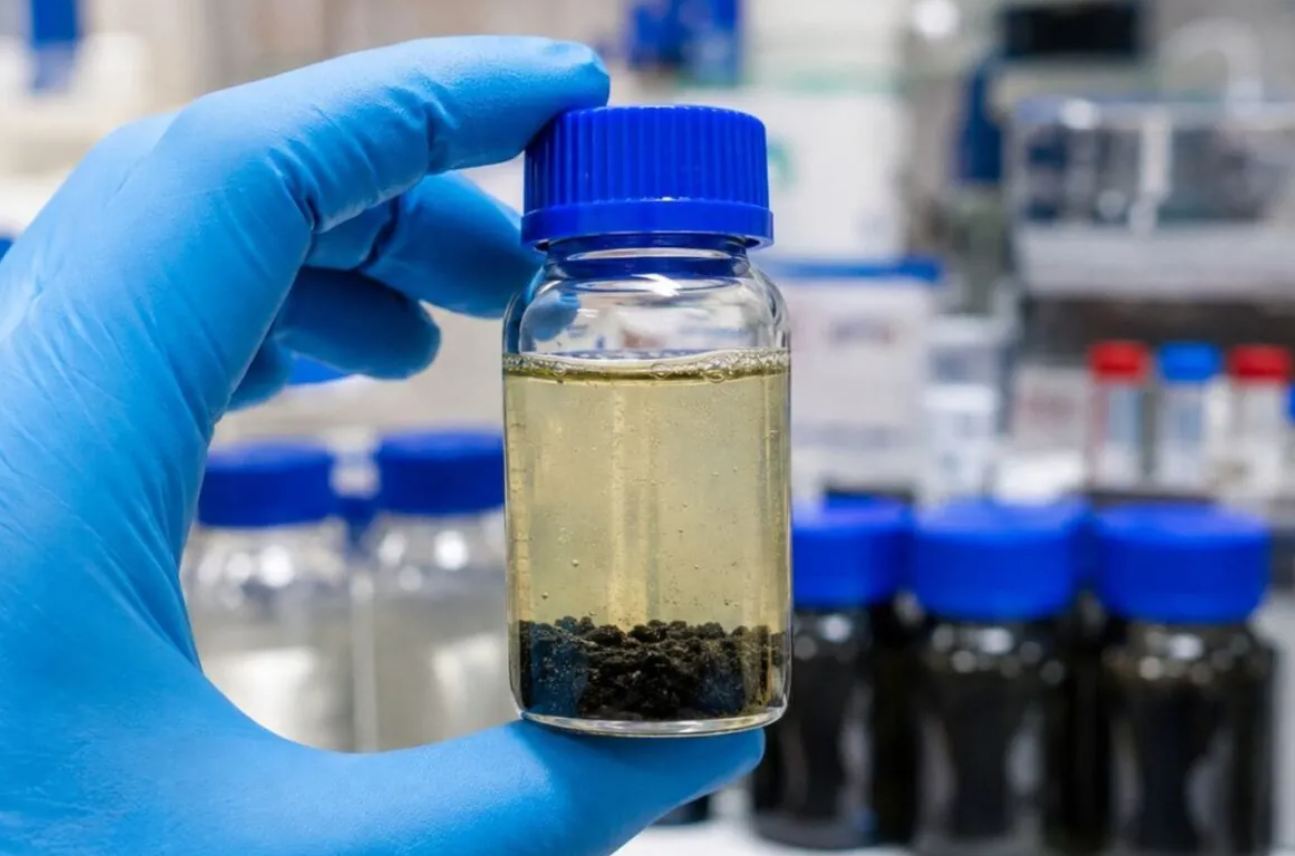
German-Grenoble Joint Experiment: Bacteria Immobilize 96% of Uranium in Mine Water, Offering New Insights for Legacy Uranium Mine Remediation
More than three decades after the closure of the Schlema-Alberoda legacy uranium mine in Saxony, Germany, remediation pressure continues unabated. After the mine workings were flooded, the water still contains approximately 1 milligram of uranium per liter, far exceeding the World Health Organization's provisional guideline value of 0.03 milligrams per liter for drinking water. This means that even though mining has long ceased, contaminated water must still be treated over the long term to prevent radioactive metals from migrating with groundwater into rivers or drinking water sources. A team involving the Helmholtz-Zentrum Dresden-Rossendorf in Germany, the University of Grenoble, and other institutions conducted experiments directly using real water samples from the mine and achieved noteworthy results: after 130...
2026-08-10
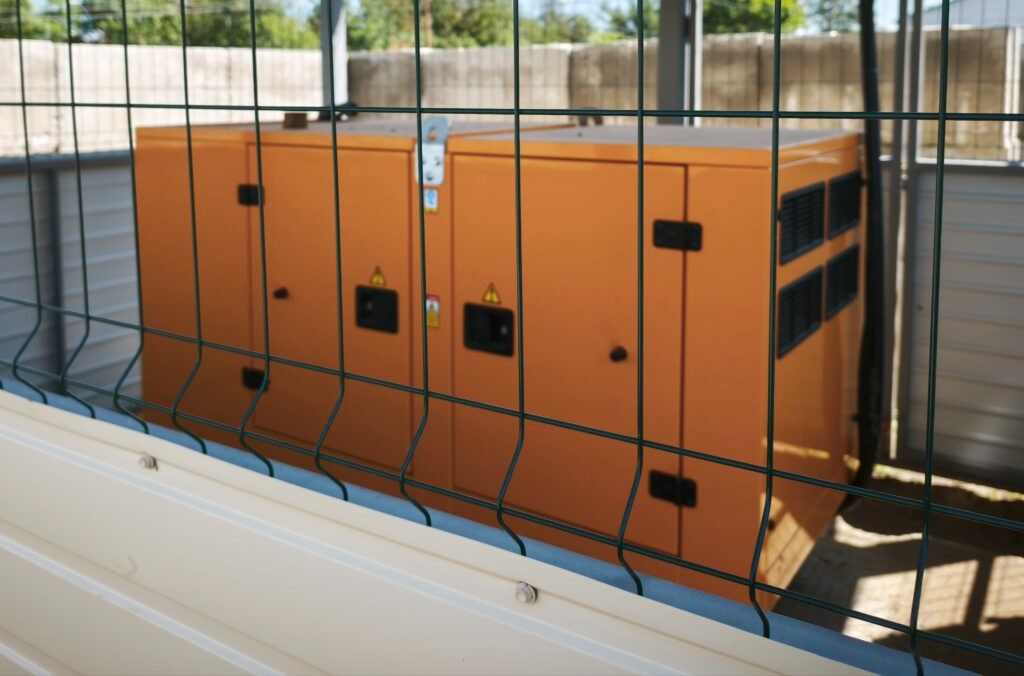
Ukraine's Radon Association Receives EU-Assisted Equipment to Enhance Operational Reliability of IASRM Radiation Monitoring System
On August 4, 2026, the Ukrainian state non-profit company Radon Association received five modern support systems to enhance the uninterrupted operation capability of the Integrated Automated Radiation Monitoring System (IASRM). The project is financially supported by the European Union through the Science and Technology Center in Ukraine, pursuant to Agreement No. INSC/2023/442-610 signed on May 22, 2023. Under the contractual arrangements, the relevant equipment has been delivered to the regional branches of the Radon Association and the central production base branch, with installation completed at the designated facilities. The systems installed this time mainly include backup power supply equipment such as diesel generators, which can provide continuous power to IASRM equipment during main power interruptions or shutdowns, thereby ensuring the normal operation of the radiation monitoring system under abnormal power supply conditions.
2026-08-10
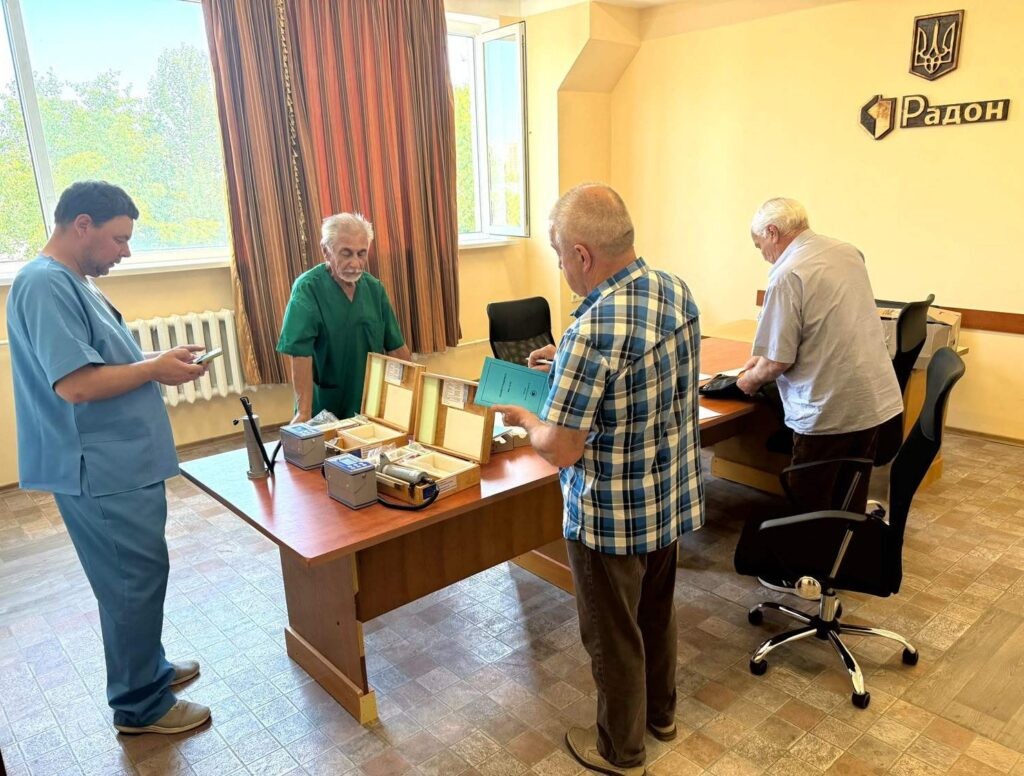
DNT "Radon Association" Receives EU Technical Assistance Equipment to Strengthen Radiation Dose Monitoring Capabilities
On August 4, 2026, under the framework of the EU International Technical Assistance Project, the DNT Radon Association received a batch of modern measurement equipment for radiation dose monitoring, aimed at enhancing radiation monitoring and dose control capabilities. The project is financially supported by the EU through the Science and Technology Center in Ukraine, pursuant to Donor Agreement No. 700001998 signed on June 24, 2024. In accordance with the contractual arrangements, the relevant measurement equipment has been delivered to the Association's interregional branches and central production base branches. Following delivery, the DNT Radon Association conducted acceptance testing of the supplied measurement equipment. The test results demonstrated that the equipment meets the requirements for its intended use. Concurrently, the Association also organized relevant personnel to undergo training in equipment operation and maintenance; upon completion of the training and knowledge assessment, the relevant experts were awarded certificates of completion.
2026-08-10