
Search Results
Keyword:radiation
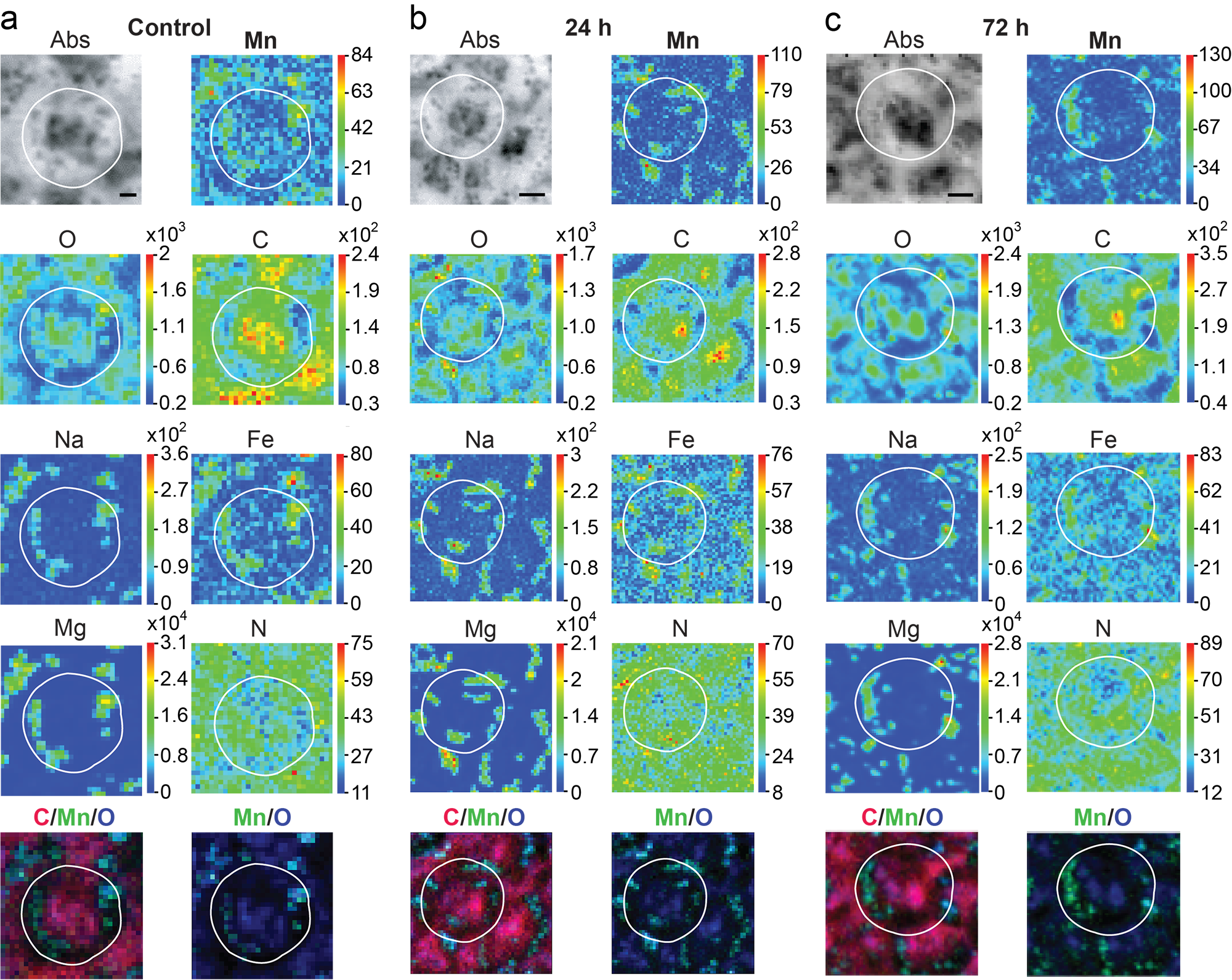
Synchrotron radiation reveals mechanism of acidophilic microalga PM01 tolerating high-concentration manganese
Researchers have used synchrotron radiation techniques to reveal the key mechanism by which an acidophilic green microalga survives in high-concentration manganese environments. The research subject is the acidophilic alga C. acidophila PM01, originally isolated from an acid mine drainage pond, which can survive at manganese concentrations up to 50 mM (approximately 2.75 g/L), making it one of the most manganese-tolerant microalgae reported to date. Manganese is a nutrient element required by organisms, but during processes such as mining, ore processing, and electrolytic manganese production, high concentrations of manganese can enter water bodies and cause pollution. In particular, manganese removal is difficult in acidic waters. Some microorganisms can adapt to such extreme environments, but their tolerance mechanisms still require fine analytical tools to elucidate...
2026-08-10
Radiation Environment Monitoring Technical Center of the Ministry of Ecology and Environment Visits Tibet to Conduct Research and Assistance on Radiation Environment Monitoring Capacity
Recently, in accordance with the work deployment of the Nuclear Facility Safety Supervision Department of the Ministry of Ecology and Environment (MEE), a team led by relevant officials from the Radiation Environment Monitoring Technical Center of the MEE visited the Radiation Environment Supervision Station of the Tibet Autonomous Region (hereinafter referred to as the Tibet Station) to conduct research, assistance, and technical guidance on radiation environment monitoring capacity. The working group was dispatched in batches to key cities including Lhasa, Nagqu, Shigatse, and Ngari, and systematically reviewed the current status of radiation monitoring capacity in the Tibet Autonomous Region through thematic seminars, on-site inspections, and hands-on training sessions. They conducted on-site assessments of the operation and maintenance challenges of the national-controlled radiation environment air automatic monitoring stations in Tibet, benchmarked against actual needs, identified shortcomings in capacity building, and implemented targeted measures to resolve bottlenecks in network operation. At the research symposium...
2026-08-10
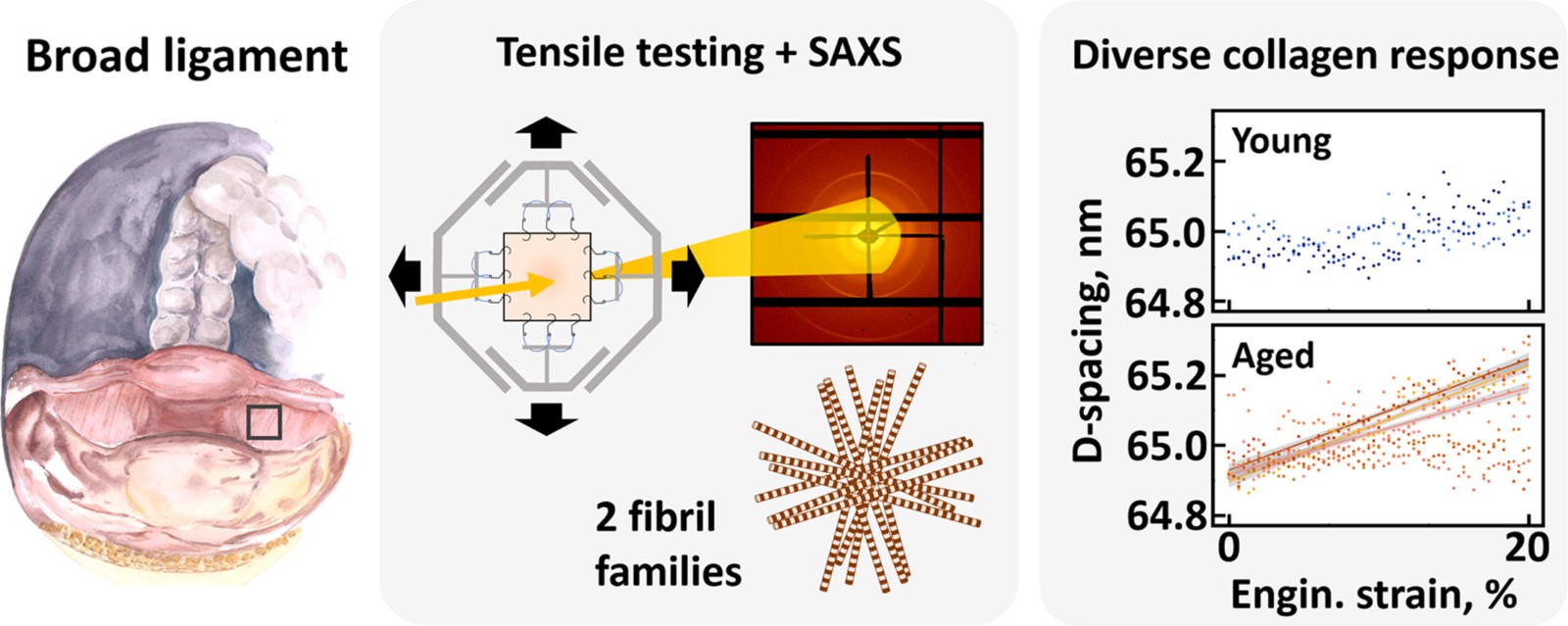
PETRA III Synchrotron Radiation Study Reveals New Clues to Aging Mechanisms of the Uterine Broad Ligament
Austrian and German research teams recently used the PETRA III facility at the German Electron Synchrotron (DESY) to conduct X-ray analysis of the broad ligament, an important ligament supporting the uterus, providing new biomechanical clues for understanding the mechanisms of pelvic organ prolapse. The findings were published in *Acta Biomaterialia*. Pelvic organ prolapse is a common but poorly understood issue in women's health, affecting approximately 40% of women, and predominantly occurring in the latter half of life. Medical researchers have previously speculated that age-related loosening of the ligaments surrounding the uterus may be a significant contributing factor to prolapse. The broad ligament connects the uterus to the pelvic wall, and its strength and elasticity primarily derive from collagen...
2026-08-09

Microchip Launches Radiation-Tolerant Six-Output Programmable Clock Generator DSA504RT
Microchip Technology Inc. of the United States has launched the DSA504RT radiation-tolerant six-output programmable clock generator, targeting spacecraft and other aerospace and defense high-reliability electronic systems, designed to simplify timing architectures in complex systems. Spacecraft electronics typically require highly stable time references for missions such as navigation, communications, and scientific payloads, especially in environments where global navigation satellite system (GNSS) signals may be unavailable or subject to interference. Traditional solutions often rely on multiple oscillators, buffers, and timing devices to provide clock signals to different subsystems, resulting in increased component count, higher system mass, and greater circuit complexity...
2026-08-09

UAB startup LifeNuclear launches TheraGuide, a radiation safety guidance platform for radiopharmaceutical therapy
On August 7, LifeNuclear, a medical technology startup incubated by the University of Alabama at Birmingham (UAB), announced the launch of TheraGuide, a digital platform designed to help patients undergoing radiopharmaceutical cancer treatment understand and follow radiation safety guidance after discharge. Radiopharmaceutical therapy uses radioactive drugs to target cancer cells while minimizing damage to surrounding healthy tissue. As the therapy's applications expand, patients are typically required to read and follow complex written instructions after treatment, which can be difficult for some patients and caregivers to understand and execute. Dr. Remo George LifeNuclear was founded by UAB...
2026-08-08

South Korea Plans to Upgrade National Radiation Monitoring System to Address Impacts of Overseas Nuclear Facility Accidents
South Korea's Nuclear Safety and Security Commission is pushing to strengthen the national radiation monitoring system, bringing radioactive contamination of the domestic environment caused by potential overseas nuclear facility accidents into institutionalized regulatory scope. According to partial amendments to the Enforcement Decree and Enforcement Rules of the Atomic Energy Safety Act pre-announced on August 7, South Korea will incorporate radioactive contamination surveys into existing radiation environment surveys and environmental radioactivity monitoring and evaluation operations, entrusting the Korea Institute of Nuclear Safety with the execution of related survey work. This institutional adjustment is a supporting measure following South Korea's revision of the Atomic Energy Safety Act in February this year, with the relevant law set to take effect on February 20, 2027. The core of the amendment lies in that when overseas...
2026-08-09
U.S. NRC Proposes Radiation Protection Rule Changes, Removal of ALARA Requirements Sparks Safety Controversy
The U.S. Nuclear Regulatory Commission (NRC) plans to hold an online public meeting on August 10 to discuss its proposed rule titled "Reforming and Modernizing the NRC's Radiation Protection Framework." The proposal, published on July 15, centers on reexamining the use of the linear no-threshold model in assessing radiation health effects, as well as the as low as reasonably achievable principle—the ALARA principle—derived from that model. Under the proposal, the NRC intends to remove ALARA-related requirements from its regulations and instead adopt a graded dose management framework. This framework would be based on explicit radiation protection thresholds, dose management methods, and acceptable dose measurement approaches. The regulator stated that this move is not about changing exposure standards for workers and...
2026-08-08
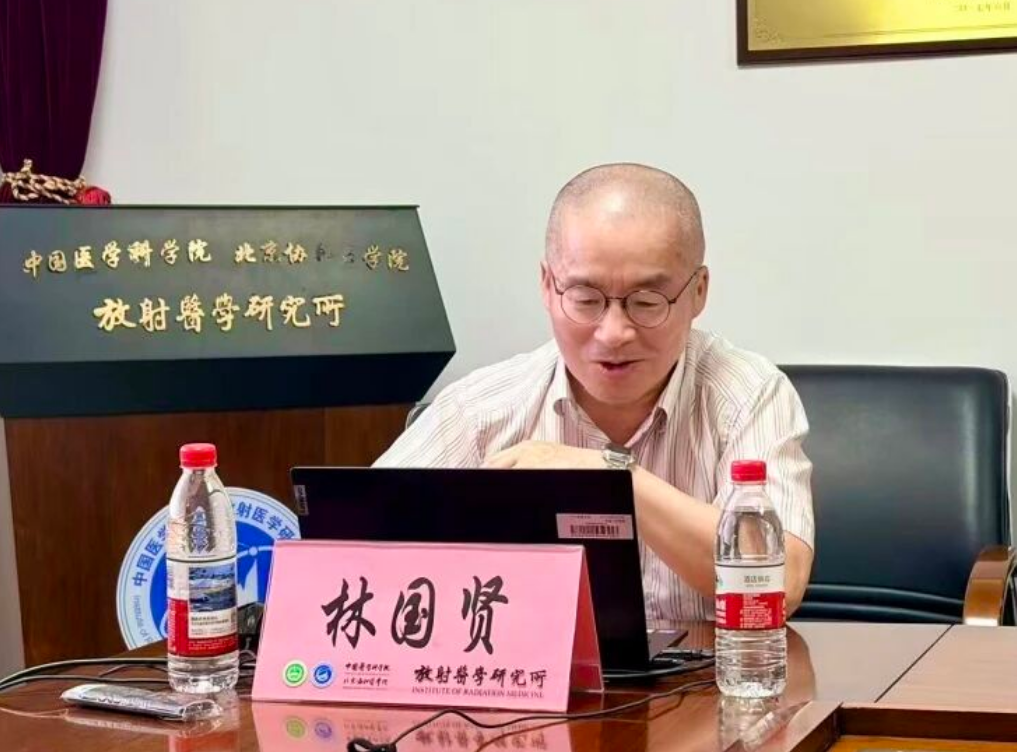
Professor Lin Guoxian from the BC Cancer Agency Delivers Academic Exchange at the Institute of Radiation Medicine, Chinese Academy of Medical Sciences
Lin Guoxian: Professor at the BC Cancer Agency, whose research focuses on the development of targeted radiopharmaceuticals for the diagnosis and treatment of various tumors. To date, he has led/participated in the publication of over 135 peer-reviewed journal articles, filed more than 30 patent applications related to radiopharmaceuticals, and completed the clinical translation of 7 self-developed radiopharmaceuticals for the diagnosis and treatment of multiple tumor types. During the seminar, Professor Lin Guoxian, based on his team's years of frontier exploration, systematically reviewed the research progress of nuclear drugs targeting PSMA for prostate cancer: first, the molecular design and clinical advantages of F-18 labeled PSMA-targeted PET imaging agents; second, the substantial improvement of tumor targeting of Lu-177 labeled therapeutic radiopharmaceuticals through rational optimization of molecular structures,...
2026-08-07
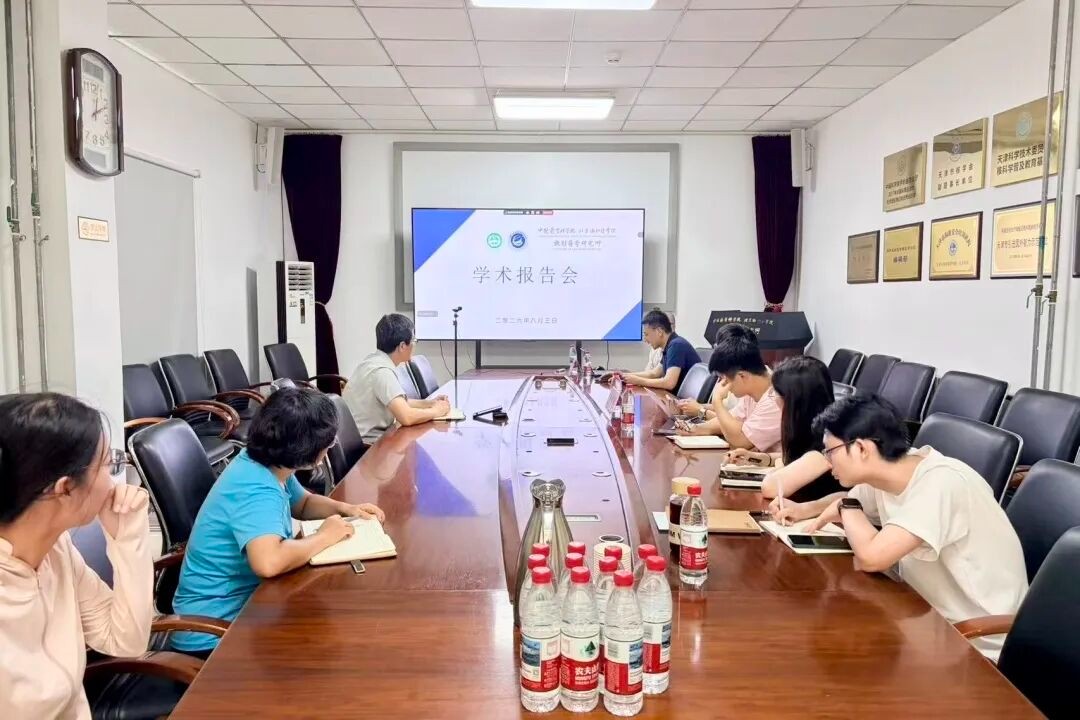
Institute of Radiation Medicine, Chinese Academy of Medical Sciences Hosts Academic Seminar on PSMA-Targeted Radiopharmaceuticals
On August 3, the Institute of Radiation Medicine, Chinese Academy of Medical Sciences held an academic seminar, inviting Professor Lin Guoxian from the BC Cancer Agency in Vancouver, Canada, to deliver a lecture titled "Development of Prostate-Specific Membrane Antigen-Targeted Radiopharmaceuticals for the Diagnosis and Treatment of Prostate Cancer." The seminar was held in a hybrid format, with some researchers and graduate students from the institute attending in person. Professor Lin Guoxian has long been engaged in the development of targeted radiopharmaceuticals for cancer diagnosis and therapy, having led or contributed to the publication of over 135 peer-reviewed journal articles, filed more than 30 patent applications related to radiopharmaceuticals, and completed clinical translation of 7 self-developed radiopharmaceuticals applied in...
2026-08-07

KEK in Japan Completes World's First "Quantum Multi-Beam Utilization" Synchrotron Radiation Beamlines
On August 6, the High Energy Accelerator Research Organization (KEK) announced that the BL-11A and BL-11B beamlines at its Photon Factory (PF) synchrotron radiation experimental facility have been completed as the world's first quantum multi-beam utilization beamlines, enabling the simultaneous use of hard X-ray and soft X-ray beams. According to reports, BL-11A and BL-11B were constructed in collaboration with the Synchrotron Radiation Academic Infrastructure Network. This network consists of synchrotron radiation facilities operated by university joint-use organizations and joint-use/joint-research centers, positioned as scientific research and educational infrastructure. The main feature of the new beamlines is the ability to simultaneously use hard X-ray and soft X-ray under the same experimental conditions, completing observations that previously required separate measurements...
2026-08-07
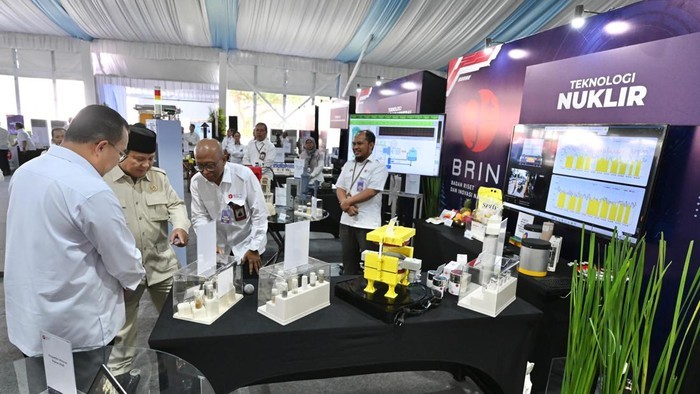
Indonesia's BRIN Showcases Nuclear Technology Research Progress, Covering Radiopharmaceuticals and Food Irradiation Applications
The National Research and Innovation Agency (BRIN) of Indonesia recently showcased its nuclear technology research achievements at the Presidential Palace in Jakarta. BRIN Head Arief Satria stated that the relevant technologies fall within the scope of peaceful uses of nuclear energy, with applications extending beyond energy to also cover food and health sectors. In the health sector, BRIN is developing radiopharmaceuticals for nuclear medicine. These drugs contain radioactive substances and can be used for cancer diagnosis and treatment. Arief stated that radiopharmaceutical research and development is of great significance for cancer detection and therapy. In the food sector, BRIN applies nuclear technology to food preservation, with a focus on irradiation treatment of export fruits. Arief explained that some importing countries re...
2026-08-07
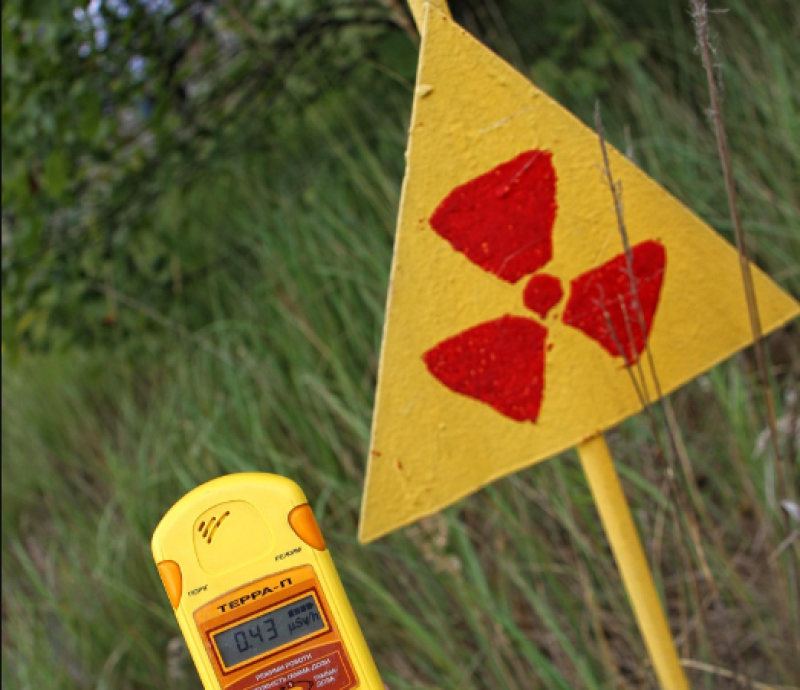
Taiyuan Jinyuan District Conducts Special Inspection on Radiation Safety
To effectively prevent and mitigate radiation safety risks, the Jinyuan Branch of the Taiyuan Municipal Ecology and Environment Bureau in Shanxi Province recently conducted special on-site inspections of radiation-related units within its jurisdiction, with the goals of comprehensive screening, consolidating responsibilities, improving mechanisms, and eliminating hazards, fully reinforcing corporate primary responsibilities and enhancing the standardized management of the radiation environment. The inspection team successively visited Shanxi International Travel Healthcare Center (Taiyuan Customs Port Outpatient Department) and Taiyuan Qimei Obstetrics and Gynecology Hospital Co., Ltd., strictly adhering to relevant laws and regulations, focusing on verifying the operating conditions of radiation devices, protective conditions in operational areas, safety interlock devices, and warning sign placement, while also conducting detailed reviews of radiation safety management systems, daily protection records, staff training files, emergency plans, and self-inspection assessment materials.
2026-08-07
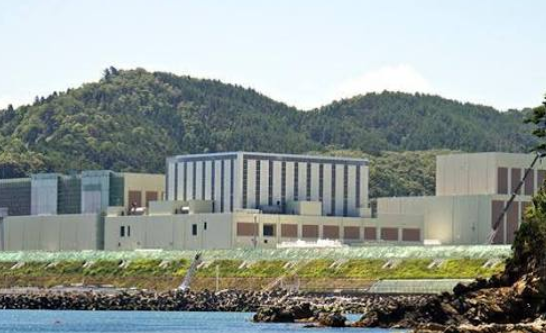
Radiation detector malfunction at Unit 2 of Japan's Onagawa Nuclear Power Plant causes hundreds of abnormal reading fluctuations
Tohoku Electric Power Company of Japan announced on August 6 that a detection equipment malfunction occurred at Unit 2 of the Onagawa Nuclear Power Plant, located in Onagawa Town and Ishinomaki City, Miyagi Prefecture. The issue involved detectors used to measure radiation levels in the main steam lines, which transport steam generated by the reactor to the turbine. Among the four detectors, one displayed readings in the central control room that surged and dropped sharply, repeating hundreds of times. Based on publicly available information, Tohoku Electric has classified this incident as a detector malfunction rather than an abnormal release of radioactive materials or a sudden change in reactor operating conditions. The company stated that the situation does not constitute a problem under security regulations, meaning that from...
2026-08-07
Basic research cracks an application challenge that has persisted for nearly half a century: quantitative prediction of neutron irradiation swelling via ion irradiation
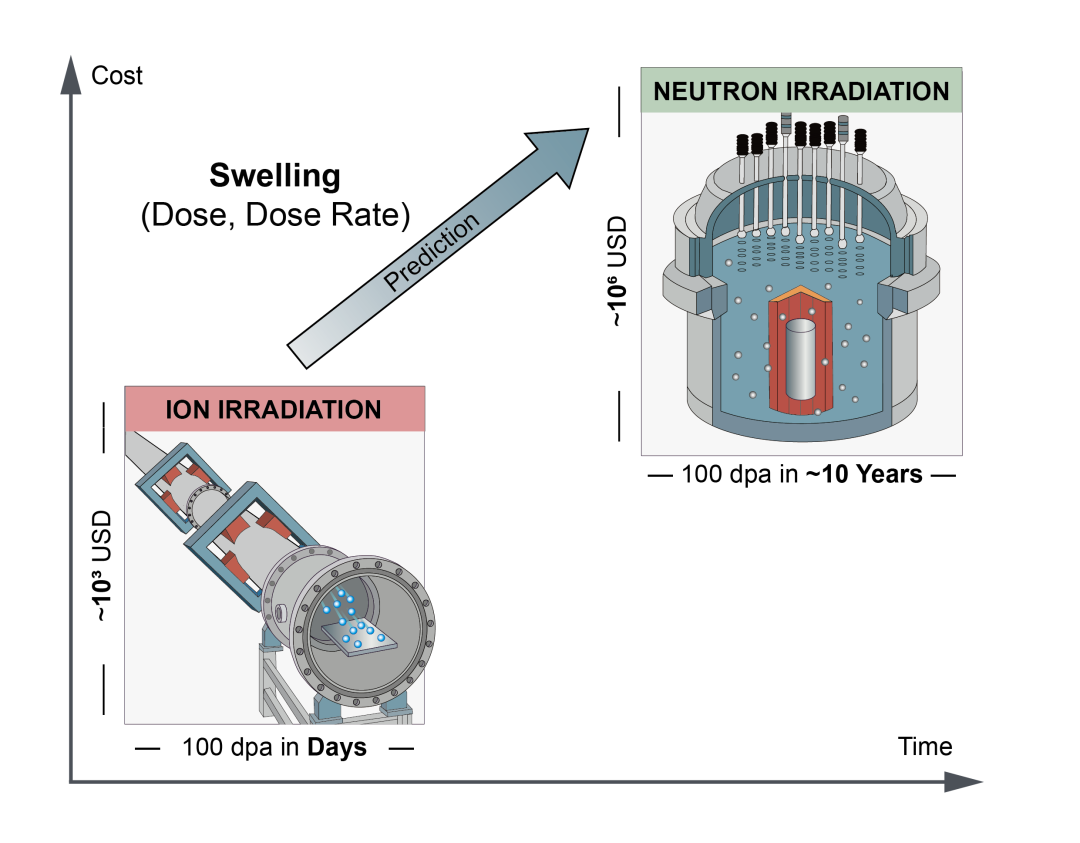
Whether advanced nuclear energy systems can operate safely over the long term depends on the ability of structural materials to resist neutron irradiation damage. Neutrons create numerous atomic-scale defects in materials, which gradually aggregate into nanoscale cavities, ultimately causing material swelling, dimensional instability, and performance degradation. However, obtaining high-dose neutron irradiation data often requires years or even more than a decade, with high costs and post-irradiation sample radioactivity; in contrast, ion irradiation can simulate years of accumulated damage within days and is therefore widely adopted (approximately 95% of irradiation experimental data in existing literature come from ion irradiation). But the dose rate of ion irradiation is typically 3—4 orders of magnitude higher than that of neutron irradiation, making direct conversion between the two results difficult. Recently, the research team of Wang Chenxu and Wang Yugang from the Institute of Heavy Ion Physics, School of Physics, and the State Key Laboratory of Nuclear Physics and Nuclear Technology at Peking University, in collaboration with researchers from the University of Tennessee and other institutions, established a quantitative relationship between material swelling and irradiation dose and dose rate at fixed temperatures based on cluster dynamics simulations, theoretical derivations, and ion irradiation experiments, achieving prediction of neutron irradiation swelling using rapid ion irradiation and providing a new tool for rapid screening and lifetime evaluation of nuclear materials.
2026-08-07
Real-Time Perception, Full-Scope Visibility! CNNC Environmental Protection's "SMARP2.0" Leads a New Paradigm in Nuclear Power Radiation Protection
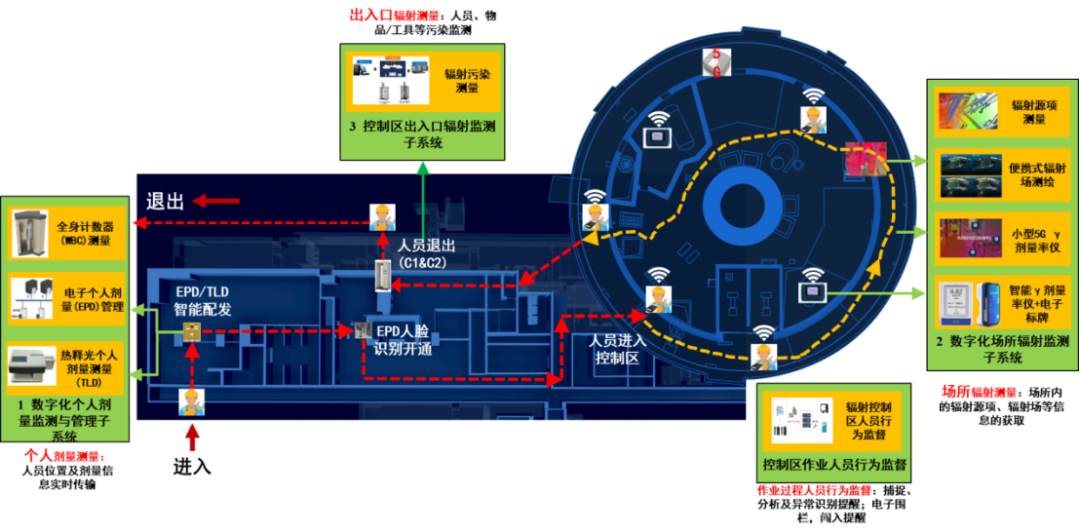
In nuclear power radiation work scenarios, the ability to pre-determine radiation dose levels in various areas has long been an aspiration of countless nuclear industry workers. Now, the SMARP2.0 system developed by the China Institute for Radiation Protection (CIRP), a subsidiary of CNNC Environmental Protection, has turned this vision into reality. Recently, the China Institute for Radiation Protection, under CNNC Environmental Protection, completed the iterative upgrade of the SMARP2.0 digital radiation protection technical support system. This system can pre-calculate radiation dose levels in various areas of nuclear power operations, effectively resolving the long-standing industry challenge where frontline nuclear workers could not grasp on-site radiation conditions in advance, providing robust technical support for optimizing radiation work plans and ensuring worker radiation safety. SMARP2.0...
2026-08-07