
Search Results
Keyword:synchrotron
German BESSY II Research Reveals: Cesium Chloride Seed Layer Can Improve Quality of Perovskite-Silicon Tandem Solar Cells
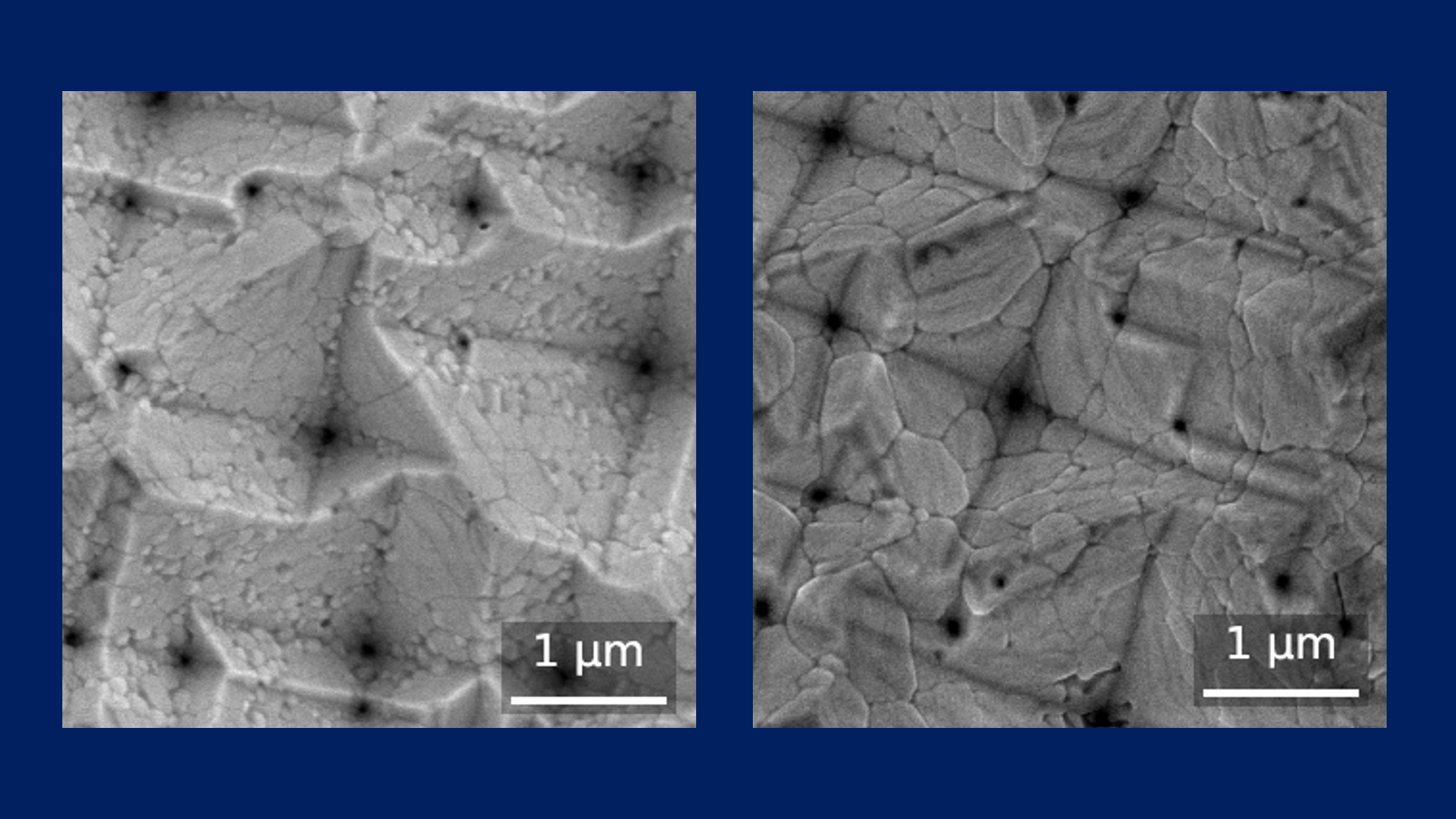
A team from the Helmholtz-Zentrum Berlin (HZB) in Germany used the BESSY II synchrotron radiation facility to conduct nanoscale analysis of perovskite-silicon tandem solar cells fabricated by evaporation methods, and proposed a new approach to improve the quality of perovskite thin films. The study shows that introducing a thin cesium chloride (CsCl) seed layer between the two sub-cells promotes uniform growth of the perovskite layer while reducing undesirable lead iodide deposition at the interface. The research demonstrates that the cesium chloride seed layer improves the growth of the evaporated perovskite layer and reduces the formation of lead iodide. Scanning electron microscopy images show that the perovskite layer grown without a seed layer (left image) consists of extremely fine crystallites...
2026-08-27
Tohoku University and Rigaku Establish Joint Research Institute for X-ray Metrology
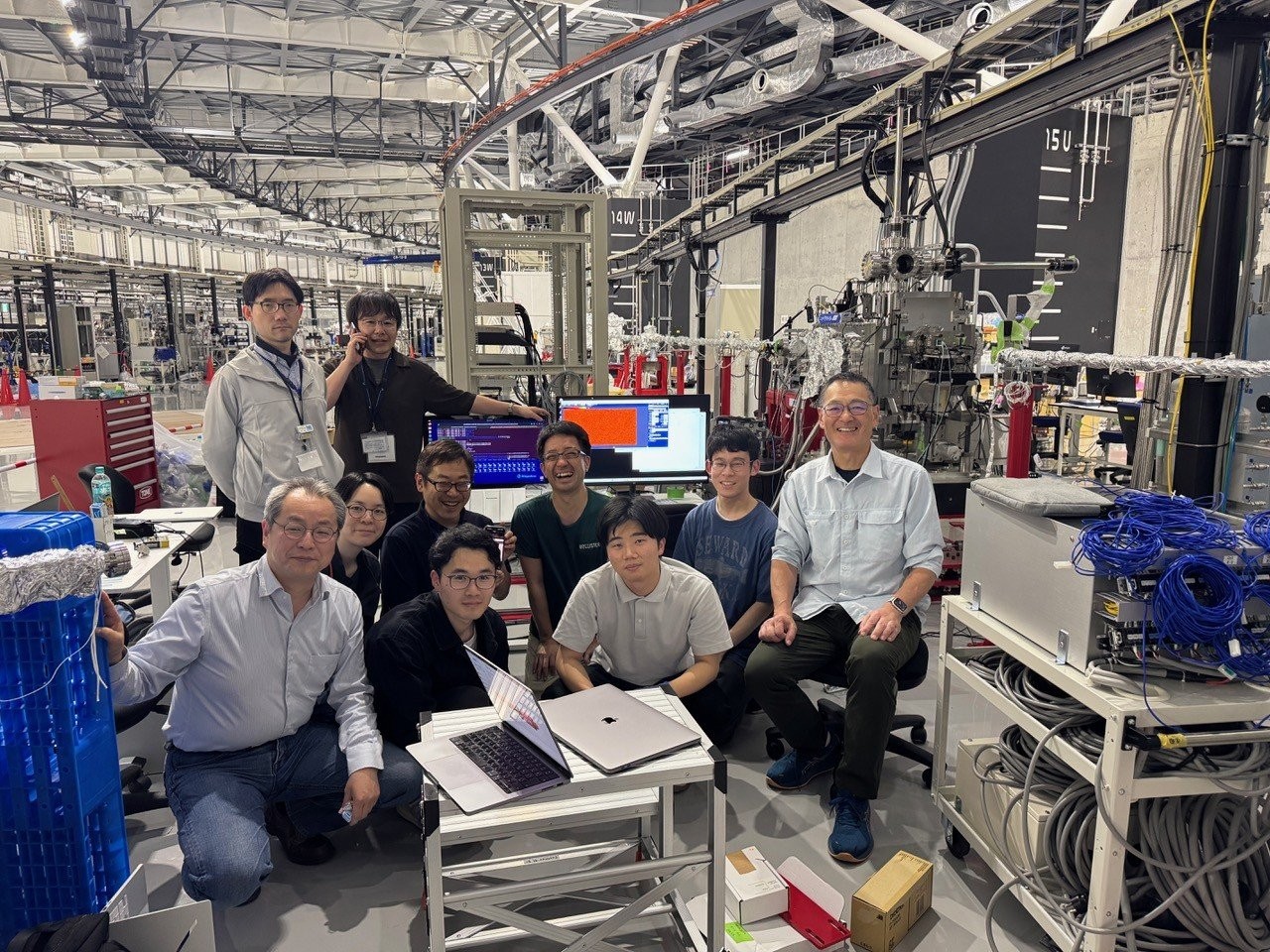
Tohoku University and Rigaku Corporation, a subsidiary of Rigaku Holdings Group, recently announced that they established the "Rigaku-Tohoku University X-ray Metrology Co-Creation Research Institute Beyond The Limits" on August 1, 2026, and commenced joint research. The institute will operate for a period of three years, until July 31, 2029, with the possibility of extension based on research outcomes. According to the announcement, the new institute will focus on upgrading X-ray metrology technologies, establishing new measurement methods, and nurturing the next generation of researchers. As semiconductor devices continue to shrink in size while becoming increasingly multi-layered and multi-material in composition, manufacturing processes are growing more complex, driving rising demand for high-precision, non-destructive evaluation of materials and structures. Existing measurement methods face limitations in evaluating fine structures and precisely analyzing depth-direction structures, making the development of new approaches such as soft X-ray techniques an important direction.
2026-08-27
Canadian Light Source Synchrotron at University of Saskatchewan Receives $3 Million CAD in Upgrade Funding
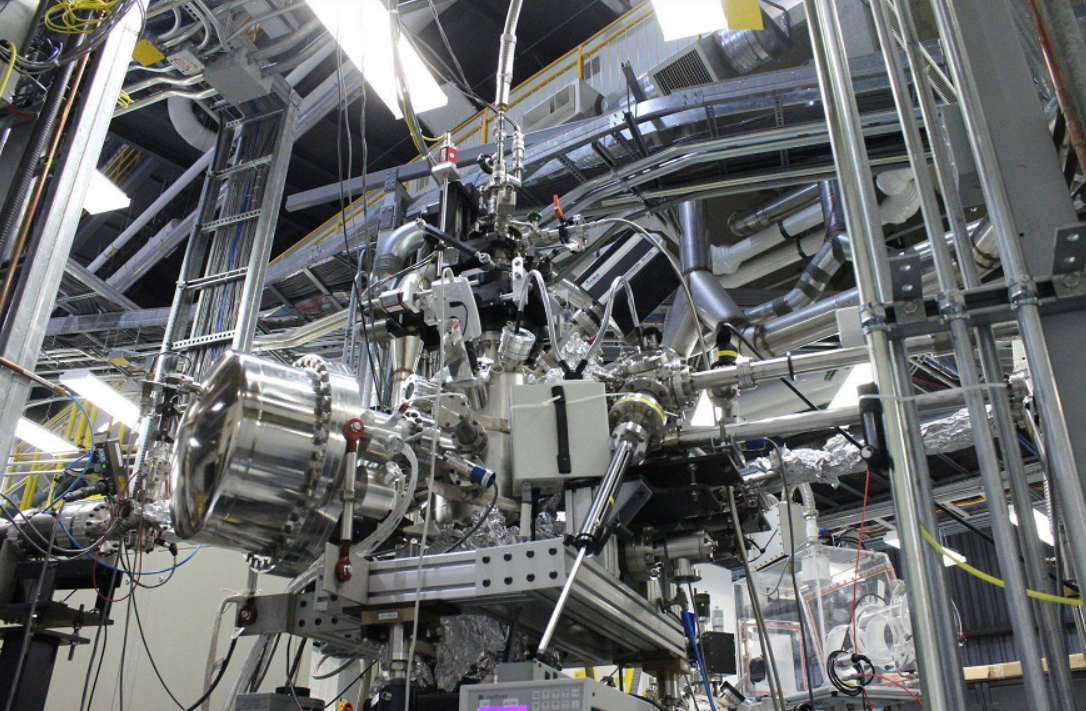
On August 26, Innovation Saskatchewan announced that it will provide $3 million CAD in funding to the Canadian Light Source synchrotron at the University of Saskatchewan to support the installation of an advanced solid-state amplifier, advancing the facility's upgrade efforts. According to reports, this solid-state amplifier is a key component of the Canadian Light Source's core particle accelerator and will support the operation of its 22 synchrotron radiation beamlines. The upgrade is expected to enhance facility performance, operational reliability, and energy efficiency, further strengthening its capacity for cutting-edge scientific research. The Canadian Light Source is Canada's only synchrotron facility. Synchrotrons use electromagnetic fields and radiofrequency waves to accelerate electrons to near the speed of light, keeping them in a circular orbit; as electrons move, they generate high-brightness, highly focused synchrotron radiation beams, which are directed to different experimental beamlines to help researchers study material structures and properties at the atomic scale.
2026-08-27
Russia's SKIF Synchrotron First Scientific User Competition Expected to Launch in Second Half of 2027
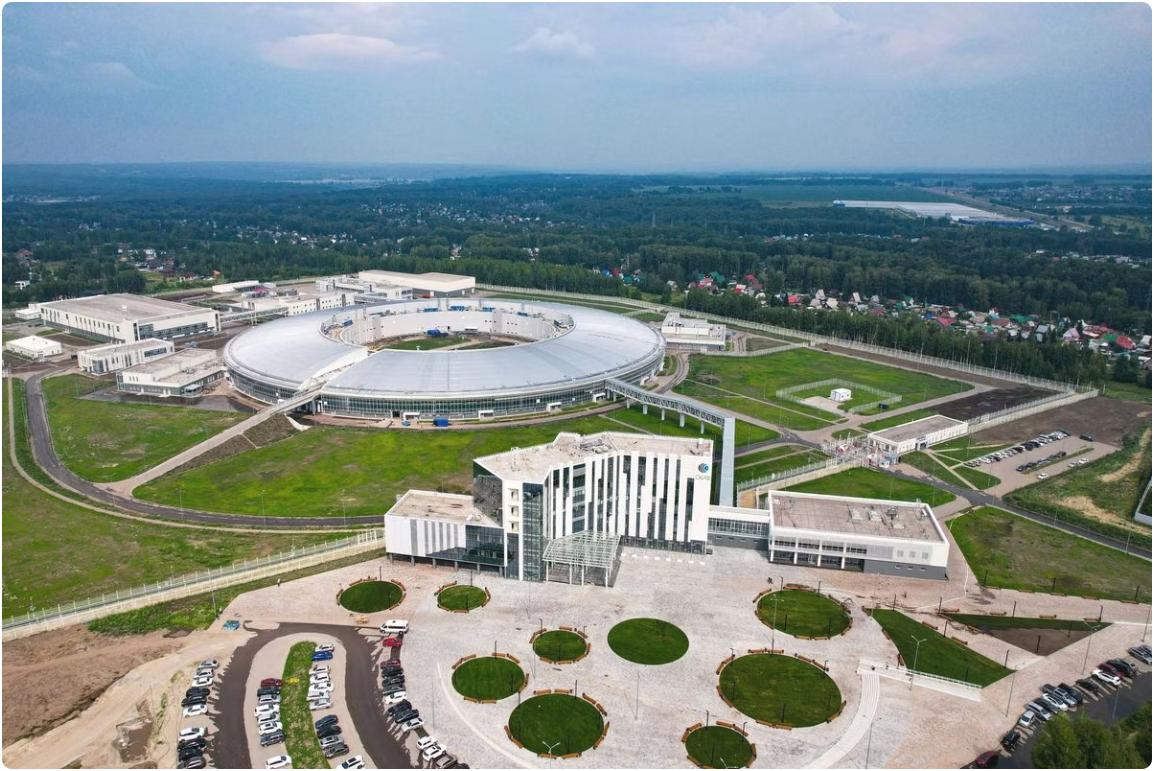
The competition to select the first research teams for the Siberian Circular Photon Source (SKIF) synchrotron in Russia is planned for the second half of 2027. Valery Bukhtiyarov, Director of the Boreskov Institute of Catalysis of the Siberian Branch of the Russian Academy of Sciences, stated at the Technoprom-2026 forum held in Novosibirsk that the first open competition will be launched in the second half of 2027. The institute is responsible for commissioning the construction of this large-scale scientific facility. Bukhtiyarov noted that SKIF is scheduled to receive synchrotron radiation and conduct its first experiments in the autumn. Construction of the facility was completed in June 2026, with an opening ceremony held in August 2026. Once operational, SKIF will use synchrotron radiation to help...
2026-08-27
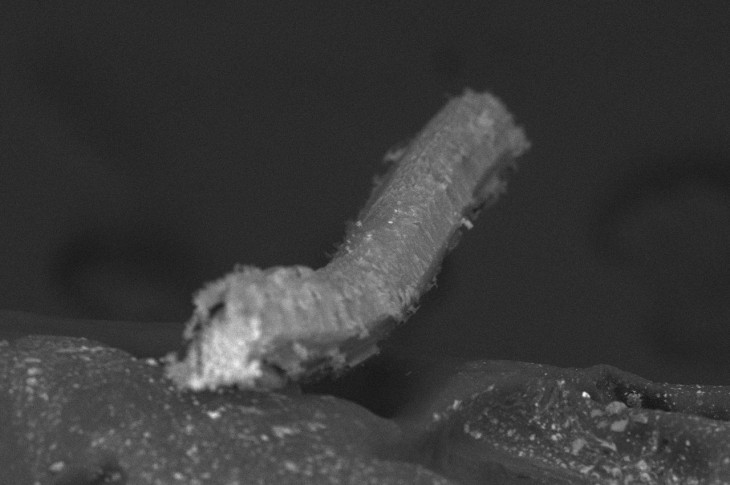
Russian Research Team Proposes New Method for Studying Morphology of Flexible Crystals
Experts from the Siberian Circular Photon Source Collaboration Center and the Institute of Solid State Chemistry and Mechanochemistry of the Siberian Branch of the Russian Academy of Sciences have proposed a comprehensive method for studying the morphology of flexible organic crystals. The method combines computational algorithms, laboratory microscopy techniques, and experimental diffraction studies, and can be used to more reliably determine crystal geometry and facet arrangement. The results have been published in the Journal of Applied Crystallography. Flexible crystals are a relatively rare class of organic crystals that can bend under very small mechanical stress while maintaining lattice integrity. Researchers indicate that among compounds with determined crystal structures, the proportion exhibiting such properties is less than...
2026-08-26

US Advanced Light Source Upgrade Advances, Soft X-ray Brightness to Increase at Least 100-Fold
Lawrence Berkeley National Laboratory in the US is advancing the Advanced Light Source (ALS) synchrotron upgrade project, planning to enhance soft X-ray experimental capabilities through next-generation light source technology, providing higher-precision data support for quantum materials, microelectronics, energy technologies, biological structure research, and AI-assisted scientific research. The project team is working toward the 2029 target. Since the Advanced Light Source began operation in 1993, it has long served research across soft X-ray, ultraviolet, infrared, and hard X-ray wavelength ranges. Researchers worldwide have used the facility's focused beams to observe molecular and material structures at the atomic scale, with results cited in over 18,000 papers...
2026-08-25
Russia's SKIF "Microfocus" experimental station to conduct elemental and structural studies of ores
The Microfocus station, the first experimental station of the Siberian Circular Photon Source (SKIF) Phase 1, will be used to study the elemental composition and structural characteristics of samples in fields such as geology, geophysics, microelectronics, and materials science. The station is being created and integrated by Tomsk Polytechnic University and will in the future serve the exploration and development of hard-to-recover gold, platinum, rare earth elements, and oil reserves. According to reports, the first experiments at the Microfocus station will focus on ore sample studies. Such research is an important step in the development of new deposits, helping researchers more accurately assess deposit reserves, select more suitable extraction methods, and identify promising areas for subsequent exploration. The station employs...
2026-08-25
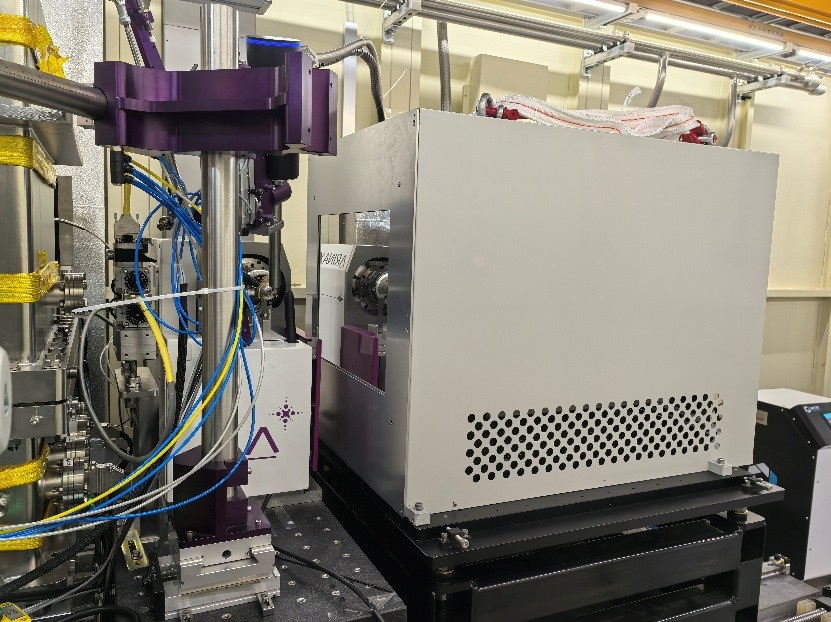
Large-area pixel detector independently developed by the Institute of High Energy Physics, Chinese Academy of Sciences completes long-term online operation validation
Recently, the 6-megapixel large-area two-dimensional pixel array detector independently developed by the detector R&D team of the High Energy Photon Source (HEPS) at the Institute of High Energy Physics, Chinese Academy of Sciences, completed long-term online operation validation. Since its deployment for trial operation at the HEPS Biological Macromolecular Microcrystal Diffraction Beamline in October 2025, it has supported nearly 90 research projects from over 50 research groups as of June 30, 2026. During the trial operation period, the detector accumulated more than 2,000 hours of operation with stable, uninterrupted performance. The beamline and detector teams conducted joint commissioning and optimization, verifying its operational stability and data reliability under complex working conditions. Leveraging the high-quality data collected by this detector, some...
2026-08-24

Kyoto University and NEDO to Build Dedicated Beamline for Hydrogen Energy Research at SPring-8-II
Kyoto University announced on August 20 that it will collaborate with the New Energy and Industrial Technology Development Organization (NEDO) to construct dedicated research equipment for the hydrogen energy field at the large synchrotron radiation facility SPring-8-II, located in Sayo Town, Hyogo Prefecture, Japan. SPring-8-II is scheduled to begin operation in fiscal year 2029. On the 20th, Hajime Kitagawa, Executive Director of Kyoto University (2nd from right), attended a press conference held by Kyoto City government officials. According to the plan, the two parties will install a dedicated beamline at the facility, focusing on hydrogen energy-related research such as fuel cells and hydrogen production via water electrolysis. The beamline will be used to analyze key materials including catalysts and electrolyte membranes in fuel cells and water electrolyzers, leveraging synchrotron radiation to observe material reaction processes and help researchers identify the main factors affecting performance and cost.
2026-08-21
Dodza Completes Equipping of SKIF Shared Center with Automated Radiation Monitoring System
According to news dated August 13, Dodza Nuclear Power Plant has completed the work to equip the Siberian Circular Photon Source Shared Center (SKIF Shared Center) with an automated radiation monitoring system (ARMS). The system will be used for continuous monitoring of the radiation conditions inside the center. The project has been implemented in stages since 2024, covering the main facilities of the SKIF Shared Center, including the injector, storage ring building, and multiple experimental stations. The newly built system features more than 300 monitoring points, enabling continuous monitoring of the radiation environment during facility operation. Under the project arrangement, Dodza Nuclear Power Plant is responsible for equipment supply and supervision of installation and commissioning; equipment installation has also been completed at the experimental stations,...
2026-08-19

Korea's COSMAX Partners with Pohang Accelerator Laboratory to Use Synchrotron Radiation Accelerator for Cosmetics R&D
COSMAX, a global cosmetics ODM company, announced on the 18th that it has signed a memorandum of understanding with the Pohang Accelerator Laboratory (PAL) in Korea to conduct cosmetics R&D using advanced scientific and technological infrastructure such as the synchrotron radiation accelerator. At the MOU signing ceremony held at the Pohang Accelerator Laboratory, COSMAX Group Chairman Lee Kyung-soo (left) poses with PAL Director Kim Jae-young. / Photo provided by COSMAX. According to reports, the Pohang Synchrotron Radiation Accelerator (PLS-II) operated by the Pohang Accelerator Laboratory generates light more than 10 billion times brighter than sunlight, enabling atomic-scale analysis of nanoscale material structures. Currently, the facility has been used for microstructural research across multiple industrial fields, including new drugs, semiconductors, and new materials.
2026-08-18
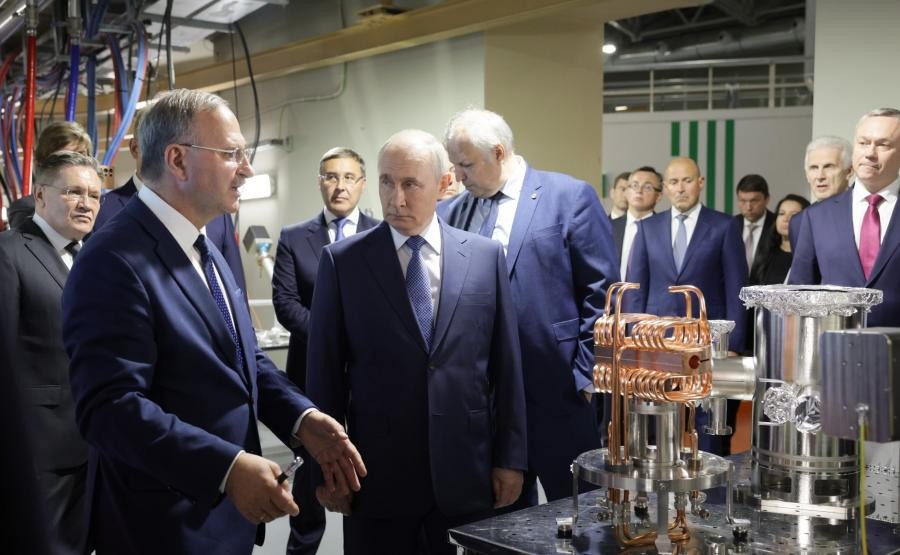
Russia's SKIF Synchrotron Radiation Facility Hailed as a Milestone for Russian Science
On August 13, Russian President Vladimir Putin visited the Koltsovo Science City in Novosibirsk to learn about the operating principles of the Siberian Circular Photon Source (SKIF), a shared-use center. This center is the first facility in a network of modern synchrotron radiation sources being built in Russia, with construction efforts incorporated into the national development program for synchrotron and neutron research and related research infrastructure, covering the period through 2030 and beyond. It was reported that SKIF, with its high-brightness, high-intensity X-ray beams, can serve high-level research in fields such as chemistry, physics, materials science, biology, geology, archaeology, and paleontology. Officials also noted that...
2026-08-14
First batch of experimental stations at Russia's Siberian Circular Photon Source expected to be operational by end of 2026
On August 11, Russian President Vladimir Putin stated at a meeting of the Council for Science and Education that the first research stations of the Siberian Circular Photon Source (SKIF) synchrotron are expected to be commissioned by the end of 2026. At the meeting, Putin noted that the Siberian Circular Photon Source is currently one of the world's most powerful particle accelerators, with some parameters being unique, capable of helping researchers conduct in-depth studies of the structure of matter at the atomic and molecular levels. He also stated that Russia needs to accelerate the development of future technologies, concentrate efforts on priority tasks, and make more efficient use of national strategic scientific resources, including research institutions, advanced digital computing resources, and unique biological resources. The Siberian Circular Photon...
2026-08-12
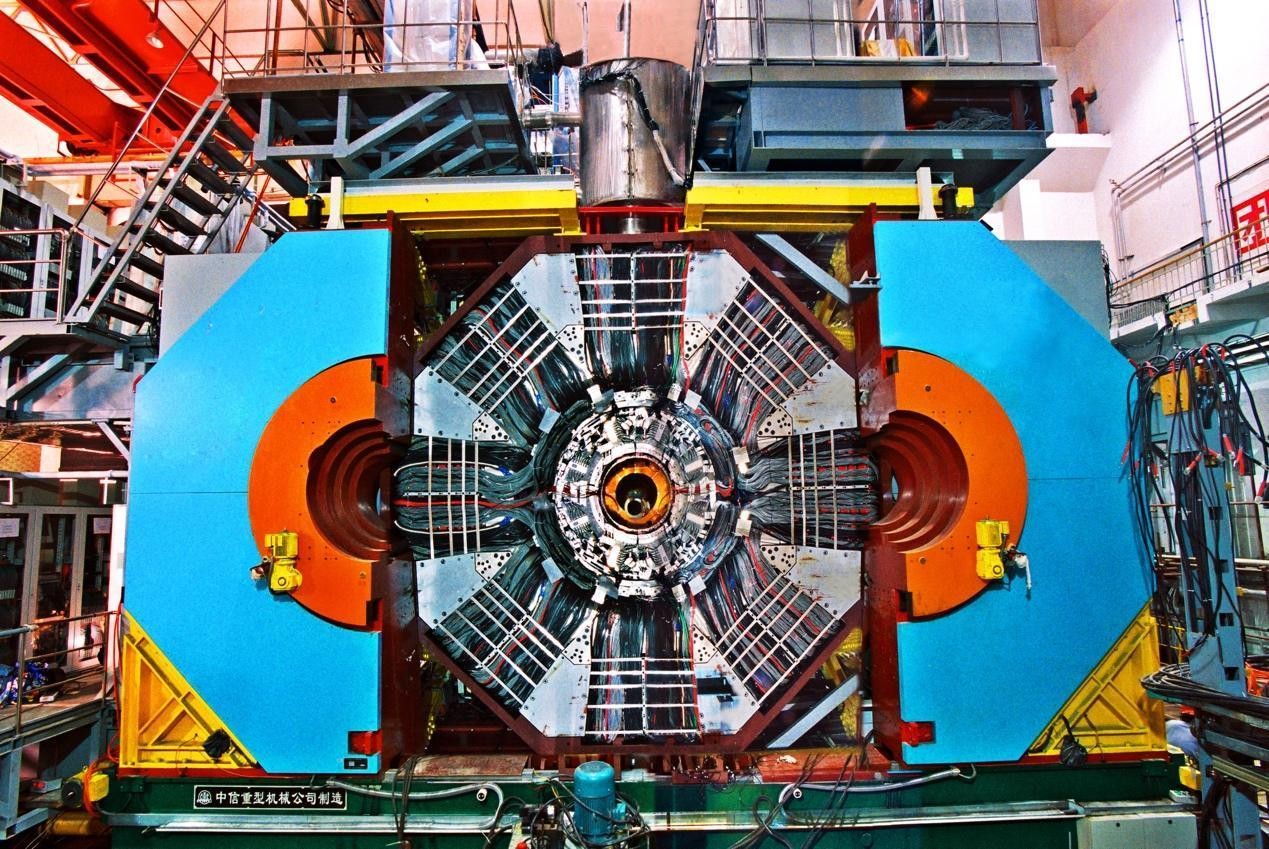
"Smashing Out" More New Particles Unknown to Humanity — Exploring the Upgraded Beijing Electron-Positron Collider After Its Second Renovation
Beside Yuquan Road in Beijing, beneath an ancient courtyard surrounded by lush greenery, lies a giant scientific facility shaped like a badminton racket — the Beijing Electron-Positron Collider. Inside this 240-meter-circumference ring-shaped device, electrons and positrons can be accelerated to near the speed of light and smashed head-on into each other. By studying the microscopic particles produced in these collisions, scientists explore the fundamental laws governing the microscopic world, verify existing physical theories, and search for unknown new particles. Recently, a reporter visited this facility to uncover the secrets of this national heavyweight that has just completed its second major upgrade. After this renovation, key indicators such as collision energy and collision luminosity have been significantly improved, achieving a historic breakthrough in core performance. Since its completion...
2026-08-11
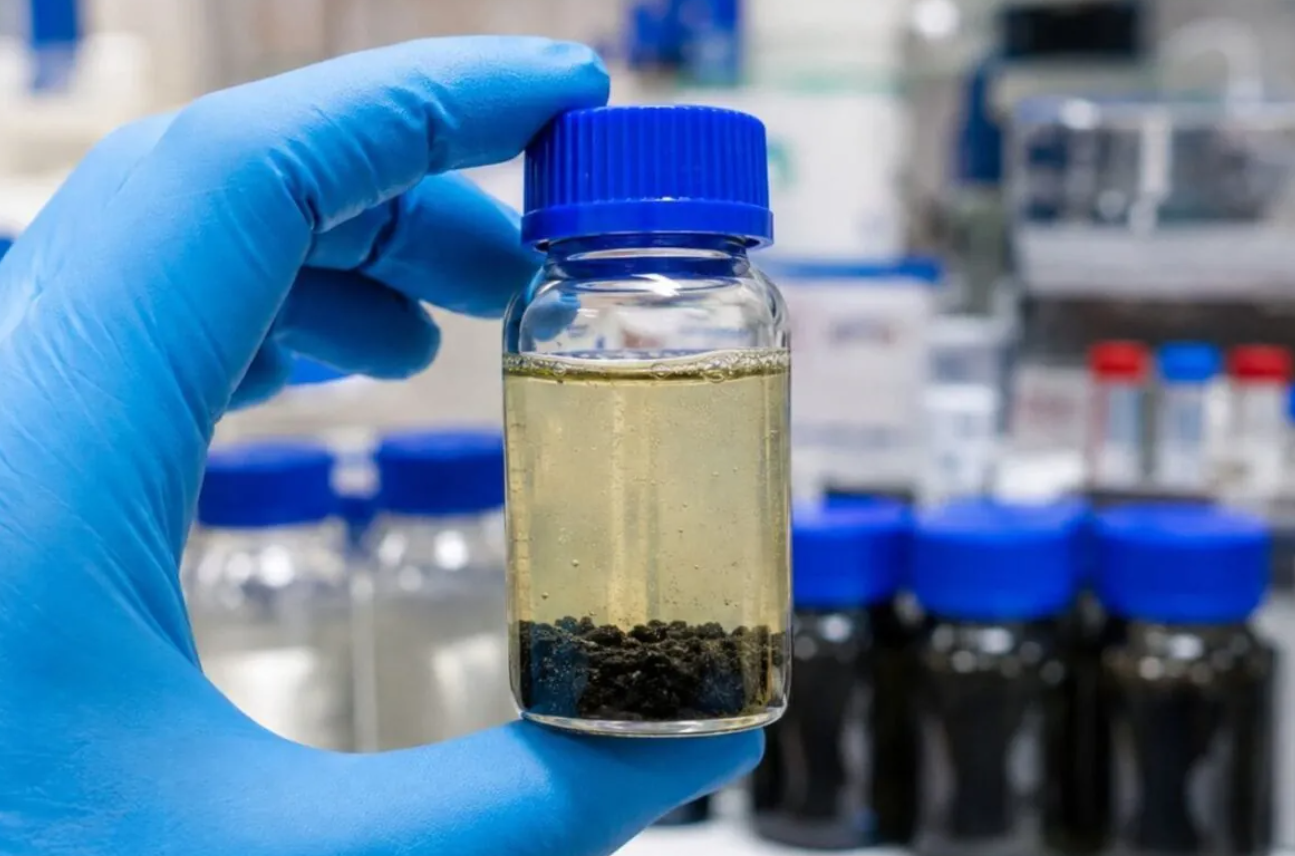
German-Grenoble Joint Experiment: Bacteria Immobilize 96% of Uranium in Mine Water, Offering New Insights for Legacy Uranium Mine Remediation
More than three decades after the closure of the Schlema-Alberoda legacy uranium mine in Saxony, Germany, remediation pressure continues unabated. After the mine workings were flooded, the water still contains approximately 1 milligram of uranium per liter, far exceeding the World Health Organization's provisional guideline value of 0.03 milligrams per liter for drinking water. This means that even though mining has long ceased, contaminated water must still be treated over the long term to prevent radioactive metals from migrating with groundwater into rivers or drinking water sources. A team involving the Helmholtz-Zentrum Dresden-Rossendorf in Germany, the University of Grenoble, and other institutions conducted experiments directly using real water samples from the mine and achieved noteworthy results: after 130...
2026-08-10