
Search Results
Keyword:testing
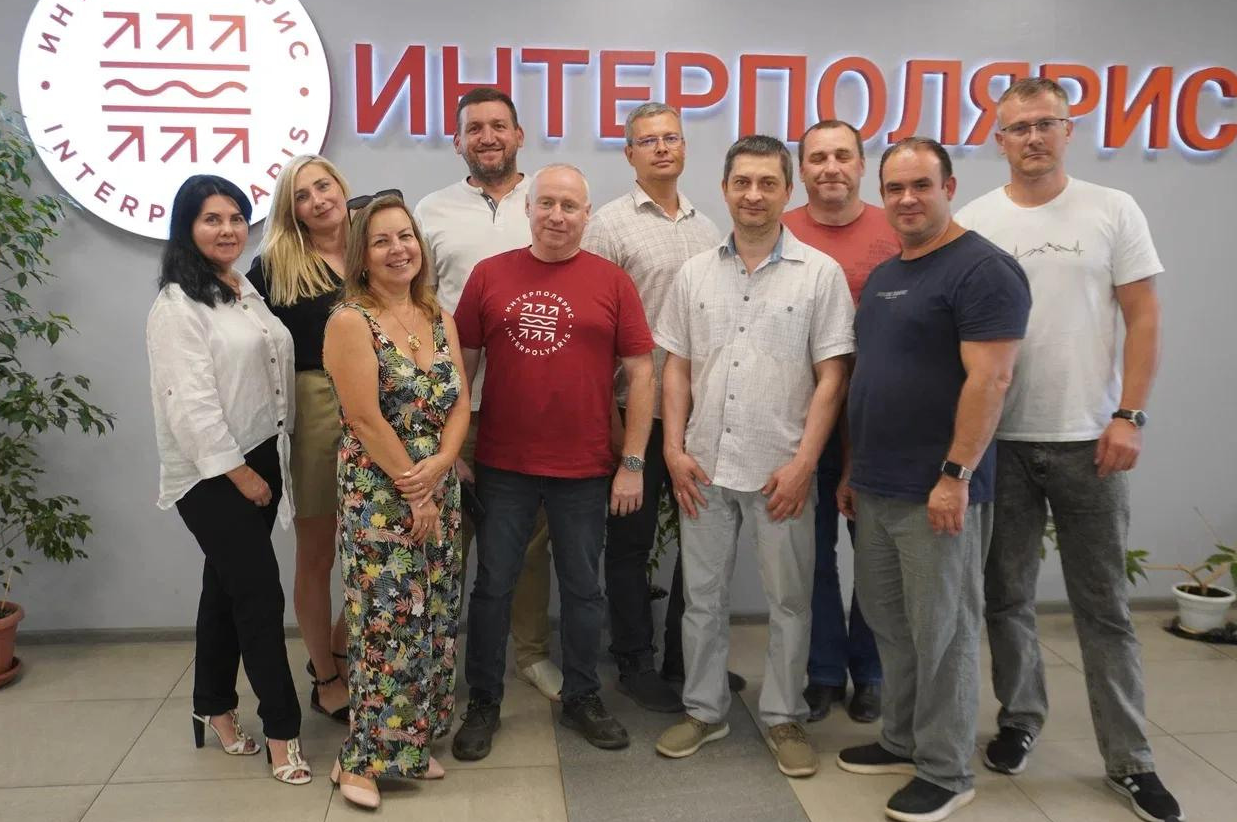
Russian Company InterPolaris Completes Testing of Heat Exchangers and Mechanical Filters for Nuclear-Powered Icebreakers
Russian company InterPolaris has achieved a significant milestone in the manufacturing project of equipment for nuclear-powered icebreakers, successfully completing tests on two shell-and-tube heat exchangers and two mechanical filters. These units are designed for the specific operating environment of nuclear-powered icebreakers, and passing the tests means the products meet design requirements in terms of strength, sealing, stability, and long-term service capability. The shell-and-tube heat exchangers that passed verification are primarily used to heat water containing decontamination solutions using heating steam. Although this is a common heat exchange process in principle, in the icebreaker application scenario, the equipment must meet requirements far exceeding ordinary industrial standards. This horizontally arranged equipment is designed with consideration for continuous operation under prolonged ship listing conditions, with fixed structures capable of withstanding loads from various directions, and is required to maintain stable parameters and reliable sealing under complex sea conditions and operating regimes.
2026-08-09
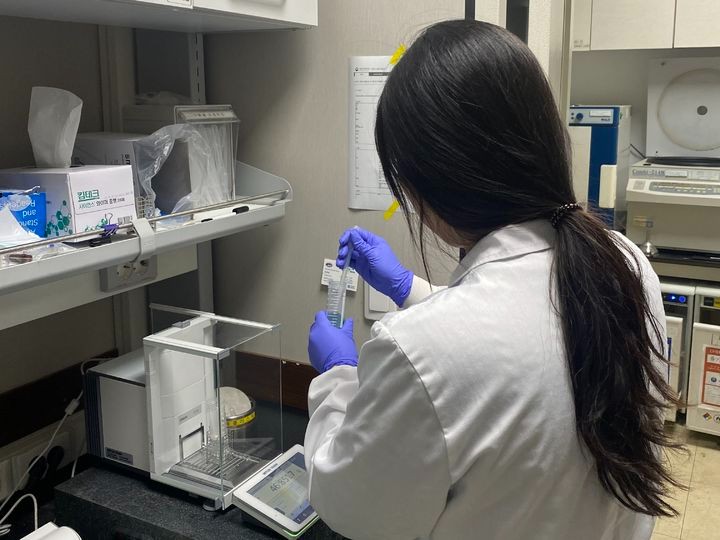
Radioactivity test results for agricultural and fishery products in North Chungcheong Province, South Korea, pass standards in first half of the year
The Chungcheongbuk-do Institute of Health and Environment announced on August 7 that it conducted radioactivity safety testing on agricultural and fishery products sold and used within the province in the first half of this year, and the results showed that all relevant samples met food radioactivity safety standards. The testing covered 119 types of agricultural products and 274 types of fishery products sold at large supermarkets, local food direct-sale stores, or used as ingredients for school meals. Testing items included indicators such as radioactive iodine, radioactive cesium, and tritium. The test results showed that the levels of radioactive iodine and radioactive cesium in the samples did not exceed the permissible limit of 100 Bq/kg for food radioactivity; tritium was not detected in any of the 80 seafood samples. The relevant test results can be found on the Chungcheongbuk-do Institute of Health and Environment website.
2026-08-07
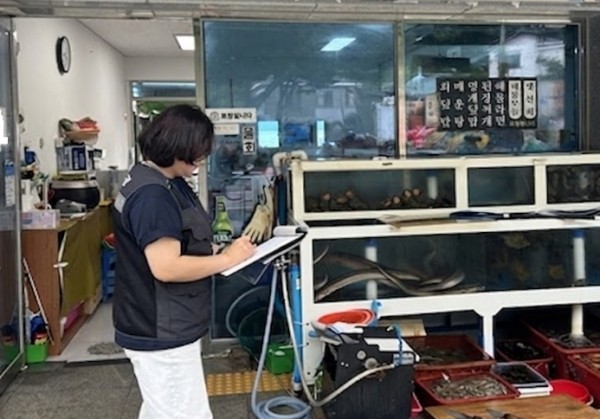
South Gyeongsang Province Completes 380 Food Radioactivity Tests in First Half of Year, All Meeting Standards
The Gyeongsangnam-do Institute of Health and Environment recently announced that in the first half of this year, it conducted radioactivity testing on agricultural products, aquatic products, and processed foods already in circulation, completing tests on 380 samples. Testing items included radioactive iodine, radioactive cesium, and tritium, with all results meeting food radiation-related standards. According to the institute, it continues to conduct radiation monitoring on foods with high market consumption to ensure the daily dietary safety of residents. Of the 380 tests completed in the first half of this year, 338 were for iodine and cesium, and 42 were for tritium, with no samples exceeding permissible levels. In terms of monitoring methods, the institute has established a...
2026-07-27
ÚJV Řež completes irradiation testing of cable samples for CERN, verifying material radiation resistance
On August 3, the Radiation Chemistry and Environmental Qualification Department of ÚJV Řež stated that it had completed irradiation testing of cable samples for the European Organization for Nuclear Research (CERN) research team within a relatively short period, and submitted the test results required for subsequent research. The purpose of this testing was to confirm whether the relevant material samples could maintain reliable performance under high-radiation environments. ÚJV Řež has long been engaged in environmental qualification and cable lifetime management, with capabilities in radiation aging, thermal aging simulation, and testing of material mechanical and electrical properties. Through these tests, researchers can assess the tolerance limits of materials in harsh environments, providing a basis for equipment selection, operation and maintenance, and subsequent experiments...
2026-08-05
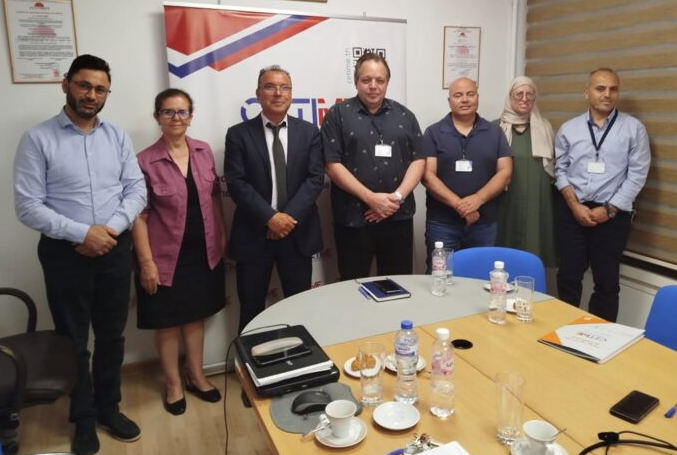
Tunisia Aims to Become Africa's NDT Benchmark with IAEA and Nuclear Science Center Support
To explore avenues for cooperation in Tunisia around non-destructive testing (NDT) and industrial applications of nuclear technology, the Technical Center for Mechanical and Electrical Industries (CETIME) hosted a joint delegation from the International Atomic Energy Agency (IAEA) and the National Center for Nuclear Science and Technology (CNSTN). This meeting was part of an initiative launched by these two organizations aimed at raising awareness and understanding of these technologies among institutions that use radioactive tracers and sources for industrial applications. The two sides focused on CETIME's work in non-destructive testing using radioactive sources, as well as joint projects aimed at advancing nuclear and radiation technologies applied to industry, non-destructive testing, and the enhancement of industrial quality. Through this...
2026-08-05
American Fusion Inc Appoints Nuclear Diagnostics Expert as Strategic Advisor in Preparation for Texatron Testing
American Fusion Inc announced on August 3 that it has appointed Dr. Noah D'Amico as a strategic advisor to the company. The company stated that this move will strengthen its scientific, engineering, and advanced diagnostics team configuration, and support the next phase of its Texatron Fusion Engine testing program at Texas Tech University. After joining American Fusion Inc, Dr. D'Amico will continue his roles at Texas Tech University and BlankSlate Innovation, serving as Chief Operating Officer of BlankSlate Innov...
2026-08-04
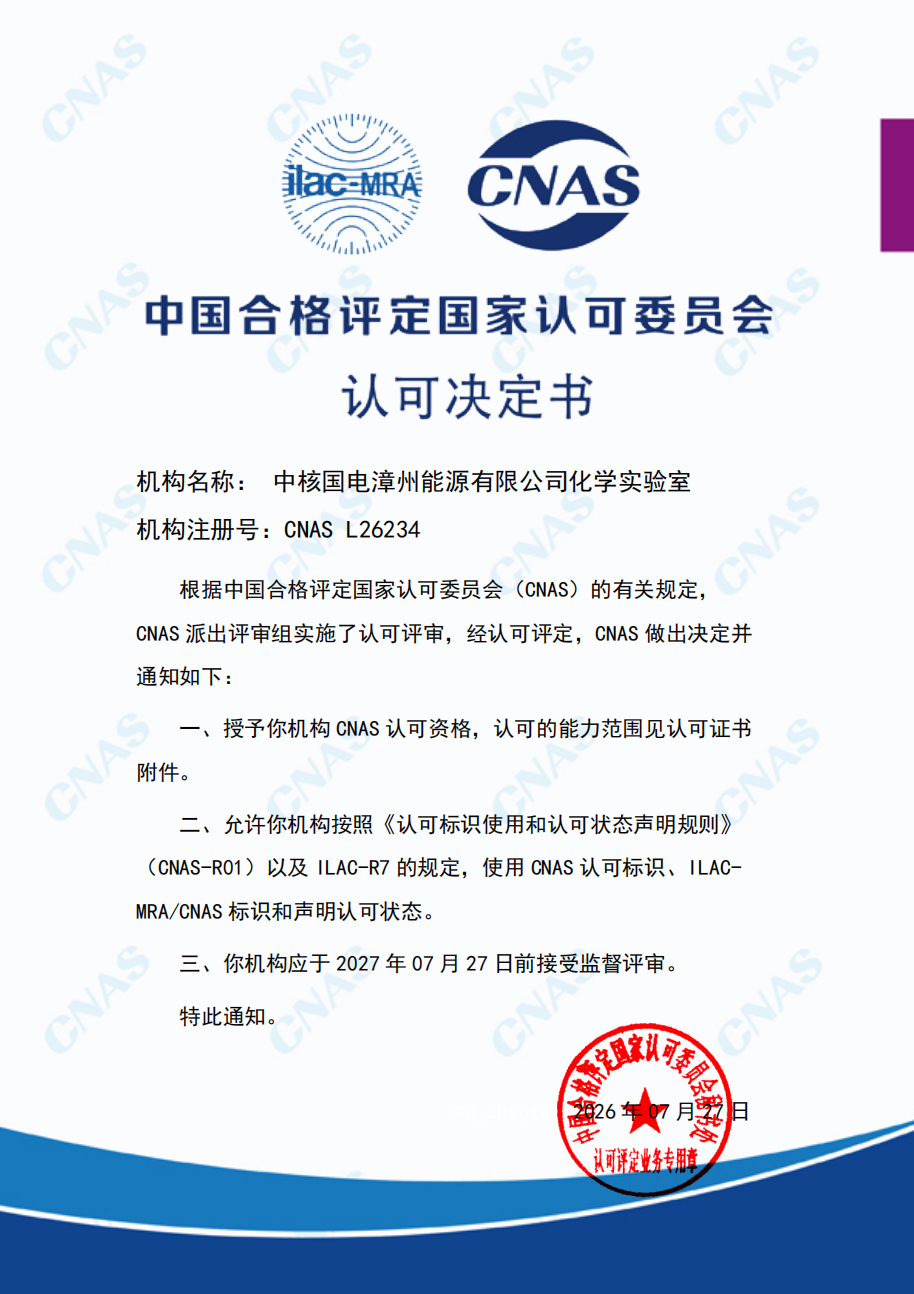
Zhangzhou Energy Chemistry Laboratory Receives CNAS Accreditation
Recently, the Zhangzhou Energy Chemistry Laboratory received the laboratory accreditation certificate issued by the China National Accreditation Service for Conformity Assessment (CNAS). CNAS is the national accreditation body designated by the State Administration for Market Regulation in accordance with the Regulations of the People's Republic of China on Certification and Accreditation and the Measures for the Supervision and Administration of Accreditation Bodies, and its accreditation results can achieve international mutual recognition under the Mutual Recognition Arrangement of the International Accreditation Forum. The company's chemistry laboratory strictly benchmarked against CNAS-CL01:2018 "Accreditation Criteria for the Competence of Testing and Calibration Laboratories," and solidly advanced various foundational tasks including the preparation of system documents, implementation of quality control, enhancement of personnel skills, and metrological traceability of equipment. After trial operation, internal audit...
2026-08-04

CGN Dasheng NDT Helps Power Batteries Pass Quality Tests Smoothly
News of new energy vehicle fires occasionally surfaces, and the culprit is almost always the power battery. To fundamentally address this industry-wide problem, the mandatory national safety standard "Safety Requirements for Traction Battery of Electric Vehicles" will officially take effect on July 1, 2026, ushering in the strictest examination the battery industry has ever faced. Facing high-standard testing requirements, CGN Dasheng has deployed its full suite of non-destructive testing capabilities, leveraging precise and comprehensive non-destructive flaw detection technologies to help the industry deliver a high-standard safety answer sheet. The internal structure of a power battery is wound layer upon layer, resembling a Swiss roll. During production, subtle defects such as electrode foil wrinkles, metal debris contamination, and misalignment between positive and negative electrodes may occur. These "minor issues" can evolve into overheating,...
2026-08-04
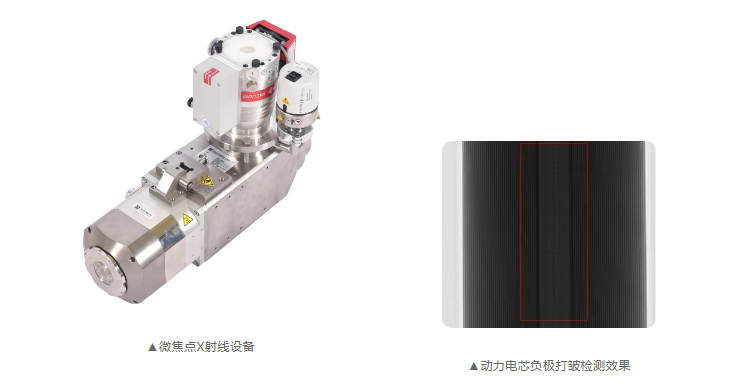
CGN Dasheng Launches Nondestructive Testing Solutions for Power Batteries to Address New Safety Requirements for Electric Vehicle Batteries
The national mandatory safety standard "Safety Requirements for Traction Batteries for Electric Vehicles" officially takes effect on July 1, 2026, further raising the requirements for power battery safety inspection. In response to the needs for internal defect identification, fault tracing, and in-line production testing, CGN Dasheng Accelerator Technology Co., Ltd. has launched multiple nondestructive testing solutions, utilizing X-ray imaging, industrial CT, and electron beam scanning microfocus X-ray source technologies to provide inspection means for power battery quality control. The internal structure of power batteries is complex, with cells typically composed of multiple layers of materials wound or stacked. During production, subtle defects such as electrode plate wrinkles, metal debris contamination, positive-negative electrode misalignment, and welding porosity can...
2026-08-04
American Fusion Completes First Phase of Texatron Testing at Texas Tech University
American Fusion (American Fusion, OTC: AMFN) announced on July 31 that the first phase of its proprietary Texatron Fusion Engine engineering and testing program has been completed at the Center for Emerging Energy Sciences, Department of Physics and Astronomy, Texas Tech University in Lubbock, Texas. The company stated that the project has achieved initial engineering goals and has advanced to the next phase of the Texatron development and testing program. According to reports, American Fusion's seven-member science and engineering team collaborated with Texas Tech University personnel this week on engineering assessments, subsystem...
2026-08-01
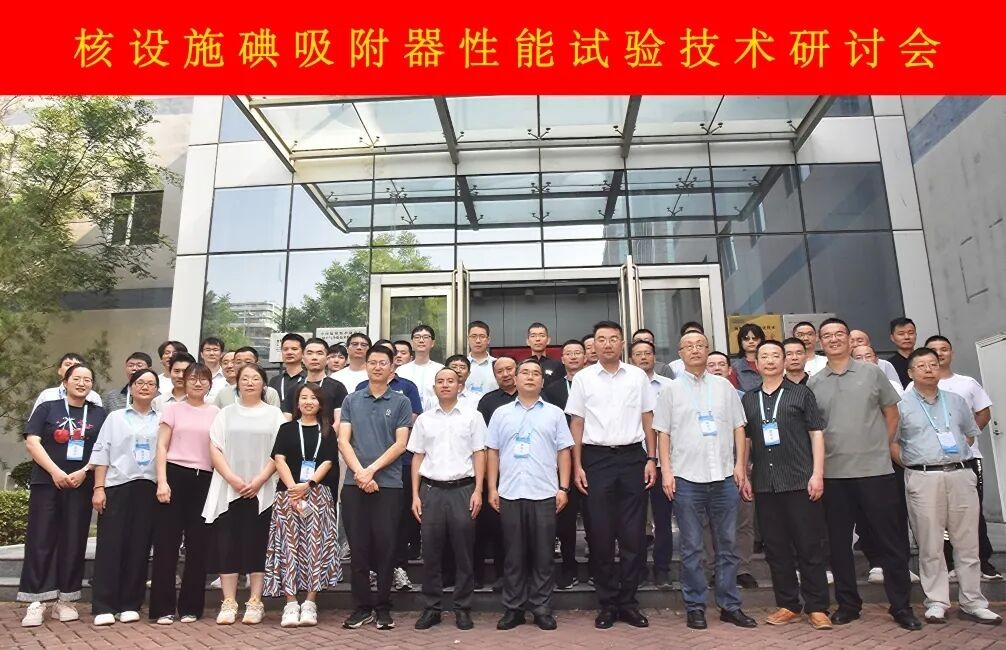
The Nuclear and Radiation Safety Center of the Ministry of Ecology and Environment Successfully Held a Technical Seminar on Performance Testing of Iodine Adsorbers in Nuclear Facilities
Recently, the technical seminar on performance testing of iodine adsorbers in nuclear facilities, hosted by the Nuclear and Radiation Safety Center of the Ministry of Ecology and Environment (hereinafter referred to as "the Center") and organized by the Key Laboratory of Radioactive Gas Purification Technology of CNNC, was held in Taiyuan, Shanxi Province. Representatives from domestic nuclear facility operation, design, testing and inspection organizations, as well as relevant personnel from the Center's Reactor Department, Event Assessment Department, and General Operations Department attended the meeting. The seminar focused on core topics such as periodic testing methods for iodine adsorbers in ventilation systems of nuclear facilities, acceptance criteria, and test cycle requirements under long-term operation. Participants conducted in-depth exchanges on the advantages and disadvantages of radioactive versus non-radioactive test methods for iodine adsorber adsorption efficiency, 2-inch...
2026-08-01
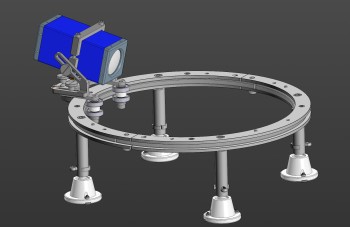
Russian flaw detection robots to be deployed for the first time at Egypt's El Dabaa NPP
Engineers from Russia's Ural Atomenergo and the Atomic Energy Non-Destructive Testing Center (NDTC) have developed an automated metal non-destructive testing system, which includes specialized inspection devices for reactor pressure vessel equipment. The system will be sent to Egypt's El Dabaa Nuclear Power Plant for related equipment inspection. This is also the first deployment of such a standardized system at a nuclear power project outside Russia. The system consists of multiple robotic arms and a magnetic wheeled robot, capable of delivering ultrasonic flaw detection sensors and measuring devices to positions that are difficult for humans to access. The developer stated that the main goal of the system is to replace manual operations in high-radiation areas, reducing the risk of personnel entering hazardous zones for inspection tasks.
2026-07-30
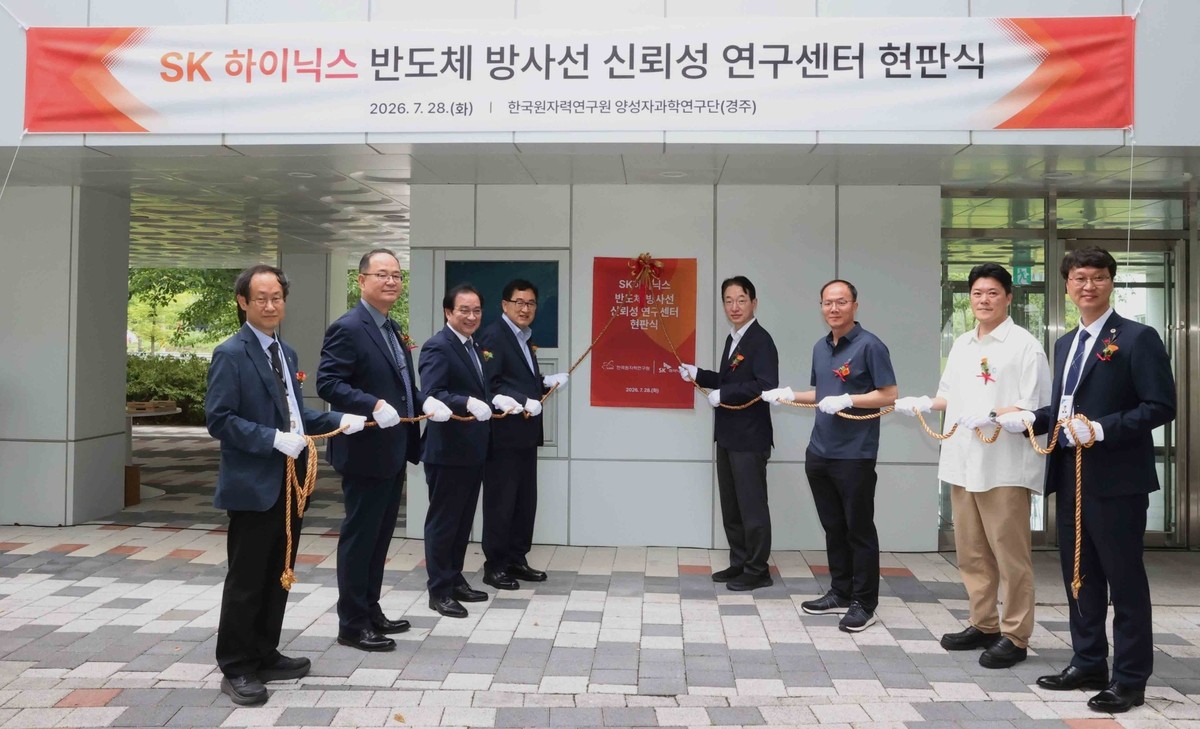
Korea Atomic Energy Research Institute and SK Hynix to Jointly Use Proton Accelerator and Other Facilities for Semiconductor Radiation Reliability Research
The Korea Atomic Energy Research Institute announced on July 29 that its Proton Science Research Group has signed a mutual cooperation agreement with SK Hynix to jointly utilize research facilities such as the proton accelerator to advance research on semiconductor radiation reliability. According to the agreement, the two parties will conduct joint research on proton beams and neutron beams generated by the proton accelerator and the HANARO research reactor, and explore methods to simulate real atmospheric and cosmic radiation environments using high-energy proton beams, gamma-ray beams, and neutron beams for radiation impact assessment of semiconductors and other products. In outer space and high-altitude aircraft flight environments, the shielding effect of the atmosphere and magnetic field against cosmic radiation is relatively weakened. After being exposed to cosmic radiation, semiconductors may experience malfunctions or damage. Therefore, semiconductors used in mobile devices such as automobiles and satellites need to have their radiation resistance verified before being put into use.
2026-07-29

All non-destructive testing of the nuclear island main coolant piping and surge lines for Haiyang Nuclear Power Units 3 and 4 has passed inspection.
Recently, the Haiyang Nuclear Power Project—undertaken by China Nuclear Industry Fifth Construction Co., Ltd. (CNI5)—achieved another milestone: the final weld joint of the Unit 4 surge line passed ultrasonic testing (UT). This marks the successful comple
2026-07-27