
Search Results
Keyword:testing

Malaysia Expands Nuclear Radiation Mutation Breeding Applications to Bolster Food Security and Industrial Inspection
Malaysia's nuclear technology applications are extending from traditional fields such as medicine and industry further into agricultural production and food security. Dr. Sukri, Senior Director of Project Management at the Malaysian Nuclear Agency, stated that through research and development using nuclear radiation mutation breeding technology, the agency has shortened the maturation period of cassava from the original 10 to 12 months down to 6 months. Sukri noted that this technological application helps reduce farmers' production costs, improve land use efficiency, and cultivate larger cassava varieties. In addition to cassava, the Malaysian Nuclear Agency, in collaboration with the Ministry of Agriculture and Food Security and the Department of Agriculture, has successfully developed two new rice varieties, NMR 151 and NMR 152. These new varieties feature higher yields and demonstrate strong resistance to diseases, extreme weather conditions such as prolonged drought, and flooding.
2026-09-07
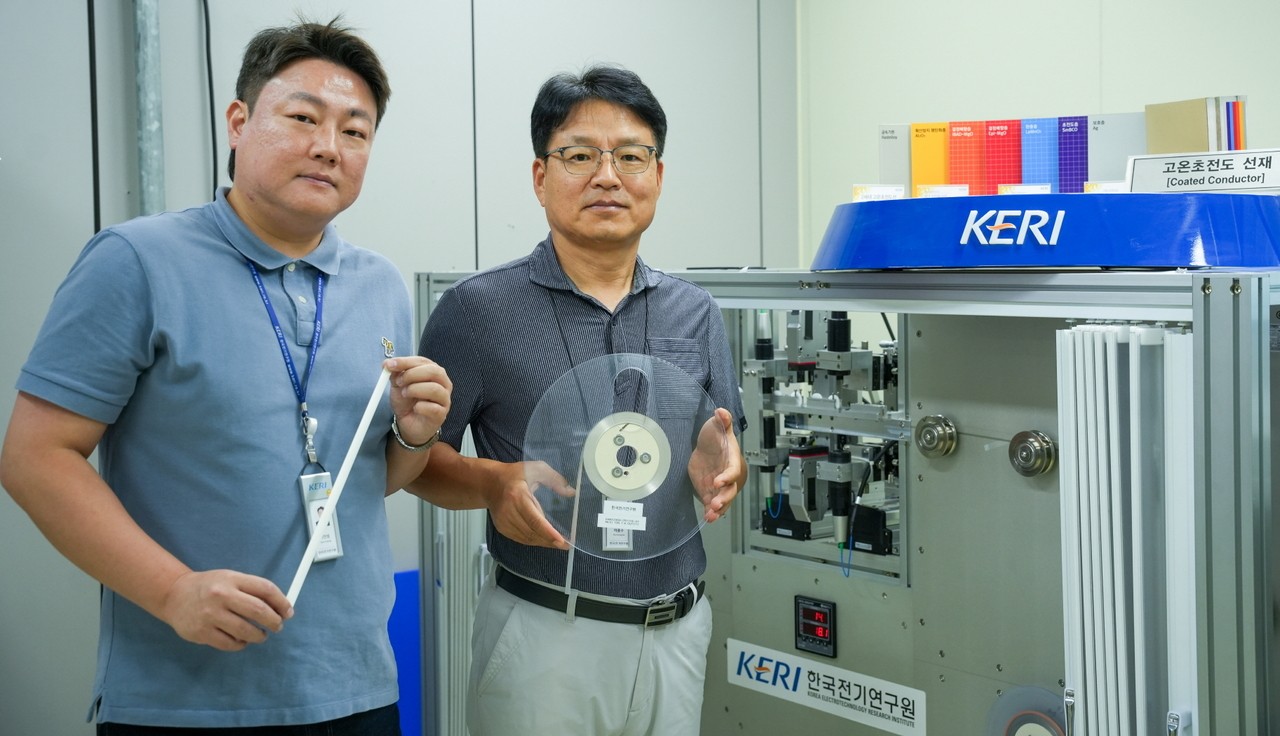
South Korea Develops 3D Non-Contact Inspection System for High-Temperature Superconducting Wire
The Korea Electrotechnology Research Institute (KERI) recently announced that a research team led by Ha Hong-su and Park In-sung at its Low-Temperature Device Research Center has developed a three-dimensional non-contact ultra-precision inspection system capable of continuously measuring the thickness and width of high-temperature superconducting (HTS) wire. The institute stated that this is the world's first such inspection system for HTS wire. KERI researchers Ha Hong-su and Park In-sung pose with a high-temperature superconducting wire beside the 3D non-contact ultra-precision inspection system. [Korea Electrotechnology Research Institute] HTS wire exhibits near-zero electrical resistance below a specific temperature, enabling high-current, low-loss transmission,...
2026-09-07
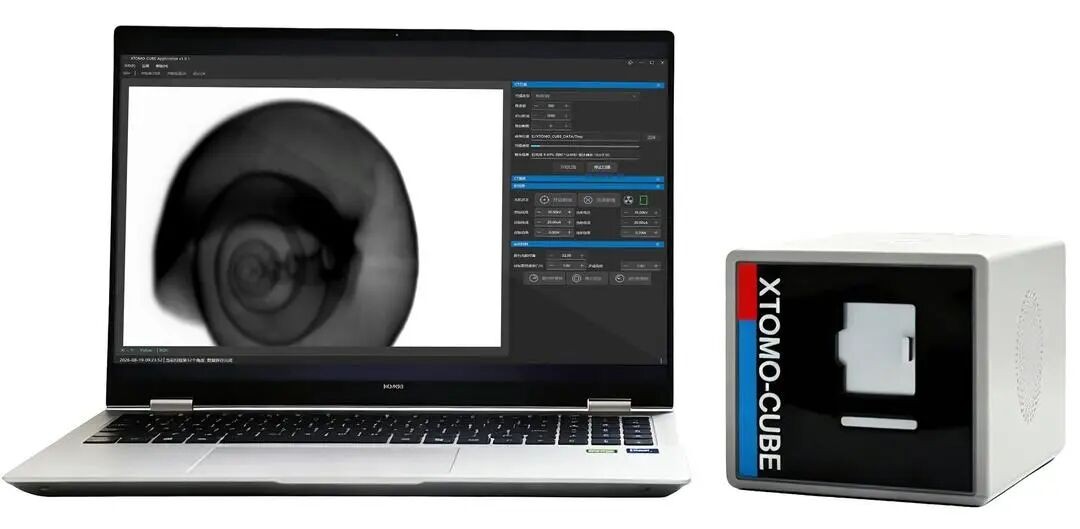
Domestically Developed "Palm-Sized CT" Debuts: 6 kg Micro X-ray CT Enables 3D Non-Destructive Testing
The XTOMO-CUBE series micro-CT, independently developed by Ruiying Detection Technology (Jinan) Co., Ltd., recently made its debut. With dimensions of 140×132×220 mm and a total weight of approximately 6 kg, the device can be held in one hand and is dubbed the "palm-sized CT." It can scan small-sized samples such as chicken bones, snail shells, and capsule tablets, revealing their internal three-dimensional structures. According to reports, CT stands for computed tomography technology. Compared with traditional CT equipment, the XTOMO-CUBE integrates key modules such as a miniaturized X-ray source, rotation stage, and detector into a compact body, paired with fully self-developed software capable of completing processes including projection data acquisition, CT image reconstruction, and 3D rendering. The...
2026-09-04
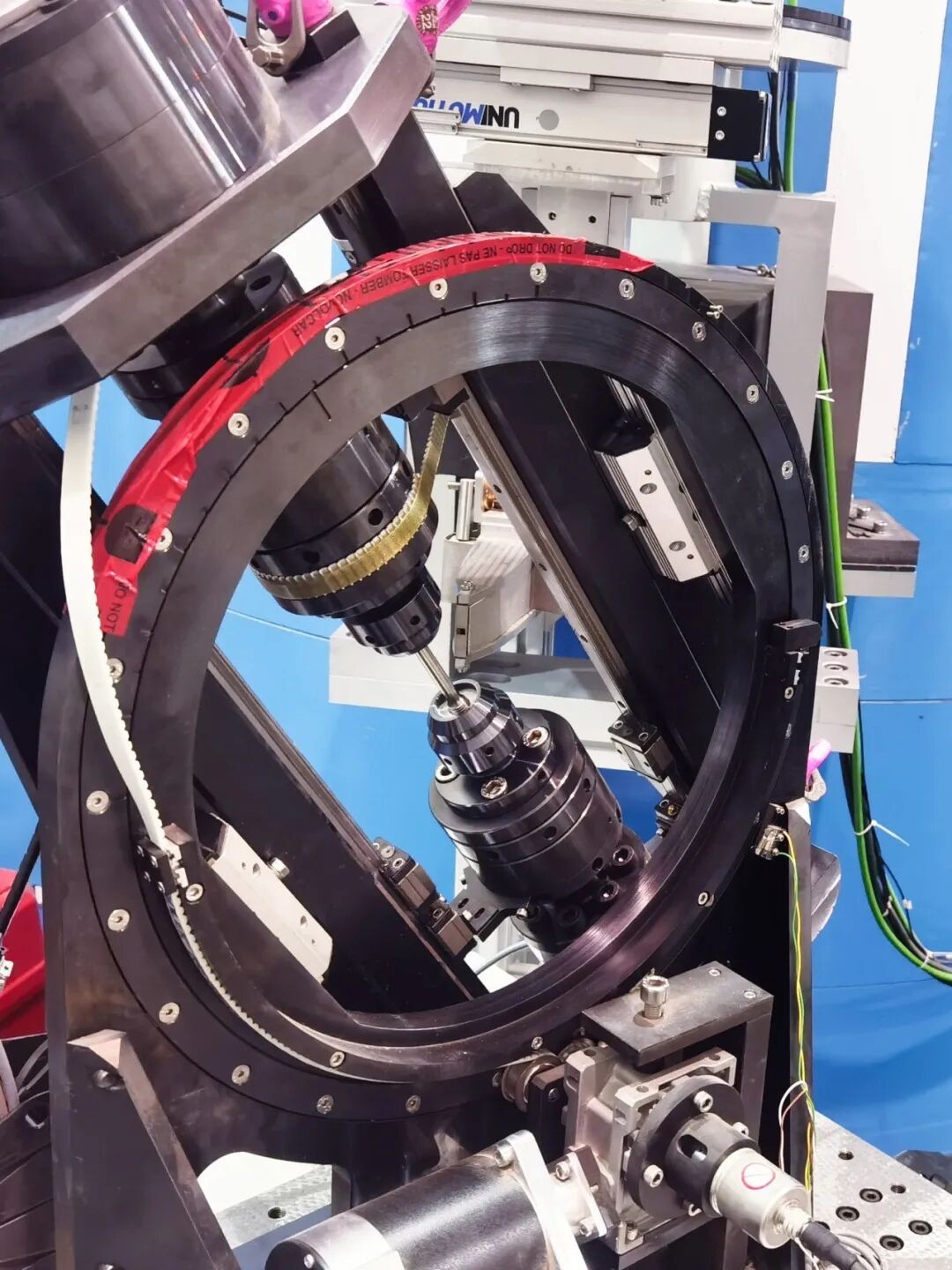
Major Breakthrough in Residual Stress Research on Key Aviation Materials in China
Nickel-based single-crystal superalloys are key materials for manufacturing turbine blades in aviation engines. Recently, the neutron scattering team from the Department of Nuclear Physics at the China Institute of Atomic Energy (CIAE) under CNNC, leveraging the Engineering Science Stress Spectrometer at the China Advanced Research Reactor (CARR), overcame technical challenges in residual stress measurement of single-crystal superalloys and established a precise three-dimensional residual stress testing method based on neutron diffraction. This provides an effective solution for residual stress assessment of critical aviation materials and lays a solid methodological foundation for the in-depth application of the CARR Engineering Science Stress Spectrometer in high-end manufacturing. During high-temperature heat treatment or service of nickel-based single-crystal superalloys...
2026-09-02
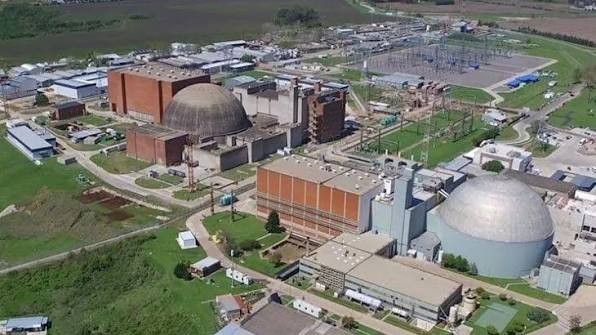
Argentina Advances Testing for Atucha II Spent Fuel Dry Storage Project
Nucleoeléctrica Argentina S.A. is advancing key equipment testing for the spent fuel dry storage facility (ASECG II) at the Atucha II nuclear power plant. This project is a critical supporting infrastructure to ensure the long-term operation of the Atucha II plant. The ongoing tests are part of the verification phase prior to system commissioning, primarily aimed at inspecting and adjusting the operational procedures involved in future operations. Among the key equipment under testing is the gantry crane, which handles the transfer of storage containers within the plant site. The stable performance of this equipment is directly related to the safety and controllability of container movements during spent fuel storage operations. According to the project plan...
2026-08-28

U.S. Fusion Company Advances Deuterium-Helium-3 Fusion Testing
American Fusion Inc. on August 27 announced progress in ongoing testing of the Texatron Fusion Engine and released computational and experimental observations regarding the device's ability to achieve deuterium-helium-3 (D-³He) fusion conditions. The company stated that the test program is evaluating two Texatron configurations at approximately 500 kilowatts and 5 megawatts, with the core technical approach being proprietary pulsed magnetic compression. Texatron's R&D focus is on utilizing short-duration, high-intensity electromagnetic pulses to compress and heat plasma in extremely short timeframes, simultaneously creating the conditions required for fusion, including high temperature, high pressure, high density, and a certain confinement time. American Fusion Inc...
2026-08-28
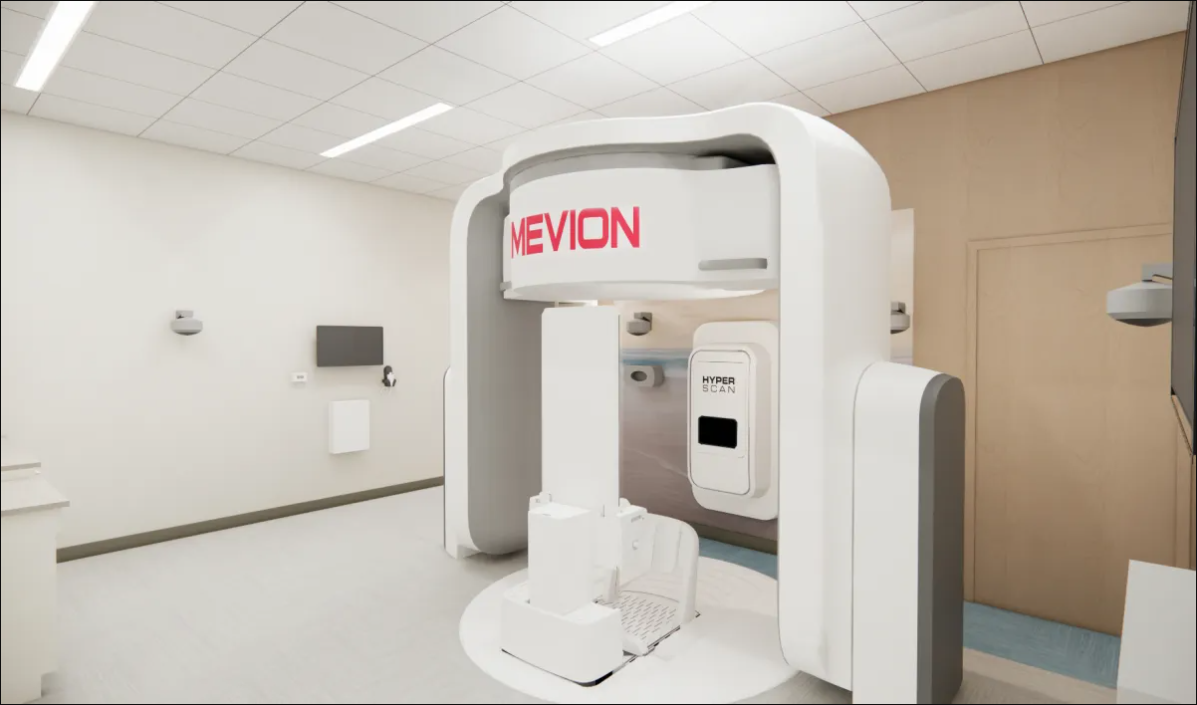
Auburn University Installs 200 MeV Superconducting Proton Accelerator to Build First University-Led Space Electronics Radiation Testing Facility in the U.S.
Auburn University's Applied Research Institute has announced the installation of a new 200 MeV superconducting proton accelerator, advancing the construction of the nation's first university-led proton testing facility dedicated to space electronics qualification. The system, a RAD-FX-200 superconducting synchrocyclotron manufactured and installed by Mevion Medical Systems, serves as the core component of Auburn University's new radiation-hardening facility. According to reports, the facility will help address gaps in U.S. space qualification testing capacity, providing radiation testing services for microelectronics to government agencies, aerospace, and defense-related industries. Systems such as satellites, missile defense interceptors, spacecraft, and launch vehicles rely on microelectronics, which may be affected by proton radiation in orbital environments. A single radiation-induced failure can cause system loss, and such failures are typically difficult to repair once in orbit...
2026-08-28
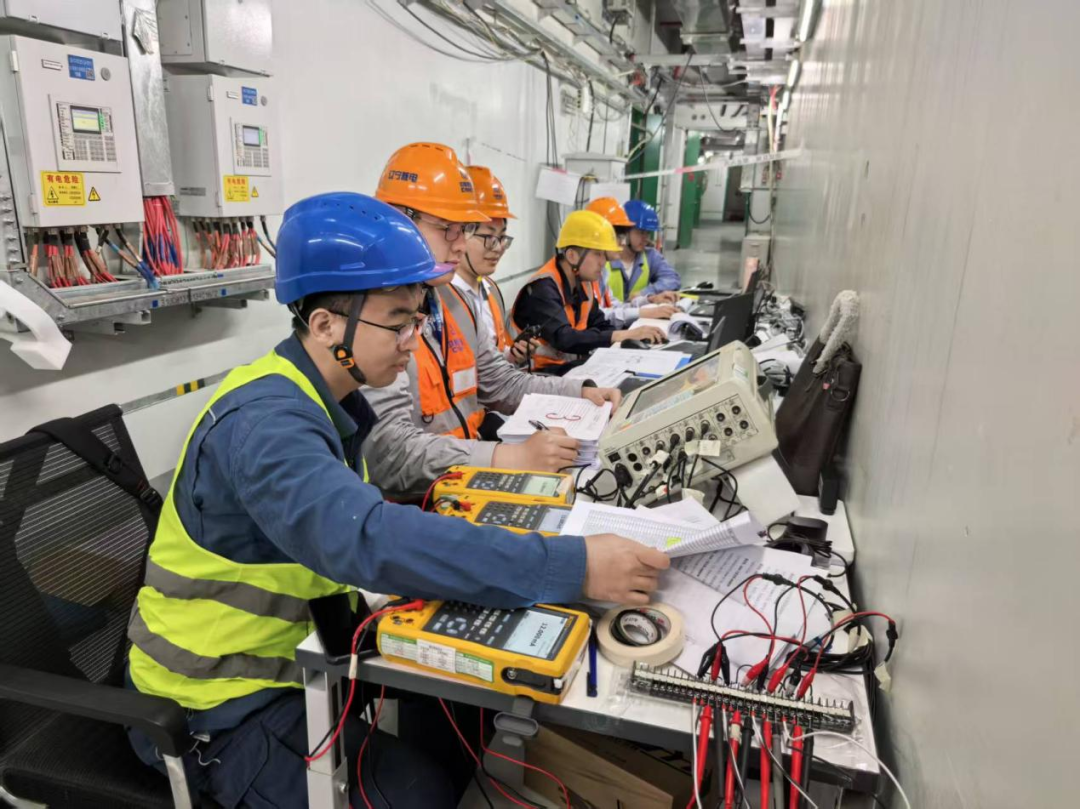
Safety-level DCS Response Time Testing for Unit 3 of Xudabao Nuclear Power Plant Successfully Completed
Recently, with the final test data confirmed to be accurate, the safety-level DCS (Digital Control System) response time testing for Unit 3 of Xudabao Nuclear Power Plant was successfully completed. All test results met the requirements, with no abnormal equipment actions throughout the entire process, providing reliable instrumentation and control assurance for the subsequent fuel loading and stable operation of the unit. The test lasted 14 days and covered 182 test cases, encompassing more than 1,500 functional tests for reactor trip and engineered safety features systems. As a critical step before fuel loading, the safety-level DCS response time test holds significant reference value for verifying the response performance of the unit's safety systems. To ensure the successful completion of the test, the instrumentation and control team adhered to the work philosophy of "comprehensive preparation, strong collaboration, experience feedback, and pragmatic execution," advancing all tasks in an orderly manner.
2026-08-27
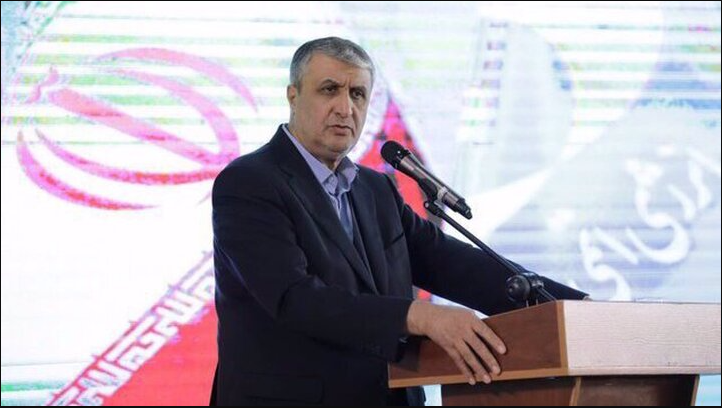
Iran Says Nuclear Fusion to Become Priority in Nuclear Industry Development
At a national Government Week celebration ceremony held in Tehran, Mohammad Eslami stated that developing nuclear fusion is a priority direction for the future of Iran's nuclear industry. Iran needs to rely on its domestic capabilities, knowledge-based enterprises, and universities to drive progress in related fields. Eslami said that the innovation network of the Atomic Energy Organization of Iran (AEOI) is providing support for nuclear fusion activities, shifting related work from the technology demonstration stage further toward system development and capacity building. He also stated that the establishment of the Non-Destructive Testing (NDT) training center is an initiative to enhance industrial quality, promote technological advancement, and cultivate domestic professional expertise...
2026-08-27

Westinghouse eVinci Microreactor Completes Zero-Power Criticality Testing
Westinghouse Electric Company announced on August 25 that its eVinci microreactor has completed zero-power criticality testing, validating relevant models and key assumptions in the core design. The test was completed at 10:39 a.m. Pacific Time on August 24, 2026, at the National Criticality Experiments Research Center (NCERC) at the Nevada National Security Site (NNSS). The center is operated under the U.S. National Nuclear Security Administration (NNSA). The test was conducted by Westinghouse Electric in collaboration with Los Alamos National Laboratory (LANL) and Idaho National Laboratory (INL). Zero-power criticality is typically used to verify that a reactor core can achieve a self-sustaining chain fission state at extremely low power levels, serving as a critical step in reactor physics testing and design validation...
2026-08-26
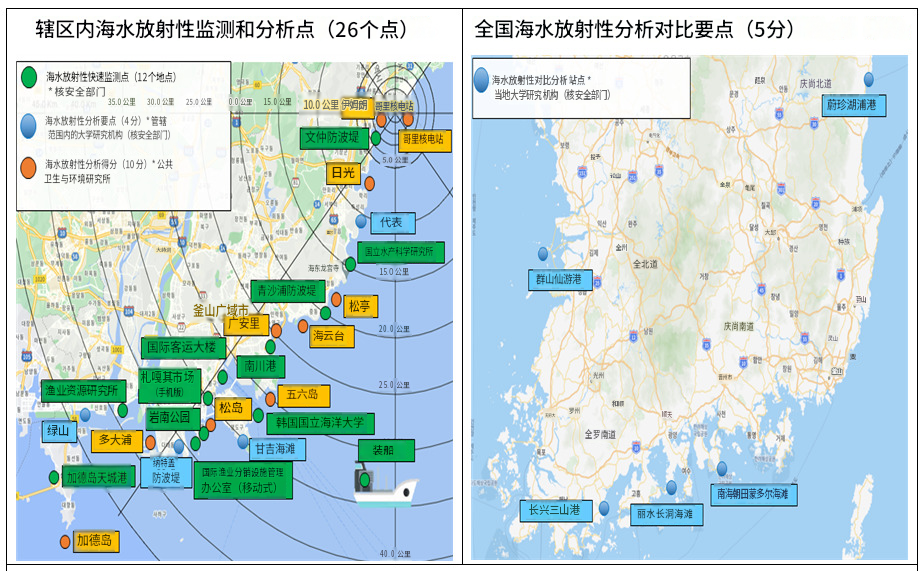
Busan, South Korea Reports No Abnormal Radiation Detected in Seawater and Seafood Three Years After Fukushima Discharge
Busan Metropolitan City stated on August 24 that since the discharge of contaminated water from the Fukushima nuclear power plant began in 2023, the city has continuously conducted radiation monitoring and analysis of coastal seawater and seafood. The results show that the safety conditions of Busan's waters and seafood remain stable with no abnormal changes detected. According to Busan Metropolitan City, seawater radioactivity testing is currently conducted at 26 coastal points. Among them, samples from 14 coastal locations including Haeundae, Gwangalli, Dadaepo, Songdo, and Songjeong are analyzed by the Busan Metropolitan City Institute of Health and Environment and local university research institutions. Test results show that the concentrations of relevant radionuclides are far below the World Health Organization drinking water standards, with cesium-134,...
2026-08-24
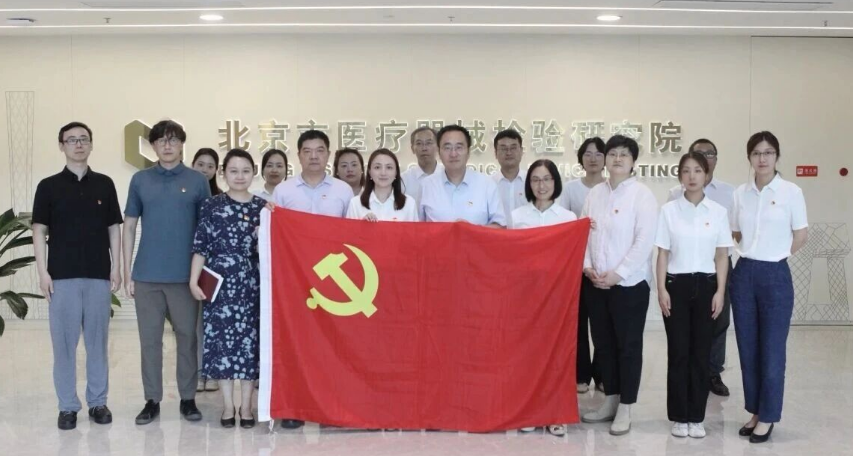
CNNC Particle and Beijing Institute of Medical Device Testing Carry Out Joint Learning and Co-building Activity
On August 20, CNNC Particle and the Beijing Institute of Medical Device Testing carried out a joint learning and co-building activity. Representatives from both sides engaged in in-depth discussions on topics such as Party building leading business development, joint development of technical standards, and enhancement of inspection and testing capabilities. Wu Wei, Secretary of the Party Branch and Director of CNNC Particle, Wu Kechun, Deputy Secretary of the Party Committee of the Institute, and more than twenty Party member representatives from both sides participated in the event. At the beginning of the event, the CNNC Particle delegation visited the Institute's laboratories to gain first-hand understanding of its technical capabilities and research progress in inspection and testing. The Institute's advanced experimental platforms and technologies left a deep impression on the visitors. During the discussion session, Wu Kechun and Wu Wei delivered speeches respectively. Both sides...
2026-08-22
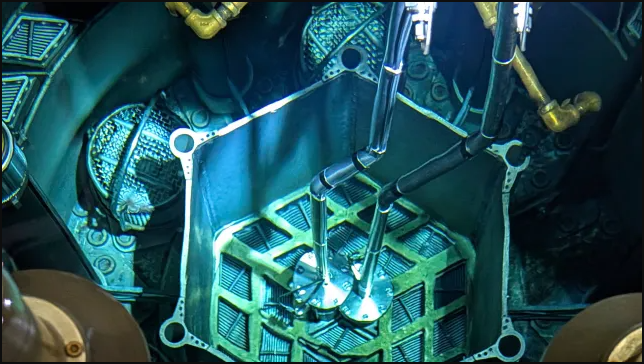
IAEA Launches New Project to Enhance Nuclear Fuel and Materials Testing Capabilities in Research Reactors
The International Atomic Energy Agency (IAEA) recently launched a four-year coordinated research project aimed at optimizing the experimental design of nuclear fuel and structural materials testing in research reactors, enhancing the safety, effectiveness, and efficiency of irradiation experiments. Top view showing a materials testing reactor core loaded with two in-core materials testing devices. (Photo: Y. Ostrovsky/MIT) With the continued advancement of new nuclear reactor technologies, growing interest in small modular reactors, and existing nuclear power plants seeking long-term operation, the demand for reliable testing of new nuclear fuels and structural materials is increasing. Before being put into use in nuclear reactors, these fuels and materials must be tested and qualified under harsh conditions such as radiation and high temperatures...
2026-08-21

IAEA Launches Research Project on Edible Insects and Novel Foods Safety
As global demand for alternative protein sources rises, the International Atomic Energy Agency has recently launched a five-year coordinated research project focusing on assessing safety risks associated with edible insects and other novel foods during production, processing, and consumption. The project will be implemented through the Joint FAO/IAEA Centre of Nuclear Techniques in Food and Agriculture, utilizing nuclear techniques, isotope techniques, and related detection methods to analyze chemical, biological, and physical hazards in food. Currently, more than 2,000 species of edible insects are known globally, and approximately 2 billion people regularly consume insects. In Africa, Asia, the Pacific region, and Latin America, insects have long been part of the diet in some communities...
2026-08-20
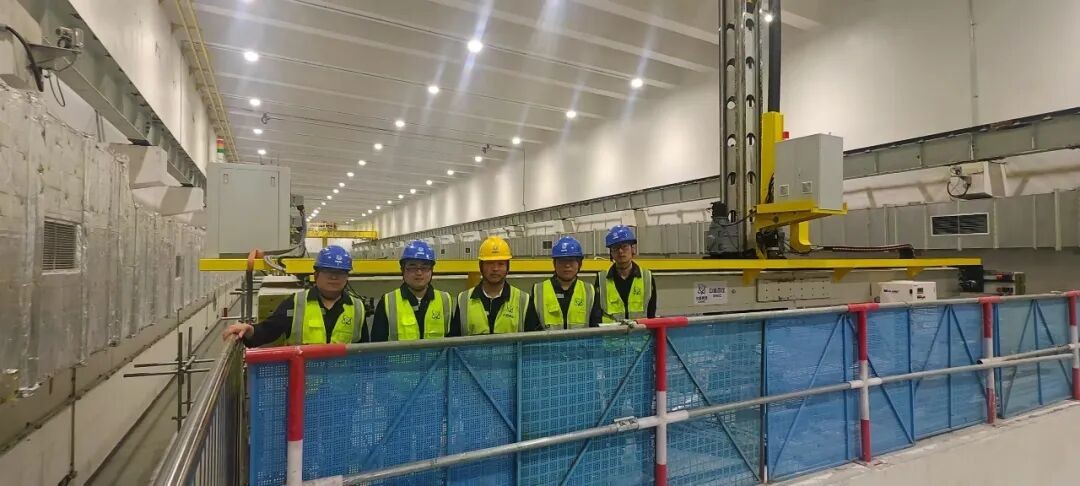
CNNC Xiyi Waste Barrel Storage Well Grinding Robot Completes On-Site Testing
Recently, the waste barrel storage well grinding robot developed by CNNC Xiyi officially completed on-site testing in the grinding project of the process BOP (three wastes) storage wells of Units 3 and 4 at Xudabao, marking a substantial breakthrough in the field of automated construction in confined deep-well spaces within the nuclear industry. Waste barrel storage wells feature great depth, small openings, high verticality requirements, and high dust concentrations. Traditional manual grinding requires multiple workers to take turns entering the confined space, resulting in long construction cycles and high risks. The grinding robot developed by CNNC Xiyi is equipped with an XYZ three-axis movement mechanism and a multi-degree-of-freedom motion system with R rotation and W width adjustment, covering a working width of 12 meters with a maximum grinding depth of 5 meters, applicable to the construction of standard waste barrel storage wells across various reactor types...
2026-08-20