
South Korean Companies Advance Nuclear Hydrogen Demonstration Project in Czech Republic
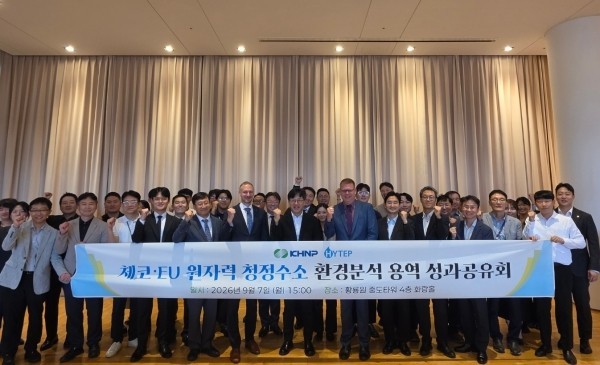
Korea Hydro & Nuclear Power (KHNP) announced on September 8 that it has completed a joint research review with the Czech Hydrogen Association (HYTEP) on the legal, institutional, and policy environment for nuclear hydrogen production in the Czech Republic and the European Union, and exchanged views on advancing a clean hydrogen production demonstration project in the Czech Republic. The two sides held a results-sharing meeting on September 7 at Hwangnyongwon in Gyeongju, South Korea, to review the final outcomes of the research. The study, launched in September 2025 and spanning approximately 11 months, primarily examined policy directions, laws and regulations, certification requirements, and market access conditions in the nuclear and hydrogen sectors in the Czech Republic and the EU, providing an institutional basis for the implementation of nuclear hydrogen production projects. Based on the research findings, KHNP plans to promote a clean hydrogen production demonstration project integrated with nuclear power in the Czech Republic.
2026-09-08
Gyeongju City in South Korea Submits Key Requests to Government for Extension of Wolseong Nuclear Power Plant
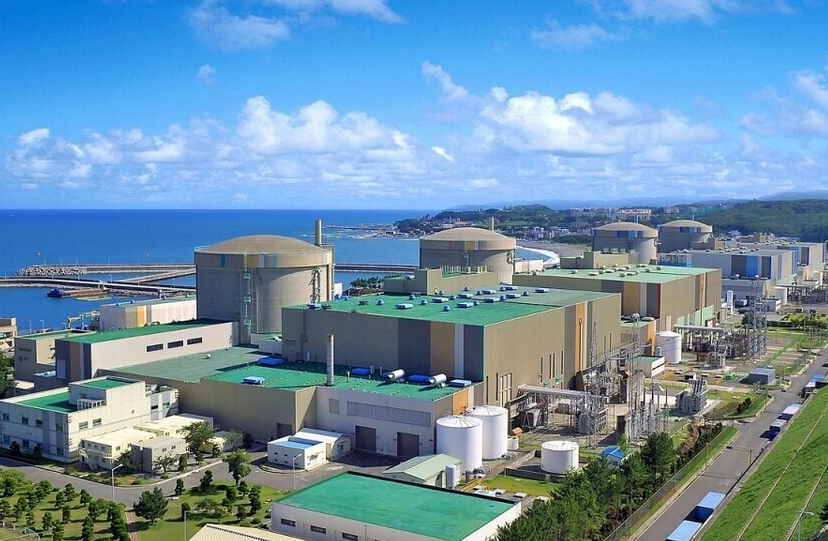
Gyeongju City, North Gyeongsang Province, South Korea, stated on September 7 that it has submitted five key pending matters to the Ministry of Climate, Energy and Environment, covering nuclear power plants, support facilities for low- and intermediate-level radioactive waste disposal, and water supply guarantees for the Hyeongsan River basin. On the same day, Gyeongju Mayor Joo Nak-young and National Assembly member Kim Seok-ki met with Minister Kim Sung-hwan of the Ministry of Climate, Energy and Environment to explain the importance of the relevant projects to regional development and public welfare, and requested review and support at the central government level. Regarding support facilities for radioactive waste disposal...
2026-09-08
Korea and U.S. reportedly in talks to jointly build 8 large-scale nuclear power plants in the U.S.
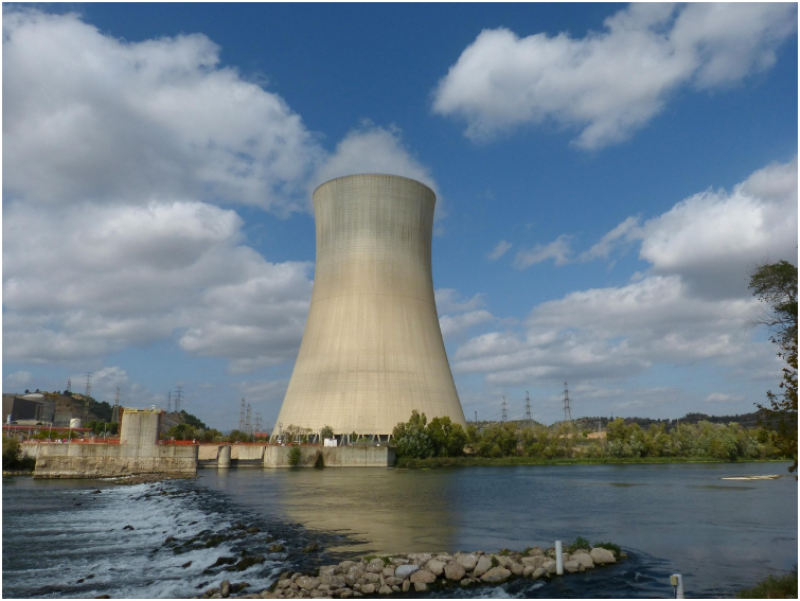
According to the South Korean government and political figures on September 7, South Korea and the United States are in the final stages of discussions on a plan to jointly build up to 8 large-scale nuclear power plants in the U.S. The plan is seen as one of the follow-up projects under the Korea-U.S. investment arrangement in the U.S. Sources say the U.S. side had proposed allocating $120 billion of the $200 billion investment commitment to the construction of 8 nuclear power plants within the framework of investment in the U.S. An additional $150 billion in shipbuilding-related investment falls outside that commitment. However, the South Korean government reportedly did not accept the proposal to directly specify the exact investment amount, instead preferring to use general wording such as "jointly building 8 nuclear power plants" in relevant documents to preserve room for further coordination...
2026-09-08
South Korea Develops 3D Non-Contact Inspection System for High-Temperature Superconducting Wire
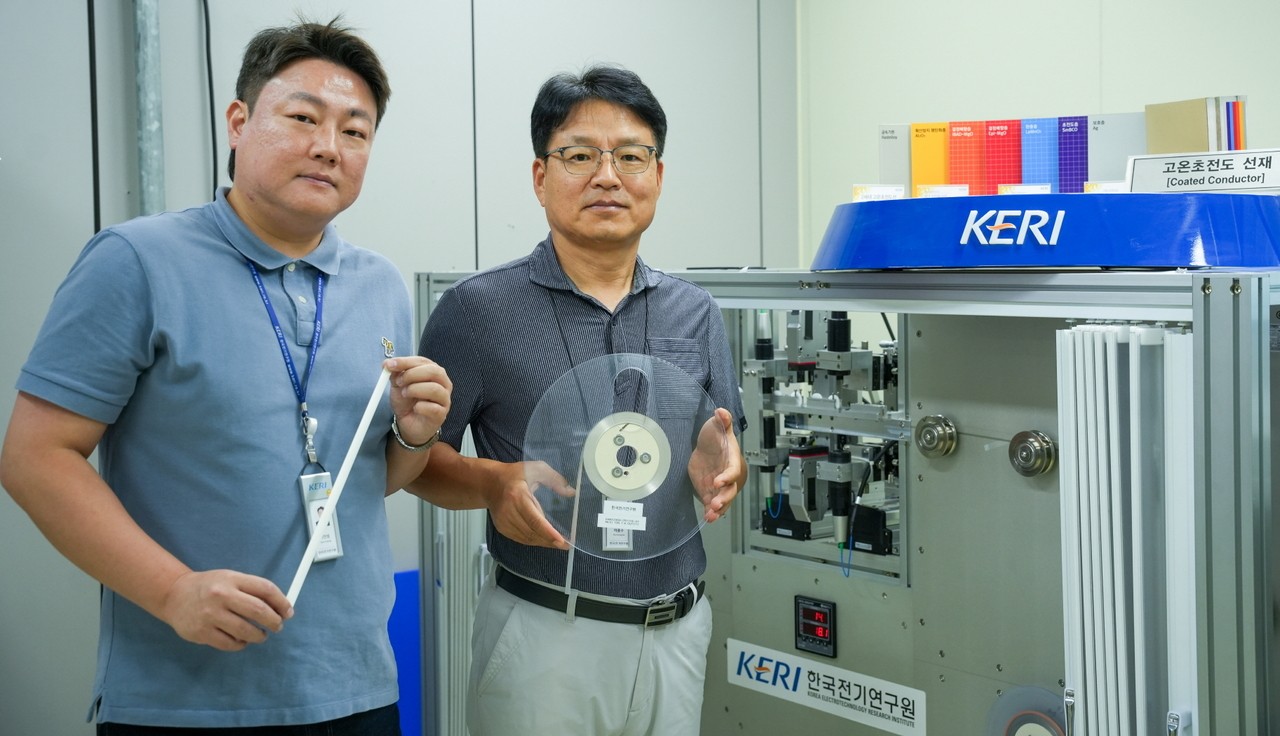
The Korea Electrotechnology Research Institute (KERI) recently announced that a research team led by Ha Hong-su and Park In-sung at its Low-Temperature Device Research Center has developed a three-dimensional non-contact ultra-precision inspection system capable of continuously measuring the thickness and width of high-temperature superconducting (HTS) wire. The institute stated that this is the world's first such inspection system for HTS wire. KERI researchers Ha Hong-su and Park In-sung pose with a high-temperature superconducting wire beside the 3D non-contact ultra-precision inspection system. [Korea Electrotechnology Research Institute] HTS wire exhibits near-zero electrical resistance below a specific temperature, enabling high-current, low-loss transmission,...
2026-09-07
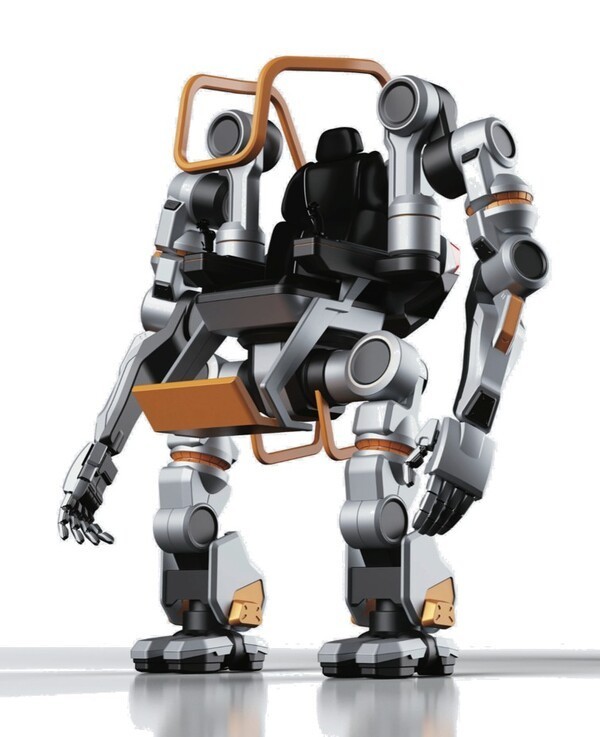
South Korea's KNR System Develops Heavy-Duty Bipedal Robot for Nuclear Facility Decommissioning Applications
South Korean robotics company KNR System recently announced the completion of the lower-body development and basic locomotion verification for its large-scale industrial "super-humanoid" robot. The robot's leg structure can support loads of up to 3 tons and move at a speed of 3 to 4 kilometers per hour. The company plans to release the full model by the end of 2026 and has already initiated whole-body system integration work. KNR System is developing a super-humanoid robot design. Image source: KNR System According to reports, the newly developed robot legs stand approximately 2.9 meters tall, with a maximum load capacity of 3 tons and a dual-arm payload of 600 kilograms. Each side is equipped with 12 joints, utilizing 10,000 Nm-class high-output hydraulic rotary actuators...
2026-09-07
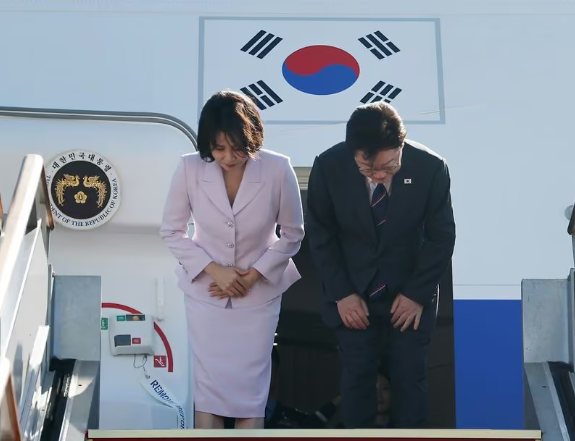
South Korean President's Visit to France to Discuss Korea-France Nuclear Energy Cooperation and Joint Nuclear Power Plant Exports
South Korean President Lee Jae-myung arrived in Nice, France, on September 6 local time, beginning a five-day, four-night state visit to France. The visit was arranged at the invitation of French President Emmanuel Macron and coincides with the 140th anniversary of the establishment of diplomatic relations between South Korea and France. According to the visit schedule, Lee Jae-myung will travel to Paris on the 8th for talks with Macron at the Élysée Palace. The two sides are expected to discuss cooperation in areas such as artificial intelligence, aerospace, nuclear energy, and biotechnology, with nuclear energy cooperation listed as one of the key agenda items. In the nuclear energy sector, the two sides are expected to explore cooperation plans, including combining France's capabilities in nuclear design and reprocessing technology with South Korea's experience in nuclear power plant construction and equipment manufacturing, to study the feasibility of joint exports of nuclear power plants to third-country markets.
2026-09-07
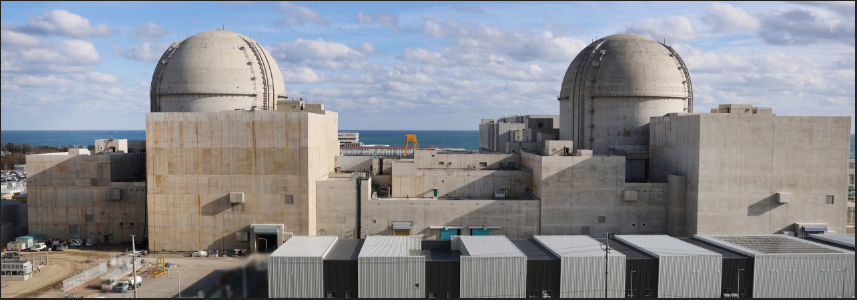
Unit 3 at Saeul Nuclear Power Plant in South Korea Shut Down Again During Trial Operation
Unit 3 at the Saeul Nuclear Power Plant, operated by Korea Hydro & Nuclear Power (KHNP), was shut down again during trial operation. The unit, located in Ulju County, Ulsan, South Korea, has a generating capacity of 1,400 MW. According to the plant operator, operators manually shut down the reactor at approximately 3:01 p.m. on the 6th. The shutdown was initiated after a leak was confirmed in a pipe related to turbine steam condensate. The plant stated that the manual shutdown was carried out to ensure facility stability and facilitate maintenance. The plant also stated that the shutdown caused no radiological impact and that the unit is currently in a stable condition. Personnel are analyzing the cause of the pipe leak. This...
2026-09-07

Changwon National University and Wrocław University of Science and Technology Partner to Cultivate Nuclear Power Manufacturing Talent
The Artificial Intelligence Innovation Research Center for Next-Generation Nuclear Energy Equipment and Component Manufacturing (AI-NMIC) at Changwon National University recently signed a cooperation agreement with Wrocław University of Science and Technology (WUST) in Poland, under which the two institutions will collaborate on talent development in the fields of next-generation nuclear power and nuclear energy equipment manufacturing. This marks AI-NMIC's first formal partnership with an overseas university. Wrocław University of Science and Technology is one of Poland's key technical universities, with strong foundations in engineering fields such as mechanical, electrical, and materials science. As Poland advances...
2026-09-06

South Korean civic groups oppose construction of spent fuel storage facility at Hanbit Nuclear Power Plant site
On September 4, the Joint Action Organization Against Hanbit Nuclear Power Plant in the Honam region of South Korea held a press conference in front of the high-level radioactive waste forum venue in Gochang County, North Jeolla Province, demanding the cancellation of plans to build a storage facility at the Hanbit Nuclear Power Plant site and proposing fundamental measures to address nuclear waste issues. The organization stated that Korea Hydro & Nuclear Power (KHNP) is pushing forward with the construction of temporary storage facilities at the plant site on the grounds that the spent fuel pools at Hanbit Nuclear Power Plant may reach saturation by 2030. The organization argued that this move fails to adequately respond to the opinions of residents near the plant and amounts to unilaterally shifting the burden of nuclear waste onto the local community. The organization stated that the current plan involves building storage facilities at the existing nuclear power plant site...
2026-09-06
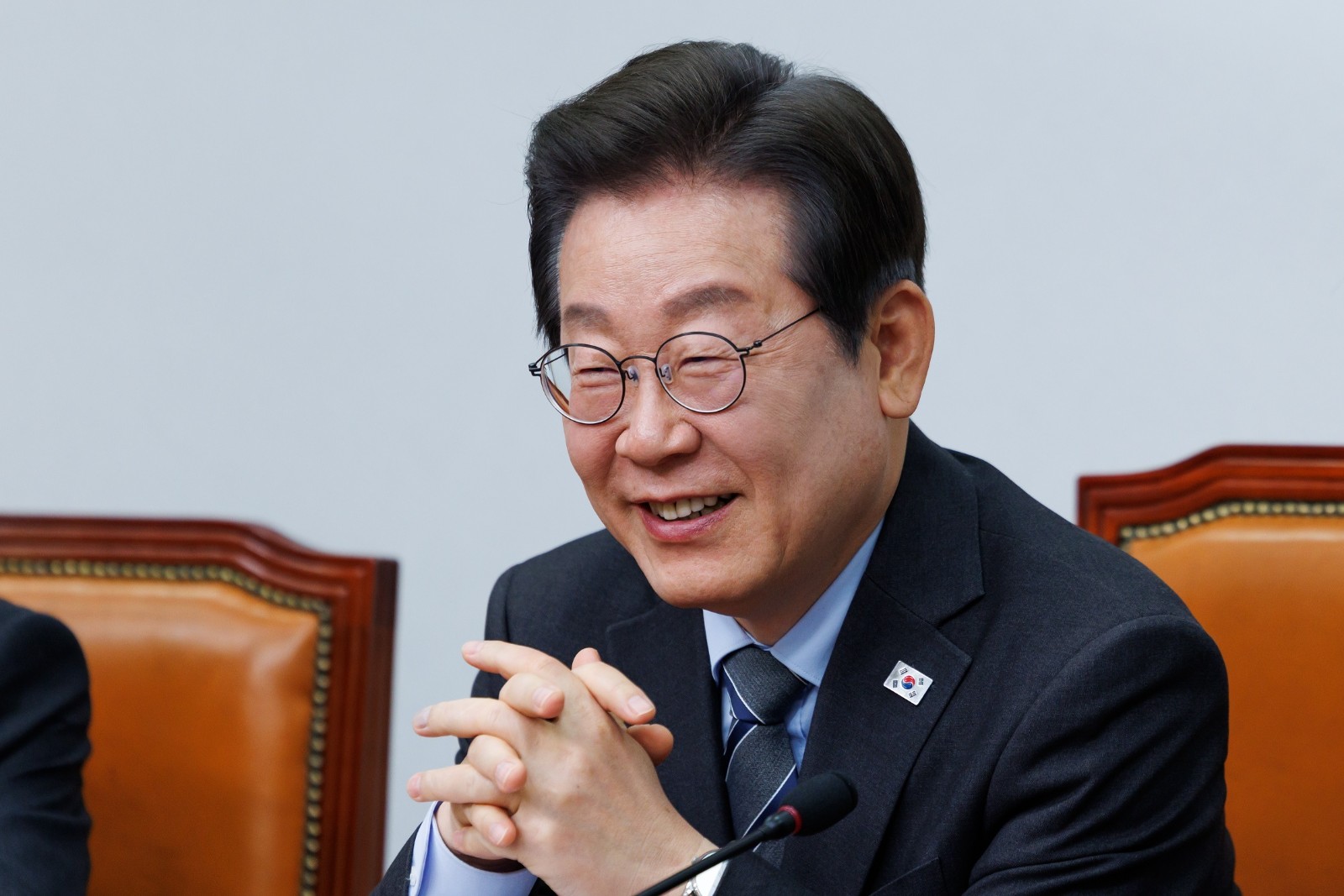
South Korean President to Visit France for Nuclear Energy Cooperation Talks
At the invitation of French President Emmanuel Macron, South Korean President Lee Jae-myung will pay a state visit to France from September 6 to 9. The South Korean side stated that during the visit, the two sides will hold discussions on cooperation in high-tech fields such as artificial intelligence, aerospace, nuclear energy, and biotechnology, with nuclear energy cooperation listed as one of the key agenda items. South Korean National Security Advisor Wi Sung-lac said at a press conference on the 4th that this visit will serve as an opportunity to consolidate the Korea-France global strategic partnership. The South Korean side hopes to expand bilateral cooperation in areas such as nuclear energy through joint research and development, corporate collaboration, and market access...
2026-09-05
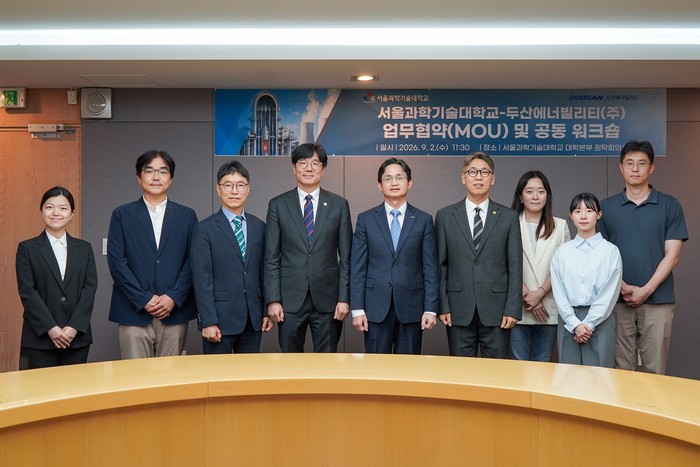
Seoul National University of Science and Technology and Doosan Enerbility Deepen Nuclear Design Cooperation
Seoul National University of Science and Technology (SeoulTech) and Doosan Enerbility recently signed a memorandum of understanding (MOU) to conduct industry-academia cooperation in next-generation nuclear power plants, small modular reactors (SMRs), and core nuclear equipment technologies, aiming to enhance competitiveness in nuclear design technology and jointly cultivate specialized research talent. The signing ceremony was held on September 2 at SeoulTech. Attendees included Seo Young-bin, Senior Vice President of Nuclear Design at Doosan Enerbility, Kim Jong-in, Department Head, along with relevant university officials. Under the MOU, the two parties will integrate the university's research capabilities with the company's expertise in nuclear power...
2026-09-04
South Korea Exports Molten Salt Reactor R&D Technology to Denmark
The Korea Atomic Energy Research Institute (KAERI) announced on September 4 that it has signed a two-year contract worth USD 2.26 million (approximately KRW 3 billion) with Danish nuclear energy company Saltforce to provide molten salt reactor-related R&D services, covering areas such as nuclear fuel manufacturing, molten salt testing, and material corrosion assessment. Molten salt reactors are a class of next-generation reactors that typically use high-temperature molten salt as a fuel carrier or coolant medium. Based on the molten salt chemical system, this type of technology is mainly divided into fluoride-based and chloride-based systems. Under the contract arrangement, KAERI will provide support for the fluoride-based...
2026-09-04
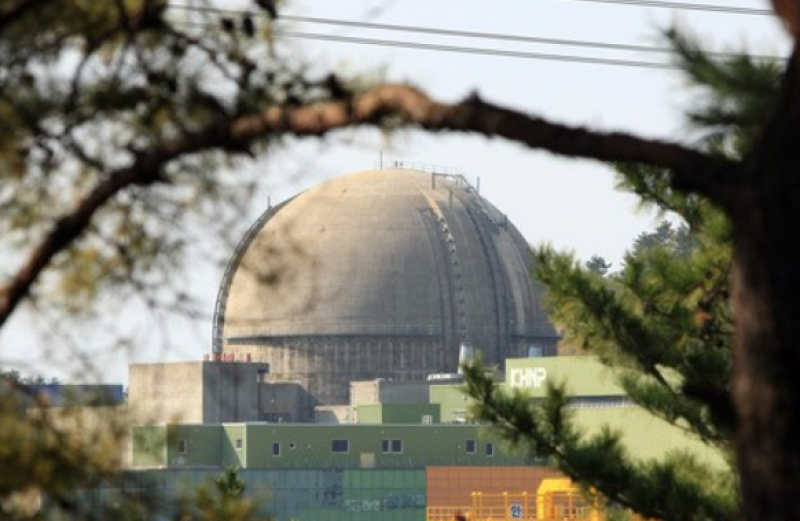
Non-compliant Welding Procedures at Two Units of South Korea's Hanbit Nuclear Power Plant
The Hanbit Nuclear Power Plant headquarters of Korea Hydro & Nuclear Power Co., Ltd. (KHNP) recently confirmed that Units 1 and 2 of the plant had used welding procedure specifications (WPS) that had not undergone impact testing during maintenance of the component cooling water heat exchangers. A retrospective inspection found that among 14 repair activities conducted since the relevant heat exchangers were replaced in 2007, 6 cases involved similar non-compliance. The issue was identified during the 28th planned preventive maintenance outage of Hanbit Unit 1. Inspections revealed that some welding procedure specifications used for repairs to the water chambers of the component cooling water heat exchangers did not meet requirements, involving repair work on worn areas inside the heat exchanger water chambers in the cooling systems of Units 1 and 2. Hanbit Nuclear...
2026-09-04
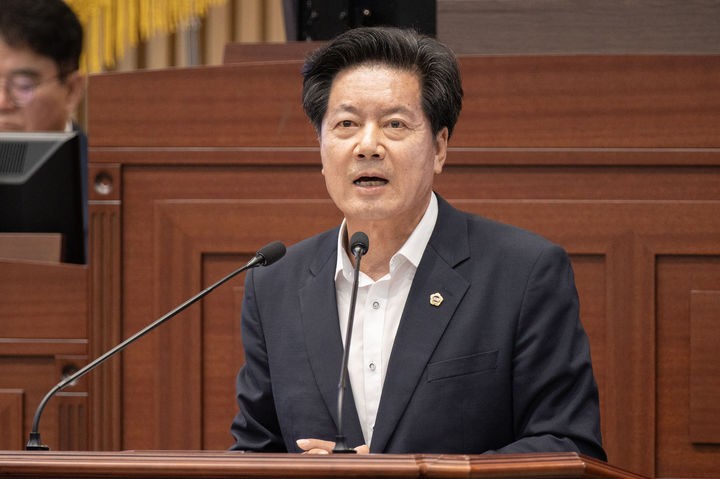
Gyeongsangbuk-do lawmakers demand stronger nuclear power plant accident notification and oversight
On September 3, Gyeongsangbuk-do lawmaker Kim Jae-jun spoke at the 365th provisional session of the Gyeongsangbuk-do Council, criticizing the delayed notification and inadequate response to the recent boric acid solution leak at Unit 6 of the Hanul Nuclear Power Plant, and calling for stronger resident safety protection mechanisms in areas with concentrated nuclear power plants. Kim stated that on August 3, a boric acid solution containing radioactive materials leaked from Unit 6 of the Hanul Nuclear Power Plant during spent fuel transfer, but local residents were not informed of the incident until approximately three weeks after it occurred. He argued that Korea Hydro & Nuclear Power (KHNP) failed to disclose information about the incident promptly and transparently, undermining residents' trust in nuclear safety management...
2026-09-04
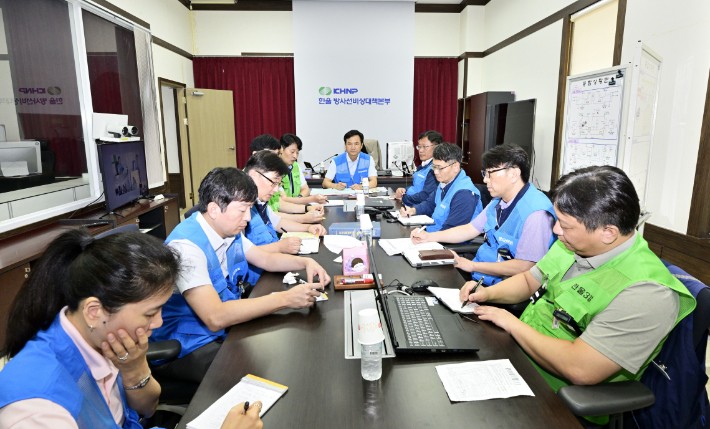
Radiation Emergency Drill Conducted at Unit 6 of South Korea's Hanul Nuclear Power Plant
Korea Hydro & Nuclear Power (KHNP) recently conducted a comprehensive radiation disaster prevention drill at Unit 6 of its Hanul Nuclear Power Plant to test the emergency response system and on-site handling capabilities under radiation emergency conditions. According to the Hanul Nuclear Power Plant, the drill was held on September 3, organized in accordance with the evaluation guidelines established by the Korea Institute of Nuclear Safety (KINS) and based on the National Radiation Emergency Plan. The drill scenario was not disclosed in advance, and the evaluation methods were also adjusted, with a focus on verifying the unit's response capabilities under actual emergency scenarios. During the drill, all emergency personnel of Unit 6 at Hanul Nuclear Power Plant participated in the response. The scenario simulated a casualty incident occurring within the controlled area, with medical rescue operations organized, and a 3.2 MW mobile generator was used to inspect the operational capability of emergency facilities.
2026-09-04
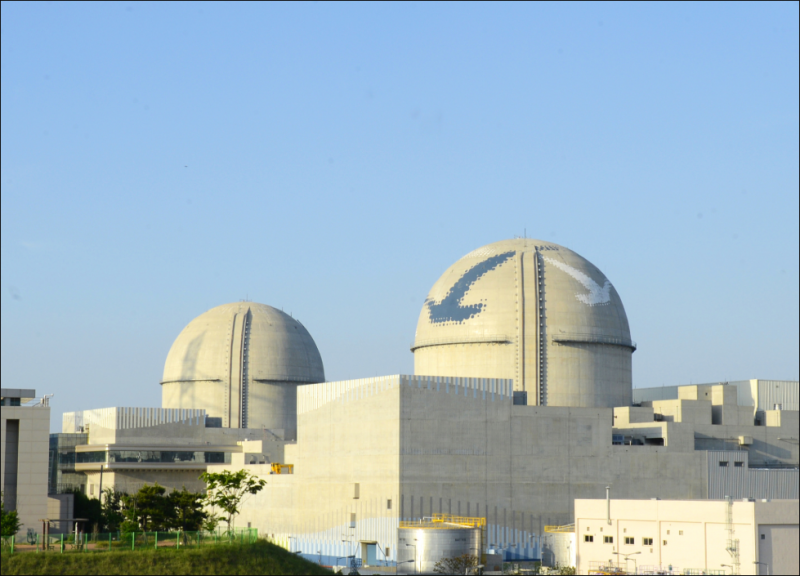
Cause Identified for Automatic Shutdown of Unit 3 at Shin-Kori Nuclear Power Plant in South Korea
The Nuclear Safety and Security Commission (NSSC) of South Korea reported on the 4th that it has completed its investigation into the automatic shutdown of Unit 3 at the Shin-Kori nuclear power plant during commissioning tests on the 11th of last month, and has approved the resumption of commissioning tests for the unit. The investigation confirmed that the direct cause of the incident was an operator error in inputting parameters during the process of restoring reactor power after the tests. According to the investigation findings, at the time of the incident, while setting the parameters for the turbine control valve position limiter, the operator mistakenly entered a value intended to limit the upper opening limit of the valve as a value in the valve closing direction. This limiter is used to prevent a rapid increase in the amount of steam entering the turbine for power generation within a short period. After the parameter error, the unit experienced an interruption in power output at approximately 80% power level, followed by an automatic shutdown.
2026-09-04

Changwon National University and Doosan Enerbility Conduct On-Site Training on Nuclear Power Main Equipment Design
The AI-based Next-Generation Nuclear Power Equipment and Components Manufacturing Innovation Research Center (AI-NMIC) at Changwon National University, together with the Regional Innovation Alliance Center for Medium-Sized Enterprises, recently completed on-site training on nuclear power main equipment design. The training was held for students participating in related projects at Doosan Enerbility's site. According to Changwon National University on August 31, the training lasted five days, totaling 30 hours, and was designed to help students acquire professional knowledge related to the design and manufacturing of key nuclear power equipment, as well as to understand the design, manufacturing processes, and practical application scenarios of nuclear power equipment through on-site corporate instruction. The tra...
2026-09-02
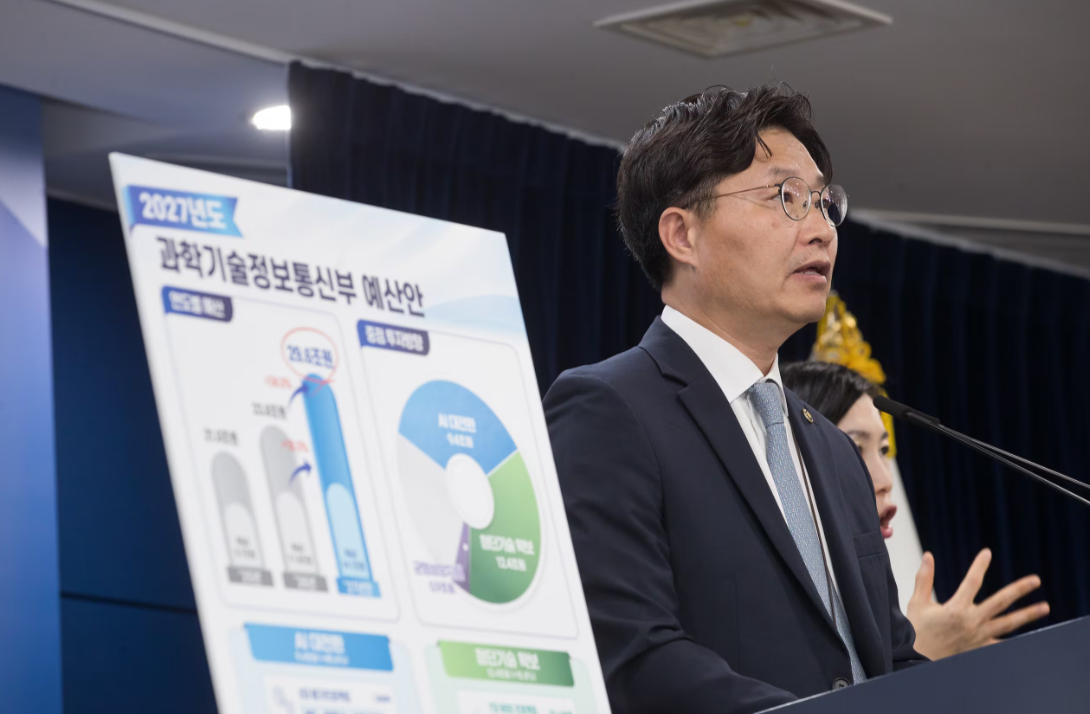
South Korea Plans to Increase R&D Investment in Nuclear Fusion and Small Modular Reactors
South Korea's Ministry of Science and ICT (MSIT) stated on September 1 that in the 2027 government budget proposal approved at a Cabinet meeting, the ministry's budget amounts to 29.6476 trillion Korean won, an increase of 24.5% compared to this year's supplementary budget. Of this, the R&D budget is planned to increase from 11.9 trillion won this year to 14.1 trillion won, accounting for 36% of the South Korean government's total R&D budget. In the science and technology sector, MSIT plans to invest 12.377 trillion won in R&D related to next-generation artificial intelligence and advanced technologies. In explaining the budget proposal, the ministry's First Vice Minister stated that in response to the growing electricity demand driven by AI development, South Korea will accelerate the development of future clean energy sources such as small modular reactors (SMRs) and nuclear fusion...
2026-09-02
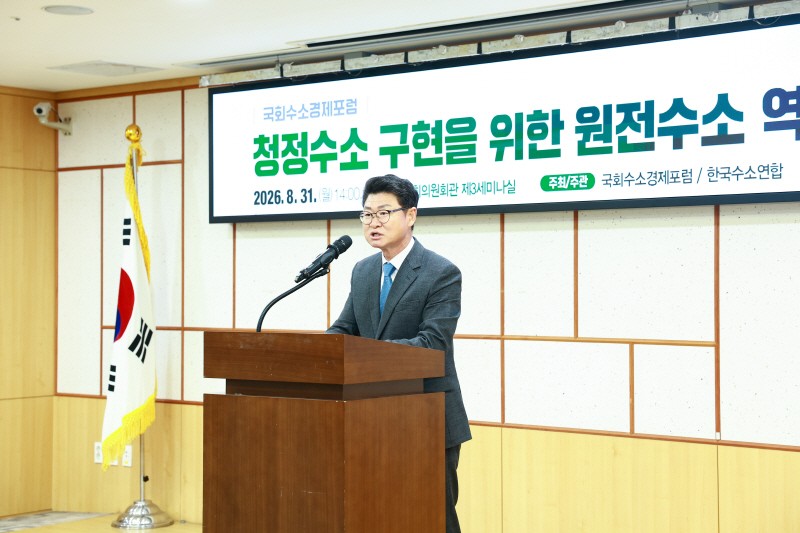
South Korea's Uljin Pushes Forward with Nuclear Hydrogen Industrial Complex Development
Uljin County in North Gyeongsang Province, South Korea, is seeking support from the National Assembly and the government to promote the construction of the Uljin Nuclear Hydrogen National Industrial Complex, with the goal of establishing the region as a clean hydrogen production hub through supporting policies such as stable power supply and hydrogen pipeline networks. On August 31, Uljin County Governor Hwang Ui-jo attended a nuclear hydrogen policy seminar held at the National Assembly Members' Office Building to present the progress of the Uljin Nuclear Hydrogen National Industrial Complex and the policy tasks required for developing the nuclear hydrogen industry. The seminar was hosted by the National Assembly Hydrogen Economy Forum, with participants from the National Assembly, government, local governments, industry, academia, and...
2026-09-02
South Korea's 2027 Budget Proposal Includes First-Ever Funding for Domestic Nuclear Submarine Development
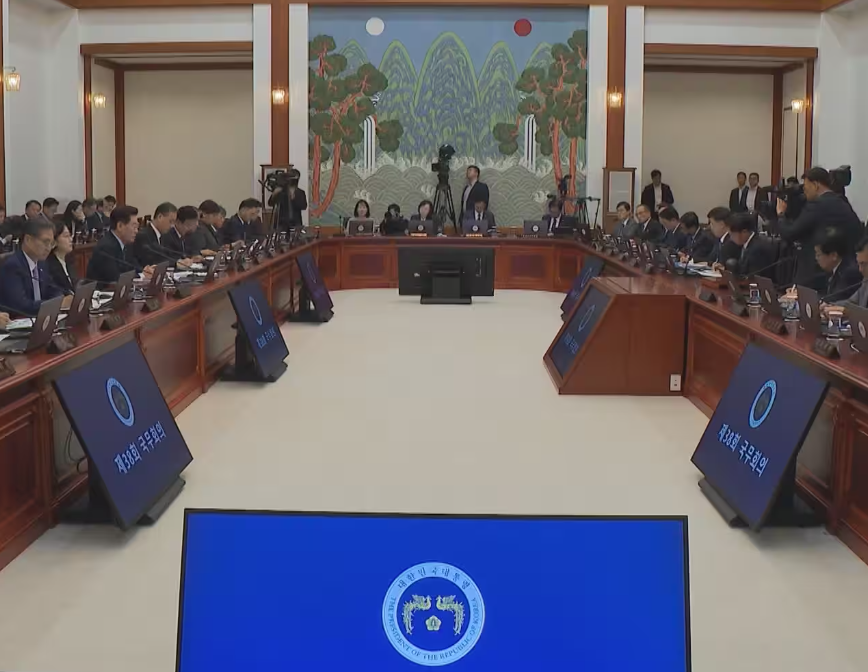
The South Korean government approved its 2027 budget proposal, with total government spending reaching 820.9 trillion won, approximately 95.6 trillion yen, marking a 12.8% increase from the previous year and setting a record high. The budget proposal has been submitted to the National Assembly for review. President Lee Jae-myung presided over a cabinet meeting at the presidential office on September 1, where the budget proposal was reviewed and approved. Under the plan, the South Korean government intends to increase investment in growth-oriented industries, with approximately 2.5 trillion yen allocated to infrastructure development related to semiconductor manufacturing and artificial intelligence, nearly doubling the scale of the previous year. On the revenue side, the South Korean government expects that as AI demand continues to grow and major semiconductor companies see improved performance, corporate income tax and personal income tax revenues will increase significantly.
2026-09-02
South Korea's Nuclear Safety Regulatory Budget for 2027 Rises to KRW 303 Billion
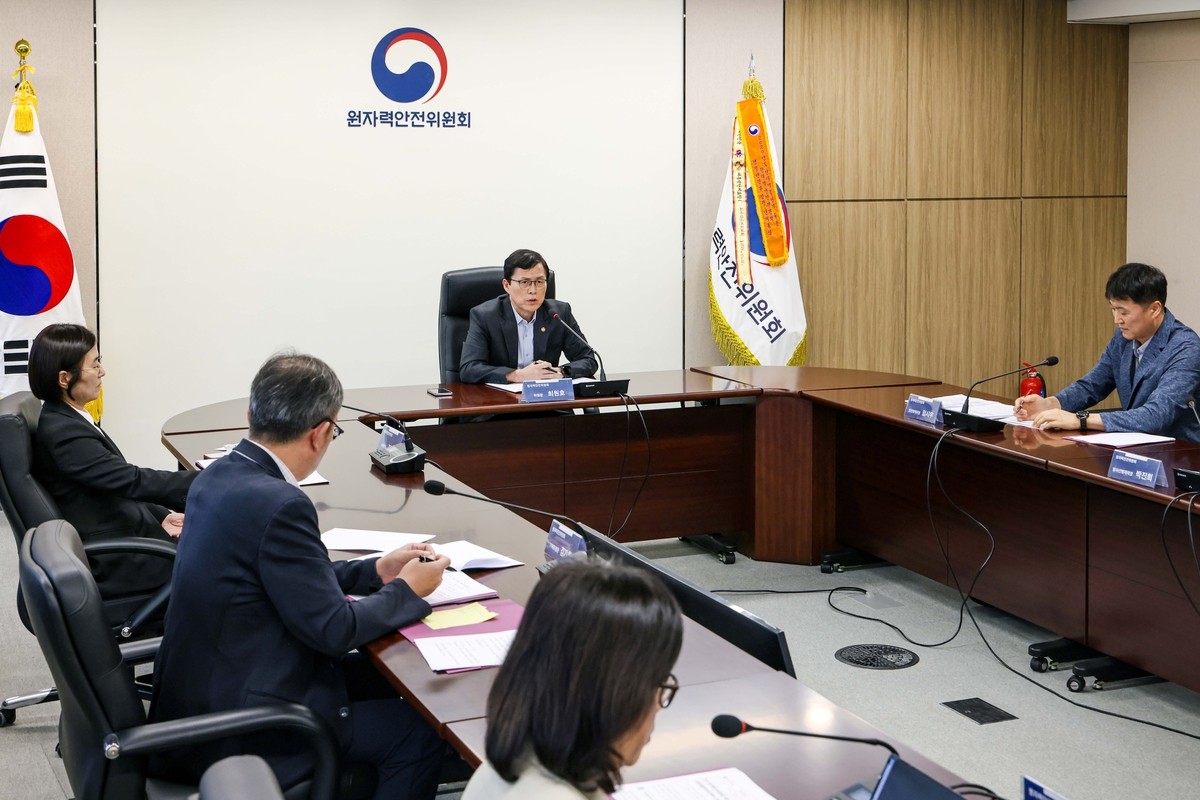
The Nuclear Safety and Security Commission (NSSC) of South Korea announced on September 1 that it has allocated KRW 303 billion for the 2027 budget, an increase of KRW 10.4 billion from this year. The new budget focuses on areas such as small modular reactor regulation, spent nuclear fuel safety, nuclear facility decommissioning review, environmental radiation monitoring, and nuclear safety information disclosure. Regarding small modular reactors, as non-light water reactor-type small modular reactor development projects aim to obtain licenses by the early 2030s, South Korea will invest KRW 8 billion in R&D to establish a new safety evaluation system. In addition, in line with the preliminary review system set to take effect in November this year, the government has allocated KRW 2.7 billion to conduct preliminary reviews of non-light water reactor-type small modular reactors expected to file applications next year. This system allows applicants to request regulatory review of reactor designs before formally submitting license applications.
2026-09-02
Reading Ranking
- 1 Doosan Enerbility of South Korea to Manufacture Pressure Vessel for NuScale Small Modular Reactor
- 2 South Korea Expects Tripling of Demand for Nuclear Design Personnel by 2034
- 3 South Korea's KSTAR to Conduct Long-Pulse Fusion Research in Tungsten Environment with European Institutions
- 4 Gyeongsangbuk-do lawmakers demand stronger nuclear power plant accident notification and oversight
- 5 South Korea's SMR Special Act Takes Effect, Aiming to Commercialize Light Water SMRs by 2035
- 6 Bill Gates May Visit South Korea Next Month, Advanced Nuclear Energy and AI Cooperation Expected to Be on Agenda
- 7 South Korea Notifies IAEA of Intention to Consult on Safeguards Arrangements for Nuclear-Powered Submarine
- 8 South Korea Has Not Yet Decided Whether to Include New Nuclear Power in the 12th Basic Plan for Electricity Supply and Demand
- 9 South Korea Exports Molten Salt Reactor R&D Technology to Denmark
- 10 South Korea's Hanbit Nuclear Power Plant Unit 2 Shut Down Upon Expiration of Design Lifespan
- 11 Hanbit Unit 2 in South Korea Shut Down as Operating License Expires, Four Nuclear Units Temporarily Off the Grid
- 12 Samsung C&T Teams Up with GE, Hitachi and Synthos to Enter Europe's Small Modular Reactor Market
- 13 Korea's Daewoo E&C Discusses Nuclear Power Project Cooperation with Vietnam's Ministry of Industry and Trade
- 14 South Korea Conducts First Joint Radiation Emergency Exercise Involving Two Nuclear Power Plants Simultaneously
- 15 South Korea's Trade Minister Meets Governors of 11 U.S. States to Expand Nuclear Power and Shipbuilding Cooperation