Registration
REGISTER FOR THE CONFERENCE
Registration
REGISTER FOR THE CONFERENCE
 Apply to Exhibit
APPLICATION FOR EXHIBITION
Apply to Exhibit
APPLICATION FOR EXHIBITION
 Sponsorship
SPONSORSHIP APPLICATION
Sponsorship
SPONSORSHIP APPLICATION

Sanmen Nuclear Power's Multiple Management Innovation Achievements Recognized, Supporting High-Quality Development of Nuclear Power
Recently, Sanmen Nuclear Power proudly received multiple management innovation achievement awards. Among them, "Construction and Efficiency Enhancement of a Data-Driven Nuclear Power Thermal Performance Supervision System" won the Second Prize of CNNC, and "Data-Driven Predictive Maintenance Management for Nuclear Power Enterprises" won the Third Prize. In addition, "Full Life-Cycle Health Management of Equipment Based on Multi-Source Data and System Collaboration for Nuclear Power Enterprises" and "Construction of a Reliability-Centered Full-Process Quality Supervision System for Nuclear Fuel Manufacturing" also won the Third Prize of China Nuclear Power Management Innovation. These achievements fully demonstrate Sanmen Nuclear Power's innovation strength in relying on digital transformation, deepening nuclear power operations, and improving quality and efficiency, injecting strong momentum into the year-end sprint...
2026-10-16

Party Member Commando Team Established for the "National Uranium No. 1" Hadatu Project to Boost Project Sprint
2026-10-16

Construction of the Pallas research reactor in the Netherlands advances steadily, with commercial operation planned before 2032
2026-10-16

Idaho State University to Build Microreactor, Empowering Nuclear Energy Talent Development
2026-10-16

EDF Strives to Complete EPR2 Nuclear Power Plant in 70 Months
2026-10-16

Namibia Accelerates Its Path to Nuclear Energy, Formally Appoints First Nuclear Commissioner
2026-10-16
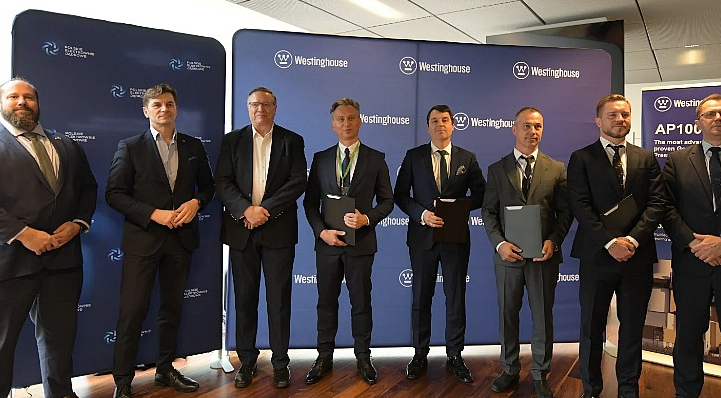
Westinghouse Places First AP1000 Module Orders with Polish Companies
2026-10-16
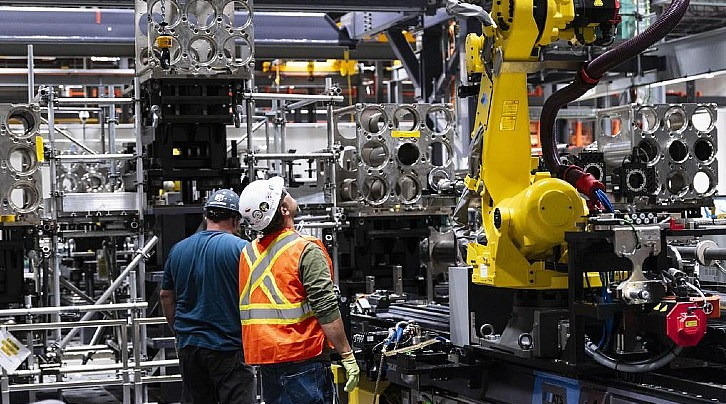
Bruce Unit 4 Refurbishment Sets Record, Schedule Significantly Ahead of Unit 3
2026-10-16
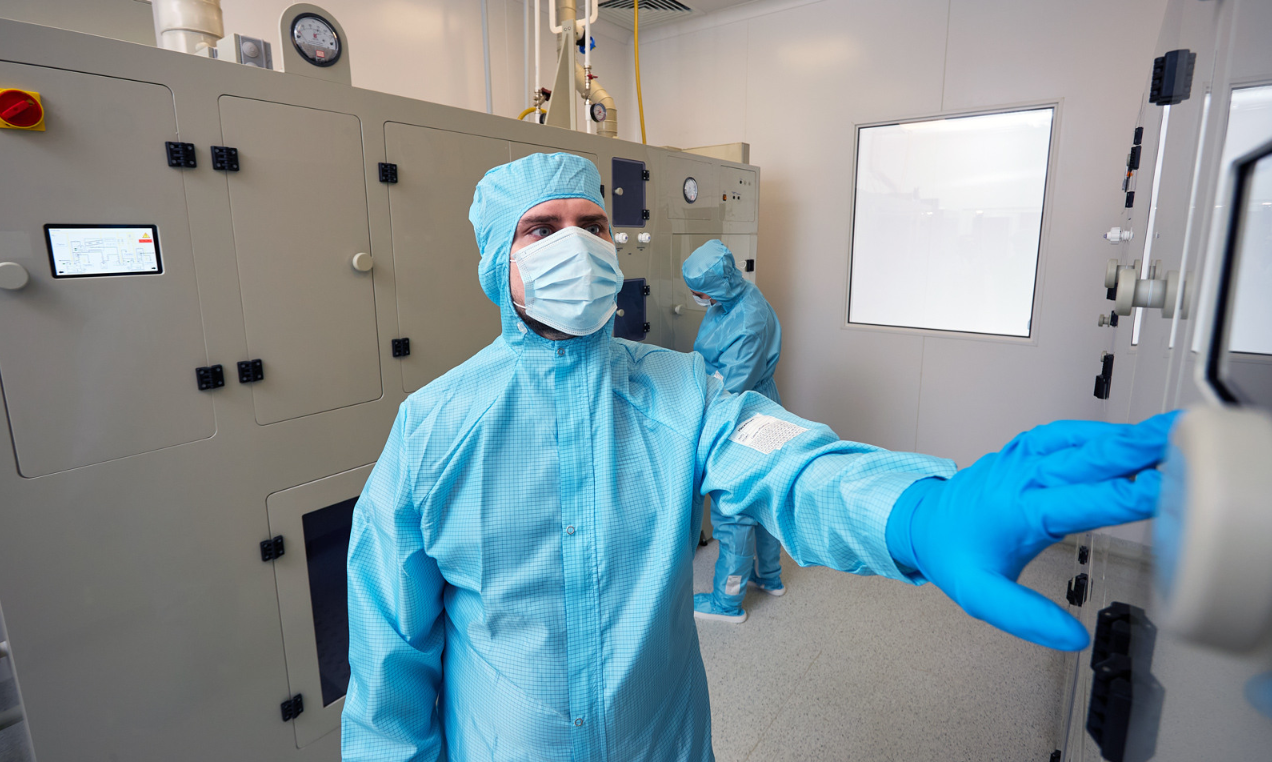
KhimMed to Build Large-Scale Electrolyte Plant for Rosatom, Securing Supply Chain for Gigafactories
2026-10-16
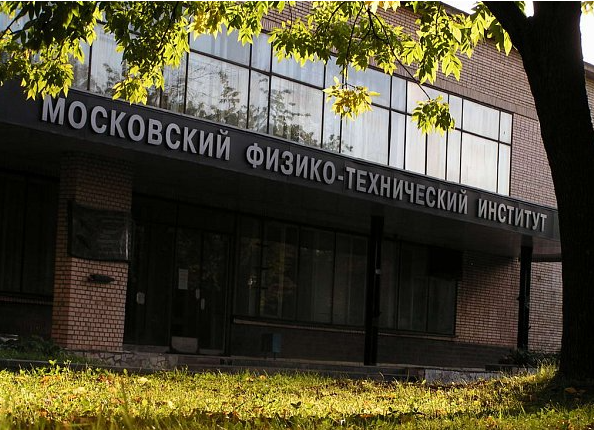
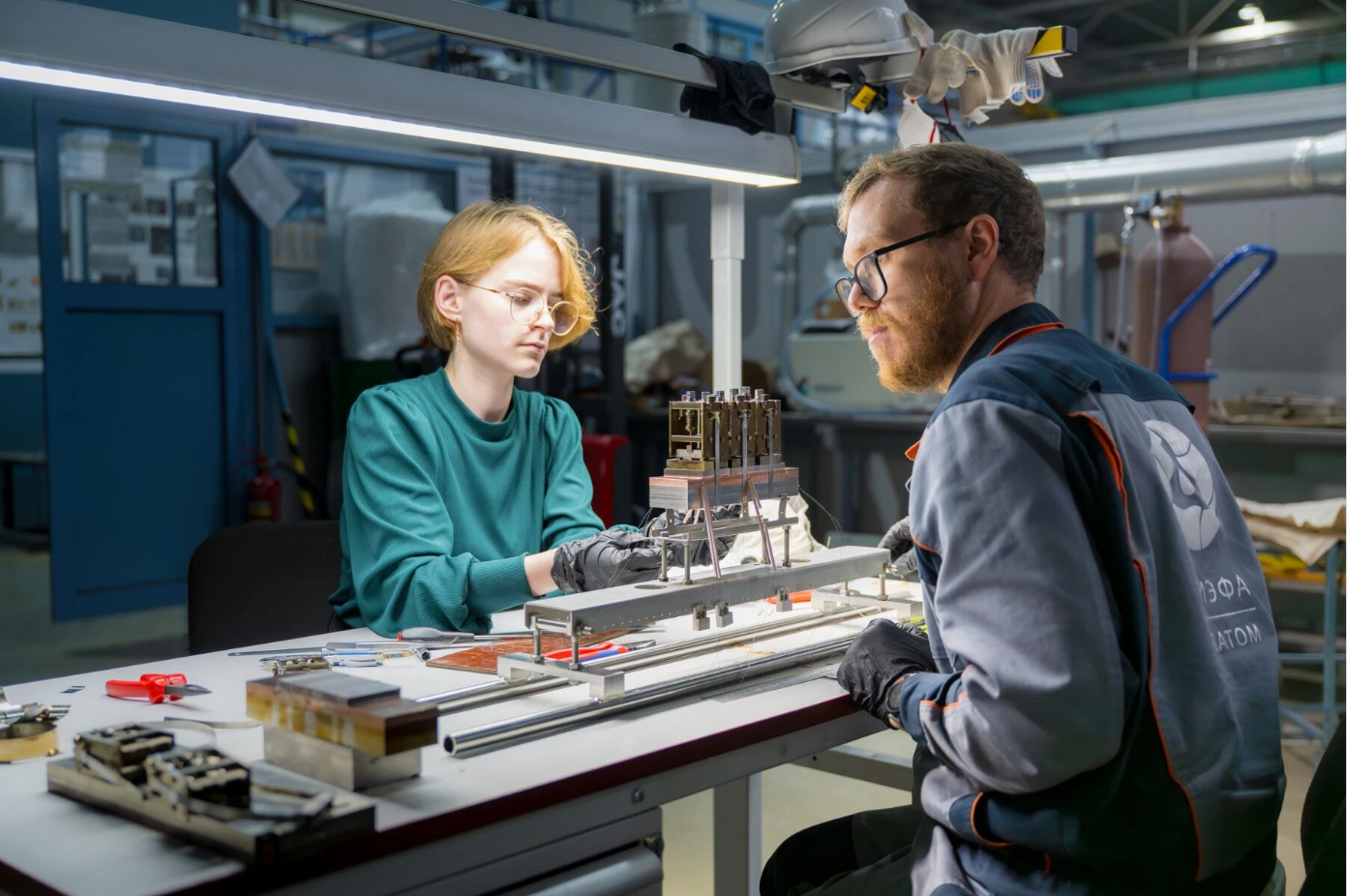
Recently, the Geospace Research Laboratory of the National Research Nuclear University MEPhI (Moscow Engineering Physics Institute, abbreviated as MEPhI) in Russia announced the successful development of a prototype instrument for detecting high-energy electrons in Earth's outer radiation belt. This device is a key scientific payload for investigating the causes of auroras and will in the future be launched into orbit as part of a CubeSat 3U space platform from Geoscan LLC. In terms of technical architecture and core parameters, the detector is specifically designed for small spacecraft, overcoming strict size and power consumption constraints. Its core component uses a thallium-doped cesium iodide (CsI(Tl)) scintillation crystal, capable of highly...
2026-10-16
It was learned from CNNC that the China Institute of Atomic Energy, leading a collaboration with Nanchang University, Shanghai Jiao Tong University and other institutions, has achieved an important breakthrough in research on the volatilization behavior of materials under high-temperature ultra-high vacuum conditions, quantitatively revealing for the first time the volatilization anisotropy mechanism of nickel-based alloys under high-temperature ultra-high vacuum. This provides important theoretical basis and experimental data support for the microstructure optimization, life prediction, and reliability design of high-temperature structural materials used in extreme thermal vacuum environments, and is of great significance for promoting the independent and controllable development of high-temperature ultra-high vacuum materials in China. The related research paper was published in the internationally leading journal in the field of corrosion and oxidation, Corrosion Science. Nickel-based alloys...
2026-10-15
Recently, U.S. nuclear technology startup Oklo announced that it will further advance the construction of the Groves-2 Forge isotope production and processing pilot facility. Located in Texas, the facility aims to build on the successful demonstration experience of the company's previous Groves Isotope Testing Reactor to comprehensively expand irradiation, processing, purification, and commercialization readiness capabilities for key isotopes. It is understood that the Groves-2 Forge facility will integrate cutting-edge hot cell processing capabilities, covering the full process chain including isotope separation, product recovery, packaging, and transportation. The facility's initial production focus will be on lutetium-177 (Lutetium-177) used for cancer radiopharmaceutical therapy and other important therapeutic isotopes...
2026-10-15
Recently, the Swiss Nuclear Forum officially announced the establishment of a dedicated Nuclear Medicine Section, aimed at bringing together professional representatives from the pharmaceutical, medical, and scientific fields to jointly improve the framework conditions for nuclear medicine diagnosis and treatment in Switzerland, strengthen the stable supply of radionuclides, and accelerate the clinical application of innovative medical procedures. The Section is established under the Swiss Nuclear Forum, headquartered in Olten, and will take over and continue the relevant work of the former Swiss Alliance for Innovation in Nuclear Medicine, and will position itself...
2026-10-15
Recently, the U.S. Department of Energy (DOE) has formally approved cost-shared funding for the accelerated final phase of the Molten Chloride Reactor Experiment (MCRE). The funded project will focus on supporting the joint research and development efforts of Southern Company, Idaho National Laboratory (INL), and Core Power, aiming to deepen scientific understanding of liquid chloride salt fuel and molten salt reactor technology and to lay a solid foundation for the development of subsequent commercial reactors. It is understood that the Molten Chloride Reactor Experiment (MCRE) is currently being conducted at Idaho National Laboratory (INL)'s Materials and Fuels Complex ...
2026-10-15
The Ministry of Ecology and Environment recently officially issued a Class A unsealed radioactive material radiation safety license to SPIC Isotope Synergy (Chongqing) Technology Co., Ltd. The issuance of this administrative license marks that the company has officially become the first enterprise in China with full-chain legal qualifications for the mass production, sales, and use of the medical isotope Actinium-225 (Ac-225), filling the gap in China's large-scale supply of novel targeted radionuclides. SPIC Isotope Synergy is located in Bafu Town, Chongqing High-tech Zone, and has been selected for the 2026 Chongqing Potential Unicorn Enterprise Cultivation List. The first phase of the project has a total investment of 918 million RMB, with core technical equipment relying on self-built 120 MeV and 50 MeV high-power medical proton cyclotrons.
2026-10-15
National Research Nuclear University MEPhI held a grand ceremony on October 2 to celebrate the 75th anniversary of its historic Department No. 1—the Department of Radiation Physics and Safety of Nuclear Technologies. Several experts from the renowned Russian radiation safety monitoring system research, development, and manufacturing enterprise NPP Doza, who serve both as key technical personnel of the company and as faculty members at the university, were invited to attend the event. As a major center for training professional and technical personnel for Russia's nuclear industry...
2026-10-14