
Search Results
Keyword:-
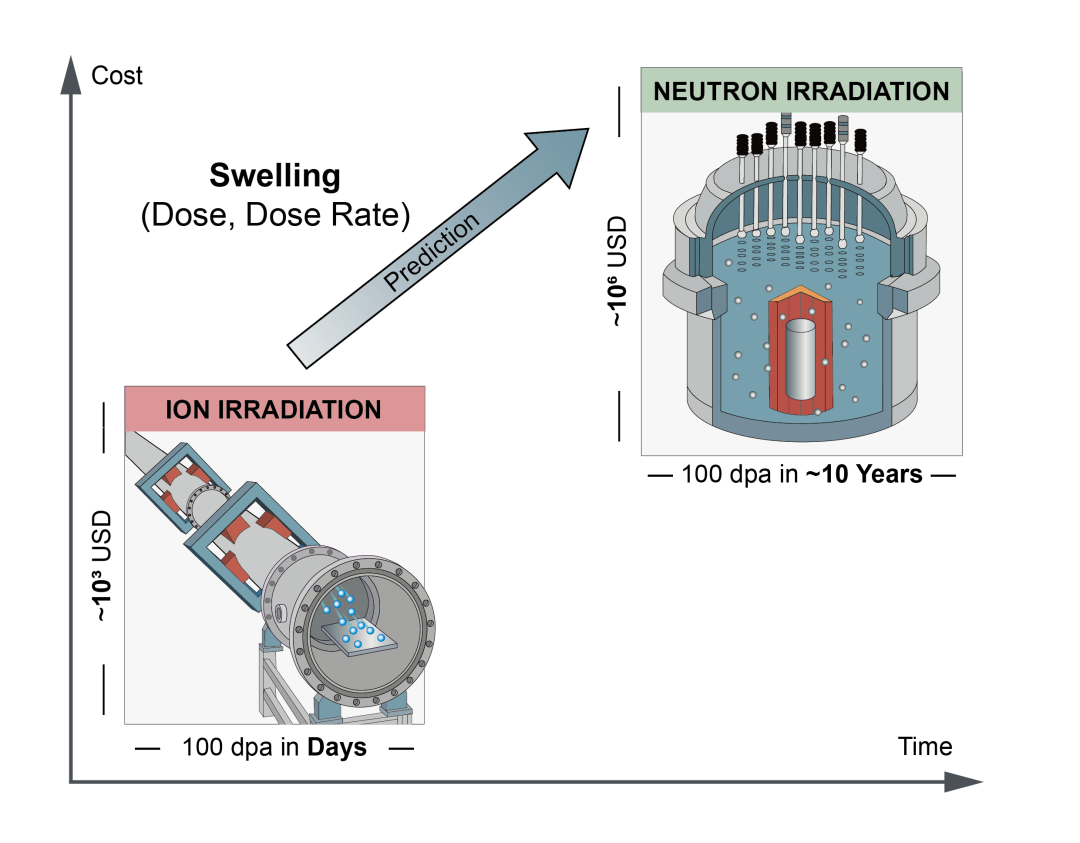
Basic research cracks an application challenge that has persisted for nearly half a century: quantitative prediction of neutron irradiation swelling via ion irradiation
Whether advanced nuclear energy systems can operate safely over the long term depends on the ability of structural materials to resist neutron irradiation damage. Neutrons create numerous atomic-scale defects in materials, which gradually aggregate into nanoscale cavities, ultimately causing material swelling, dimensional instability, and performance degradation. However, obtaining high-dose neutron irradiation data often requires years or even more than a decade, with high costs and post-irradiation sample radioactivity; in contrast, ion irradiation can simulate years of accumulated damage within days and is therefore widely adopted (approximately 95% of irradiation experimental data in existing literature come from ion irradiation). But the dose rate of ion irradiation is typically 3—4 orders of magnitude higher than that of neutron irradiation, making direct conversion between the two results difficult. Recently, the research team of Wang Chenxu and Wang Yugang from the Institute of Heavy Ion Physics, School of Physics, and the State Key Laboratory of Nuclear Physics and Nuclear Technology at Peking University, in collaboration with researchers from the University of Tennessee and other institutions, established a quantitative relationship between material swelling and irradiation dose and dose rate at fixed temperatures based on cluster dynamics simulations, theoretical derivations, and ion irradiation experiments, achieving prediction of neutron irradiation swelling using rapid ion irradiation and providing a new tool for rapid screening and lifetime evaluation of nuclear materials.
2026-08-07
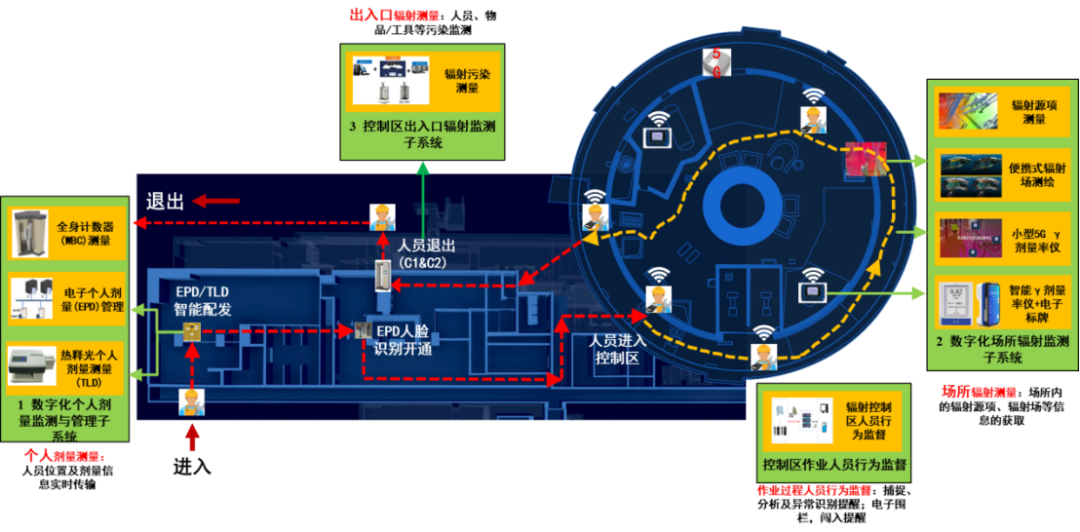
Real-Time Perception, Full-Scope Visibility! CNNC Environmental Protection's "SMARP2.0" Leads a New Paradigm in Nuclear Power Radiation Protection
In nuclear power radiation work scenarios, the ability to pre-determine radiation dose levels in various areas has long been an aspiration of countless nuclear industry workers. Now, the SMARP2.0 system developed by the China Institute for Radiation Protection (CIRP), a subsidiary of CNNC Environmental Protection, has turned this vision into reality. Recently, the China Institute for Radiation Protection, under CNNC Environmental Protection, completed the iterative upgrade of the SMARP2.0 digital radiation protection technical support system. This system can pre-calculate radiation dose levels in various areas of nuclear power operations, effectively resolving the long-standing industry challenge where frontline nuclear workers could not grasp on-site radiation conditions in advance, providing robust technical support for optimizing radiation work plans and ensuring worker radiation safety. SMARP2.0...
2026-08-07
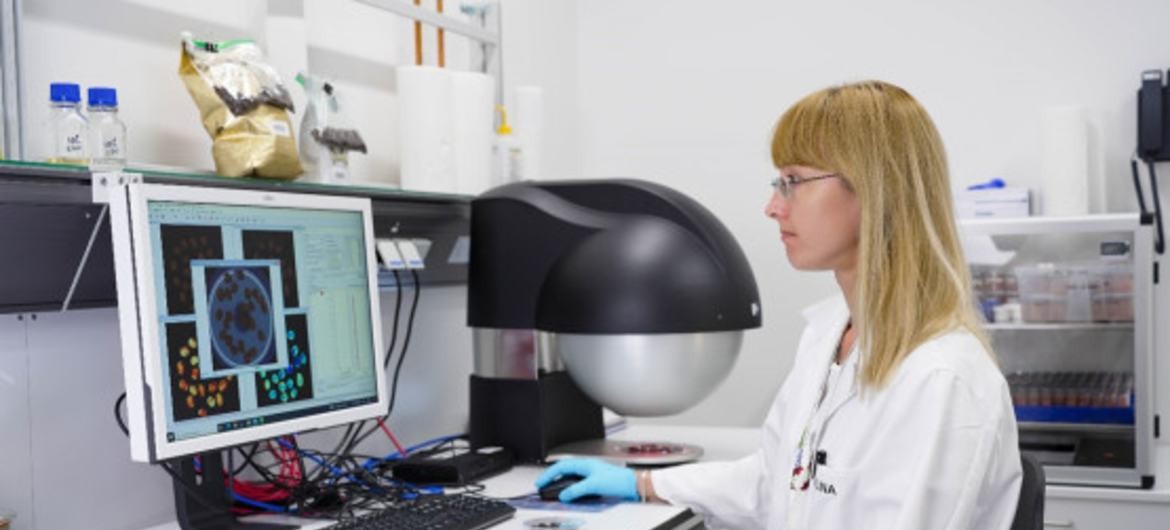
60th Anniversary of the Joint FAO/IAEA Centre: Nuclear Techniques Continue to Serve Global Agriculture and Food Safety
In 2024, the Joint FAO/IAEA Centre of Nuclear Techniques in Food and Agriculture marks its 60th anniversary. Established in 1964 through a partnership between the Food and Agriculture Organization of the United Nations and the International Atomic Energy Agency, the Centre primarily promotes the application of nuclear science and related technologies in food security, agricultural production, and sustainable environmental development. Over the past 60 years, the Joint Centre has carried out work in areas including pest control, plant breeding and genetics, soil and water management, animal production and health, and food safety and quality control. Its Agriculture and Biotechnology Laboratories have long undertaken tasks in technology development, capacity building, and technology transfer,...
2024-12-27
FAO and IAEA: Nuclear Technologies Are Enhancing Agricultural Production and Food Security
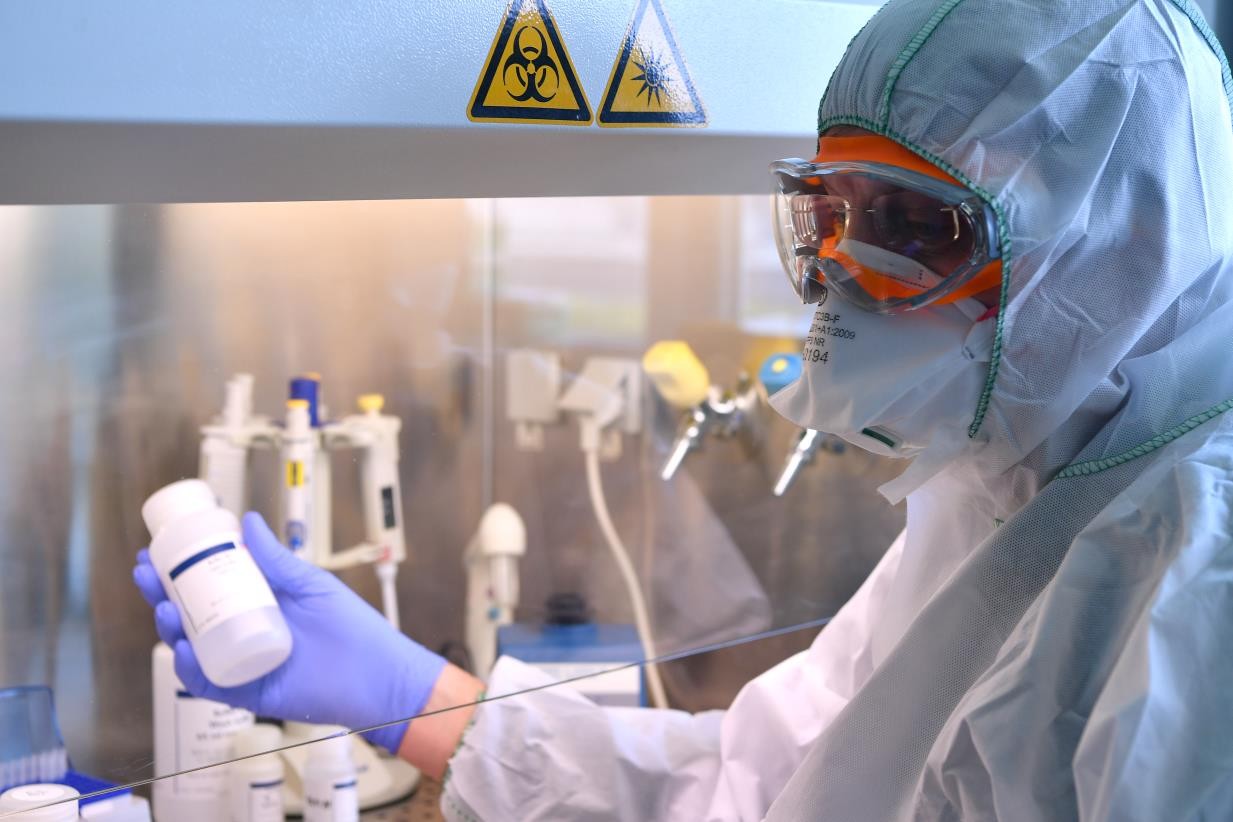
On March 30, 2021, the Food and Agriculture Organization of the United Nations and the International Atomic Energy Agency presented multiple applications of nuclear technologies in agriculture and food security. The two organizations have collaborated for over 50 years in knowledge sharing and capacity building, further strengthening their partnership through the establishment of the Joint FAO/IAEA Centre of Nuclear Techniques in Food and Agriculture. In the field of animal health, nuclear technologies are used for the detection, control, and prevention of transboundary animal diseases and zoonoses. Belize previously had to send animal disease testing samples to overseas laboratories; with support from the Joint FAO/IAEA Centre, the Belize Agricultural Health Authority established a molecular diagnostic laboratory for animal health and adopted real-time polymerase chain reaction (PCR) testing technology. This method can detect animal diseases within 24 hours, helping frontline personnel take rapid prevention and control measures. Recently, the laboratory has also been used to assist in human COVID-19 testing, reflecting the "One Health" concept that animal, human, plant, and environmental health are interconnected.
2021-03-30
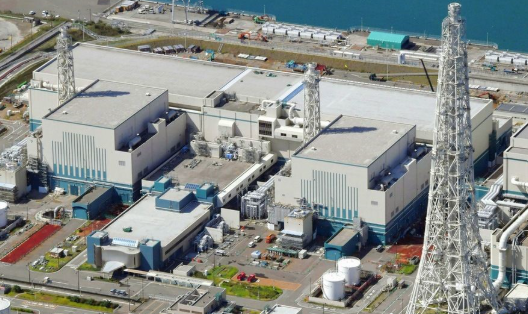
IAEA Director General to Inspect Kashiwazaki-Kariwa Nuclear Power Plant
Preparations are in the final stages for IAEA Director General Rafael Grossi's first inspection of Tokyo Electric Power Company's Kashiwazaki-Kariwa Nuclear Power Plant, expected to take place on August 18. Grossi has previously stated that there are "no obstacles to a swift restart," signaling a positive attitude toward the plant's reactivation. This inspection suggests that discussions surrounding the restart may accelerate. However, it is worth noting that local residents still harbor concerns, adopting a cautiously optimistic outlook on future developments. This marks Grossi's first visit to the Kashiwazaki-Kariwa plant, making it a significant event. Against the backdrop of growing attention to nuclear safety, the IAEA's...
2026-08-06
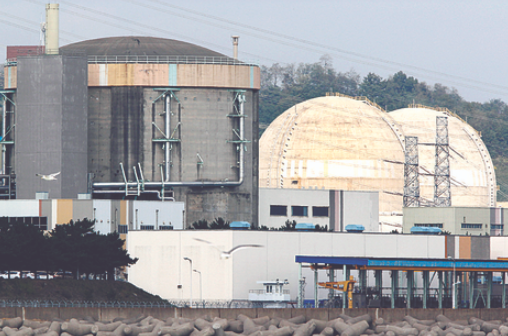
South Korea Advances First Domestic Commercial Production of Lu-177 Using Wolsong Heavy Water Reactors
Korea Hydro & Nuclear Power (KHNP) plans to use the heavy water reactors at the Wolsong Nuclear Power Plant to produce, for the first time domestically, the radioisotope lutetium-177 (Lu-177) for cancer treatment. Currently, South Korea relies entirely on imports for this material, which imposes cost pressures and supply instability on local radiopharmaceutical companies such as Cellbion and FutureChem. Industry experts generally believe that domestic production will help build a diversified supply chain and shorten transportation times. The primary goal of this plan is to achieve commercial production of Lu-177, with pilot production expected in 2028 and full-scale production commencing in 2031. Subsequently, KHNP will expand production to include cobalt...
2026-08-06
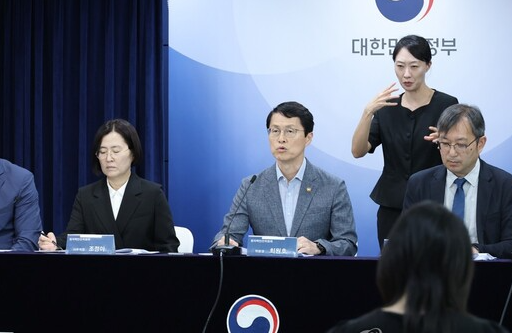
Korea's Nuclear Safety and Security Commission Conducts Safety Inspection at Hanul Nuclear Power Plant
Amid the ongoing heatwave, Korea's Nuclear Safety and Security Commission is closely monitoring safety inspections at domestic nuclear power plants. On August 6, Commission Chairman Choi Won-ho visited the Hanul Nuclear Power Plant in Uljin, North Gyeongsang Province, for an on-site inspection. The primary purpose of this inspection was to verify whether the plant's safety systems can operate properly under continuously rising seawater temperatures. As rising seawater temperature is a factor that directly affects the cooling system, the Hanul plant conducted detailed checks on heat exchanger performance and thermometer conditions. Chairman Choi also held prior discussions via video conference with relevant nuclear agencies on response measures to high temperatures. During the subsequent on-site inspection, he reviewed...
2026-08-06

Clobot Signs MOU with Korea Atomic Energy Environment Corporation and Others to Demonstrate Multi-Robot System for Safe Radioactive Waste Management
Clobot, a specialized enterprise in intelligent robot services and integrated control of heterogeneous robots, announced on August 6 that it will apply its multi-robot integrated control system to radioactive waste safety management sites. On August 3, the company signed a business agreement at the headquarters of the Korea Atomic Energy Environment Corporation, with partners including T-Robotics, the Gyeongbuk ICT Convergence Industry Promotion Association, and the Korea Atomic Energy Environment Corporation, under the project name "Demonstration Project for Multi-Robot Operation in High-Risk Radioactive Waste Safety Management." The collaboration is based on the selection through the public call for proposals for the "Large-Scale Converged Robot Demonstration Project: Social Problem-Solving Type" hosted by the Korea Institute for Robot Industry Advancement in 2026, with Clobot serving as the lead organization.
2026-08-06
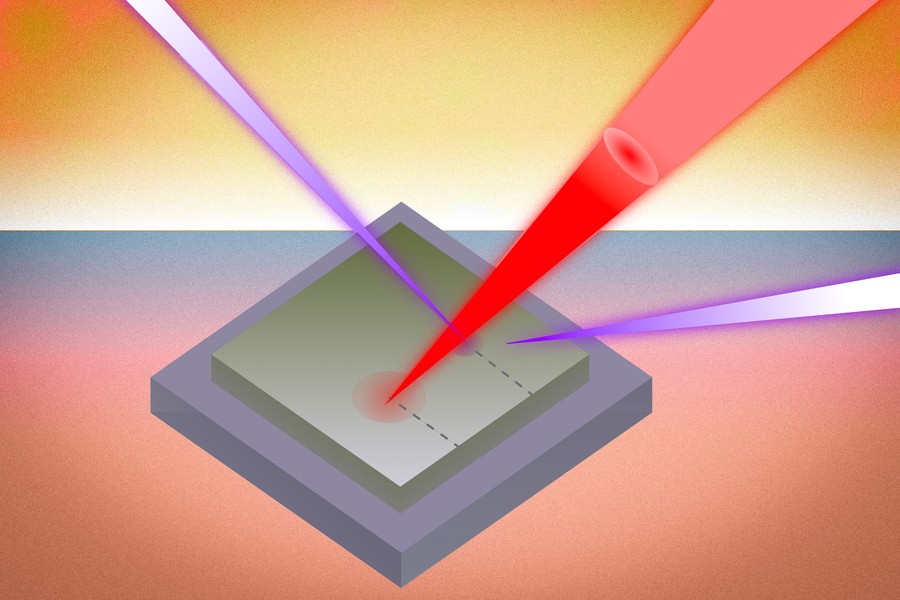
MIT Develops Ultrafast X-ray Thermometry Method to Observe Heat Transfer in Multilayer Chip Structures
Researchers at the Massachusetts Institute of Technology (MIT) have developed a new method for observing how heat transfers through multilayer materials, which can be used to precisely measure heat flow variations inside electronic devices such as computer chips. The findings have been published in Nature Communications. As computer chips continue to shrink in size and power density keeps rising, device overheating has become a major factor limiting performance improvements. Traditional heat flow measurement methods face limitations when dealing with the multilayer structures of real electronic devices—for example, the commonly used time-domain thermoreflectance method struggles to distinguish heat transport in different material layers, while infrared imaging and other approaches also fail to capture rapid changes at microscopic scales. To address this issue...
2026-08-06
Dark Energy Survey Releases Six-Year Results: Data from 669 Million Galaxies Helps Constrain Cosmic Accelerated Expansion
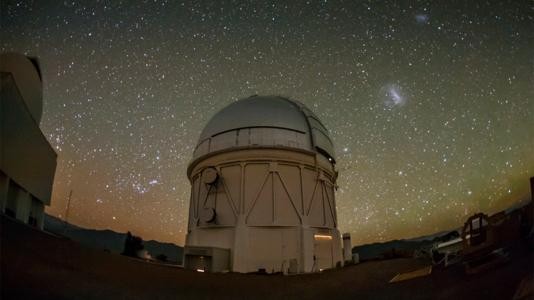
On August 4, the Dark Energy Survey (DES) project released its six-year findings on dark energy detection. The project compiled 18 related papers, based on nearly 300,000 astronomical images captured between 2013 and 2019, recording information on 669 million galaxies, thousands of galaxy clusters, and more than 3,000 supernovae to study the accelerated expansion of the universe and the evolution of cosmic structure. To carry out DES, Fermi National Accelerator Laboratory built an extremely sensitive 570-megapixel digital camera, DECam, which was installed on the Blanco 4-meter telescope at the National Science Foundation's Cerro Tololo Inter-American Observatory in the Chilean Andes. (Image courtesy of Reidar Hahn/Fermi National Acceler...
2026-08-06

U.S. Laboratories Plan "Materials Discovery Cloud" to Use AI to Predict Impact of Defects in Microelectronic Devices
Researchers at the U.S. Department of Energy's Argonne National Laboratory, Lawrence Berkeley National Laboratory, Oak Ridge National Laboratory, and Northwestern University are planning to develop a Materials Discovery Cloud platform that leverages a physics-based artificial intelligence framework to predict how tiny defects affect the performance and lifespan of microelectronic devices. Visualization of the Materials Discovery Cloud, a physics-based AI framework that integrates experimental data, simulations, and high-performance computing to predict how tiny defects affect the performance and lifespan of microelectronic devices. (Image provided by ChatGPT.) Microelectronic devices are widely used in smartphones, laptops, secure communications, and artificial intelligence hardware. As device dimensions continue to shrink and operating speeds increase, tiny defects within materials and at interfaces have a more pronounced impact on device stability. These defects can cause overheating, leakage current, switching instability, and other issues, or in certain conditions, improve electrical or thermal performance. Identifying critical defects and understanding their evolution under real-world operating conditions has become a key challenge in the design of next-generation microelectronic materials.
2026-08-06

Germany Establishes Three Fusion Centers, HZDR Contributes to Advancing Key Technologies for Fusion Power Plants
The German Federal Ministry for Research, Technology and Space (BMFTR) recently established three fusion centers under the German High-Tech Agenda (HTAD), aiming to pool the efforts of research institutions and industry to advance technology development for future fusion power plants. The German federal government will provide €125 million in initial funding for the related work, with a focus on laser fusion, magnetic confinement fusion, and cross-cutting areas such as fuel cycle and materials development. The Helmholtz-Zentrum Dresden-Rossendorf (HZDR) will participate in the construction of the relevant centers leveraging its research infrastructure, contributing capabilities in high-power lasers, materials research, simulation and data analysis. The SAXFUSION capability network, jointly coordinated by HZDR and the Fraunhofer Institute for Material and Beam Technology (Fraunhofer IWS), will also take on tasks of exchange, cooperation and knowledge transfer.
2026-08-06

"Academician Lomonosov" Floating Nuclear Power Plant Passes Two-Week Audit by International Experts, with Significantly Fewer Findings Compared to 2022
An international team of inspectors at the Arctic port of Pevek conducted a two-week safety assessment of the Akademik Lomonosov, the world's only operating floating nuclear power plant. The experts observed daily operations and studied documentation in key areas. The audit focused on management organization, engineering support, maintenance and repair, radiation protection, and preparedness for various emergency scenarios. The final report shows a significant reduction in the number of findings compared to inspections prior to 2022. This is attributed to the professionalism of management and staff, who followed domestic and international best practices, thereby achieving a high level of safety and operational culture. The plant's nuclear...
2026-08-06
South Korean Scholar Patents Fusion Reactor Optimization Design Method
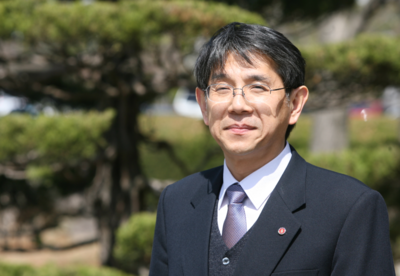
Professor Bonggeun Hong (transliteration) of the Department of Quantum System Engineering at the College of Engineering, Jeonbuk National University, South Korea, has recently registered a patent for a fusion reactor optimization design method, aimed at supporting the engineering design and commercialization of next-generation fusion technology. [Image source: Jeonbuk National University] The design method proposed in the patent can evaluate the performance of fusion reactors in various application scenarios—including power generation, thermal energy utilization, and use as a neutron source for nuclear transmutation—while optimizing device dimensions and key component structures. Its core approach is to simultaneously consider fusion system performance and economic feasibility during the initial design phase, thereby deriving more optimal design solutions.
2026-08-06
University of Kansas Receives DOE Funding to Build New-Generation Detectors for CERN's Large Hadron Collider
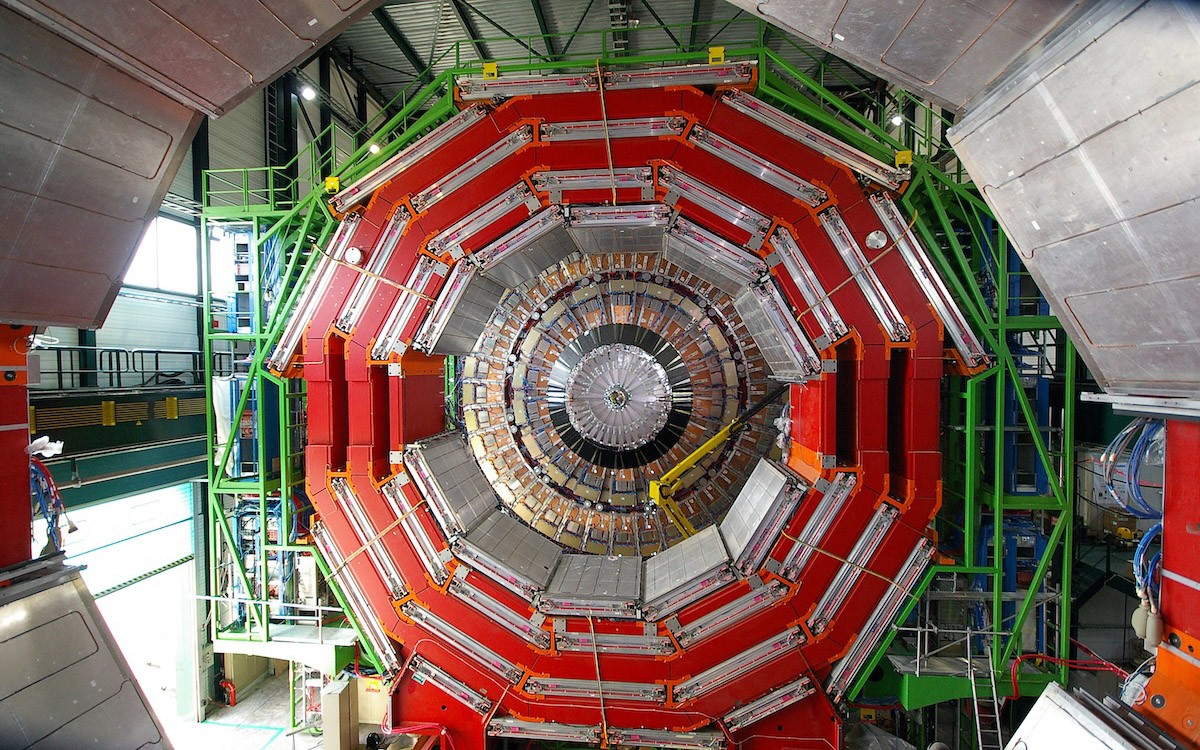
A particle detector development project led by the University of Kansas has recently received funding from the U.S. Department of Energy's Established Program to Stimulate Competitive Research (DOE EPSCoR). The project, funded at $1 million, will be used to design and build two High-Luminosity Zero Degree Calorimeters (HL-ZDC) for the Compact Muon Solenoid experiment (CMS) at CERN's Large Hadron Collider (LHC). The four-year project is co-led by Michael Murray, professor in the Department of Physics and Astronomy at the University of Kansas, and Christophe Royon, distinguished professor at the University of Kansas. Murray also serves as the project lead for the CMS High-Luminosity Zero Degree Calorimeter upgrade...
2026-08-06