
Search Results
Keyword:7

Red Fort Address: Modi Reaffirms "Developed India" Vision for 2047, Sets 100 GW Nuclear Power Target
On August 15, India celebrated its 80th Independence Day, with Prime Minister Narendra Modi addressing the nation from the ramparts of the Red Fort in Delhi. The core message centered on the national vision of building a developed India by 2047. He called on citizens to move beyond small-target thinking and embrace greater developmental ambitions, emphasizing that unwavering resolve could chart a path forward for the nation amid complex circumstances. This statement continues India's recent political narrative of using the 100th anniversary of independence as a long-term development milestone. In his address, Modi highlighted India's economic and industrial transformations over the past 12 years. He noted that India, once regarded as one of the fragile five economies, has now become one of the fastest-growing major economies globally...
2026-08-15
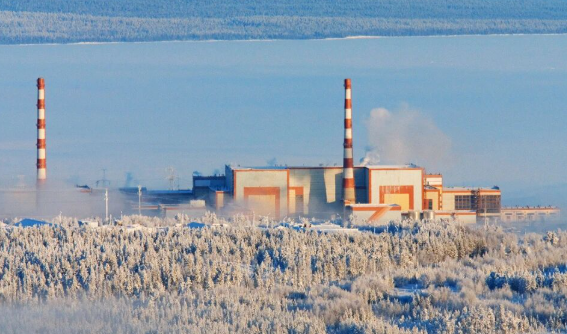
Long-term radiation environment at Kola NPP remains under control: gamma dose rates within natural background levels, 15 permanent observation stations operating since 1972
Long-term monitoring results from the external radiation monitoring group at Russia's Kola Nuclear Power Plant show that gamma radiation dose rates around the plant site have consistently remained within natural background radiation levels, with radionuclide concentrations matching background values, indicating a sound radiation environment with no differences from surrounding areas. The station's radiation safety department collects surface water samples from the discharge canal monthly, with monitoring coverage encompassing all elements including the atmosphere, snow cover, bottom sediments, food products, algae, berries, mushrooms, and caged fish. The monitoring architecture consists of two tiers: 15 permanent environmental observation stations have been in continuous operation since before the commissioning of the first reactor unit in 1972; 13 ASKRO automated radiation environment monitoring system stations provide real-time ground-level gamma dose rate data, which is transmitted directly to the Rosenergoatom crisis center and integrated into the national unified radiation monitoring network. Approximately 200,000 cubic meters of air are drawn weekly through air filtration units to capture radionuclides, with volumetric activity of radioactive iodine also measured. A mobile radiological laboratory performs on-site spectrometric analysis. Annually, about 1,200 environmental samples are collected from around the plant site and delivered to the Polyarnye Zori laboratory, where well water samples analyzed by Canberra spectrometers yield "zero nuclide" results, with samples retained for one year for potential re-analysis. Biological samples are processed using the ashing method, and instrument sensitivity is sometimes insufficient to even detect any signal from the plant's impact.
2026-08-14

Bhabha Atomic Research Centre (BARC) in India develops 72 improved crop varieties through radiation mutation technology
The integration of nuclear technology with agricultural production is demonstrating increasingly tangible value in Indian farmlands. Through radiation-induced mutation and hybrid breeding techniques, the Bhabha Atomic Research Centre in India has successively developed 72 improved crop varieties, covering peanuts, rice, mung beans, mustard, and other crops. India's Minister of State Jitendra Singh disclosed this progress in a written reply to Parliament, showing that the peaceful application of nuclear science has extended from laboratories to the frontlines of agricultural production. In terms of variety composition, peanut new varieties are the most numerous, reaching 17; rice has 10, mung beans and mustard 9 each, black gram 8, pigeon pea 5, sorghum 3, and cowpea, wheat, and soybean 2 each. Additionally...
2026-08-13
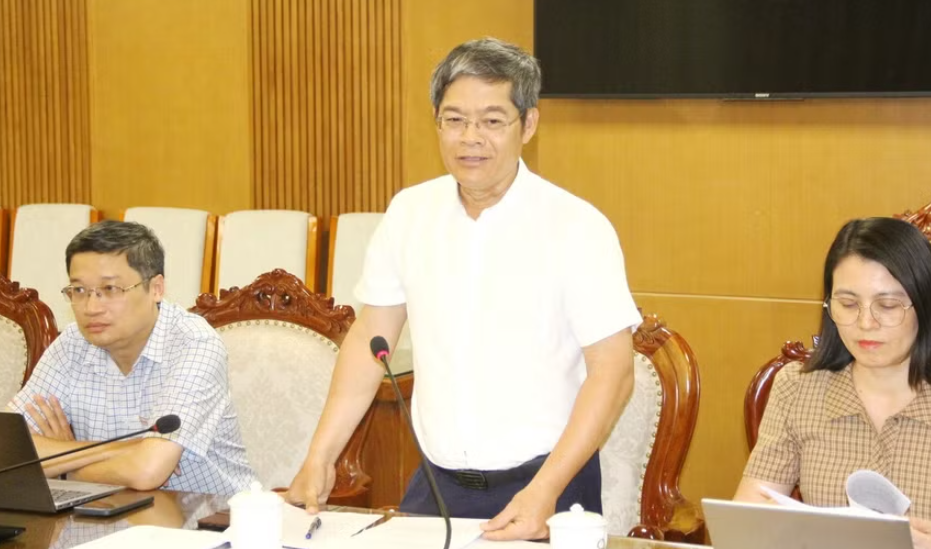
Vietnam accelerates nuclear power workforce training, Ninh Thuan 1 project targets commercial operation in 2037-2038
On the afternoon of August 12, Vietnam's Deputy Minister of Education and Training Pham Quang Hung held a working meeting with Vietnam Electricity (EVN) to focus on the implementation of human resource training plans in the nuclear power sector. EVN Deputy General Director Nguyen Tai Anh stated that the group has preliminarily identified 120 key positions required for nuclear power plant operation, as well as 320 core personnel who currently need training and reserve development. As Vietnam plans to build a workforce meeting nuclear power operation requirements by 2035, relevant training must be planned as early as possible and accelerated. The Ninh Thuan 1 Nuclear Power Project is Vietnam's first nuclear power project, with EVN as the investor. The project was suspended in 2016 due to national resource coordination needs, and was restarted at the end of 2024 in accordance with...
2026-08-13
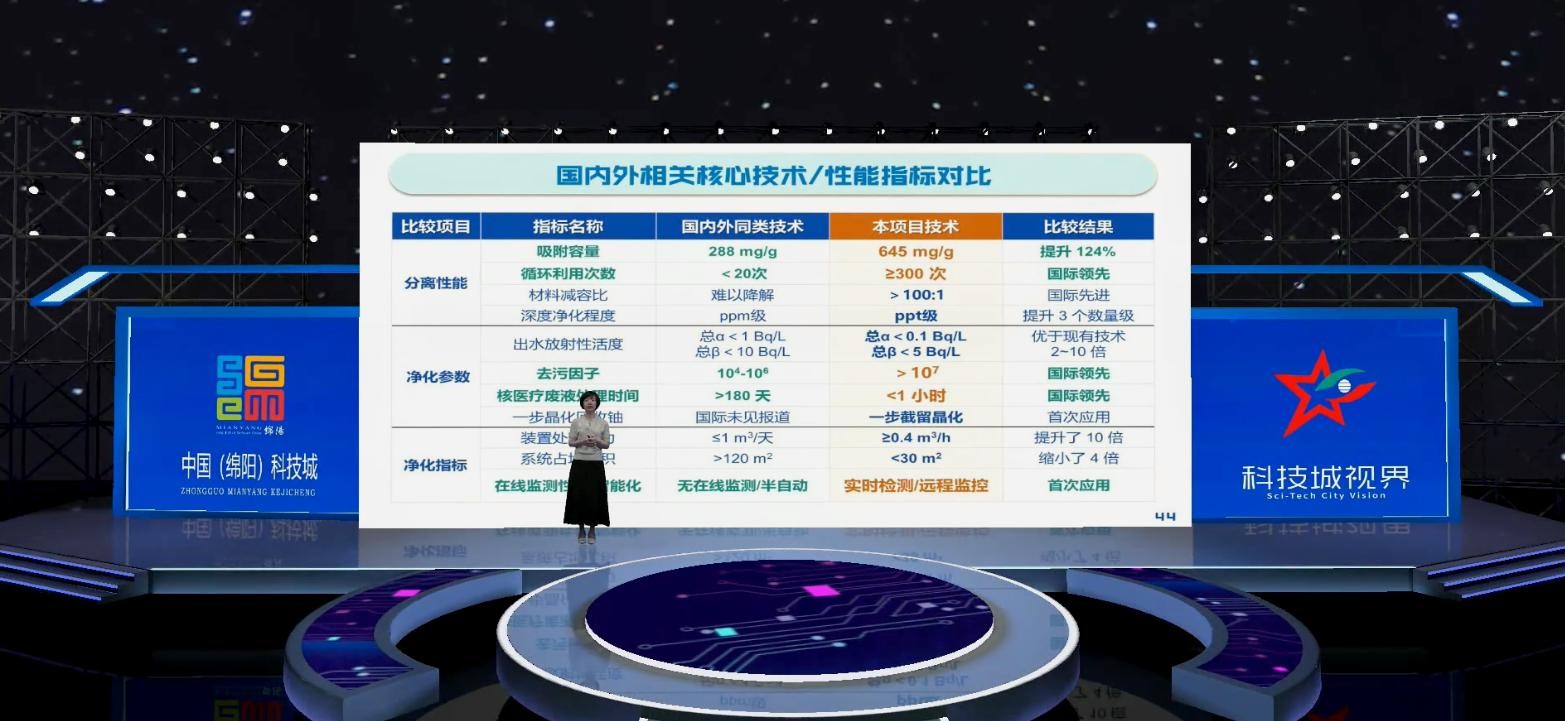
Southwest University of Science and Technology Releases Medical Radioactive Waste Treatment Technology Covering Liquid, Gas, and Solid Waste Management
On August 10, the Mianyang Science and Technology City Strategic Development Research Center held an online innovation achievement release conference, unveiling a medical radioactive waste treatment technology developed by the School of National Defense Science and Technology / School of Nuclear Science and Technology at Southwest University of Science and Technology. The technology targets radioactive contaminants including liquid waste, off-gas, and solid waste generated during nuclear medicine diagnosis and treatment, offering a full-chain comprehensive treatment solution. The conference attracted 87,000 experts in the nuclear medicine field, departmental representatives, and enterprise users. With the rapid development of the domestic nuclear medicine industry, insufficient radioactive waste disposal capacity has gradually become a key issue facing the industry's safe expansion. Relevant data show that over 96% of nuclear medicine departments nationwide are constrained by decay tank capacity...
2026-08-13
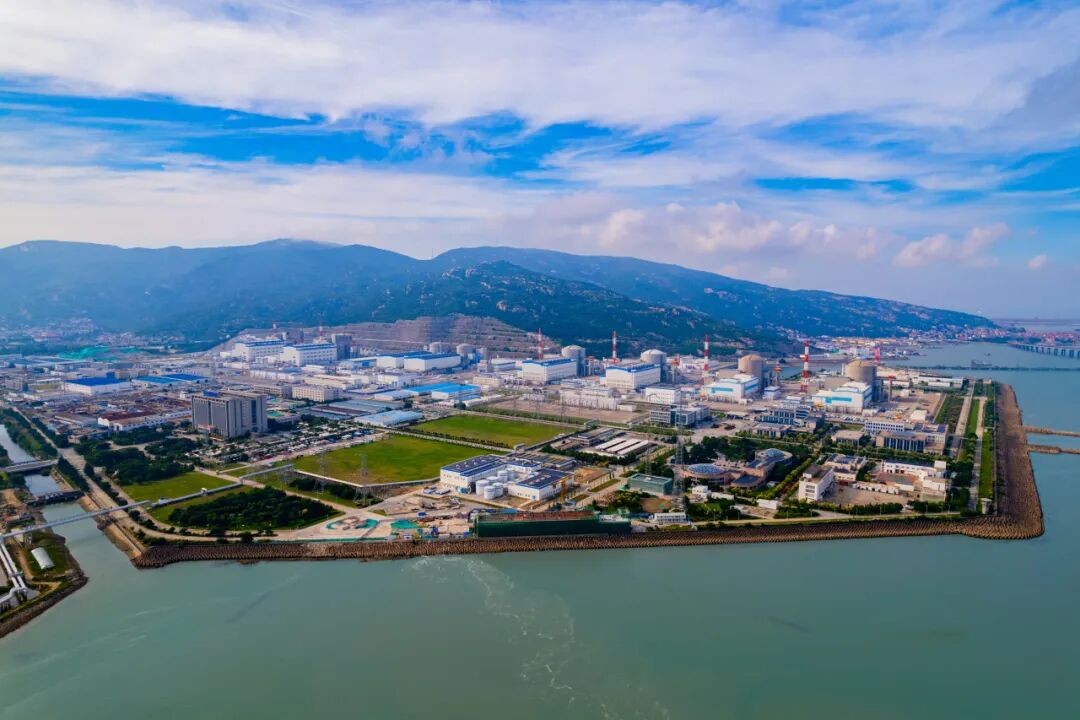
First Fuel Loading Officially Begins at Tianwan Nuclear Power Plant Unit 7
On August 12, as the first fuel assembly was precisely and safely loaded into its designated position in the reactor core, the first fuel loading officially began at Unit 7 of the Tianwan Nuclear Power Plant, which is invested and controlled by China National Nuclear Corporation (CNNC)'s China Nuclear Power. This marks a solid foundation for subsequent reactor criticality and commercial operation. First fuel loading is the core procedure of implanting the "energy heart" into a nuclear reactor. As a key milestone in the full lifecycle of nuclear power construction, it not only serves as a comprehensive test of the unit's years of engineering construction quality, system commissioning level, and safety management capability, but also represents the critical starting point for the unit's nuclear-powered operation. It is understood that this fuel loading is the first-ever loading for a VVER-1200 unit in China, requiring a total of 163 nuclear fuel assemblies to be loaded...
2026-08-12

Fuse Energy Technologies Corp. Reports FAETON-X Single-Shot D-D Fusion Neutron Yield of 1.27×10¹²
Fuse Energy Technologies Corp., headquartered in California, USA, announced on August 11 that its megajoule-class dense plasma focus device FAETON-X measured a peak neutron yield of (1.27±0.27)×10¹² neutrons per shot in a single D-D fusion experiment. The company stated that this is one of the highest single-shot fusion neutron yields publicly recorded by a commercial fusion enterprise, and the first to reach the 10¹² order of magnitude. FAETON-X is a megajoule-class pulsed-power fusion system developed by Fuse, designed as a single-pulse flash neutron source, serving pulsed-power fusion R&D and...
2026-08-12

Brazil's uranium imports from Russia hit highest since 1997 in July, reaching $84.5 million in a single month, a 168-fold surge month-on-month
Brazil's uranium imports from Russia in July this year reached $84.5 million, equivalent to approximately 430 million reais, the highest level since 1997. Compared with the import value of only $504,000 in June, the single-month increase was as high as 168-fold, indicating that this transaction was not a general monthly fluctuation but a concentrated procurement of exceptionally large scale. Looking at historical data, Brazil's uranium imports have typically remained at the level of hundreds of thousands of dollars per month, and even previous periodic peaks were far below the scale seen in July. Materials show that there was an import peak exceeding $1 million in August 2025, but it still pales in comparison with this $84.5 million figure. This means that the July data not only changes...
2026-08-12

Deep Fission Details 'One-Mile-Deep PWR' Roadmap at Canaccord Conference, Targeting First Commercial Operation by End of 2027
On August 11, Deep Fission (FISN) unveiled a differentiated nuclear commercialization pathway at Canaccord Genuity's 46th Annual Growth Conference: rather than reinventing nuclear fission technology, the company aims to deploy mature pressurized water reactors in underground boreholes approximately one mile deep. CEO Liz Muller emphasized that the core approach is to change where reactors are deployed, not to adopt an entirely new reactor physics model. Given that PWR technology has been used in commercial nuclear power for decades, the company hopes to shorten the validation cycle by leveraging mature technology and avoid the new fuel, new material, and new design licensing hurdles faced by some advanced nuclear projects. According to the company's plan...
2026-08-12
U.S. National Nuclear Security Administration Extends Savannah River Site Management and Operating Contract to September 2027
The U.S. Department of Energy's National Nuclear Security Administration (DOE/NNSA) announced on August 10 that it has exercised the remaining option on the Savannah River Site (SRS) Management and Operating contract with Savannah River Nuclear Solutions, LLC, extending contract performance through September 30, 2027, with an estimated contract value of $2.3 billion. NNSA stated that exercising this remaining option will help maintain continuity and stability of the contractor workforce, allowing related work to continue advancing around the agency's critical missions. The current SRS Management and Operating contract was originally scheduled to expire on September 30, 2026...
2026-08-11

ITM Receives Complete Response Letter from FDA for ¹⁷⁷Lu-edotreotide New Drug Application
Radiopharmaceutical biotechnology company ITM Isotope Technologies Munich SE (ITM) announced on August 10 that it had received a Complete Response Letter (CRL) from the U.S. Food and Drug Administration (FDA) on August 7, 2026, regarding the New Drug Application (NDA) for its investigational drug ¹⁷⁷Lu-edotreotide (ITM-11). The drug is intended for the treatment of gastroenteropancreatic neuroendocrine tumors (GEP-NETs).
2026-08-11
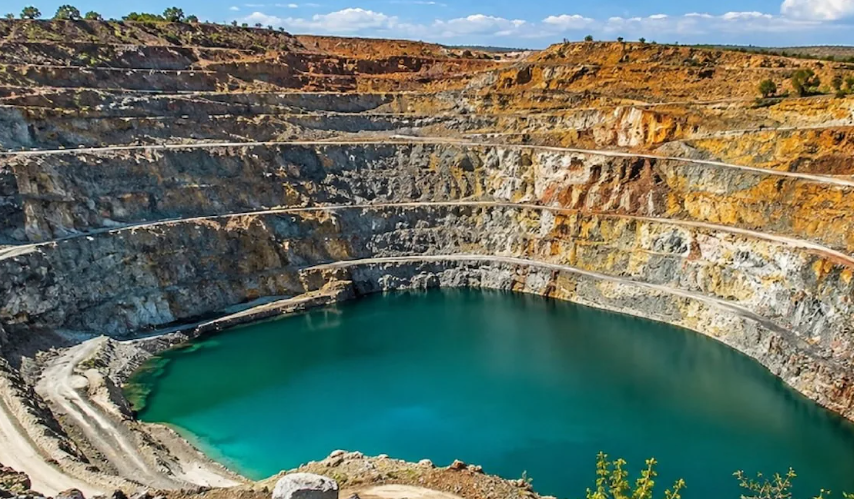
Türkiye Plans 17,000-Ton Uranium Drilling Program, Accelerating Nuclear Energy Autonomy Strategy
Türkiye is advancing a new round of exploration around a uranium deposit reportedly totaling 17,000 tons, planning drilling at 47 different points to further confirm ore body distribution, grade levels, and economic viability for extraction. This move is positioned within the context of Türkiye's energy supply security and nuclear energy development strategy, aiming to provide more domestic resource support for future nuclear fuel assurance. From an energy strategy perspective, uranium resource exploration is not merely a standalone mining project but part of Türkiye's efforts to reduce external energy dependence. Türkiye has long relied on imported energy, with external supplies of natural gas, oil, and other resources impacting its energy costs and macroeconomic performance. Globally...
2026-08-10
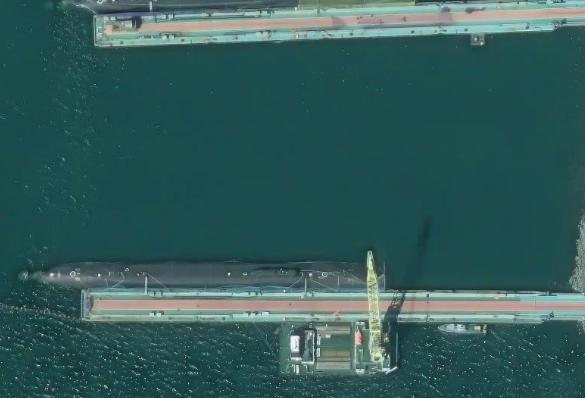
Russian Far East nuclear submarine base adds anti-drone nets, unmanned equipment protection prompts adjustments across multiple platforms
Satellite imagery shows Russia has installed anti-drone protective nets over multiple nuclear submarines at the Vilyuchinsk naval base on the Kamchatka Peninsula. The base hosts the Pacific Fleet's nuclear submarine deployment. A total of eight moored submarines are covered by the protection, including Borei-class and Borei-A-class ballistic missile submarines, as well as Oscar-class, Yasen-class, and Akula-class attack submarines. The protective installations consist mainly of L-shaped steel frames along the piers and retractable netting. When submarines are berthed, the nets can cover the upper hull; before submarines depart port, the netting is rolled up and stowed. Such facilities cannot withstand long-range cruise drones or heavy missile strikes, but can provide a degree of physical shielding against low-cost threats such as small FPV drones and improvised unmanned devices. The Russian side has also deployed double-layer floating barriers on the outer side of the mooring area to prevent unmanned surface vessels from entering the harbor.
2026-08-10

India Announces INR 26.75 Trillion in Investments This Fiscal Year, with INR 6.5 Trillion Planned for Nuclear Power
According to a report released by the Economic Research Department of India's Bank of Baroda, total announced investments in India reached INR 26.75 trillion between April 1 and August 5 of the 2026-2027 fiscal year. Amid persistent uncertainties in the global economic landscape, Information Technology-enabled Services (ITeS) emerged as the dominant investment destination, accounting for 56% of total proposed investments. The report stated that the ITeS sector announced investments of INR 14.98 trillion, with nearly 99% concentrated in data centers and artificial intelligence, involving 13 companies. This indicates that digital infrastructure and AI-related industries remain a strategic focus for Indian enterprises and capital allocation. By sector, investment announcements remain highly...
2026-08-10
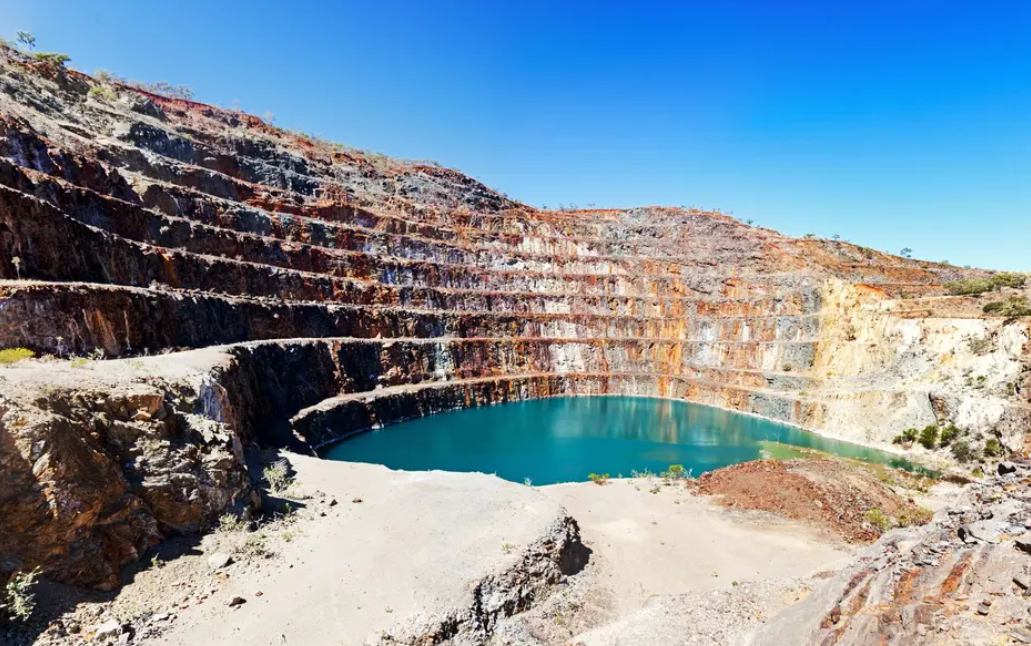
Eagle Nuclear Energy Advances 47-Hole Pre-Feasibility Drilling at Aurora Uranium Project
Against the backdrop of rebuilding a domestic U.S. uranium supply chain, newly listed Eagle Nuclear Energy Corp. has entered the industry spotlight with what it claims to be the largest conventional measured+indicated uranium resource in the country. Its flagship Aurora uranium project, located on the Oregon-Nevada border, contains 32.75 million pounds of indicated resources and 4.98 million pounds of inferred resources under S-K 1300 standards. The company has submitted permit applications for a pre-feasibility drilling program comprising 47 holes totaling approximately 27,000 feet, with work slated to begin upon federal and state approvals and pre-feasibility study completion targeted for the second half of 2027. On the technical front, the company recently added Yukuskokon Professional Services and expanded its collaboration with BBA USA and SLR I...
2026-08-08