
Search Results
Keyword:AI
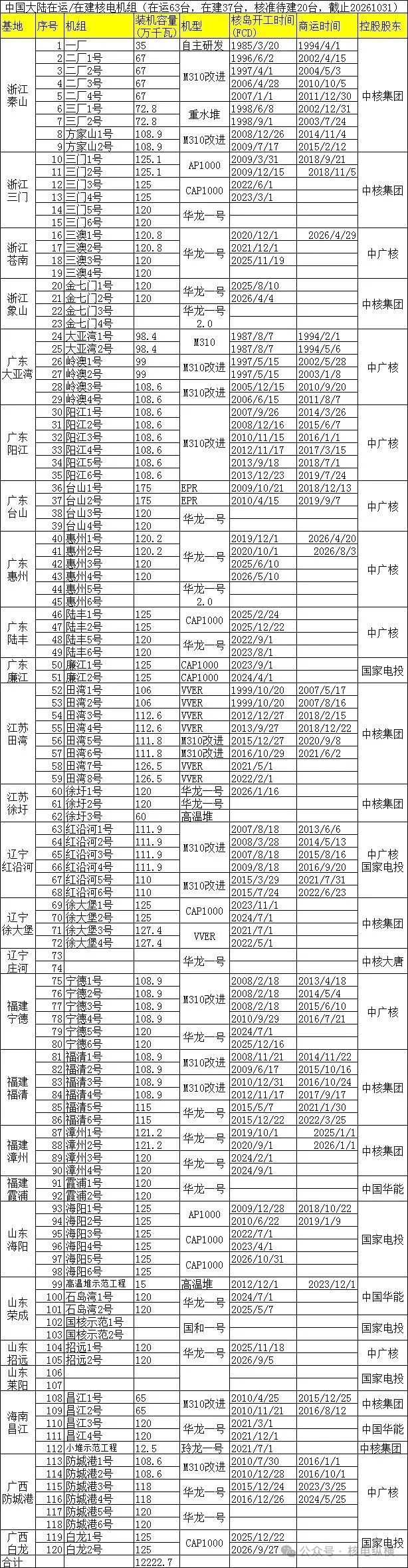
The scale of nuclear power units in operation and under construction in Chinese mainland continues to expand
Recently, the latest statistics show that the construction and operation scale of nuclear power units in Chinese mainland continues to maintain a globally leading momentum. As of October 31, 2026, Chinese mainland had 63 nuclear power units in operation, 37 units under construction, and another 20 units approved and awaiting construction. It is reported that this massive nuclear power engineering system fully covers third-generation pressurized water reactors with completely independent intellectual property rights as well as cutting-edge advanced reactor demonstration projects. With the batch construction and efficient and safe operation of advanced units such as Hualong One and Guohe One, China's nuclear power industry is playing an increasingly central supporting...
2026-11-02
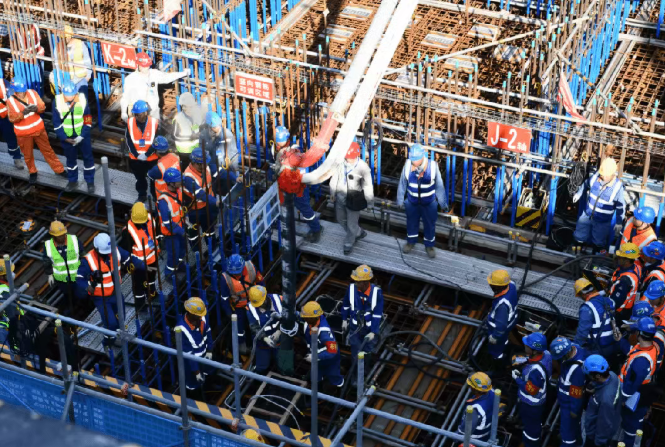
Construction of Phase III of State Power Investment Corporation's Shandong Haiyang Nuclear Power Project Begins
Recently, Phase III of the Shandong Haiyang Nuclear Power Project under State Power Investment Corporation (SPIC) reached a major milestone as the first concrete was officially poured (FCD) for the nuclear island of Unit 5, marking the full-scale commencement of construction of the Phase III project. As a key project in the national 15th Five-Year Plan, Phase III of the Haiyang Nuclear Power Project plans to build Units 5 and 6, adopting the domestically produced CAP1000 Generation III passive pressurized water reactor technology. Through technological upgrades, the project has increased the rated electrical power of a single unit to 1.3 million kilowatts, and innovatively established a diversified equity structure with state-owned capital holding controlling shares and private capital participating as shareholders, becoming a typical demonstration of private capital participating in major national clean energy infrastructure. In terms of engineering construction, the nuclear island FCD of Unit 5 ...
2026-11-02

Russian Floating Nuclear Power Plant Improves Air Quality in Arctic City
Recently, the Russian floating nuclear power plant Akademik Lomonosov released its latest environmental monitoring report. The report shows that since the nuclear power plant officially took over most of the heating load of Pevek in the Chukotka Autonomous Okrug in 2022, total pollutant emissions into the local atmosphere have plummeted from 11.64 tons to 2.281 tons, a reduction of nearly 80%. It is reported that Rosatom has established 11 automated radiation monitoring stations in Pevek and its surroundings to conduct comprehensive monitoring of air, water quality, soil, and waste. Monitoring results indicate that all environmental impact indicators are better than the established national standards, with average levels less than 10% of the maximum permissible...
2026-10-31

Exploring the Frontier of Advanced Fusion Physics: Physical Mechanisms and Engineering Challenges of D–³He Secondary Neutron Suppression under the Synergy of Hot Tails and Spin Polarization
In the process of controlled nuclear fusion advancing from theoretical exploration to commercial validation, the choice of fuel pathway has always been the core variable determining the engineering feasibility and economics of a reactor. For a long time, the deuterium–helium-3 (D–³He) reaction has been regarded as an ideal "low-neutron" ultimate fusion scheme because its primary products are only charged particles (helium-4 and high-energy protons), it does not directly produce neutrons, and it possesses the potential for direct energy conversion. However, under the traditional thermal equilibrium plasma framework, D–³He is not a truly neutron-free fuel. In October 2026, the U.S. Princeton Plasma Physics Laboratory (PP...
2026-10-31
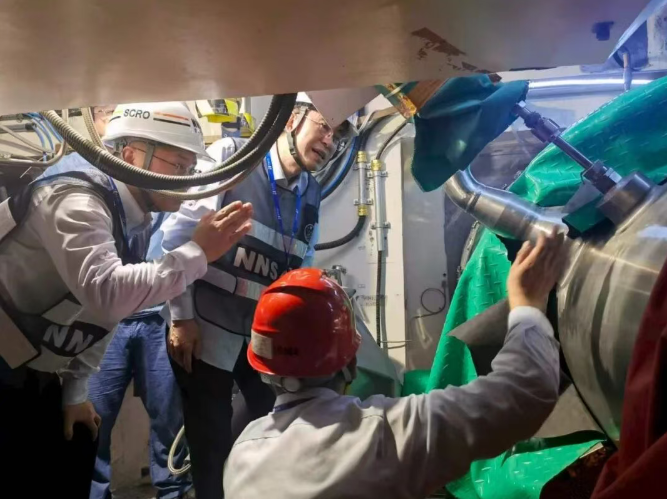
South China Supervision Station Conducts Safety Research at Hainan Changjiang Nuclear Power Base
Recently, the principal responsible person of the South China Nuclear and Radiation Safety Supervision Station (South China Supervision Station) of the Ministry of Ecology and Environment went to the Hainan Changjiang Nuclear Power Base to carry out on-site research and safety verification, comprehensively understanding the safe operation status of operating units, the construction quality of Units 3 and 4, and the commissioning progress of the "Linglong One" onshore commercial modular small reactor (SMR). It is learned that the research team went deep into the production frontline of the Changjiang Nuclear Power Base, focusing on on-site surveys of the main control room of Unit 3, the construction site of Unit 4, and the small reactor building, and held discussions with Huaneng Hainan Changjiang Nuclear Power Co., Ltd. and Hainan Nuclear Power Co., Ltd. respectively, comprehensively sorting out project technical difficulties and management shortcomings, and further tightening and consolidating the nuclear safety responsibility of the operating organization.
2026-10-30
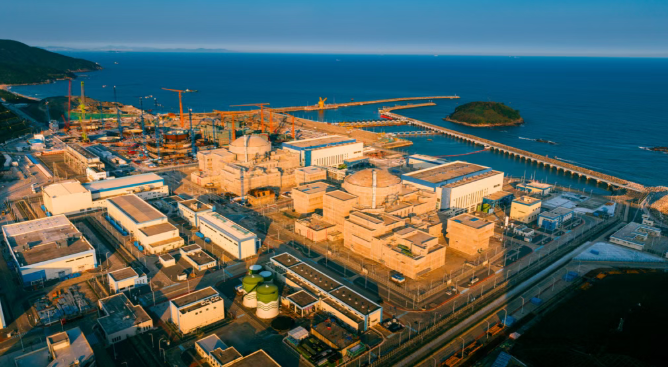
Visiting Taipingling Nuclear Power Plant and the Nuclear Heavy Equipment Manufacturing Base: Hualong One Iteration, Forging the Pinnacle of Heavy Equipment, China's Nuclear Power Advances Toward a New Stage
Standing on the viewing platform of Taipingling Nuclear Power Plant by the Red Bay, leaning on the railing and gazing into the distance, a picture of modern industry blending with mountains and sea unfolds before your eyes. Multiple Hualong One nuclear power units are lined up in formation; Phase I has entered stable commercial operation, Phase II is at the peak of civil construction, and with the official approval of Phase III, the Hualong One Version 2.0 demonstration project is poised for launch. From Daya Bay, where the early domestic content rate was less than 1%, to today's achievement of organized and batch deployment of independently developed third-generation nuclear power, China's nuclear power industry is entering deep waters on the dual tracks of technological innovation and industrial manufacturing. In this process, Taipingling Nuclear Power Plant and Dongfang Heavy Machinery in Nansha, Guangzhou, together constitute a vivid microcosm of China's nuclear power industry transitioning from "following and importing" to "full-chain autonomy and industrial upgrading."
2026-10-30

The Underground Engineering of a Hair's Breadth: How the Hualong One Overseas Project Recalibrated Construction Baselines Through Earned Value Reconstruction
In today's wave of global energy transition and nuclear renaissance, the Hualong One, as the benchmark of China's self-developed third-generation nuclear power technology, is achieving scaled deployment in multiple countries. However, transforming a standardized design into a physical project in a foreign land has never been a simple matter of duplicating blueprints. From coastal rock foundations to inland sand foundations, dramatic geological changes pose severe challenges to project management. Recently, after a six-month management review, CNNC's overseas Project C chose to publicly analyze two major recalibrations of its Earned Value Management (EVM) system. This practice, spanning budget structure correction and schedule realization reconstruction, not only tears open the veil of "false stability" in traditional project management, but also provides a highly valuable underlying methodology for complex nuclear power engineering construction worldwide.
2026-10-30
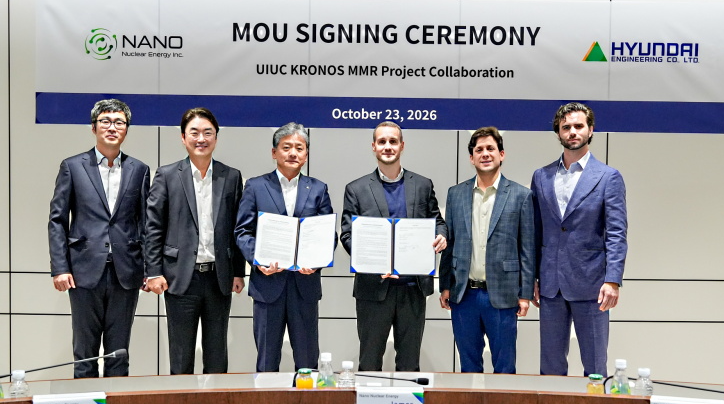
Hyundai Engineering of South Korea Partners with Two U.S. SMR Developers
Recently, Hyundai Engineering of South Korea announced the signing of memoranda of understanding with U.S. small modular reactor (SMR) developers NANO Nuclear Energy and ARC Clean Technology, marking a comprehensive push into the global small modular reactor and Generation IV advanced nuclear reactor markets. Under the cooperation framework with NANO Nuclear, Hyundai Engineering will integrate its comprehensive capabilities in engineering design, procurement, construction (EPC), supply chain management, and modular construction to jointly advance the KRONOS reactor energy system project at the University of Illinois Urbana-Champaign (UIUC). The reactor is a 45...
2026-10-29
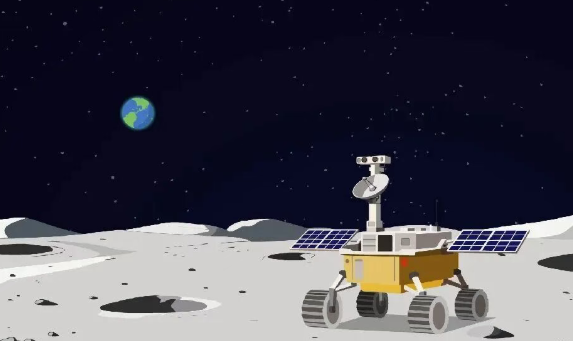
Micro Suns of the Atom: Deconstructing the Radioisotope Nuclear Battery Supply Chain Behind Deep Space Exploration
In humanity's ultimate quest to explore the macrocosm and the abyssal depths of the Earth, the greatest physical constraint is often not the strength of mechanical structures, but the ubiquitous decay of energy. Whether in the red Martian deserts far from sunlight where photovoltaic panels completely fail, or on the seafloor ten thousand meters below where no daylight reaches and pressures exceed a thousand atmospheres, conventional chemical batteries and solar cells are both found wanting in extreme environments. However, at the intersection of microscopic nuclear physics and extreme engineering, a class of physical perpetual motion machines that require no charging, no sunlight, and rely on the energy released by the decay of microscopic atoms themselves—Radioisotope Thermoelectric Generators (RTGs, a static energy conversion device that directly converts the decay heat of radioisotopes into electrical energy through the thermoelectric effect)—is becoming the ultimate energy foundation for humanity to knock on the doors of deep space and the deep sea.
2026-10-28
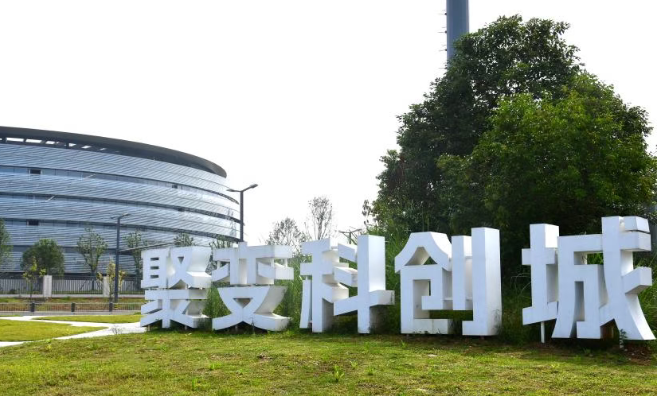
From Aerospace to the "Artificial Sun": Deconstructing the Extreme Manufacturing Breakthrough of China's Fusion Industry Chain
In the grand narrative of controlled nuclear fusion, public attention is often drawn to plasma temperatures exceeding 100 million degrees, the massive scale of tokamaks, and the ultimate vision of unlimited clean energy. However, in the shadows beyond the spotlight of fundamental physics, what determines whether humanity can truly tame nuclear fusion has never been merely theoretical breakthroughs in laboratories, but rather the extreme manufacturing foundation hidden within micron-level machining precision, ultra-high vacuum sealing, and extreme material irradiation. As global commercial fusion startups struggle in Western capital markets due to high capital burn rates and supply chain fractures, the Fusion Science and Technology Innovation City—located within the Science City of Chengdu Tianfu New Area, with a core planned area of...
2026-10-28
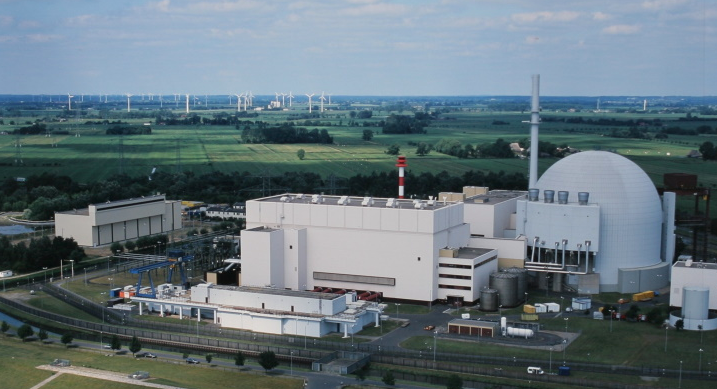
NVIDIA to Assess Construction of AI Data Centers at Decommissioned German Nuclear Power Plant Sites
Recently, PreussenElektra, the nuclear facility decommissioning subsidiary of Germany's E.ON Group, and multinational technology giant NVIDIA have entered into a partnership to jointly assess whether PreussenElektra's decommissioned nuclear power plant sites are suitable for building high-performance AI data centers (i.e., artificial intelligence factories). It is reported that PreussenElektra owns 8 decommissioned nuclear power plant sites currently in the dismantling phase, including well-known facilities such as Brokdorf. Since former nuclear power plant sites generally feature large industrial land areas, high-performance grid connections, and comprehensive infrastructure, they have become ideal sites for meeting extremely high power demands and computing...
2026-10-28

Gigawatt-Scale Computing Meets Megawatt-Scale Fission: Examining the Underlying Assets and Geopolitical Restructuring Behind Asia-Pacific's Nuclear Renaissance
As human civilization enters the "century of electricity," large AI models and hyperscale data center clusters are devouring power grids at an astonishing pace. When intermittent renewable energy cannot satisfy the stringent demand of high-load data centers for absolutely stable baseload power, nuclear energy—long marginalized or viewed with caution in the Asia-Pacific region—is now experiencing an unprecedented rational return. According to the Asia-Pacific energy observations published by Ben Carrozzi, a partner at international law firm Norton Rose Fulbright, data center electricity demand in Southeast Asia is projected to surge fourfold between 2025 and 2035, rising from 2.6 gigawatts (G...
2026-10-28
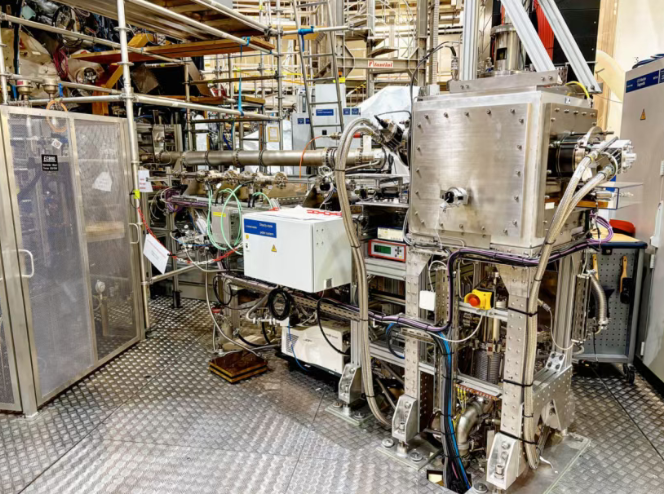
World's Largest Stellarator W7-X Launches New Experimental Campaign to Pursue Long Pulses
Recently, Wendelstein 7-X (W7-X), the world's largest and most complex stellarator fusion device operated by the Max-Planck-Institute for Plasma Physics (IPP) in Germany, has officially launched its latest OP2.4 experimental campaign. This three-month experiment has attracted over one hundred top scientists from approximately 20 laboratories across Europe and around the world, jointly advancing stellarator technology toward longer pulses and higher performance. It is understood that the OP2.4 experiment will focus on three key research areas: high-performance plasmas, fast ions and turbulent transport, and long-pulse operation. Sci...
2026-10-26
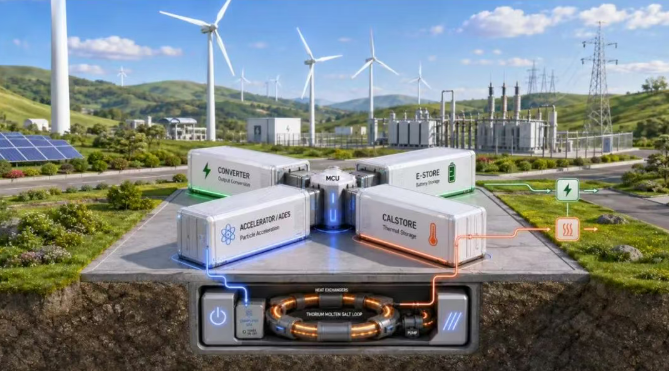
Austrian Startup Introduces Containerized Thorium-Based Reactor
Recently, Austrian startup Emerald Horizon AG officially introduced its concept for a containerized accelerator-driven thorium-based subcritical micro modular reactor (SMRX). The company plans to adopt an "energy storage first" strategy, generating early revenue from batteries and molten salt energy storage before concurrently advancing the development and commercial deployment of its accelerator-driven thorium energy system (ADES). It is reported that the ADES system uses an external particle accelerator to drive a mixed fuel of thorium and fluoride salts, maintaining a subcritical operating state so that shutting down the accelerator immediately stops the reaction, with a rated electrical power of approximately 10 MW per module. To reduce heavy-asset manufacturing risks...
2026-10-26
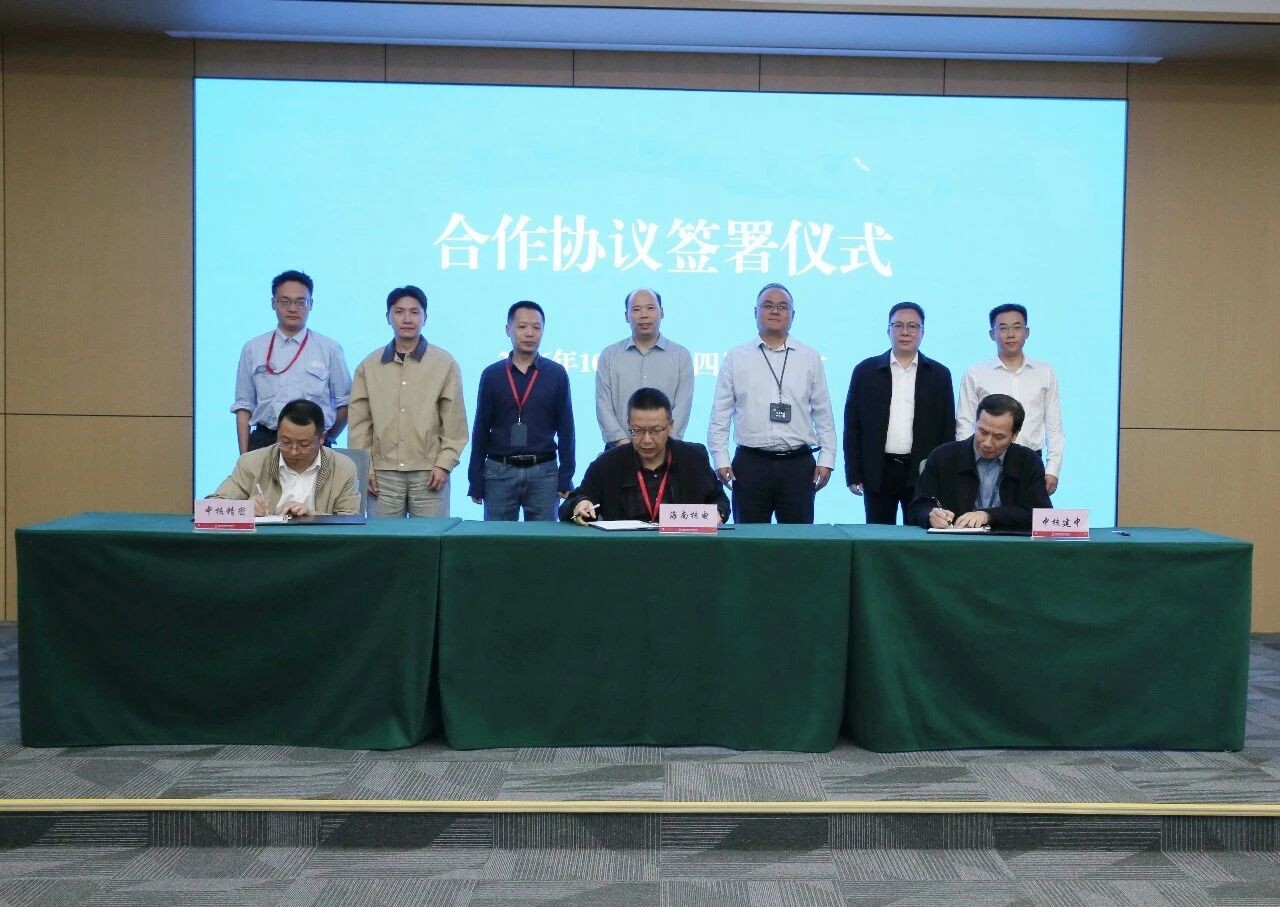
Hainan Nuclear Power, CNNC Jianzhong, and CNNC Precision Sign Special Cooperation Agreement to Jointly Tackle the Full Process of Core Components for Nuclear Fuel Assemblies
To implement the relevant special deployments of CNNC and strengthen the independent controllability of the nuclear fuel industry chain and supply chain, Hainan Nuclear Power Co., Ltd., CNNC Jianzhong Nuclear Fuel Element Co., Ltd., and CNNC (Yibin) Precision Manufacturing Co., Ltd. officially signed a special cooperation agreement on nuclear fuel assembly grid strips and springs on October 22 in Yibin, Sichuan. This move marks substantive progress by CNNC in advancing the coordinated strengthening and consolidation of the two major sectors of the nuclear fuel cycle and nuclear power generation. Grid strips and springs are the core supporting and positioning structural components of nuclear reactor fuel assemblies, and their manufacturing precision and mechanical durability directly determine the operational stability of fuel elements under extreme in-core neutron irradiation and strong scouring...
2026-10-25