
Search Results
Keyword:ARC

Kazakhstan Plans to Expand Researcher Participation in CERN High-Energy Physics Projects
Sayasat Nurbek, Acting Minister of Science and Higher Education of Kazakhstan, recently held talks with Mark Thomson, Director-General of the European Organization for Nuclear Research (CERN), during which the two sides exchanged views on deepening scientific and technological cooperation between Kazakhstan and CERN, with a focus on expanding cooperation in the field of high-energy physics and promoting researcher participation in CERN projects. According to the Ministry of Science and Higher Education of Kazakhstan, the Kazakh government and CERN signed an international cooperation agreement in 2018, laying the foundation for a long-term scientific research partnership between the two sides. At present, the two sides have drafted a supplementary protocol to the agreement, which plans to further specify the participation of Kazakh researchers in CERN...
2026-09-01
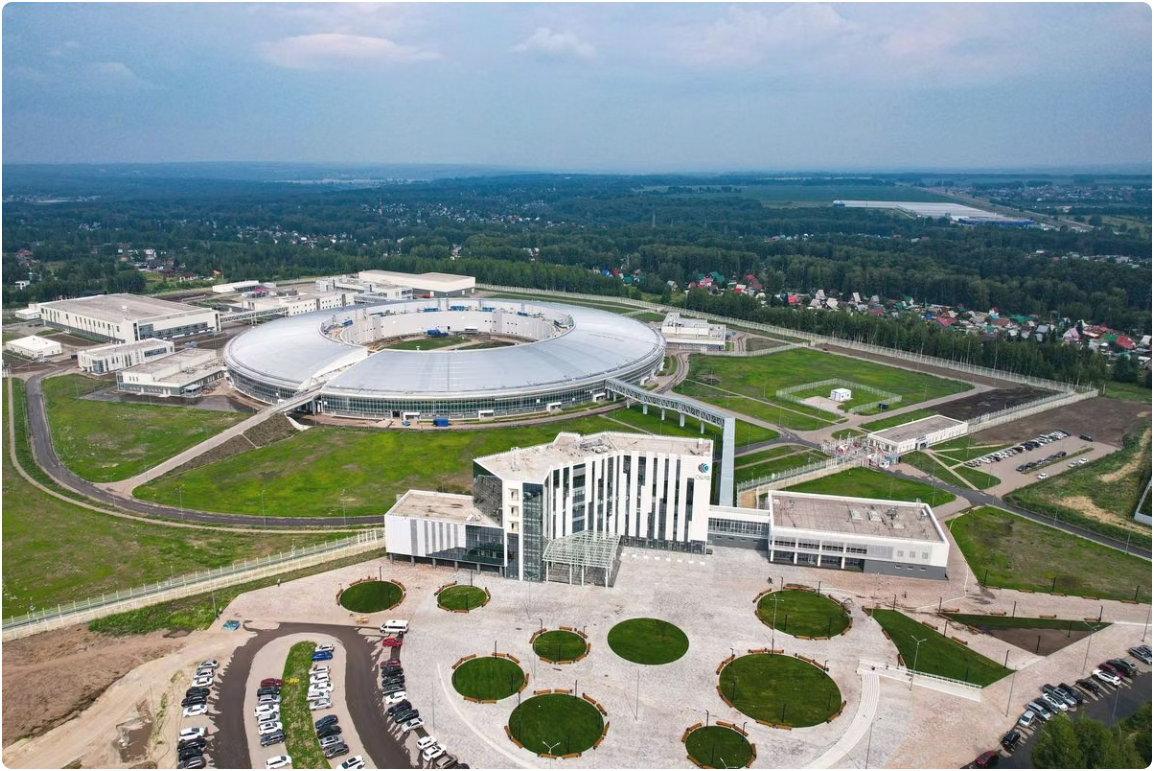
Russian Academician Says SKIF Synchrotron Light Source Will Not Produce Radionuclides, Safe and Controllable in Operation
Yevgeny Levichev, an academician of the Russian Academy of Sciences and director of the Collective Use Center of the Siberian Circular Photon Source (SKIF), recently stated that synchrotron light sources, including SKIF located near Novosibirsk, are electrophysical equipment with safe and controllable operation that poses no threat to personnel even in the event of a malfunction. Levichev said that unlike facilities such as nuclear power plants, synchrotron light sources do not generate isotopes or radionuclides in their systems. In the event of an anomaly, the beam is reset, and the facility's risk level is close to that of ordinary electrical equipment. According to reports, construction of the SKIF synchrotron was completed in June 2026, with an inauguration ceremony held in August. Once the facility is operational...
2026-09-01
Russia's SKIF Synchrotron Announces Criteria for Selecting Future Research Teams
On August 31, Andrei Bukhtiyarov, Deputy Director of the Shared Use Center of the Siberian Circular Photon Source (SKIF) synchrotron, stated that the scientific innovation of research proposals will be one of the key criteria when selecting research teams for future experiments at SKIF. According to reports, the selection process will also focus on the clarity of research ideas and the feasibility of experimental plans. Since some experiments may not be feasible under existing or planned experimental station conditions, applications will first undergo technical review to confirm whether the experiments can be conducted within the facility's capabilities. The SKIF Shared Use Center has established a Scientific Committee to review applications submitted by research teams. The Center plans to...
2026-09-01

Northeast Regional Office of the Ministry of Ecology and Environment Conducts Research on Radiation Risk Prevention and Control in the Scrap Metal Recycling and Smelting Industry
To strengthen radiation risk prevention and control across the entire chain of the scrap metal recycling and smelting industry and guide young cadres to conduct research and tackle challenges at the grassroots level, the Northeast Regional Office of Nuclear and Radiation Safety Supervision of the Ministry of Ecology and Environment (hereinafter referred to as the Northeast Regional Office) recently conducted special research at scrap metal resource recycling and steel smelting enterprises as well as customs ports. This research comprehensively mapped out the sources of scrap metal recycling, supply destinations, and the current status of radioactive monitoring management in the processing and sorting stages; focused on verifying the effectiveness of radiation monitoring requirements implementation at steel smelting enterprises, and meticulously examined the monitoring point deployment and control measures at key stages such as raw material entry, production process connection, and product shipment; further clarified the import and export radioactive monitoring management procedures, coordination and linkage working mechanisms, and the response and handling of abnormal events; and conducted in-depth exchanges and discussions with relevant units on some issues identified during the research.
2026-09-01
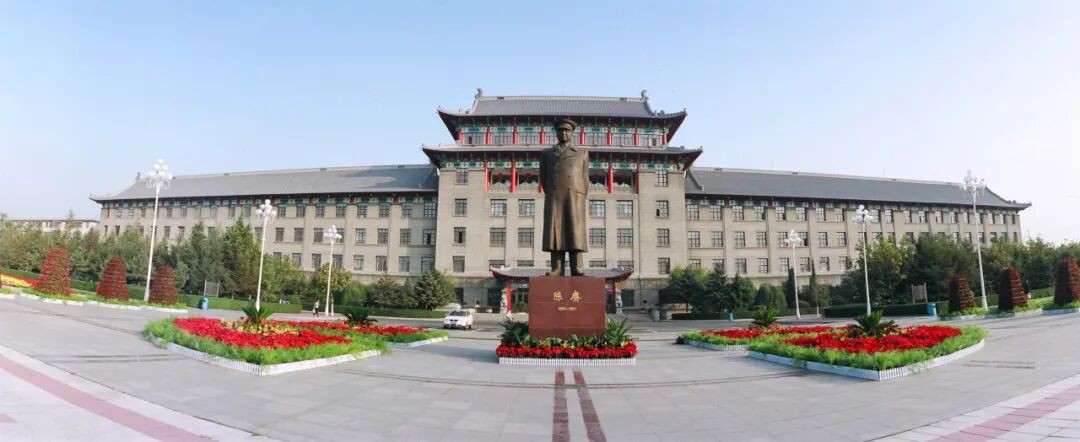
Harbin Engineering University Establishes Research Institute for Spent Fuel Reprocessing and Advanced Materials
On August 31, the inauguration ceremony of the Research Institute for Spent Fuel Reprocessing and Advanced Materials at Harbin Engineering University was held at the university's Qihang Activity Center. More than 150 participants attended the meeting, including academicians and experts in the field of nuclear science and technology, representatives from industry and enterprises, peer institutions, and alumni. The newly established institute will address the needs of nuclear energy safety assurance and sustainable development by integrating the university's advantageous disciplinary resources in nuclear science, materials, and chemical engineering, focusing on breakthroughs in spent fuel reprocessing processes, advanced materials development, and related key core technologies, while promoting the coordinated development of basic research, technological breakthroughs, and commercialization of research outcomes. At the meeting, several attending experts noted that spent fuel reprocessing is a critical part of the nuclear f...
2026-09-01
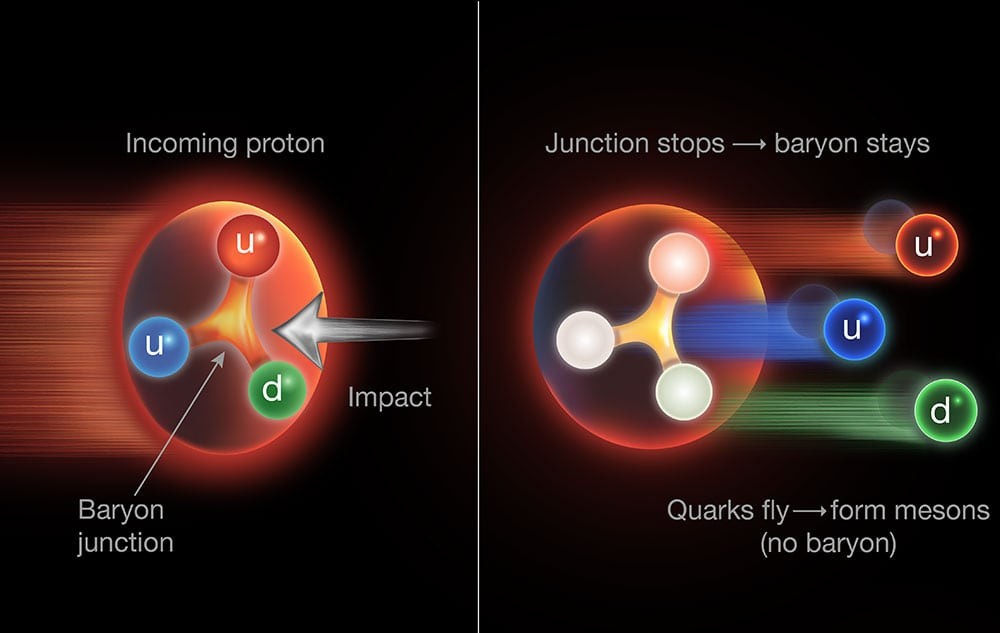
U.S. Heavy-Ion Collision Research Suggests Protons and Neutrons May Not Be Just "Three Quarks"
The STAR Collaboration at the Relativistic Heavy Ion Collider (RHIC) at the U.S. Department of Energy's Brookhaven National Laboratory recently proposed, based on heavy-ion collision data studies, that baryons such as protons and neutrons may not be simply composed of three valence quarks, and that their baryon number may be more closely related to "baryon junctions" in the gluon field. The findings were published in the journal *Science*. In the traditional valence quark model, each quark is assigned a baryon number of 1/3, so baryons such as protons and neutrons, composed of three quarks, carry a baryon number of +1. However, this model is not a fundamental requirement of quantum chromodynamics (QCD). As early as the 1970s, alternative explanations had been proposed in the theoretical community; in 1996, Dmitri Kharzeev proposed a model suggesting that the baryon number is not necessarily carried by the quarks themselves, but may instead be concentrated at the Y-shaped junction formed by the gluon field—the "baryon junction."
2026-08-31
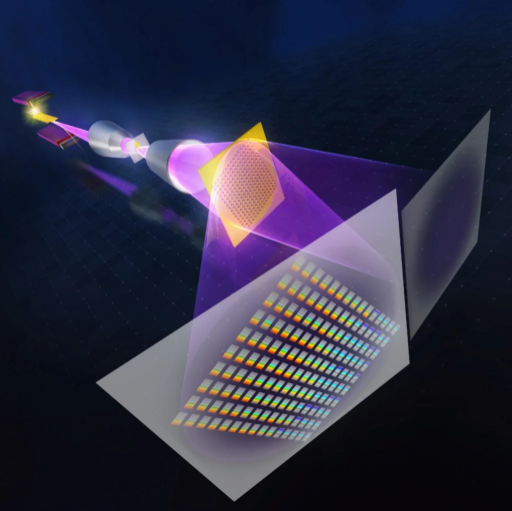
Japanese Team Achieves Femtosecond Soft X-ray Hyperspectral Microscopy, Simultaneously Acquiring Spatial and Energy Information with Single Pulse
On August 21, the Japan Science and Technology Agency, RIKEN, and the University of Tokyo announced that a research team comprising Assistant Professor Yoko Takeo and Associate Professor Takashi Kimura from the Institute for Solid State Physics at the University of Tokyo, Assistant Professor Satoru Egawa from the Research Center for Advanced Science and Technology at the University of Tokyo, and Team Leader Makina Yabashi from the RIKEN SPring-8 Center, among others, successfully developed and implemented a femtosecond soft X-ray hyperspectral microscope. The findings were published on August 20 in the U.S. scientific journal *Optica*. This technology utilizes a single soft X-ray pulse from an X-ray free-electron laser (XFEL) to simultaneously acquire soft X-ray spectra transmitted through different positions of a sample, enabling...
2026-08-31
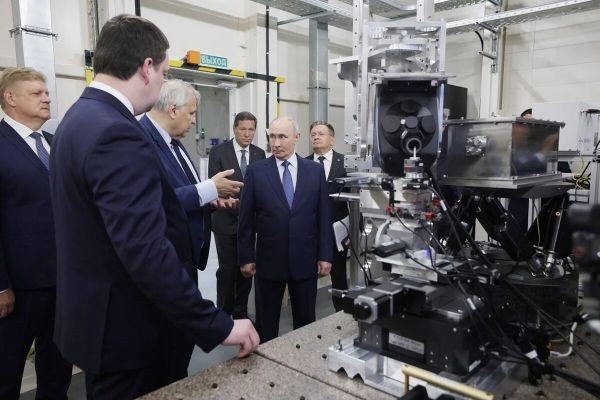
First experiments at Russia's SKIF microfocus station to target "invisible" gold deposits and extraterrestrial particle research
On August 19, 2026, the microfocus station, one of the first-stage experimental stations of the Russian SKIF Collective Use Center, announced its initial experimental directions. The station will utilize synchrotron radiation-based analytical techniques to study the elemental composition and structural characteristics of objects, serving fields such as geology, geophysics, microelectronics, and materials science. At the SKIF opening ceremony, Russian President Vladimir Putin inspected the microfocus station. According to the presentation, the station's first experiments will focus on the exploration and extraction of hard-to-recover gold, platinum, rare earth elements, and oil reserves. Ore sample research is a critical step in the development of new mineral deposits. By determining the elemental composition of rocks, researchers can...
2026-08-31
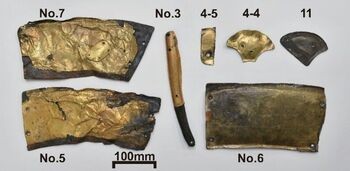
Japan's J-PARC Uses Negative Muon Non-Destructive Analysis to Reveal Gold-Rich Surface Structure of Nagoya Castle's Golden Shachi Scales
A joint research team comprising the High Energy Accelerator Research Organization (KEK), the J-PARC Center, the Nagoya Castle Research Center, and the National Museum of Nature and Science, among others, used the negative muon beam at the J-PARC Materials and Life Science Experimental Facility (MLF) to conduct non-destructive depth analysis on seven surviving scales of the golden shachi (ornamental dolphin-tiger fish) on Nagoya Castle's keep, confirming that five of the scales have a layered structure with high gold content within approximately 10 micrometers of the surface. The golden shachi on Nagoya Castle's keep was largely destroyed in the air raids of 1945, with some scales rescued and preserved to this day. Previously, researchers had examined these scales using X-ray fluorescence analysis, but the results showed that some scales with a bright golden appearance did not necessarily have a high average gold content.
2026-08-31
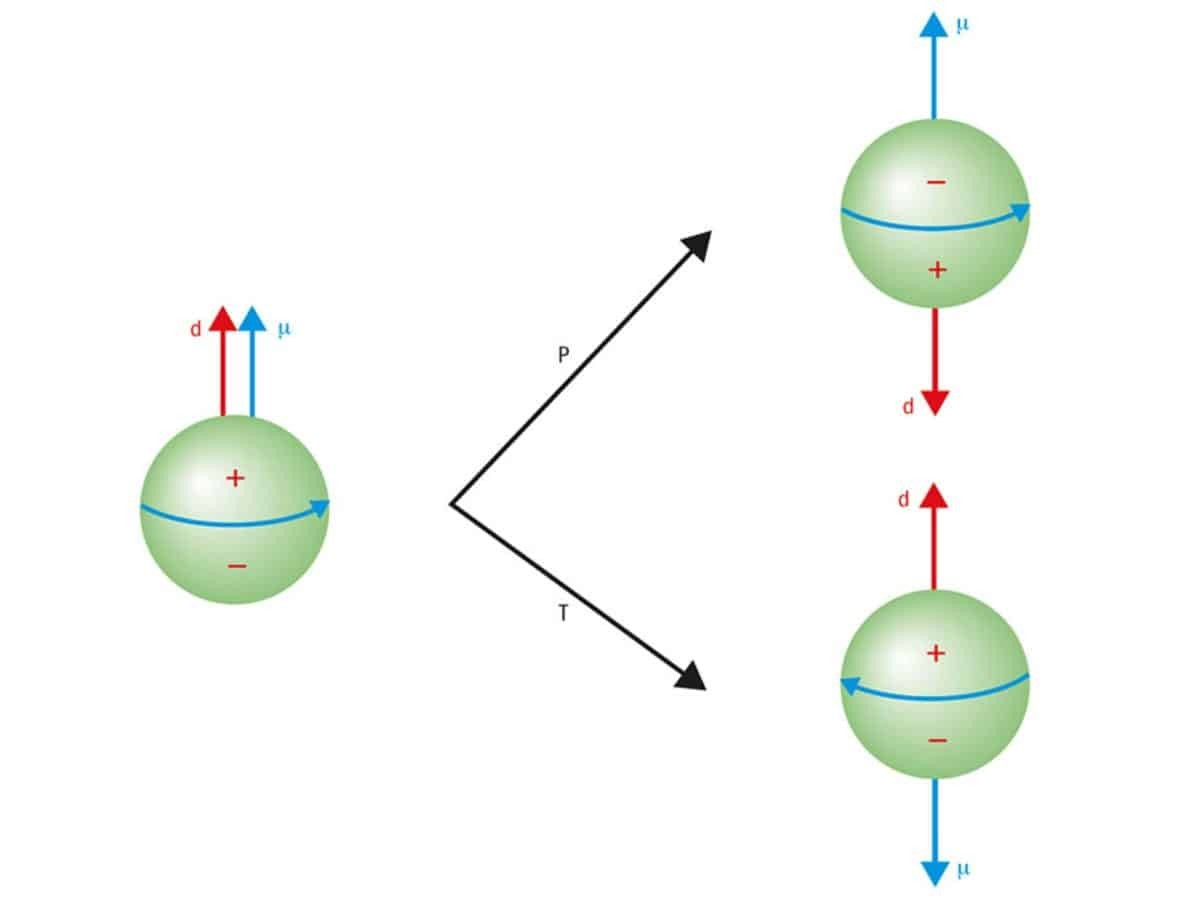
Russian Research Team Proposes New Method for Measuring Proton and Deuteron Electric Dipole Moments in a Single Storage Ring
Physicists from several Russian research institutions have proposed a new method for searching for the electric dipole moments of protons and deuterons, potentially enabling the study of both particle types in a single storage ring. The participating institutions include the Moscow Institute of Physics and Technology, the Institute for Nuclear Research of the Russian Academy of Sciences, the National Research Nuclear University MEPhI, and the Landau Institute for Theoretical Physics of the Russian Academy of Sciences. The research was published in the journal *Nuclear Science and Technology* and was supported by a grant from the Russian Science Foundation. The electric dipole moment reflects whether there is a tiny asymmetry between the internal charge distribution of a particle and its spin direction. According to Standard Model predictions, the electric dipole moments of the proton and deuteron are nonzero but extremely small, on the order of 10...
2026-08-31
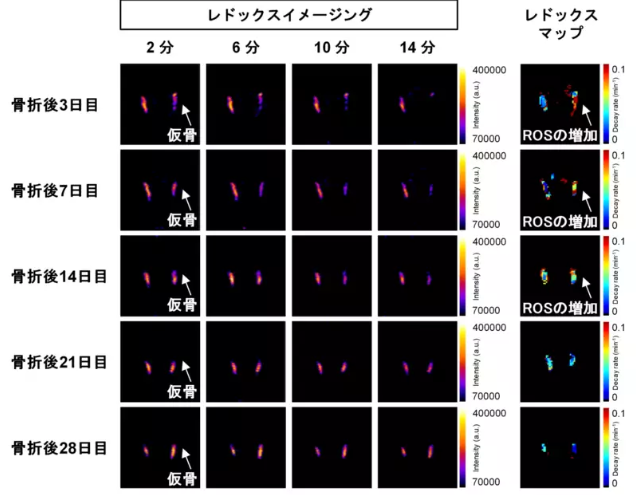
Japanese research team visualizes cellular metabolic changes during fracture healing using hyperpolarized MRI
August 21, 2026, Gifu Pharmaceutical University and Gifu University announced that a multi-institutional Japanese research team successfully visualized changes in the redox state of skeletal progenitor cells during fracture healing in living mice using hyperpolarized magnetic resonance imaging technology. The findings were published online on August 15, 2026, in the British academic journal *npj Imaging*. The study was led by Takuya Kubo, a graduate student in the Department of Pharmacology at Gifu Pharmaceutical University, Professor Eiichi Hinoi, and related research teams at Gifu University, in collaboration with the University of Tokyo, Osaka University, the Research Institute of National Rehabilitation Center for Persons with Disabilities, and other institutions. After a fracture occurs, a tissue called a...
2026-08-31
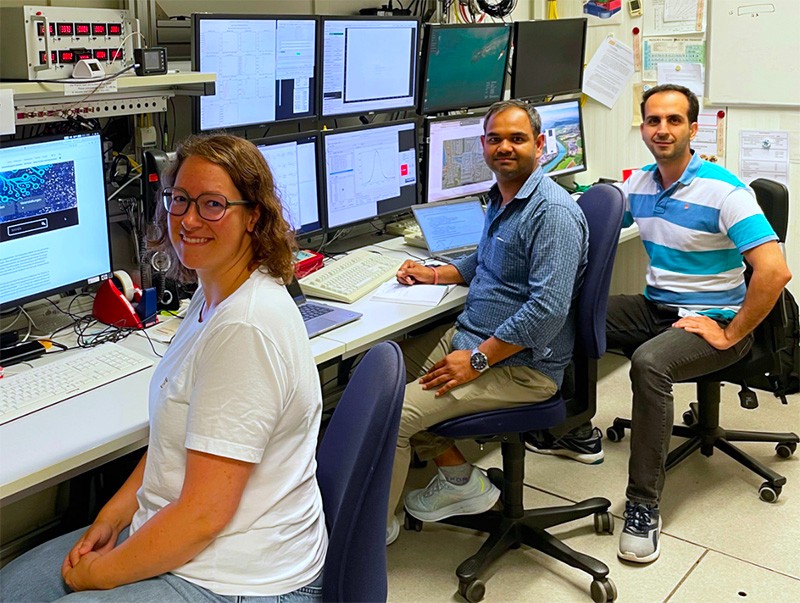
German Photon and Neutron Research Data Alliance Receives €8.3 Million in Second-Phase Funding
The German National Research Data Infrastructure consortium for photon and neutron experimental data (DAPHNE4NFDI) will enter its second funding phase, receiving initial funding of €8.3 million, with the funding period running until the end of 2028. Since 2021, the consortium has been working to improve the management of research data from photon and neutron experiments, making the data easier to find, access, and reuse over the long term. DAPHNE4NFDI is one of the disciplinary consortia under the German National Research Data Infrastructure (NFDI), with members including the German Electron Synchrotron (DESY), Kiel University (CAU), and other universities and research institutions. The funding decision is based on a recommendation from the German Research Foundation (DFG). Since January 2026...
2026-08-31
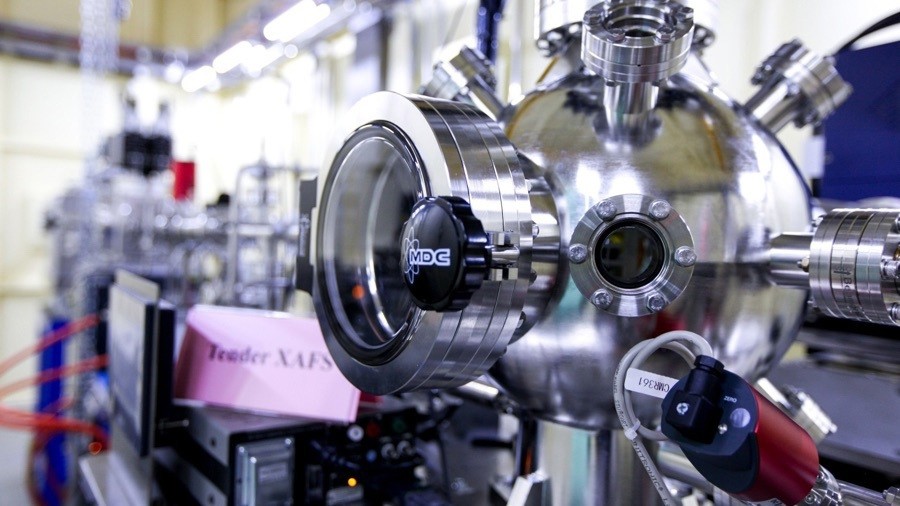
China's First Enterprise-Level Synchrotron Radiation Technology Application Research Platform Inaugurated in Shanghai
The Sinopec Shanghai Synchrotron Radiation Facility Energy and Chemical Science Laboratory, invested by Sinopec and jointly built with the Shanghai Advanced Research Institute of the Chinese Academy of Sciences, and based on the Shanghai Synchrotron Radiation Facility (SSRF) major scientific infrastructure, was recently inaugurated in Shanghai Zhangjiang Science City. This laboratory is the first enterprise-level synchrotron radiation technology application research platform in China. According to reports, the laboratory consists of three beamline stations and auxiliary laboratories, and will provide technical support and services for basic scientific research conducted by Sinopec and public users, with a focus on oil and gas exploration and development, petroleum refining and chemical engineering, and new energy and new materials. Once the platform is completed, it will help enhance the enterprise's capabilities in forward-looking and fundamental research, and provide scientific research support for cultivating new quality productive forces in China's energy and chemical industry.
2026-08-29
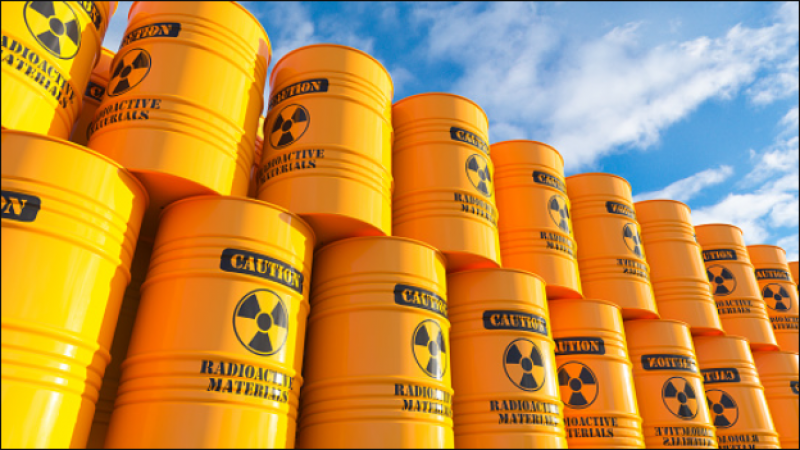
Japanese Nuclear Regulator Inspects Horonobe Geological Disposal Research Facility for High-Level Radioactive Waste
On August 28, Shinya Nagasaki and other members of Japan's Nuclear Regulation Authority (NRA) inspected an underground research facility in Horonobe Town, Japan. The facility, operated by the Japan Atomic Energy Agency (JAEA), conducts technical research on deep geological disposal of high-level radioactive waste. Geological disposal of high-level radioactive waste involves encapsulating the waste and burying it deep underground, achieving long-term isolation through engineered and natural geological barriers. During the inspection, Nagasaki and his delegation examined test facilities used to evaluate the corrosion resistance of iron containers. The tests simulate the environment of containers holding heat-generating radioactive waste after being buried underground...
2026-08-30
France's ITER research program may start before 2034
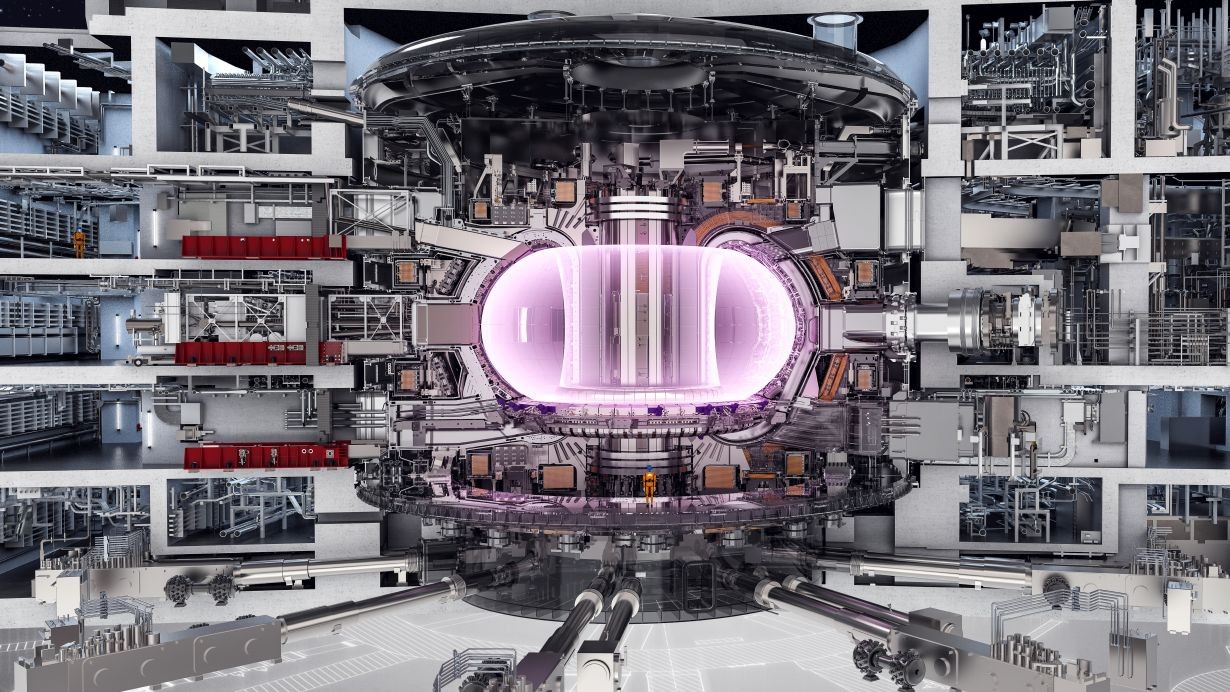
Scientific preparation work for the International Thermonuclear Experimental Reactor (ITER) is currently about 7 months ahead of the original schedule, and the research program may start earlier than the previously set target of 2034. Anatoly Krasilnikov, Director of the ITER Project Center at Rosatom, revealed this progress during the Technoprom-2026 forum. Krasilnikov stated that the project team no longer uses the milestone term "first plasma," but has instead adjusted the objective to "start of the research program," with a target date of 2034. Based on the current progress, the work is 7 months ahead of schedule, and there is a possibility of achieving the goal ahead of time...
2026-08-28