
Search Results
Keyword:Al
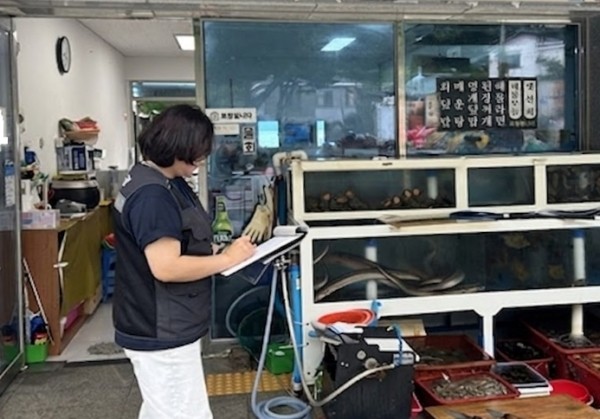
South Gyeongsang Province Completes 380 Food Radioactivity Tests in First Half of Year, All Meeting Standards
The Gyeongsangnam-do Institute of Health and Environment recently announced that in the first half of this year, it conducted radioactivity testing on agricultural products, aquatic products, and processed foods already in circulation, completing tests on 380 samples. Testing items included radioactive iodine, radioactive cesium, and tritium, with all results meeting food radiation-related standards. According to the institute, it continues to conduct radiation monitoring on foods with high market consumption to ensure the daily dietary safety of residents. Of the 380 tests completed in the first half of this year, 338 were for iodine and cesium, and 42 were for tritium, with no samples exceeding permissible levels. In terms of monitoring methods, the institute has established a...
2026-07-27
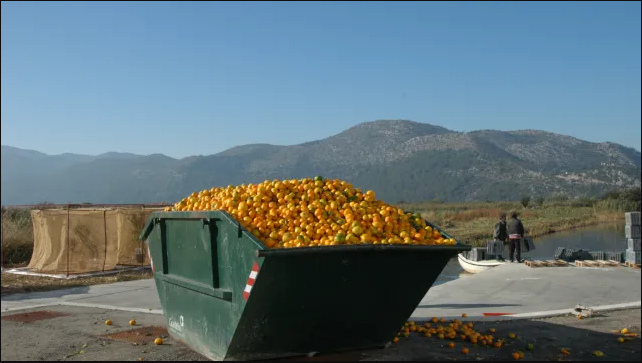
Nuclear science helps reduce global food spoilage and waste
On April 10, 2026, the International Atomic Energy Agency introduced several applications of nuclear science in reducing food spoilage and food waste. According to data from the Food and Agriculture Organization of the United Nations, approximately 1 billion tonnes of edible food are wasted globally each year, accounting for about one-fifth of the total food available to consumers. Of this, 13.2% of food is lost before reaching the retail stage, valued at approximately $400 billion; another 19% is wasted at the retail and consumption stages due to spoilage and other reasons. Food loss not only means wasted resource consumption but also exacerbates greenhouse gas emissions, pollution, and biodiversity loss. The International Atomic Energy Agency, through the Food and Agriculture Organization...
2026-04-10

FAO and IAEA: Nuclear Technologies Are Enhancing Agricultural Production and Food Security
On March 30, 2021, the Food and Agriculture Organization of the United Nations and the International Atomic Energy Agency presented multiple applications of nuclear technologies in agriculture and food security. The two organizations have collaborated for over 50 years in knowledge sharing and capacity building, further strengthening their partnership through the establishment of the Joint FAO/IAEA Centre of Nuclear Techniques in Food and Agriculture. In the field of animal health, nuclear technologies are used for the detection, control, and prevention of transboundary animal diseases and zoonoses. Belize previously had to send animal disease testing samples to overseas laboratories; with support from the Joint FAO/IAEA Centre, the Belize Agricultural Health Authority established a molecular diagnostic laboratory for animal health and adopted real-time polymerase chain reaction (PCR) testing technology. This method can detect animal diseases within 24 hours, helping frontline personnel take rapid prevention and control measures. Recently, the laboratory has also been used to assist in human COVID-19 testing, reflecting the "One Health" concept that animal, human, plant, and environmental health are interconnected.
2021-03-30
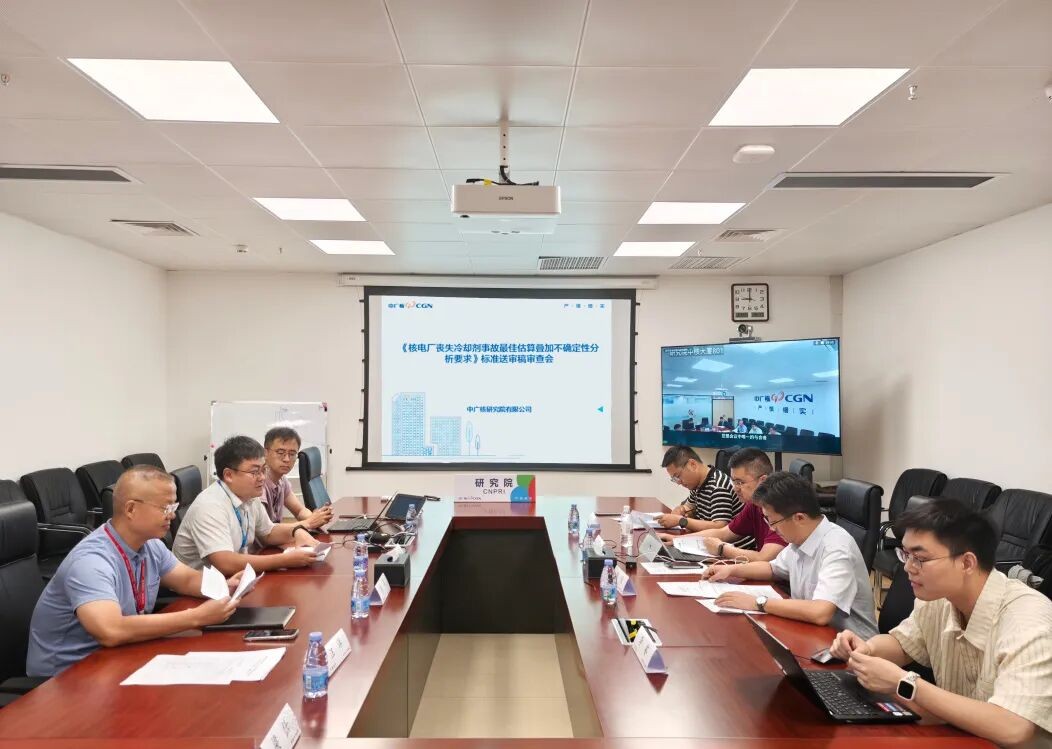
China's First Industry Standard for LOCA BEPU Analysis, Led by CGN Research Institute, Officially Released
Recently, approved by the National Energy Administration, the energy industry standard "Technical Requirements for Best Estimate Plus Uncertainty Analysis of Loss of Coolant Accident in Pressurized Water Reactor Nuclear Power Plants" (NB/T 20751-2026), led by CGN Research Institute, was officially released. The standard was developed under the leadership of the Research Institute, in collaboration with the Nuclear and Radiation Safety Center of the Ministry of Ecology and Environment, China Nuclear Power Research and Design Institute, Shanghai Nuclear Engineering Research and Design Institute, Hualong Nuclear Power Technology Co., Ltd., and China Nuclear Power Engineering Co., Ltd., among other organizations. It will come into effect on December 26, 2026. This standard is China's first BEPU analysis...
2026-08-06
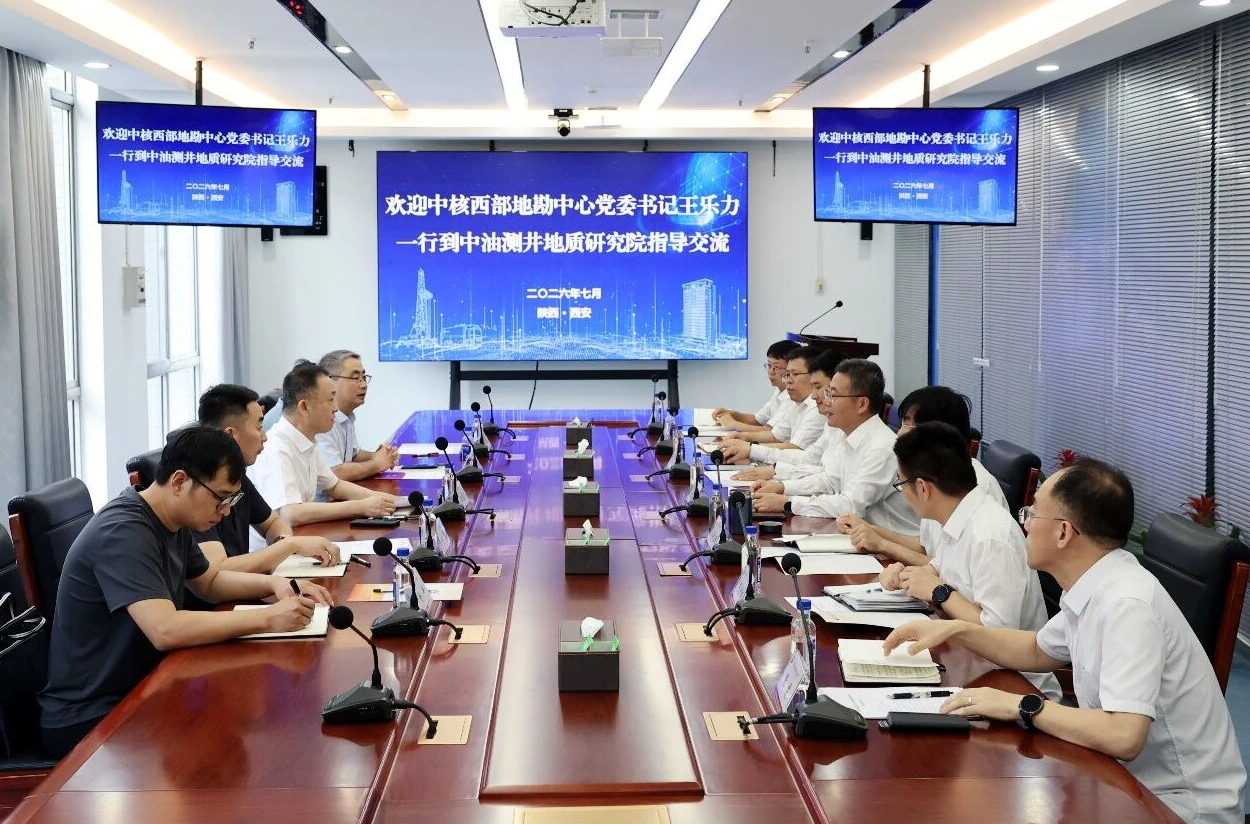
CNNC Western Geological Survey Center Conducts Business Exchange with CNPC Logging Geological Research Institute
To thoroughly implement the national strategy for energy and resource security, promote the integration and mutual enhancement of oil and gas logging and uranium ore geological survey technologies, facilitate cross-industry research resource sharing and joint tackling of key technologies, recently, Wang Leli, Party Secretary of CNNC Western Geological Survey Center, led a team to CNPC Logging Geological Research Institute for a special technical exchange and discussion. At the meeting, Wan Jinbin, Party Secretary of CNPC Logging Geological Research Institute, systematically introduced mature technology systems including domestic integrated oil and gas logging equipment, downhole detection, petrophysical experiments, intelligent logging interpretation, deep well detection, and multi-source geological data analysis, and shared uranium exploration experience in oil- and gas-bearing basins through practical case studies. Wang Leli introduced the reform and development overview of the Western Center, its uranium exploration history, major achievements, and research directions such as technical difficulties and metallogenic prediction in uranium exploration of key northwestern basins.
2026-08-06
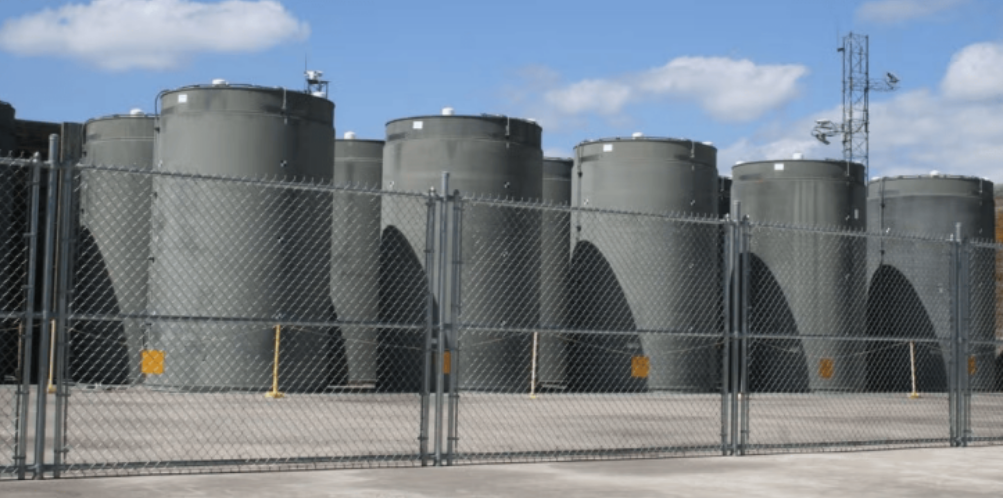
IAEA Publishes Report on Aging Management of Spent Fuel Dry Storage Systems
The International Atomic Energy Agency (IAEA) has published the findings of a decade-long study on aging management of spent fuel dry storage systems. According to IAEA estimates, by the end of 2024, spent fuel discharged from nuclear power plants worldwide had exceeded 400,000 tonnes of heavy metal (tHM). Of this, 106,000 tHM is in dry storage, a long-term storage method that is becoming increasingly common compared with wet storage. Most IAEA member states are still decades away from commissioning permanent spent fuel repositories, which means dry storage systems will likely need to continue operating safely beyond their design lifetimes. Wet storage has been in operation for decades, and the IAEA states that aging management of such facilities is generally well understood. Utilities choose dry storage for its passive safety features, and many dry storage facilities have already received license extensions. The IAEA expects demand for dry storage to continue growing, with service periods extending well beyond the original 20-to-40-year licensing terms, potentially exceeding 120 years. Aging management programs (AMPs) are therefore needed to verify continued safe operation.
2026-08-06
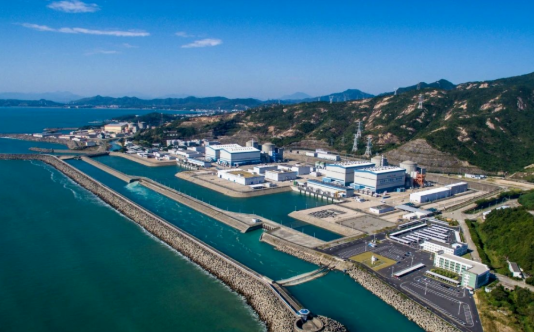
South China Regional Office of the Ministry of Ecology and Environment Conducts Unannounced Special Inspection on Typhoon and Flood Prevention at Daya Bay Nuclear Power Base
To effectively strengthen the safety production defense line during the flood season, reinforce the primary responsibility of operating entities for typhoon and flood prevention, and prevent and mitigate nuclear safety risks posed by extreme weather such as typhoons and heavy rainfall, the South China Regional Office of Nuclear and Radiation Safety Supervision under the Ministry of Ecology and Environment (hereinafter referred to as the South China Regional Office) recently conducted an unannounced special inspection on typhoon and flood prevention at the Daya Bay Nuclear Power Base. After Typhoon Hongxia, some buildings at the Daya Bay Nuclear Power Base experienced issues such as roof leakage and water seepage. This inspection focused on the aforementioned weak links, conducting on-site verification of key critical points including the diesel generator buildings, the open intake channel for the cold source, and the combined pump house one by one. The inspection team went deep into the production frontline, meticulously examining equipment operating conditions,...
2026-08-06
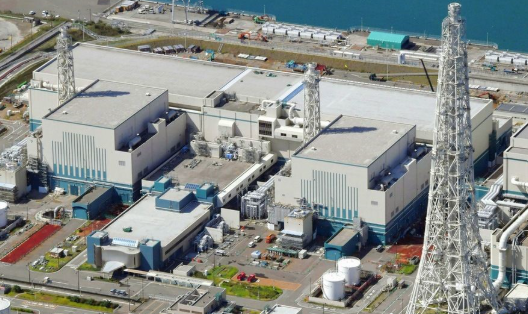
IAEA Director General to Inspect Kashiwazaki-Kariwa Nuclear Power Plant
Preparations are in the final stages for IAEA Director General Rafael Grossi's first inspection of Tokyo Electric Power Company's Kashiwazaki-Kariwa Nuclear Power Plant, expected to take place on August 18. Grossi has previously stated that there are "no obstacles to a swift restart," signaling a positive attitude toward the plant's reactivation. This inspection suggests that discussions surrounding the restart may accelerate. However, it is worth noting that local residents still harbor concerns, adopting a cautiously optimistic outlook on future developments. This marks Grossi's first visit to the Kashiwazaki-Kariwa plant, making it a significant event. Against the backdrop of growing attention to nuclear safety, the IAEA's...
2026-08-06
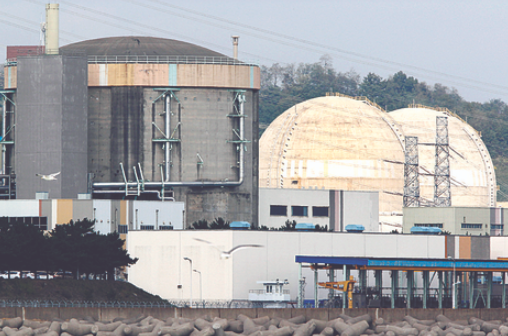
South Korea Advances First Domestic Commercial Production of Lu-177 Using Wolsong Heavy Water Reactors
Korea Hydro & Nuclear Power (KHNP) plans to use the heavy water reactors at the Wolsong Nuclear Power Plant to produce, for the first time domestically, the radioisotope lutetium-177 (Lu-177) for cancer treatment. Currently, South Korea relies entirely on imports for this material, which imposes cost pressures and supply instability on local radiopharmaceutical companies such as Cellbion and FutureChem. Industry experts generally believe that domestic production will help build a diversified supply chain and shorten transportation times. The primary goal of this plan is to achieve commercial production of Lu-177, with pilot production expected in 2028 and full-scale production commencing in 2031. Subsequently, KHNP will expand production to include cobalt...
2026-08-06

MIT Develops Ultrafast X-ray Thermometry Method to Observe Heat Transfer in Multilayer Chip Structures
Researchers at the Massachusetts Institute of Technology (MIT) have developed a new method for observing how heat transfers through multilayer materials, which can be used to precisely measure heat flow variations inside electronic devices such as computer chips. The findings have been published in Nature Communications. As computer chips continue to shrink in size and power density keeps rising, device overheating has become a major factor limiting performance improvements. Traditional heat flow measurement methods face limitations when dealing with the multilayer structures of real electronic devices—for example, the commonly used time-domain thermoreflectance method struggles to distinguish heat transport in different material layers, while infrared imaging and other approaches also fail to capture rapid changes at microscopic scales. To address this issue...
2026-08-06
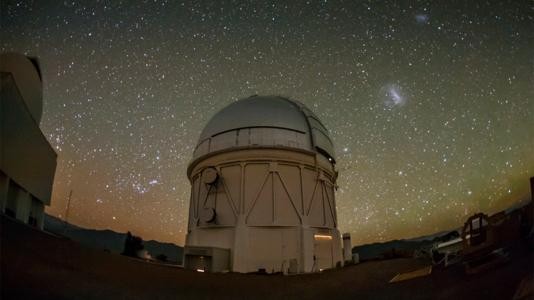
Dark Energy Survey Releases Six-Year Results: Data from 669 Million Galaxies Helps Constrain Cosmic Accelerated Expansion
On August 4, the Dark Energy Survey (DES) project released its six-year findings on dark energy detection. The project compiled 18 related papers, based on nearly 300,000 astronomical images captured between 2013 and 2019, recording information on 669 million galaxies, thousands of galaxy clusters, and more than 3,000 supernovae to study the accelerated expansion of the universe and the evolution of cosmic structure. To carry out DES, Fermi National Accelerator Laboratory built an extremely sensitive 570-megapixel digital camera, DECam, which was installed on the Blanco 4-meter telescope at the National Science Foundation's Cerro Tololo Inter-American Observatory in the Chilean Andes. (Image courtesy of Reidar Hahn/Fermi National Acceler...
2026-08-06

U.S. Laboratories Plan "Materials Discovery Cloud" to Use AI to Predict Impact of Defects in Microelectronic Devices
Researchers at the U.S. Department of Energy's Argonne National Laboratory, Lawrence Berkeley National Laboratory, Oak Ridge National Laboratory, and Northwestern University are planning to develop a Materials Discovery Cloud platform that leverages a physics-based artificial intelligence framework to predict how tiny defects affect the performance and lifespan of microelectronic devices. Visualization of the Materials Discovery Cloud, a physics-based AI framework that integrates experimental data, simulations, and high-performance computing to predict how tiny defects affect the performance and lifespan of microelectronic devices. (Image provided by ChatGPT.) Microelectronic devices are widely used in smartphones, laptops, secure communications, and artificial intelligence hardware. As device dimensions continue to shrink and operating speeds increase, tiny defects within materials and at interfaces have a more pronounced impact on device stability. These defects can cause overheating, leakage current, switching instability, and other issues, or in certain conditions, improve electrical or thermal performance. Identifying critical defects and understanding their evolution under real-world operating conditions has become a key challenge in the design of next-generation microelectronic materials.
2026-08-06

Final Voyage Completed for Rebar Cage Sea Transport to Hinkley Point C Nuclear Power Station
This summer, the cargo vessel Anfield Peak departed from the Port of Bristol in the UK, heading to Hinkley Point C Nuclear Power Station in Somerset. This marked the vessel's final voyage for the related transport mission. Previously, it had made over 100 round trips between the two locations, delivering factory-prefabricated rebar cages to the nuclear construction site. These rebar cages are large in volume and high in density, serving as critical foundational components in civil engineering construction. Under traditional practices, such rebar cages are typically prefabricated on-site before concrete pouring. The Hinkley Point C project, however, has shifted part of the rebar cage prefabrication process to a factory in Bristol, with the cages then transported by sea to the site for installation...
2026-08-06

United States to Host IAEA ATLAS Initiative Ministerial Launch
The United States will host the ministerial launch of the International Atomic Energy Agency (IAEA) Atoms for Transport Licensing and Applications at Sea (ATLAS) Initiative in Washington, D.C., on August 26-27, 2026. The event will bring together ministers, policymakers, and industry representatives to discuss topics related to the safe and reliable application of nuclear technology in the maritime domain. The ATLAS Initiative aims to establish an international framework to harmonize legal and regulatory issues facing maritime nuclear energy applications and to support the deployment of related civilian nuclear technologies. Building on the IAEA's experience in nuclear safety, nuclear security, and safeguards, the Initiative emphasizes technology neutrality and places safety, security, and non-proliferation requirements as the foundation for advancing maritime nuclear applications...
2026-08-06
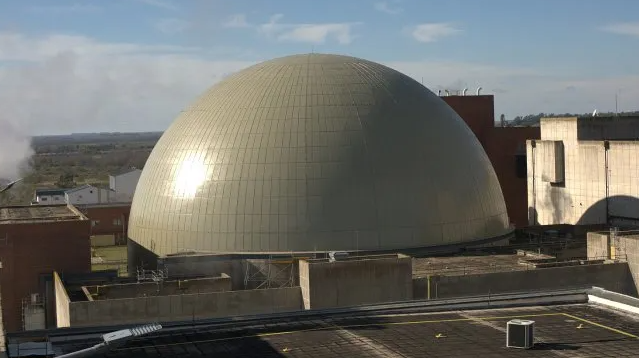
Argentina's nuclear power generates 4.45 million kWh in half a year, accounting for over 7% of national electricity and meeting the residential electricity needs of 6 million people
Operating data from Nucleoeléctrica Argentina for the first half of 2026 shows that the Atucha 2 and Embalse nuclear power plants generated a combined 4,450,355 kWh, accounting for over 7% of the country's total electricity generation during the period and covering 13% of national residential electricity demand. Notably, although Atucha 1 is temporarily out of service due to a life extension project, the nuclear plants are still able to supply electricity to approximately 6 million people. In addition to its operational breakthroughs, Nucleoeléctrica Argentina is also actively expanding its international business. The company has formally established a new business unit aimed at...
2026-08-06