
Search Results
Keyword:B

Former U.S. President Biden's Prostate Cancer Progress: Has Received Radiation Therapy and Hormone Therapy
The health condition of former U.S. President Joe Biden has recently drawn renewed attention. In an interview video, his son Hunter Biden stated that after Biden was diagnosed with prostate cancer, the cancer cells had metastasized, spreading to the bones and other parts of the body, and described the process as extremely painful. According to relevant information, Biden, now 83 years old, disclosed in May 2025 that he had been diagnosed with an aggressive form of prostate cancer, with cancer cells confirmed to have spread to the bones at that time. In October, a Biden spokesperson announced that he was undergoing radiation therapy and hormone therapy. Radiation therapy is one of the common nuclear technology medical applications in tumor treatment, primarily using ionizing radiation on tumor tissue to...
2026-08-10
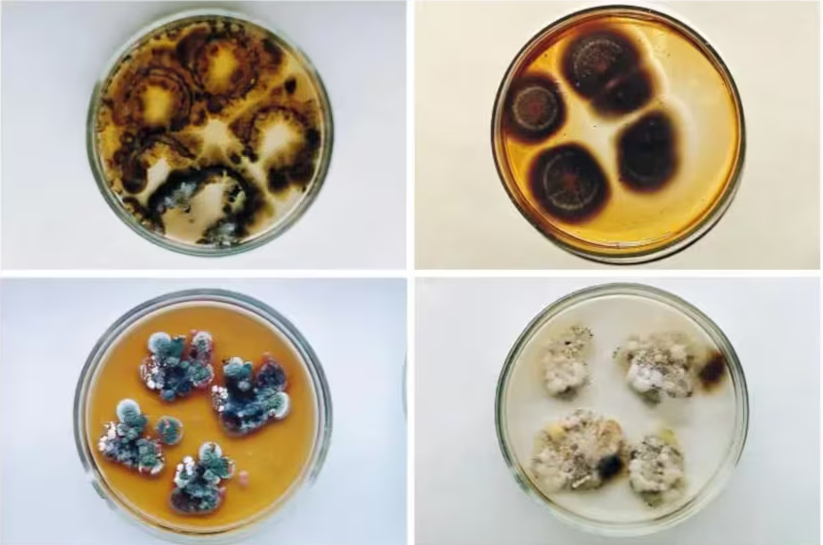
Chernobyl Black Fungi Draw Attention: Potential Value in Ionizing Radiation Tolerance and Shielding Research
Nearly four decades after the explosion of Unit 4 at the Chernobyl Nuclear Power Plant, the areas surrounding the damaged reactor remain heavily contaminated with radiation. In this high-radiation environment, researchers have discovered that a type of black fungus is not only capable of surviving but may also exhibit strong environmental adaptability, drawing continued scientific interest in its radiation tolerance mechanisms. According to available data, this fungus, scientifically known as Cladosporium sphaerospermum, has been found on the interior walls of buildings associated with the contaminated reactor at Chernobyl. Researchers point out that its deep black appearance is linked to the large amounts of melanin accumulated within its cells. Compared with ordinary organisms, this type of fungus exhibits exceptional tolerance in high...
2026-08-10

U.S. Plans $1 Billion Security Assistance to Colombia, Civil Nuclear Energy Added to Bilateral Cooperation List
The U.S. Department of State announced on August 8 that it plans to provide $1 billion in security assistance to Colombia to support the security policies of the new administration of President Abelardo de la Espriella. The assistance package is viewed by the Trump administration as a core component of the "renewed alliance" between the U.S. and Colombia, and will be advanced in coordination with Congress. The State Department framed the assistance plan within the context of a "new chapter" in bilateral relations, while also proposing deeper economic cooperation in areas such as energy, critical minerals, infrastructure, technology, and civil nuclear energy. Compared to the previous tensions between Trump and former Colombian President Gustavo Petro over immigration and security issues, de la Espriella's...
2026-08-10
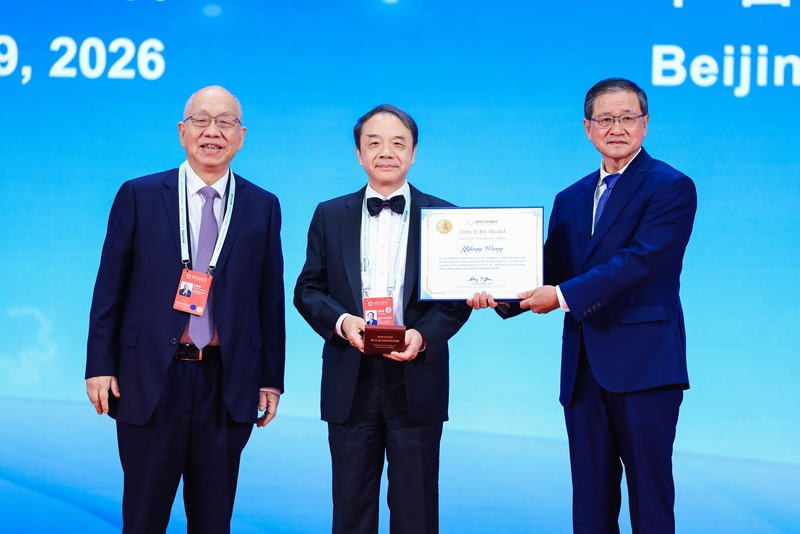
Jiangmen Neutrino Experiment Targets Mass Ordering Challenge; Wang Yifang Says Expected to Be Resolved Within 3 to 5 Years
On August 9, the 2026 International Congress of Basic Science opened in Beijing. Wang Yifang, academician of the Chinese Academy of Sciences and researcher at the Institute of High Energy Physics, Chinese Academy of Sciences, was awarded the Samuel C.C. Ting Physics Medal in recognition of his significant contributions to neutrino oscillation research, precise measurement of the mixing angle θ13, and the construction of the Jiangmen Underground Neutrino Observatory (JUNO). According to reports, the Basic Science Medal is established for scientists worldwide who have achieved groundbreaking results in basic sciences, covering three fields: mathematics, physics, and engineering. Wang Yifang's award-winning achievements include being the first to discover a new neutrino oscillation mode, first to precisely measure the mixing angle θ13, and leading the completion of the Jiangmen Neutrino Experiment...
2026-08-10
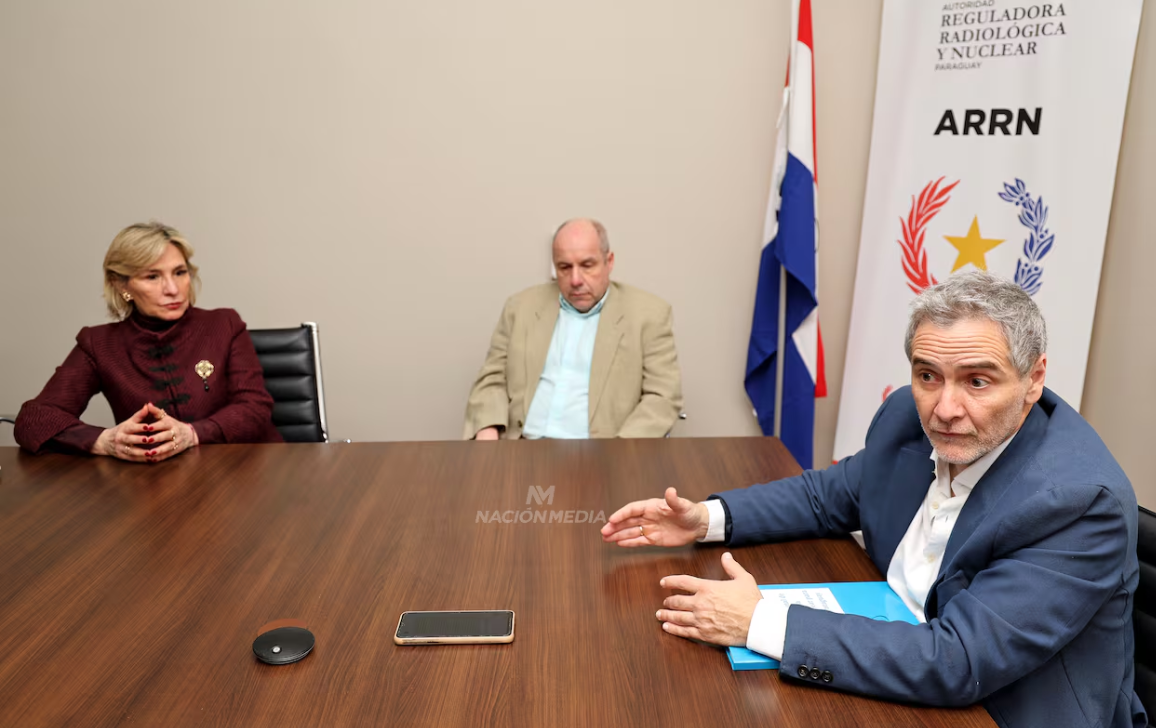
Paraguay's Nuclear Power Generation Debate Heats Up: Regulator Supports Private Sector Participation
Paraguay's Radiation and Nuclear Regulatory Authority (ARRN) has welcomed the open attitude shown by the National Electricity Administration (ANDE), stating that allowing or encouraging private sector participation in nuclear power generation projects would bring new discussion space to the country's energy mix. This stance indicates that nuclear energy is no longer just a long-term technical vision but has begun to enter the public agenda of policy, investment, and regulatory coordination. Paraguay has long relied on hydropower resources, with major projects such as Itaipu and Yacyretá giving it an advantage in clean electricity. However, with domestic industrialization, growing electricity consumption, and changes in the regional energy market, sole reliance on hydropower also faces pressures from seasonality, hydrological conditions, and long-term demand...
2026-08-10

Belarusian NPP safe operation period may be extended to 100 years, with first spent fuel to be shipped to Russia for reprocessing in 2034
Stanislav Levitsky, head of the Rosatom representative office in Belarus, stated on the "Economic Environment" program of Belarusian TV Channel One that Belarusian nuclear energy development is backed by comprehensive safety assurances. He emphasized that while nuclear facilities can indeed have serious consequences if mismanaged, under the existing risk control system and modern technological support at the Belarusian NPP, nuclear power can become a low-cost, stable, and safe energy source. Levitsky believes that amid intense competition in the energy sector, some irresponsible players may use information tactics to create anxiety and attempt to provoke panic among the public...
2026-08-10
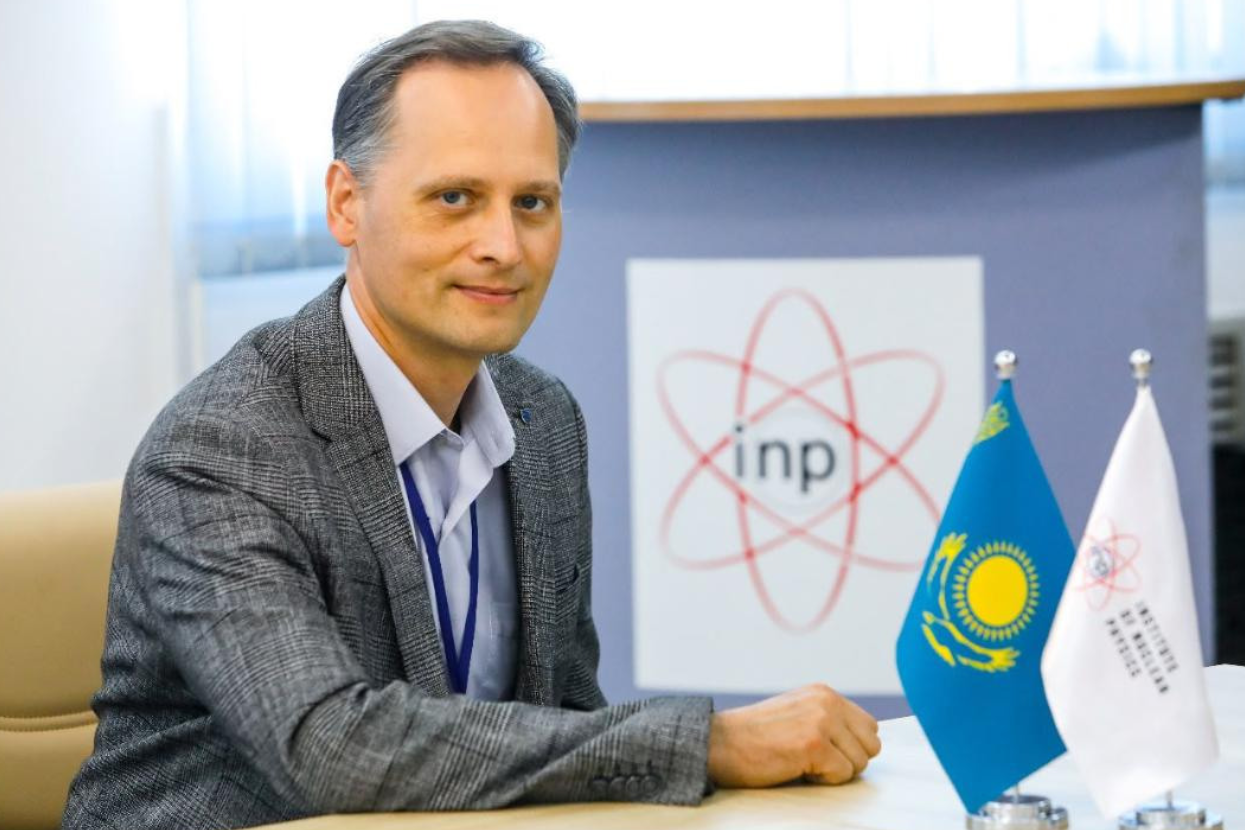
Kazakh scholars call for integrated radioecological monitoring system in border regions amid Central Asian nuclear power development
As energy demand continues to grow in Central Asian countries, nuclear power is becoming an important direction in regional energy policy. Kazakhstan has decided to build its own nuclear power plant, while neighboring countries such as Uzbekistan are also advancing or preparing similar projects. Nuclear energy is regarded as a key option for ensuring electricity supply and reducing greenhouse gas emissions, but its development cannot be limited to the construction of power plants alone. It must be accompanied by a comprehensive ecological and radiation safety assurance system, particularly in areas where cross-border impacts may exist. Although modern nuclear power plants are designed in accordance with strict international safety standards, environmental monitoring cannot be predicated on the probability of accidents. The impact of large industrial facilities on the surrounding environment requires...
2026-08-10
Russian Small Nuclear Technology May Help Power Remote Regions of Brazil
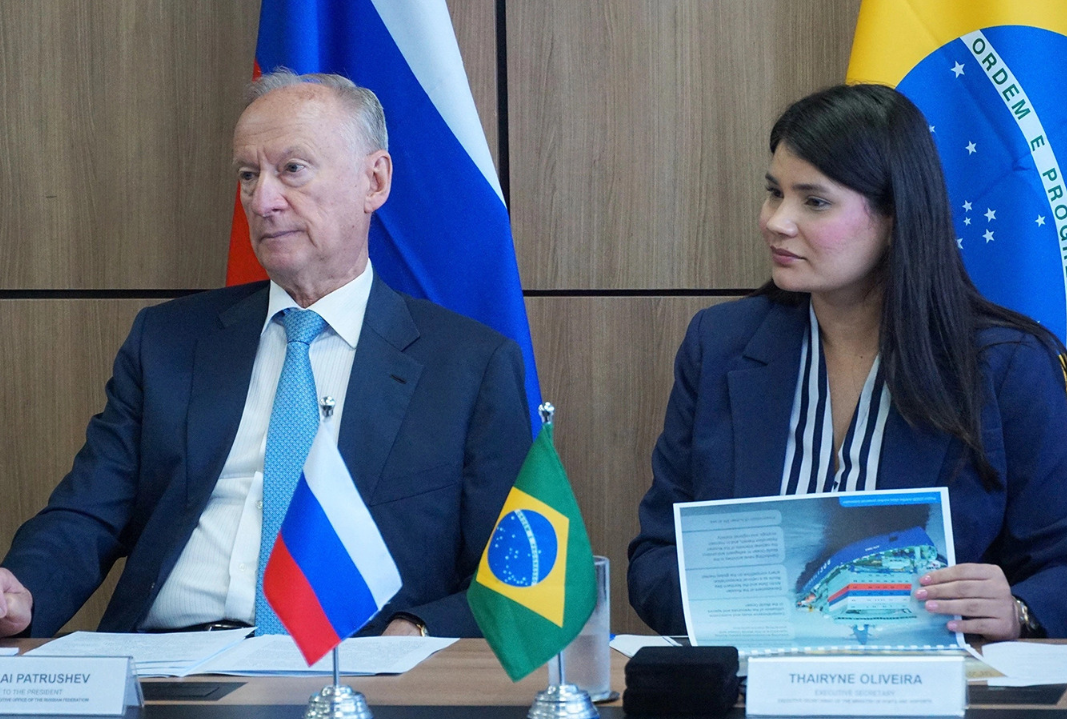
Nikolai Patrushev, aide to the Russian President and Chairman of the Maritime Board, stated during talks held in Brasilia on August 7 that Russia's accumulated experience in the field of low-power nuclear energy is expected to be valued by Brazil. He noted that given Brazil's ongoing development of its own ship-based nuclear reactors, relevant Russian technologies and engineering expertise could serve as a reference in this process. Patrushev mentioned that potential bilateral cooperation is not limited to ship-based reactors, but may also extend to areas such as small nuclear power plants and floating nuclear power units. Among these, the Elena-M small nuclear power plant and floating energy devices deployable in water areas or coastal regions are regarded as suitable for long-term,...
2026-08-10
CMS records highest-energy lepton pairs to date, testing the possibility of a composite Higgs boson
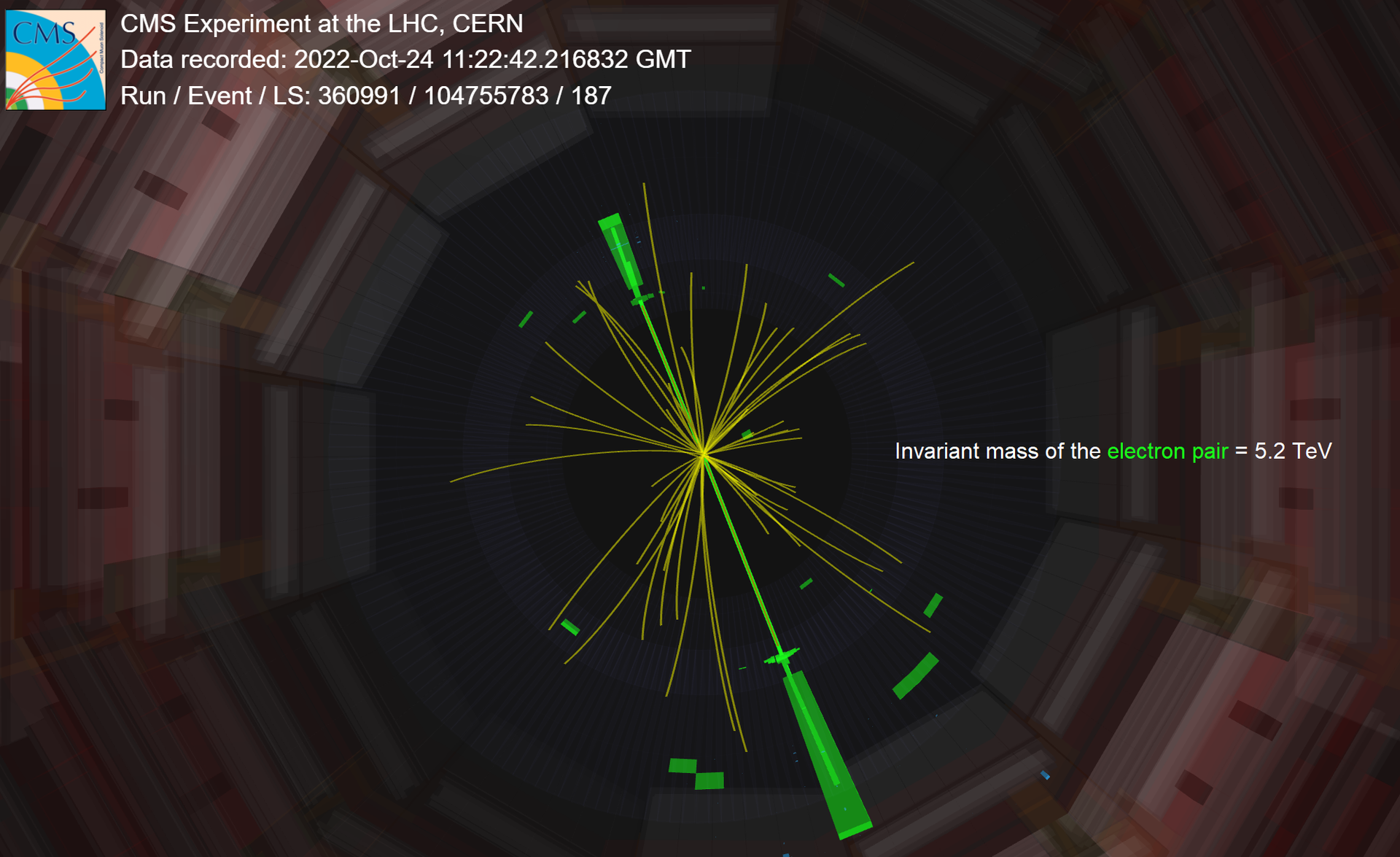
The CMS experiment recently used the complete proton-proton collision dataset collected during Run 2 of the Large Hadron Collider and the first two years of Run 3, namely 2022 to 2023, to search for clues that the Higgs boson may be composed of smaller constituents. The analysis results show that the experimental data are consistent with Standard Model predictions, with no evidence pointing to new physics yet. Whether the Higgs boson is an elementary particle or a composite particle with deeper structure is a long-standing question in particle physics. To test this possibility, the CMS team adopted two complementary approaches: on one hand, directly searching for new heavy particles that could be produced at the Large Hadron Collider; on the other hand, indirectly probing the effects of new particles with higher masses that are difficult to produce directly through subtle deviations in high-energy electron pair and muon pair production processes.
2026-08-10
German-Grenoble Joint Experiment: Bacteria Immobilize 96% of Uranium in Mine Water, Offering New Insights for Legacy Uranium Mine Remediation
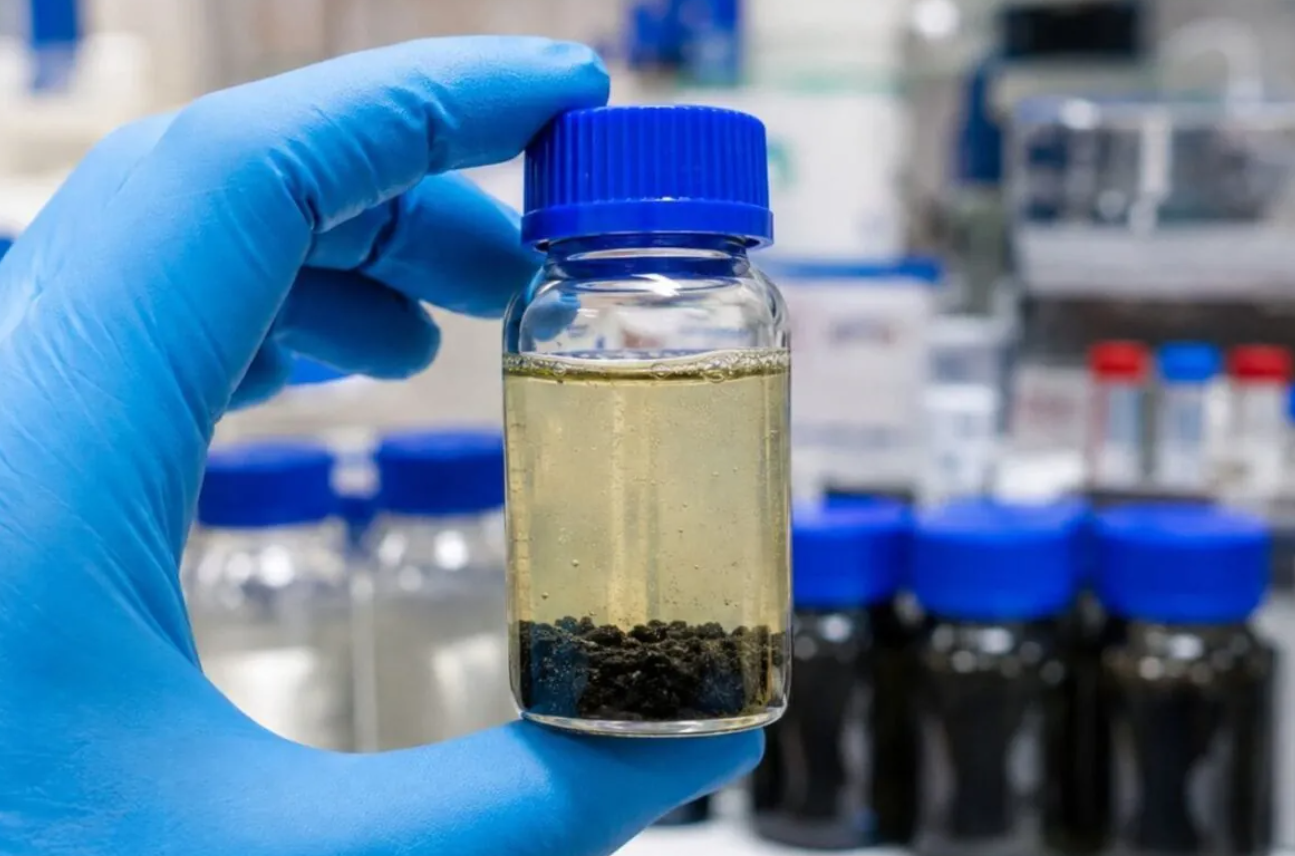
More than three decades after the closure of the Schlema-Alberoda legacy uranium mine in Saxony, Germany, remediation pressure continues unabated. After the mine workings were flooded, the water still contains approximately 1 milligram of uranium per liter, far exceeding the World Health Organization's provisional guideline value of 0.03 milligrams per liter for drinking water. This means that even though mining has long ceased, contaminated water must still be treated over the long term to prevent radioactive metals from migrating with groundwater into rivers or drinking water sources. A team involving the Helmholtz-Zentrum Dresden-Rossendorf in Germany, the University of Grenoble, and other institutions conducted experiments directly using real water samples from the mine and achieved noteworthy results: after 130...
2026-08-10
Ukraine's Radon Association Receives EU-Assisted Equipment to Enhance Operational Reliability of IASRM Radiation Monitoring System
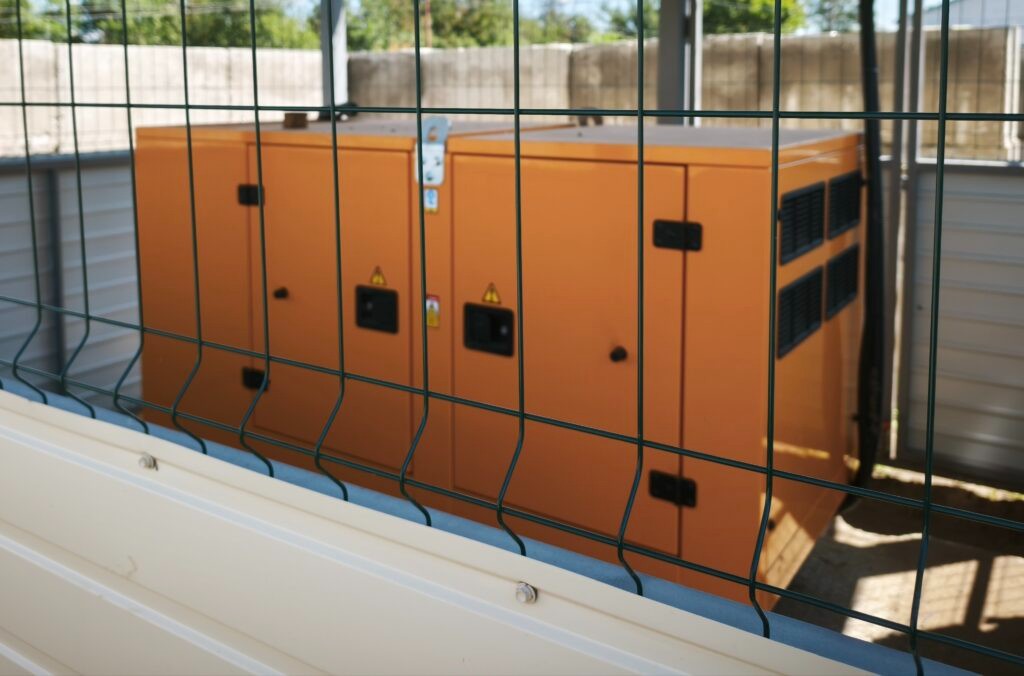
On August 4, 2026, the Ukrainian state non-profit company Radon Association received five modern support systems to enhance the uninterrupted operation capability of the Integrated Automated Radiation Monitoring System (IASRM). The project is financially supported by the European Union through the Science and Technology Center in Ukraine, pursuant to Agreement No. INSC/2023/442-610 signed on May 22, 2023. Under the contractual arrangements, the relevant equipment has been delivered to the regional branches of the Radon Association and the central production base branch, with installation completed at the designated facilities. The systems installed this time mainly include backup power supply equipment such as diesel generators, which can provide continuous power to IASRM equipment during main power interruptions or shutdowns, thereby ensuring the normal operation of the radiation monitoring system under abnormal power supply conditions.
2026-08-10
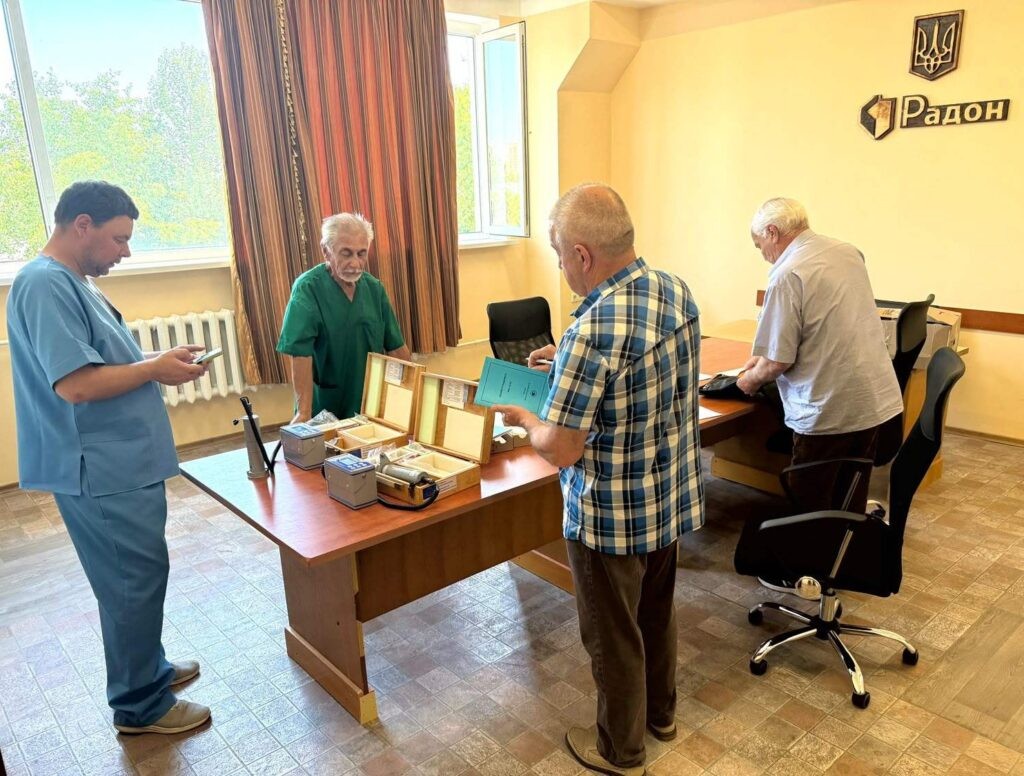
DNT "Radon Association" Receives EU Technical Assistance Equipment to Strengthen Radiation Dose Monitoring Capabilities
On August 4, 2026, under the framework of the EU International Technical Assistance Project, the DNT Radon Association received a batch of modern measurement equipment for radiation dose monitoring, aimed at enhancing radiation monitoring and dose control capabilities. The project is financially supported by the EU through the Science and Technology Center in Ukraine, pursuant to Donor Agreement No. 700001998 signed on June 24, 2024. In accordance with the contractual arrangements, the relevant measurement equipment has been delivered to the Association's interregional branches and central production base branches. Following delivery, the DNT Radon Association conducted acceptance testing of the supplied measurement equipment. The test results demonstrated that the equipment meets the requirements for its intended use. Concurrently, the Association also organized relevant personnel to undergo training in equipment operation and maintenance; upon completion of the training and knowledge assessment, the relevant experts were awarded certificates of completion.
2026-08-10
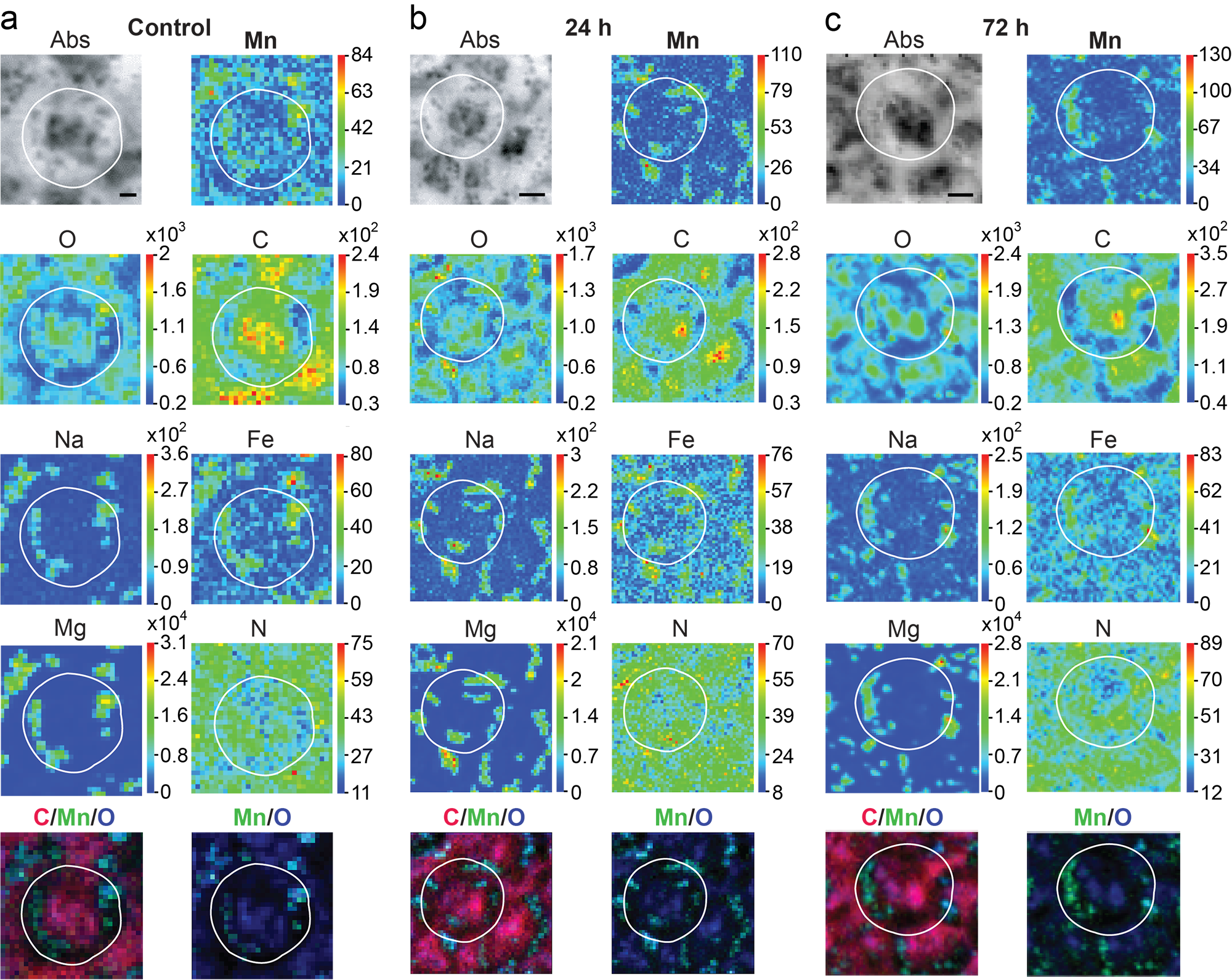
Synchrotron radiation reveals mechanism of acidophilic microalga PM01 tolerating high-concentration manganese
Researchers have used synchrotron radiation techniques to reveal the key mechanism by which an acidophilic green microalga survives in high-concentration manganese environments. The research subject is the acidophilic alga C. acidophila PM01, originally isolated from an acid mine drainage pond, which can survive at manganese concentrations up to 50 mM (approximately 2.75 g/L), making it one of the most manganese-tolerant microalgae reported to date. Manganese is a nutrient element required by organisms, but during processes such as mining, ore processing, and electrolytic manganese production, high concentrations of manganese can enter water bodies and cause pollution. In particular, manganese removal is difficult in acidic waters. Some microorganisms can adapt to such extreme environments, but their tolerance mechanisms still require fine analytical tools to elucidate...
2026-08-10

Honeycomb Materials Cross Over into Nuclear Energy: The Gill Corporation Enters the Radioactive Material Container Market
Basque Country-based company The Gill Corporation is applying its proven honeycomb structural material technology to the field of radioactive material containers, thereby entering the nuclear energy industry chain. The so-called honeycomb structure is typically known for its lightweight nature, high strength, impact resistance, and stable support, and has historically been used more in aerospace, transportation, or industrial composite applications; its current use in nuclear-related containers indicates that traditional high-performance materials companies are seeking new growth opportunities against the backdrop of the nuclear energy renaissance. The transport and storage of radioactive materials impose extremely high safety requirements on containers, which must not only account for mechanical strength, vibration resistance, and impact tolerance, but also meet long-term reliability, traceability, and stringent industry...
2026-08-10

DR Congo Government Responds to Research Allegations of "Uranium" in Cobalt Products, Announces Re-Testing and IAEA Consultations
The government of the Democratic Republic of the Congo (DRC) has recently responded to a study suggesting that its cobalt products may contain traces of uranium. The study, published in the journal *Nature Communications* on July 30, 2026, reported the presence of uranium traces in some exported cobalt hydroxide products from the DRC. As cobalt is a critical raw material in the global new energy battery supply chain, this claim quickly drew external attention to mineral product safety, environmental risks, and supply chain credibility. In an official statement released on August 7 by the Ministry of Communication and Media, the DRC government stated that the allegations should be understood within a scientific and geological context. The government emphasized that the natural co-occurrence of uranium in copper-cobalt deposits in Lualaba Province and Haut-Katanga Province is a geological phenomenon known for over a century, and is neither abnormal nor the result of artificial addition or deliberate manipulation. The government also noted that, under relevant International Atomic Energy Agency standards, if uranium exists only in trace amounts in ores or cobalt concentrates and is not specifically processed for uranium extraction, it should generally not be regarded as nuclear material.
2026-08-10