
Search Results
Keyword:C
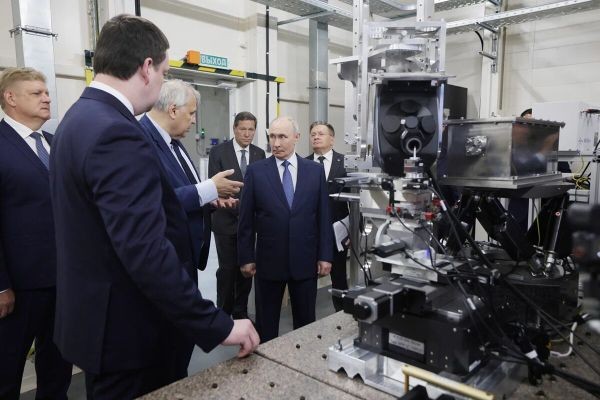
First experiments at Russia's SKIF microfocus station to target "invisible" gold deposits and extraterrestrial particle research
On August 19, 2026, the microfocus station, one of the first-stage experimental stations of the Russian SKIF Collective Use Center, announced its initial experimental directions. The station will utilize synchrotron radiation-based analytical techniques to study the elemental composition and structural characteristics of objects, serving fields such as geology, geophysics, microelectronics, and materials science. At the SKIF opening ceremony, Russian President Vladimir Putin inspected the microfocus station. According to the presentation, the station's first experiments will focus on the exploration and extraction of hard-to-recover gold, platinum, rare earth elements, and oil reserves. Ore sample research is a critical step in the development of new mineral deposits. By determining the elemental composition of rocks, researchers can...
2026-08-31
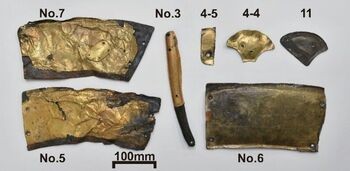
Japan's J-PARC Uses Negative Muon Non-Destructive Analysis to Reveal Gold-Rich Surface Structure of Nagoya Castle's Golden Shachi Scales
A joint research team comprising the High Energy Accelerator Research Organization (KEK), the J-PARC Center, the Nagoya Castle Research Center, and the National Museum of Nature and Science, among others, used the negative muon beam at the J-PARC Materials and Life Science Experimental Facility (MLF) to conduct non-destructive depth analysis on seven surviving scales of the golden shachi (ornamental dolphin-tiger fish) on Nagoya Castle's keep, confirming that five of the scales have a layered structure with high gold content within approximately 10 micrometers of the surface. The golden shachi on Nagoya Castle's keep was largely destroyed in the air raids of 1945, with some scales rescued and preserved to this day. Previously, researchers had examined these scales using X-ray fluorescence analysis, but the results showed that some scales with a bright golden appearance did not necessarily have a high average gold content.
2026-08-31
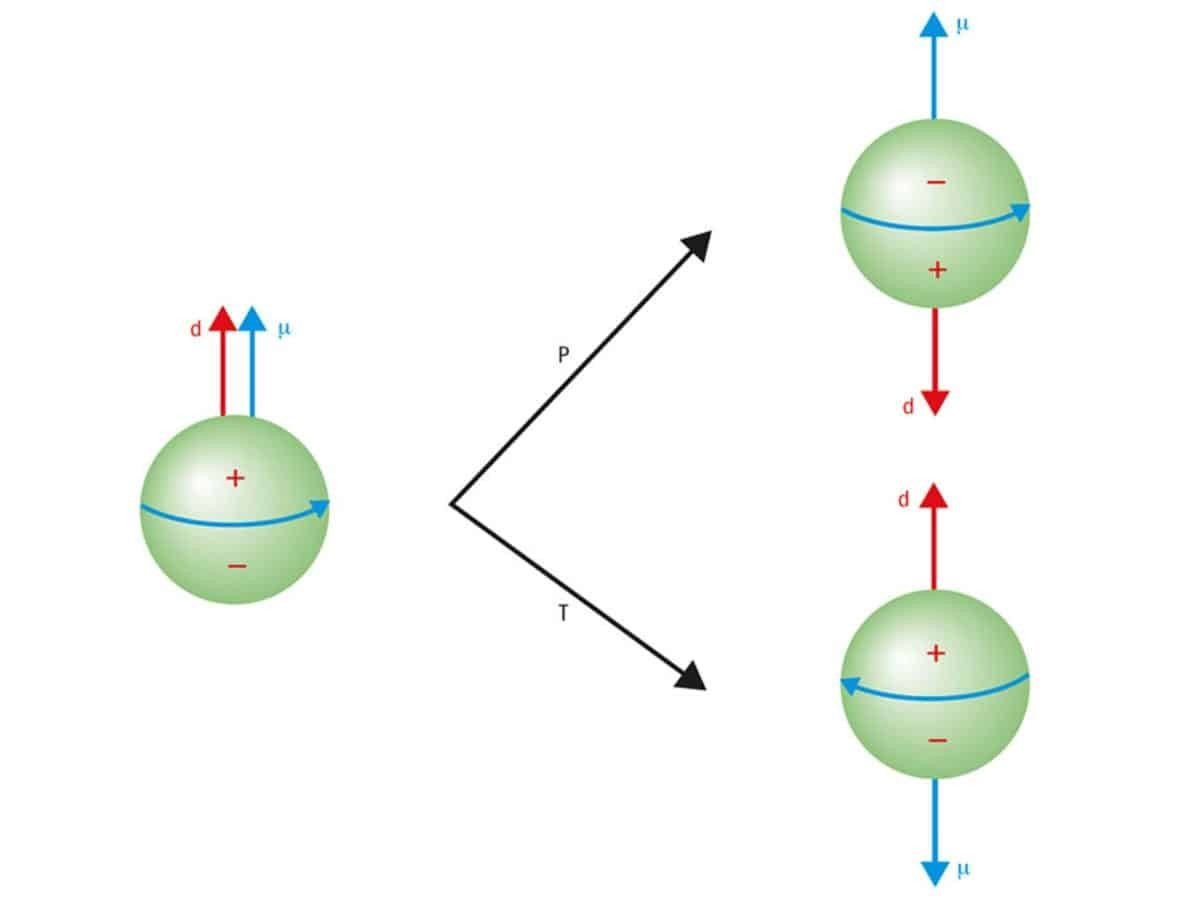
Russian Research Team Proposes New Method for Measuring Proton and Deuteron Electric Dipole Moments in a Single Storage Ring
Physicists from several Russian research institutions have proposed a new method for searching for the electric dipole moments of protons and deuterons, potentially enabling the study of both particle types in a single storage ring. The participating institutions include the Moscow Institute of Physics and Technology, the Institute for Nuclear Research of the Russian Academy of Sciences, the National Research Nuclear University MEPhI, and the Landau Institute for Theoretical Physics of the Russian Academy of Sciences. The research was published in the journal *Nuclear Science and Technology* and was supported by a grant from the Russian Science Foundation. The electric dipole moment reflects whether there is a tiny asymmetry between the internal charge distribution of a particle and its spin direction. According to Standard Model predictions, the electric dipole moments of the proton and deuteron are nonzero but extremely small, on the order of 10...
2026-08-31
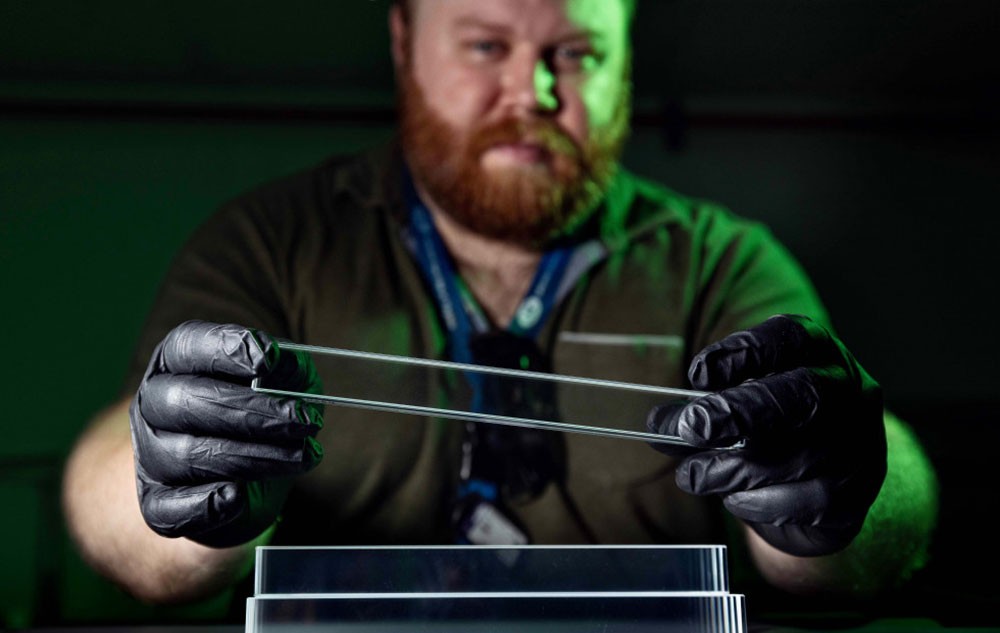
U.S. Electron-Ion Collider ePIC Detector Completes First Batch of Lead Tungstate Crystal Procurement and Acceptance
The U.S. Electron-Ion Collider (EIC) project recently achieved its first long-lead procurement milestone: 1,069 custom lead tungstate crystals for the new ePIC detector have been delivered, tested, and accepted. These crystals will be used in the Electron Endcap Electromagnetic Calorimeter (EEEMCAL) to help precisely measure the energy of scattered electrons during collisions. The EIC is being built by the U.S. Department of Energy's Brookhaven National Laboratory, in collaboration with the Thomas Jefferson National Accelerator Facility. The facility will circulate electron and ion beams in opposite directions, colliding them inside the ePIC detector. The ePIC detector records information about particles produced in the collisions, providing data for studying the fundamental constituents of visible matter...
2026-08-31
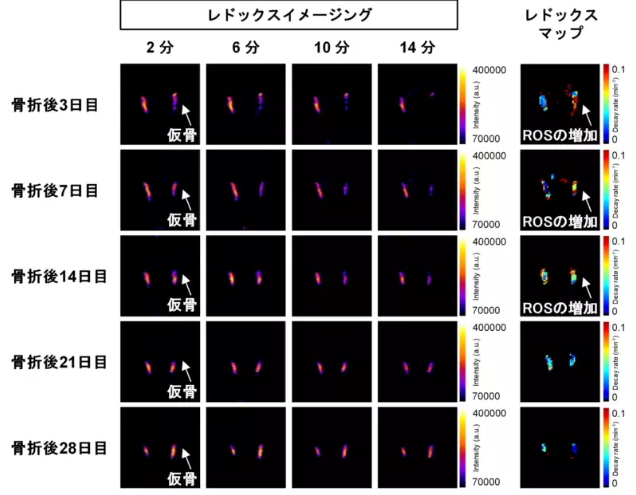
Japanese research team visualizes cellular metabolic changes during fracture healing using hyperpolarized MRI
August 21, 2026, Gifu Pharmaceutical University and Gifu University announced that a multi-institutional Japanese research team successfully visualized changes in the redox state of skeletal progenitor cells during fracture healing in living mice using hyperpolarized magnetic resonance imaging technology. The findings were published online on August 15, 2026, in the British academic journal *npj Imaging*. The study was led by Takuya Kubo, a graduate student in the Department of Pharmacology at Gifu Pharmaceutical University, Professor Eiichi Hinoi, and related research teams at Gifu University, in collaboration with the University of Tokyo, Osaka University, the Research Institute of National Rehabilitation Center for Persons with Disabilities, and other institutions. After a fracture occurs, a tissue called a...
2026-08-31
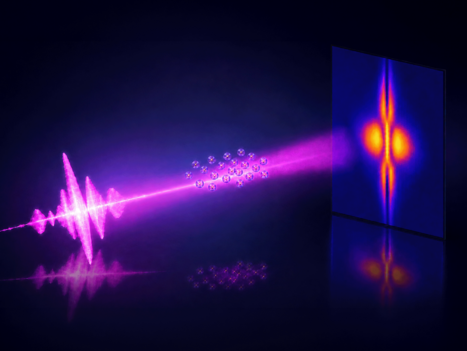
German Team Achieves Ultrafast Shaping of Extreme Ultraviolet Pulses Using High-Density Helium Gas
August 20, 2026, the international team led by researchers from the Max Planck Institute for Nuclear Physics (MPIK) in Heidelberg announced that they have utilized atomic gas as a rapidly switchable time-varying lens to control the beam shape and spectrum of intense high-frequency laser pulses. This achievement is expected to provide a new pathway for the fine control of extreme ultraviolet (XUV) and X-ray pulses, and may serve research directions such as improved spectroscopic methods, control of chemical reactions, and quantum computing. Extreme ultraviolet light can provide important tools for studying atomic-scale processes. With the development of free-electron lasers, researchers have been able to generate ultrashort, high-intensity XUV light pulses, but how to manipulate them like...
2026-08-31
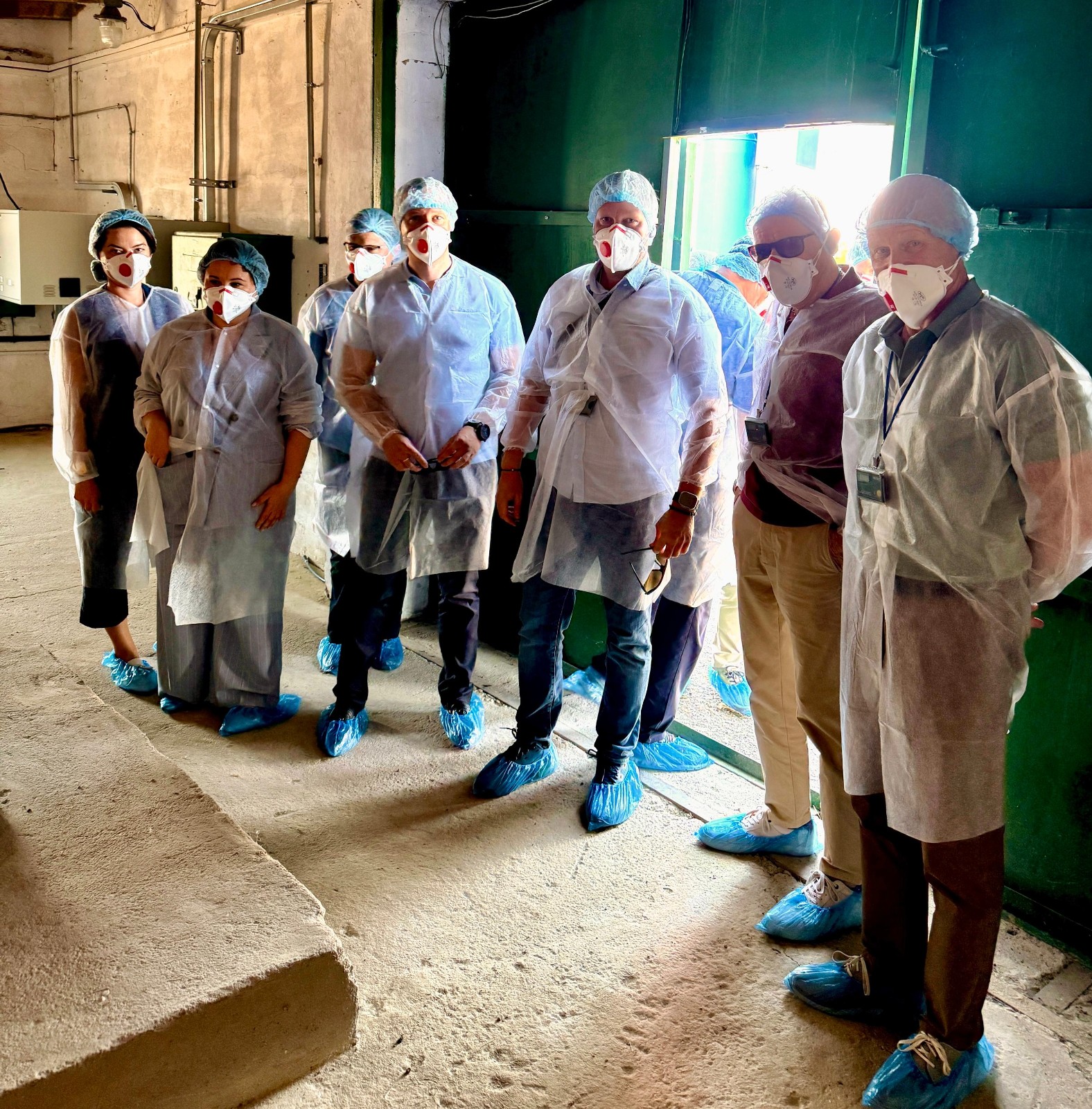
Ukraine Advances Modernization of Odesa Radioactive Waste Management System
The State Agency of Ukraine for Exclusion Zone Management (SAUEZM) recently organized a working meeting in Odesa to discuss the modernization of the radioactive waste management system and the implementation progress of related international technical assistance projects. The meeting was held at the Odesa Interregional Branch of the Ukrainian state-owned specialized enterprise "Association Radon," chaired by Oleksiy Budyk, Deputy Head of SAUEZM, with participation from the Joint Support Office (JSO), NT-Engineering LLC, and management and experts of Association Radon. The meeting covered two international technical assistance projects...
2026-08-31
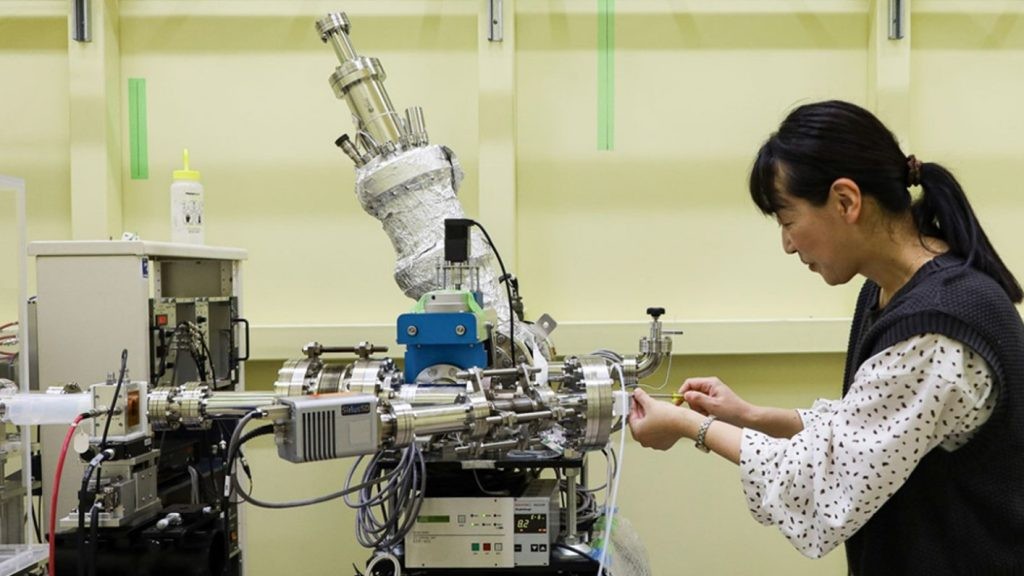
Japan's PF Launches Quantum Multi-Beam Experiments, Achieving Simultaneous Hard and Soft X-ray Measurements
The Photon Factory, a synchrotron radiation facility at the Institute of Materials Structure Science, High Energy Accelerator Research Organization (KEK) in Japan, has recently launched collaborative experiments on the development and research multi-purpose beamlines BL-11A and BL-11B, achieving simultaneous irradiation of the same sample with hard and soft X-rays at the same position. The research results will be published in the international academic journal *Review of Scientific Instruments*. The Photon Factory uses electrons moving at near-light speed to generate high-brightness X-rays, known as synchrotron radiation, for studying material structures and properties. Among these, hard X-rays are better suited for observing the internal structure of materials, while soft X-rays are ideal for analyzing material surfaces and electronic states. Previously, at synchrotron radiation facilities, the two types of X-rays typically had to...
2026-08-31
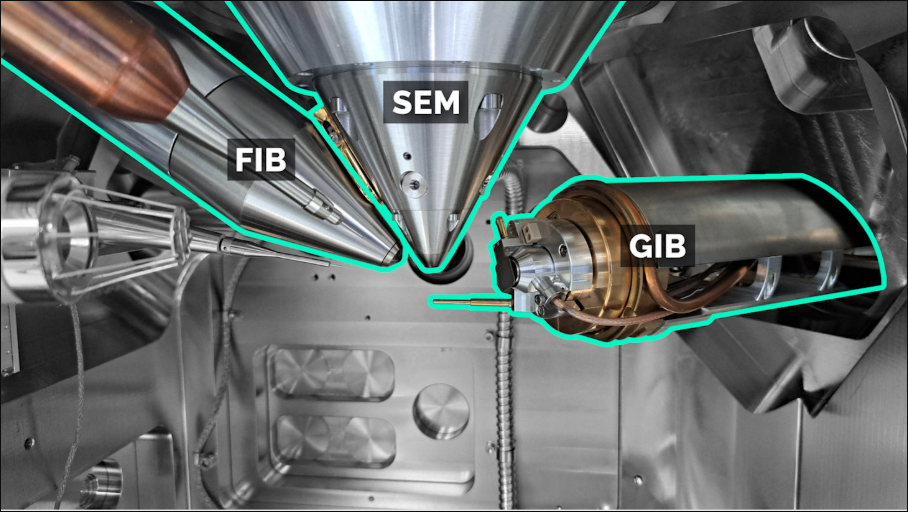
Gallium ion FIB-SEM sample preparation has a damage limit; low-energy argon ion beam cleaning is used to improve TEM sample quality
Gallium ion focused ion beam-scanning electron microscopy (Ga⁺ FIB-SEM) has become an important method for site-specific thin lamella sample preparation for transmission electron microscopy/scanning transmission electron microscopy (TEM/STEM), enabling cutting, extraction, and thinning of target regions at the nanometer scale. However, the literature indicates that while gallium ions provide high-precision machining capability, they also cause amorphization, ion implantation, and localized chemical modification on the sample surface, which can subsequently affect high-resolution imaging and energy dispersive spectroscopy analysis results. According to the literature, Ga⁺ FIB-SEM typically enables high-resolution site-specific machining at 30 keV, but high-energy gallium ions form a damage layer on the sample sidewalls. Taking silicon as an example...
2026-08-31
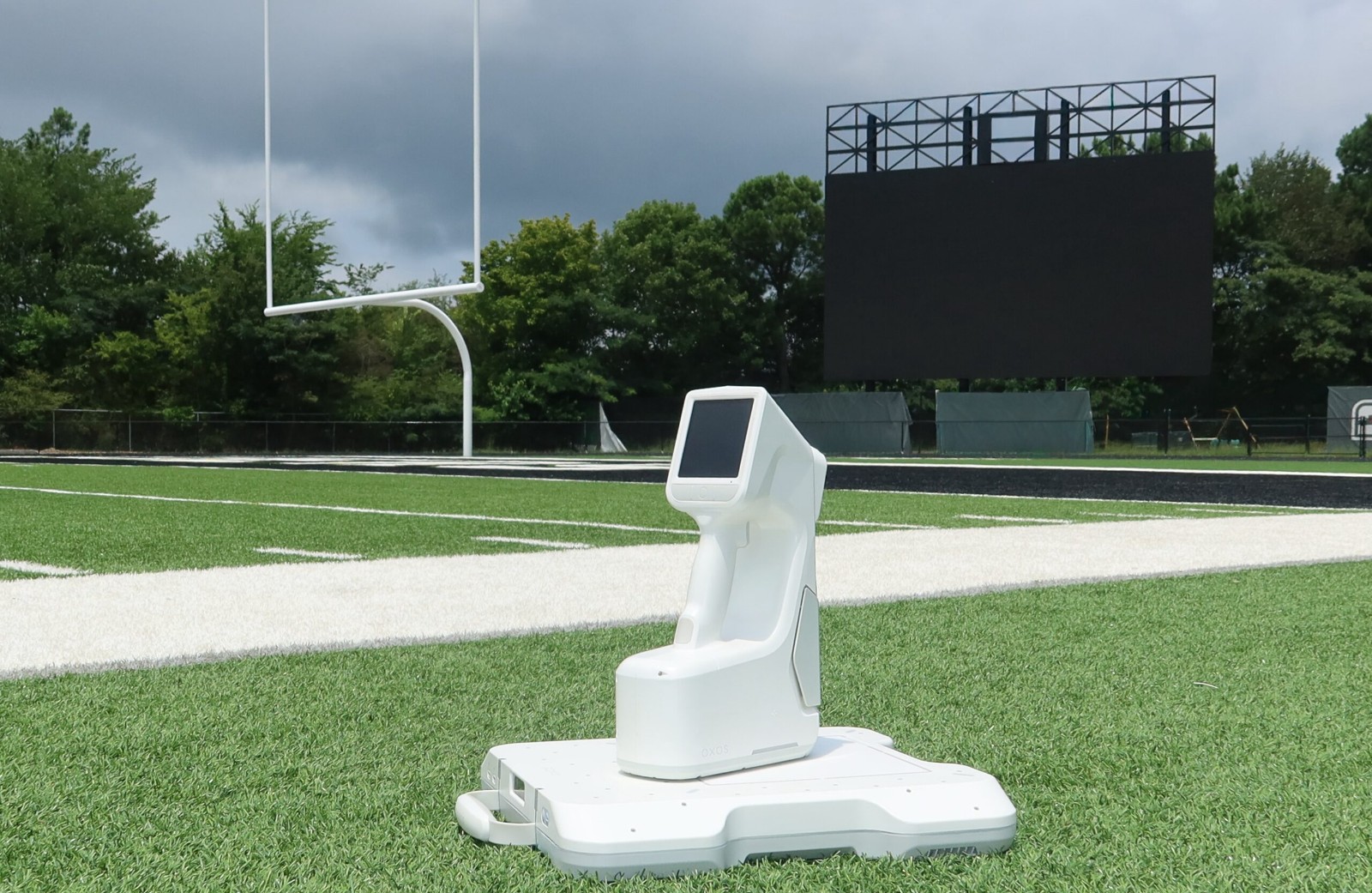
Portable X-ray Equipment in the U.S. Used for On-Site Assessment of American Football Injuries
As the 2026–2027 American football season approaches, team training camps, player evaluations, and medical support preparations are getting underway. Given the risk of acute sports injuries from the high-intensity physical contact in American football, portable X-ray equipment is being used to improve the efficiency of injury assessment on the sidelines and at training facilities. According to reports, American football players are prone to fractures, sprains, joint dislocations, and contusions. Relevant data indicates that the incidence of severe injuries such as fractures, dislocations, and contusions in this sport is higher than in other sports, with fractures accounting for approximately 10% of all football injuries. Such injuries typically require X-ray radiography to aid diagnosis, but traditional X-ray machines are bulky and fixed in place, usually requiring use in facilities with appropriate shielding. Injured players often need to be transported to the radiology department for examinations, which may delay diagnosis and treatment decisions.
2026-08-31
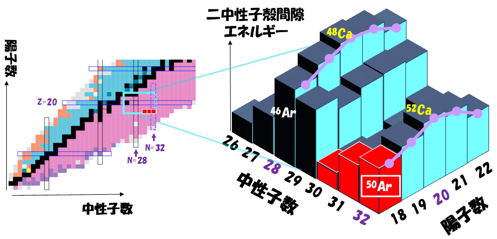
Japanese team achieves high-precision mass measurements of argon isotopes, revealing variations in the strength of the new magic number N=32
An international collaborative research team comprising RIKEN and the High Energy Accelerator Research Organization (KEK), among others, conducted high-precision mass measurements of short-lived argon isotopes far from the line of nuclear stability, using the superconducting RI beam generation and separation device BigRIPS at the RI Beam Factory (RIBF) of RIKEN Nishina Center for Accelerator-Based Science, as well as the CRISMASS system, a stationary slow radioactive isotope precision mass spectrometer jointly developed by the two institutions. The research team directly measured the mass of argon-50 (^50Ar, 18 protons, 32 neutrons) for the first time, and improved the mass measurement precision of argon-49 (^49Ar) by approximately 250-fold compared to previous measurements, providing insights into the energy of the two-neutron shell gap near the new magic number N=32. The results have been...
2026-08-31
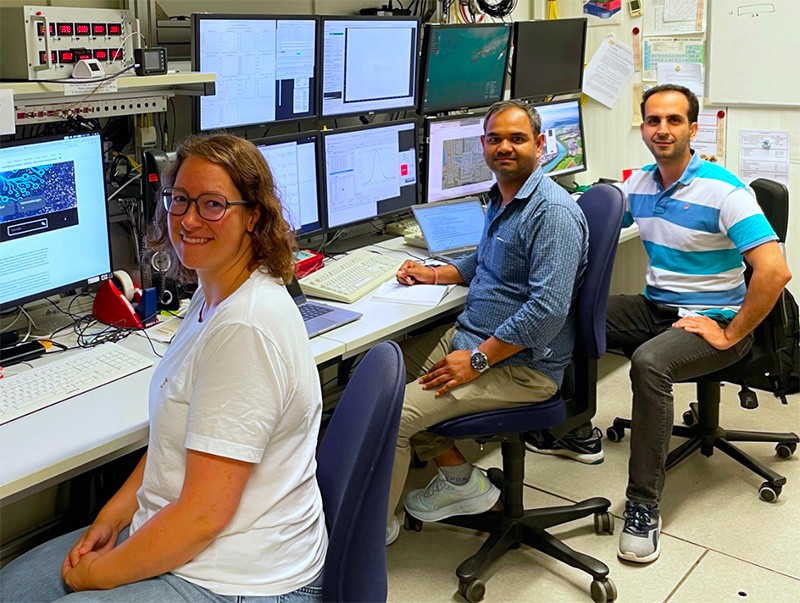
German Photon and Neutron Research Data Alliance Receives €8.3 Million in Second-Phase Funding
The German National Research Data Infrastructure consortium for photon and neutron experimental data (DAPHNE4NFDI) will enter its second funding phase, receiving initial funding of €8.3 million, with the funding period running until the end of 2028. Since 2021, the consortium has been working to improve the management of research data from photon and neutron experiments, making the data easier to find, access, and reuse over the long term. DAPHNE4NFDI is one of the disciplinary consortia under the German National Research Data Infrastructure (NFDI), with members including the German Electron Synchrotron (DESY), Kiel University (CAU), and other universities and research institutions. The funding decision is based on a recommendation from the German Research Foundation (DFG). Since January 2026...
2026-08-31
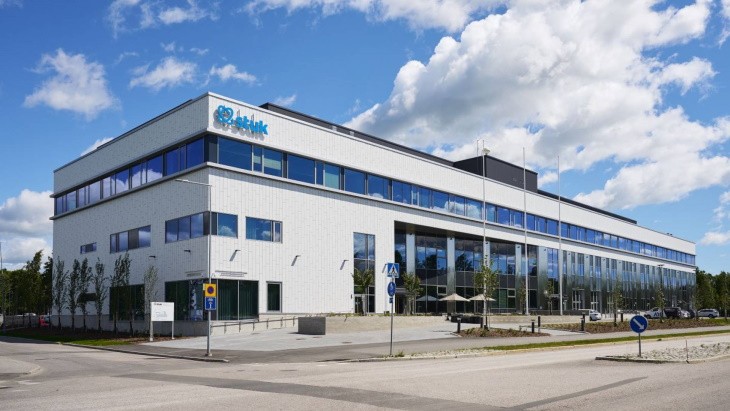
Finland's 2025 Environmental Radiation Monitoring Shows No Harmful Effects from Nuclear Power Plant Operations
The 2025 environmental radiation monitoring results released recently by the Radiation and Nuclear Safety Authority of Finland (STUK) show that radioactive substance levels in the Finnish environment generally remained low, and the operation of the Loviisa and Olkiluoto nuclear power plants has not caused harmful radiation impacts on the public or the environment. STUK continuously tracks Finland's radiation situation through its environmental radiation monitoring program. The monitoring includes continuous measurement of external radiation, as well as monitoring of radioactive substances in air, radioactive fallout, water bodies, food, and the human body, with the aim of promptly detecting changes in radiation levels and confirming the safety of the living environment. Finland's automatic external radiation monitoring network covers essentially the entire country. In 2025, 255 monitoring...
2026-08-31
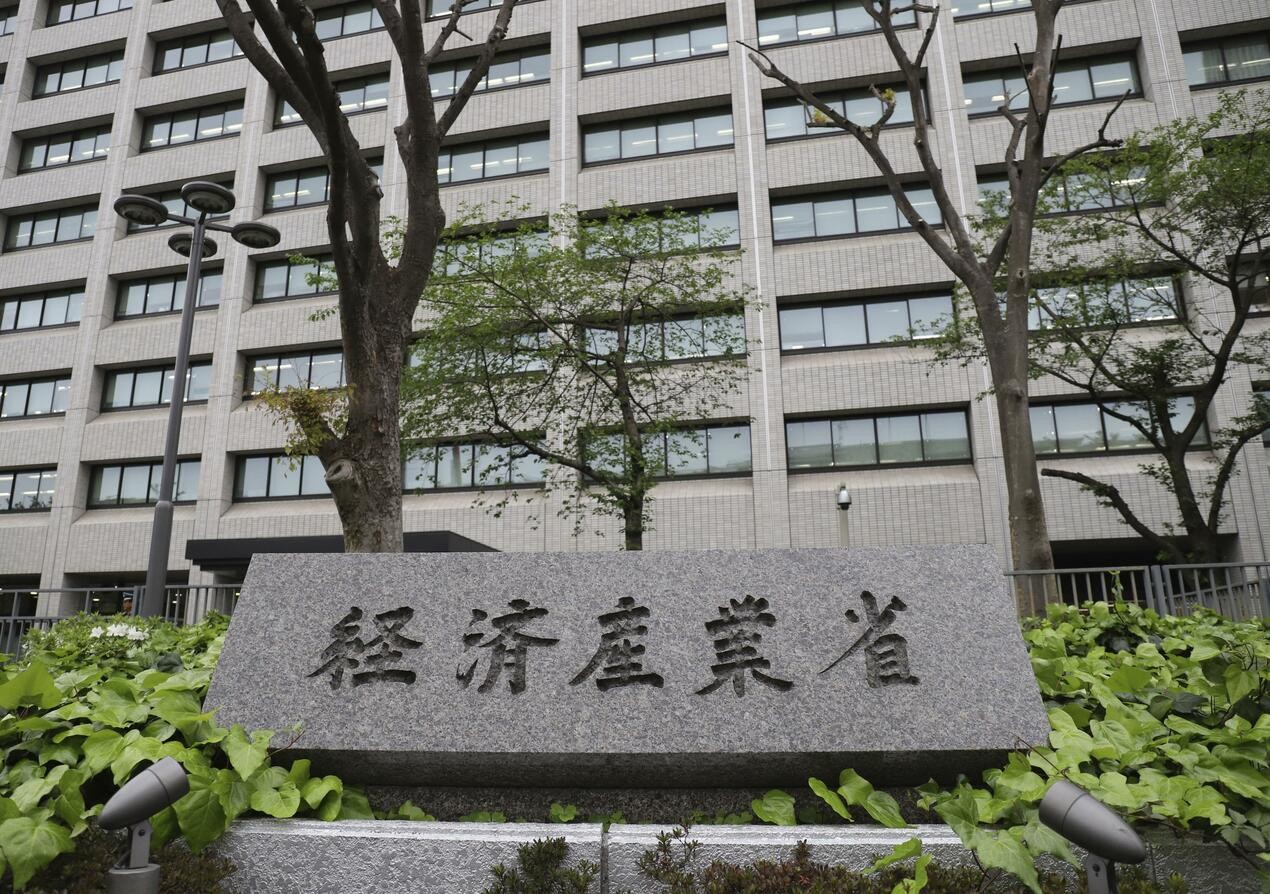
Japan Plans to Include Hitachiomiya, Ibaraki Prefecture, in Nuclear Waste Disposal Site Selection Survey
According to sources familiar with the matter on August 31, Japan's Ministry of Economy, Trade and Industry is considering conducting a preliminary survey in Hitachiomiya, Ibaraki Prefecture, to designate the city as one of the potential candidate sites for a final disposal facility for high-level radioactive waste. The relevant plan is expected to be submitted to the Hitachiomiya municipal government. If the local government accepts the plan, Hitachiomiya will become the fifth location in Japan to undergo such a preliminary survey. The site selection process for Japan's high-level radioactive waste disposal facility involves multiple stages, and the entire screening process typically takes several years. The proposed preliminary survey is an early step to determine whether the area meets the conditions for further evaluation...
2026-08-31
Chonnam National University Hospital in Hwasun, South Korea, Adopts Deepnoid's Chest X-ray AI Interpretation Solution "M4CXR"
Deepnoid announced on August 31 that it has signed a supply contract with Chonnam National University Hospital in Hwasun, South Korea, to provide the hospital with its AI-based chest X-ray preliminary opinion generation solution, M4CXR. This contract is part of the "AI Medical System Support Project for Regional Responsible Medical Institutions" promoted by the Ministry of Health and Welfare of South Korea. Chonnam National University Hospital in Hwasun plans to improve the work efficiency of medical staff in interpreting chest X-ray images and further enhance the quality of medical services through the introduction of M4CXR. A representative from the Hwasun branch of Chonnam National University Hospital stated that introducing a generative AI-based image interpretation support system is of great significance for improving the quality of public medical services...
2026-08-31