
Search Results
Keyword:CT
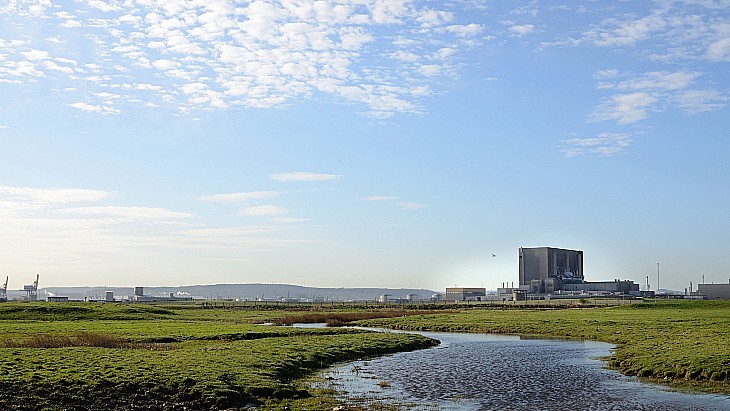
UK Regulator Initiates Design Assessment of Xe-100 Reactor
The UK regulator has formally initiated the assessment of the Xe-100 high-temperature gas-cooled reactor design proposed by X-energy, marking an important step for the UK in developing advanced nuclear technology. This decision follows the completion of a review by the UK Department for Energy Security and Net Zero of the application from X-energy UK Holdings Limited. In the same period last year, Centrica signed a joint development agreement with an X-energy subsidiary, planning to deploy Xe-100 reactors in the UK and selecting Hartlepool in northeast England as the preferred site, with the potential to build up to 6 million kilowatts of nuclear power plant capacity in the future. The Generic Design Assessment (GDA) is a comprehensive assessment conducted by the UK Office for Nuclear Regulation, the Environment Agency, and Natural Resources Wales of new reactor designs proposed for deployment in the UK, aimed at ensuring their safety, reliability, and environmental impact meet strict standards. This assessment is independent of site-specific construction applications, and only after passing all stages of assessment can the relevant permits and approvals be obtained.
2026-09-16
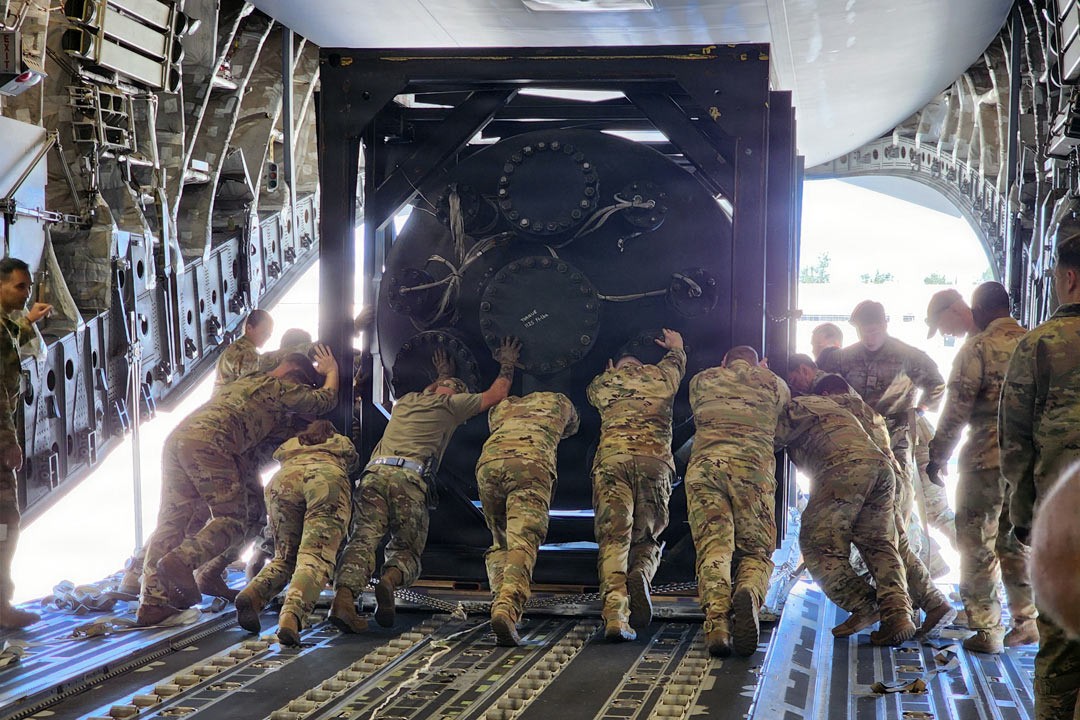
U.S. Army Deploys First Commercial Microreactor at Crane Base
The U.S. Army announced that it has ordered the first commercial microreactor for Naval Support Activity Crane in Indiana, marking a significant step in the United States' application of advanced nuclear energy technology. This micro-modular reactor (MMR), owned and operated by a commercial entity, will be installed at the base, becoming the U.S. Navy's first land-based advanced micro-modular reactor and Indiana's first power reactor. Naval Support Activity Crane is positioned by the U.S. Army as one of the leading centers in operational innovation and capability development. The deployment of the microreactor aims to provide reliable, 24-hour uninterrupted power, reducing dependence on the commercial power grid, thereby supporting critical missions in various...
2026-09-16
Nusano Selected for U.S. Nuclear Energy Launch Platform Program to Advance Advanced Nuclear Fuel Production Line
Nusano, Inc., a physics company based in West Valley City, Utah, that has made breakthroughs in radioisotope and nuclear fuel production, has been selected by the U.S. Nuclear Reactor Innovation Center (NRIC) and the U.S. Department of Energy (DOE) to participate in the development of a HALEU (high-assay low-enriched uranium) nuclear fuel production line as part of the Nuclear Energy Launch Platform program. The program is a federal government initiative aimed at accelerating innovative nuclear technologies from concept to commercial deployment. Through this program, Nusano will receive authorization process support from the U.S. Department of Energy, expertise from national laboratories, infrastructure, technical resources, and project support, thereby accelerating the development of advanced nuclear technologies...
2026-09-15

Siemens Healthineers Invests $44 Million to Expand PET/CT Production Capacity
Siemens Healthineers announced that the company will make an investment of nearly $44 million at its PET detector center in Rockford, Tennessee, to increase production capacity for PET/CT equipment. This investment marks the completion of the company's construction project at the center, which is aimed at meeting growing demand for PET/CT technology and supporting new product lines launched in the U.S. and international markets. In the Rockford expansion project, approximately 40,000 square meters of building area were added, increasing the total campus footprint to 97,000 square meters, while 7,500 square meters of existing buildings were also renovated. The campus is Siemens Healthineers' only...
2026-09-15
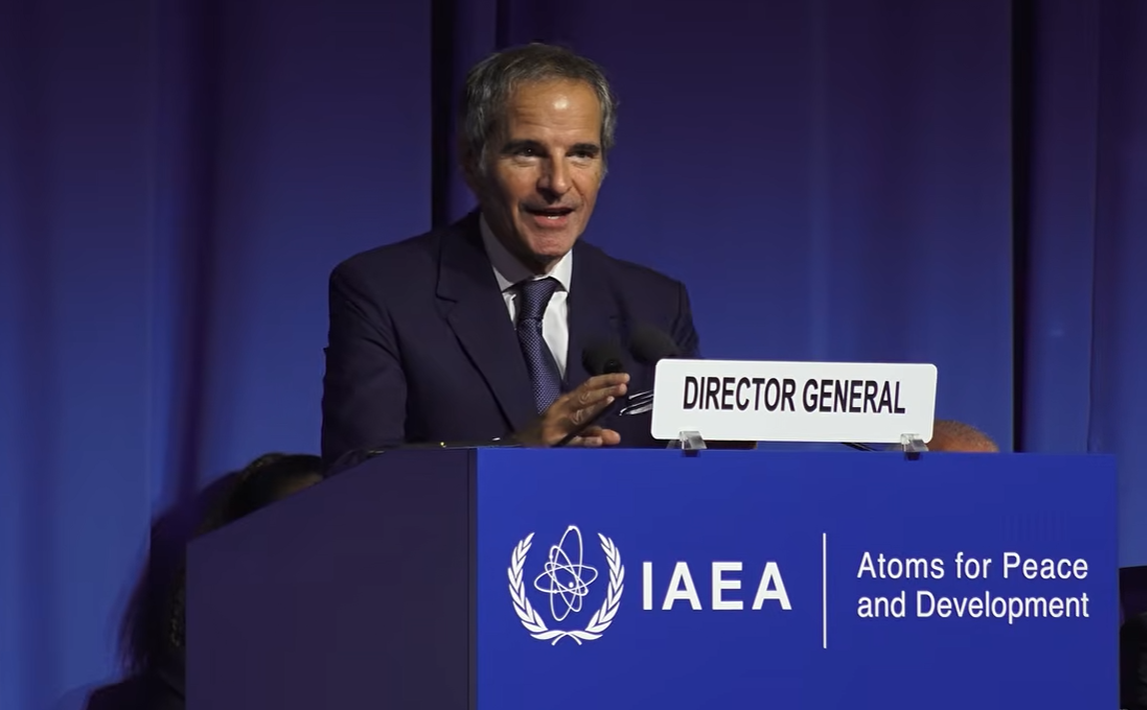
IAEA Director General Rafael Grossi: Urges Member States to Continue Firmly Supporting the Work of the International Atomic Energy Agency
The 68th General Conference of the International Atomic Energy Agency (IAEA) officially opened in Vienna, Austria. This year's conference welcomed nearly 4,000 delegates, setting a record high for attendance. In his opening address, IAEA Director General Rafael Grossi emphasized that despite current global tensions and numerous challenges, the international community's shared commitment to promoting the peaceful uses of nuclear technology and maintaining nuclear safety remains firm. In his address, Grossi first extended a warm welcome to Timor-Leste, which newly joined the IAEA, bringing the agency's membership to 182. Grossi recalled that 70 years ago, the IAEA...
2026-09-15
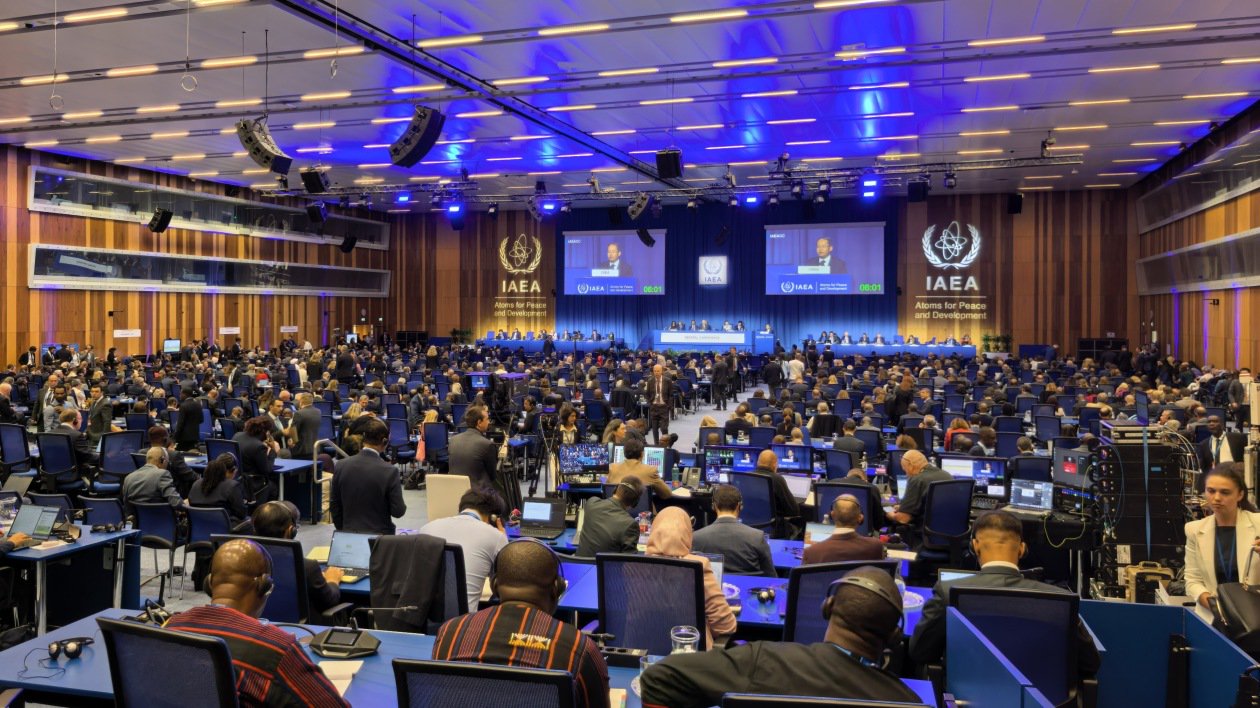
Shan Zhongde, Director of the China Atomic Energy Authority: China always adheres to the active, safe and orderly development of nuclear energy
On September 14, the 70th Regular Session of the IAEA General Conference was held in Vienna, Austria. Shan Zhongde, Director of the China Atomic Energy Authority, led a delegation to attend the conference and delivered a speech during the general debate. In his speech, Shan Zhongde stated that China always adheres to the active, safe and orderly development of nuclear energy, and coordinates innovation-driven development, safe development and open cooperation. China always upholds a rational, coordinated and progressive nuclear security concept, abides by nuclear non-proliferation obligations, continues to open cooperation platforms, share development achievements, and engage in extensive consultation, joint contribution and shared benefits, promoting global nuclear energy security, innovation and sustainable development through practical actions, and working together to build a community with a shared future for mankind, contributing Chinese wisdom, Chinese solutions and Chinese strength. Shan Zhongde...
2026-09-15
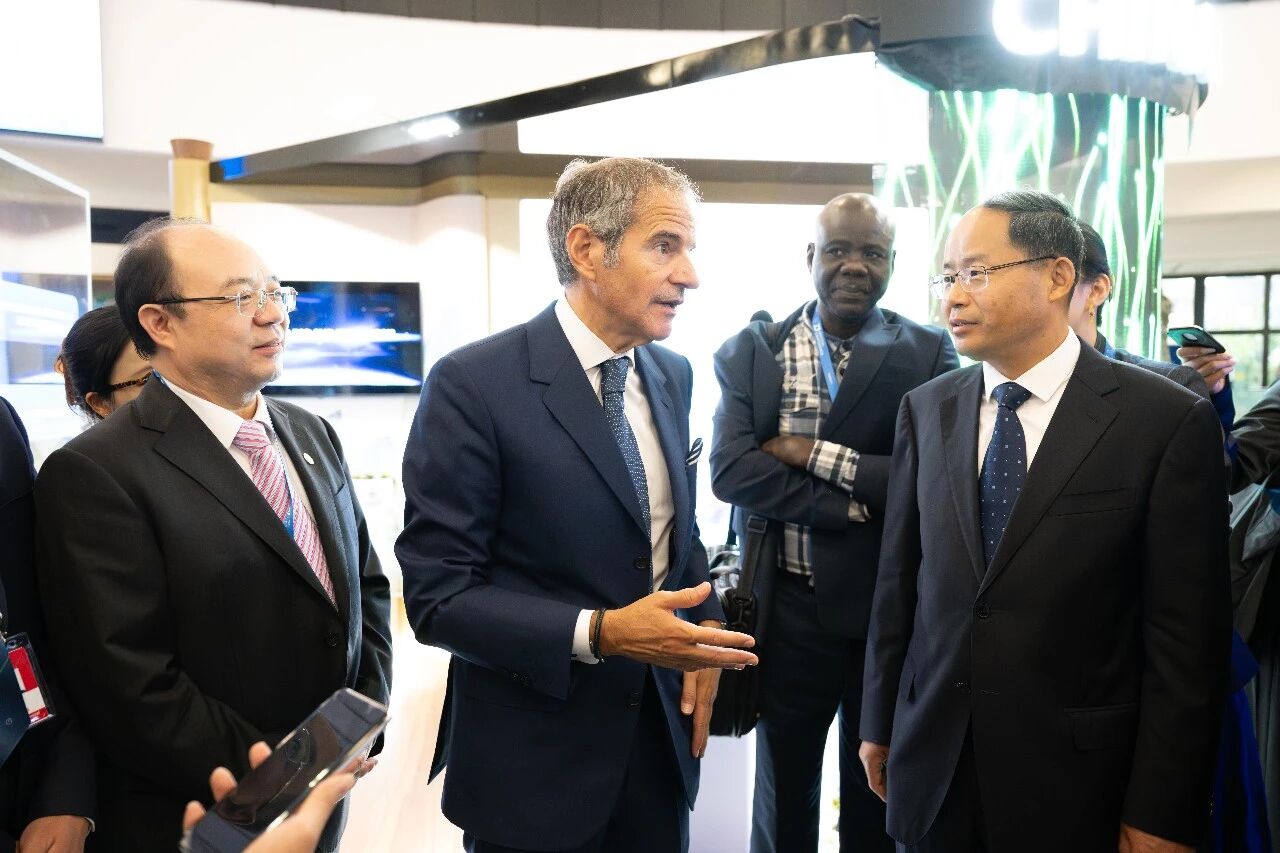
CNNC Signs Cooperation Agreement with IAEA in High-Temperature Gas-Cooled Reactor Field
On September 14 local time, on the opening day of the 70th General Conference of the International Atomic Energy Agency (IAEA) in Vienna, a China exhibition themed "Small Modular Reactors and Comprehensive Utilization of Nuclear Energy" opened concurrently. IAEA Director General Rafael Grossi, Director of the China Atomic Energy Authority Shan Zhongde, Chinese Ambassador to the United Nations Office at Vienna and Other International Organizations and China's Permanent Representative to the IAEA Li Song, and CNNC General Manager Zhang Tao jointly visited the exhibition and witnessed the signing of a cooperation agreement in the high-temperature gas-cooled reactor field between China Nuclear Energy and the IAEA. Grossi inquired in detail about nuclear energy innovation solutions and comprehensive utilization including high-temperature gas-cooled reactors and Linglong One, and expressed interest in the progress of China's small modular reactor construction...
2026-09-15
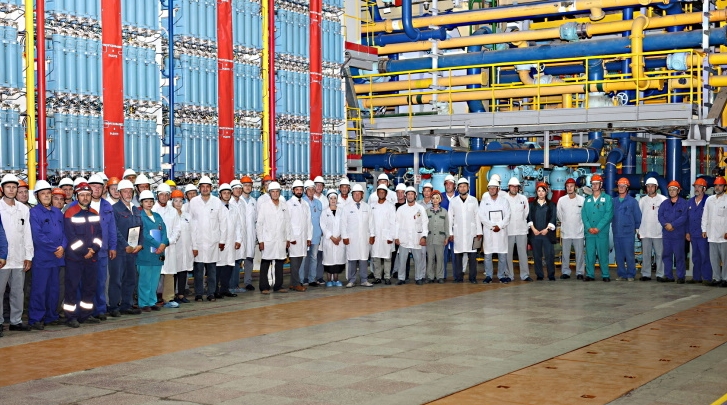
Russia's Second Depleted Uranium Hexafluoride Processing Plant Officially Commissioned, Uranium Conversion Capacity Expected to Double
The depleted uranium processing facility at the Zelenogorsk Electrochemical Plant in Krasnoyarsk Krai has been officially commissioned recently. According to a statement by Alexey Likhachev, Director General of Rosatom, the commissioning of this new facility has doubled Russia's capacity for depleted uranium hexafluoride (DUHF) processing. This is also the second such DUHF processing plant built in Russia, with an annual capacity of 10,000 tonnes, while the first plant of the same type previously operating at the same site had already been commissioned earlier. In his statement, Likhachev said that the commissioning of the new depleted uranium hexafluoride processing facility is of great significance for the Electrochemical Plant, Rosatom's fuel division...
2026-09-14

Rosatom Completes First Stage of Concrete Pouring for BREST Reactor Core Cavity
TVEL Fuel Company, a subsidiary of Rosatom, has announced that the future innovative nuclear power unit BREST-OD-300, located in Seversk, Tomsk Oblast, has successfully completed the first stage of concrete pouring for the reactor core inner cavity. The reactor is located at the site of the Generation IV Pilot Demonstration Energy Complex (ODEK) within the Siberian Chemical Combine (SCC) area, and is a core component of Russia's national strategic industry project Proryv (Breakthrough). The report noted that concrete pouring for the reactor body will proceed in multiple stages, with full completion expected in the winter of 2027, by which time the total amount of heat-resistant concrete used will exceed 7,000 cubic meters...
2026-09-14
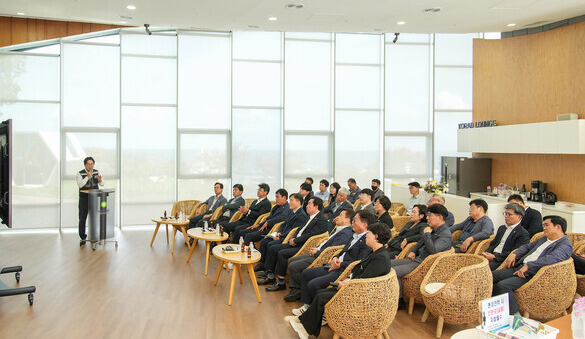
Gyeongju City Council in South Korea Conducts In-Depth Inspection of Wolsong Nuclear Power Plant and Radioactive Waste Treatment Facilities
Recently, the Gyeongju City Council of South Korea organized an in-depth on-site inspection, with the focus on the Wolsong Nuclear Power Plant and the Korea Atomic Energy Environment Corporation. The inspection team aimed to gain a comprehensive understanding of the operational safety of the nuclear power plant and the operation of radioactive waste treatment facilities, and to listen to feedback from relevant personnel. The purpose of this action was to conduct an in-depth investigation of core issues closely related to public safety, including the safety management status of the nuclear power plant and the operational model of radioactive waste treatment facilities. The council members hoped that through this inspection, they could gain a more intuitive understanding of the actual situation and provide reference for formulating more comprehensive policies. At the beginning of the inspection, the council members went to Wolsong...
2026-09-14

KHNP Hanul Nuclear Power Plant Conducts High-Intensity Comprehensive Drill to Address Safety Threats Including Earthquakes, Wildfires, and Drones
On the 14th, Korea Hydro & Nuclear Power (KHNP) Hanul Nuclear Power Plant conducted a high-intensity comprehensive emergency drill aimed at responding to compound disasters such as earthquakes, wildfires, and radioactive material leaks, as well as new safety challenges including information system failures and drone threats. The Hanul Nuclear Power Plant announced that it jointly held the "2026 Disaster Response Safety Korea Drill" with multiple relevant departments at Hanul Unit 1. The Safety Korea Drill is a nationwide comprehensive emergency exercise designed to establish a disaster management system and cross-departmental coordination mechanism involving South Korea's central ministries, local governments, and public institutions, ensuring efficient joint response capabilities during major emergencies. This drill was...
2026-09-14
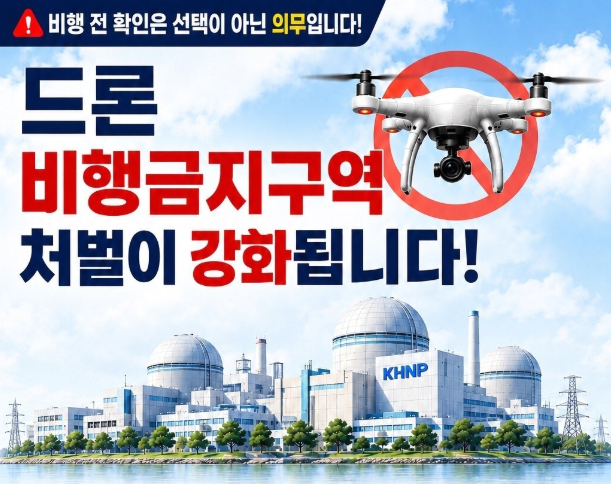
South Korea Strengthens Drone Control Around Nuclear Power Plants, Illegal Flights to Trigger Criminal Law
Korea Hydro & Nuclear Power (KHNP) stated on September 14 that it will further strengthen its response to unauthorized drone flights within no-fly zones around nuclear power plants. It is understood that under the revised Aviation Safety Act, the penalty for unauthorized operation of ultralight flying devices (drones, etc.) within no-fly zones has been significantly raised from the previous "fine of up to 3 million won (administrative fine)" to "imprisonment of up to 1 year or a fine of up to 10 million won." According to statistics from the Nuclear Safety and Security Commission of South Korea, from 2021 to August of last year, a total of 699 illegal drone incidents were detected near nuclear power plants across South Korea, of which 284 cases could not identify the operators...
2026-09-14

Iron-60 Found Again in Antarctic Ice Core Samples from 40,000 to 80,000 Years Ago
An international research team recently analyzed trace radioactive elements in ancient Antarctic ice layers and discovered an important clue recording the solar system's cosmic journey over the past 80,000 years. The researchers believe that the stardust buried deep in the ice proves that Earth has long been receiving material from interstellar space, and that this material may help scientists unveil the mystery of the formation history of the interstellar environment surrounding the solar system. At the core of the research is a rare radioactive isotope called iron-60. Iron-60 is not produced in large quantities in Earth's natural environment; it is typically born inside massive stars and ejected into cosmic space when those stars undergo supernova explosions. Therefore, iron-60 has long been...
2026-09-14
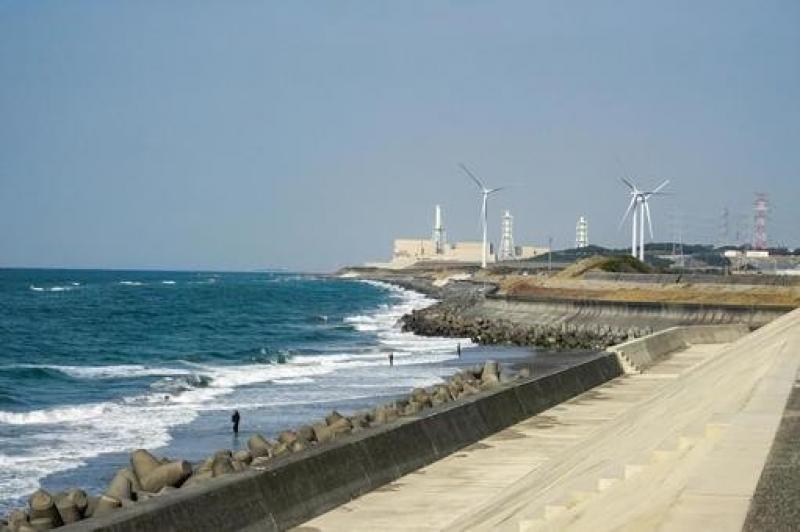
Chubu Electric Power Company withdraws regulatory review application for Hamaoka Nuclear Power Plant reactors
Chubu Electric Power Company said on Monday that it will withdraw its regulatory review application to restart reactors at the Hamaoka Nuclear Power Plant in Shizuoka Prefecture in central Japan. The company also announced the resignation of President Kingo Hayashi and Chairman Satoru Katsuno, who will take responsibility for the company's tampering with seismic data during the restart screening of the plant's Units 3 and 4 reactors.
2026-09-14

Kairos Power Establishes Advanced Nuclear Manufacturing and Prefabrication Center in Tennessee
Recently, Kairos Power announced in Oak Ridge, Tennessee the launch of an initiative called the "Advanced Manufacturing and Prefabrication Nuclear Center" (abbreviated as NuCAMP), aimed at advancing new manufacturing processes and construction technologies toward maturity in the nuclear power sector, while also cultivating a skilled industrial workforce in East Tennessee. The core goal of NuCAMP is to support the future large-scale deployment of advanced nuclear reactors. According to a signed memorandum of understanding, Kairos Power will lead this initiative and collaborate with Oak Ridge National Laboratory, the University of Tennessee, Knoxville, the Institute for Advanced Composites Manufacturing Innovation (IACMI), Barnard Construction...
2026-09-14