
Search Results
Keyword:Eni
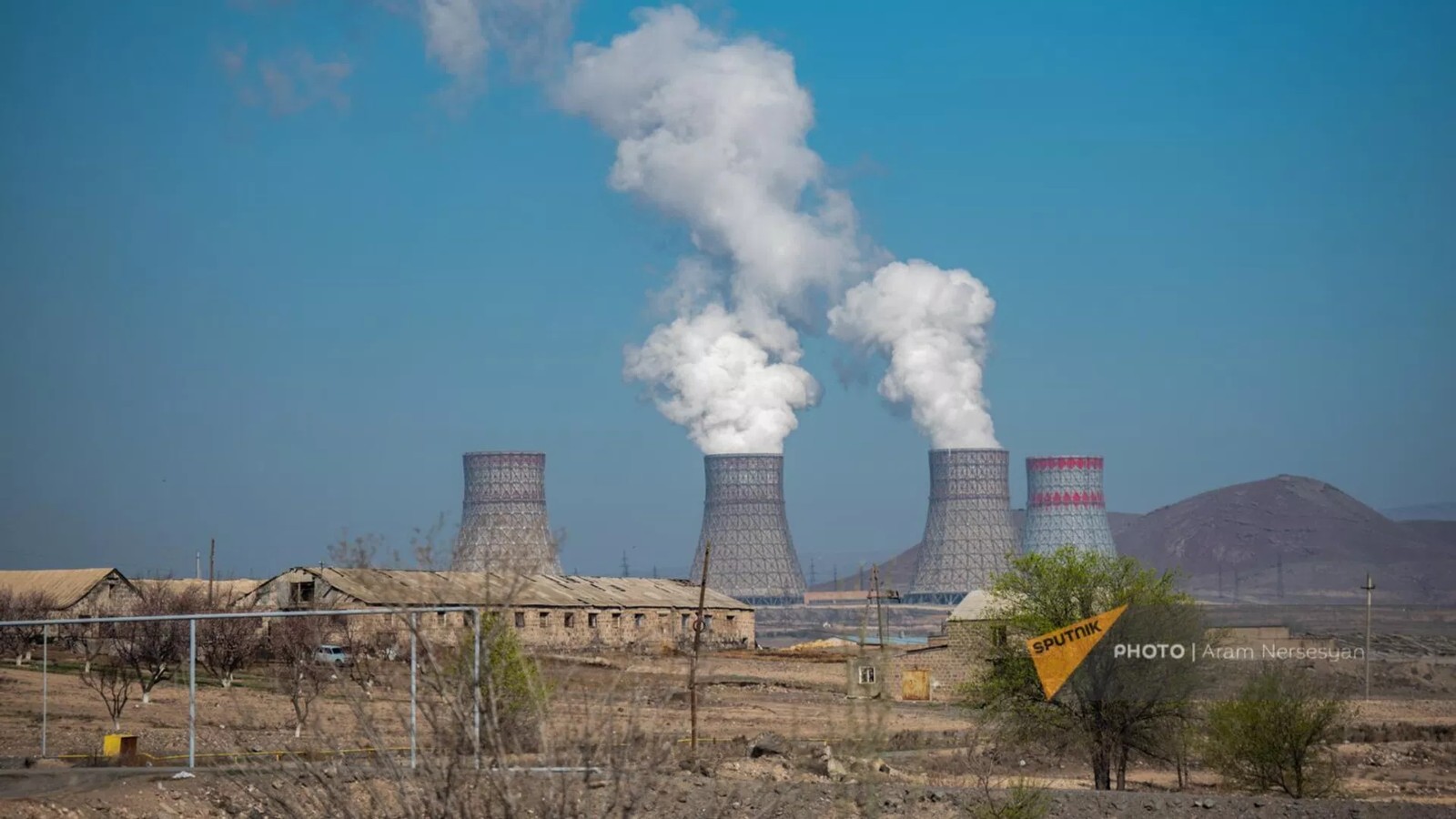
Armenian NPP Unit 2 Reconnected to Grid After Overhaul
September 3 news, Armenian Minister of Territorial Administration and Infrastructure David Khudatyan stated that Unit 2 of the Armenian Nuclear Power Plant has resumed operation and been connected to the country's unified power grid after completing a five-month planned overhaul. Khudatyan said that on September 1, 2026, Unit 2 of the Armenian Nuclear Power Plant was restarted after scheduled maintenance and connected to the national unified power grid. Currently, the unit is operating normally, with power output gradually increasing in accordance with established process requirements. The planned overhaul began on April 1 and lasted 153 days as scheduled. During the overhaul, approximately 20 measures were implemented at the plant to enhance unit reliability, safety, and operational efficiency...
2026-09-08
U.S. NANO Nuclear and Enveniam to Advance Microreactor and Nuclear Fuel Cycle Cooperation
U.S. advanced nuclear energy company NANO Nuclear Energy Inc. announced on September 4 that it has signed a non-binding memorandum of understanding with Enveniam, LLC, a project integration and engineering technology services provider, to explore cooperation in areas such as nuclear fuel cycle infrastructure, microreactor commercialization, advanced manufacturing, and end-user energy solutions. Under the MOU, the parties will evaluate how to leverage Enveniam's experience in nuclear engineering, project integration, safety analysis, licensing support, project controls, operational readiness, and complex energy infrastructure development to support NANO Nuclear...
2026-09-05
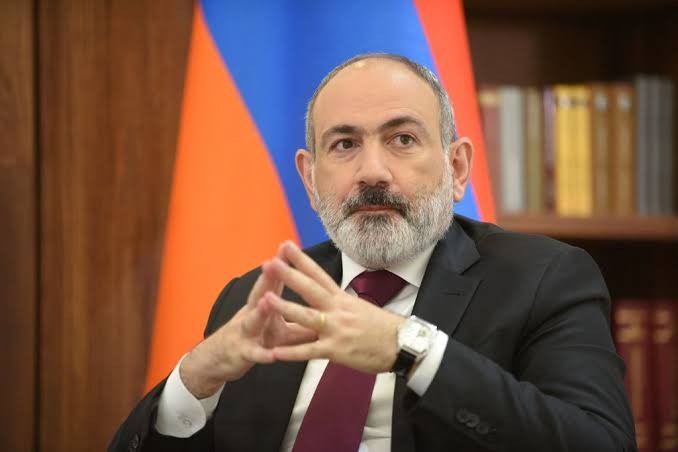
Armenia to Discuss New Nuclear Power Plant Options with Rosatom
Armenian Prime Minister Nikol Pashinyan stated at a press conference on September 3 that Alexey Likhachev, Director General of Rosatom, will visit Armenia in September, and the two sides will discuss possible options for constructing a new nuclear power plant within Armenia. Pashinyan noted that Armenia expects Likhachev's visit to bring forward Russia's specific proposals regarding the construction of a new nuclear power plant in Armenia. He said that Armenia will prioritize economic viability and project pricing when selecting a nuclear power project, aiming to secure the most cost-effective construction plan. In May of this year, the Russian side had indicated...
2026-09-04
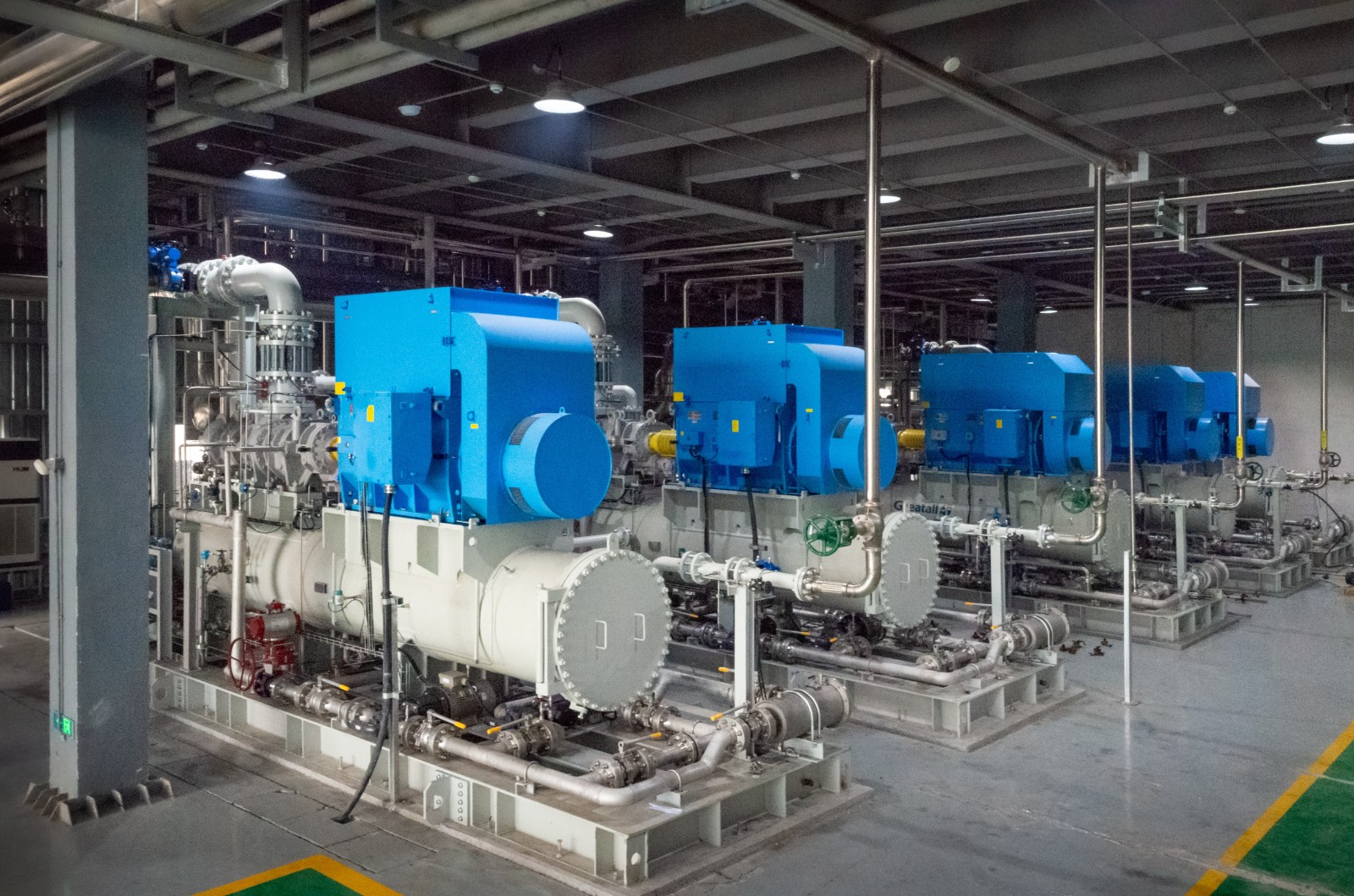
Commissioning of the CRAFT Cryogenic System 6 kW@4.5 K Helium Refrigerator Successfully Completed
Recently, significant progress has been made in the construction of the helium refrigeration system on the CRAFT magnet platform. The on-site commissioning and performance testing of the main body of the CRAFT cryogenic system 6 kW@4.5 K helium refrigerator have been successfully completed, with all indicators meeting the design acceptance requirements. The commissioning work focused on systematic verification of the cold box refrigeration performance, liquefaction capacity, control system, safety interlocks, and the operating status of key cryogenic equipment. During the acceptance tests, the helium refrigerator completed 12 hours of continuous stable operation under design conditions, achieving a refrigeration capacity of 6 kW@4.5 K + 50 K@GHe. In addition to design conditions, the project team also conducted performance tests under helium liquefaction conditions, with relevant temperature, pressure,...
2026-09-03
Declaration of the Council of Heads of State of the Shanghai Cooperation Organization Member States on Strengthening Multilateral Partnership for Nuclear Safety and Nuclear Security
The Member States of the Shanghai Cooperation Organization (hereinafter referred to as the SCO), bound by historical ties, centuries-old traditions of good-neighborliness and mutual respect, declare their commitment to the SCO Charter, the Charter of the United Nations and universally recognized principles and norms of international law, including respect for sovereignty, territorial integrity and non-interference in internal affairs, guided by the Shanghai Spirit of mutual trust, mutual benefit, equality, consultation, respect for diverse civilizations and pursuit of common development, affirming that responsibility for nuclear security rests entirely with the State, noting that responsibility for nuclear safety rests with the operating organizations of nuclear facilities and the States in which nuclear facilities are located, attaching great importance to nuclear safety and nuclear security issues, which are important elements of international security directly affecting the lives of the peoples of the SCO Member States, and expressing deep concern over illicit trafficking of nuclear materials and...
2026-09-02
Iran Still Denies IAEA Inspectors Access to Some Nuclear Facilities
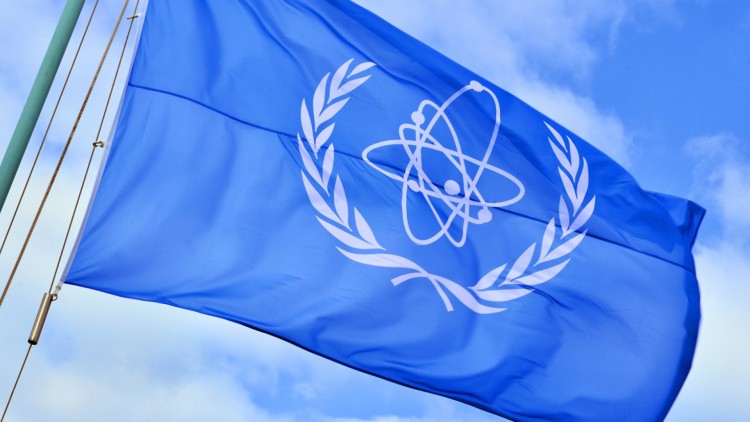
A recent report shows that Iran has still not allowed International Atomic Energy Agency (IAEA) inspectors to access some of its nuclear facilities, including sites in Isfahan, Natanz, and Fordow that were previously damaged in airstrikes. The report states that the IAEA had previously detected over 440 kilograms of highly enriched uranium and nearly 8,600 kilograms of low-enriched uranium at these locations. Due to the current lack of sufficient information on the status and whereabouts of the relevant nuclear materials, IAEA Director General Rafael Grossi has expressed concerns over nuclear non-proliferation risks and called on Tehran to allow inspectors to access the facilities for verification as soon as possible. The report also mentions that inspectors...
2026-09-02
Russia's Leningrad Nuclear-Powered Icebreaker Electrical Distribution Equipment Passes Inspection
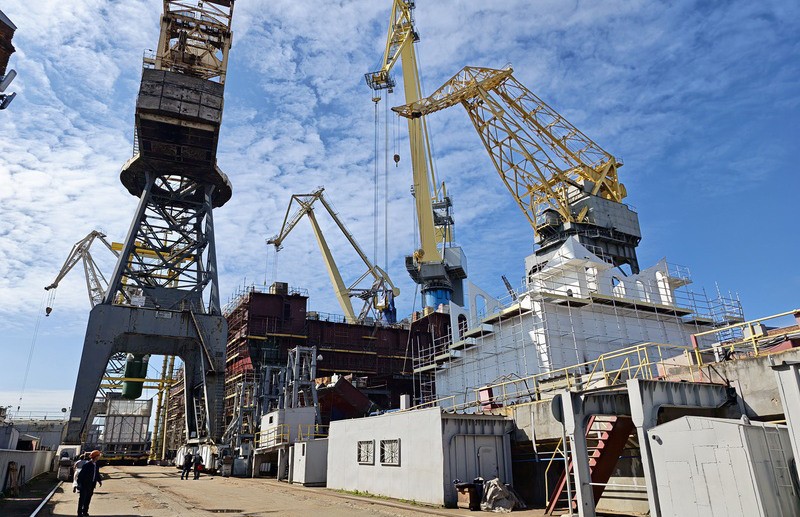
The Nuclear-Powered Vessels Division of the Russian Maritime Register of Shipping (RS) has recently completed an inspection of the new electrical distribution equipment for the Project 22220 universal nuclear-powered icebreaker Leningrad. The inspected equipment includes shore power distribution panels and low-voltage distribution panels, manufactured by Novaya ERA company of St. Petersburg. The Leningrad is currently under construction at the Baltic Shipyard, part of the United Shipbuilding Corporation (USC). The inspection was carried out by RS survey engineers upon the enterprise's application. The inspection results confirmed that the relevant equipment meets the requirements of current Russian regulations, and the manufacturer has been issued the corresponding registration certificates. The shore power distribution panel is used for...
2026-09-01
Russia's Leningrad NPP resumes hot water supply to Sosnovy Bor
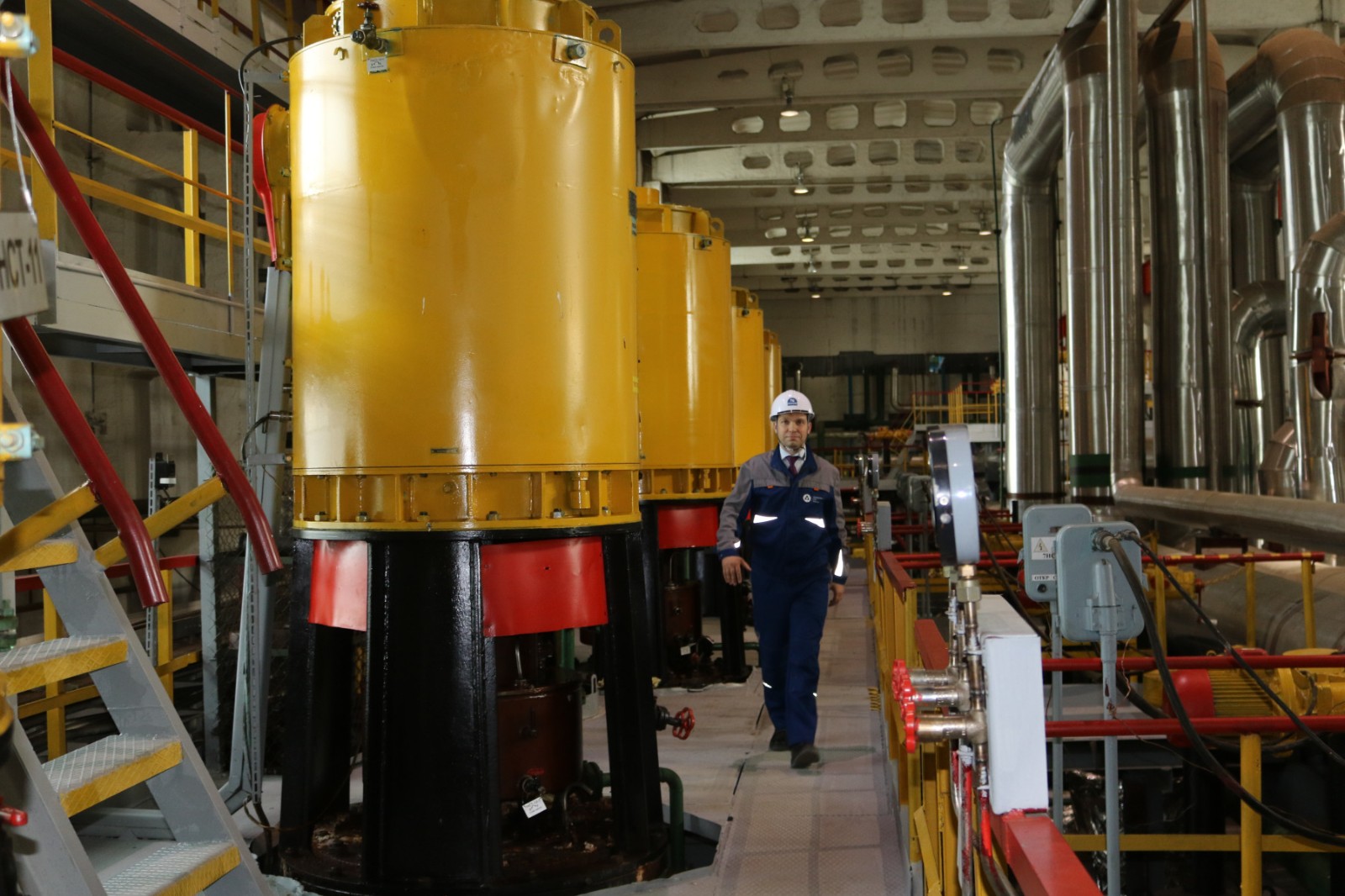
On August 31, 2026, Russia's Leningrad NPP resumed hot water supply to the city of Sosnovy Bor via the district heating station (BRT) after completing scheduled maintenance. Dmitry Tsygankov, workshop manager of the turbine department at Leningrad NPP, stated that the plant had successfully completed BRT-related maintenance work in August, including chemical cleaning of heat exchange equipment, overhaul of pumping equipment, industrial safety assessments, and the necessary hydraulic pressure tests of pipelines. He said that the BRT is now supplying hot water to the city and industrial zone as planned, and the plant is preparing for the scheduled start of the Sosnovy Bor heating system; the heating system will be put into operation once outdoor temperatures drop to the appropriate level.
2026-09-01

South Korea's Daewoong Pharmaceutical Partners with Promedius to Promote AI Osteoporosis Screening Solution Using Chest X-rays
Daewoong Pharmaceutical announced on August 27 that it has signed a sales, distribution, and joint promotion agreement with Promedius, a medical imaging AI company, to promote Osteo Signal, an AI-based osteoporosis risk screening solution using chest X-rays, in South Korea. This partnership also marks Daewoong Pharmaceutical's expansion from its existing osteoporosis treatment business into the AI-assisted diagnostics field. Under the agreement, Daewoong Pharmaceutical will leverage its business network covering medical institutions across South Korea, along with its sales and marketing capabilities, to bring the solution into more clinical settings. Promedius will provide medical imaging AI technical support to assist in its deployment in real-world medical environments.
2026-08-27
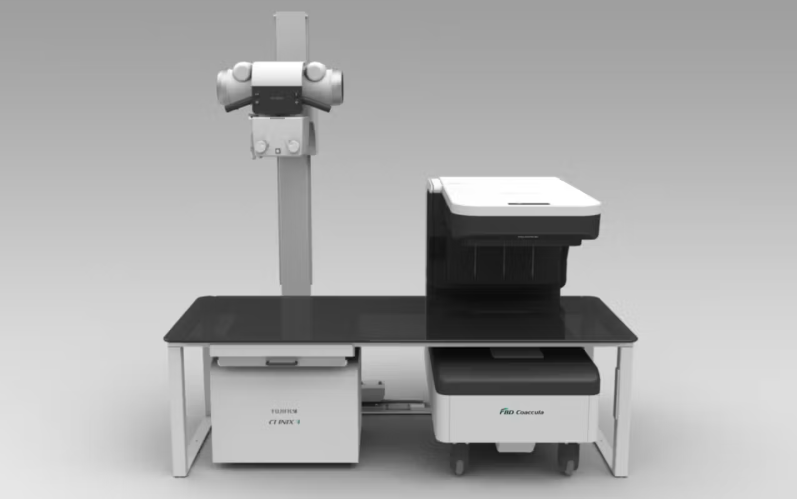
Fujifilm Launches New X-ray Bone Densitometer for Early Osteoporosis Screening
Fujifilm Corporation announced on August 26 that it has begun selling a new X-ray bone densitometry device designed to measure bone density in areas such as the lumbar spine and femur, supporting early detection of osteoporosis and fracture risk assessment. According to the company, the X-ray bone densitometer measures bone density using X-rays and is an important diagnostic tool for osteoporosis. The newly launched model is Fujifilm's first new device of this kind since 2018 and will be sold through its subsidiary Fujifilm Medical, with a price of approximately 20 million yen, varying depending on system configuration. The new device incorporates artificial intelligence technology, enhancing automated analysis functions. In the analysis of scanned images...
2026-08-26
Japan Completes Cryogenic Test of World's Largest Superconducting Toroidal Field Coil for ITER
Japan's National Institutes for Quantum Science and Technology (QST) and Toshiba Corporation announced on August 25 that they had successfully completed the first cryogenic current test of the world's largest superconducting toroidal field coil at the construction site of the International Thermonuclear Experimental Reactor (ITER). The test was conducted at an operating temperature of approximately minus 269 degrees Celsius, marking a critical technical milestone before ITER's commissioning. The superconducting toroidal field coil, also known as the TF coil, installed in the test facility is a key component of ITER's superconducting magnet system, used to generate the strong magnetic field required to confine plasma. During the test, the team cooled the coil from room temperature to cryogenic conditions, confirmed its transition to the superconducting state, and for the first time achieved stable conduction of 10,000 amperes of current while the coil was in the superconducting state.
2026-08-25
South Korea denies rumors of joint investment with U.S. in Westinghouse Electric
In response to external claims that the United States proposed South Korea jointly invest in Westinghouse Electric Company, the South Korean government recently responded, stating that such claims are not true. According to a South Korean government source revealed on August 24, the Ministry of Trade, Industry and Energy (MOTIE) and Korea Electric Power Corporation (KEPCO) were reportedly evaluating a plan to jointly acquire a partial stake in Westinghouse Electric Company (WEC) with the U.S. government. The related claims stated that the investment scale and shareholding ratio had not yet been determined, and the plan might involve establishing a special purpose vehicle through joint South Korea-U.S. funding to acquire shares and participate in subsequent U.S. nuclear power plant construction projects.
2026-08-25
Italy's Eni Plans to Build Commercial Nuclear Fusion Power Plant in Europe by Early 2040s
Italian energy company Eni plans to build a commercial nuclear fusion power plant in Europe by the early 2040s or sooner. Francesca Ferrazza, head of Eni's magnetic confinement fusion project, stated that nuclear fusion technology has seen significant progress in recent years, and competition in the field is accelerating. Ferrazza said that nuclear fusion, which was previously confined mainly to the research stage, has now begun to meet the conditions for industrial application. She noted that Eni's goal is to promote the deployment of a commercial nuclear fusion power plant in Europe by the early 2040s, or even earlier. Eni has also shown interest in the extraction, purification, and recycling of spent fusion fuel back into reactors. Recently, Eni has...
2026-08-24
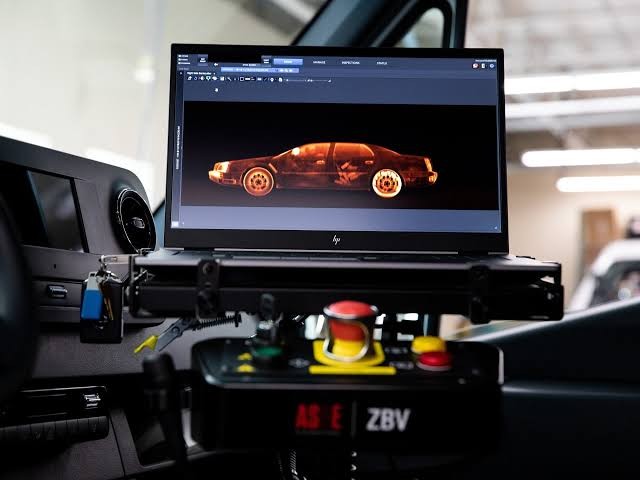
Portal Inspection and Screening System Tested at Chernyshevskoye Border Crossing on Russia-Lithuania Border
On August 20, the customs authorities of the Kaliningrad region of Russia, together with the equipment manufacturer, conducted functional tests of the portal inspection and screening system at the Chernyshevskoye border crossing on the Russia-Lithuania border, focusing on verifying equipment operational status and vehicle inspection capabilities. According to reports, among all Russian border crossings in the Kaliningrad region, only the Chernyshevskoye international road crossing is currently equipped with portal inspection and screening devices. A total of two systems have been installed at this crossing, used respectively for inspecting vehicles entering Russia and those departing, with both units installed and put into operation in December 2025. The inspection and demonstration were carried out with the participation of government regulatory authorities and supplier representatives. The relevant equipment is planned to be...
2026-08-22
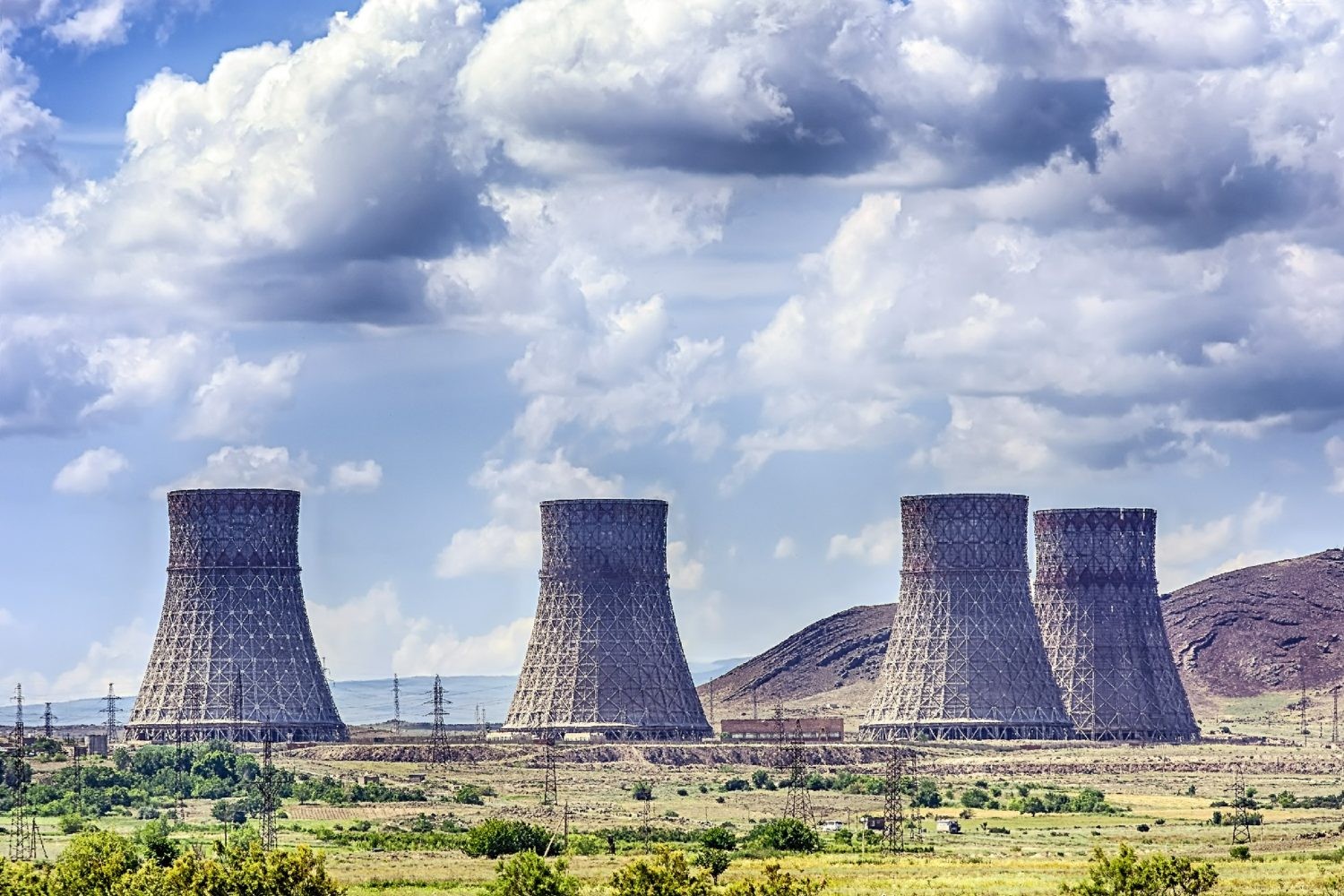
Armenia to Select Technology Solution for New Nuclear Power Plant by End of 2027
The Armenian government has set the end of 2027 as the deadline for selecting the technology solution for a new nuclear power plant. The project will eventually replace the existing Metsamor Nuclear Power Plant and has been incorporated into Armenia's government program for 2026 to 2031. According to the program, Armenia will advance the construction project for the new nuclear power plant and complete the reactor technology selection by at least the end of 2027. At present, the government has not yet disclosed the installed capacity, reactor type, or potential contractor for the new plant. Armenia has been evaluating nuclear power options from multiple countries in recent years, including both traditional large- or medium-sized nuclear units and small modular reactors (SMRs). Armenian officials have previously stated that units of relatively smaller scale, which are easier to connect to the national grid, are one of the key areas of focus for the government.
2026-08-23