
Search Results
Keyword:GE
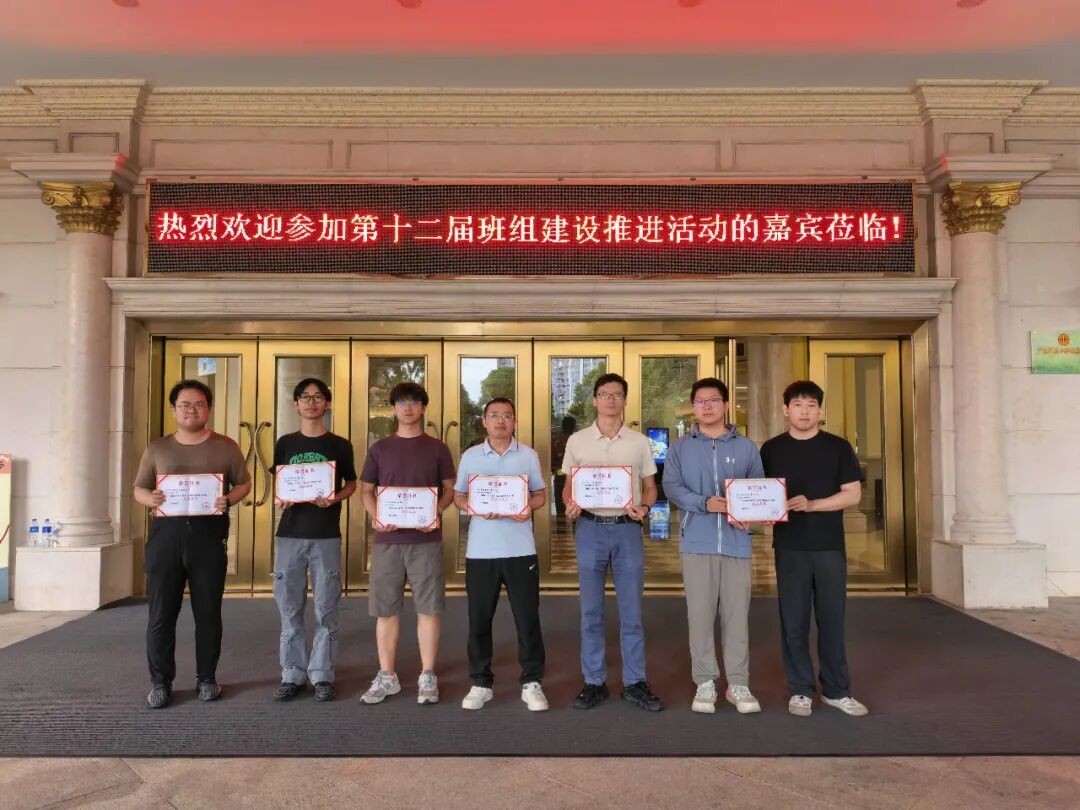
Lufeng Nuclear Power Achieves Outstanding Results in First Provincial Quality-Trustworthy Team Selection
On August 19, the Quality Assurance Department of Lufeng Nuclear Power led multiple teams from the company's Mechanical Department Valve and Pipe Section, Hualong Operation Department Shift 1, Electrical Department Power Distribution Section, Technical Support Department Specification Control Section, Production Service Department Installation Management Section, and Quality Assurance Department Engineering Quality Assurance Section to participate in the 12th Quality-Trustworthy Team Construction Experience Exchange Conference organized by the Guangdong Quality Association. This selection covered a wide scope with stringent review criteria, bringing together outstanding teams from various industries across the province to compete on the same platform. Lufeng Nuclear Power made its debut at this provincial-level quality event, and all participating teams stood out among numerous competitors by leveraging solid foundational management, standardized process control, and well-established improvement mechanisms, achieving impressive overall results.
2026-08-29
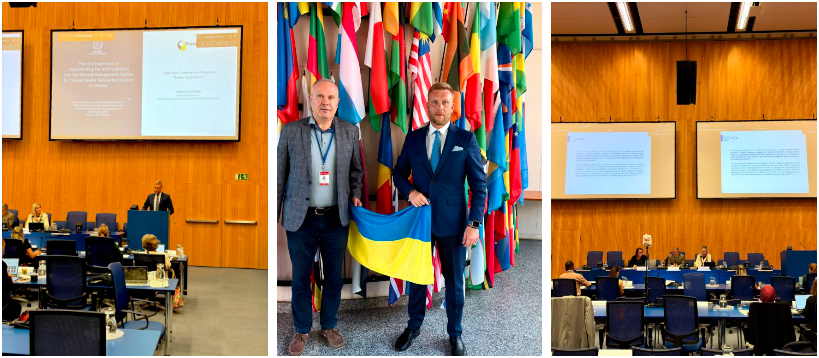
IAEA Technical Meeting on Indicators for the Management of Disused Ionizing Radiation Sources
From 24 to 28 August 2026, a technical meeting was held at the IAEA headquarters, focusing on indicators for the status of disused ionizing radiation sources and their application in sustainable management. The meeting emphasized how these indicators can serve as measurement tools to support countries in the long-term, safe, and traceable management of disused radiation sources. The Ukrainian delegation participated in the meeting, including Oleksii Zhyvotenko, Head of the Department for Production and Technical Issues and Radioactive Material Management at the "Radon" Association of the National Academy of Sciences of Ukraine, as well as representatives of the central nuclear power plant management. During the meeting, the Ukrainian side delivered a presentation on the practical experience of integrating key IAEA indicators into Ukraine's national management system for disused ionizing radiation sources.
2026-08-28
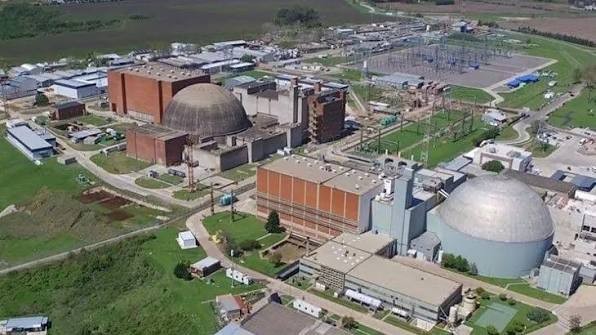
Argentina Advances Testing for Atucha II Spent Fuel Dry Storage Project
Nucleoeléctrica Argentina S.A. is advancing key equipment testing for the spent fuel dry storage facility (ASECG II) at the Atucha II nuclear power plant. This project is a critical supporting infrastructure to ensure the long-term operation of the Atucha II plant. The ongoing tests are part of the verification phase prior to system commissioning, primarily aimed at inspecting and adjusting the operational procedures involved in future operations. Among the key equipment under testing is the gantry crane, which handles the transfer of storage containers within the plant site. The stable performance of this equipment is directly related to the safety and controllability of container movements during spent fuel storage operations. According to the project plan...
2026-08-28
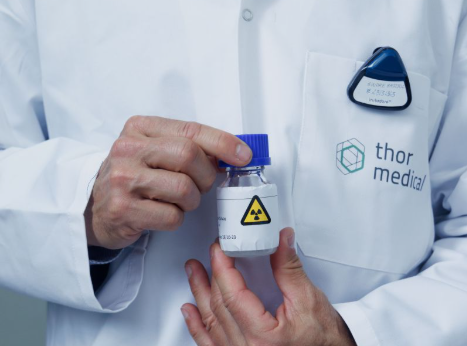
Thor Medical Advances AlphaOne Commercial Production in H1, Completes First Customer Deliveries of Lead-212 Isotope
Thor Medical ASA, a supplier of high-purity isotopes to the radiopharmaceutical industry, announced its H1 2026 results on August 28. The company stated that its AlphaOne facility has completed mechanical construction on time and on budget and has entered commercial production, marking the start of a new phase focused on scaling output, increasing customer deliveries, and growing revenue. Thor Medical CEO Jasper Kurth said that with the completion of the first customer product deliveries from AlphaOne, the company has established a solid commercial foundation in a rapidly growing market, and the next step is to advance the execution plan around capacity expansion, customer deliveries, and revenue growth to support the development of next-generation precision cancer therapies...
2026-08-28
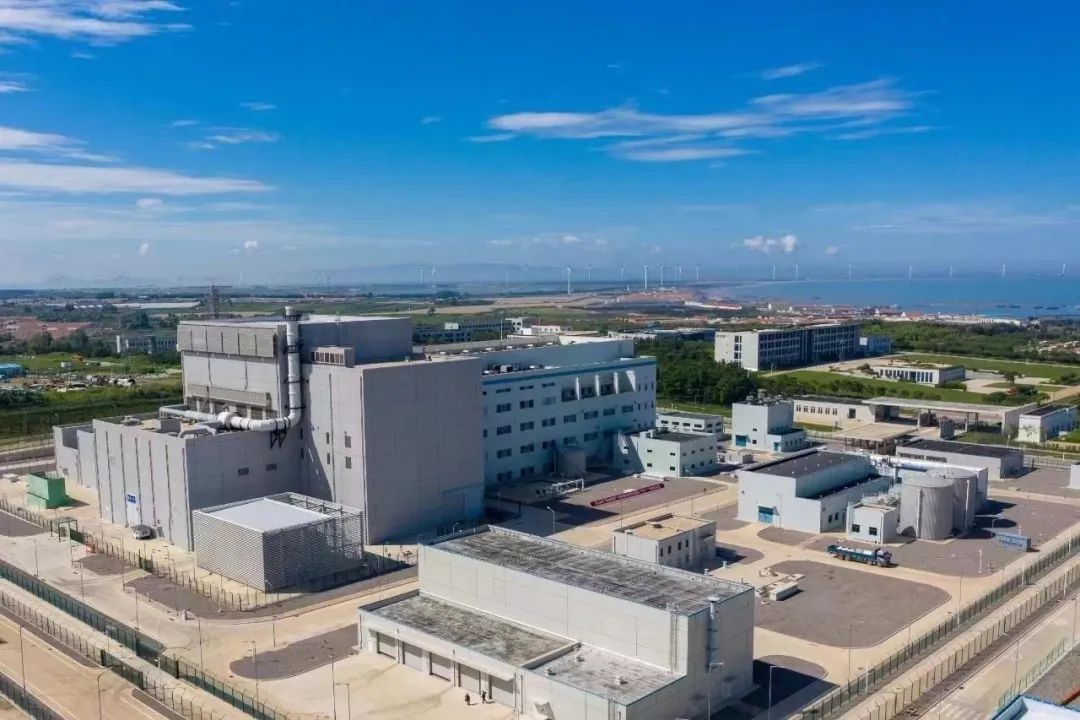
China Unicom Yantai Branch and CNNC Shandong Build 5G Dedicated Network for Nuclear Power
Recently, the 5G dedicated network project jointly built by China Unicom Shandong Yantai Branch and CNNC Shandong was officially deployed and put into operation. Targeting the requirements of nuclear power scenarios for communication network security, reliability, and low latency, the project introduces technologies such as 5G dedicated networks, edge computing, artificial intelligence, and big data to promote the implementation of digital capabilities in nuclear power park construction and production support scenarios. CNNC Shandong, affiliated with China National Nuclear Corporation, undertakes tasks related to nuclear power unit power generation and grid connection. During project construction, China Unicom Shandong Yantai Branch, in collaboration with Huawei, adopted end-to-end domestically produced equipment, achieving independent controllability in both hardware and software, filling the gap in domestic 5G dedicated network construction in the nuclear power sector...
2026-08-28
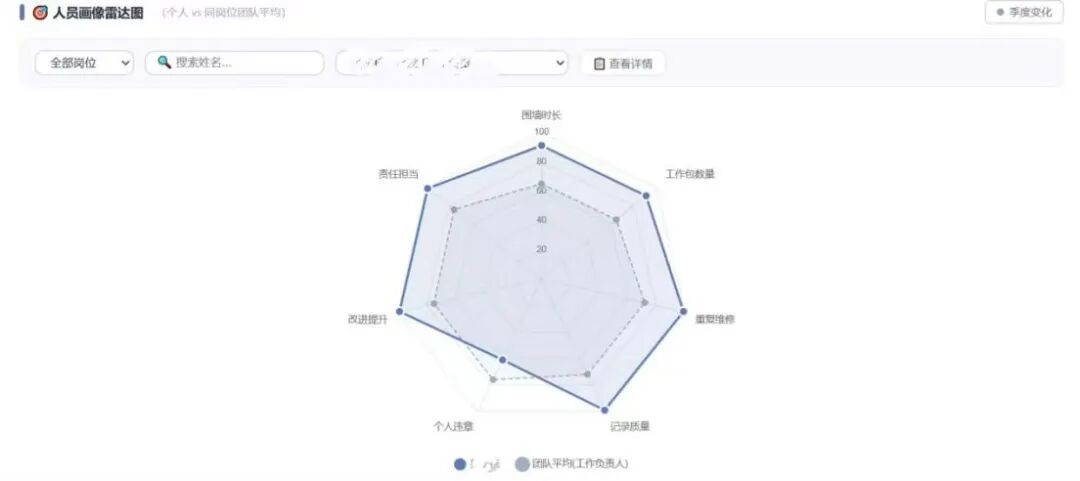
Tianwan Nuclear Power Advances AI-Empowered Intelligent Upgrade of Maintenance Operations
In recent years, the maintenance domain of Tianwan Nuclear Power has relied on platforms such as Hezhi·Longling to address pain points in efficiency, quality, and management across the entire maintenance business chain, promoting the integration of artificial intelligence with nuclear power maintenance scenarios. To date, applications including personnel profiling, work order generation, compliance inspection, and auxiliary generation of electric actuator maintenance plans have achieved phased results, while projects such as the intelligent lifting command platform and marine tunnel cleaning robot are also under development. In personnel management, Tianwan Nuclear Power has established a seven-dimensional personnel capability scoring model, setting differentiated evaluation indicators for different maintenance positions to form position-based, data-driven personnel capability profiles. The system can integrate historical data, support multi-period data retention and trend comparison, and display personnel capability distribution through radar charts, bar charts, and trend graphs. After batch data import, the backend automatically completes normalization calculation, multi-dimensional scoring, and ranking, generating materials that include overall overview, position comparison, special analysis of responsibility performance, and improvement suggestions, providing a basis for training resource allocation, position matching, and differentiated management. To address the issues of time-consuming maintenance work order preparation and reliance on manual experience, the relevant team has developed an intelligent work order preparation assistant based on the Longhuitong intelligent agent platform, forming an application solution of "1 intelligent agent, 1 Skill capability, and 7 categories of professional knowledge bases." The system integrates the historical work order library, maintenance procedure library, equipment ledger library, risk and safety measure library, spare parts and tools library, personnel qualification library, and management procedure library. It can dynamically generate work package catalogs based on historical operation data and procedural requirements, automatically fill in work order business content, and output downloadable Excel work package drafts that can interface with the EPM system. In terms of maintenance quality control, Tianwan Nuclear Power has developed an AI intelligent agent for maintenance compliance inspection. Based on large language models and RAG retrieval-augmented generation technology, this agent can batch receive maintenance procedures, preventive maintenance program lists, and maintenance completion reports, automatically parse document content, and conduct semantic comparison. The system can check item by item the coverage of maintenance procedure implementation steps by the program, while also identifying issues in completion reports such as missing items, omissions, data anomalies, missing signatures, and logical contradictions. The structured inspection reports it outputs can be traced back to specific procedure steps or report entries, and provide rectification suggestions. Intelligent assistance is also being introduced into maintenance of key equipment. Given the large number of electric actuators in nuclear power plants, their complex models, and high maintenance requirements, Tianwan Nuclear Power has developed an auxiliary generation system for electric actuator maintenance plans. After engineering personnel input equipment information and fault descriptions, the system can call upon the electric actuator maintenance knowledge base, historical plans, and equipment data to automatically generate a draft maintenance plan, covering cause analysis, maintenance steps, technical key points, spare parts and tool preparation, and safety precautions. Verified by maintenance engineers, the relevant plans have basically met the conditions for on-site application and can save preparation time for emergency repairs. In addition to applications already deployed, Tianwan Nuclear Power is also advancing the construction of an intelligent lifting command platform. Given the high professionalism and numerous control links involved in crane lifting operations at nuclear power plants, the platform is planned to support both web and API interface usage, and to manage processes such as development, training, and online monitoring through AI models. According to the design, the platform can assist in lifting planning after inputting lifting object parameters and site conditions, recommending equipment and lifting point positions, and alerting to risks such as overload and collision. It can also generate lifting plans based on cargo information, provide handling steps, required materials, and contact person information for emergency situations, and be used for training question bank generation, operation record analysis, and rectification report output. Tianwan Nuclear Power stated that it will continue to expand AI application scenarios in the maintenance domain based on actual production needs, promote the digitalization and intelligent upgrade of maintenance operations, and strengthen network security management while advancing intelligent applications, providing support for the safe and stable operation of the units.
2026-08-28
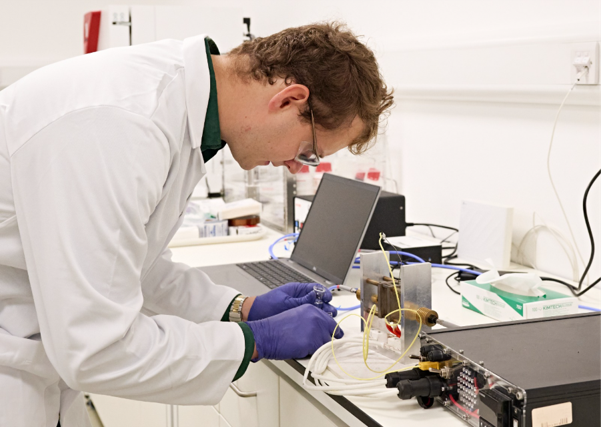
Cambridge AtomWorks Opens New Laboratory at Granta Park to Develop ODIN Microreactor
Cambridge AtomWorks announced on August 27 that its new light industrial facility and laboratory at Granta Park in Cambridge, UK, has officially entered service. The site, leased from TWI (The Welding Institute), will be used to advance research and development work related to the ODIN microreactor. According to the company, the new laboratory has already begun conducting experiments closely linked to ODIN microreactor development, including studies on coolant properties and behavior. The research team is using an STA-MS system to characterize material properties related to fuel performance, which enables simultaneous thermogravimetric analysis, heat flow analysis, and mass spectrometry. The new facility will also be used for reactor flow...
2026-08-28

U.S. Marathon Fusion Demonstrates Hydrogen and Lithium Isotope Enrichment Technology
U.S.-based Marathon Fusion announced on August 27 that it has successfully demonstrated hydrogen and lithium isotope enrichment technology using its proprietary plasma centrifuge. The company stated that this advancement addresses the fuel cycle needs of fusion energy and related isotope supply requirements. In the deuterium-tritium fusion pathway, hydrogen isotope processing is critical to the continuous operation of fusion devices, while lithium isotope enrichment is closely tied to tritium production. The U.S. Department of Energy (DOE) released its "Fusion Science and Technology Roadmap" in June of this year, which identifies tritium processing as one of the core challenges, noting that related progress is essential for achieving sustained deuterium-tritium fusion operation and validating fusion as a large-scale energy form...
2026-08-28
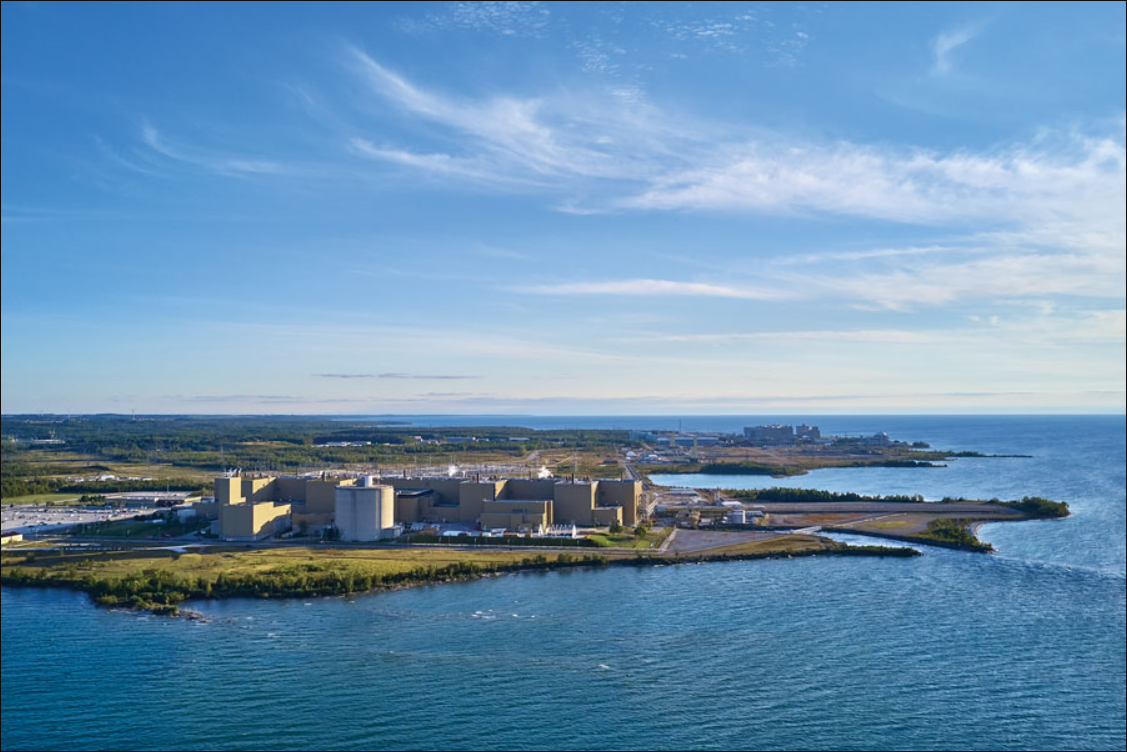
Bruce Power Aims to Generate Over CAD 13.3 Billion in Economic Impact in Canada Over Next 18 Months
Bruce Power recently stated that over the next 18 months, the company expects to generate more than CAD 13.3 billion in economic impact across Canada, with related investments primarily stemming from its nuclear plant operations and life extension programs, supporting businesses and jobs in Ontario and other regions of Canada. Bruce Power stated that since launching the "Canada First" program in 2025, the company has invested over CAD 6.6 billion in Canada between January 2025 and June 2026, and plans to invest an additional CAD 7.7 billion by the end of 2027. The company noted that its spending within Canada accounts for more than 95% of total expenditures. As a nuclear operator located in Bruce County, Ontario...
2026-08-28
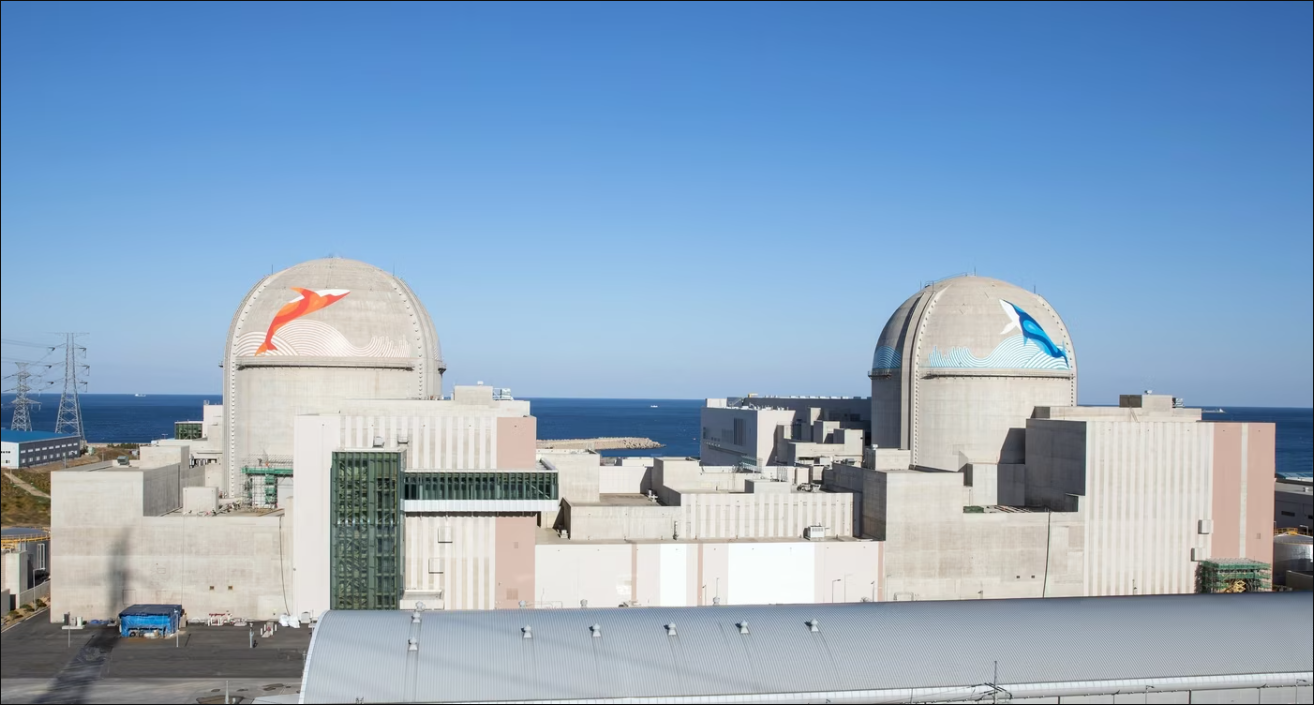
Boric Acid Leakage During Spent Fuel Transfer Preparation at South Korea's Hanul Nuclear Power Plant
Hanul Nuclear Power Plant in Uljin County, North Gyeongsang Province, South Korea, recently disclosed that at 10:16 a.m. on the 3rd, a boric acid solution leakage incident occurred in the auxiliary building of Unit 2 at Shin Hanul Nuclear Power Plant. The incident happened while workers were preparing to transfer spent fuel from a transport container in the spent fuel loading pool to the spent fuel storage pool, and the preliminary cause has been attributed to improper on-site operations. Boric acid solution is used in spent fuel storage-related operations. As the solution is associated with the spent fuel storage environment, it carries radioactive management attributes. Hanul Nuclear Power Plant stated that leakage containment measures were immediately taken after the leak occurred, and the leaked material was collected in the decontamination area and recovered to the controlled area...
2026-08-28
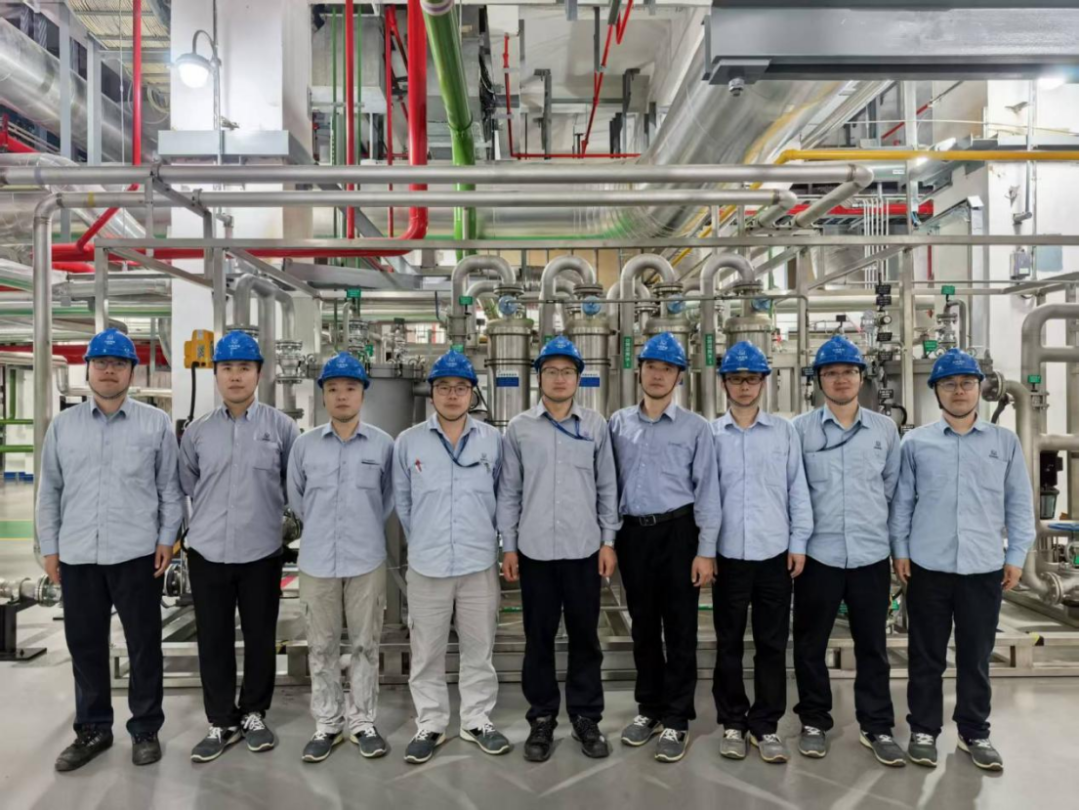
Qinshan Nuclear Power Membrane Deoxygenation Retrofit Project Put into Operation
Recently, the membrane deoxygenation retrofit project at Qinshan Nuclear Power completed commissioning and was put into operation. The project applies membrane deoxygenation technology to the auxiliary feedwater system (ASG) and reactor boron and water makeup system (REA) of Units 1 and 2 at Qinshan Nuclear Power Plant Phase II, optimizing and upgrading the original deoxygenation process. Units 1 and 2 of Qinshan Phase II originally adopted thermal deoxygenation. During long-term operation, this method presented issues such as insufficient redundancy in single-train equipment operation, high temperature and humidity on site, and potential exceedance of auxiliary feedwater tank temperature limits during summer peak temperature periods. To enhance system operational reliability, Qinshan Nuclear Power initiated relevant technical retrofits, introducing membrane separation packaged units to form a parallel standby configuration with the original thermal deoxygenation system, allowing flexible switching...
2026-08-28
Argonne National Laboratory Measures Dust Resuspension Behavior in Radioactive Contamination Scenarios
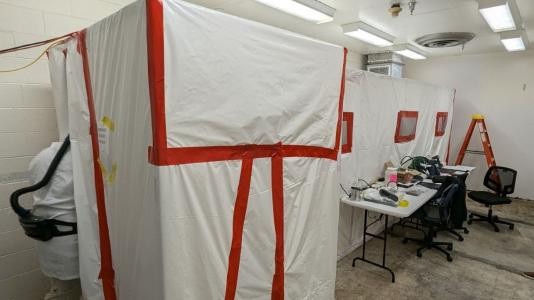
Researchers at the U.S. Department of Energy's Argonne National Laboratory recently conducted field experiments to simulate the movement of dust particles on concrete surfaces under radioactive contamination scenarios, measuring the effects of pedestrian activity and vehicle traffic on dust dispersion. The study was published in the journal Health Physics and received support from the U.S. Department of Homeland Security Science and Technology Directorate and the Radiological/Nuclear Emergency Response and Recovery Research and Development Program. To control humidity and temperature and prevent dust generation, pedestrian tests were conducted inside a tent. In the image, researchers can be seen entering the tent on the left. Particle counters are placed on a white table, with their hoses extending into the tent to collect air samples. (Image courtesy of Ar...
2026-08-27
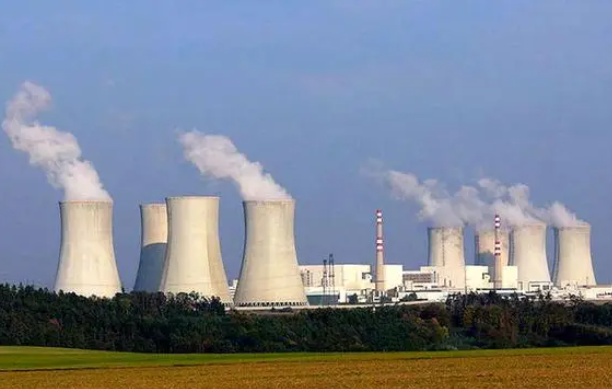
Czech nuclear power plants largely unaffected by summer heat and drought
The Czech State Office for Nuclear Safety (SÚJB) stated on August 26 that this summer's heat waves and drought only caused a slight decline in electricity generation at the Temelín and Dukovany nuclear power plants, without leading to reactor power reduction or raising nuclear safety concerns. Currently, both plants meet the conditions for safe operation, including adequate cooling and water supply guarantees. SÚJB noted that some European nuclear power plants reduced output or temporarily shut down during high-temperature periods, mainly due to their cooling methods. Some plants use once-through cooling, making their operation directly affected by river water temperature and flow rate. When water temperatures rise and river flows are low, plants may reduce output due to environmental discharge limits...
2026-08-27
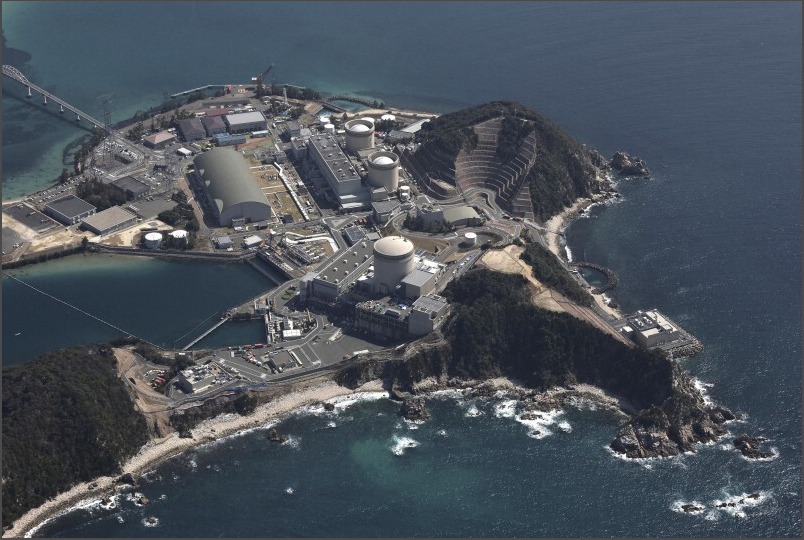
Kansai Electric Power Revises Nuclear Emergency Disaster Prevention Business Plans for Three Nuclear Power Plants
Kansai Electric Power Co., Inc. announced on August 27 that it has revised the nuclear operator disaster prevention business plans for the Mihama, Takahama, and Oi nuclear power plants in accordance with Japan's Act on Special Measures Concerning Nuclear Emergency Preparedness, and filed them with the Prime Minister and the Nuclear Regulation Authority on the same day. The revisions pertain to nuclear emergency disaster prevention arrangements at the three nuclear power plants. Kansai Electric Power stated that it will continue to ensure the safety of the nuclear power plants and enhance nuclear emergency disaster prevention measures in accordance with the relevant plans. According to the documents, the consultation period prior to the revisions was from May 13 to July 30, 2026, totaling 79 days. The consultation parties included the local governments where the nuclear power plants are located and related neighboring local governments.
2026-08-27
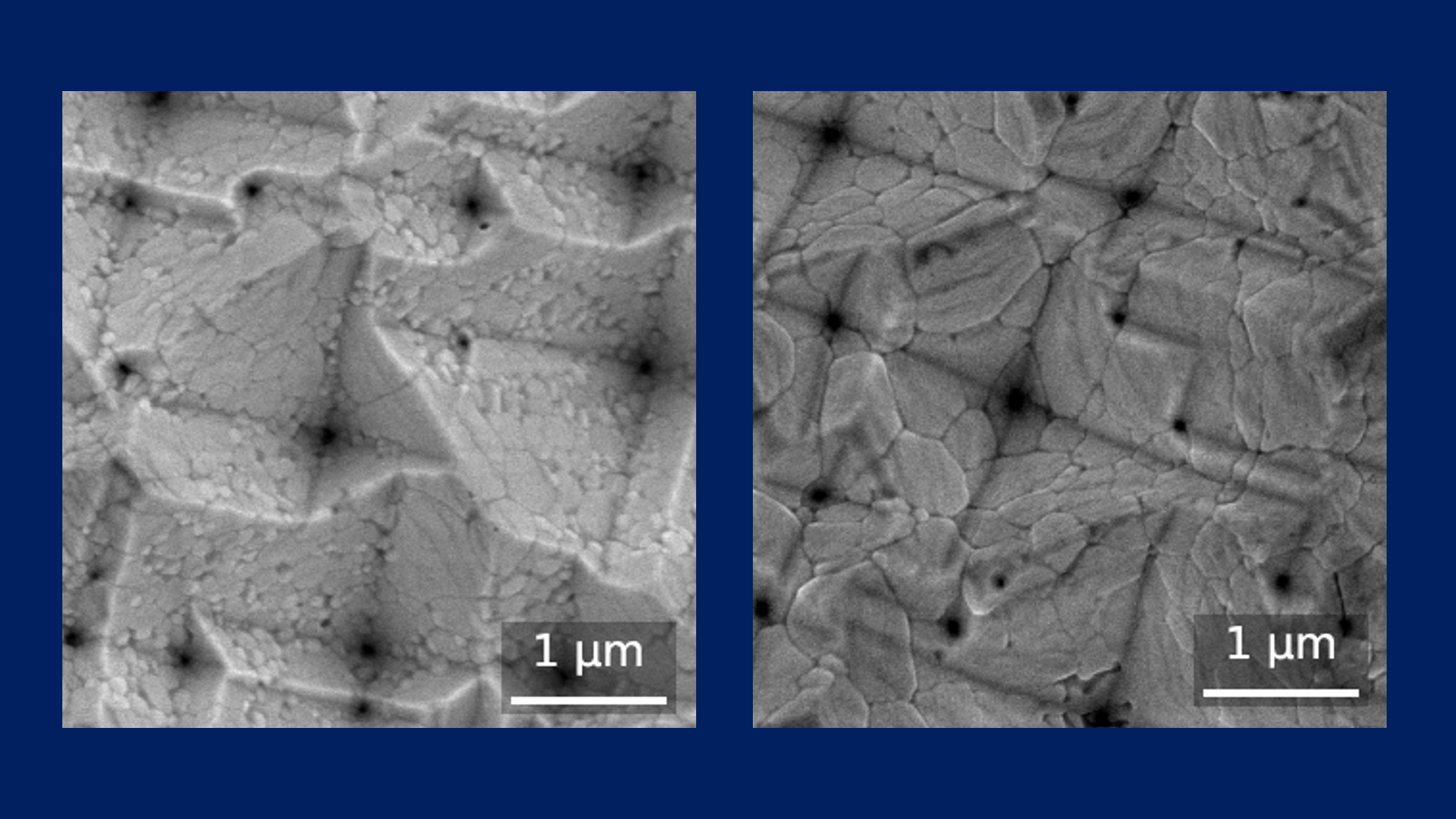
German BESSY II Research Reveals: Cesium Chloride Seed Layer Can Improve Quality of Perovskite-Silicon Tandem Solar Cells
A team from the Helmholtz-Zentrum Berlin (HZB) in Germany used the BESSY II synchrotron radiation facility to conduct nanoscale analysis of perovskite-silicon tandem solar cells fabricated by evaporation methods, and proposed a new approach to improve the quality of perovskite thin films. The study shows that introducing a thin cesium chloride (CsCl) seed layer between the two sub-cells promotes uniform growth of the perovskite layer while reducing undesirable lead iodide deposition at the interface. The research demonstrates that the cesium chloride seed layer improves the growth of the evaporated perovskite layer and reduces the formation of lead iodide. Scanning electron microscopy images show that the perovskite layer grown without a seed layer (left image) consists of extremely fine crystallites...
2026-08-27