
Search Results
Keyword:GE
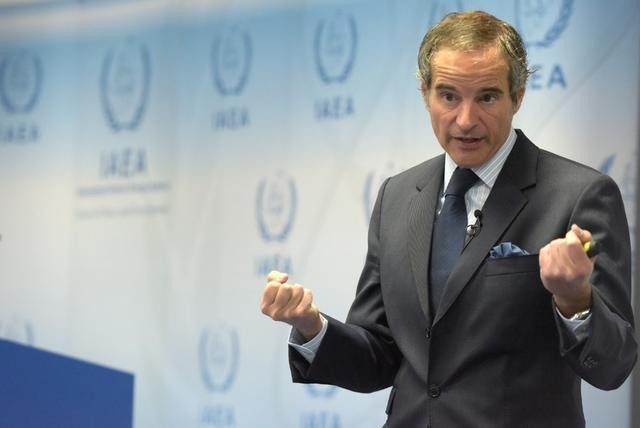
Saudi Arabia to Expand IAEA Verification Authority
International Atomic Energy Agency (IAEA) Director General Rafael Grossi said on September 7 that Saudi Arabia is preparing to grant the IAEA additional verification and monitoring authority beyond its existing safeguards obligations. The arrangement is similar in some mechanisms to the Additional Protocol, but the proposed US-Saudi civilian nuclear cooperation agreement does not include provisions requiring Saudi Arabia to sign the Additional Protocol. In July, the United States and Saudi Arabia reached an agreement on civilian nuclear cooperation. According to available information, the agreement would allow Saudi Arabia to conduct uranium enrichment and build nuclear reactors using US technology. Some nonproliferation organizations have previously criticized that the proposed...
2026-09-08
South Korea Notifies IAEA of Intention to Consult on Safeguards Arrangements for Nuclear-Powered Submarine
International Atomic Energy Agency (IAEA) Director General Rafael Grossi said Monday at the agency's Board of Governors meeting in Vienna that South Korea has formally notified the IAEA of its intention to consult with the agency on safeguards arrangements for its envisioned nuclear-powered submarine program. Grossi stated that South Korea has notified the IAEA Secretariat of its intent to discuss relevant arrangements pursuant to Article 14 of its Comprehensive Safeguards Agreement (CSA). This provision allows a country to use nuclear material for non-prohibited military purposes, such as naval nuclear propulsion, under arrangements concluded with the IAEA. It was noted that South Korea also reaffirmed its continued commitment to fulfilling its obligations under the Treaty on the Non-Proliferation of Nuclear Weapons (NPT), the Comprehensive Safeguards Agre...
2026-09-08
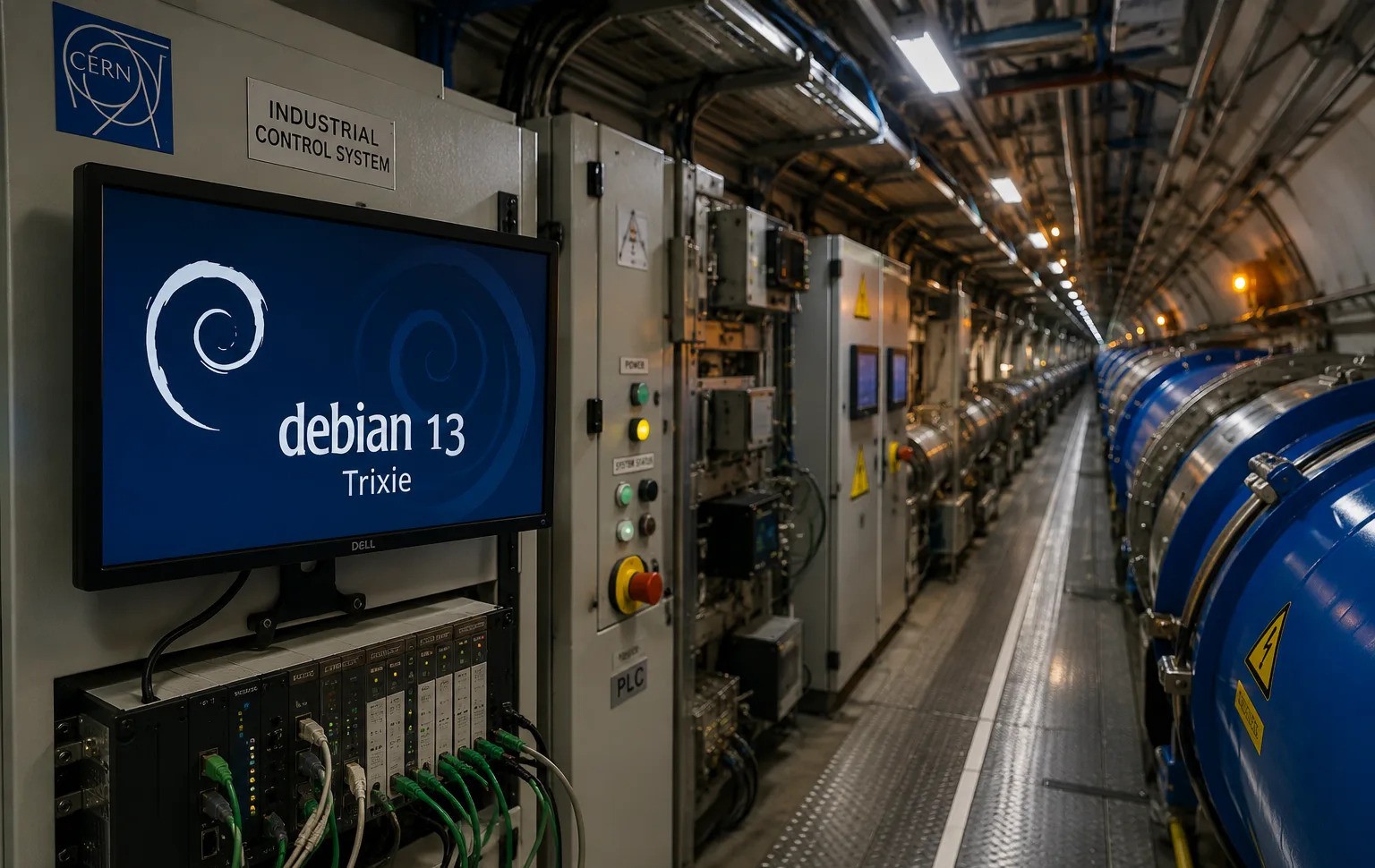
CERN Accelerator Control Systems to Migrate to Debian 13
Representatives from the European Organization for Nuclear Research (CERN) stated at the MiniDebConf conference that they plan to migrate over 2,200 industrial and embedded computers used to control their accelerator complex from RHEL to Debian 13 by the end of 2026. The systems involved include control computers for the Large Hadron Collider as well as several independent experimental facilities. CERN also clarified that this migration applies only to accelerator control-related equipment and will not affect data centers or experimental systems. Those data centers and experimental systems will continue to use RHEL/AlmaLinux. According to reports, CERN engineers had previously considered migrating the relevant systems to CentOS Stream, but...
2026-09-08
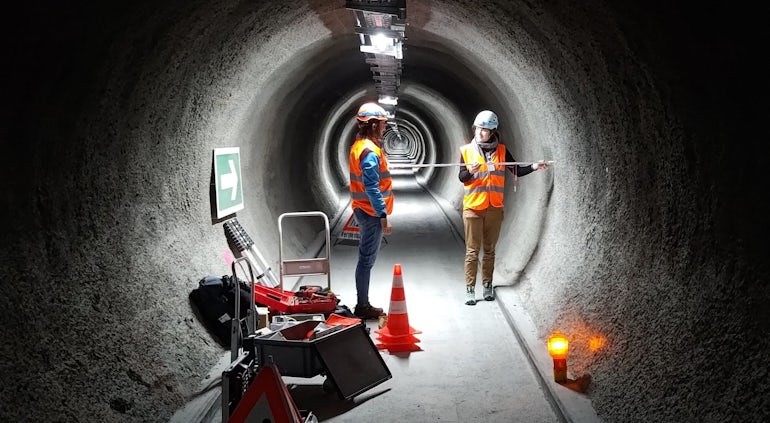
Swiss Nuclear Decommissioning and Waste Disposal Funds Both Show Surpluses
As of the end of 2025, the combined assets of Switzerland's nuclear facility decommissioning fund and nuclear power plant waste disposal fund approached CHF 10 billion, equivalent to approximately EUR 10.6 billion and USD 12.3 billion, up from CHF 9.65 billion at the end of 2024 and exceeding the established funding targets. According to Swissnuclear, the decommissioning fund stood at approximately CHF 3.03 billion, up from CHF 2.98 billion in 2024, while the waste disposal fund reached approximately CHF 6.96 billion, up from CHF 6.66 billion in 2024. Based on target calculations, the decommissioning fund target is CHF 2.76 billion and the waste disposal fund target is CHF 5.9 billion, with the two funds exceeding their targets by approximately 9.8% and 1...
2026-09-08
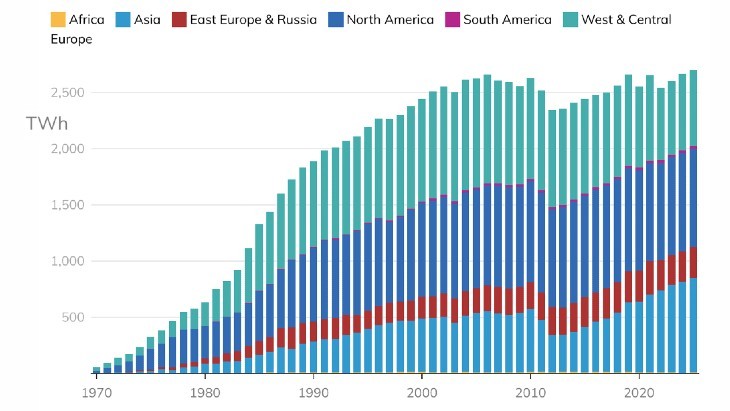
Global nuclear power generation hits record high in 2025
According to the World Nuclear Outlook Report released by the World Nuclear Association (WNA), global electricity generation from nuclear reactors reached 2,702 TWh in 2025, up from 2,667 TWh in 2024, setting a new historical record. The report estimates that if all countries' stated nuclear energy targets are fully achieved, global nuclear installed capacity could more than triple current levels by 2050. The report assesses the progress made by 38 countries toward the goal of tripling global nuclear capacity by 2050, and puts forward policy recommendations for governments, industry, financial institutions, and regulators. In terms of operating nuclear units, the report notes that despite the increasing service life of individual units, global nuclear power plants...
2026-09-08
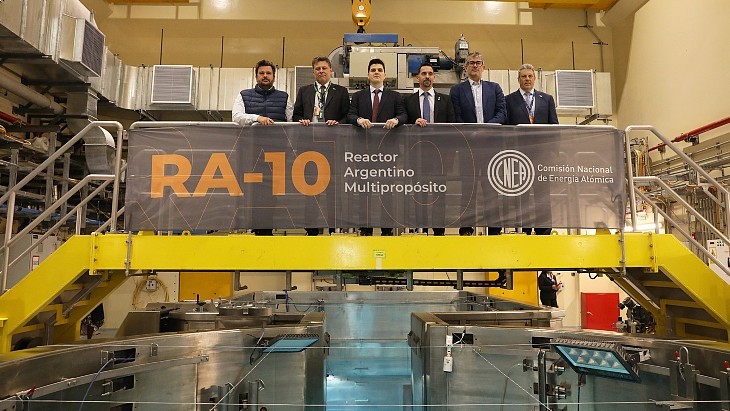
Argentina Plans to Commission RA-10 Multipurpose Reactor in 2027
Argentina's National Atomic Energy Commission (CNEA) and the Nuclear Affairs Secretariat recently stated that the RA-10 multipurpose research reactor at the Ezeiza Atomic Centre is planned to begin commissioning before the end of this year, with the goal of achieving operation in 2027. (Image source: CNEA) According to the project site, RA-10 is currently in its final phase, with approximately 530 workers completing the remaining construction and system testing in preparation for subsequent reactor commissioning and operation. The project is currently about 96% complete overall. RA-10 is a 30 MW open-pool multipurpose research reactor that will provide products and services to the medical, scientific, technological, and industrial sectors once completed. Among these, molybdenum-99 will be one of its key products...
2026-09-08
Destroyed Syrian Nuclear Reactor May Have Had Capability to Produce Nuclear Weapons Material
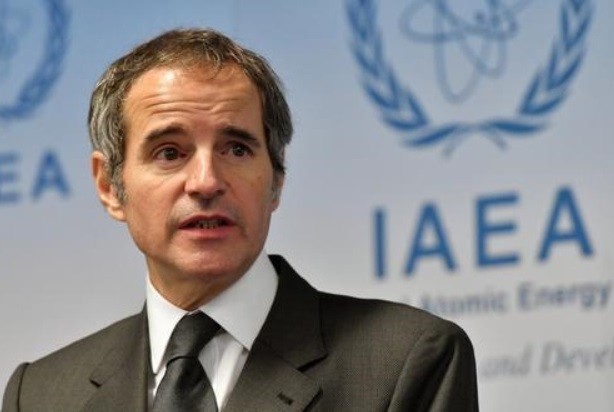
International Atomic Energy Agency (IAEA) Director General Rafael Grossi said on September 7 that a Syrian nuclear reactor, which was destroyed in an Israeli airstrike in 2007 while it was nearly complete, was of a type capable of relatively quickly producing fissile material that could be used in nuclear weapons. The IAEA recently concluded its investigation into Syria's past covert nuclear activities. The investigation found approximately 73 tons of natural uranium metal, primarily in the form of reactor fuel. In a report submitted to member states, the agency confirmed that its previous assessment remained unchanged: the destroyed facility in Deir ez-Zor Province in eastern Syria was a nuclear reactor under construction, and the associated fuel had also been manufactured within Syria.
2026-09-08
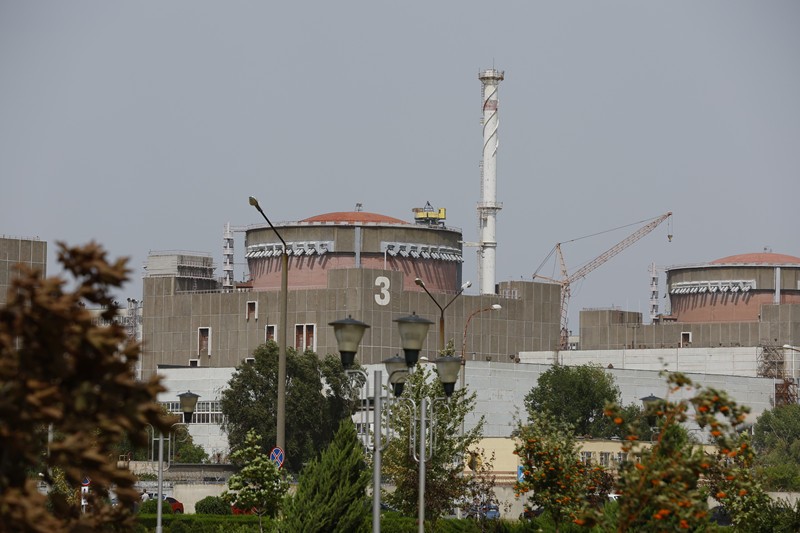
Zaporizhzhia Nuclear Power Plant Restores External Power Supply
The Zaporizhzhia Nuclear Power Plant (ZNPP) has resumed receiving external electricity via the 330 kV Ferrospravnaya-1 transmission line. Previously, since August 20, the plant had relied on backup diesel generators to maintain essential on-site power for a duration of 19 days. Alexey Likhachev, Director General of Rosatom, stated that the plant has switched from diesel generator power to external power supply and is currently operating normally. The Zaporizhzhia NPP reported that following the restoration of the Ferrospravnaya-1 line, the backup diesel generators have been placed on standby. Rafael...
2026-09-08
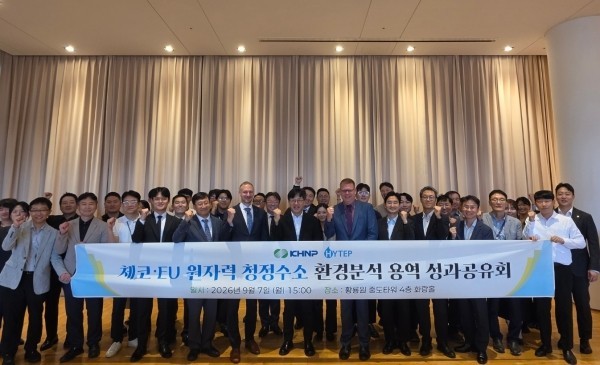
South Korean Companies Advance Nuclear Hydrogen Demonstration Project in Czech Republic
Korea Hydro & Nuclear Power (KHNP) announced on September 8 that it has completed a joint research review with the Czech Hydrogen Association (HYTEP) on the legal, institutional, and policy environment for nuclear hydrogen production in the Czech Republic and the European Union, and exchanged views on advancing a clean hydrogen production demonstration project in the Czech Republic. The two sides held a results-sharing meeting on September 7 at Hwangnyongwon in Gyeongju, South Korea, to review the final outcomes of the research. The study, launched in September 2025 and spanning approximately 11 months, primarily examined policy directions, laws and regulations, certification requirements, and market access conditions in the nuclear and hydrogen sectors in the Czech Republic and the EU, providing an institutional basis for the implementation of nuclear hydrogen production projects. Based on the research findings, KHNP plans to promote a clean hydrogen production demonstration project integrated with nuclear power in the Czech Republic.
2026-09-08

UK's First TerraPower Natrium Reactor Could Generate Power by 2034
TerraPower, the US nuclear power company backed by Bill Gates, expects its Natrium sodium-cooled reactor could generate electricity in the UK as early as 2034. If the project progresses smoothly, the UK will become the company's first market for deploying this technology outside the United States. TerraPower CEO Chris Levesque said that given the company's first Natrium reactor project is scheduled for completion in 2031, the Natrium technology is highly likely to become a reality in the UK by 2034. The technology has already met relevant US regulatory requirements, and the first unit is under construction in Wyoming. In recent years, the UK has accelerated the development of small modular re...
2026-09-08
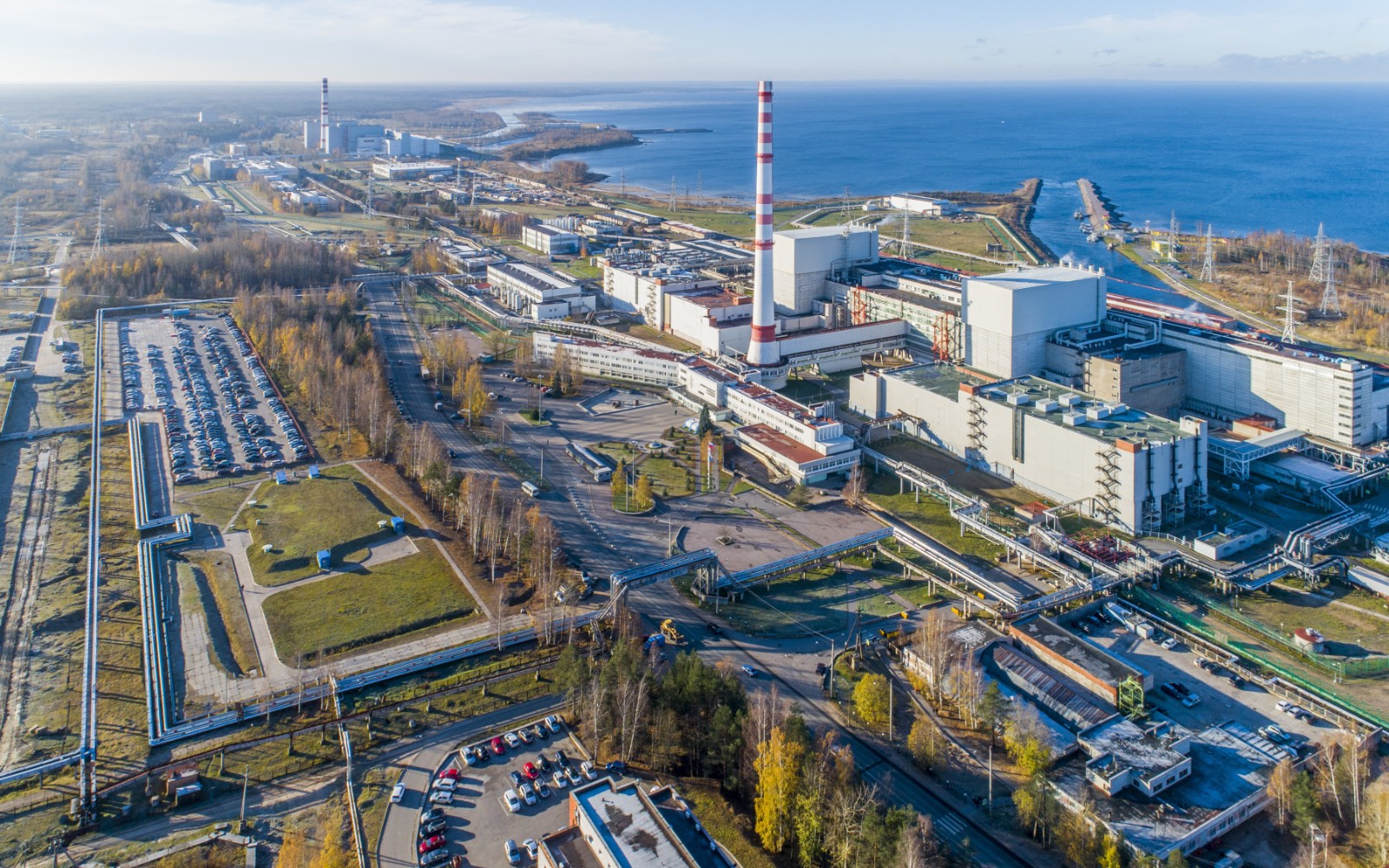
Russian nuclear power plants generated 149.1 billion kWh of electricity in 2026 as of September 7
Rosenergoatom, a subsidiary of Russia's State Atomic Energy Corporation (Rosatom), recently stated that as of September 7, Russian nuclear power plants had generated a cumulative total of 149.1 billion kWh of electricity in 2026. This output exceeds the target set for the same period by the Federal Antimonopoly Service (FAS) by 6.73%. Data previously released by the Federal State Statistics Service (Rosstat) shows that from January to July this year, electricity generation at Russian nuclear power plants increased by 2.2% year-on-year, reaching 126 billion kWh. In 2025, Russian nuclear power plants generated a total of 218.35 billion kWh for the full year. Alexey Likhachev, Director General of Rosatom, stated that the company plans to exceed the government's electricity generation target for the full year of 2026. The target is no less than 214 billion kWh.
2026-09-08
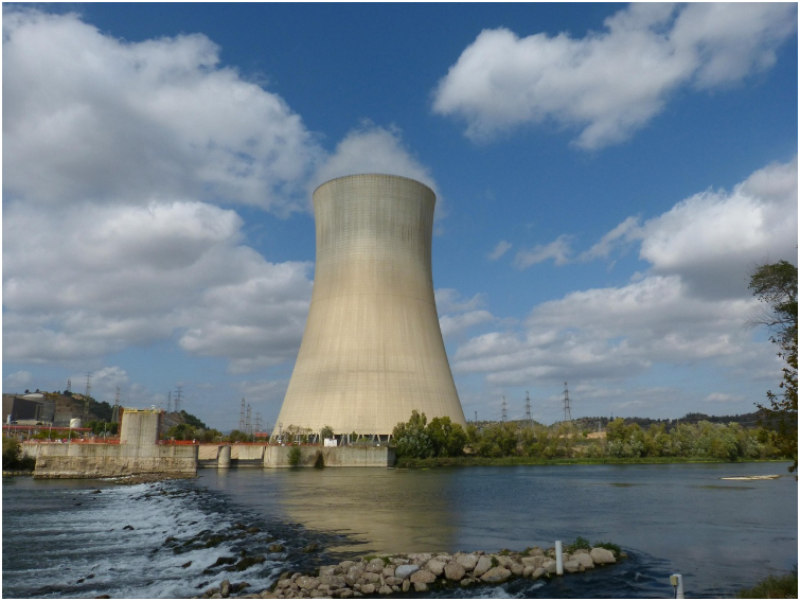
Korea and U.S. reportedly in talks to jointly build 8 large-scale nuclear power plants in the U.S.
According to the South Korean government and political figures on September 7, South Korea and the United States are in the final stages of discussions on a plan to jointly build up to 8 large-scale nuclear power plants in the U.S. The plan is seen as one of the follow-up projects under the Korea-U.S. investment arrangement in the U.S. Sources say the U.S. side had proposed allocating $120 billion of the $200 billion investment commitment to the construction of 8 nuclear power plants within the framework of investment in the U.S. An additional $150 billion in shipbuilding-related investment falls outside that commitment. However, the South Korean government reportedly did not accept the proposal to directly specify the exact investment amount, instead preferring to use general wording such as "jointly building 8 nuclear power plants" in relevant documents to preserve room for further coordination...
2026-09-08
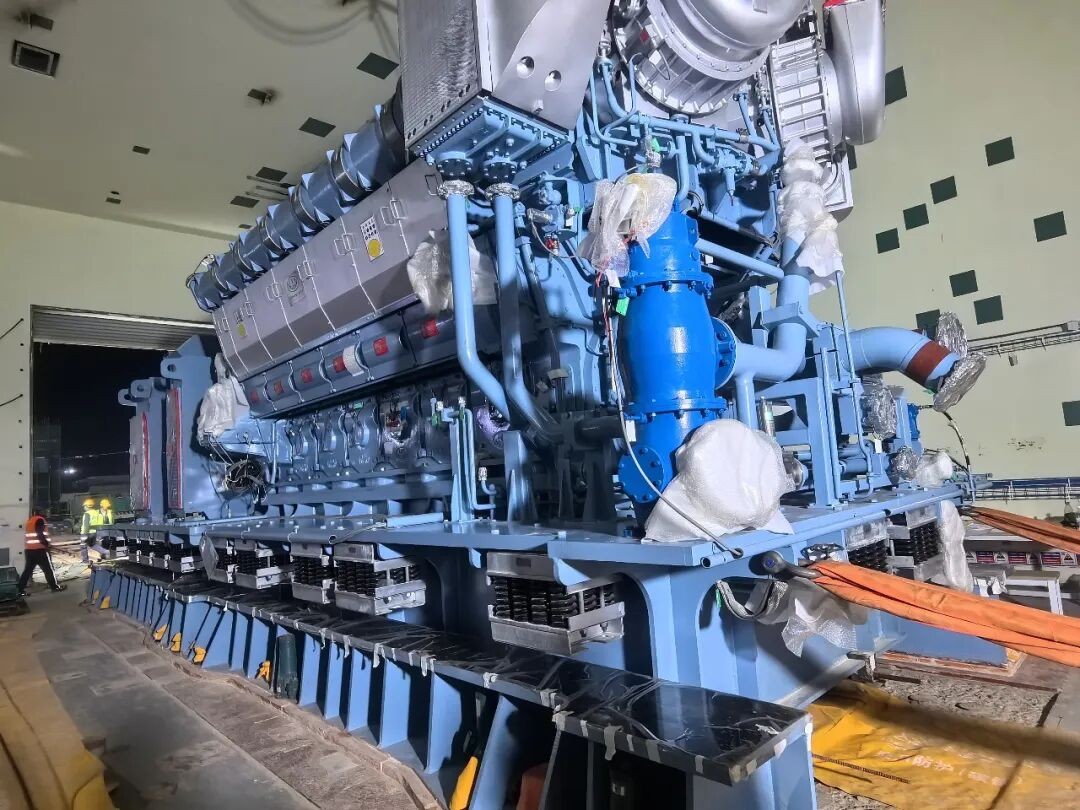
First Emergency Diesel Generator Successfully Introduced at Unit 6 of Lufeng Nuclear Power Plant
On September 4, 2026, the first emergency diesel generator for Unit 6 of Lufeng Nuclear Power Plant was successfully introduced into the diesel generator building. The emergency diesel generator is a critical required power source during the cold test phase of a nuclear power unit. The successful introduction of this equipment ensured the availability of emergency power during the cold test period, providing a solid power guarantee for the smooth execution of subsequent cold test work for Unit 6. The Installation Management Section of Lufeng Nuclear Power shifted from passive waiting to proactive action, planning the diesel generator introduction route in advance. The greatest challenge of this introduction task was the deep pit backfill adjacent to the main area of the siphon well on the west side of the diesel generator building, with a backfill depth exceeding 20 meters, a wide coverage area, and a graded aggregate demand of up to approximately 80,000 cubic meters. During construction...
2026-09-08
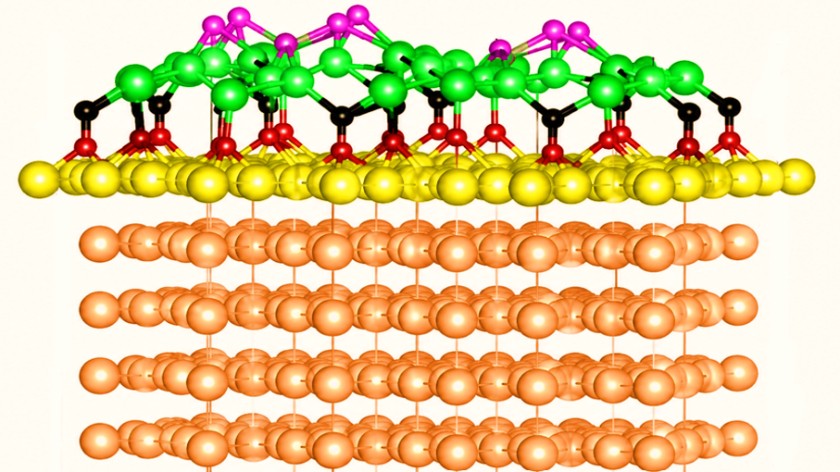
BESSY II reveals early-stage copper oxidation: providing evidence for catalyst development and corrosion research on nuclear waste final disposal containers
Germany's BESSY II synchrotron facility has recently provided new experimental insights into the early-stage oxidation process of copper surfaces. The study shows that before the formation of pure copper oxides, copper and oxygen atoms first form complex surface superstructures, such as "29"CuₓO. The chemical state of such structures has long been debated, and the findings are of reference value for catalyst research as well as for corrosion protection studies of copper containers used for radioactive waste final disposal. Before the formation of pure copper oxide, complex superstructures composed of copper and oxygen atoms emerge—such as "29"CuxO. HZB In everyday environments, copper surfaces gradually lose their red metallic luster and form a greenish oxide layer. This layer structure can slow further corrosion over an extended period. Regarding the initial stages of this process, the core question researchers focus on is: to what extent are copper atoms actually oxidized once oxygen enters the copper surface. Since conventional spectroscopic methods struggle to clearly distinguish between pure copper and partially oxidized surfaces, such oxidation states have previously been difficult to determine directly.
2026-09-07
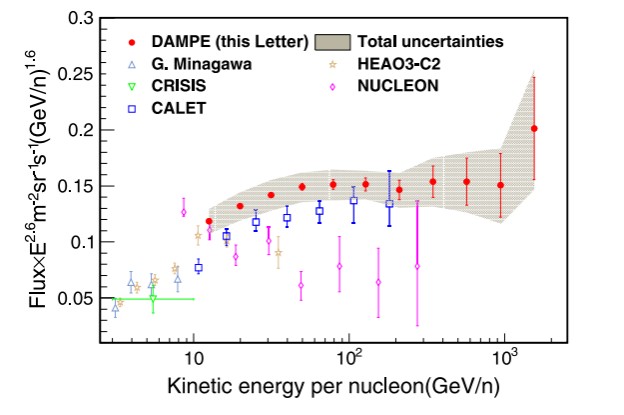
"Wukong" Detects "Super-Iron" Elements in Cosmic Rays, Achieving First High-Precision Cosmic Ray Nickel Energy Spectrum in the TeV Range
Recently, the DAMPE scientific team led by Academician Chang Jin of the University of Science and Technology of China made significant progress in direct observations of high-energy cosmic rays. Based on DAMPE on-orbit observation data, the scientific team obtained the differential flux spectrum of nickel nuclei from 10 GeV/n to 2 TeV/n. The results were published in the international academic journal *Physical Review Letters* under the title "Measurement of the Cosmic Ray Nickel Energy Spectrum from 10 GeV/n to 2 TeV/n with the DAMPE Space Mission." The origin of super-iron elements in cosmic rays has long been a challenge for the scientific community. It is generally believed that cosmic ray elements are primarily produced in nuclear fusion processes within stars, but since iron nuclei have the highest binding energy per nucleon, stellar fusion reactions typically struggle to proceed beyond elements near iron. Heavier elements than iron are generally attributed to different nucleosynthesis processes such as neutron capture. Because the abundance of super-iron elements is typically at least an order of magnitude lower than that of iron, measurements of super-iron elements in cosmic rays remain extremely scarce. Most experiments have only provided relative abundances of different elements; a few experiments have measured the differential flux spectrum of cosmic ray nickel, but with energy upper limits of only a few hundred GeV/n.
2026-09-07