
Search Results
Keyword:IAEA
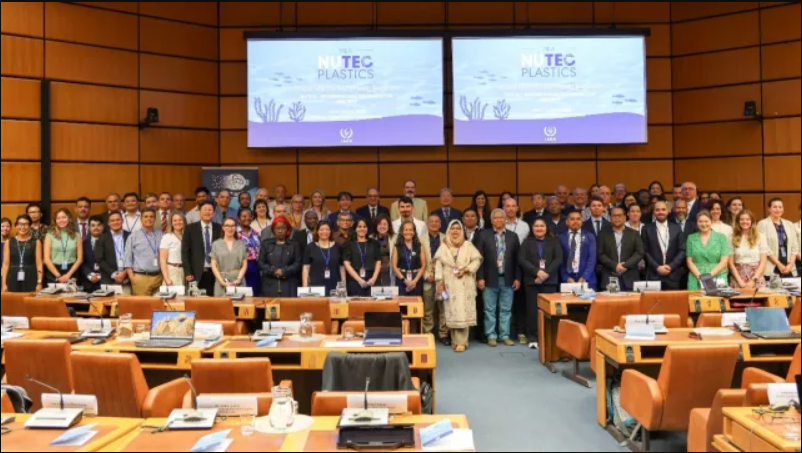
IAEA Launches Global Marine Microplastics Monitoring Platform
The International Atomic Energy Agency recently launched a global marine monitoring platform under the "Nuclear Techniques for Controlling Plastic Pollution" initiative, aiming to strengthen cooperation and data sharing among countries on the abundance, distribution, and trends of microplastics in marine and coastal areas. Scientific experts from 65 countries attended the platform launch event. The platform will serve as a repository of results from the network of marine monitoring laboratories supported by the initiative. Participating laboratories can enter monitoring data into the platform to compile global information on marine microplastic pollution; users can access relevant content after creating a free IAEA Nucleus account. Plastic pollution has become a global environmental issue. According to reports...
2026-08-09
IAEA Publishes Technical Document on Emergency Planning Zones for Small Modular Reactors
The International Atomic Energy Agency (IAEA) has published TECDOC Series No. 2134, "Technical Basis for the Emergency Planning Zone for Small Modular Reactors." The document was published in Vienna in 2026, comprising 132 pages with 11 illustrations, in English. This document marks the first time the IAEA has published the results of a Coordinated Research Project (CRP) on the technical basis for emergency planning zones for Small Modular Reactor (SMR) deployment. The research project was conducted from 2018 to 2021, focusing on how to determine the technical basis for off-site emergency preparedness and response (EPR) arrangements in SMR deployment scenarios, particularly the requirements and scope for establishing emergency planning zones (EPZ).
2026-08-07
IAEA Supports Nicaragua in Enhancing Agricultural Health and Food Security through Nuclear Technology
The Nicaraguan Institute for Agricultural Protection and Health (IPSA) recently hosted an official visit from Raúl Ramírez García, Director of the Technical Cooperation Division for Latin America and the Caribbean at the International Atomic Energy Agency (IAEA). The meeting, chaired by IPSA Executive Director Ricardo Somarriba Reyes, focused on agricultural health, food safety, and the application of nuclear science and technology in agriculture. During the working session, both parties reaffirmed Nicaragua's continued participation in national and regional cooperation projects as a member of the Agreement for the Promotion of Nuclear Science and Technology Cooperation in Latin America and the Caribbean (ARCAL). The core objective of such projects is to...
2026-07-09

60th Anniversary of the Joint FAO/IAEA Centre: Nuclear Techniques Continue to Serve Global Agriculture and Food Safety
In 2024, the Joint FAO/IAEA Centre of Nuclear Techniques in Food and Agriculture marks its 60th anniversary. Established in 1964 through a partnership between the Food and Agriculture Organization of the United Nations and the International Atomic Energy Agency, the Centre primarily promotes the application of nuclear science and related technologies in food security, agricultural production, and sustainable environmental development. Over the past 60 years, the Joint Centre has carried out work in areas including pest control, plant breeding and genetics, soil and water management, animal production and health, and food safety and quality control. Its Agriculture and Biotechnology Laboratories have long undertaken tasks in technology development, capacity building, and technology transfer,...
2024-12-27
FAO and IAEA: Nuclear Technologies Are Enhancing Agricultural Production and Food Security
On March 30, 2021, the Food and Agriculture Organization of the United Nations and the International Atomic Energy Agency presented multiple applications of nuclear technologies in agriculture and food security. The two organizations have collaborated for over 50 years in knowledge sharing and capacity building, further strengthening their partnership through the establishment of the Joint FAO/IAEA Centre of Nuclear Techniques in Food and Agriculture. In the field of animal health, nuclear technologies are used for the detection, control, and prevention of transboundary animal diseases and zoonoses. Belize previously had to send animal disease testing samples to overseas laboratories; with support from the Joint FAO/IAEA Centre, the Belize Agricultural Health Authority established a molecular diagnostic laboratory for animal health and adopted real-time polymerase chain reaction (PCR) testing technology. This method can detect animal diseases within 24 hours, helping frontline personnel take rapid prevention and control measures. Recently, the laboratory has also been used to assist in human COVID-19 testing, reflecting the "One Health" concept that animal, human, plant, and environmental health are interconnected.
2021-03-30
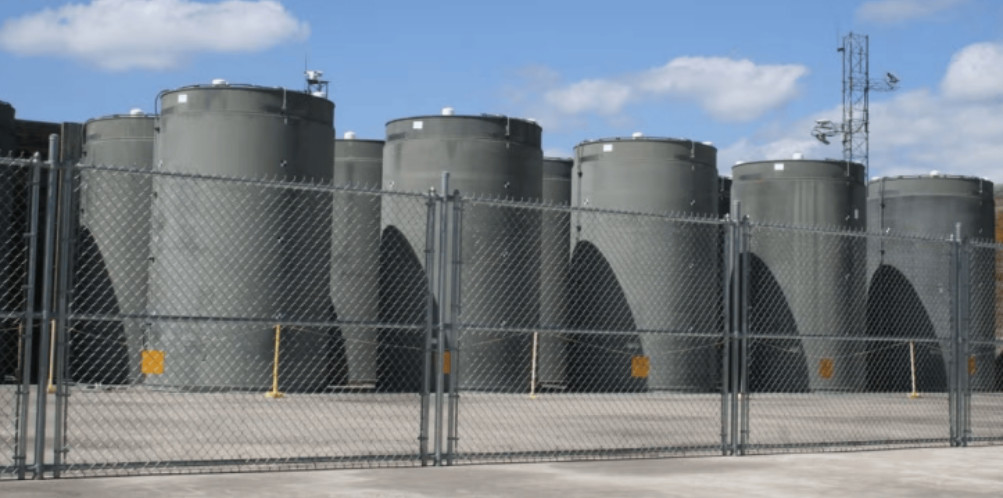
IAEA Publishes Report on Aging Management of Spent Fuel Dry Storage Systems
The International Atomic Energy Agency (IAEA) has published the findings of a decade-long study on aging management of spent fuel dry storage systems. According to IAEA estimates, by the end of 2024, spent fuel discharged from nuclear power plants worldwide had exceeded 400,000 tonnes of heavy metal (tHM). Of this, 106,000 tHM is in dry storage, a long-term storage method that is becoming increasingly common compared with wet storage. Most IAEA member states are still decades away from commissioning permanent spent fuel repositories, which means dry storage systems will likely need to continue operating safely beyond their design lifetimes. Wet storage has been in operation for decades, and the IAEA states that aging management of such facilities is generally well understood. Utilities choose dry storage for its passive safety features, and many dry storage facilities have already received license extensions. The IAEA expects demand for dry storage to continue growing, with service periods extending well beyond the original 20-to-40-year licensing terms, potentially exceeding 120 years. Aging management programs (AMPs) are therefore needed to verify continued safe operation.
2026-08-06

IAEA Director General to Inspect Kashiwazaki-Kariwa Nuclear Power Plant
Preparations are in the final stages for IAEA Director General Rafael Grossi's first inspection of Tokyo Electric Power Company's Kashiwazaki-Kariwa Nuclear Power Plant, expected to take place on August 18. Grossi has previously stated that there are "no obstacles to a swift restart," signaling a positive attitude toward the plant's reactivation. This inspection suggests that discussions surrounding the restart may accelerate. However, it is worth noting that local residents still harbor concerns, adopting a cautiously optimistic outlook on future developments. This marks Grossi's first visit to the Kashiwazaki-Kariwa plant, making it a significant event. Against the backdrop of growing attention to nuclear safety, the IAEA's...
2026-08-06

United States to Host IAEA ATLAS Initiative Ministerial Launch
The United States will host the ministerial launch of the International Atomic Energy Agency (IAEA) Atoms for Transport Licensing and Applications at Sea (ATLAS) Initiative in Washington, D.C., on August 26-27, 2026. The event will bring together ministers, policymakers, and industry representatives to discuss topics related to the safe and reliable application of nuclear technology in the maritime domain. The ATLAS Initiative aims to establish an international framework to harmonize legal and regulatory issues facing maritime nuclear energy applications and to support the deployment of related civilian nuclear technologies. Building on the IAEA's experience in nuclear safety, nuclear security, and safeguards, the Initiative emphasizes technology neutrality and places safety, security, and non-proliferation requirements as the foundation for advancing maritime nuclear applications...
2026-08-06

Bahamas to Strengthen Cancer Control System Based on imPACT Review Findings
August 5, 2026, an international review led by the International Atomic Energy Agency showed that the Bahamas has room for further improvement in strengthening cancer treatment services. The review provided a roadmap for the country to improve coordination of cancer services, reduce diagnostic and treatment waiting times, and enhance patient outcomes. Princess Margaret Hospital in Nassau, Bahamas (Image: Pelow Media/Adobe Stock) The imPACT review was conducted jointly by the International Atomic Energy Agency, the World Health Organization/Pan American Health Organization, and the International Agency for Research on Cancer, at the request of the Bahamas Ministry of Health and Wellness, focusing on assessing the country's cancer control capacities and needs. From June 9 to 11, the expert team visited...
2026-08-06

Tunisia Aims to Become Africa's NDT Benchmark with IAEA and Nuclear Science Center Support
To explore avenues for cooperation in Tunisia around non-destructive testing (NDT) and industrial applications of nuclear technology, the Technical Center for Mechanical and Electrical Industries (CETIME) hosted a joint delegation from the International Atomic Energy Agency (IAEA) and the National Center for Nuclear Science and Technology (CNSTN). This meeting was part of an initiative launched by these two organizations aimed at raising awareness and understanding of these technologies among institutions that use radioactive tracers and sources for industrial applications. The two sides focused on CETIME's work in non-destructive testing using radioactive sources, as well as joint projects aimed at advancing nuclear and radiation technologies applied to industry, non-destructive testing, and the enhancement of industrial quality. Through this...
2026-08-05

UK Office for Nuclear Regulation contributes to IAEA regulatory cooperation toolkit for advanced reactors
The International Atomic Energy Agency (IAEA) recently published the Nuclear Harmonization and Standardization Initiative (NHSI) Regulatory Cooperation Toolkit. The UK Office for Nuclear Regulation (ONR) played a significant role in the development of this toolkit, which is designed to support cooperation among national nuclear regulators in the review of advanced reactor technologies. The toolkit is one of the key outputs of Phase 2 of the NHSI (2025–2026), developed jointly by multiple regulators participating in the NHSI Regulatory Track and the Small Modular Reactor (SMR) Regulators' Forum. The toolkit provides practical guidance, templates, and methodologies to help regulators conduct collaborative reviews, leverage existing regulatory assessment outcomes, and address...
2026-08-05
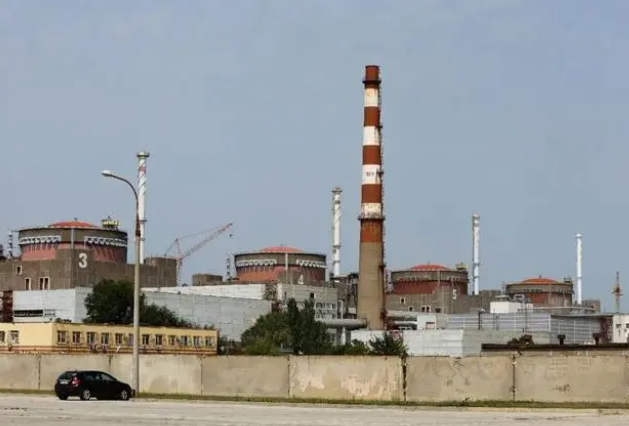
Zaporizhzhia Nuclear Power Plant Briefly Loses External Power, Restored via 330 kV Line
The International Atomic Energy Agency (IAEA) reported on August 4 that the Zaporizhzhia Nuclear Power Plant briefly lost external power supply that day. This marked the 24th occurrence of external power interruption at the plant since the outbreak of the related conflict. According to the report, the plant lost connection with the Ferrosplavnaya-1 transmission line, currently the only one still in service, in the afternoon, and emergency diesel generators provided backup power thereafter. The IAEA stated that the cause of the incident remains unclear. The plant management said the brief external power interruption was related to a technical fault in the automatic control system, and power supply was restored in less than an hour. Currently, the plant's auxiliary power is supplied by the 330 kV Fer...
2026-08-05
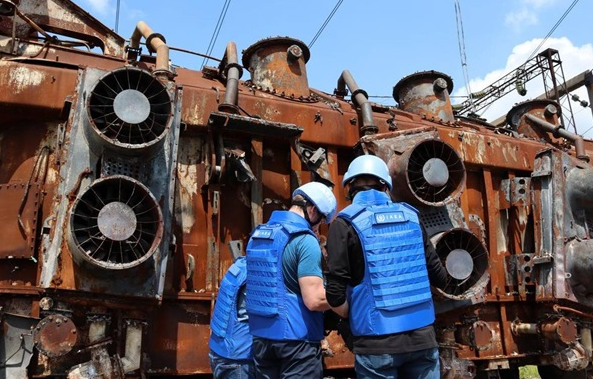
IAEA Inspects Ukrainian Energy Company Substations
On August 3, the International Atomic Energy Agency (IAEA) completed its latest inspection of key substations belonging to a Ukrainian energy company. The inspection aimed to assess energy infrastructure, particularly critical facilities affecting the safe operation of Ukraine's nuclear power plants. The Ukrainian side granted the IAEA delegation access to critical high-voltage substation systems for comprehensive monitoring. This comprehensive monitoring of substations was made possible by the expansion of the IAEA's mandate in September 2024. Under the new mandate, international inspectors can monitor not only the safety status of nuclear power plants but also the critical transmission system facilities that ensure their stable operation. Notably...
2026-08-04
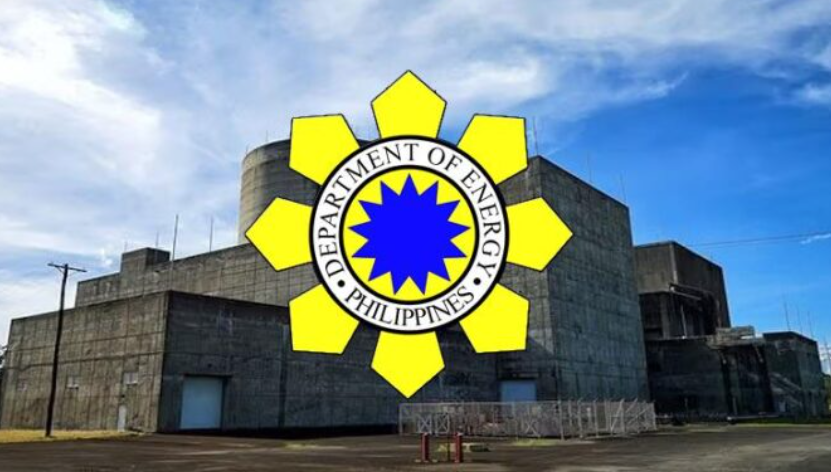
Philippine DOE launches nuclear power plant site screening with IAEA support
The Philippine Department of Energy (DOE) recently stated that it has begun preparing nuclear power plant site screening work in accordance with internationally recognized safety standards. Collaborating with experts from the International Atomic Energy Agency (IAEA), the DOE is wrapping up an intensive workshop on site and external event design this week to strengthen the country's nuclear power plant site screening process. Energy Secretary Sharon Garin stated that selecting the right site is one of the most critical decisions in developing a nuclear power program, and that close collaboration with the IAEA ensures every step is guided by the highest international standards of science, rigorous technical assessment, and resilient public safety protection. The workshop brought together technical experts from the DOE and partner agencies alongside specialists from the IAEA's External Events Safety Section to share recognized methodologies for assessing potential sites against earthquakes, floods, volcanic activity, extreme weather, and other natural and human-induced risks.
2026-08-03

Egypt's Ministry of Health Advances Medical Radiation Safety Regulatory Review in Cooperation with IAEA
On July 31, Egypt's Ministry of Health and Population stated that it reaffirmed its critical role in improving Egypt's national radiation safety system during a 12-day Integrated Regulatory Review Service (IRRS) mission conducted by the International Atomic Energy Agency (IAEA). The IRRS mission, involving a team of international experts and reviewers, was conducted at the invitation of the Egyptian Nuclear and Radiological Regulatory Authority (ENRRA). Egyptian authorities stated that this step is part of the country's ongoing efforts to strengthen its national radiation safety framework and enhance its regulatory infrastructure in line with the latest international standards. The Ministry of Health and Population submitted a topical report through the Radiation Protection Executive Office of the General Department of Radiology, detailing its role in regulating and supervising the use of medical radiation...
2026-08-01