
Search Results
Keyword:II
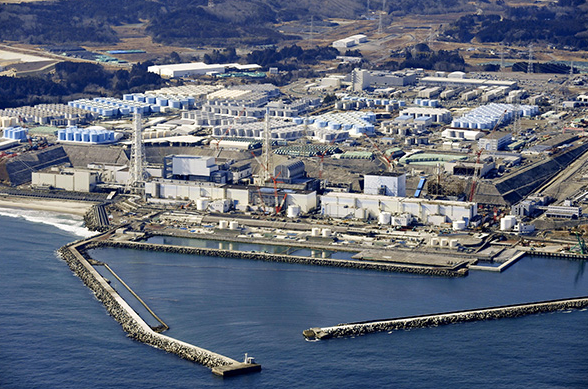
TEPCO replaces faulty motor of robotic arm at Fukushima Daiichi Unit 2
Tokyo Electric Power Company (TEPCO) began replacing the faulty motor of the robotic arm used for fuel debris retrieval trials at Unit 2 of the Fukushima Daiichi Nuclear Power Station on August 26. The robotic arm, approximately 22 meters long, is planned for use in the third fuel debris retrieval trial. During a previous operational inspection inside the reactor building of Unit 2, TEPCO found that the motor driving the robotic arm had malfunctioned, preventing the brake from releasing and the arm from extending. As the robotic arm is already installed on site, workers will enter the "front chamber" in front of the containment vessel to perform the replacement manually. The company stated that radiation levels in the work area will be strictly controlled to prevent workers from receiving excessive exposure. After this replacement, TEPCO will...
2026-08-27
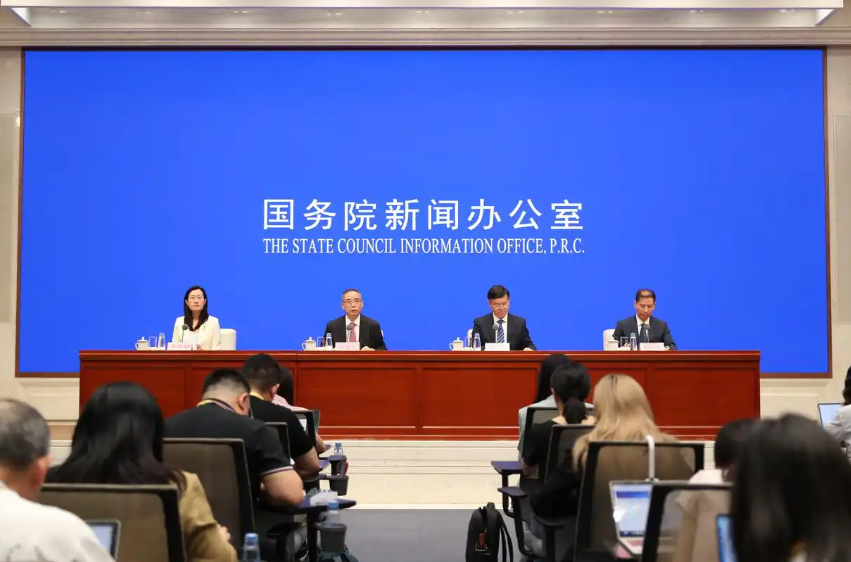
MIIT: Promote Future Industries Including Nuclear Fusion Energy as New Growth Drivers
The State Council Information Office held a press conference on August 26, where the Ministry of Industry and Information Technology (MIIT) briefed on efforts to fully implement the 15th Five-Year Plan and accelerate new industrialization. The MIIT stated that over the next five years, it will focus on optimizing the industrial structure, coordinating the transformation and upgrading of traditional industries, nurturing and strengthening emerging industries, and making forward-looking arrangements for future industries, while maintaining and developing a complete industrial system. In terms of future industry layout, the MIIT proposed promoting quantum technology, biomanufacturing, hydrogen energy and nuclear fusion energy, brain-computer interfaces, embodied intelligence, and sixth-generation mobile communications as new economic growth drivers. The inclusion of nuclear fusion energy in future industry directions reflects its important position in new industrialization and the cultivation of strategic emerging industries.
2026-08-27
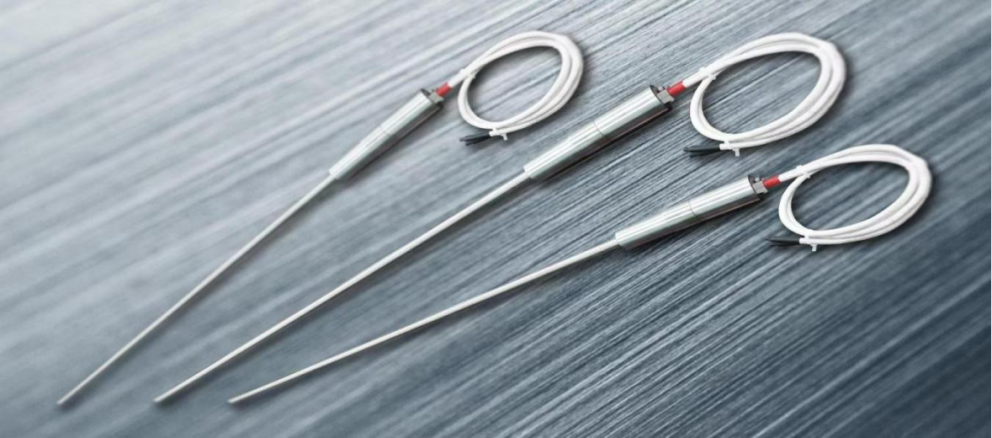
Hualong One Pressurizer Electric Heaters Achieve Coverage of Two Major Technical Routes
The pressurizer electric heater is an important safety-class component of the reactor coolant system (primary loop) in pressurized water reactor nuclear power plants, directly affecting unit pressure regulation and safe, stable operation. The localized pressurizer electric heater developed by Chuanyi Instrument Co., Ltd., a subsidiary of SINOMACH Instrumentation Group under SINOMACH Group, has been applied to China's self-developed Generation III nuclear power units such as "Hualong One." The photo shows the qualification prototype of the Hualong One pressurizer electric heater. With the batch construction of Hualong One units advancing, units adopting different technical routes have imposed new customized operating condition requirements on pressurizer electric heaters. In October 2019, Chuanyi Instrument, together with China General Nuclear Power Engineering Co., Ltd., initiated the development of the CGN-version Hualong One pressurizer electric heater...
2026-08-27
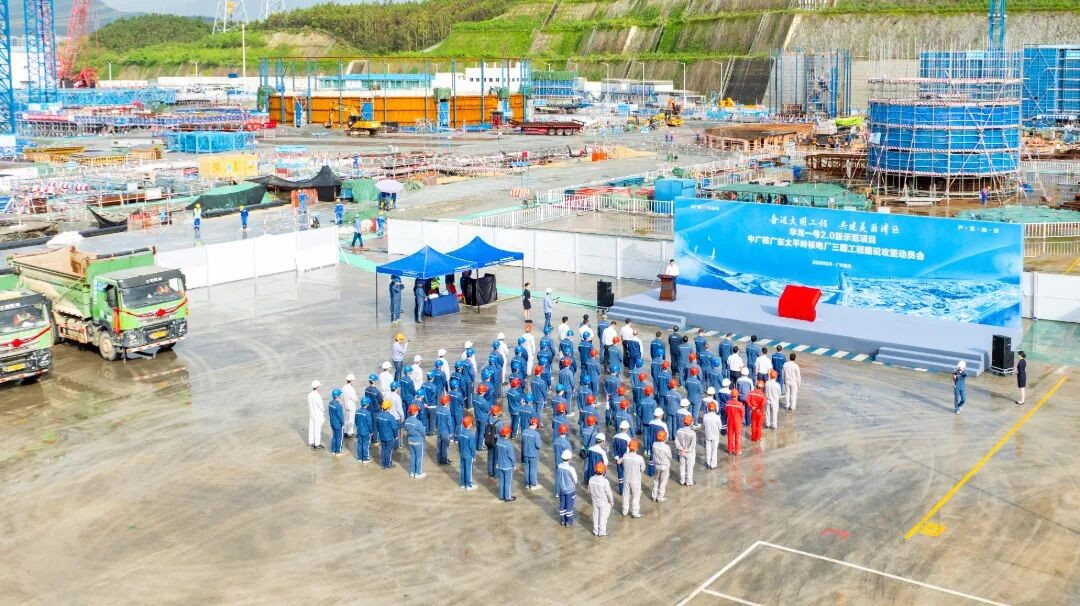
Construction of Access Tunnels Commences for Phase III of Taipingling Nuclear Power Project
On August 26, 2026, CGN's Guangdong Taipingling Nuclear Power Plant held a mobilization meeting for the construction of its Phase III project. At the meeting, the "Safety and Quality Responsibility Agreement for the Construction and Operation of CGN Guangdong Taipingling Nuclear Power Plant Phase III Project" was unveiled, aiming to further consolidate safety and quality responsibilities in nuclear power engineering construction, strengthen project quality management, and ensure the safe and orderly progress of project construction. At the mobilization meeting, Zhang Guoqiang, Secretary of the Party Committee and Chairman of CGN Huizhou Nuclear Power Co., Ltd., announced the official commencement of access tunnel construction for the Phase III project. Upon completion of the access tunnel construction, it will help improve the organizational efficiency of project construction in areas such as material transportation and module hoisting, and create conditions for the subsequent pouring of the first batch of nuclear island concrete.
2026-08-27
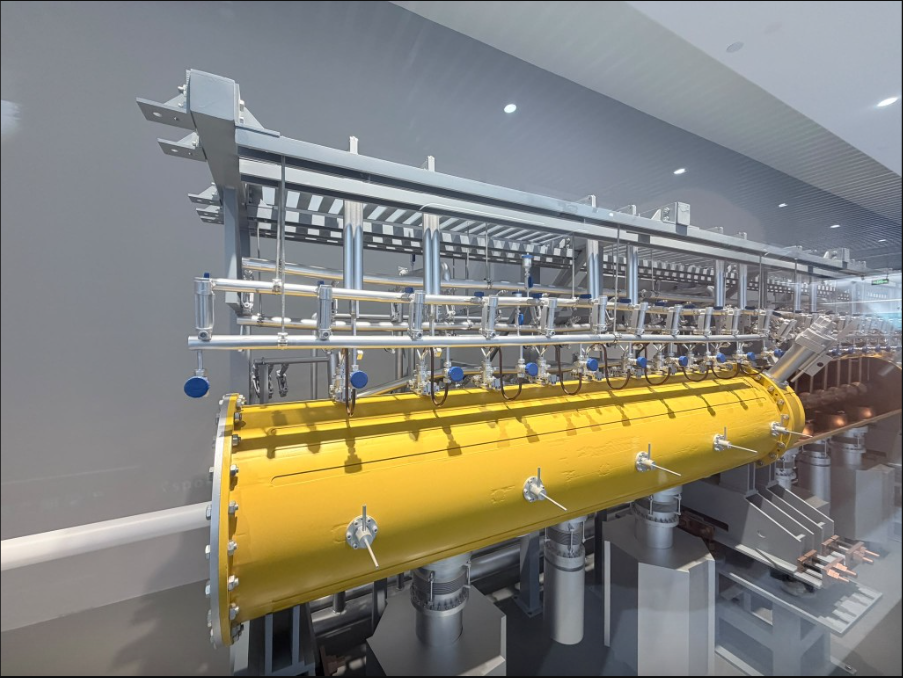
Phase II of China Spallation Neutron Source in Dongguan expected to be completed by 2029
On August 26, a media delegation from the Guangdong-Hong Kong-Macao Greater Bay Area visited the China Spallation Neutron Source (CSNS) in Dongguan to learn about the operation of this major scientific facility and the progress of its Phase II project. The CSNS is China's first and the world's fourth pulsed spallation neutron source, often referred to as a "super microscope" for exploring the microscopic world. Since its opening in 2018, the facility has been operating in areas including basic research, research addressing major national needs, industrial innovation, and the integration of Hong Kong and Macao in science and technology innovation, and has become one of the key scientific research platforms in the Greater Bay Area. Tong Xin, Deputy Director of the Spallation Neutron Source Science Center, stated that the Phase II project of the CSNS is currently under construction, with a construction period from January 2024 to October 2029...
2026-08-26
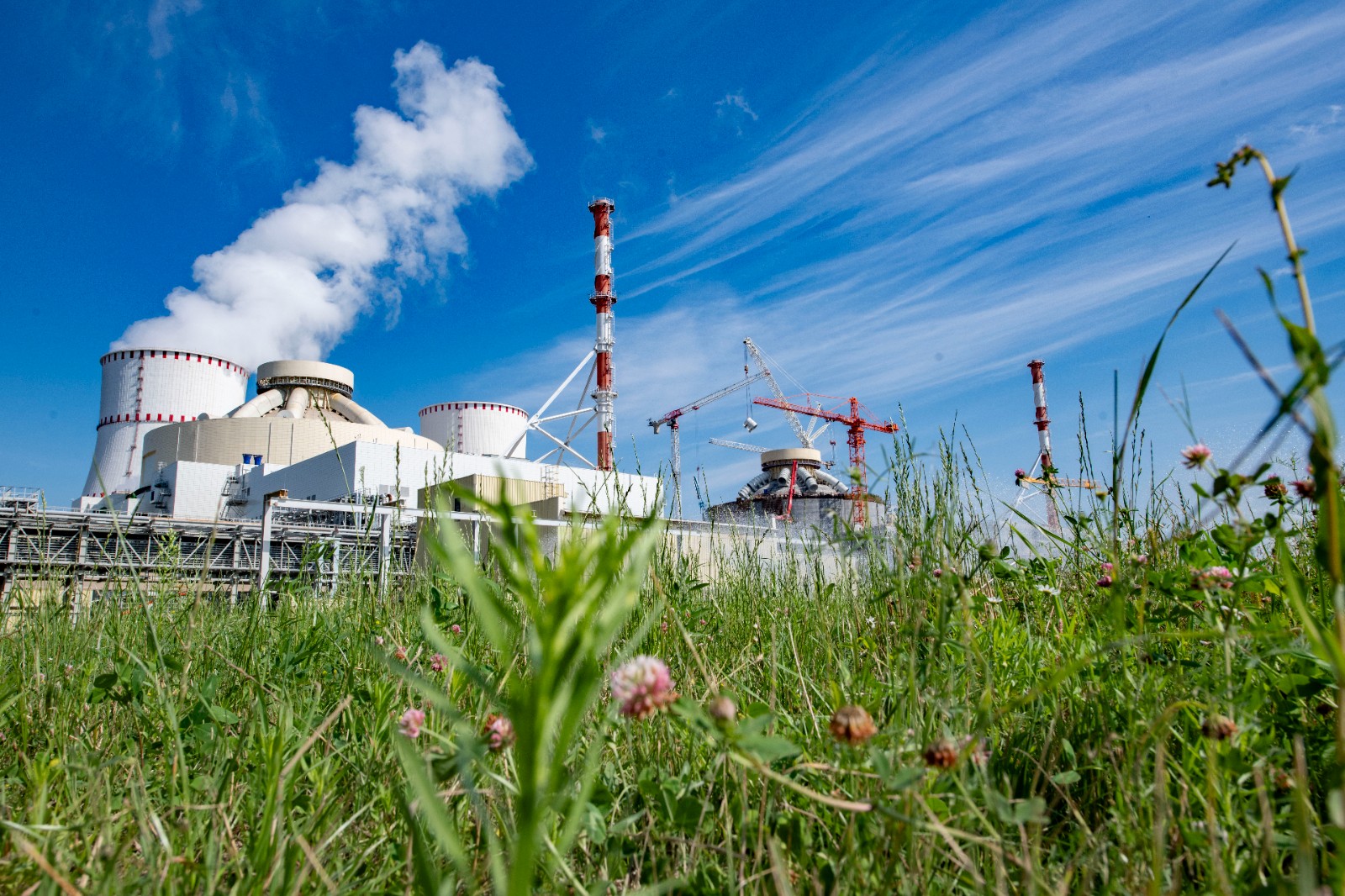
Russian Kursk NPP VVER-TOI Unit Completes Annual Power Generation Plan Ahead of Schedule
The new VVER-TOI unit at Russia's Kursk Nuclear Power Plant has completed its annual power generation plan four months ahead of schedule. As of August 25, the unit had delivered over 4.46 billion kWh to Russia's Unified Energy System, bringing the plant's total generation nearly 50% above the national plan target. The unit is the most powerful innovative VVER-TOI unit under Rosatom, and is a Generation III+ nuclear power unit. According to Kursk NPP, its output is equivalent to approximately two years of electricity demand for the residents of the city of Kursk. The new unit was first connected to the grid on December 31, 2025, and entered the electricity and capacity market on May 1, 2026...
2026-08-26
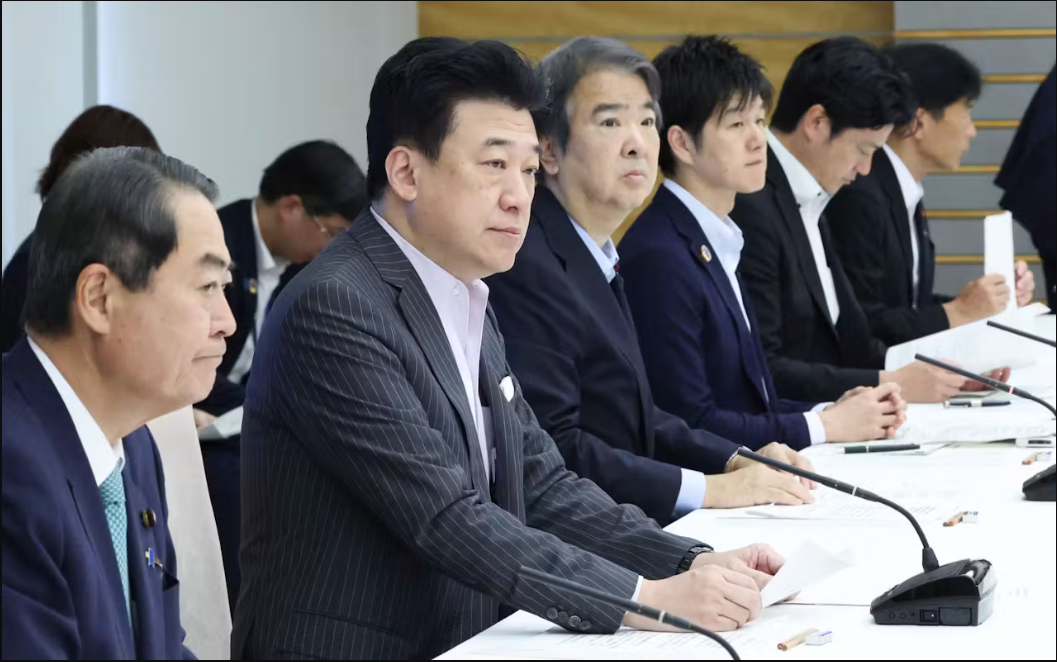
Japan to Use Fukushima Decontaminated Soil at Government Office Buildings in Sendai and Saitama
At a Cabinet meeting held at the Prime Minister's Office on August 25, the Japanese government decided to use decontaminated soil generated from the Tokyo Electric Power Company (TEPCO) Fukushima Daiichi Nuclear Power Station accident for flower beds and other areas at joint government office buildings in Sendai City and Saitama City. This will mark the first use of such recycled soil outside Tokyo. According to the plan, the relevant office buildings will use a total of approximately 2 cubic meters of low-radioactivity "reconstruction recycled soil," with the specific construction schedule still being coordinated. The usage site in Saitama City is located at the government joint office building in the Saitama New Urban Center area, and Sendai City will also implement similar arrangements at its joint government office building. Under Japanese law, soil decontaminated after the Fukushima Daiichi Nuclear Power Station accident must be transported outside Fukushima Prefecture for final disposal by March 2045. The Japanese government hopes that by first using such soil in public facilities, it can promote the final disposal work outside Fukushima Prefecture and enhance public understanding of the safety and necessity of such soil.
2026-08-25
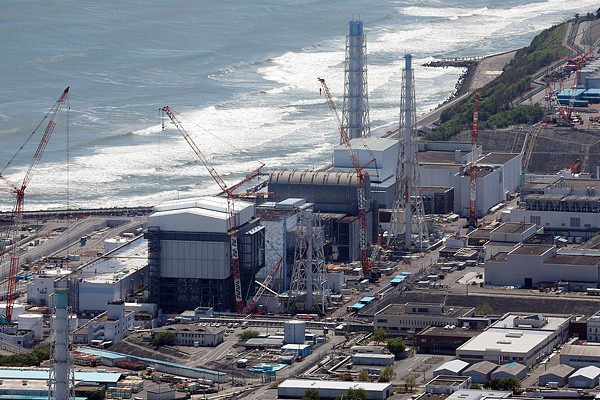
Three Years Since Japan Began Discharging Nuclear-Contaminated Water: Over 170,000 Tons Released Across 22 Rounds
Since August 24, 2023, Japan has been discharging nuclear-contaminated water from the Fukushima Daiichi Nuclear Power Station into the Pacific Ocean. As of August 24, 2026, Japan has completed a total of 22 rounds of discharge, with a cumulative volume of approximately 173,000 tons. It is understood that the volume of water stored in on-site tanks has decreased by about 7% compared to before the discharge began. Tokyo Electric Power Company plans to increase the discharge volume of nuclear-contaminated water starting from the current fiscal year and has set a target to complete the decommissioning of the nuclear power plant by 2051. ...
2026-08-24
Collective Radiation Dose of Workers at Japan's Fukushima Daiichi Nuclear Power Station Ranks Highest Nationwide
Japanese nuclear power plant operators are required to submit radiation management reports to the Nuclear Regulation Authority (NRA) annually, detailing the exposure status of plant workers. According to the relevant 2025 reports, the collective radiation dose of workers at Tokyo Electric Power Company (TEPCO)'s Fukushima Daiichi Nuclear Power Station remains significantly higher than at other Japanese nuclear plants, indicating that the radiological impact from post-accident on-site decommissioning and management work is still ongoing. By collective dose per plant, Fukushima Daiichi recorded 20.97 person-sieverts, the highest in Japan. This figure is nine times the 2.22 person-sieverts reported at Kansai Electric Power's Takahama Nuclear Power Station...
2026-08-24
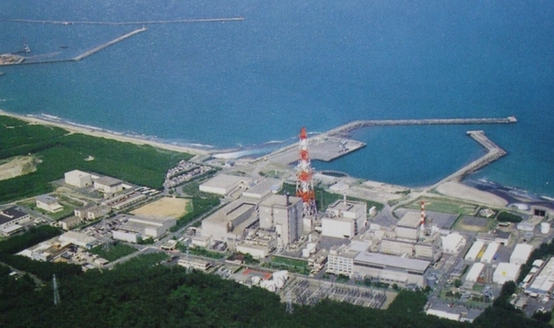
No abnormalities detected at multiple nuclear power plants after earthquake in Ibaraki Prefecture, Japan
At around 2 a.m. on August 23, an earthquake struck the southern part of Ibaraki Prefecture, Japan, with a maximum seismic intensity of 5-lower observed in parts of Ibaraki Prefecture, Tokyo Metropolis, Saitama Prefecture, and Chiba Prefecture. The Japanese government subsequently established a liaison office at the Crisis Management Center of the Prime Minister's Official Residence. Japanese Prime Minister Sanae Takaichi stated that relevant departments have been instructed to verify the damage situation and promptly release accurate information to the public. The earthquake posed no risk of tsunami. Japan Atomic Power Company (JAPC) stated that a seismic intensity of 3 was observed in the area where the Tokai Daini Nuclear Power Plant is located in Tokai Village, Ibaraki Prefecture. The unit is currently shut down, and as of now...
2026-08-24
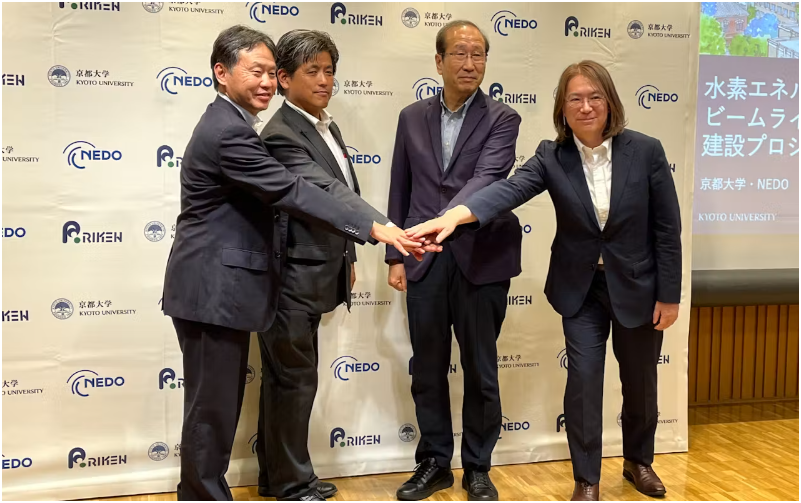
Kyoto University and NEDO to Build Dedicated Beamline for Hydrogen Energy Research at SPring-8-II
Kyoto University announced on August 20 that it will collaborate with the New Energy and Industrial Technology Development Organization (NEDO) to construct dedicated research equipment for the hydrogen energy field at the large synchrotron radiation facility SPring-8-II, located in Sayo Town, Hyogo Prefecture, Japan. SPring-8-II is scheduled to begin operation in fiscal year 2029. On the 20th, Hajime Kitagawa, Executive Director of Kyoto University (2nd from right), attended a press conference held by Kyoto City government officials. According to the plan, the two parties will install a dedicated beamline at the facility, focusing on hydrogen energy-related research such as fuel cells and hydrogen production via water electrolysis. The beamline will be used to analyze key materials including catalysts and electrolyte membranes in fuel cells and water electrolyzers, leveraging synchrotron radiation to observe material reaction processes and help researchers identify the main factors affecting performance and cost.
2026-08-21
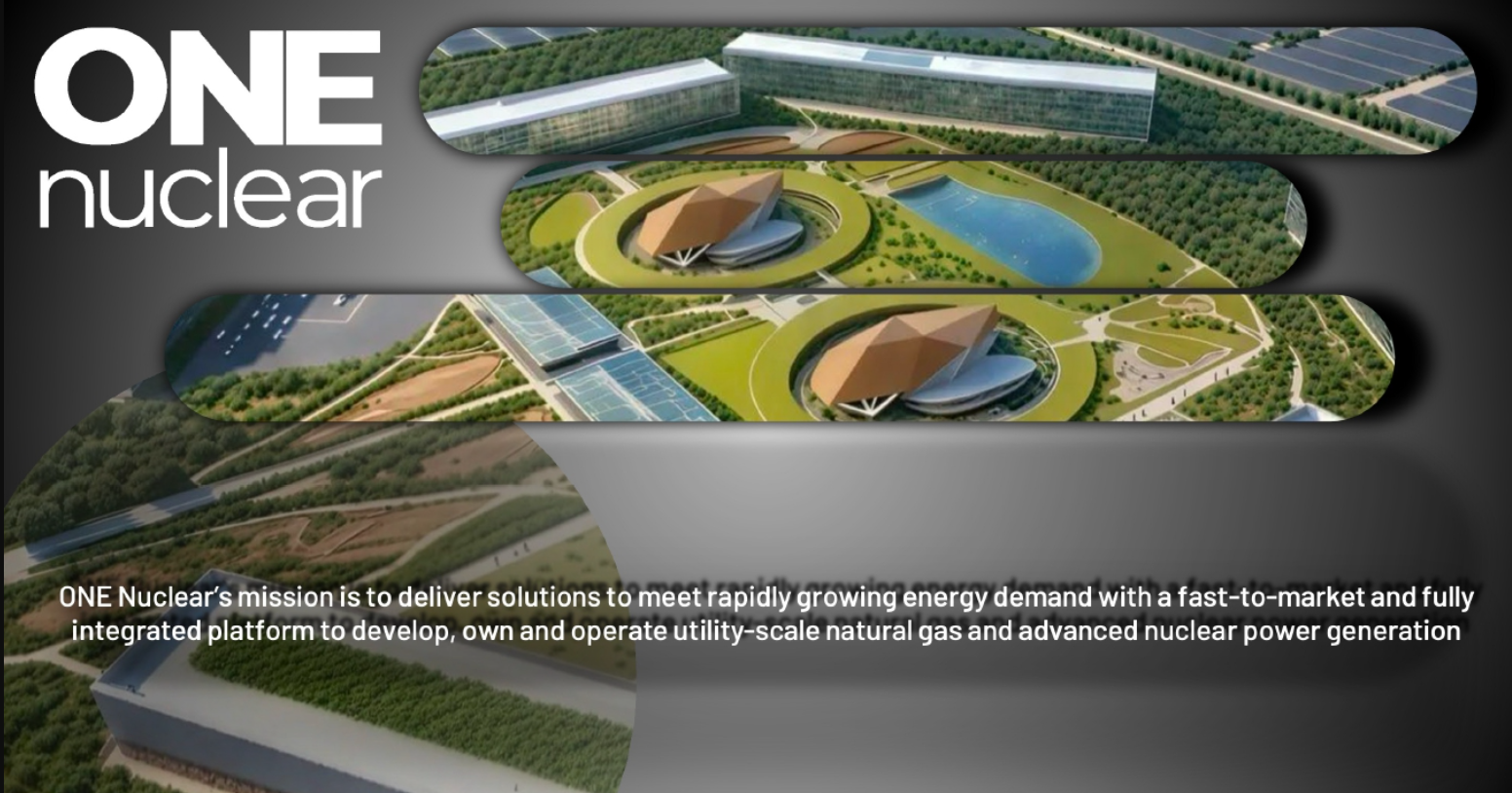
Hennessy Capital VII and ONE Nuclear Advance "Gas-to-Nuclear" Data Center Power Supply Plan
Hennessy Capital Investment Corp. VII and ONE Nuclear recently held a joint investor update to review the latest progress of their proposed business combination and disclosed ONE Nuclear's gas-to-nuclear strategy developed around the power supply needs of hyperscale data centers. According to relevant documents, the S-4 registration statement filed by both parties became effective on August 3, 2026, and Hennessy Capital VII has mailed the final proxy statement to shareholders of record as of July 31, 2026, for a vote on the business combination. ONE Nuclear stated that its business path will begin with behind-the-meter natural gas power generation to provide faster-deployable on-site electricity for data centers...
2026-08-21
Fire alarm triggered for sixth time in August at Japan's Fukushima Daiichi Nuclear Power Station; fire department confirms no fire occurred
At approximately 3:54 a.m. on August 21, a fire alarm was triggered on the first floor of the access control building at the Fukushima Daiichi Nuclear Power Station. Tokyo Electric Power Company (TEPCO) stated that no open flames or smoke were found near the site; shortly after 5:00 a.m., the fire department confirmed that the alarm was not caused by a fire. Readings from radiation monitoring stations around the plant also showed no significant fluctuations. This was the sixth fire alarm at the Fukushima Daiichi Nuclear Power Station since the beginning of August. Previously, the maintenance building for Units 5 and 6 triggered a fire alarm on August 8; the emergency diesel generator room for the high-pressure core spray system of Unit 6 triggered a fire alarm on August 12; the main administration building triggered a fire alarm on August 13...
2026-08-21
Trial lifting of damaged fuel assembly completed at Unit 2 of Japan's Fukushima Daiichi Nuclear Power Station
Tokyo Electric Power Company (TEPCO) announced on August 18 that a trial lifting of a damaged fuel assembly in the spent fuel pool of Unit 2 at the Fukushima Daiichi Nuclear Power Station has been completed. The assembly was damaged in a fall 45 years ago and was subsequently repaired with wire. This trial lifting was conducted to confirm whether it can be safely handled during the subsequent removal operation. A total of 615 fuel assemblies are stored in the Unit 2 fuel pool, including 587 spent fuel assemblies and 28 unused fuel assemblies. The removal work began on June 2, and the fuel assemblies will be transferred to the shared fuel pool within the plant site. As of August 17, 35 fuel assemblies had been removed. Despite interruptions during the operation, Tokyo Electric Power Company...
2026-08-20
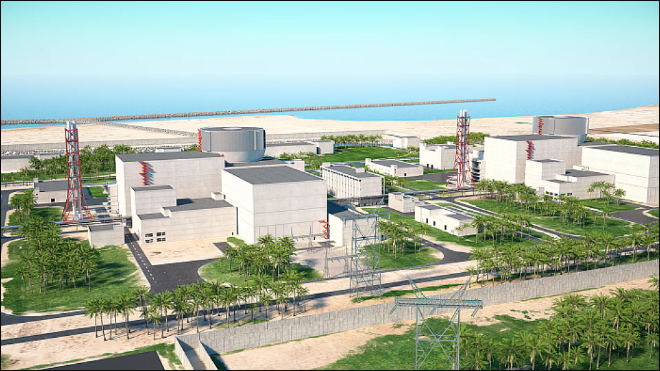
Egypt Clarifies Safety Concerns over Dabaa Nuclear Power Plant: Project Implemented in Accordance with International Nuclear Safety Standards
The Egyptian Cabinet Media Center recently issued a statement responding to questions regarding the application of safety standards during the implementation of the Dabaa Nuclear Power Plant project. The statement said that the circulating content failed to accurately and balancedly reflect the actual situation of the project, and directly extrapolated certain engineering observations into issues of project safety and implementation efficiency, lacking the necessary technical and regulatory context. The Egyptian Nuclear Power Plants Authority stated that the construction of the Dabaa Nuclear Power Plant is proceeding in accordance with international nuclear safety standards, with all civil, engineering, and installation works executed in compliance with international quality requirements and subject to continuous inspections by the Authority's monitoring and supervision teams. Relevant works may only proceed to the implementation phase after completing regulatory procedures and obtaining the necessary approvals from the Egyptian Nuclear and Radiological Regulatory Authority...
2026-08-18