
Search Results
Keyword:II
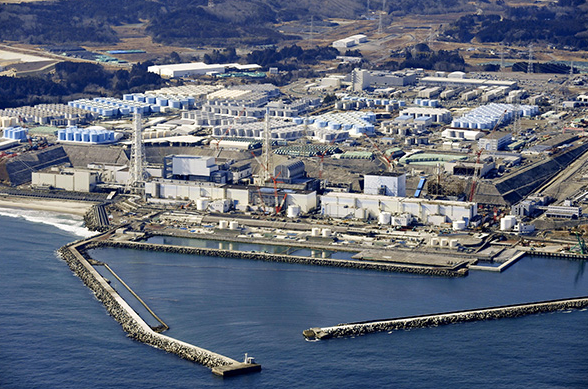
Fire alarms triggered nine times in four weeks at Japan's Fukushima Daiichi Nuclear Power Station
At 21:44 on September 3, a fire alarm was triggered in the water treatment control room building of Japan's Fukushima Daiichi Nuclear Power Station. Tokyo Electric Power Company (TEPCO) stated that no open flames or smoke were found at the scene. After firefighters arrived and conducted inspections, it was confirmed shortly after 22:30 that evening that this was not a fire. TEPCO said it would subsequently inspect the relevant detectors. Including this incident, the Fukushima Daiichi Nuclear Power Station has triggered a total of nine fire alarms in the past four weeks. Previously, on August 8, a fire alarm was triggered in the maintenance building for Units 5 and 6; on August 12, an alarm sounded in the emergency diesel generator room for the high-pressure core spray system of Unit 6; on August 13, an alarm sounded in the main office building; on August 15, an alarm sounded in the southwest stairwell area of the turbine building for Unit 5...
2026-09-04

U.S. PACMAN AI Framework Achieves Millisecond-Level Control of Fusion Plasma
The PACMAN AI framework, developed by researchers at the U.S. Department of Energy's Princeton Plasma Physics Laboratory (PPPL) and Princeton University, has completed five experimental validations in real fusion experimental systems. The framework can complete data processing, state prediction, and control command output in approximately 20 milliseconds, addressing rapidly developing instabilities in fusion plasma. This is an artist's rendition of the PACMAN AI framework for fusion systems. (Illustration credit: Kyle Palmer / PPPL Communications Department) PACMAN stands for Prediction and Control via Machine Learning. Related design and preliminary experimental results have been published in...
2026-09-03
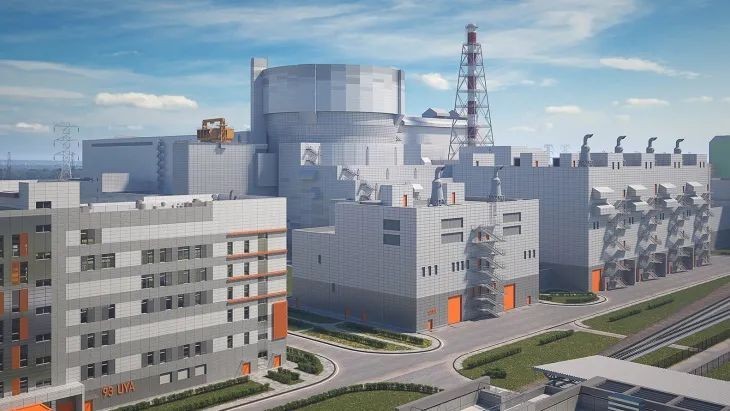
Russia says it has not yet received an invitation for negotiations on Hungary's Paks II nuclear power plant
On September 2, Alexey Likhachev, CEO of Russia's State Atomic Energy Corporation (Rosatom), said during the Eastern Economic Forum in Vladivostok that Rosatom has not yet received an invitation from the Hungarian government for negotiations on the construction project of the Paks II nuclear power plant. Likhachev stated that Rosatom has expressed its willingness to participate in discussions on project parameters in any civilized manner. He noted that the company has always placed the interests of its partners and clients in a position of priority and is prepared to provide explanations and justifications regarding the effectiveness of the project's technical solutions as well as related financial and economic impacts...
2026-09-03
Japan considers expanding reuse of decontaminated soil from Fukushima
Japan's Environment Minister Ishihara stated after a Cabinet meeting on September 1 that the government is considering and coordinating efforts to continue the decontaminated soil reuse project from Fukushima Prefecture at government offices and other locations in other regions, in order to raise public awareness of the relevant systems and safety management approaches. Following the Fukushima Daiichi Nuclear Power Station accident, large volumes of soil removed during decontamination operations in Fukushima Prefecture are currently stored at an interim storage facility within the prefecture. Under Japanese law, this soil must be finally disposed of outside the prefecture by March 2045. To reduce the volume of final disposal, the Japanese government is promoting the reuse of decontaminated soil with lower radiation levels. Late last month, construction work was carried out at national government joint office buildings in Sendai City and Saitama City, with soil for flower beds and other areas delivered to the sites. This marked the first time decontaminated soil was reused at such government facilities outside the Tokyo region.
2026-09-03
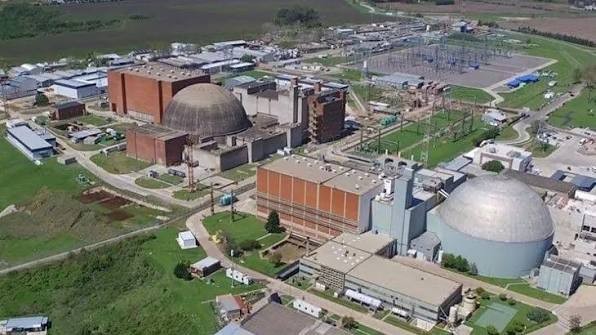
Argentina's Atucha II Nuclear Power Plant Ranks First in National Installed Capacity
Atucha II Nuclear Power Plant is located in Lima, Buenos Aires Province, Argentina, and is part of the Atucha nuclear power plant complex, adjacent to Atucha I, the first nuclear power plant in Latin America. The unit has an installed capacity of 745 megawatts, making it the largest nuclear power unit in Argentina by installed capacity. The recent phase of the Atucha II project's construction process began in 2006, when relevant parties initiated engineering completion work. Unit installation was completed in 2011, followed by a pre-commissioning testing phase during which systems were verified item by item. On June 3, 2014, the Atucha II reactor was first started up. Several weeks later, the plant supplied electricity to Argentina's national grid for the first time, and obtained its commercial operation license in May 2016...
2026-09-02
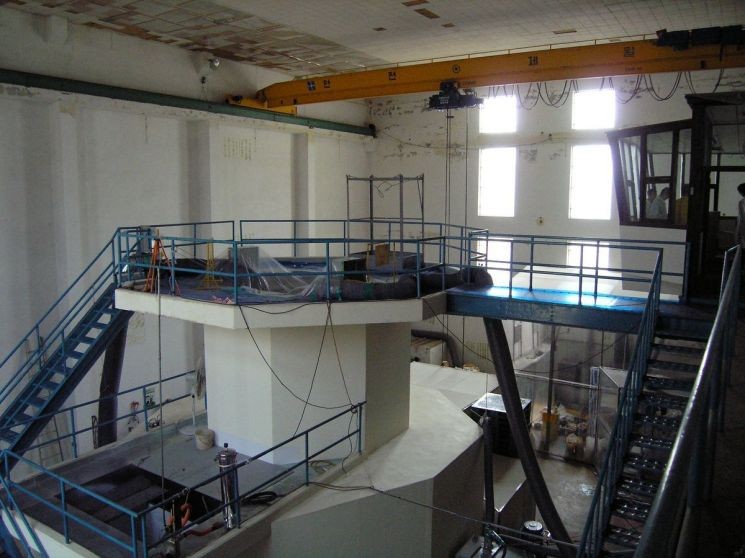
Fourteen academic societies in South Korea call for protection of KRR-1 research reactor auxiliary buildings
On September 1, fourteen academic societies and associations, including the Korean Nuclear Society, issued a statement welcoming the temporary registration of the reactor hall and auxiliary buildings of Research Reactor Unit 1 (KRR-1, TRIGA Mark-II) in Gongneung-dong, Nowon-gu, Seoul, as nationally registered cultural heritage, and urged Korea Electric Power Corporation (KEPCO), the owner of the site and buildings, to promptly submit a formal registration application. Panoramic view of KRR-1, South Korea's first research reactor. Korea National Heritage Administration The Korea National Heritage Administration had placed the KRR-1 reactor hall and auxiliary buildings on the temporary list of nationally registered cultural heritage on July 1 through the emergency measures system, suspending related demolition work. However, if a formal registration application is not submitted by the end of December this year, the temporary listing will lapse and demolition work may resume.
2026-09-01
Japan Plans to Introduce Physical AI into Fukushima Daiichi Nuclear Power Station Decommissioning
The Japanese government and Tokyo Electric Power Company (TEPCO) are preparing to introduce Physical AI technology into the decommissioning operations at the Fukushima Daiichi Nuclear Power Station to enhance the autonomous operational capabilities of robots in high-radiation environments. This technology enables artificial intelligence to autonomously control robots based on on-site conditions, performing tasks such as inspection, data collection, and cleanup. To advance this effort, an advisory organization involving the government, businesses, universities, and research institutions is planned to be established within the year, with discussions centered on technology development, equipment application, and on-site verification. The organization is expected to be led by relevant government ministries and TEPCO, and will include AI startups, robot manufacturers, and university researchers.
2026-09-01

Bayer Presents Phase III Data for Iodine-124 PET Tracer: High Sensitivity Shown in Cardiac Amyloidosis Diagnosis
At the 2026 European Society of Cardiology Congress, Bayer presented results from the Phase III REVEAL study of its investigational PET radiotracer iodine-124 evuzamitide (I-124 evuzamitide). Data showed that the tracer met the study's primary endpoints in diagnostic sensitivity and specificity when used for imaging in patients with suspected cardiac amyloidosis. The REVEAL study, sponsored by Brigham and Women's Hospital, is a multicenter, open-label, single-arm Phase III clinical trial conducted at 18 sites in the United States, enrolling 170 adult patients with suspected cardiac amyloidosis. Following a single intravenous injection of I-124 evuzamitide, subjects underwent cardiac and...
2026-09-01
Fukushima Daiichi Nuclear Power Station begins 23rd discharge of treated nuclear-contaminated water
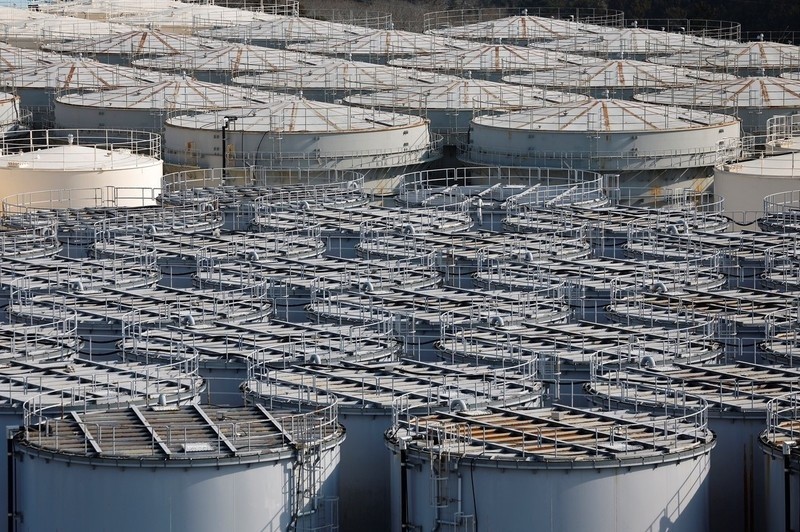
At 11:29 on August 31, Fukushima Daiichi Nuclear Power Station began its fifth discharge of treated nuclear-contaminated water in fiscal year 2026 and the 23rd overall. The operation is scheduled to last 19 days, concluding on September 18, with an estimated discharge of approximately 7,800 tonnes of nuclear-contaminated water diluted with seawater, equivalent to the capacity of about 8 storage tanks. The total tritium content is estimated at approximately 1.2 trillion becquerels. The reactors of Units 1 to 3 at Fukushima Daiichi still contain nuclear fuel that melted and solidified during the accident, known as fuel debris. Groundwater and rainwater that come into contact with this fuel debris form contaminated water. Since the discharge of treated nuclear-contaminated water began in August 2023, Fukushima Daiichi has cumulatively released approximately 173,000 tonnes, equivalent to about 173 storage tanks' capacity.
2026-09-01
Hungary Plans Additional ~EUR 300 Million in Funding for Paks II Nuclear Power Plant
The Hungarian government plans to allocate an additional HUF 111.6 billion, equivalent to approximately EUR 305.5 million, to the Paks II nuclear power plant project. The funds have been included in the draft amendment to the 2026 budget, which is expected to be submitted to the Hungarian Parliament for review. According to the budget document, financial support for the Paks II project through the end of 2026 will increase from HUF 95 billion to HUF 206.6 billion, approximately EUR 565.5 million. Based on relevant calculations, over the past 12 years, the Hungarian government has directly allocated HUF 628.7 billion, exceeding EUR 1.7 billion, to the project; with the inclusion of this budget arrangement, cumulative financial support will exceed EUR 2.2 billion. The Paks II nuclear power plant involves the participation of Russia's State Atomic Energy Corporation (Rosatom)...
2026-08-31
Decontaminated soil from Fukushima used in flower beds at Saitama municipal government building
Decontaminated soil generated after the Fukushima Daiichi Nuclear Power Station accident was transported on August 30 to a government building in Saitama City, Japan, and used in a reuse project for on-site flower beds. The work took place at the Saitama Shintoshin Joint Government Building in Chuo Ward, Saitama City. Approximately one cubic meter of decontaminated soil was brought to the site, where workers dug holes in the flower beds, filled the soil to a depth of about 20 centimeters, and then covered it with approximately 20 centimeters of ordinary soil. Similar decontaminated soil reuse work was carried out on August 29 at the Sendai Joint Government Building in Miyagi Prefecture. Apart from demonstration projects within Fukushima Prefecture, this is the second reuse case conducted outside the Tokyo area. On the day of the work, approximately...
2026-08-31
Japan to Establish New Decontamination Base in Okuma, Fukushima
Japan's Ministry of the Environment has decided to establish a new work base in Okuma Town, Fukushima Prefecture, in the next fiscal year to coordinate decontamination and house demolition work in difficult-to-return zones following the accident at Tokyo Electric Power Company (TEPCO)'s Fukushima Daiichi Nuclear Power Station, aiming to accelerate environmental recovery in the affected areas. Within seven municipalities surrounding the Fukushima Daiichi Nuclear Power Station, approximately 309 square kilometers have been designated as difficult-to-return zones. These areas remain under strict control, with restrictions on residential habitation and entry, and evacuation orders remain in effect. Within the difficult-to-return zones, the Japanese government has established "specified return residential areas" and plans to advance decontamination, house demolition, and other measures based on residents' intentions to return. The proposed new base in Okuma Town will be responsible for on-site management and project coordination, with approximately 30 staff members expected to be assigned, and the relevant branch office currently located in Hirono Town will be relocated to Okuma Town.
2026-08-30
Argentina Advances Testing for Atucha II Spent Fuel Dry Storage Project
Nucleoeléctrica Argentina S.A. is advancing key equipment testing for the spent fuel dry storage facility (ASECG II) at the Atucha II nuclear power plant. This project is a critical supporting infrastructure to ensure the long-term operation of the Atucha II plant. The ongoing tests are part of the verification phase prior to system commissioning, primarily aimed at inspecting and adjusting the operational procedures involved in future operations. Among the key equipment under testing is the gantry crane, which handles the transfer of storage containers within the plant site. The stable performance of this equipment is directly related to the safety and controllability of container movements during spent fuel storage operations. According to the project plan...
2026-08-28
Hole of about 3 meters confirmed at bottom of reactor pressure vessel of Unit 3 at Fukushima Daiichi Nuclear Power Station
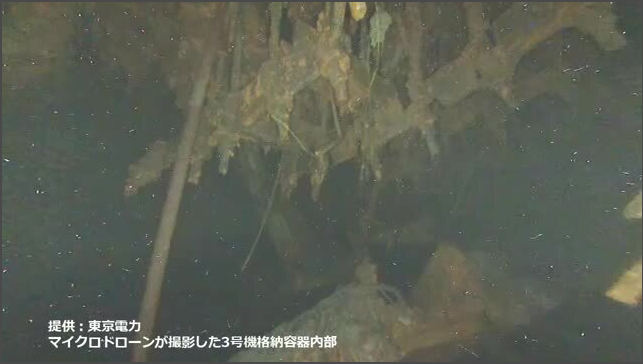
Tokyo Electric Power Company (TEPCO) announced on August 27 that a hole approximately 3 meters in diameter has been confirmed at the bottom of the reactor pressure vessel of Unit 3 at the Fukushima Daiichi Nuclear Power Station. The pressure vessel is a steel container that held nuclear fuel before the accident, with a cylindrical shape and a diameter of about 5.5 meters. This is the first time since the core meltdown accident at Units 1 to 3 of the Fukushima Daiichi Nuclear Power Station in 2011 that the specific size and shape of such a hole have been confirmed on the pressure vessel. The hole is believed to be related to the falling of melted nuclear fuel during the 2011 accident. After the accident, the containment vessel of Unit 3 has maintained a relatively high water level for an extended period, and access routes into the containment vessel are limited. TEPCO previously used a micro drone measuring approximately 12 centimeters per side...
2026-08-28
German BESSY II Research Reveals: Cesium Chloride Seed Layer Can Improve Quality of Perovskite-Silicon Tandem Solar Cells
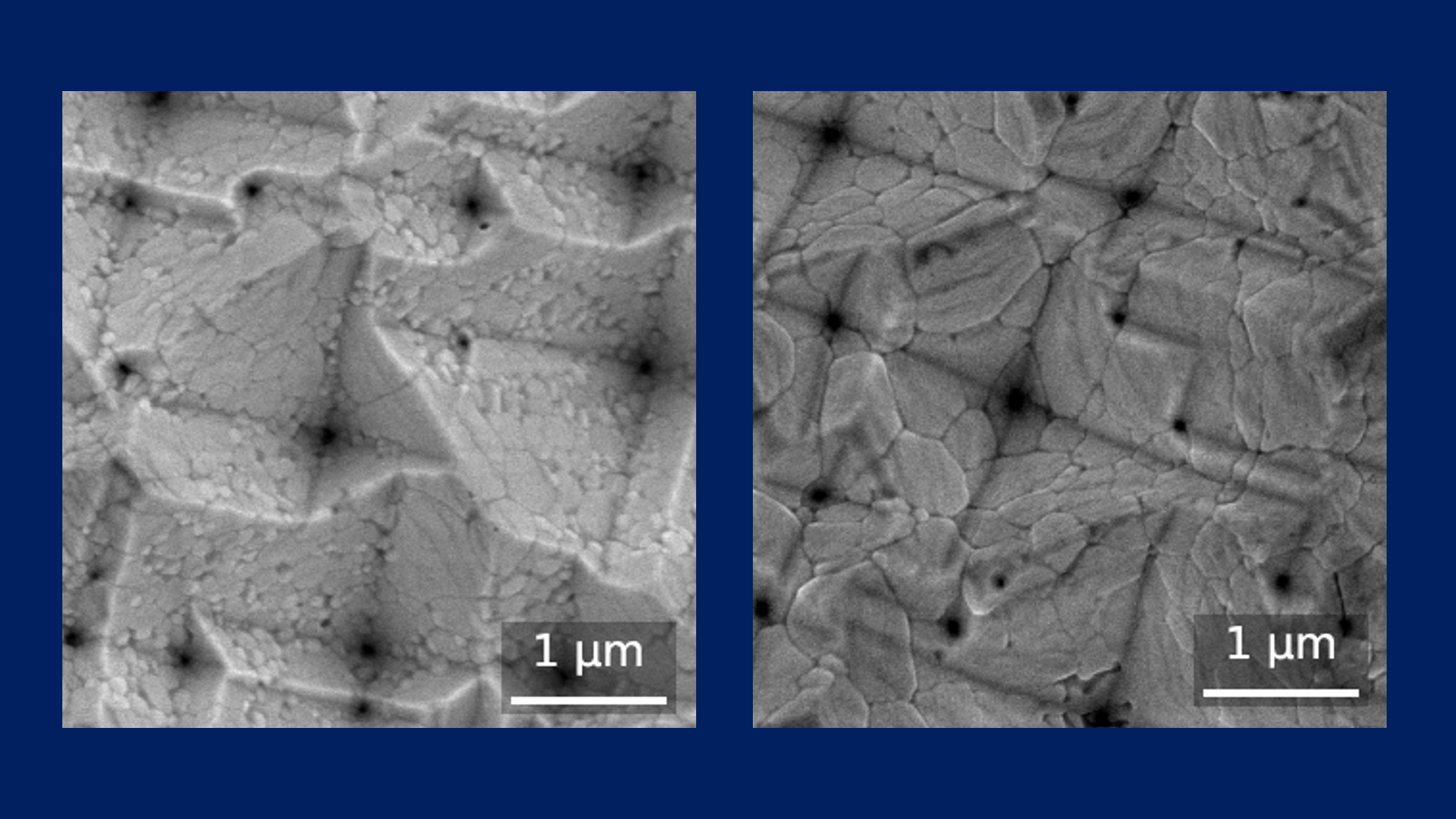
A team from the Helmholtz-Zentrum Berlin (HZB) in Germany used the BESSY II synchrotron radiation facility to conduct nanoscale analysis of perovskite-silicon tandem solar cells fabricated by evaporation methods, and proposed a new approach to improve the quality of perovskite thin films. The study shows that introducing a thin cesium chloride (CsCl) seed layer between the two sub-cells promotes uniform growth of the perovskite layer while reducing undesirable lead iodide deposition at the interface. The research demonstrates that the cesium chloride seed layer improves the growth of the evaporated perovskite layer and reduces the formation of lead iodide. Scanning electron microscopy images show that the perovskite layer grown without a seed layer (left image) consists of extremely fine crystallites...
2026-08-27