
Search Results
Keyword:II
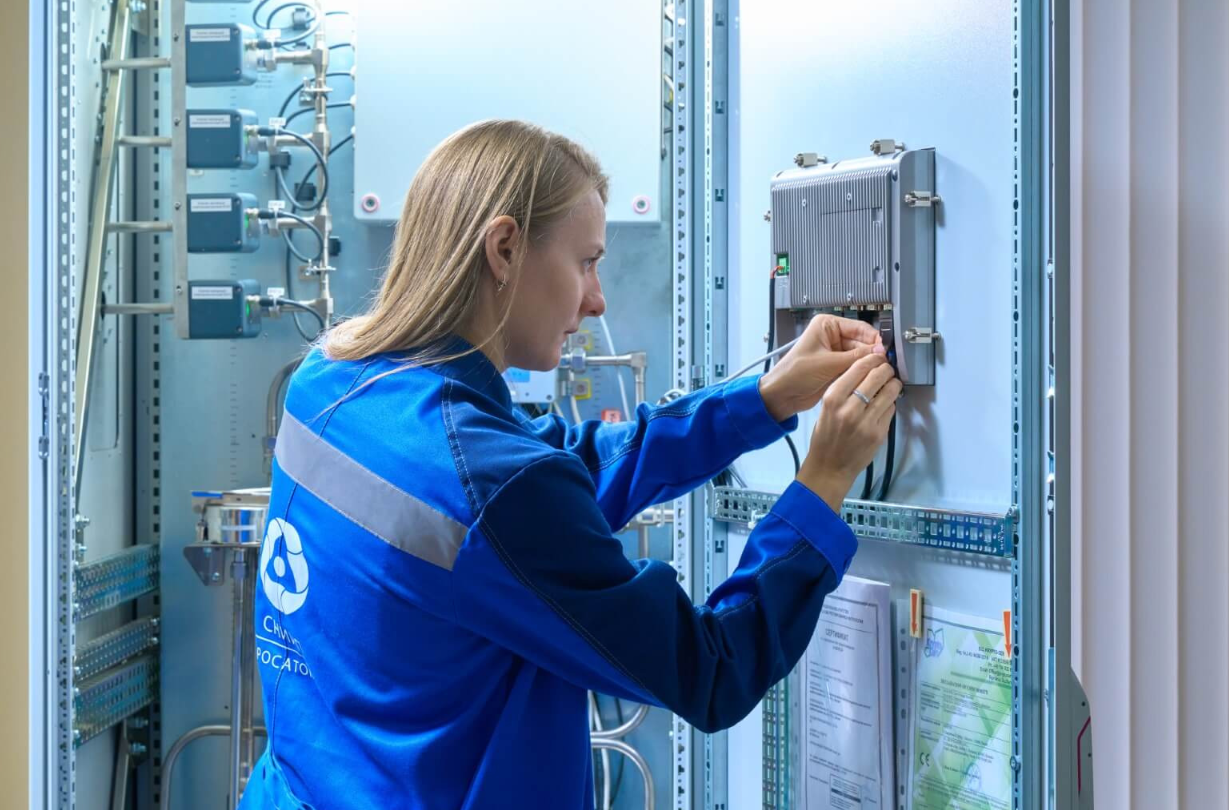
Rosatom selects SNIIP as chief design organization for radiation control systems, overseeing standardization of radiological instrumentation and import substitution assurance at nuclear facilities
Rosatom has selected the Research Institute of Scientific Instruments (SNIIP) as the chief design organization for radiation control systems. The institute, which is part of Rosatom's automation control and electrical equipment division, has been granted this status for a range of similar products in radiation control equipment and systems, including automated radiation control systems and radiation environment monitoring. SNIIP's status as chief design organization means it will be responsible for ensuring Russia's technological autonomy in this field and for developing radiation control instruments and systems. SNIIP General Director Alexey Nikitin stated that this recognition is a testament to the years of work, experience, and professional expertise of the institute's employees...
2026-08-06
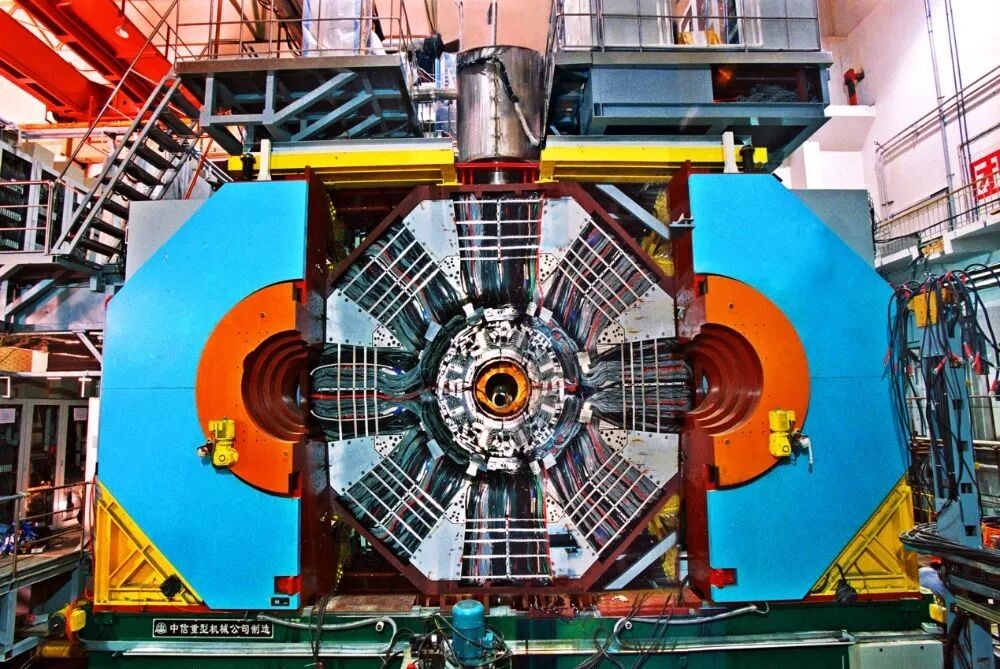
BESIII Experiment First Confirms the Existence of Glueballs
On August 6, Beijing time, the international collaboration of the Beijing Spectrometer III experiment (BESIII) at the Beijing Electron-Positron Collider announced at the International Conference on High Energy Physics (ICHEP 2026) held in Brazil, in the form of a special plenary report: after 15 years of sustained research, the BESIII experiment has established a complete chain of evidence proving the existence of glueballs, unraveling the mystery that has puzzled the academic community for nearly half a century. This discovery not only provides a decisive validation of the theory of quantum chromodynamics, but also demonstrates the existence of a completely new form of matter—matter composed purely of force. Atomic nuclei are composed of protons and neutrons, which in turn are composed of quarks. Gluons mediate the strong interaction between quarks...
2026-08-06
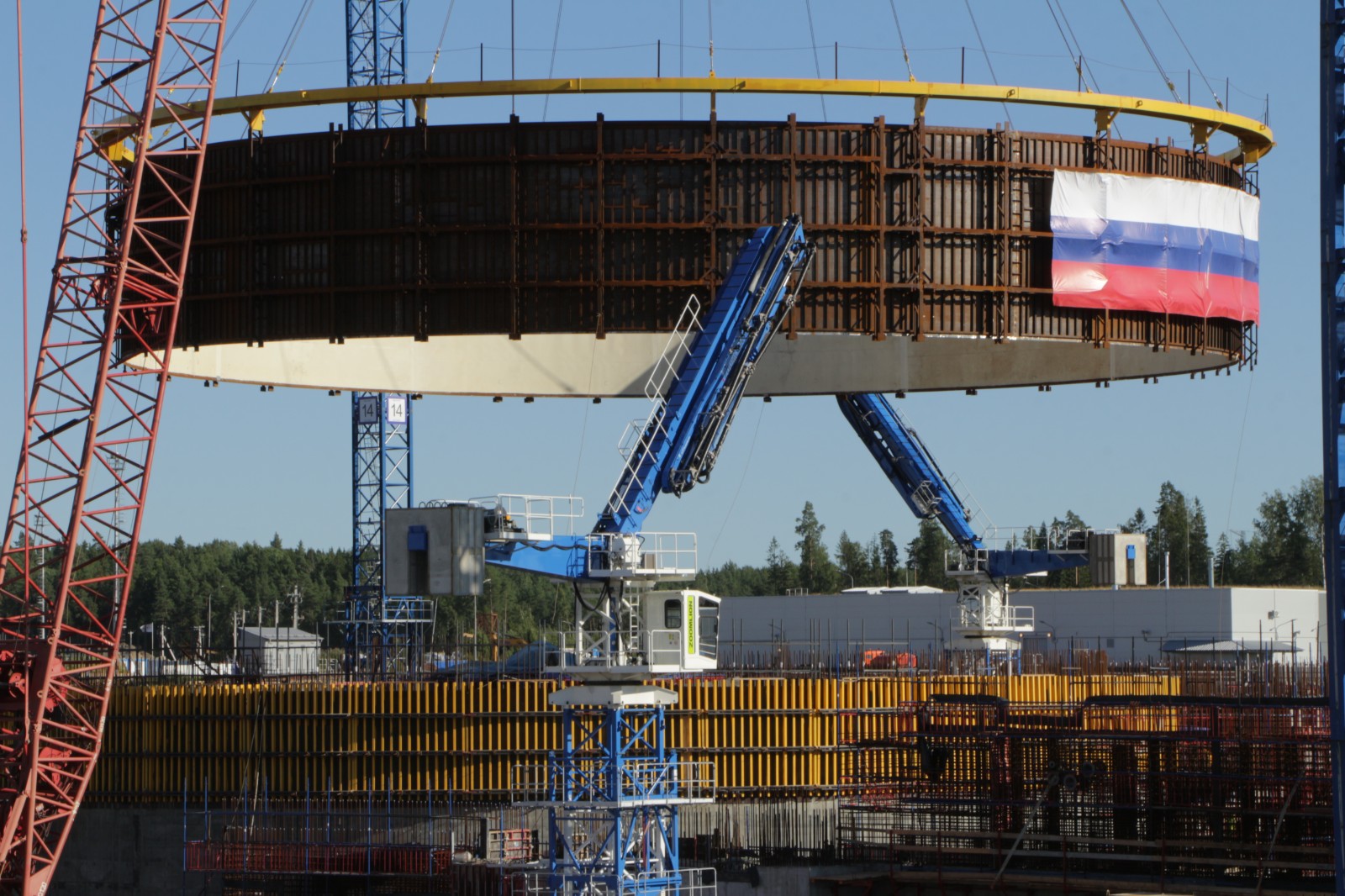
Construction of inner containment begins at Unit 4 of Leningrad Nuclear Power Plant II
Construction of the inner containment of the reactor building at Unit 4 of the Leningrad Nuclear Power Plant II in Russia has commenced. The unit features a VVER-1200 reactor, and the inner containment is a key component of the unit's passive safety system, as well as part of the plant's confinement safety system. Construction workers have installed the first tier of vertical sealed steel liner to its design position. The steel structure weighs approximately 97 tonnes, and the lifting and positioning operations were carried out using a heavy crawler crane, with the entire installation process lasting about 7 hours. The contractor, TITAN-2 Holding Company, stated that the preparatory work took several months, including component fabrication, protective coating application, on-site assembly and welding, and structural quality inspection...
2026-08-06
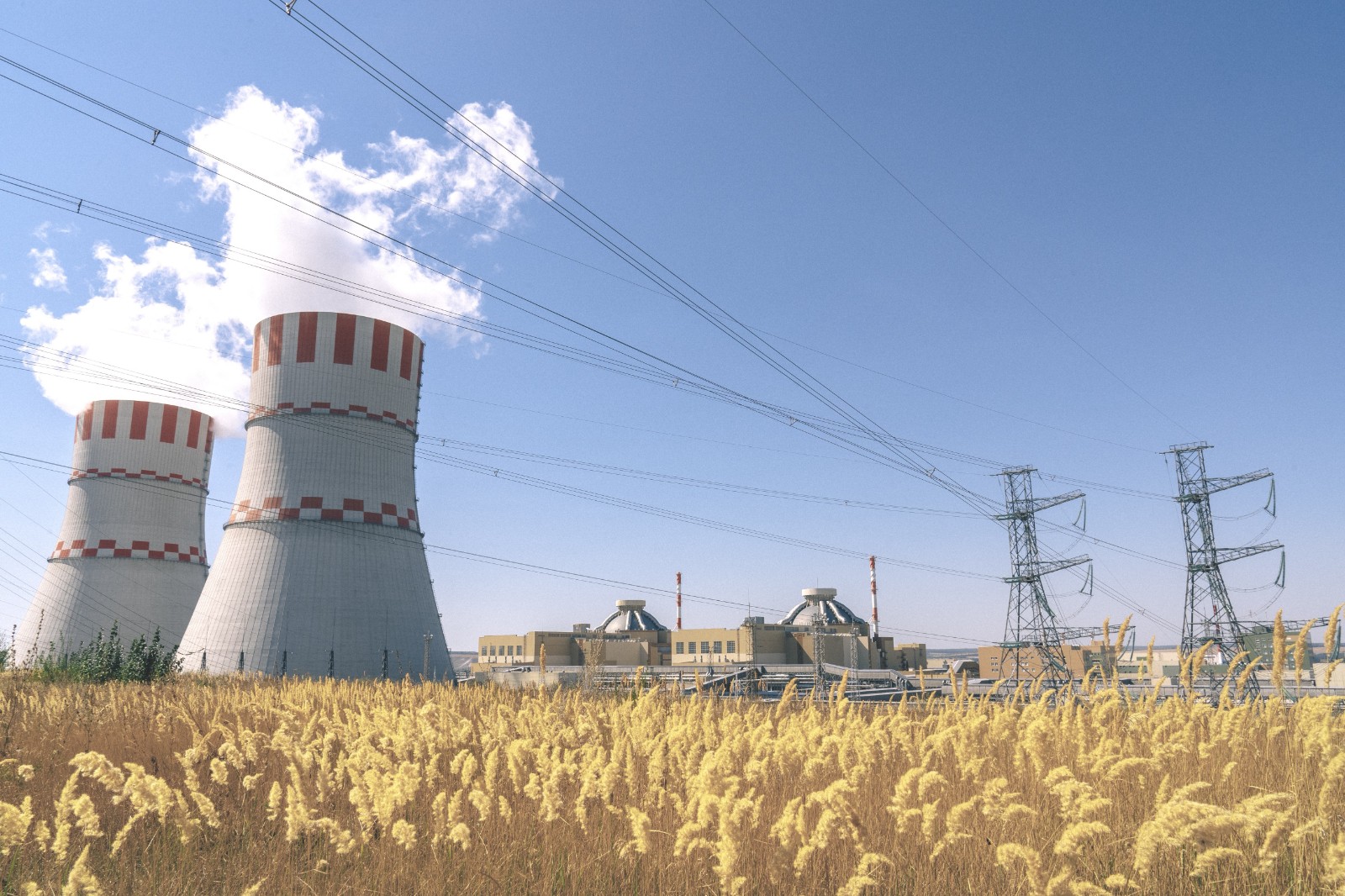
Novovoronezh NPP Unit 6 Exceeds 79 Billion kWh in a Decade of Operation
Since Unit 6 of Russia's Novovoronezh Nuclear Power Plant was first connected to the grid in 2016, it has delivered over 79 billion kWh of electricity to the Unified Energy System of Russia. The unit is the world's first Generation III+ nuclear power unit equipped with a VVER-1200 reactor, and also the first new nuclear unit built from scratch in Russia under the NPP-2006 project. The Novovoronezh NPP currently operates four units, namely Units 4, 5, 6, and 7. Unit 6 accounts for 31.2% of the plant's total electricity generation from operating units. The unit entered commercial operation in February 2017. Its construction began in 2007, with about 200 contracting organizations involved in the project. Russia...
2026-08-06
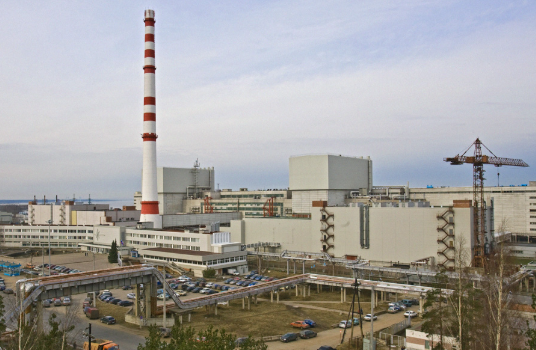
Moscow Cable Company Shield to Supply 4 km of Busbar Trunking for Units 3 and 4 of Leningrad NPP Phase II
Moscow Cable Company (Shield) will supply four kilometers of transmission lines for the Leningrad Nuclear Power Plant. The company will manufacture 10 kV and 24 kV generator voltage transmission lines for Units 3 and 4 of Leningrad NPP Phase II. These transmission lines meet the highest reliability and safety requirements of the nuclear industry and are equipped with current transformers and voltage transformers produced by Cable Shield Company. The transmission lines will be manufactured at the enterprise in the city of Kovrov, where new production capacity for cable trays was built last year. Currently, the plant's annual production capacity reaches 12,000 meters of cable trays. According to statistics, over 400,000 meters of transmission lines produced by the company have been put into operation...
2026-08-04

IIT Hyderabad launches nuclear technology training programme
The Indian Institute of Technology Hyderabad (IIT Hyderabad), in collaboration with Pune-based technology company Crimson Energy Experts Pvt. Ltd. (CEEPL), has launched a three-month full-time residential training programme to train engineers and industry professionals for India's expanding civil nuclear energy sector. The programme, named Anugyan-Nuclear Technology Orientation Programme (NTOP), is described as India's first industry-academia collaborative initiative dedicated specifically to engineering talent development in the nuclear energy sector, with a focus on bridging the gap between academic curricula and nuclear industry engineering practice.
2026-08-04
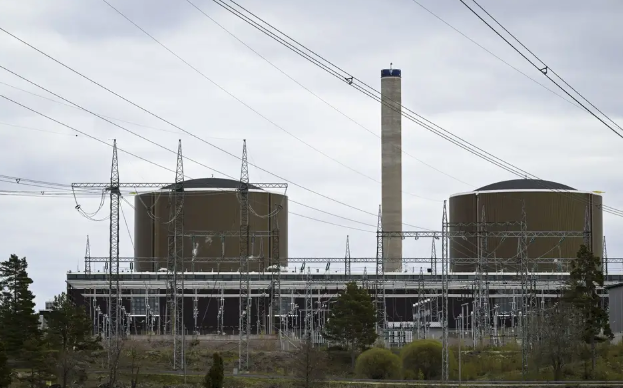
Annual maintenance outage begins at Finland's Loviisa nuclear power plant, spanning August 2 to October 18
The annual maintenance of Finland's Loviisa nuclear power plant began on August 2. Energy company Fortum stated that this annual maintenance will be carried out from August 2 to October 18. During the maintenance period, several modernization projects related to extending the plant's service life will also be launched. The maintenance will first be carried out on Unit 2, followed by Unit 1. Fortum stated that while one unit is under maintenance, the other unit will continue normal power generation. The maintenance of Unit 2 is a large-scale annual inspection conducted once every eight years, which includes removing fuel from the reactor for inspection and pressure testing of the reactor vessel, as well as replacing...
2026-08-03
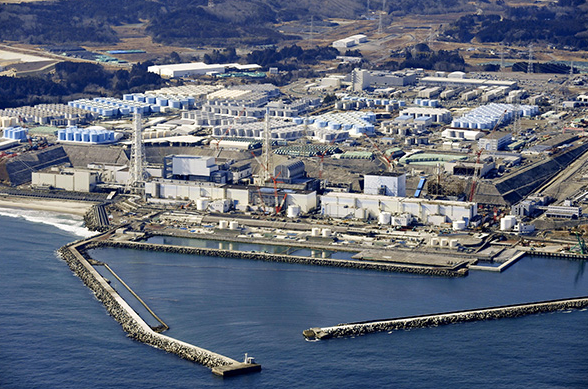
Nitrogen Supply Unit at Fukushima Daiichi Nuclear Power Station Resumes Operation After Malfunction
Tokyo Electric Power Company (TEPCO) reported on August 1 that a reactor nitrogen supply unit at the Fukushima Daiichi Nuclear Power Station malfunctioned that day, but was subsequently repaired and resumed gas supply. The company stated that during the malfunction, no significant fluctuations were observed in hydrogen concentrations inside the reactors of Units 1 to 3 or in surrounding radiation monitoring data, and no risk of hydrogen explosion was confirmed. The reactor containments and pressure vessels of Units 1 to 3 at the Fukushima Daiichi Nuclear Power Station require continuous nitrogen injection to suppress hydrogen accumulation resulting from radiolysis of water. If hydrogen concentrations exceed a certain level, the risk of hydrogen explosion may increase. According to TEPCO, at 11:14 a.m. on August 1, a worker...
2026-08-03
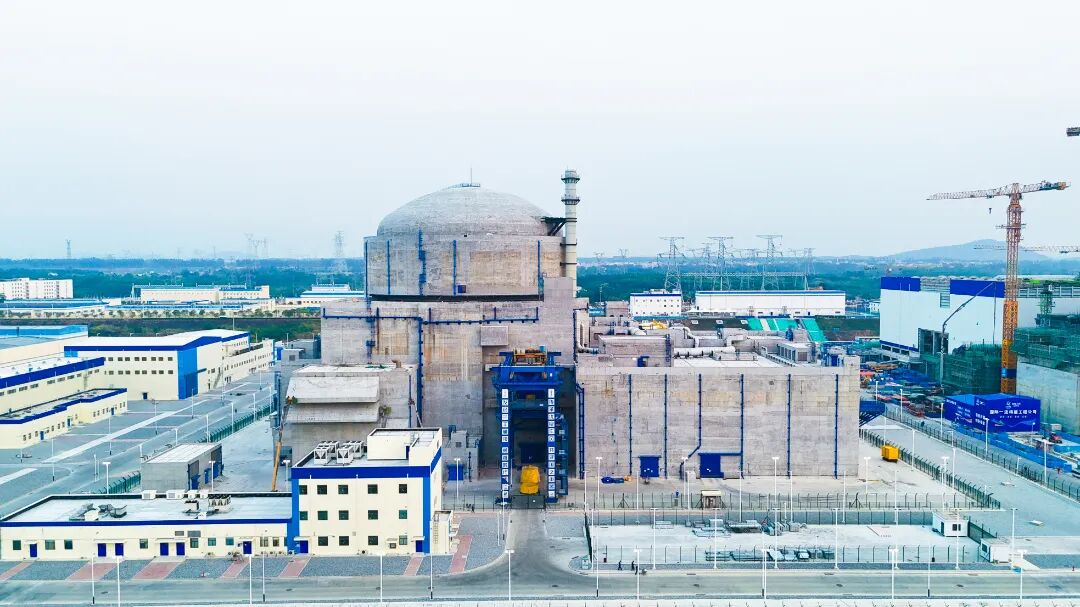
Unit 3 of the Huaneng Changjiang Nuclear Power Phase II project—Hainan Province's first "Hualong One" nuclear power project—has been connected to the grid and is generating electricity
On August 1, Unit 3 of the Huaneng Changjiang Nuclear Power Phase II Project, the first large-scale pressurized water reactor nuclear power project under controlling construction by China Huaneng Group Co., Ltd. and the first "Hualong One" nuclear power project in Hainan Province, was connected to the grid, generating Huaneng's first kilowatt-hour of pressurized water reactor nuclear power. This marks that the unit has officially gained the capability to transmit power to the grid, taking a key step toward the goal of commercial operation. The project plans to build two 1.2-million-kilowatt nuclear power units, equipped with China's independently developed third-generation pressurized water reactor nuclear power technology, the "Hualong One." It vigorously promotes the independent design of nuclear power and the localization of equipment manufacturing, and adopts a safety design concept combining active and passive systems, which can significantly improve the reliability and safety of the nuclear power plant. ...
2026-08-03
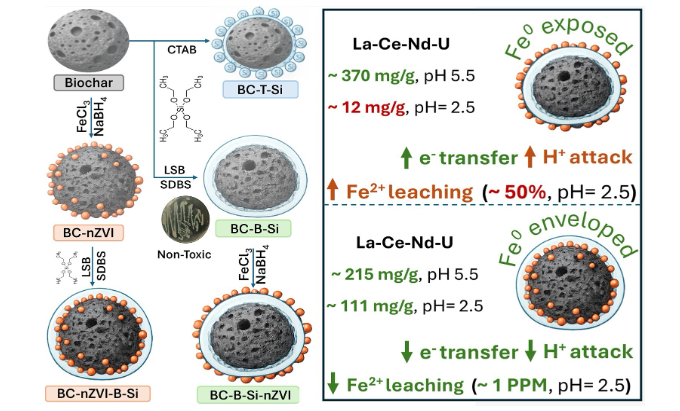
IIT Develops Novel Nanomaterial for Efficient Recovery of Rare Earth and Uranium Resources
Researchers at the Indian Institute of Technology Roorkee have developed an acid-resistant magnetic nanocomposite capable of recovering uranium and rare earth elements from acidic leach solutions. The material consists of core active nanoparticles encapsulated in a protective silica layer, enabling efficient absorption and extraction of these valuable resources in complex acidic aqueous media. By synthesizing the silica shell using biocompatible reagents, the researchers not only enhanced the material's corrosion resistance but also made it safer and more environmentally friendly. This novel nanocomposite demonstrated exceptional performance in laboratory tests, recovering up to 370 grams of uranium and rare earth elements per kilogram of material. It can operate effectively not only under conditions such as natural groundwater...
2026-08-01
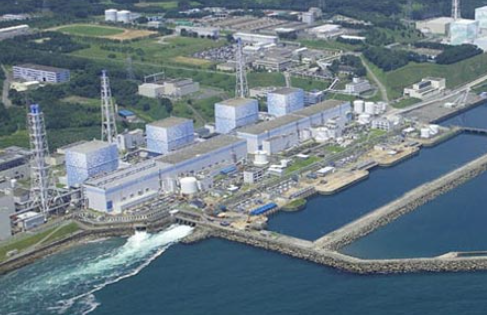
Japan's Fukushima Daiichi Nuclear Power Station launches 22nd release of radioactive wastewater into the ocean, approximately 7,800 tons this time
On the morning of July 30, 2026, Tokyo Electric Power Company (TEPCO) initiated a new round of nuclear-contaminated water discharge into the ocean at the Fukushima Daiichi Nuclear Power Station. This marks the 4th release within 2026 and the 22nd since the discharge plan began in August 2023. According to data released by TEPCO, this discharge is expected to continue until the 17th of next month, with a total volume of approximately 7,800 tons. The total amount of radioactive substance tritium contained therein is as high as approximately 1.3 trillion becquerels. Prior to this, Japan had conducted a total of 21 rounds of radioactive wastewater discharge by the 24th of this month, with a cumulative discharge volume reaching approximately 165,000 tons. This action continues to draw attention and concern from neighboring countries and the international community. This time...
2026-07-31
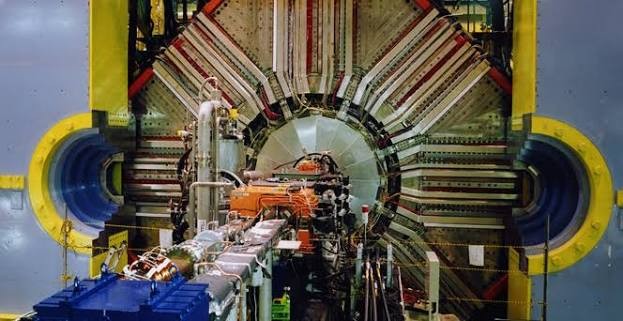
Russian researchers detect anomalous signs in bottomonium states using Belle II experiment data
The Budker Institute of Nuclear Physics of the Siberian Branch of the Russian Academy of Sciences recently announced that Russian researchers have detected anomalous phenomena in the analysis of data from the international Belle II experiment, indicating that the structure of certain excited states of bottomonium may be more complex than predicted by traditional models. Bottomonium is a class of unstable heavy particles composed of a bottom quark and an anti-bottom quark. Yevgeny Kovalenko, a young researcher at the Budker Institute of Nuclear Physics of the Siberian Branch of the Russian Academy of Sciences, stated that analysis of Belle II experiment data suggests that certain excited states of bottomonium may contain lighter quark components. In other words, these particles in specific states may not simply be plain bottom quark–anti-bottom quark combinations.
2026-07-31
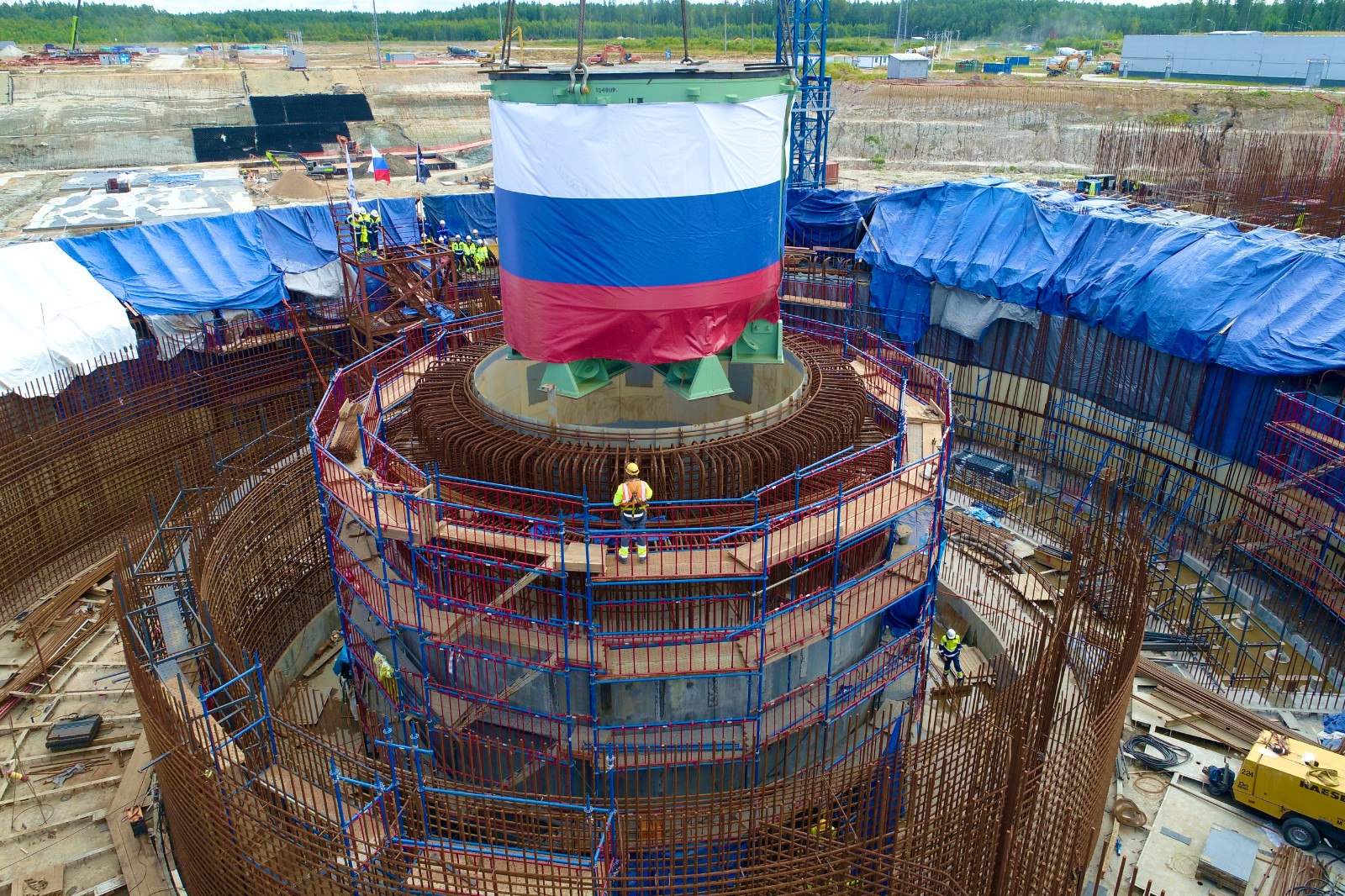
Unit 4 of Leningrad NPP Phase II completes installation of first major equipment
Unit 4 of Russia's Leningrad NPP Phase II recently completed the installation of the core melt catcher vessel. This is the first major equipment of the unit to enter the installation stage, and also the first passive safety system equipment to be installed. The steel structure weighs 157 tonnes, and the installation was carried out using a heavy crawler crane, taking about one work shift of approximately 8 hours, nearly 3 months ahead of the original schedule. Valery Zhemchugov, Acting Director of Leningrad NPP, stated that the installation of the core melt catcher vessel is a key milestone in the construction of Unit 4, a VVER-1200 pressurized water reactor unit, and that the relevant work was completed in accordance with quality requirements, providing more time for subsequent reactor building civil and installation works.
2026-07-31
Third fuel debris retrieval test at Fukushima Daiichi Unit 2 postponed due to robotic arm malfunction
The robot used by Tokyo Electric Power Company (TEPCO) for the third experimental fuel debris retrieval at Fukushima Daiichi Nuclear Power Station Unit 2 malfunctioned during an on-site operational test, forcing the cancellation of the plan originally scheduled to start after July 2026 if all went well. The company stated it will reassess the relevant procedures. The malfunction occurred in part of the large robotic arm equipment used to collect fuel debris. During an operational test in the reactor building of Unit 2, TEPCO found an abnormality in one of the motors driving the robotic arm, causing the brake to fail to release and the arm to be unable to extend. The company is currently studying the replacement of the faulty motor. The third experimental retrieval plan was to use a large robotic arm...
2026-07-31

U.S. Confirms Order for Nine Virginia-Class Block VI Nuclear Submarines
The U.S. Department of Defense has confirmed that it has signed a contract modification agreement with General Dynamics Electric Boat to order nine Virginia-class Block VI multi-purpose nuclear-powered submarines. The statement said the contract is an incentive-based modification, and the submarines will be used by the U.S. Navy. Despite delays in General Dynamics' previous orders, both parties have moved forward with this new contract. On July 15, U.S. President Donald Trump had asked the company's management to accelerate the construction progress of U.S. Navy submarines. In addition to the Virginia-class submarines, the U.S. Department of Defense has also ordered five Columbia-class Type II ballistic missile nuclear submarines from Newport News Shipbuilding. Under the contract arrangement, related work is expected to be completed before July 2038...
2026-07-31