
Search Results
Keyword:MAN

German BESSY II 3D Magnetic Field Experiments Reveal Mechanism of Weak Magnetic Field Control over Magnetic Textures
A team at the Helmholtz-Zentrum Berlin (HZB) in Germany has made progress in controlling magnetic textures in the magnetic material (Fe0.63Ni0.3Pd0.07)3P (abbreviated as FNPP) through 3D magnetic field experiments conducted at the BESSY II synchrotron facility. The research shows that a very small external in-plane magnetic field is sufficient to alter the magnetic stripe structure in this material, providing new experimental evidence for the development of functional magnetic materials for spintronics. FNPP is a magnetic material that exhibits complex magnetic structures at room temperature, making it a focus of spintronics research. Spintronics is considered promising for lower-energy data processing and novel data storage applications. However, to achieve practical applications, the key lies in...
2026-09-08
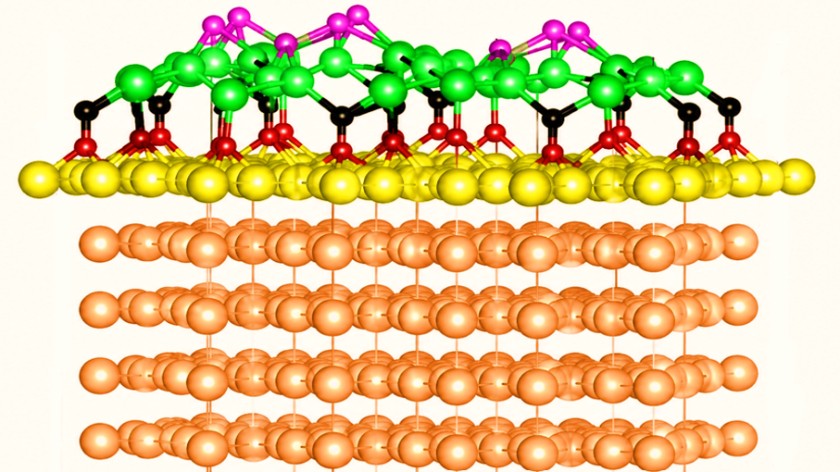
BESSY II reveals early-stage copper oxidation: providing evidence for catalyst development and corrosion research on nuclear waste final disposal containers
Germany's BESSY II synchrotron facility has recently provided new experimental insights into the early-stage oxidation process of copper surfaces. The study shows that before the formation of pure copper oxides, copper and oxygen atoms first form complex surface superstructures, such as "29"CuₓO. The chemical state of such structures has long been debated, and the findings are of reference value for catalyst research as well as for corrosion protection studies of copper containers used for radioactive waste final disposal. Before the formation of pure copper oxide, complex superstructures composed of copper and oxygen atoms emerge—such as "29"CuxO. HZB In everyday environments, copper surfaces gradually lose their red metallic luster and form a greenish oxide layer. This layer structure can slow further corrosion over an extended period. Regarding the initial stages of this process, the core question researchers focus on is: to what extent are copper atoms actually oxidized once oxygen enters the copper surface. Since conventional spectroscopic methods struggle to clearly distinguish between pure copper and partially oxidized surfaces, such oxidation states have previously been difficult to determine directly.
2026-09-07
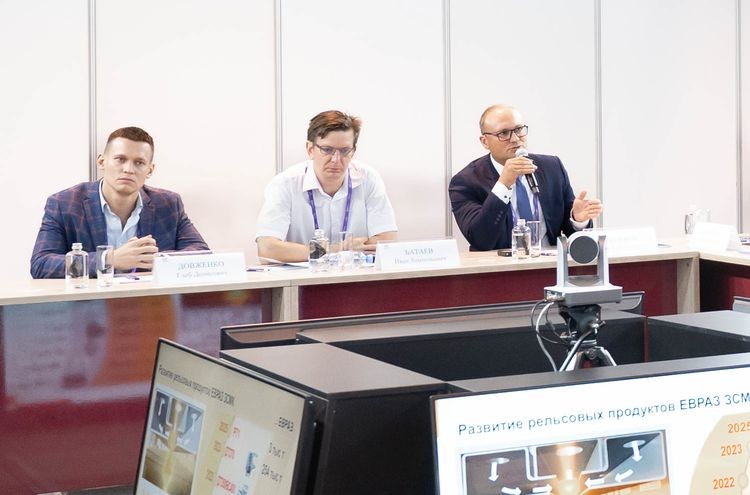
Russia's EVRAZ Plans to Develop High-Performance Railway Rails Using SKIF Synchrotron Radiation Platform
Russian railway infrastructure component manufacturer EVRAZ PJSC plans to cooperate with the SKIF Collective Use Center to develop new alloys and high-performance rails using synchrotron radiation experimental capabilities, aiming to improve the mechanical properties and operational reliability of rails. At a roundtable discussion on "Development of New Structural and Tool Materials and Mechanical Engineering Technologies Using Synchrotron Radiation" held during the Technoprom 2026 forum, participating experts discussed the application prospects of the SKIF Collective Use Center in the development of high-quality rolled metal products. EVRAZ stated that Russia's railway operating environment is complex, with long line distances, numerous mountain routes, prominent low-temperature conditions, coupled with growing freight volumes, placing higher demands on steel materials...
2026-09-07
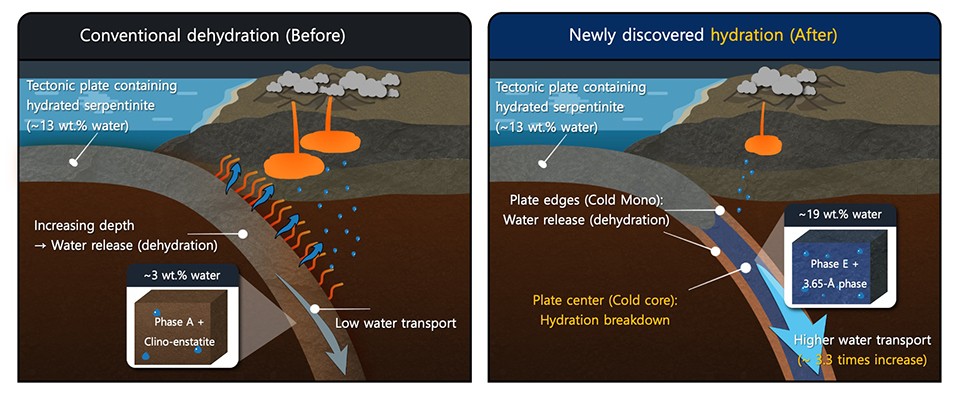
South Korean research team reveals that water storage capacity of cold subducting slabs has been underestimated using synchrotron radiation sources
A research team led by Professor Yongjae Lee of the Department of Earth System Sciences at Yonsei University in South Korea has recently found that in cold, rapidly descending tectonic subduction zones, crustal rocks may transport up to 1 trillion kilograms of water to the mantle each year—approximately twice the previous estimate. The findings have been published in Nature Communications. Subduction zones are regions where Earth's tectonic plates converge and one plate descends beneath another, often accompanied by volcanic and seismic activity. For a long time, the academic community has generally believed that serpentinite, a water-bearing rock, gradually dehydrates as it descends with the plate due to increasing pressure and temperature, and the released water further promotes melting of the overlying plate and is associated with the formation of volcanic arc chains.
2026-09-07
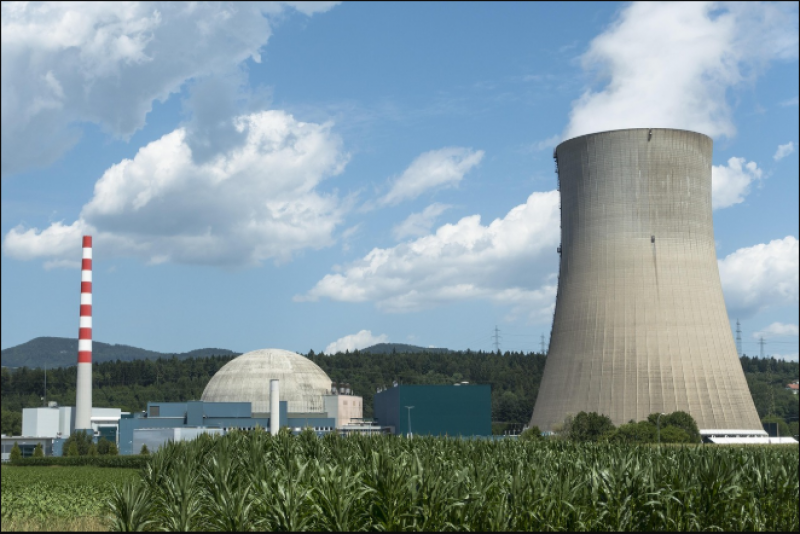
Malaysia Evaluates Inclusion of Nuclear Power in Long-Term Energy Mix
Malaysia is steadily paving the way for the future introduction of nuclear energy into its energy mix. Although such plans are unlikely to materialize in the short term, policy assessments, regulatory preparations, talent development, and business model discussions surrounding civilian nuclear energy have noticeably accelerated. The International Atomic Energy Agency (IAEA) recently held a national workshop in Malaysia to introduce a human resource development model for the nuclear sector, aimed at helping the country forecast future staffing needs and support workforce planning required for nuclear technology applications. In March this year, Malaysian Deputy Prime Minister and Minister of Energy Transition and Water Transformation Fadillah Yusof stated that Malaysia has conducted a comprehensive assessment of a potential nuclear energy program, covering policy formulation, regulatory...
2026-09-07
Russia masters production technology of ultra-pure germanium for gamma detectors
The Giredmet Research Institute, part of Rosatom, recently announced that its researchers have developed technology for producing high-purity germanium (HPGe) for gamma-ray detectors. This breakthrough is expected to replace imported crystals and promote the formation of a complete production cycle for detector equipment within Russia. According to reports, experts at Giredmet have designed and manufactured experimental equipment, and based on this, developed a process for preparing ultra-high-purity germanium single crystals. The purity of the germanium material reaches at least 7N, i.e., 99.99999%, equivalent to only one impurity atom per 10 million atoms of the primary material. The institute stated that the first batch of experimental samples has been obtained, verifying the effectiveness of the adopted deep germanium purification method in achieving the purity level required for detector applications.
2026-09-07
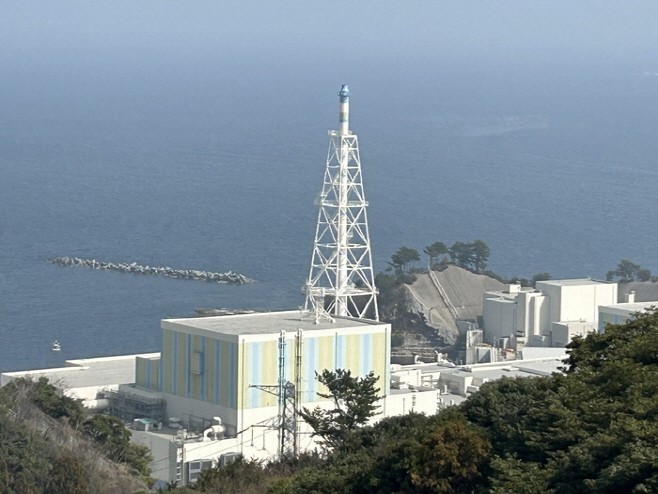
Tottori Prefecture nuclear safety advisory council approves safety of MOX fuel plan for Shimane Unit 2
The Tottori Prefecture Nuclear Safety Advisory Council held a meeting in Yonago City on September 6 and submitted an opinion on the MOX fuel power generation project planned by Chugoku Electric Power Co. for Unit 2 of the Shimane Nuclear Power Station. The opinion stated that, based on explanations provided by Chugoku Electric Power Co. and the Japanese government, the safety of the project can be ensured. The Shimane Nuclear Power Station is located in Matsue City, Shimane Prefecture. Chugoku Electric Power Co. plans to use mixed oxide fuel, or MOX fuel, consisting of uranium and plutonium, in Unit 2. This type of power generation is also referred to as plutonium thermal power generation in Japan. The opinion also...
2026-09-07
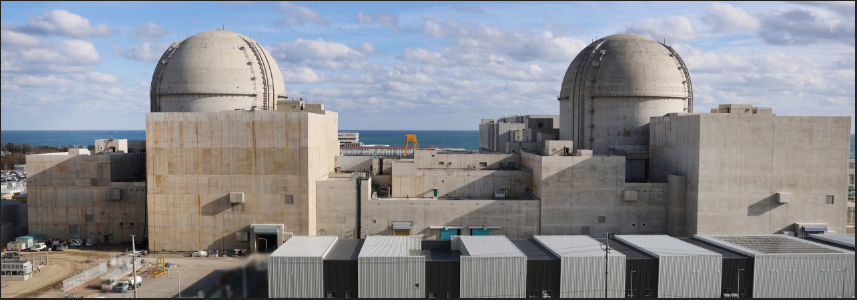
Unit 3 at Saeul Nuclear Power Plant in South Korea Shut Down Again During Trial Operation
Unit 3 at the Saeul Nuclear Power Plant, operated by Korea Hydro & Nuclear Power (KHNP), was shut down again during trial operation. The unit, located in Ulju County, Ulsan, South Korea, has a generating capacity of 1,400 MW. According to the plant operator, operators manually shut down the reactor at approximately 3:01 p.m. on the 6th. The shutdown was initiated after a leak was confirmed in a pipe related to turbine steam condensate. The plant stated that the manual shutdown was carried out to ensure facility stability and facilitate maintenance. The plant also stated that the shutdown caused no radiological impact and that the unit is currently in a stable condition. Personnel are analyzing the cause of the pipe leak. This...
2026-09-07
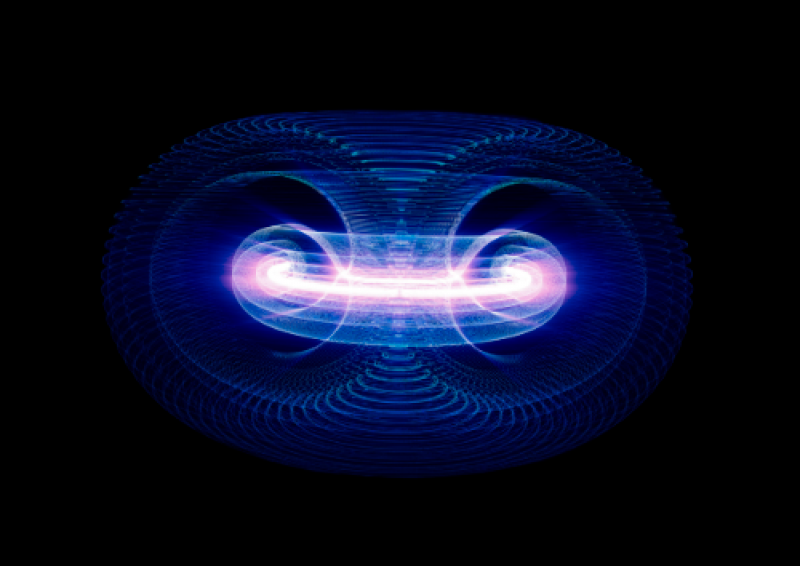
U.S. ZC Institute Unveils "Kardashev One" Fusion Prototype Reactor Plan to Independently Test Neutron Recovery Concept
ZC Institute, a fusion energy company headquartered in Atlanta, USA, announced on September 4 the launch of the Kardashev One program, aiming to develop a fusion prototype reactor to explore recovering energy lost to radiation and neutron escape during fusion reactions. As an early validation step of the program, ZC Institute has commissioned Professor Jason Cassibry and his team at the University of Alabama in Huntsville (UAH) to conduct independent testing of the related field distortion technology. According to ZC Institute, existing fusion approaches, including inertial confinement fusion and magnetic confinement fusion, lose energy in forms such as electromagnetic radiation and neutron escape. Magnetic fields can confine charged...
2026-09-05

Changwon National University and Wrocław University of Science and Technology Partner to Cultivate Nuclear Power Manufacturing Talent
The Artificial Intelligence Innovation Research Center for Next-Generation Nuclear Energy Equipment and Component Manufacturing (AI-NMIC) at Changwon National University recently signed a cooperation agreement with Wrocław University of Science and Technology (WUST) in Poland, under which the two institutions will collaborate on talent development in the fields of next-generation nuclear power and nuclear energy equipment manufacturing. This marks AI-NMIC's first formal partnership with an overseas university. Wrocław University of Science and Technology is one of Poland's key technical universities, with strong foundations in engineering fields such as mechanical, electrical, and materials science. As Poland advances...
2026-09-06
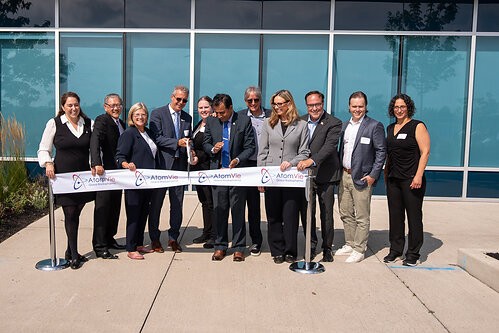
Canada's AtomVie Opens Large-Scale Radiopharmaceutical R&D and Manufacturing Facility in Hamilton
On September 4, AtomVie Global Radiopharma, a radiopharmaceutical contract development and manufacturing organization, announced the official opening of its new state-of-the-art production facility at 10 Aeropark Boulevard, Hamilton, Ontario, Canada. The facility is designed to support the full-spectrum translation of radiopharmaceuticals from early-stage research and development, through clinical development, to commercial manufacturing. According to reports, the new facility represents an investment of over $160 million and spans 72,300 square feet, making it one of the largest single-site radiopharmaceutical R&D CDMO facilities in North America. The facility offers production capabilities ranging from low-throughput to high-throughput, increasing AtomVie's overall production capacity by more than tenfold, with dedicated spaces configurable to meet clients' subsequent R&D and commercialization needs.
2026-09-05
Germany's BEST and Luvata Partner to Expand Supply of RRP Superconductors for Fusion
Bruker Energy & Supercon Technologies (BEST) of Germany and Luvata Materials & Solutions, part of the Luvata Group, have announced a strategic partnership to expand the industrial supply capacity of high-performance RRP® superconductors for next-generation magnetic confinement fusion power demonstration projects worldwide. According to information released by the two companies, the collaboration will focus on enhancing the industrial readiness and availability of RRP superconductors, expanding manufacturing capabilities, and strengthening supply chain resilience to meet the large-scale demand for superconducting materials in high-field magnetic confinement fusion projects...
2026-09-05
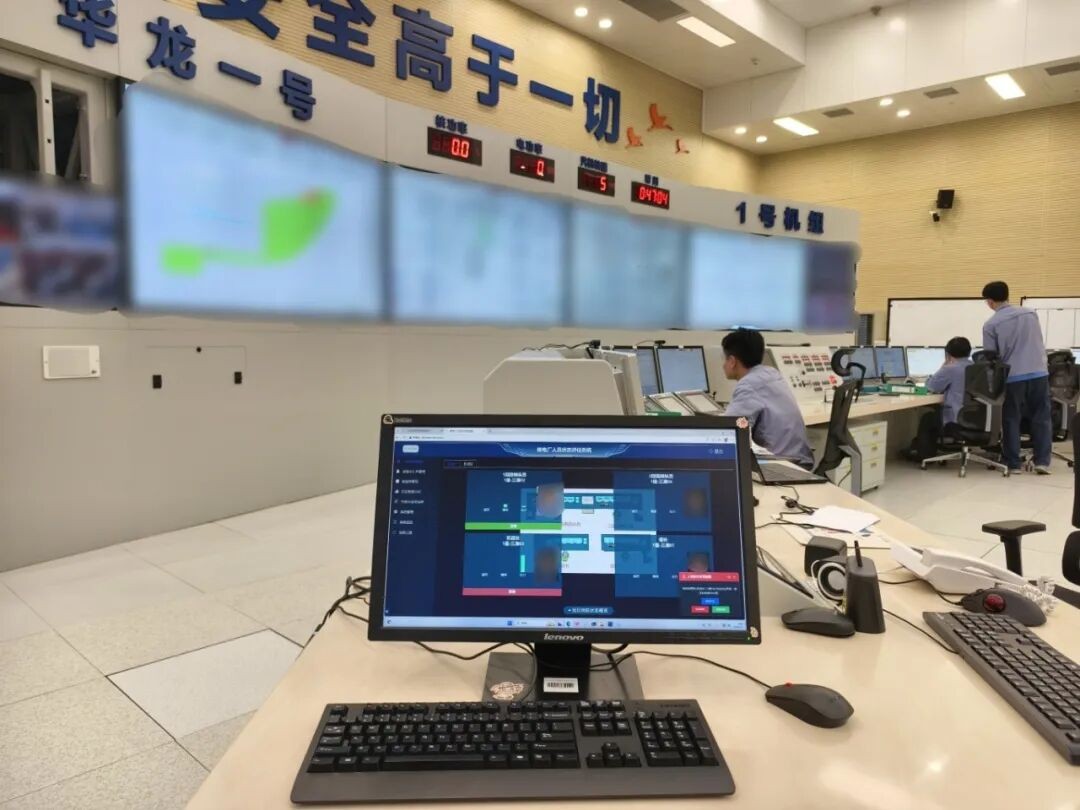
First Application and Verification of Intelligent Monitoring and Adjustment System for Nuclear Power Plant Personnel Status at "Hualong One" Nuclear Power Plant
On September 4, CGN Engineering, in collaboration with Cangnan Nuclear Power, successfully completed the testing, verification, and on-site data collection of the Intelligent Monitoring and Adjustment System for Nuclear Power Plant Personnel Status at the San'ao Nuclear Power Base. The CGN Engineering departments participating in this testing and verification included CGN Design Institute, the National Key Laboratory of Nuclear Power Safety Technology and Equipment (hereinafter referred to as the National Key Laboratory), CGN Engineering Cangnan Project Department, and Huasheng Technology. This joint test marks an important milestone in the project's transition from technology research and development to engineering application, providing key technical support for the quantitative analysis transformation of human factors safety management in China's nuclear power industry. The system, built upon the personnel fatigue status monitoring principle prototype developed under the Intelligent Nuclear Power strategic special project, has been iteratively improved with continuous support from the Yangjiang Chuangbao High-tech Research Project and the National Key Laboratory research projects, and has now evolved into a mature product suitable for engineering and large-scale application. Previously, relevant functional modules of the system had been deployed and data collected in applications such as human factors verification in the main control room of Yangjiang Nuclear Power Base and simulator training at Taishan Nuclear Power Base. The on-site testing and data collection at the San'ao Nuclear Power Base further verified the system's environmental adaptability and reliability across multiple nuclear power base scenarios, laying a solid foundation for subsequent industry-wide promotion and application.
2026-09-05
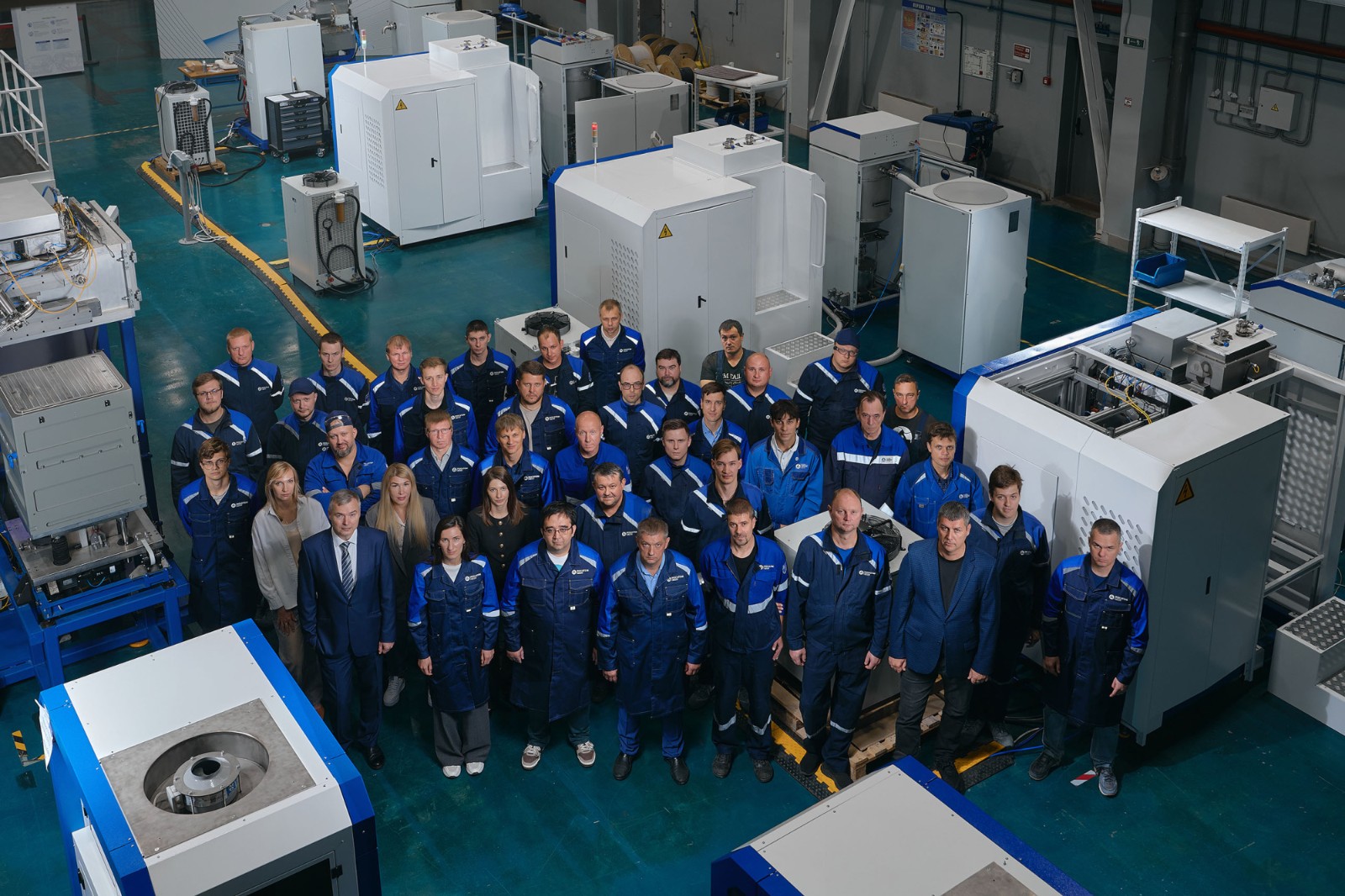
Rosatom Fuel Division Completes Assembly of 30th Industrial Metal 3D Printer
On September 3, 2026, the Moscow Additive Manufacturing Technology Center of Rosatom's Fuel Division completed the assembly of its 30th industrial metal 3D printer. The equipment is the medium-sized RusMelt 300M, a flagship model in Rosatom's metal 3D printer product line. The rollout of the 30th unit coincides with the 30th anniversary of TVEL JSC, the management company of Rosatom's Fuel Division. According to reports, the additive manufacturing technology business unit of Rosatom's Fuel Division currently produces industrial-grade 3D printers capable of meeting manufacturing needs for components of various sizes, utilizing mainstream metal additive manufacturing technologies such as selective laser melting (SLM), direct metal deposition (DMD), and electron beam additive manufacturing (EBAM)...
2026-09-04
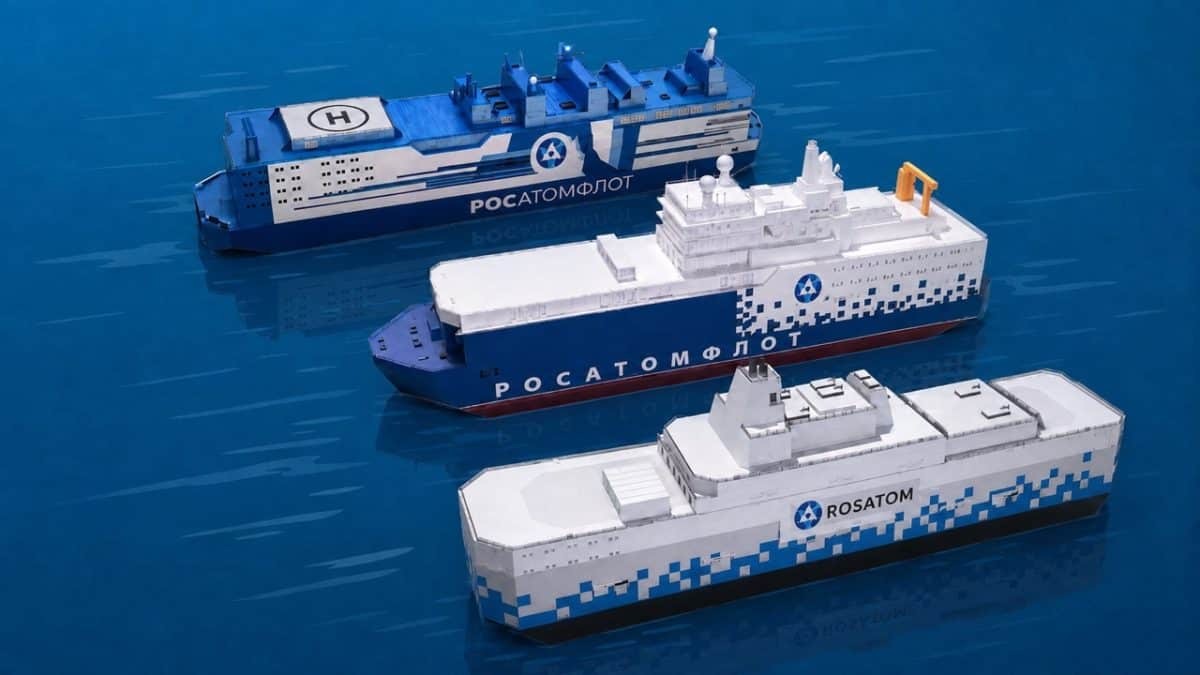
Russia Plans to Build Floating Nuclear Power Plant Production Facility Near Murmansk
Rosatom is considering building its own production facility near Murmansk to complete the construction of floating nuclear power plants. The company believes that as related orders increase, the capacity of existing partners may struggle to meet future demand. Baltic Shipyard is one of Rosatom's key partners. The Akademik Lomonosov floating nuclear power plant and four Project 22220 Arktika-class nuclear-powered icebreakers were all built at this shipyard. Currently, the two sides continue to maintain close cooperation, with a significant portion of Baltic Shipyard's orders related to Rosatom projects. Russia...
2026-09-04