
Search Results
Keyword:MMA
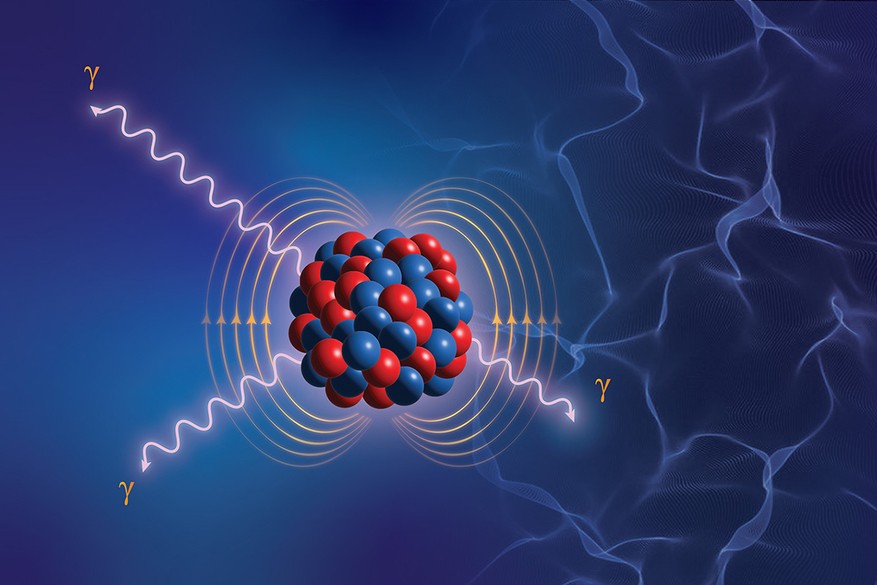
US FRIB Research Reveals Low-Energy Gamma-Ray Enhancement Originates from Nuclear Magnetic Transitions
An international research team led by the US Facility for Rare Isotope Beams (FRIB), with participation from Lawrence Livermore National Laboratory (LLNL) and other institutions, recently published findings in Nature that explain a long-standing question in nuclear physics: why some atomic nuclei emit anomalously high numbers of low-energy gamma rays. Image: FRIB Gamma rays are a type of electromagnetic radiation. Excited atomic nuclei release gamma rays during radioactive decay, gradually returning to lower, more stable energy levels. Over the past few decades, scientists have discovered that certain nuclei exhibit a low-energy enhancement phenomenon, where the number of low-energy gamma rays emitted exceeds expectations. However, this phenomenon is not universal, and its occurrence is theoretically difficult to predict.
2026-08-18
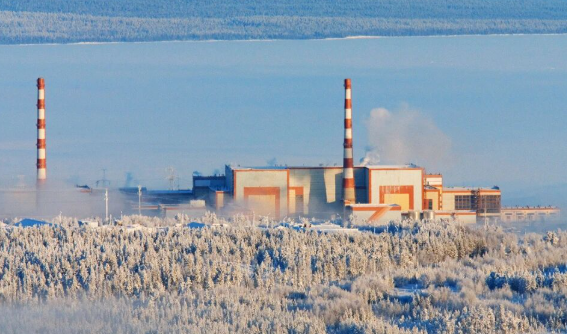
Long-term radiation environment at Kola NPP remains under control: gamma dose rates within natural background levels, 15 permanent observation stations operating since 1972
Long-term monitoring results from the external radiation monitoring group at Russia's Kola Nuclear Power Plant show that gamma radiation dose rates around the plant site have consistently remained within natural background radiation levels, with radionuclide concentrations matching background values, indicating a sound radiation environment with no differences from surrounding areas. The station's radiation safety department collects surface water samples from the discharge canal monthly, with monitoring coverage encompassing all elements including the atmosphere, snow cover, bottom sediments, food products, algae, berries, mushrooms, and caged fish. The monitoring architecture consists of two tiers: 15 permanent environmental observation stations have been in continuous operation since before the commissioning of the first reactor unit in 1972; 13 ASKRO automated radiation environment monitoring system stations provide real-time ground-level gamma dose rate data, which is transmitted directly to the Rosenergoatom crisis center and integrated into the national unified radiation monitoring network. Approximately 200,000 cubic meters of air are drawn weekly through air filtration units to capture radionuclides, with volumetric activity of radioactive iodine also measured. A mobile radiological laboratory performs on-site spectrometric analysis. Annually, about 1,200 environmental samples are collected from around the plant site and delivered to the Polyarnye Zori laboratory, where well water samples analyzed by Canberra spectrometers yield "zero nuclide" results, with samples retained for one year for potential re-analysis. Biological samples are processed using the ashing method, and instrument sensitivity is sometimes insufficient to even detect any signal from the plant's impact.
2026-08-14
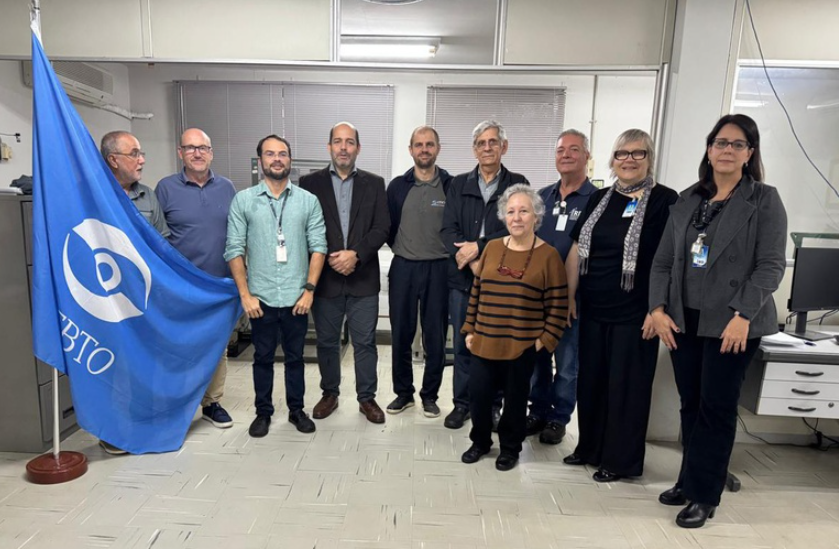
Brazil's IRD Radiometric Metrology Laboratory Receives CTBTO Certification, Joins International Nuclear Test Monitoring Network
The Radiometric Metrology Laboratory of Brazil's Institute of Radiation Protection and Dosimetry (IRD/ANSN) has recently received certification from the Comprehensive Nuclear-Test-Ban Treaty Organization (CTBTO), officially qualifying it to join the international verification system. The certification was granted following an on-site audit conducted by the CTBTO in Rio de Janeiro from June 16 to 25, marking the Brazilian laboratory as the 15th certified unit among the 16 treaty-designated radionuclide laboratories. The certification primarily confirmed that the laboratory meets CTBTO requirements in high-precision analysis, result reliability, data traceability, and standardization of technical procedures. The audit covered sample reception and preparation, equipment calibration, result interpretation,...
2026-08-12
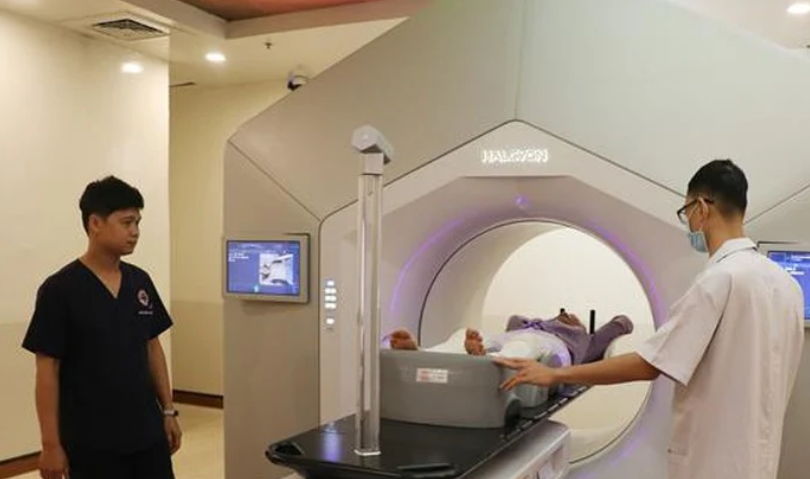
Dong Nai Province, Vietnam: Nuclear Medicine Applications Drive Modern Medical Development, Focusing on Early Cancer Diagnosis and Precision Treatment
In the development of modern medicine, atomic energy technology is moving from the laboratory to the clinical frontline, becoming an important pillar for early disease screening, precise diagnosis, and effective treatment. In recent years, Dong Nai Province has continuously applied nuclear medicine technology to medical examinations and treatments, particularly in areas such as cancer, stroke, traumatic brain injury, cardiovascular diseases, and bone and joint injuries. Through equipment such as X-ray, gamma rays, CT, and MRI, doctors can observe deep structures and lesions of the human body within a relatively short time, giving patients the opportunity for earlier detection and faster intervention. At Dong Nai General Hospital, approximately 500 patients undergo X-ray or related imaging examinations each day, with digital X-ray systems and multi-slice spiral C...
2026-08-12
Flammable Gas Analysis Completed for Legacy Transuranic Waste Containers at U.S. Savannah River Site
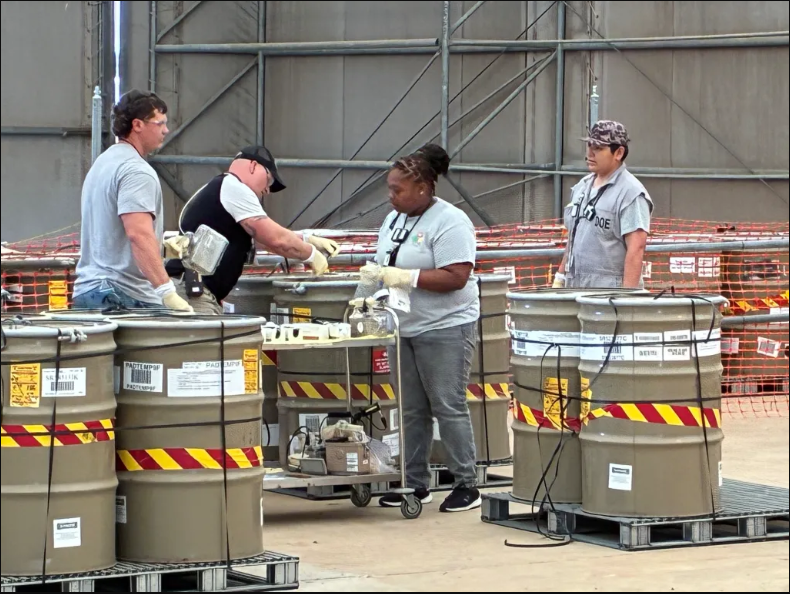
AIKEN, South Carolina — The Solid Waste and Deactivation and Decommissioning team at Savannah River Nuclear Solutions (SRNS) recently completed a critical task, performing flammable gas analysis on multiple legacy high-dose-rate transuranic (TRU) waste containers. The results confirmed that these containers meet safety requirements for shipment to an underground waste disposal facility. Following this analysis, the U.S. Department of Energy Office of Environmental Management will resume shipments of remote-handled transuranic waste drums from the Savannah River Site (SRS) to the Waste Isolation Pilot Plant (WIPP) in New Mexico for permanent disposal. Flammable gas sampling is an important safety step prior to the transportation and disposal of transuranic waste. Workers...
2026-08-11
"Triple-Arrow Assault" Confirms a Cosmic "Natural Accelerator" Ejecting Protons at Energies 100 Times That of the Large Hadron Collider
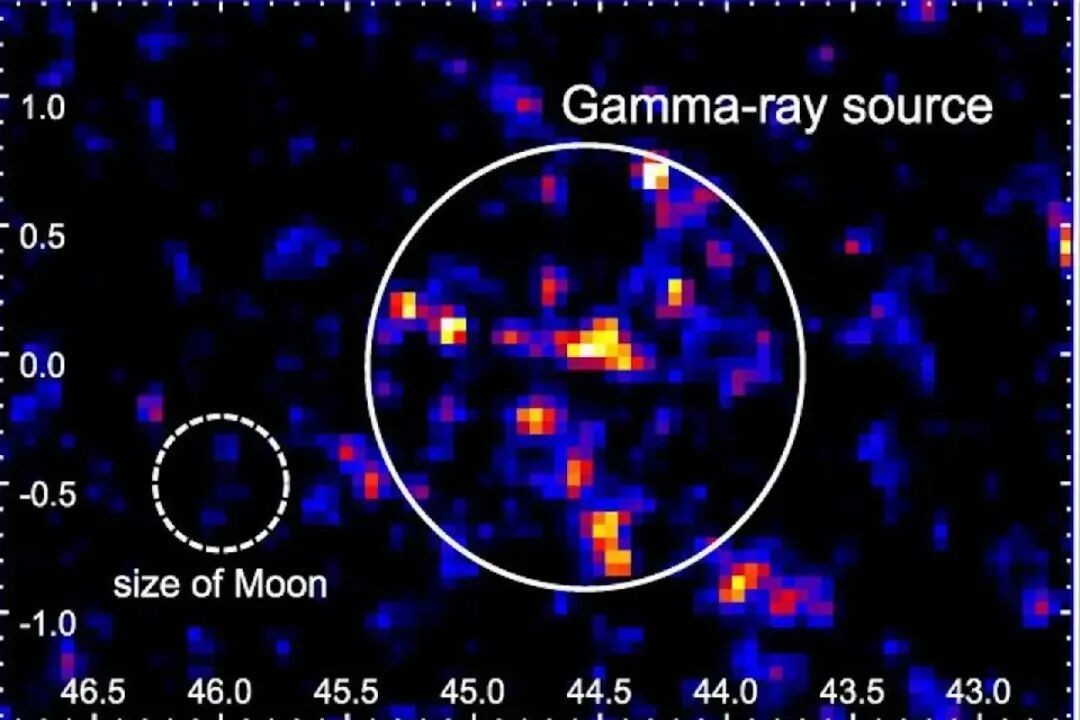
Astronomers, using three observation facilities operating in different wavelength bands, have confirmed a mysterious celestial body in the direction of the Aquila constellation in the Milky Way as a natural cosmic accelerator. This object is continuously ejecting high-speed particles with energies far exceeding any man-made accelerator on Earth, equivalent to 100 times that of the Large Hadron Collider (LHC). This discovery provides key clues for tracing the origin of the highest-energy cosmic rays in the Milky Way, and the research findings were published in the latest issue of The Astrophysical Journal. A size comparison between the gamma-ray source (large circle) and the Moon (small circle). Image credit: The Astrophysical Journal. PeV (peta-electronvolt) energy cosmic rays are high-energy diffuse gamma-ray radiation, and...
2026-08-11

Russia's Atommash Commissions Ultrasonic Weld Inspection Robot to Boost NPP Equipment Testing Efficiency
Atommash, a plant under the mechanical engineering division of Russia's State Atomic Energy Corporation (Rosatom), has recently commissioned a new ultrasonic inspection robot for welded joints, used for weld quality checks on large nuclear power equipment such as nuclear reactors and steam generators. The plant is located in Rostov Oblast, Russia. The new equipment employs two scanning modes and can identify weld defect types and locate defect coordinates. Compared with traditional inspection methods involving manual probe movement, the robot can automatically perform scanning on components with complex geometries, increasing inspection speed by approximately 30% while reducing the need for manual work in hard-to-reach areas. At present, Atommash already operates...
2026-08-11

Microchip Launches Radiation-Tolerant Six-Output Programmable Clock Generator DSA504RT
Microchip Technology Inc. of the United States has launched the DSA504RT radiation-tolerant six-output programmable clock generator, targeting spacecraft and other aerospace and defense high-reliability electronic systems, designed to simplify timing architectures in complex systems. Spacecraft electronics typically require highly stable time references for missions such as navigation, communications, and scientific payloads, especially in environments where global navigation satellite system (GNSS) signals may be unavailable or subject to interference. Traditional solutions often rely on multiple oscillators, buffers, and timing devices to provide clock signals to different subsystems, resulting in increased component count, higher system mass, and greater circuit complexity...
2026-08-09
South Korea to Investigate Seawater Radioactivity Levels Along Maritime Transport Routes for Radioactive Waste
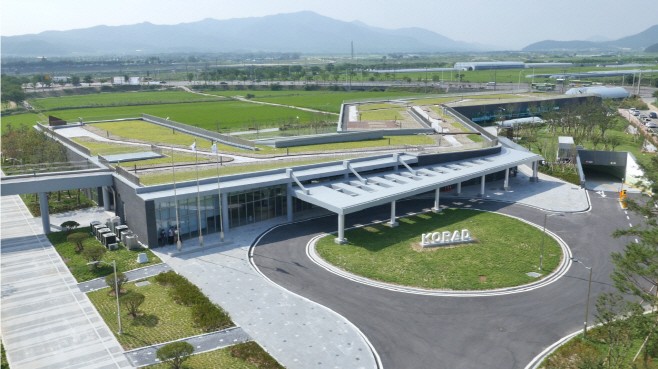
The Korea Atomic Energy Environment Corporation (KAEEC) will conduct an investigation this year into seawater radioactivity levels along the maritime transport routes for radioactive waste from nuclear power plants, in order to assess the radiological environmental impact during the transport of radioactive waste to the Gyeongju low- and intermediate-level radioactive waste disposal facility. According to information released on August 6 by the Korea National Electronic Procurement System, KAEEC recently published a public notice regarding radiation analysis services for seawater samples collected along the maritime transport routes for low- and intermediate-level radioactive waste. Once the contractor is selected, the investigation is scheduled to be completed by the end of this year. Under the arrangement, KAEEC will conduct three maritime transport operations of radioactive waste this year, one each from the Gori, Hanul, and Hanbit nuclear power plants to the Gyeongju disposal facility...
2026-08-07
U.S. to Resume Shipping Transuranic Waste Drums from Savannah River Site to WIPP for Permanent Disposal
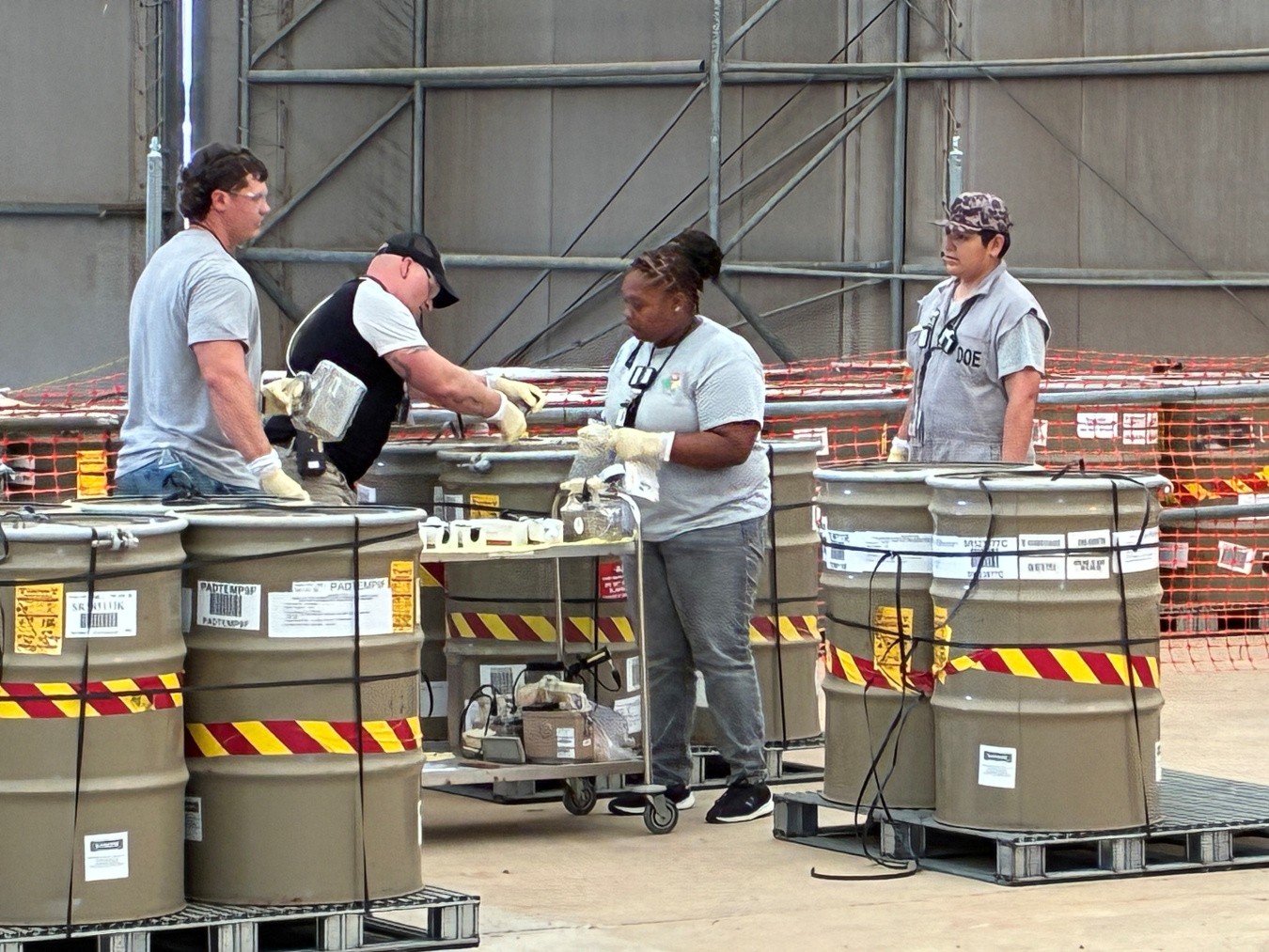
The U.S. Department of Energy Office of Environmental Management (EM) will resume shipping remote-handled transuranic waste drums from the Savannah River Site (SRS) in South Carolina to the Waste Isolation Pilot Plant (WIPP) in New Mexico for permanent disposal on July 28, 2026. Prior to resuming shipments, relevant teams have completed flammable gas analysis, confirming that these waste containers meet safety requirements for transport to the underground disposal facility. Flammable gas sampling is a critical safety step before transuranic waste transportation. Workers assess potential combustion risks inside containers by detecting gases such as hydrogen, methane, and volatile organic compounds, and confirm their safety during transport and disposal...
2026-08-03

U.S. Nuclear Regulatory Commission Signs Memorandums of Understanding with Coast Guard and Marine Minerals Administration to Strengthen Offshore Nuclear Energy Cooperation
Recently, the U.S. Nuclear Regulatory Commission (NRC) signed Memorandums of Understanding (MOUs) with the U.S. Coast Guard (USCG) and the newly established Marine Minerals Administration (MMA), respectively, aimed at strengthening coordination and cooperation on civilian offshore nuclear projects. These initiatives come at a time of growing interest in nuclear technology within the commercial shipping sector, including projects such as nuclear-powered vessels and floating nuclear power plants. The agreement with the Coast Guard updates a previous agreement signed with the Atomic Energy Commission in 1973, aiming to modernize regulatory processes and ensure effective management of the design, construction, operation, and oversight of civilian nuclear reactors at sea. Meanwhile, the NRC's cooperation with the MMA focuses on clarifying jurisdictional issues for any potential nuclear projects on the U.S. Outer Continental Shelf (OCS).
2026-08-03

U.S. Team Traces Source of Anomalous Gamma Rays from Zinc-70, Nuclear Magnetic Transitions May Improve Models of Heavy Element Formation
An international research team led by scientists from the Facility for Rare Isotope Beams (FRIB) at Michigan State University has recently identified the source of the large number of low-energy gamma rays emitted by zinc-70 nuclei. The study suggests that magnetic transitions occurring within the nucleus are the key reason for this anomalous signal enhancement. The findings were published in the journal Nature under the title "Magnetic character of the low-energy enhancement in 70Zn." Gamma rays are electromagnetic radiation released when excited atomic nuclei transition to lower, more stable energy levels. For a long time, scientists have observed an anomalous increase in the number of low-energy gamma rays in some atomic nuclei, known as the low-energy enhancement (LEE), but its physical mechanism had remained unclear...
2026-08-02
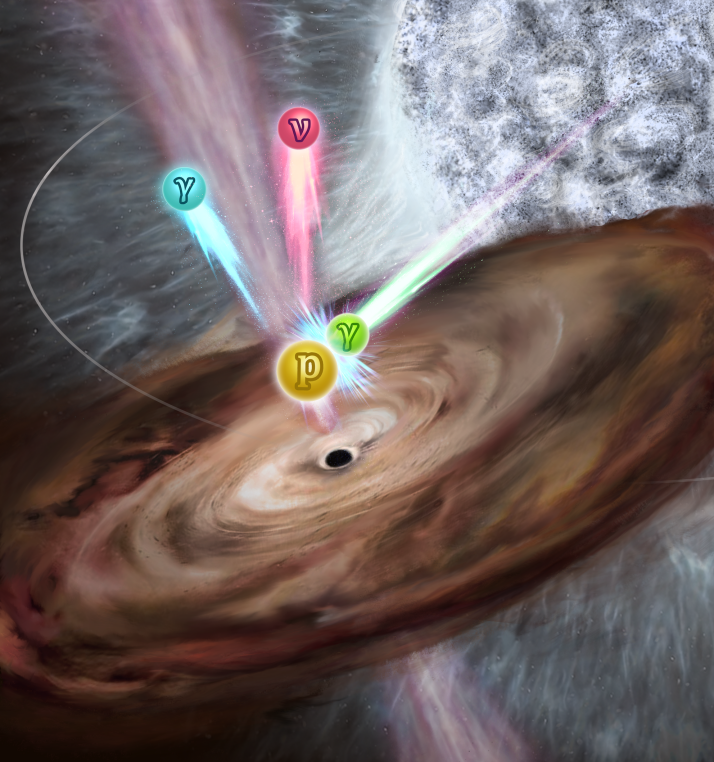
LHAASO "Sees" for the First Time How Black Holes Produce the Highest-Energy Particles in the Universe
How do black holes accelerate particles to the highest energies in the universe? The latest research provides the answer. On July 31, it was learned from the Institute of High Energy Physics of the Chinese Academy of Sciences that the Large High Altitude Air Shower Observatory (LHAASO, "Lasso"), a major national scientific and technological infrastructure, has for the first time clearly observed the process by which a black hole, while devouring material from its companion star, regularly produces the highest-energy particles in the universe like a metronome, and has identified the first PeV gamma-ray variable source. The related research results were published in the *National Science Review*. Cygnus X-3 is a binary system located in the constellation Cygnus, consisting of a black hole and a massive companion star. The gravitational pull there is extremely strong, and the black hole frantically accretes the stellar wind blown off by its companion. LHAASO detected...
2026-07-31