
Search Results
Keyword:NI
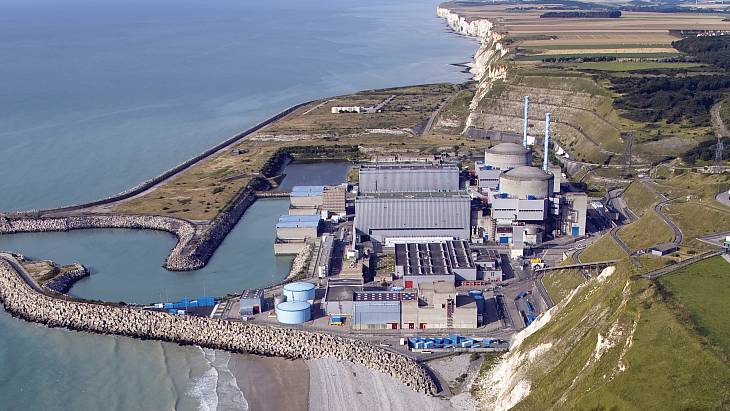
Three units at France's Gravelines nuclear power plant automatically shut down due to jellyfish intrusion
French utility EDF recently stated on its website that three units at the Gravelines nuclear power plant in northern France automatically shut down after a large influx of jellyfish clogged the filtration system, triggering safety measures. The statement indicated that the incident occurred on August 10, 2026. Due to the jellyfish intrusion, three units at the Gravelines plant automatically shut down, while a fourth unit reduced its power output. The plant has a total of six reactors, of which the fifth reactor had already been shut down for planned maintenance, and the sixth reactor remained in operation. The Gravelines plant experienced a similar situation a year earlier, when a large number of jellyfish entered the relevant water intake and filtration systems, causing four reactors to automatically shut down...
2026-08-12
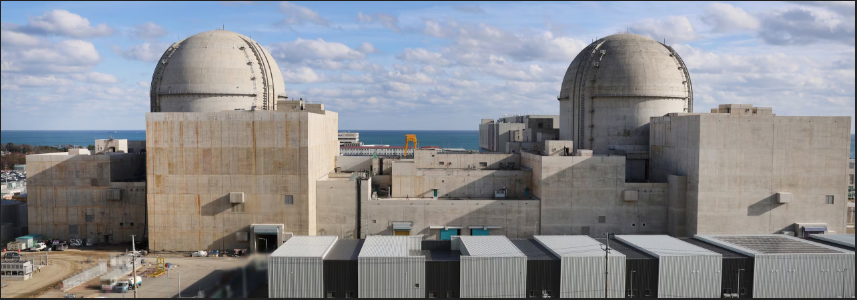
Automatic Reactor Trip at Unit 3 of Shin-Kori Nuclear Power Plant During Commissioning
Unit 3 of the Shin-Kori nuclear power plant in Ulju, Ulsan, South Korea, is undergoing commissioning ahead of its planned commercial operation this year. The Nuclear Safety and Security Commission (NSSC) stated that it had received a report from Korea Hydro & Nuclear Power (KHNP) that the unit's reactor automatically tripped at approximately 20:56 on the 11th. Unit 3 of the Shin-Kori plant received its operating license from the NSSC in December last year and is currently in the power ascension testing phase. KHNP reported that during the commissioning test, when reactor power reached 80%, the unit experienced a loss of power transmission, and the reactor subsequently tripped automatically. The unit has been confirmed to remain in a safe shutdown condition...
2026-08-12

South Korea Establishes New Specialized Agency to Advance Nuclear-Powered Submarine Construction Project
South Korea's Ministry of National Defense stated on the 11th that President Lee Jae-myung presided over a State Council meeting that day, deliberating and approving amendments to the "Enforcement Decree on the Organization of the Ministry of National Defense and Its Affiliated Agencies" and the "Enforcement Decree on the Organization of the Defense Acquisition Program Administration and Its Affiliated Agencies." Under the amendments, South Korea will establish a new specialized agency to advance the nuclear-powered submarine construction project. According to the relevant arrangements, a Nuclear-Powered Submarine Policy Planning Group will be established under the Ministry of National Defense, responsible for coordinating the formulation of policies and systems required for nuclear-powered submarine construction and facilitating cooperation among relevant agencies. On the side of the Defense Acquisition Program Administration, the existing Korean Submarine Project Group is planned to be reorganized and expanded into a Nuclear-Powered Submarine Project Group, with the concurrent establishment of a Nuclear-Powered Submarine Project Team and a Nuclear Power System Project Team...
2026-08-12
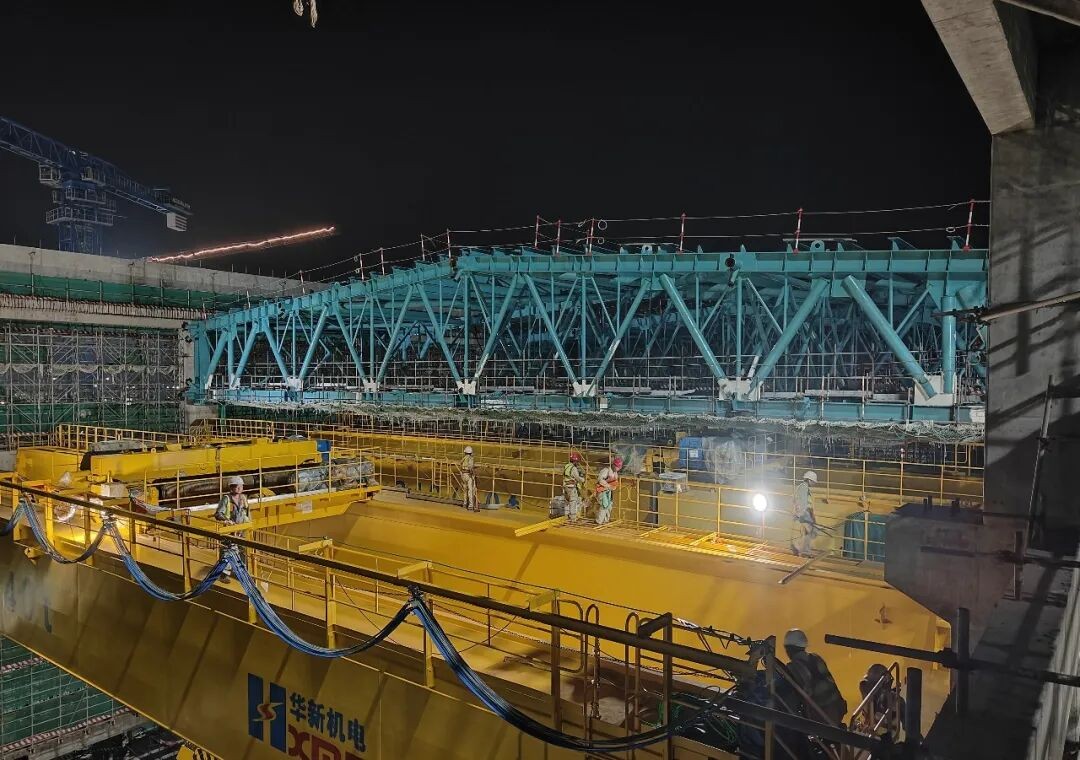
CGN Lufeng Nuclear Power Unit 1 Conventional Island Main Crane Hoisting Successfully Completed
At 21:00 on August 10, 2026, the auxiliary trolley of Crane A for the conventional island of CGN Lufeng Nuclear Power Unit 1 was successfully positioned, marking the successful completion of the hoisting work for Main Cranes A/B of the conventional island of Unit 1. The entire hoisting process lasted 4 days and was completed in 8 lifts in an orderly sequence. The successful hoisting and positioning of the main cranes for the conventional island of Unit 1 is not only a key milestone in the conventional island installation works, but also lays a solid foundation for the introduction of the steam turbine generator and its auxiliary equipment. Lufeng Nuclear Power will continue to collaborate with all participating construction units, adhere to the value orientation of "Three Focuses," deeply practice the work style of "Meticulous, Prudent, Detailed, and Pragmatic," and support the high-quality construction of Unit 1 with practical efforts, injecting strong momentum into building the Lufeng Nuclear Power Project into a benchmark project that is safe, high-quality, and efficient...
2026-08-12
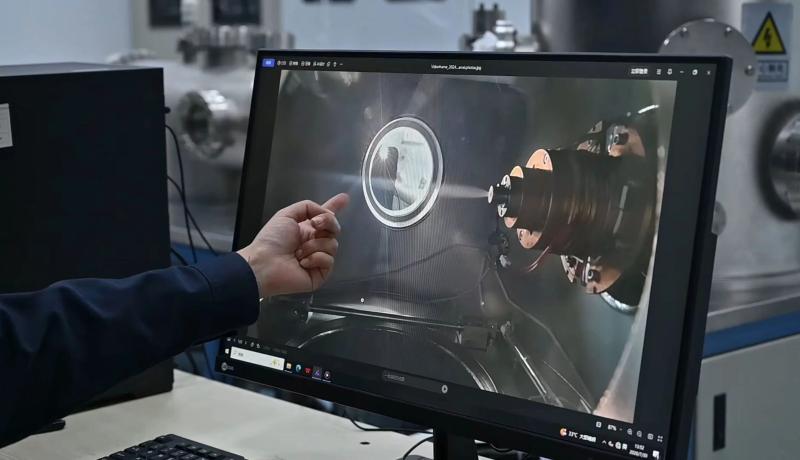
Unanimously Approved! China's First ISO International Standard in the Field of Fusion Fueling Officially Released
On August 10 local time, the international standard ISO 19991:2026, "Fusion Technology — Experimental Magnetic Confinement Fusion Facilities — Ultrasonic Molecular Beam Injection Fueling Technology for Fusion Devices," formulated by China, was officially released. Earlier, during the final voting process, all 12 countries, including France, Germany, and Russia, cast affirmative votes. This is the first ISO international standard in the field of fusion fueling and the second ISO international standard in the fusion field led by the Southwestern Institute of Physics (SWIP) under the China National Nuclear Corporation (CNNC). Ultrasonic molecular beam injection fueling technology is a key fuel supply technology for controlled nuclear fusion devices. This technology, an advanced fusion fueling technology originally developed by China, forms high-speed, directional molecular beams through adiabatic gas expansion. It features high speed, strong directionality, relatively high fueling efficiency, and low particle recycling, significantly enhancing the fuel control capability of fusion devices. It has been applied to more than ten magnetic confinement fusion experimental devices both domestically and internationally.
2026-08-11
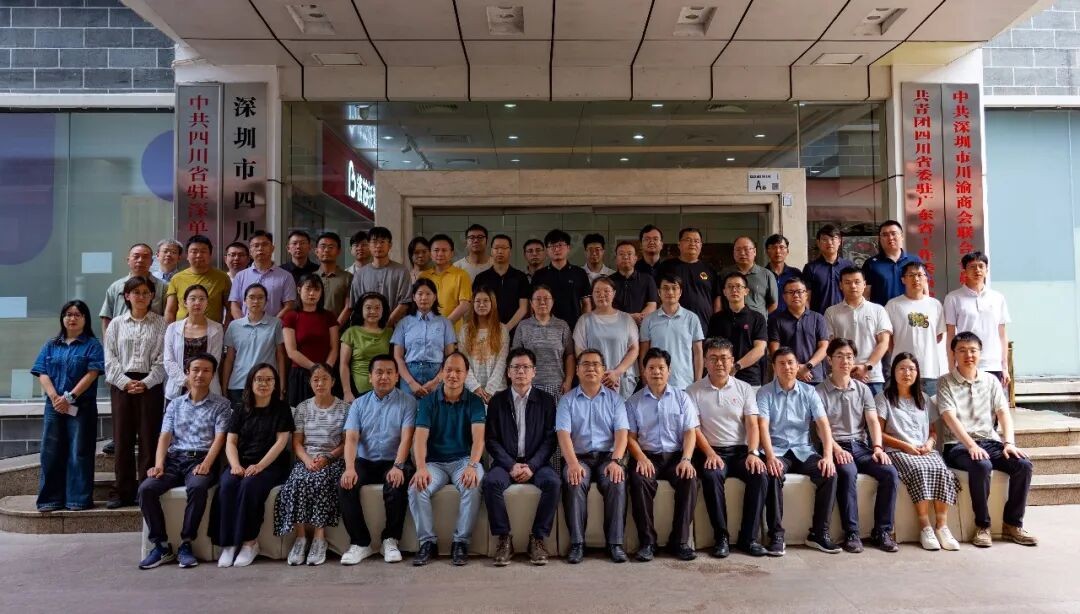
2026 Technical Exchange Conference on Key Issues in Nuclear Accident Safety Analysis Successfully Held in Shenzhen
To further enhance the level of emergency technical support for nuclear power plants, consolidate nuclear safety barriers, and promote the development of industry technical standards, the 2026 Technical Exchange Conference on Key Issues in Nuclear Accident Safety Analysis was recently held in Shenzhen. The conference was hosted by the Nuclear Safety Branch of the Chinese Nuclear Society and co-organized by the Nuclear and Radiation Safety Center of the Ministry of Ecology and Environment, the Nuclear Emergency and Rescue Center of China General Nuclear Power Group, and the China Nuclear Power Research Institute Co., Ltd. Participants included experts and young researchers from China Nuclear Power Engineering Co., Ltd., China Nuclear Power Engineering Co., Ltd. (CNPE), Nuclear Power Institute of China, Nuclear Power Operation Research Institute, CNNC Nuclear Operation & Maintenance Technology Co., Ltd., Shanghai Nuclear Engineering Research and Design Institute Co., Ltd., Tsinghua University,...
2026-08-11

Scientists from a small town in Uttar Pradesh, India, gain international recognition: exploring AI-assisted nuclear reactor control
Samendra Roy, a scientist and resident of Payagpur in the Bahraich district of Uttar Pradesh, India, along with his team, has recently attracted attention from the international academic community. The research focuses on the potential applications of artificial intelligence in the operation and control of nuclear reactors. The findings have been published in *npj Artificial Intelligence*, a journal under the Nature Publishing Group, marking the team's work's arrival on a prestigious international academic platform. The study primarily explores the role of agent-based physics-informed artificial intelligence in nuclear reactor control. The research team believes that during nuclear reactor operation, control systems often face complex environments and highly challenging decision-making scenarios, and AI technology is expected to play a significant role in the future in areas such as assisting judgment, optimizing control processes, and enhancing operational management capabilities.
2026-08-11
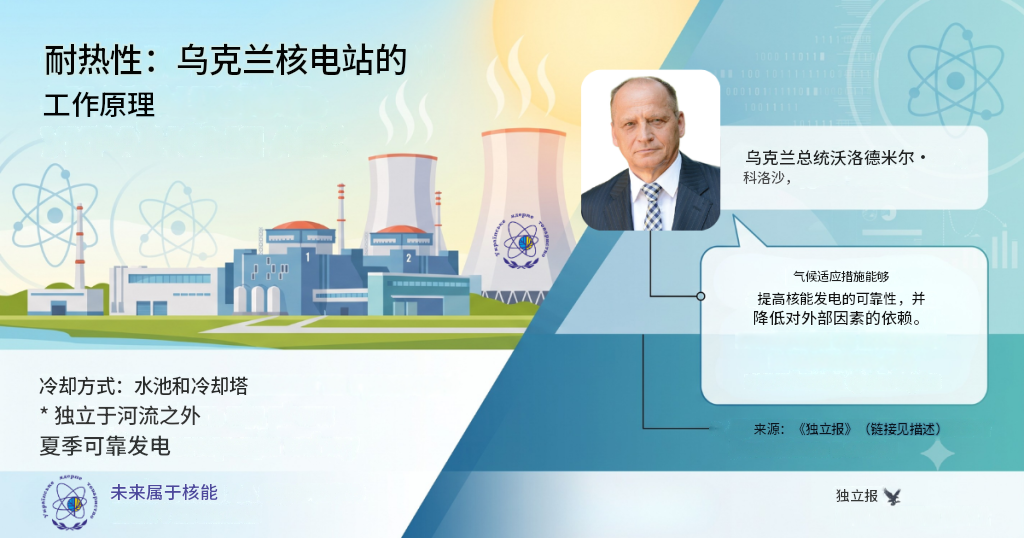
Europe's High Temperatures and Droughts Impact Nuclear Power Operations, Ukrainian Expert Says Climate Adaptation Tied to Energy Independence
Recent prolonged high temperatures, droughts, and falling river levels across Europe have put pressure on the operation of some nuclear power plants that rely on river water for cooling. Nuclear facilities in France, Hungary, Romania, and Slovenia have successively experienced power reductions or shutdowns, forcing some countries to ease supply pressure through electricity imports and adjusted consumption arrangements. Katie Huff, a professor of nuclear engineering at the University of Wisconsin-Madison, stated that the impact of climate change on nuclear power operations is mainly reflected in two aspects: first, droughts lower river levels, making it difficult for plants to obtain sufficient cooling water; second, when air and water temperatures are high, nuclear plants face stricter restrictions on discharging warm water into rivers to avoid further affecting the aquatic environment.
2026-08-11
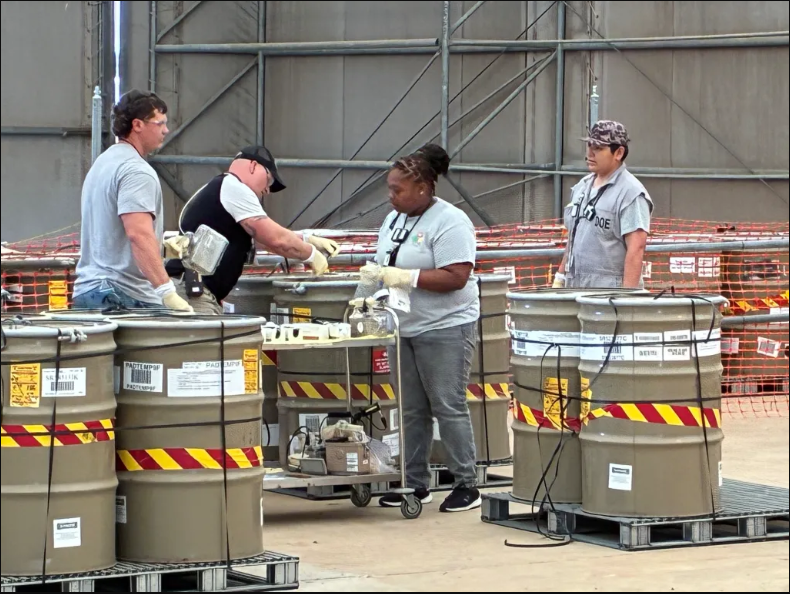
Flammable Gas Analysis Completed for Legacy Transuranic Waste Containers at U.S. Savannah River Site
AIKEN, South Carolina — The Solid Waste and Deactivation and Decommissioning team at Savannah River Nuclear Solutions (SRNS) recently completed a critical task, performing flammable gas analysis on multiple legacy high-dose-rate transuranic (TRU) waste containers. The results confirmed that these containers meet safety requirements for shipment to an underground waste disposal facility. Following this analysis, the U.S. Department of Energy Office of Environmental Management will resume shipments of remote-handled transuranic waste drums from the Savannah River Site (SRS) to the Waste Isolation Pilot Plant (WIPP) in New Mexico for permanent disposal. Flammable gas sampling is an important safety step prior to the transportation and disposal of transuranic waste. Workers...
2026-08-11
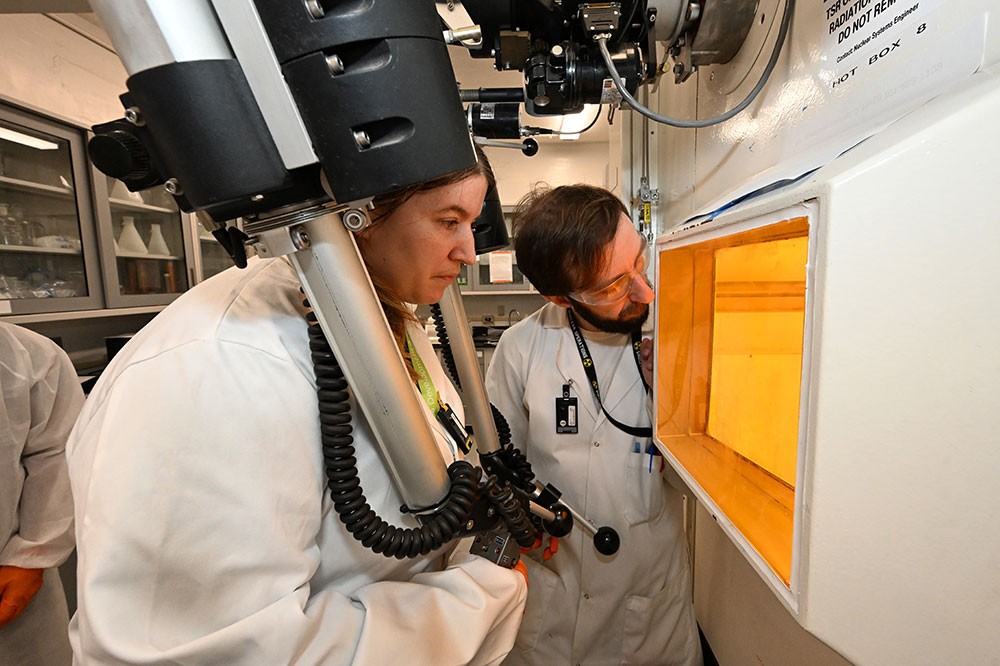
Brookhaven National Laboratory Pilots Training Program for Nuclear Technology and Radiochemistry Talent
The U.S. Department of Energy's Brookhaven National Laboratory and Suffolk County Community College (SUNY Suffolk) recently completed a pilot program to train talent in nuclear technology and radiochemistry. Eleven students and recent graduates completed one semester of coursework and three weeks of intensive laboratory training, becoming the first cohort to complete the Nuclear Technology and Radiochemistry Technician Pathway (NTRTP) program. SUNY Suffolk student Arin Morton (left) works under the guidance of mentor Michael Chimes at Brookhaven National Laboratory's Isotope Research and Production Division...
2026-08-11

UK PhD Students Travel to Canadian Nuclear Laboratories for Hands-On Nuclear Energy Training
On August 10, 2026, Canadian Nuclear Laboratories (CNL) welcomed its first cohort of PhD students from the United Kingdom. The visit is part of a five-year collaboration with the UK's Skills and Training Alliance for a Nuclear Renaissance Centre for Doctoral Training (SATURN CDT), marking the launch of a new long-term partnership in the international development of nuclear energy talent. SATURN CDT is funded by the UK's Engineering and Physical Sciences Research Council (EPSRC) and led by the University of Manchester, in partnership with seven UK universities. The program aims to provide the next generation of nuclear energy professionals with hands-on training beyond the classroom...
2026-08-11

Curium Acquires Belgium's Abscint, Expanding HER2-Targeted Gallium-68 PET Oncology Radiopharmaceutical Diagnostics Pipeline
On August 10, 2026, radiopharmaceutical company Curium announced the completion of its acquisition of Abscint SA, a Belgian clinical-stage radiopharmaceutical company. The transaction grants Curium global development, manufacturing, and commercialization rights to ABS-011, further expanding its oncology PET radiopharmaceutical diagnostics portfolio. ABS-011 is an investigational gallium-68-labeled positron emission tomography (PET) radiopharmaceutical diagnostic tracer targeting human epidermal growth factor receptor 2 (HER2). HER2 is an important biological target in multiple cancers, including breast cancer and gastric cancer. Based on available information, ABS-011 is designed to enable whole-body quantitative imaging of HER2 expression, and following further clinical development and regulatory approval, has the potential to provide more comprehensive HER2 status information for patient characterization and clinical assessment.
2026-08-11
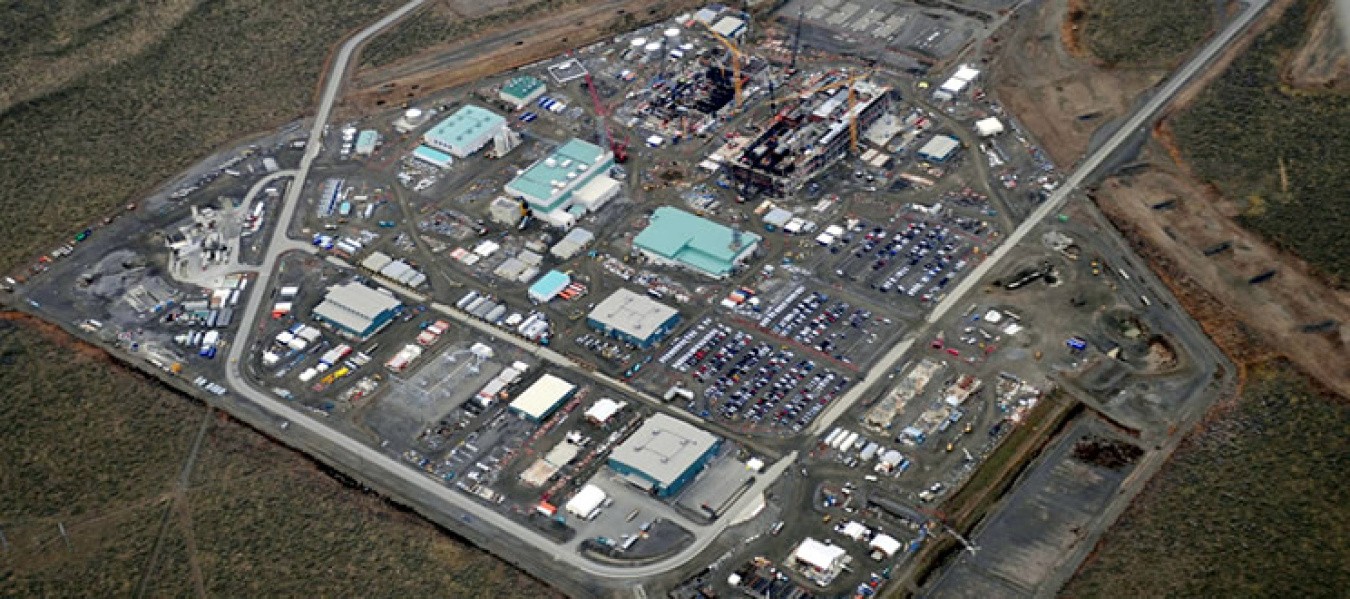
US Hanford Submits Permit Modification Applications to Accelerate Tank Waste Cleanup via "Vitrification + Grouting"
The U.S. Department of Energy's Hanford Field Office recently submitted two permit modification applications to the Washington State Department of Ecology, planning to accelerate the cleanup of radioactive waste in tanks at the Hanford site through a dual-track treatment strategy of "vitrification + grouting." The DOE stated that this approach is expected to reduce risks from aging tanks and save taxpayers billions of dollars. The waste primarily targeted by these applications is low-activity liquid waste processed through the Tank-Side Cesium Removal system, which removes more than 99.9% of radioactive materials from the treated waste. The DOE stated that the proposed permit changes would integrate tank-side treatment, grout solidification, and out-of-state disposal into a standardized process to continue advancing the treatment and transfer of some waste beyond the capacity of the Waste Treatment and Immobilization Plant.
2026-08-11
U.S. National Nuclear Security Administration Extends Savannah River Site Management and Operating Contract to September 2027
The U.S. Department of Energy's National Nuclear Security Administration (DOE/NNSA) announced on August 10 that it has exercised the remaining option on the Savannah River Site (SRS) Management and Operating contract with Savannah River Nuclear Solutions, LLC, extending contract performance through September 30, 2027, with an estimated contract value of $2.3 billion. NNSA stated that exercising this remaining option will help maintain continuity and stability of the contractor workforce, allowing related work to continue advancing around the agency's critical missions. The current SRS Management and Operating contract was originally scheduled to expire on September 30, 2026...
2026-08-11

Kazakhstan Strengthens Radiation Safety Monitoring and Nuclear Power Talent Development
Kazakhstan is improving its safety system in the field of nuclear energy and ionizing radiation source utilization, focusing on radiation monitoring, protective measures, and professional personnel training. Ionizing radiation technologies are now widely used in disease diagnosis and treatment, scientific research, product quality inspection, medical device sterilization, geophysical operations, and other fields, and their application simultaneously requires strict implementation of radiation safety management systems. In Kazakhstan, national policy and regulation in the field of atomic energy utilization are the responsibility of the Atomic Energy Agency (AEA) of the Republic of Kazakhstan, while supervision and inspection of atomic energy utilization facilities are carried out by its subordinate Committee for Atomic and Energy Supervision and Control. Current regulations stipulate licensing of related activities, registration and control of ionizing radiation sources...
2026-08-11