
Search Results
Keyword:TD
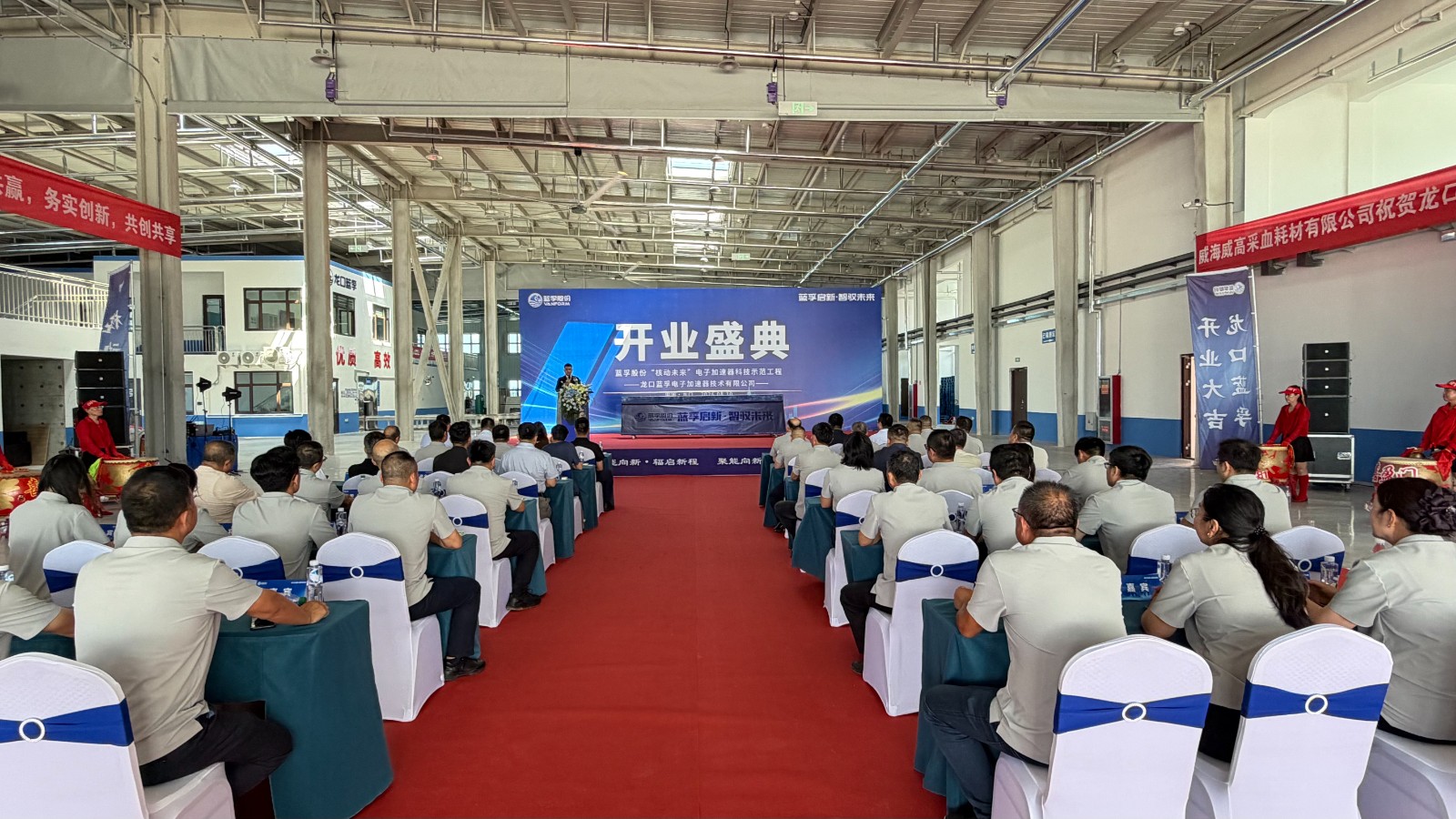
Longkou Lanfu Electron Accelerator Technology Co., Ltd. Commences Operations, Deploying High-Energy Electron Beam Irradiation Processing
On August 10, 2026, Longkou Lanfu Electron Accelerator Technology Co., Ltd. held its opening ceremony. Government officials, industry experts, university scholars, partners, and the management team of Lanfu Co., Ltd. attended the event to jointly witness the launch of the Longkou Irradiation Center. At the ceremony, Liu Zhongli, Dean of the School of Nuclear Engineering at Yantai University, recognized Lanfu's development in related technology fields from the perspectives of industrial cooperation and industry-academia-research integration. Customer representatives noted that Lanfu has built a solid reputation in technical services and corporate commitment fulfillment. Miao Cuibo, Chairman of Lanfu Co., Ltd., stated in his address that the company has long been deeply engaged in the field of high-energy electron beam irradiation technology, with a service network covering multiple core regions nationwide, and continues to drive industrial quality improvement and efficiency enhancement through technological innovation.
2026-08-11
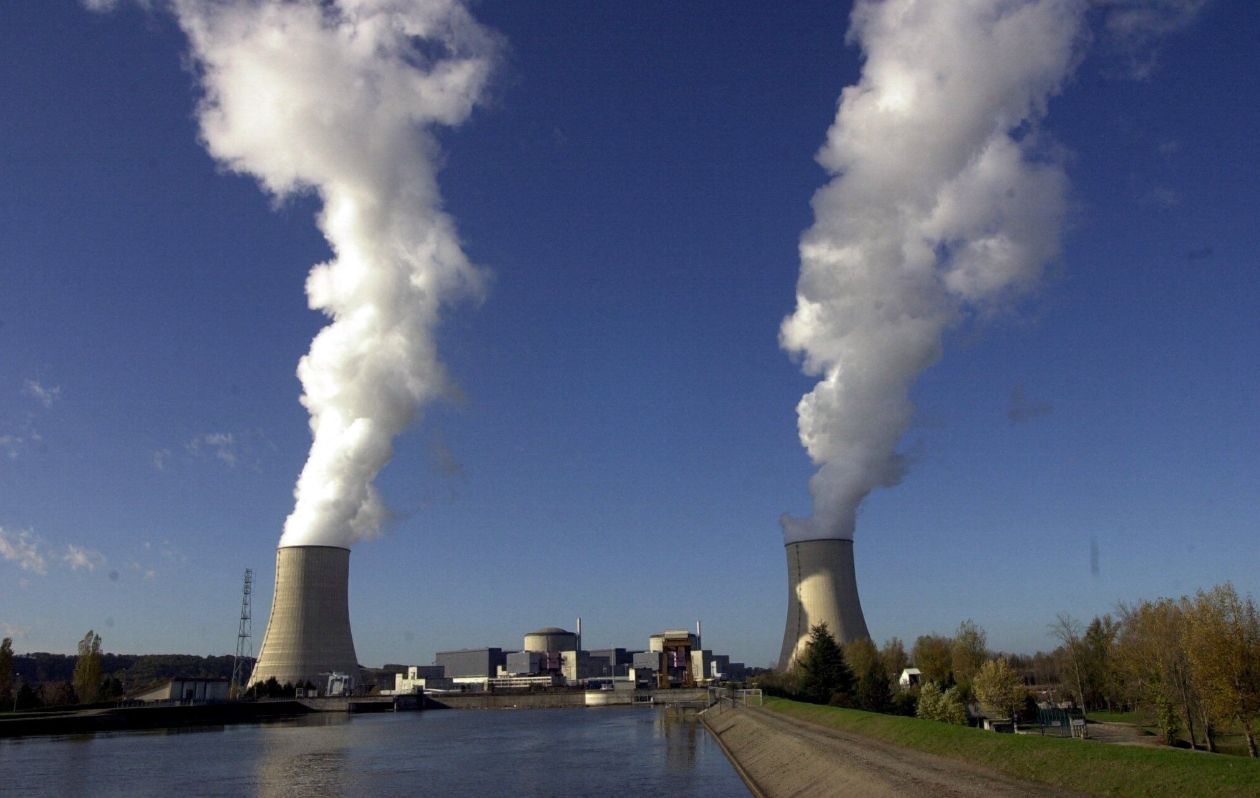
EDF plans to add cooling towers at Golfech nuclear plant to cope with repeated shutdowns due to high temperatures
French utility EDF is planning to adapt the Golfech nuclear power plant in Tarn-et-Garonne to cope with increasingly frequent heatwaves. Since June this year, the plant has been shut down multiple times due to high temperatures, with another outage in early August, highlighting the growing operational pressure on nuclear facilities that rely on river water for cooling in the context of climate change. The direct cause of the Golfech shutdowns is not that the reactors themselves cannot operate, but rather that the Garonne River water temperature is too high. Under regulations dating from 2006, when the daily average water temperature of the Garonne downstream of the plant exceeds 28 degrees Celsius, EDF may reduce unit output or temporarily shut down. This restriction is primarily intended to protect the river ecosystem...
2026-08-11
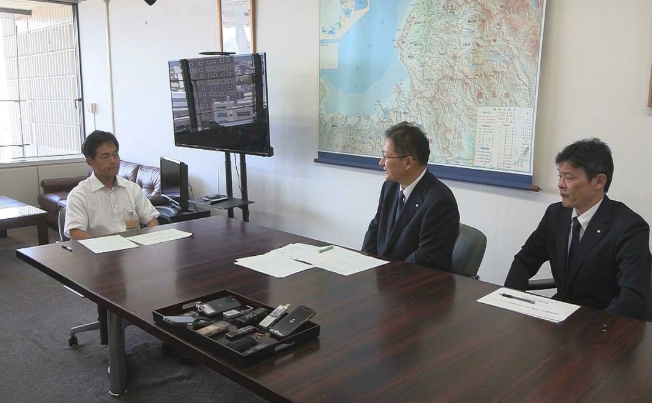
Automatic Shutdown of Unit 3 at Oi Nuclear Power Plant During Operation; Kansai Electric Power to Investigate Cause from the 12th
Unit 3 of the Oi Nuclear Power Plant in Fukui Prefecture, Japan, experienced an automatic shutdown during operation in the early hours of the 9th. Operator Kansai Electric Power stated that the fault is related to an internal abnormality in the generator and plans to formally begin a cause investigation from the 12th. Currently, there is no clear timeline for when the unit can resume operation. According to reports, an alarm related to loss of magnetic field occurred inside the generator used for power generation at the time of the incident, after which the generator stopped, and the reactor in operation also automatically shut down. On the 10th, Kansai Electric Power visited the Fukui Prefectural Government to apologize for the fault and report on subsequent response measures. Yuichiro Sakamoto, head of the Fukui Prefecture Disaster Prevention and Safety Division, pointed out that following a steam leak fault at Mihama Nuclear Power Plant Unit 3 in May this year, an unexpected emergency shutdown of a reactor in operation occurring within a short period may undermine public trust in nuclear safety. Local government authorities have demanded that the operator promptly identify the cause and implement measures to prevent similar issues from recurring.
2026-08-11
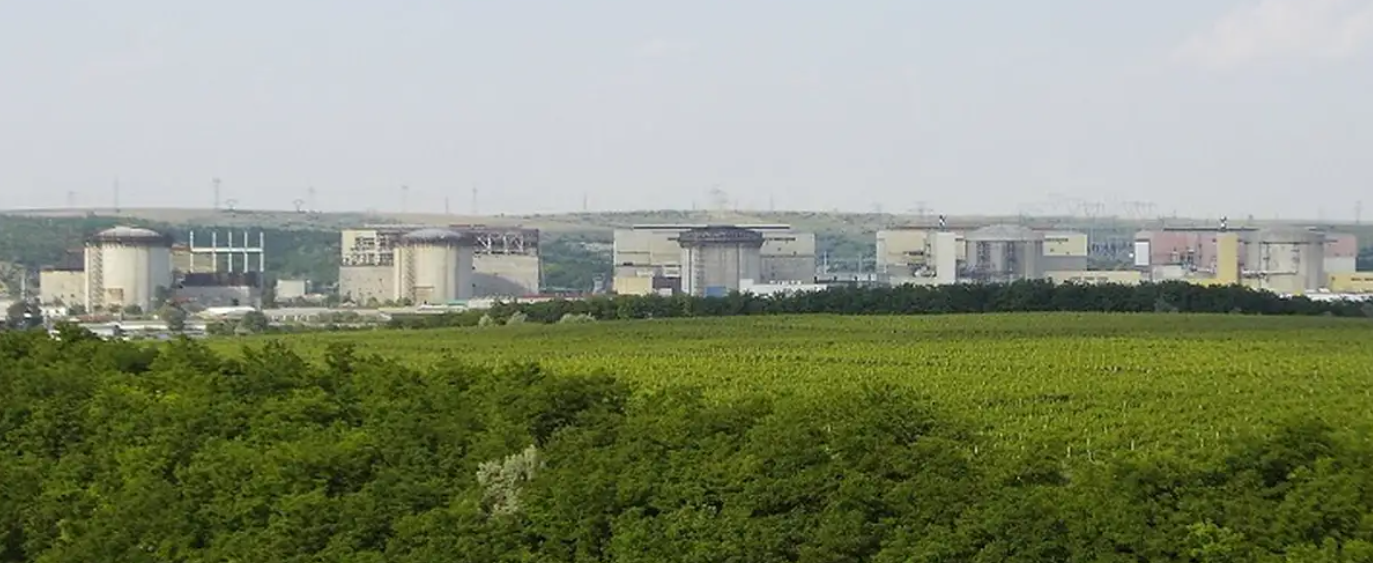
Unit 2 of Romania's Cernavoda Nuclear Power Plant Still at Risk of Shutdown
Ionel Scrioșteanu, State Secretary of Romania's Ministry of Transport and Infrastructure, stated that Unit 2 of the Cernavoda Nuclear Power Plant is currently still in operation, but the risk of shutdown has not been eliminated. On August 8, Romanian authorities took emergency measures by sinking four fully loaded barges into the Danube River to raise local water levels, increasing the water intake into the plant's cooling water system to ensure the cooling needs of the reactor units. Scrioșteanu said on social media that the related actions have achieved positive results, allowing Unit 2 of the Cernavoda Nuclear Power Plant to continue operating...
2026-08-11
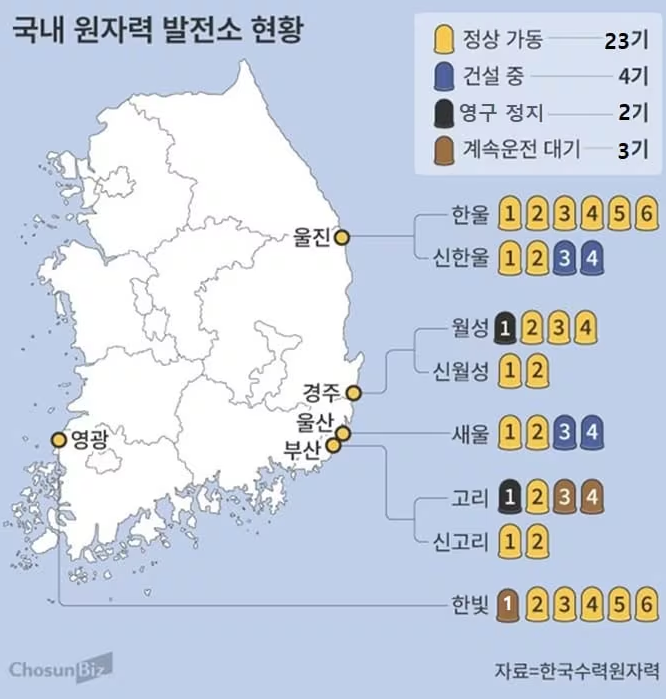
Sea Temperature Approaching Shutdown Threshold, Nuclear Power Belt on South Korea's East Coast Faces Load Reduction Pressure
Climate change is pushing nuclear power plants on South Korea's east coast toward new operational boundaries. South Korean nuclear plants generally rely on seawater as cooling water; after the heat generated by the reactor drives the turbine, seawater is needed to condense the steam back into water. Once the intake water temperature approaches or exceeds the design seawater temperature set by the equipment, heat exchange efficiency declines, affecting the heat dissipation capacity of key safety systems, and the plant must reduce load or even shut down in accordance with safety regulations. The area currently at greatest risk is around Uljin in North Gyeongsang Province. Data from the National Institute of Fisheries Science shows that nearshore surface seawater temperatures along parts of the east coast have approached 30°C, with multiple observation points near Uljin recording approximately 29.6°C to 30.2°C on the afternoon of August 7.
2026-08-10
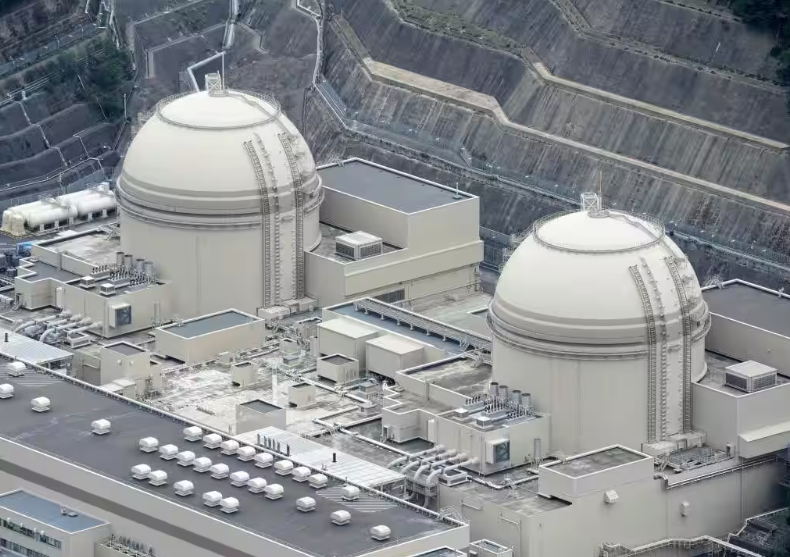
Unit 3 of Japan's Ohi Nuclear Power Plant Automatically Shuts Down
Kansai Electric Power Co. announced in the early hours of the 9th that Unit 3 of the Ohi Nuclear Power Plant, located in Ohi Town, Fukui Prefecture, Japan, automatically shut down during operation. The unit has a generating capacity of 1.18 million kilowatts. According to Kansai Electric Power, at around 23:56 on the 8th, an alarm was triggered at the unit, indicating that the generator had lost the conditions required to produce a magnetic field. Subsequently, the generator automatically stopped operating, and the reactor also automatically shut down. Preliminary information suggests that the anomaly may involve the exciter, a device used to establish the magnetic field for the generator. Kansai Electric Power stated that no radioactive material leakage occurred as a result of this incident, and there was no radiological impact on nearby personnel or the environment. The cause of the malfunction...
2026-08-10
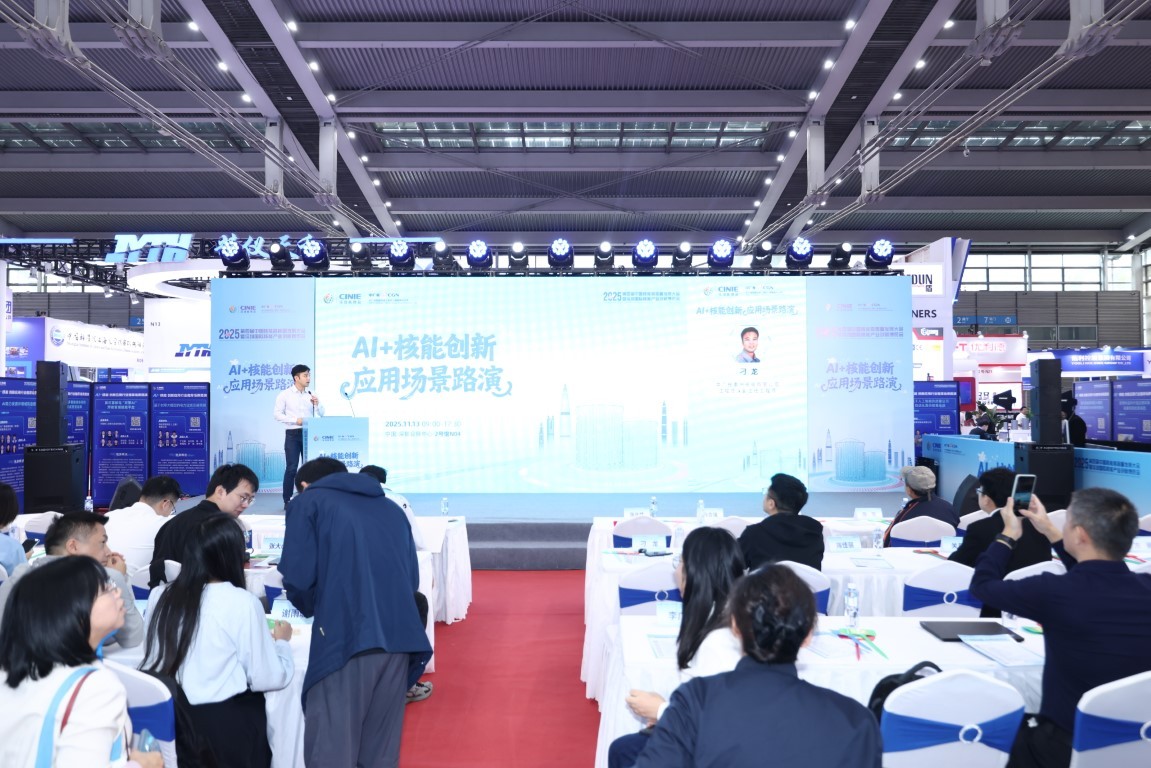
"AI-Based Automated Authenticity Verification System for Quality Certificates" — Diao Long, Deputy Chief Engineer of Engineering Quality Assurance, CGN Huizhou Nuclear Power Co., Ltd.
On November 14, 2025, Diao Long, Deputy Chief Engineer of Engineering Quality Assurance at CGN Huizhou Nuclear Power Co., Ltd., delivered a keynote report titled "AI-Based Automated Authenticity Verification System for Quality Certificates" at the "AI+Nuclear Innovation Application Scenario Roadshow" of the Shenzhen Nuclear Expo. The presentation introduced Huizhou Nuclear Power's AI-based automated authenticity verification system for quality certificates, designed to address issues such as low manual verification efficiency, error-proneness, difficulty in traceability, and diverse counterfeiting methods. The system achieves batch, high-speed, and traceable authenticity verification through certificate upload, QR code recognition, web scraping, large model key information comparison, and report generation, and has identified anomalies in multiple real-world counterfeiting cases...
2026-08-08
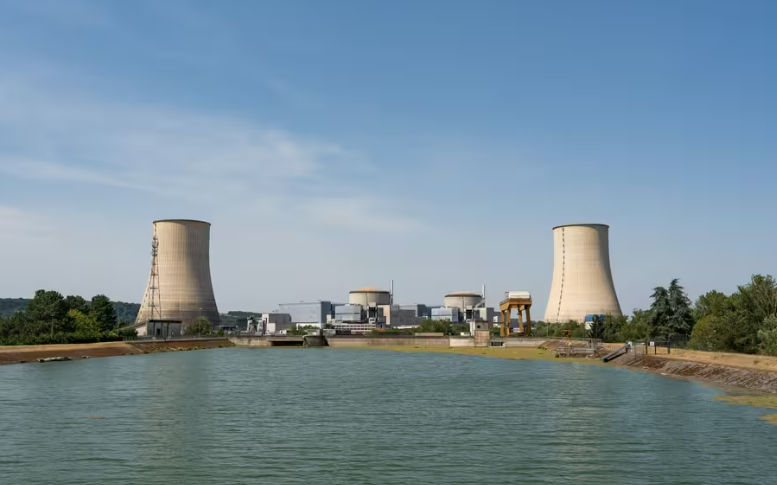
France's Golfech Nuclear Power Plant Reconnected to Grid After Shutdown Due to High Temperatures
French utility EDF (Électricité de France) announced that the Golfech nuclear power plant, located in the Tarn-et-Garonne department, has been reconnected to the grid. Unit 2 of the plant was restarted around noon on August 7, following a forced shutdown on July 29 due to high-temperature weather. At the time of the shutdown, Unit 1 was in the maintenance and refueling phase, making the interruption of Unit 2 more impactful on plant operations. The direct cause of the shutdown at Golfech was that the water temperature of the Garonne River reached regulatory limits. According to relevant regulations, when the daily average water temperature of the Garonne River exceeds 28 degrees Celsius, the plant must reduce reactor power or temporarily cease operations. Since the nuclear plant needs to draw water from the river for...
2026-08-08
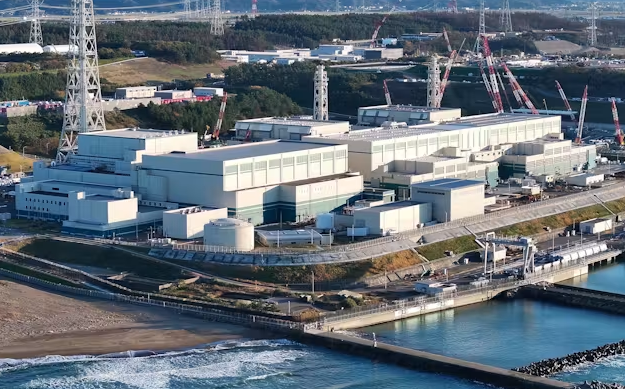
Rising Seawater Temperatures Prompt New Nuclear Safety Rules: TEPCO Sets Temporary Shutdown Criteria for Kashiwazaki-Kariwa Plant
Tokyo Electric Power Company Holdings announced on August 7 that it has established a set of self-determined criteria for evaluating whether to temporarily halt nuclear reactor operations at the Kashiwazaki-Kariwa Nuclear Power Plant in Niigata Prefecture, in response to rising seawater temperatures in the surrounding area. These criteria are not mandatory requirements directly imposed by external regulatory authorities, but rather proactive measures voluntarily implemented by TEPCO based on safe operational needs. According to the conditions announced by TEPCO, the company will consider temporarily shutting down the relevant nuclear facilities when the 7-day average seawater temperature in the waters surrounding the plant exceeds 31 degrees Celsius, when water temperatures above 34 degrees Celsius are observed, or when water temperatures above 33 degrees Celsius persist for 12 hours. These numerical thresholds indicate that seawater temperature has been incorporated as a key variable in nuclear power plant operational risk management.
2026-08-08
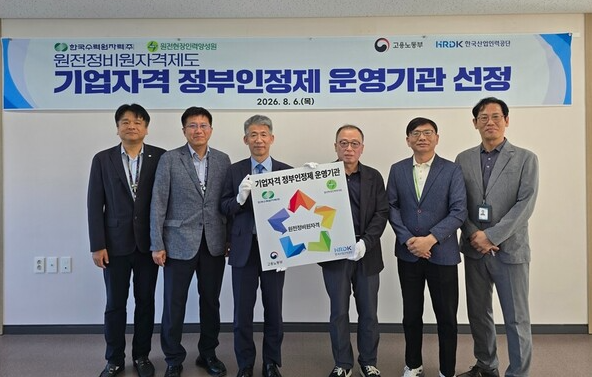
KHNP's "Integrated Nuclear Power Plant Maintenance Personnel Qualification System" Receives Official Government Recognition
On August 7, Korea Hydro & Nuclear Power (KHNP) announced that its integrated nuclear power plant maintenance personnel qualification system has officially received government recognition from the Korea Human Resource Development Service for Emerging Industries, an affiliate of the Ministry of Employment and Labor. This recognition signifies that the qualification system, used internally by the company to enhance employee job competencies, has received official confirmation in terms of evaluation standards, operational frameworks, and management mechanisms, providing a more credible institutional foundation for nuclear power plant equipment operation and maintenance capability building. The core of this recognized system lies in integrating the qualification frameworks previously operated separately by various nuclear maintenance partner companies into unified standards. This marks the first time such a standardized model has been established in Korea's nuclear maintenance sector...
2026-08-07
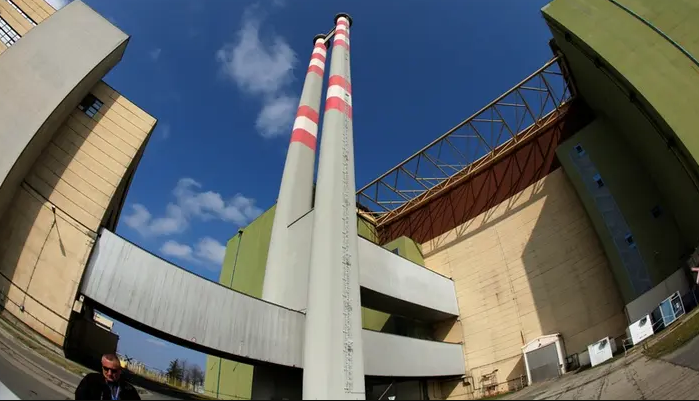
Hungary's Paks Nuclear Power Plant Avoids Full Shutdown as Danube Rises 2 cm, Now Operating at Only 240 MW
From the night of August 4 to the early morning of August 5, Hungary's Paks Nuclear Power Plant (about 100 km south of Budapest, commissioned in 1982, never fully shut down in its history) nearly disconnected from the grid due to low Danube water levels—3 of its 4 units had been sequentially shut down, leaving only one turbine operating at about 240 MW (normal output near 2,000 MW), supplying roughly half of Hungary's electricity. Hungarian Prime Minister Péter Magyar stated that the river level rose about 2 cm overnight, allowing the final unit's cooling to be maintained and averting the first full shutdown in 44 years; temperatures are still expected to exceed 40°C in the coming days, with cooling and rainfall only anticipated around Friday (approximately August 8). To alleviate energy pressure, Prime Minister Magyar thanked those who voluntarily...
2026-08-06
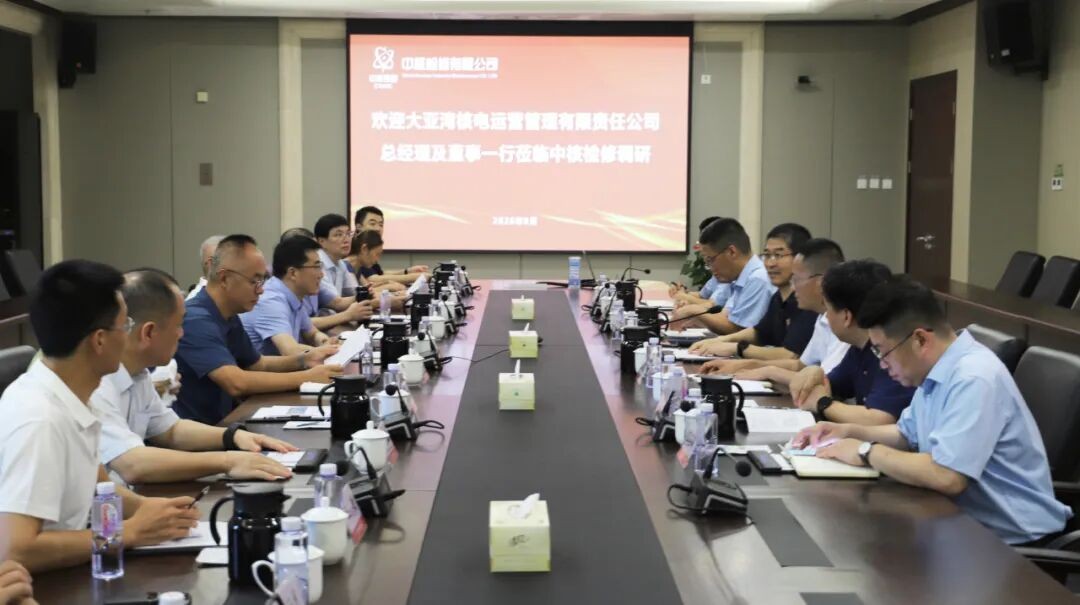
He Liuyi, Deputy Secretary of the Party Committee and General Manager of Daya Bay Nuclear Power Operations and Management Co., Ltd., along with Board Directors, Visits CGN Nuclear Maintenance for Investigation
On August 4, He Liuyi, Deputy Secretary of the Party Committee and General Manager of Daya Bay Nuclear Power Operations and Management Co., Ltd., along with Directors Wu Zijian, Cao Dongqing, and Huang Yong, visited the Qingdao base of CGN Nuclear Maintenance for investigation. Ouyang Wu, Member of the Party Committee, Chief Accountant, and Secretary to the Board of Directors of Daya Bay Nuclear Power Operations and Management Co., Ltd., Li Xiaowei, Member of the Party Committee and Deputy General Manager, and Ma Gang, Director of Guangdong Nuclear Power Joint Venture Co., Ltd., accompanied the visit. Dong Juncheng, Secretary of the Party Committee and Chairman of the Company, presided over the meeting. At the meeting, Dong Juncheng provided a detailed introduction to the company's products and services, mission and honors, Party building, industrial layout, core nuclear power maintenance technologies, achievements in building the national nuclear emergency response team, and the...
2026-08-06
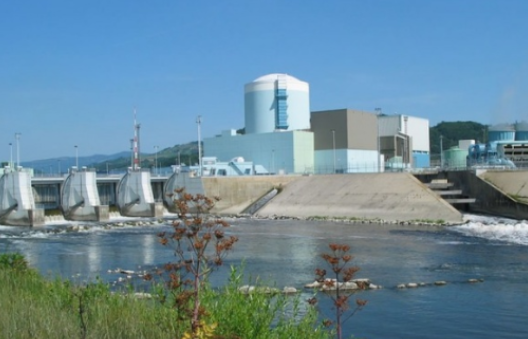
Croatia's Krško Nuclear Power Plant Only 3.4°C Away from Shutdown Threshold
Croatian Prime Minister Andrej Plenković on August 4 dismissed concerns that the Slovenia-Croatia jointly owned Krško nuclear power plant might be forced to shut down due to excessively high Sava River water temperatures, stating that power supply is secure and the situation is under control. However, the plant is actually approaching environmental cooling limits, and due to abnormally high temperatures and declining Sava River water levels, the safety limits at the Krško nuclear power plant are nearing critical thresholds. According to environmental regulations, the daily average temperature of the river at the complete mixing point must not exceed 28 degrees Celsius, and the daily temperature increase must not exceed 3 degrees Celsius. As of August 4, the Sava River in the area was 24.6 degrees Celsius, with a daily increase of 2.6 degrees Celsius, leaving only 3.4°C before the 28°C red line and 0.4°C before the 3°C daily increase red line...
2026-08-05
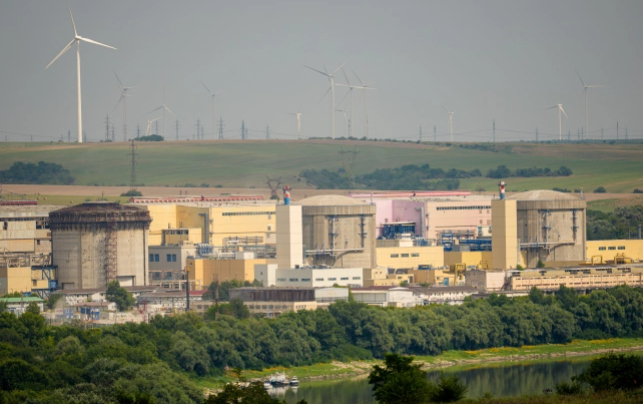
Unit 2 of Romania's Cernavoda Nuclear Power Plant can only operate for about 5 more days due to the continuously declining water level of the Danube River
Unit 2 of Romania's Cernavoda Nuclear Power Plant is expected to operate for only about five days due to the declining water level of the Danube River. Romeo Urjan, the plant's director, stated that if the Danube's water level continues to drop at a rate of 2 to 3 centimeters per day, Unit 2 will soon cease operation. Unit 1 has already been shut down due to insufficient water flow. Urjan emphasized that despite this, Unit 2 continues to operate within normal parameters, and nuclear safety is not under any threat. To alleviate the situation, relevant authorities are preparing to deploy four barges to divert more water to the plant, hoping to raise the water level by 7 to 8 centimeters, thereby extending the plant's operating time. Related...
2026-08-04
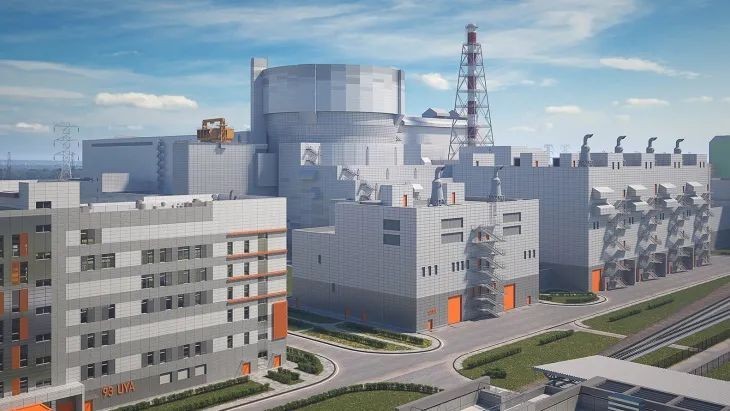
Danube at Record Low, Hungary's Paks Nuclear Plant Faces First Full Shutdown in 44 Years
On August 2, Hungarian authorities stated that the Paks Nuclear Power Plant may halt electricity generation due to the Danube River dropping to a historic low. This is the country's only nuclear power plant, with an installed capacity of approximately 2 gigawatts, generating nearly half of Hungary's total electricity output. The Paks Nuclear Power Plant draws water from the Danube for cooling. Due to persistent high temperatures and insufficient rainfall, the Danube's water level has been continuously declining recently. Hungarian water authorities predict that the river, which flows from Germany to the Black Sea, will see further drops in water levels in the coming days. As of 18:37 GMT on August 2, the Paks Nuclear Power Plant's output was only slightly above 10% of its installed capacity. Péter M...
2026-08-03