
Search Results
Keyword:fusion reactor
Japan Selects Four Companies for Fusion Power Program
Japan's Ministry of Economy, Trade and Industry (METI) has conditionally selected EX-Fusion, Helical Fusion, Linea Innovation, and Starlight Engine to participate in a fusion program targeting reactor operation in the 2030s. The program will provide approximately $370 million, equivalent to around €318 million, in subsidies to selected projects by the end of February 2029. Specific funding allocations are still subject to formal grant decisions. The support corresponds to commitments in Japan's 2023 fusion strategy, which sets out the goal of achieving fusion power in the 2030s...
2026-09-07
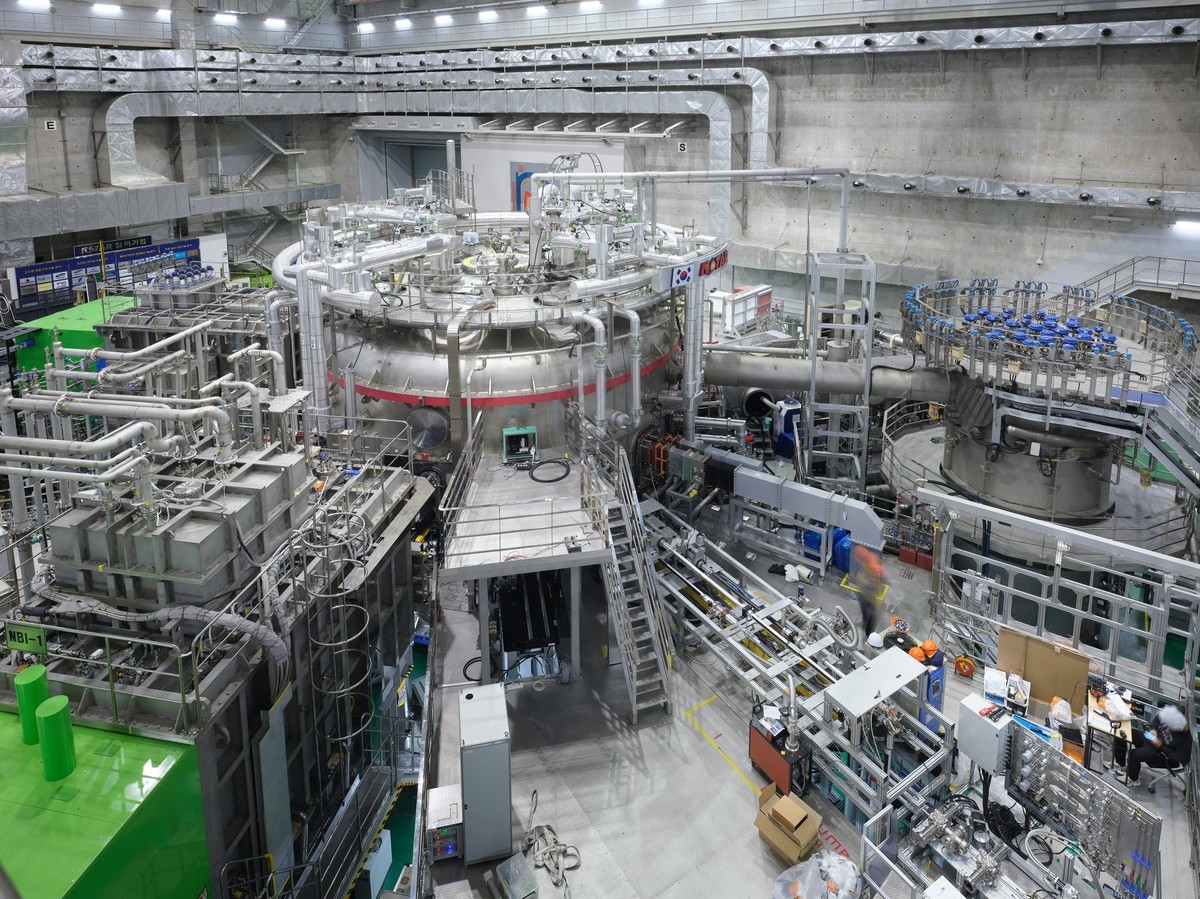
South Korea's KSTAR to Conduct Long-Pulse Fusion Research in Tungsten Environment with European Institutions
The Korea Institute of Fusion Energy (KFE) announced on August 27 that it has signed implementation agreements with multiple fusion research institutions in France, Italy, Germany, and Finland to conduct joint research on long-duration plasma operation in a tungsten environment using the Korea Superconducting Tokamak Advanced Research (KSTAR) device. Partner institutions include the French Alternative Energies and Atomic Energy Commission (CEA), the Italian National Agency for New Technologies, Energy and Sustainable Economic Development (ENEA), the Max Planck Institute for Plasma Physics (IPP) in Germany, and the VTT Technical Research Centre of Finland (VTT). The institutions will focus on key technologies required for long-pulse operation of future fusion reactors...
2026-08-27
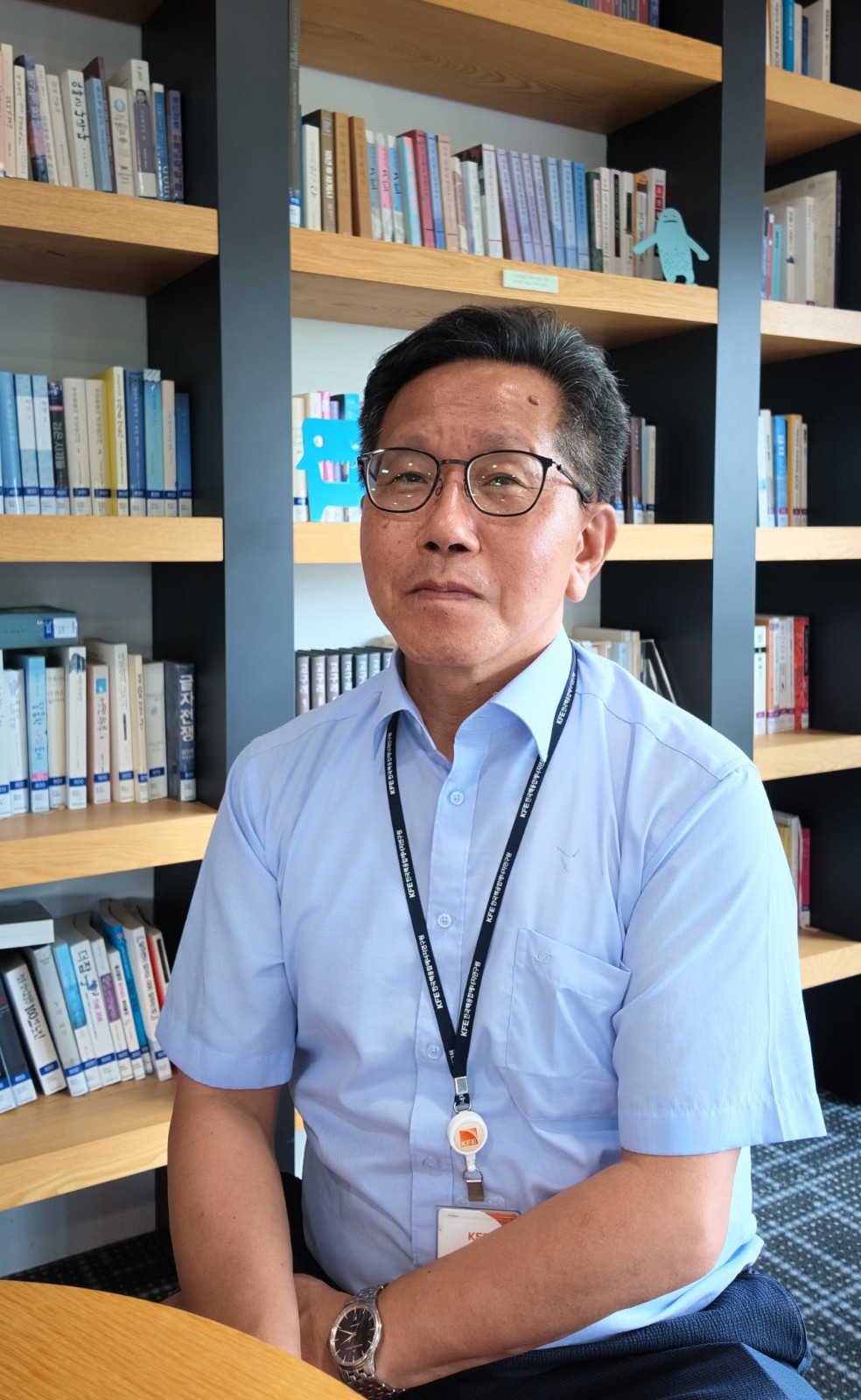
South Korea plans to build an innovative self-developed fusion reactor by 2035
Yang Hyeong-ryeol, head of the fusion sector of the K-Moonshot project at the Korea Institute of Fusion Energy (KFE), recently stated that South Korea plans to complete the construction of an independently developed innovative fusion reactor by 2035 and strives to complete power generation demonstration by 2039. He said that nuclear fusion is an extremely challenging technical endeavor, but once a breakthrough is achieved, it will have broad driving effects on the energy, industrial, and technological systems. Yang Hyeong-ryeol, project director of South Korea's Moonshot program, said nuclear fusion is often called an artificial sun because it generates energy by simulating the energy production process inside the sun. Against the backdrop of rapid expansion of AI applications, rising electricity demand, and increasing global pressure for carbon reduction, the commercialization of fusion energy is attracting growing attention from more countries and enterprises. The South Korean government has listed nuclear fusion, along with small modular reactors and renewable energy, as key future technology directions, and hopes to advance the commercialization of fusion energy through public-private partnerships.
2026-08-20
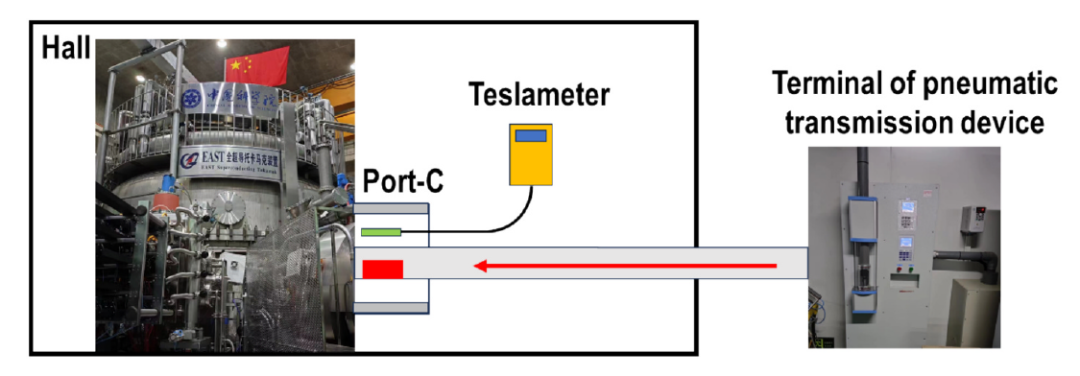
The Energy Research Institute of Hefei Comprehensive National Science Center Achieves a Series of New Progress in Safety Assessment of Activated Corrosion Products under Magnetic Field Environments in Fusion Reactors
Recently, the Radiation Protection and Safety Research Center of the Energy Research Institute of Hefei Comprehensive National Science Center has made a series of significant progress in the field of safety assessment of activated corrosion products under magnetic field environments in fusion reactors. The research team conducted systematic studies on the corrosion behavior of China's low-activation ferritic/martensitic steel CLF-1 in magnetic field environments, from three dimensions: water corrosion characteristics, migration patterns of corrosion products, and the influence of surface roughness. The relevant results have been published as three papers in the journal *Nuclear Materials and Energy*, which is ranked in Zone 1 of the emerging journal classification table. This series of research outcomes provides key scientific evidence for the radiological safety assessment of cooling water systems in fusion reactors...
2026-08-15
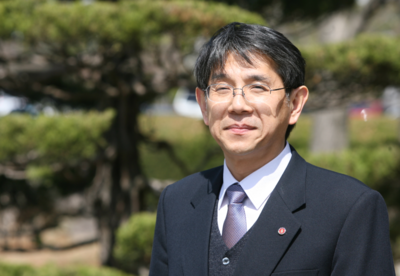
South Korean Scholar Patents Fusion Reactor Optimization Design Method
Professor Bonggeun Hong (transliteration) of the Department of Quantum System Engineering at the College of Engineering, Jeonbuk National University, South Korea, has recently registered a patent for a fusion reactor optimization design method, aimed at supporting the engineering design and commercialization of next-generation fusion technology. [Image source: Jeonbuk National University] The design method proposed in the patent can evaluate the performance of fusion reactors in various application scenarios—including power generation, thermal energy utilization, and use as a neutron source for nuclear transmutation—while optimizing device dimensions and key component structures. Its core approach is to simultaneously consider fusion system performance and economic feasibility during the initial design phase, thereby deriving more optimal design solutions.
2026-08-06
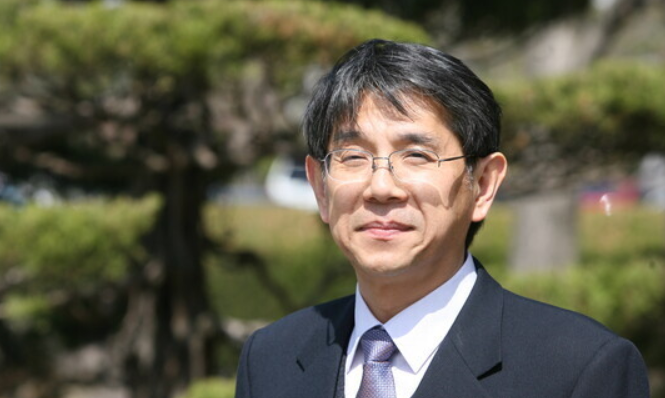
South Korean University Team Files Patent for Fusion Reactor Optimization Design Method
Professor Hong Bong-geun of the Department of Quantum System Engineering at the College of Engineering, Jeonbuk National University, South Korea, has recently filed a patent for a fusion reactor optimization design method. This method can determine device dimensions and key component structures while enabling customized performance design for fusion reactors based on different applications such as power generation, thermal energy utilization, and transmutation neutron sources. According to reports, this design technology targets the early-stage R&D phase of fusion devices and can be used to rapidly assess the technical and economic feasibility of proposals, thereby reducing trial-and-error, shortening development cycles, and lowering development costs, providing design support for fusion energy commercialization...
2026-07-31
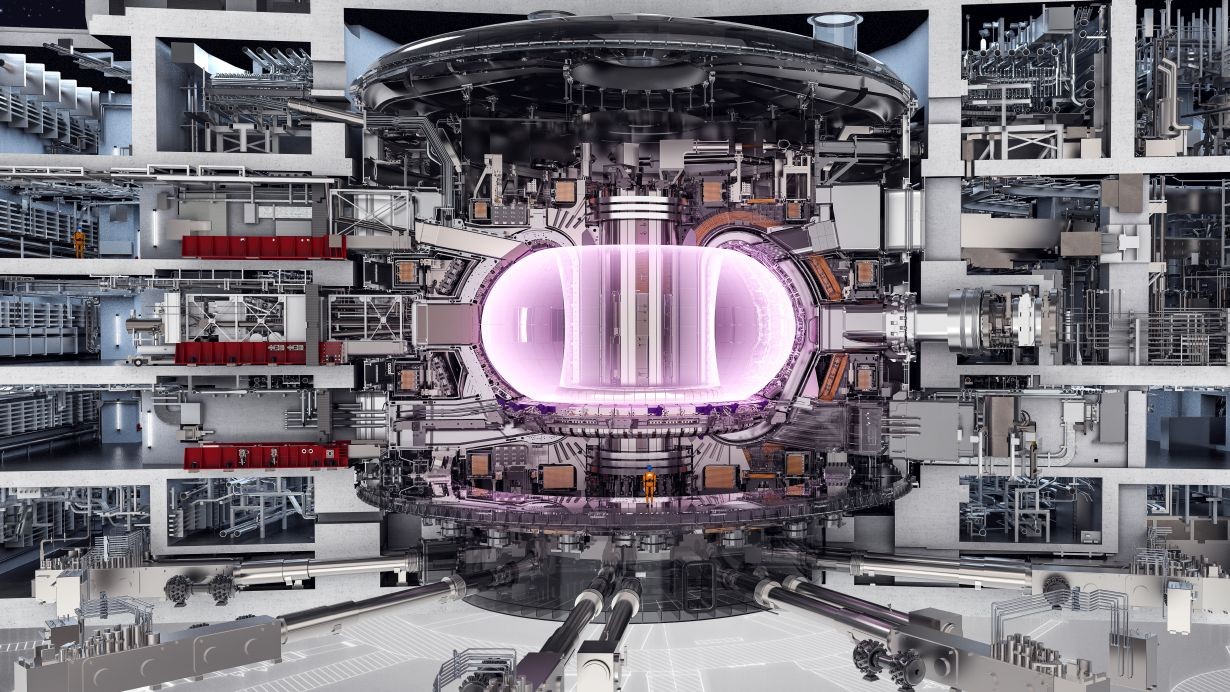
Germany to Establish Fusion Technology Research Center at Karlsruhe Institute of Technology
The German federal government is advancing the layout for the country's first fusion reactor. According to a decision announced on July 29, 2026, by the German Federal Ministry of Research, Technology and Space (BMFTR), one of three newly established fusion research centers will be located at the Karlsruhe Institute of Technology (KIT), focusing on fuel cycles, new materials, and engineering technology research for fusion power plants. In line with Germany's Fusion Action Plan, the new research centers will integrate the efforts of scientific institutions and industry to concentrate on solving key technical challenges before the application of fusion energy. The center at KIT will leverage the institute's expertise in fusion fuel cycles, high-performance materials, and core reactor components to advance related achievements...
2026-07-30
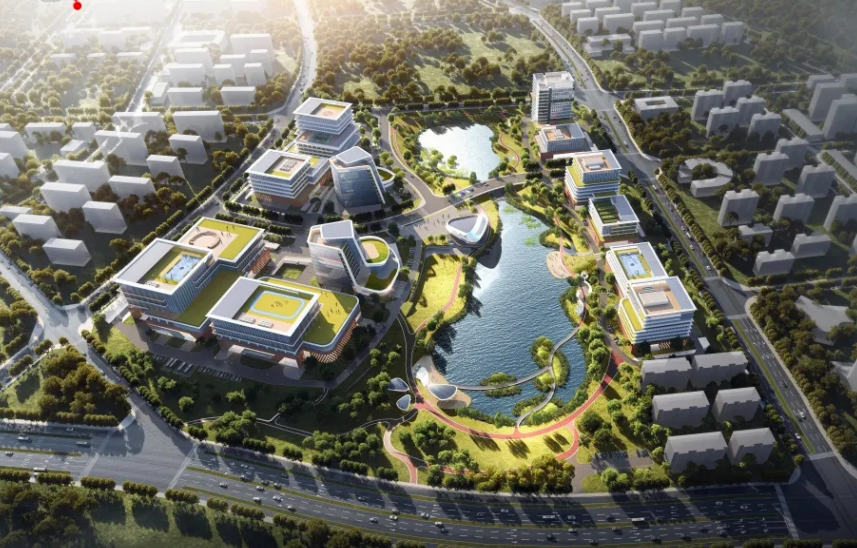
Hefei establishes a new joint laboratory for fusion reactor material irradiation and evaluation, driving the coordinated development of the nuclear fusion industry.
Recently, the Joint Laboratory for Fusion Reactor Material Irradiation and Evaluation—co-established by the Institute of Plasma Physics (Hefei Institutes of Physical Science, Chinese Academy of Sciences) and the Institute of High Energy Physics (Chinese A
2026-07-27