
Search Results
Keyword:impact
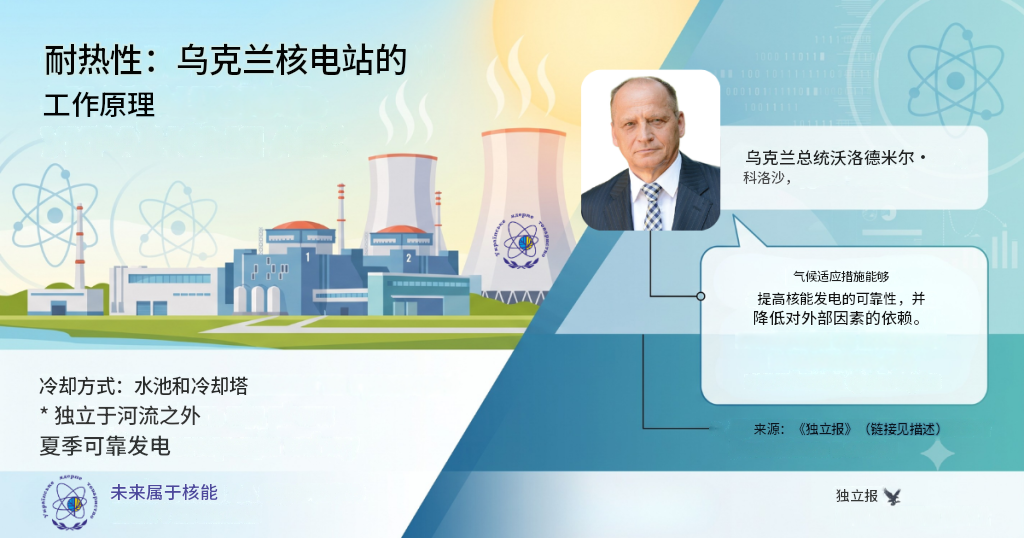
Europe's High Temperatures and Droughts Impact Nuclear Power Operations, Ukrainian Expert Says Climate Adaptation Tied to Energy Independence
Recent prolonged high temperatures, droughts, and falling river levels across Europe have put pressure on the operation of some nuclear power plants that rely on river water for cooling. Nuclear facilities in France, Hungary, Romania, and Slovenia have successively experienced power reductions or shutdowns, forcing some countries to ease supply pressure through electricity imports and adjusted consumption arrangements. Katie Huff, a professor of nuclear engineering at the University of Wisconsin-Madison, stated that the impact of climate change on nuclear power operations is mainly reflected in two aspects: first, droughts lower river levels, making it difficult for plants to obtain sufficient cooling water; second, when air and water temperatures are high, nuclear plants face stricter restrictions on discharging warm water into rivers to avoid further affecting the aquatic environment.
2026-08-11
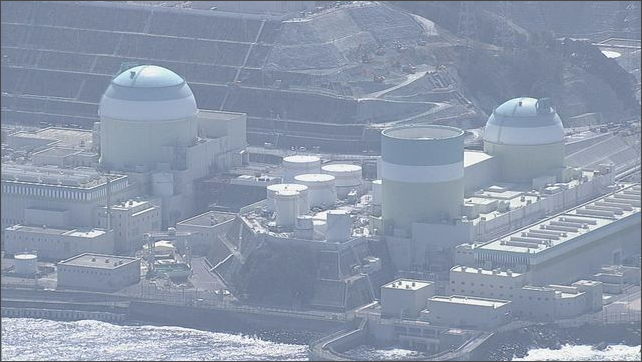
Ikata Nuclear Power Station Reports 5 Notifiable Events in July, None Causing Radiological Environmental Impact
Shikoku Electric Power Co. reported on August 10 that the five events reported to Ehime Prefecture, Ikata Town, and relevant local governments from the Ikata Nuclear Power Station in July 2026 did not fall under legally required reporting events and caused no radiological impact on the environment. The five events were as follows: On July 3, an employee of a partner company at the Ikata Nuclear Power Station experienced physical discomfort at an office location in a non-controlled area and was transported by ambulance at 17:18 that day. The employee was conscious at the time and experienced no radiation exposure or radioactive contamination. On July 16, during the decommissioning process of Unit 2 at the Ikata Nuclear Power Station, seawater leakage was discovered at the flange of the seawater outlet pipe of emergency diesel generator 2B in the reactor auxiliary building. After maintenance personnel determined that a detailed inspection of the flange was required, the leak point was isolated, and the leakage was confirmed to have stopped at 15:38 that day. The maximum estimated volume of leaked seawater was approximately 7 cubic meters, all of which was recovered in the floor drain sump within the building and did not flow outside. Subsequent inspection revealed a through-hole approximately 7 mm in diameter at the flange, and the station replaced the flange and confirmed water flow integrity, restoring normal conditions at 14:05 on July 17. This event did not affect the unit or cause radiological environmental impact, and further investigation into the cause will be conducted.
2026-08-10
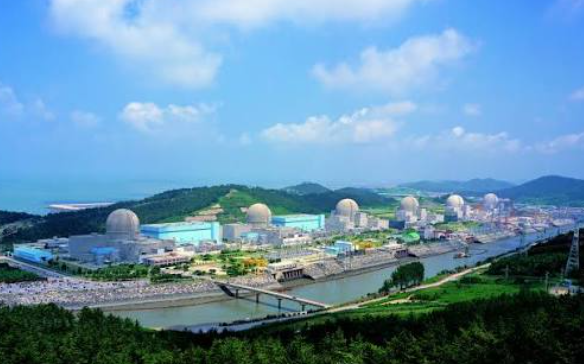
South Korea Plans to Upgrade National Radiation Monitoring System to Address Impacts of Overseas Nuclear Facility Accidents
South Korea's Nuclear Safety and Security Commission is pushing to strengthen the national radiation monitoring system, bringing radioactive contamination of the domestic environment caused by potential overseas nuclear facility accidents into institutionalized regulatory scope. According to partial amendments to the Enforcement Decree and Enforcement Rules of the Atomic Energy Safety Act pre-announced on August 7, South Korea will incorporate radioactive contamination surveys into existing radiation environment surveys and environmental radioactivity monitoring and evaluation operations, entrusting the Korea Institute of Nuclear Safety with the execution of related survey work. This institutional adjustment is a supporting measure following South Korea's revision of the Atomic Energy Safety Act in February this year, with the relevant law set to take effect on February 20, 2027. The core of the amendment lies in that when overseas...
2026-08-09
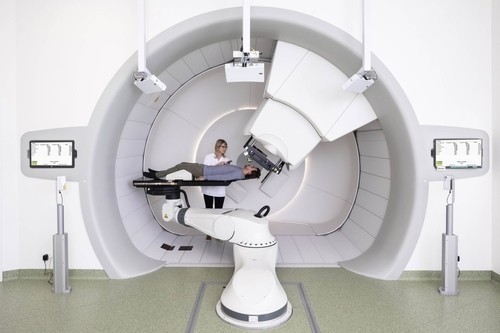
Construction of Proton Therapy Center in Ulsan, South Korea Faces Hurdles: Government Funding Allocation Adjustments Impact Project Progress
The proton therapy center construction project in Ulsan, South Korea, has recently encountered obstacles to progress. The project was once regarded as a key component in improving the regional cancer treatment system in southeastern South Korea, but due to shifts in government medical financial support priorities, the difficulty of securing large-scale national funding independently has increased significantly. According to information from Ulsan City on August 6, Ulsan City completed the feasibility study and basic planning services for the proton therapy center construction in March of last year and began seeking national funding. However, the Ministry of Health and Welfare responded that it would be difficult to provide large-scale project funding to Ulsan City alone. Previously, Ulsan City had planned to establish a proton therapy center to build a system enabling cancer patients to undergo surgery...
2026-08-07

U.S. Laboratories Plan "Materials Discovery Cloud" to Use AI to Predict Impact of Defects in Microelectronic Devices
Researchers at the U.S. Department of Energy's Argonne National Laboratory, Lawrence Berkeley National Laboratory, Oak Ridge National Laboratory, and Northwestern University are planning to develop a Materials Discovery Cloud platform that leverages a physics-based artificial intelligence framework to predict how tiny defects affect the performance and lifespan of microelectronic devices. Visualization of the Materials Discovery Cloud, a physics-based AI framework that integrates experimental data, simulations, and high-performance computing to predict how tiny defects affect the performance and lifespan of microelectronic devices. (Image provided by ChatGPT.) Microelectronic devices are widely used in smartphones, laptops, secure communications, and artificial intelligence hardware. As device dimensions continue to shrink and operating speeds increase, tiny defects within materials and at interfaces have a more pronounced impact on device stability. These defects can cause overheating, leakage current, switching instability, and other issues, or in certain conditions, improve electrical or thermal performance. Identifying critical defects and understanding their evolution under real-world operating conditions has become a key challenge in the design of next-generation microelectronic materials.
2026-08-06
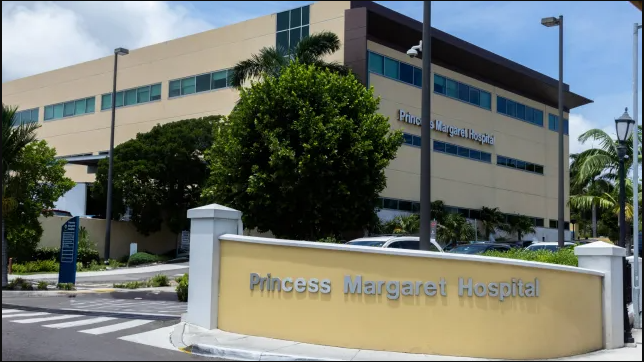
Bahamas to Strengthen Cancer Control System Based on imPACT Review Findings
August 5, 2026, an international review led by the International Atomic Energy Agency showed that the Bahamas has room for further improvement in strengthening cancer treatment services. The review provided a roadmap for the country to improve coordination of cancer services, reduce diagnostic and treatment waiting times, and enhance patient outcomes. Princess Margaret Hospital in Nassau, Bahamas (Image: Pelow Media/Adobe Stock) The imPACT review was conducted jointly by the International Atomic Energy Agency, the World Health Organization/Pan American Health Organization, and the International Agency for Research on Cancer, at the request of the Bahamas Ministry of Health and Wellness, focusing on assessing the country's cancer control capacities and needs. From June 9 to 11, the expert team visited...
2026-08-06
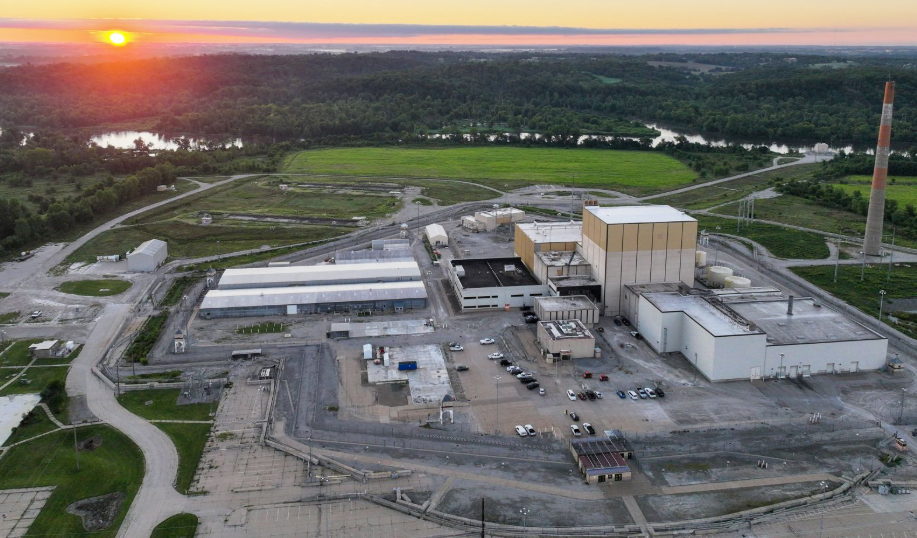
NRC Preliminary Assessment Finds No Significant Environmental Impacts from Duane Arnold Nuclear Plant Restart
The U.S. Nuclear Regulatory Commission (NRC) has issued a draft environmental assessment for the restart of the Duane Arnold nuclear power plant, preliminarily concluding that the project would not result in significant environmental impacts. NextEra Energy plans to restart the Duane Arnold nuclear power plant in Palo, Iowa, as early as 2029, and has made significant progress. The U.S. Department of Energy's Office of Energy Advantage Financing participated as a cooperating agency in drafting the environmental assessment, as the department is considering providing financial support for the restart project. According to a notice in the Federal Register, NRC staff evaluated the potential impacts of restarting the 615-megawatt Duane Arnold nuclear power plant on land use, meteorology, air quality and...
2026-08-05

Low Danube Water Levels Impact Nuclear Power Plant Operations in Romania and Hungary
On August 4, amid persistently low Danube River water levels, Romania was rushing to build temporary dikes to divert more river water toward the Cernavodă Nuclear Power Plant to secure cooling water for its remaining operational reactor. Meanwhile, Hungary stated that the only still-operating turbine unit at the Paks Nuclear Power Plant was running in a safe condition. Both Hungary's Paks Nuclear Power Plant and Romania's Cernavodă Nuclear Power Plant rely on Danube River water for cooling. Recently, the Danube's water level dropped to historic lows, leading to a significant decline in nuclear power output in both countries. Budapest and Bucharest have had to increase electricity imports and call on residents and businesses to reduce consumption to ease grid pressure...
2026-08-05
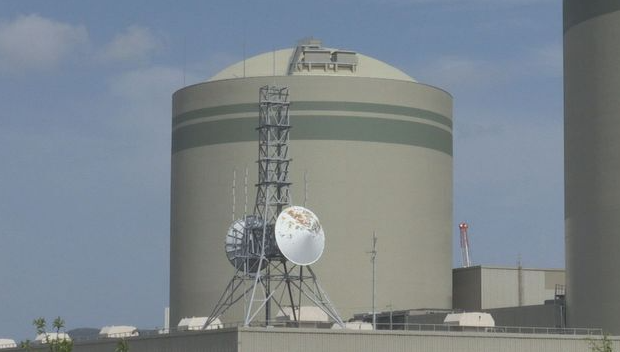
Water Leak at Pipe Joint of Primary Cooling Pump in Unit 2 of Takahama Nuclear Power Plant; Kansai Electric Confirms No Radioactive Impact
Kansai Electric Power announced on August 3 that a water leak was found at a cooling water pipe joint in Unit 2 of the Takahama Nuclear Power Plant in July. According to Kansai Electric Power, an inspection crew discovered the issue during a check inside the intermediate building on July 11, with a leak volume of approximately 3.4 liters, and repairs were carried out on the 14th. The leak occurred at the pipe connection of the No. 1 cooling water pump during a periodic inspection. The pipe has an outer diameter of 2 centimeters, is secured by threaded fittings, and was sealed with sealing tape. Kansai Electric Power preliminarily determined that the leak may have been caused by tape deterioration due to friction or insufficient wrapping. Currently, Kansai Electric Power re-wrapped the sealing tape on the 14th, and Unit 2 of the Takahama Nuclear Power Plant resumed normal operation on July 16, with no other abnormalities identified to date. It is worth noting that the taped section had undergone a disassembly inspection in 2018, when the plant was in a long-term shutdown state.
2026-08-04
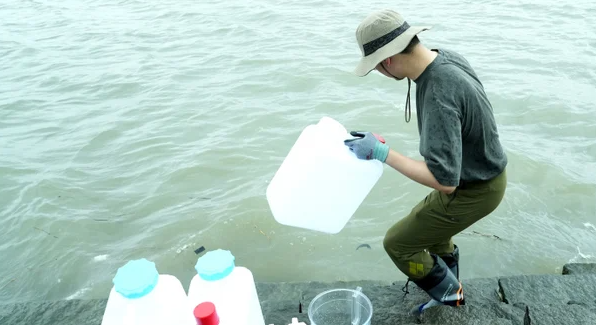
Uranium Levels Exceed Standards in Water Supply on Seogyeom Island, Ganghwa County, Incheon; Government Denies Impact from North Korea's Pyongsan Uranium Mine Wastewater
Uranium levels exceeding standards have been detected in the water supply facilities at the groundwater source on Seogyeom Island, Ganghwa County, Incheon, and the government has stated that this is not attributable to wastewater from North Korea's Pyongsan uranium plant. According to the Ministry of Climate and Energy Environment, a recent detection at the Seogyeom Island water supply facility recorded a uranium concentration of 45 micrograms per liter, exceeding the drinking water quality standard of 30 micrograms per liter. The government stated that, following concerns raised over wastewater discharge from the Pyongsan uranium plant, the Nuclear Safety and Security Commission has conducted monthly regular inspections since July 2025, and quarterly inspections starting in 2026. The most recent inspection (June 2026) showed uranium concentrations ranging from 0.133 to 3.025 micrograms per liter at seven points, including the downstream Han River and areas near Ganghwa Island...
2026-08-04