
Search Results
Keyword:medical

Institute of Radiation Medicine, Chinese Academy of Medical Sciences Promotes the Translation and Application of Medical X-ray Skin Protective Agent
On September 10, Zhang Jianhong, Party Secretary of the Institute of Radiation Medicine, Chinese Academy of Medical Sciences, led a delegation to Nanjing to conduct research with the Institute of Dermatology, Chinese Academy of Medical Sciences and Jiangsu Haizhi Biomedical Co., Ltd., exchanging views on the translation and application of the medical X-ray skin protective agent project. Representatives from the hospital, research institute, and enterprise held discussions on industry-university-research collaboration, clinical demand alignment, and industrialization pathways. It is understood that the medical X-ray skin protective agent is one of the core products in the radiation protection series independently developed by the Institute of Radiation Medicine. After being put into production, the product is expected to become China's first medical X-ray skin protective agent for scar radiotherapy. At the symposium, Zhang Jianhong stated that dermatology...
2026-09-12
Denmark's Region East Denmark to expand Sectra One imaging platform, unifying regional nuclear medicine and other medical imaging services
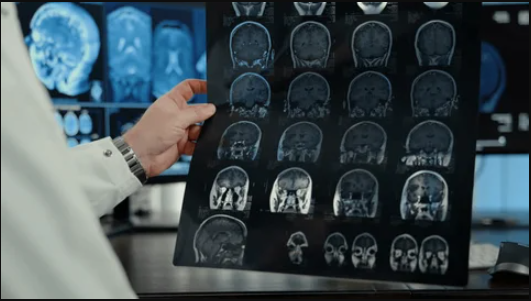
Swedish medical imaging IT and cybersecurity company Sectra has recently signed a contract to expand the application of its Sectra One enterprise imaging solution from hospitals in Denmark's Capital Region to the entire Region East Denmark. Region East Denmark was formed by merging the Capital Region and Region Zealand, and this expansion aims to promote unified operation of imaging services across hospitals in the entire region. Under the contract, Sectra One will be delivered as a fully managed cloud service, covering all hospitals in Region East Denmark for the review and storage of radiology medical images, including breast imaging, nuclear medicine, and clinical physiology. Hospitals in Region Zealand will migrate to the system currently in use in the Capital Region,...
2026-09-11

Canada Supports IAEA "Rays of Hope" Initiative for the First Time, Will Provide Medical Isotope Training for Latin America
The Canadian Nuclear Isotope Council (CNIC) announced on September 10 that Canada has for the first time formally provided support to the International Atomic Energy Agency (IAEA) Rays of Hope initiative, and will help enhance cancer diagnosis and treatment capacity in Latin America through training in the production of medical radioisotopes and radiopharmaceuticals. The Rays of Hope initiative aims to expand access to cancer treatment and radiotherapy infrastructure in low- and middle-income countries. Under the arrangement, from November 8 to 14, 26 relevant sector leaders from Argentina, Brazil, Chile and Mexico will travel to Ontario, Canada, to participate in a training program jointly organized by Bruce Power and McMaster University. The training will focus on medical isotopes...
2026-09-11
US Study Says Third Course of Radiation Therapy May Improve Survival and Symptoms in Children with Recurrent DIPG
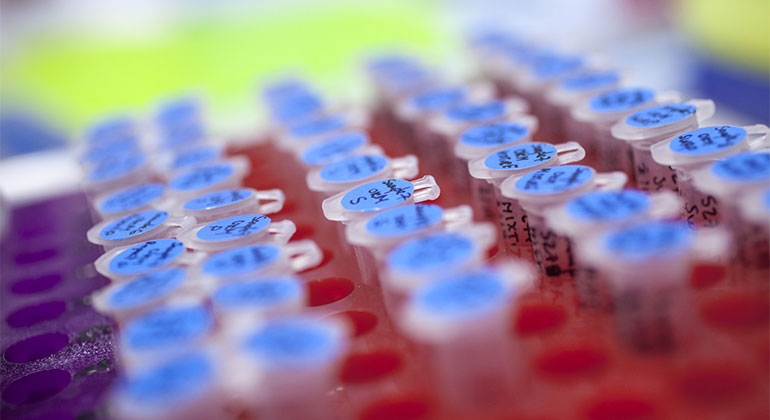
According to news from the Icahn School of Medicine at Mount Sinai in the United States on September 2, researchers at the institution released a new study on re-irradiation for recurrent diffuse intrinsic pontine glioma (DIPG). The study shows that carefully selected pediatric patients who receive a third course of radiation therapy after disease recurrence may achieve symptom relief, improved quality of life, and potentially prolonged survival. The related study has been published in Practical Radiation Oncology. DIPG is a highly aggressive pediatric brain tumor that occurs in the brainstem region. The brainstem controls critical life functions such as breathing and movement, so the tumor usually cannot be removed surgically. Data show that DIPG mainly affects children aged 5 to 10, and even...
2026-09-10
India's Fortis Healthcare Plans to Introduce the Country's First Upright Proton Therapy System
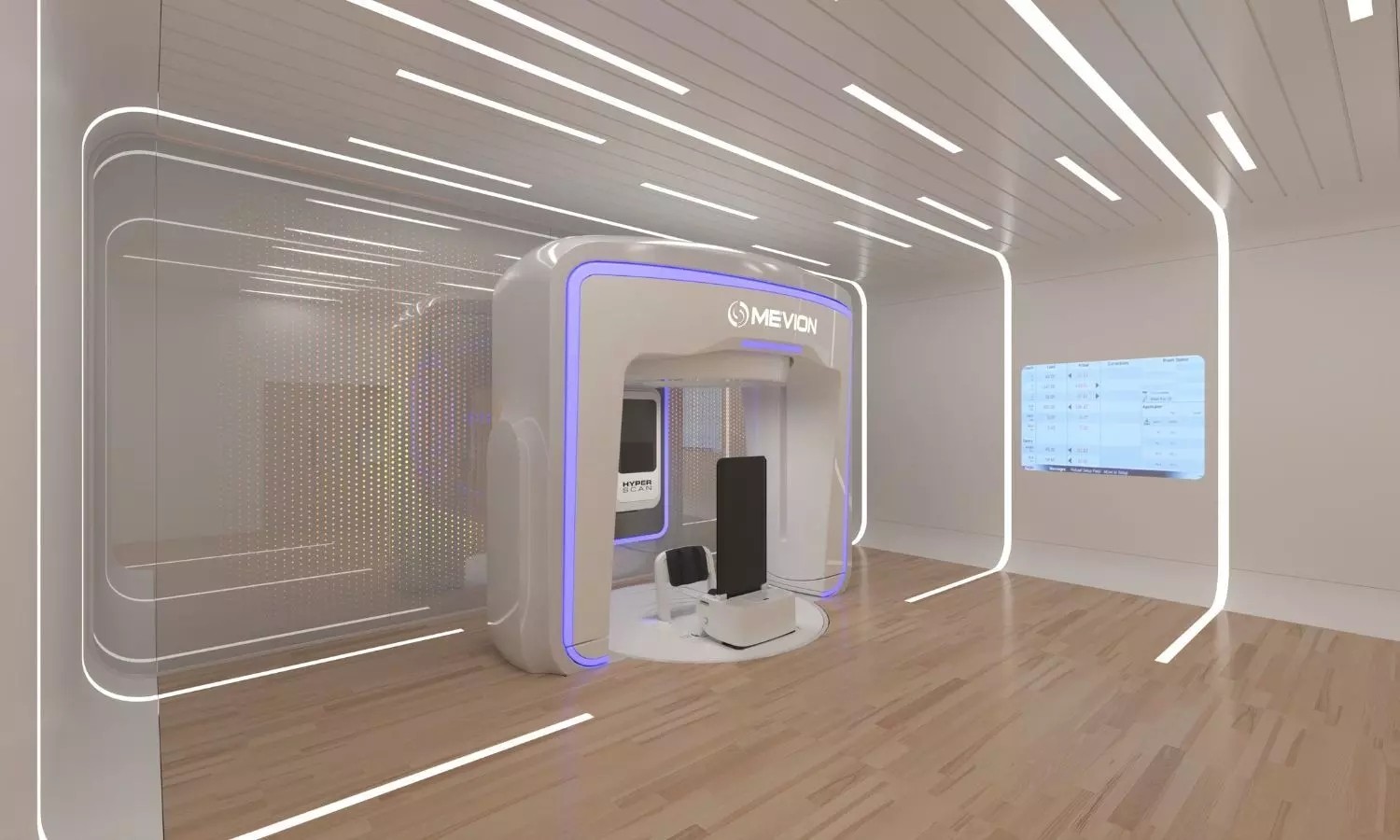
India's Fortis Healthcare has announced plans to install Mevion Medical Systems' MEVION S250-FIT proton therapy system at Fortis Memorial Research Institute (FMRI) in Gurugram. The hospital is Fortis' flagship quaternary care hospital and its comprehensive oncology and precision cancer treatment center. According to reports, the system will be equipped with Leo Cancer Care's Marie® upright patient positioning and imaging solution, as well as RaySearch Laboratories' RayStation® treatment planning software. If the project receives relevant regulatory approvals and completes site preparation, Fortis will become India's first planned...
2026-09-10
Domestically Developed "Boron Neutron Capture Therapy System" Enters the National Special Review Procedure for Innovative Medical Devices
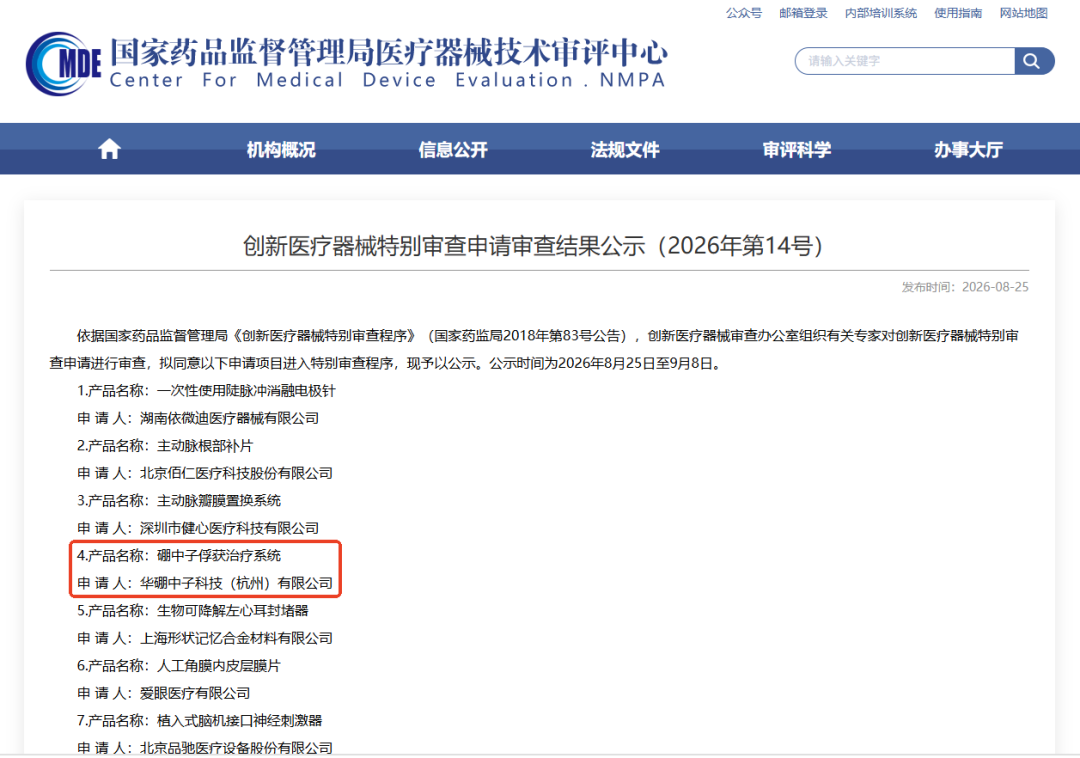
Recently, the Medical Device Technical Review Center of the National Medical Products Administration issued a public notice on the review results of applications for the Special Review Procedure for Innovative Medical Devices (No. 14 of 2026). The boron neutron capture therapy system independently developed by Huapeng Neutron Technology (Hangzhou) Co., Ltd. has officially entered the National Special Review Procedure for Innovative Medical Devices after the public notice period. Screenshot from the official website of the Medical Device Technical Review Center of the National Medical Products Administration. The Special Review Procedure for Innovative Medical Devices is a review channel established by the National Medical Products Administration to encourage medical device innovation and promote the application of new technologies, effective since December 1, 2018. According to the relevant procedures, drug regulatory authorities and technical institutions will, on the premise of not lowering standards and not reducing procedures,...
2026-09-10
Penza State University in Russia Develops Training Simulator for X-ray Image Defect Recognition
Researchers at Penza State University in Russia have developed an interactive training simulator for identifying defects in X-ray images, aimed at helping medical students and residents more accurately assess abnormalities in medical images and understand the physical causes behind different image defects. X-ray image quality directly affects the efficiency of pathological change detection and clinical diagnostic judgment. Factors such as equipment condition, exposure parameters, radiation dose, and quantum noise levels can all lead to degraded image quality. Therefore, radiologic technologists and radiologists need not only to identify lesions in images, but also to assess image quality and determine whether defects such as low contrast, noise, blur, and artifacts may affect diagnosis...
2026-09-09

U.S. Research Team Discovers Strong Ultrafast Optical Response Induced by Ionizing Radiation, Potentially Advancing Medical Imaging and Sensing Technologies
September 3 news, Stanford University and the U.S. Department of Energy's SLAC National Accelerator Laboratory research team used ultrafast electron and laser pulses to observe a strong ultrafast optical response triggered by ionization processes in semiconductor materials. The related research has been published in Nature Photonics. The researchers believe this discovery could provide new insights for radiography and sensing technologies, and also offer experimental evidence for understanding the fundamental behavior of materials under high-energy particle interactions. Radiation detection is a key technology in particle accelerators, scientific instruments, medical imaging, and security screening equipment. Existing detectors typically face a trade-off between signal strength and response speed: processes with stronger signals tend to be slower, while those with faster response may produce weaker signals...
2026-09-08
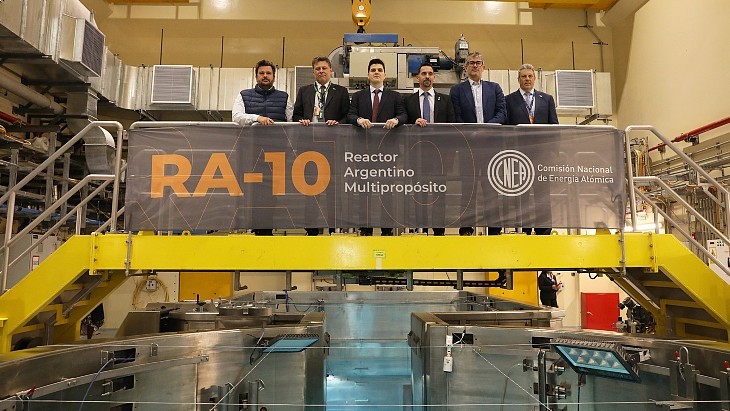
Argentina Plans to Commission RA-10 Multipurpose Reactor in 2027
Argentina's National Atomic Energy Commission (CNEA) and the Nuclear Affairs Secretariat recently stated that the RA-10 multipurpose research reactor at the Ezeiza Atomic Centre is planned to begin commissioning before the end of this year, with the goal of achieving operation in 2027. (Image source: CNEA) According to the project site, RA-10 is currently in its final phase, with approximately 530 workers completing the remaining construction and system testing in preparation for subsequent reactor commissioning and operation. The project is currently about 96% complete overall. RA-10 is a 30 MW open-pool multipurpose research reactor that will provide products and services to the medical, scientific, technological, and industrial sectors once completed. Among these, molybdenum-99 will be one of its key products...
2026-09-08

Baiyunshan Xike Visits Jiujiang, Jiangxi to Explore Nuclear Medicine Industry Chain Cooperation
Recently, a delegation from Guangzhou Baiyunshan Xike Health Pharmaceutical Co., Ltd., a subsidiary of Guangzhou Pharmaceutical Holdings Limited (GP Corp.), visited Jiujiang City, Jiangxi Province, conducting field inspections and discussion exchanges in Ruichang City, Jiujiang Economic Development Zone, and Pengze County, focusing on cooperation across the full nuclear medicine industry chain. Liu Hong, Director of the Scientific Research Project Management Department of GP Corp. and Chairman and General Manager of Baiyunshan Xike, led the core team in exchanges with Chen Shuilian, Member of the Party Leadership Group and Vice Mayor of Jiujiang Municipal People's Government, as well as responsible officials from Ruichang City, Pengze County, and Jiujiang Economic Development Zone, reaching multiple consensuses on subsequent cooperation. The inspection covered key facilities including the Ruichang Institute of Nuclear Physics Applications, the Biomedical (Nuclear) Industrial Park in Jiujiang Economic Development Zone, and the Jiangxi Tianhong Nuclear Technology project site in Pengze County. The delegation conducted in-depth visits to research laboratories, industrial parks, and projects under construction to understand local capabilities in nuclear technology research, isotope R&D infrastructure, project construction progress, as well as land and industrial supporting conditions.
2026-09-07
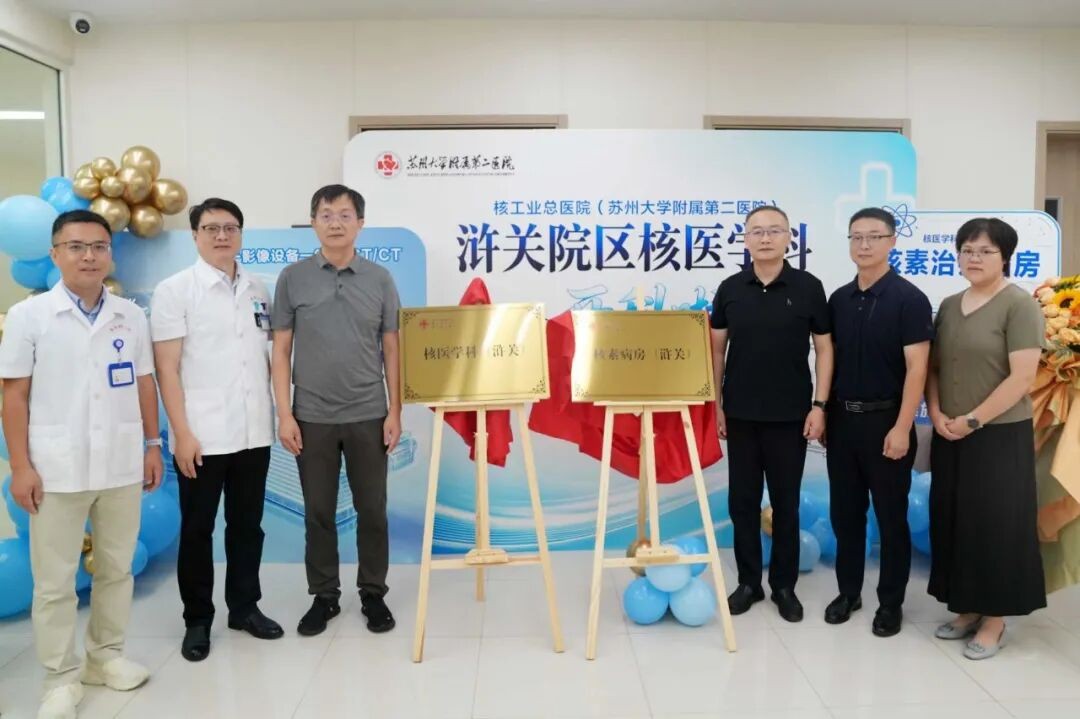
Radionuclide Ward Officially Launched at Xuguan Campus of Suzhou Nuclear Industry General Hospital under CNNC Medical
On September 3, the radionuclide ward of the Nuclear Medicine Department at the Xuguan Campus of Suzhou Nuclear Industry General Hospital, affiliated with CNNC Medical, was officially inaugurated and put into operation. The ward addresses the standardized radionuclide therapy needs of patients with tumors, thyroid diseases, and endocrine disorders, providing inpatient treatment services with isolation and protection conditions. According to reports, the newly launched radionuclide ward is equipped with radiation protection facilities and intelligent monitoring systems, enabling fully enclosed ward management, treatment process monitoring, and multi-level protection. Following the ward's commissioning, the Nuclear Medicine Department will expand from its previous examination-focused service model into a closed-loop service chain integrating radionuclide diagnosis, drug therapy, isolated hospitalization, and research follow-up, enhancing its capacity to manage complex and critically ill patients...
2026-09-05
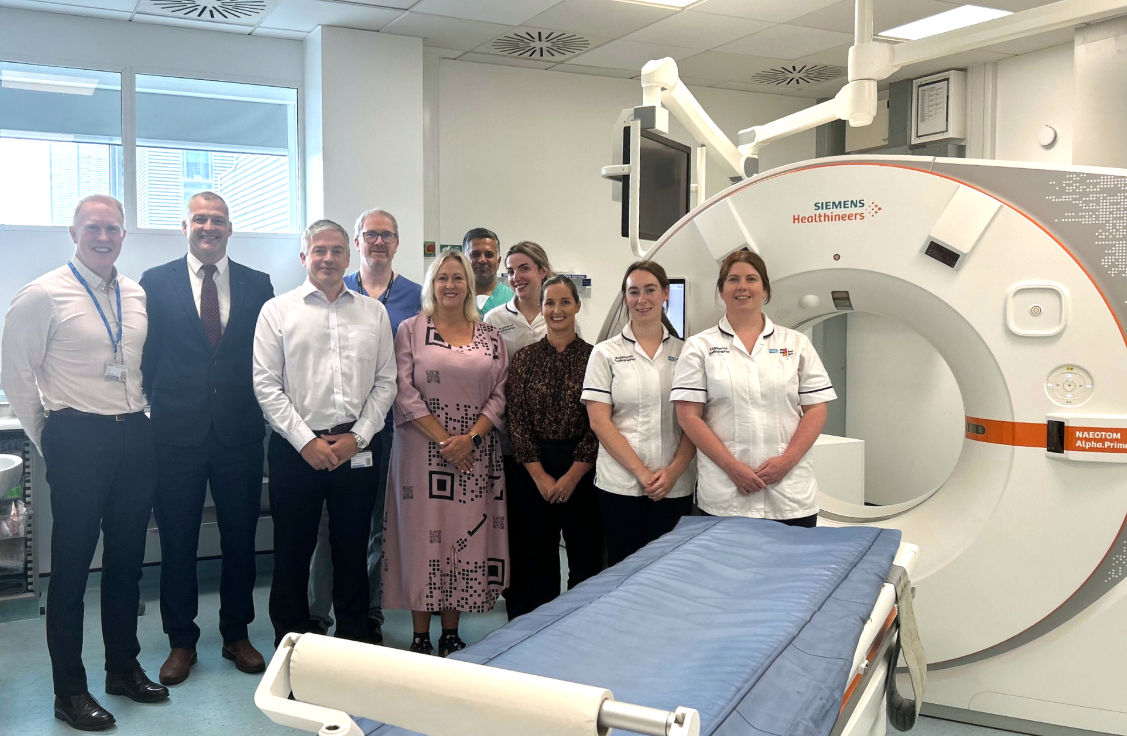
Royal Victoria Hospital Belfast Introduces Photon-Counting CT, Becoming Ireland's First Hospital to Adopt the Technology
Royal Victoria Hospital Belfast recently introduced the Siemens Healthineers NAEOTOM Alpha.Prime photon-counting CT scanner, becoming the first hospital in Ireland to adopt this next-generation CT imaging technology. The hospital is part of the Belfast Health and Social Care Trust, and this installation is part of a long-term value partnership between the hospital and Siemens Healthineers. According to reports, the NAEOTOM Alpha.Prime photon-counting CT delivers ultra-high-resolution images and spectral data at lower radiation doses. Its 0.2 mm slice thickness helps clinicians visualize small blood vessels, fine anatomical structures, and early pathological changes, enabling more diagnostic information to be obtained in a single scan...
2026-09-03

West Physics Acquires U.S. Medical Physics Services Provider RTS, Expanding Nuclear Medicine and Radiation Safety Service Network
West Physics Consulting, LLC, a U.S. provider of medical and health physics consulting services, announced on September 2, 2026, that it has acquired Radiographic Testing Services, Inc. (RTS). Headquartered in Albany, New York, RTS primarily provides medical physics services covering nuclear medicine, diagnostic radiology, radiation oncology, and Certified Radiological Equipment Safety Officer (CRESO)-related services. West Physics stated that this acquisition will integrate the strengths of both companies in customer service, quality management, and technical capabilities. Upon completion of the transaction, the company will add a new office in Albany, New York, and further expand its presence in Albany, New York...
2026-09-03

AI-Enhanced MRI System Deployed at Utah Medical Center for Cardiac and Cancer Imaging
Intermountain Medical Center in Murray, Utah, has begun using a new magnetic resonance (MR) system for imaging cardiac and cancer patients. The facility stated that the GE HealthCare SIGNA Sprint Elite MR system was placed into service earlier this year, making it the first of its kind in Utah and the second in the United States. According to the hospital, the system integrates artificial intelligence software designed to reduce image noise and enhance scan clarity. The facility believes that clearer images will help clinicians assess cardiac tissue and cancer-related conditions, while also potentially reducing the time patients spend undergoing MR exams. Cardiac imaging is one of the system's key application areas.
2026-09-02
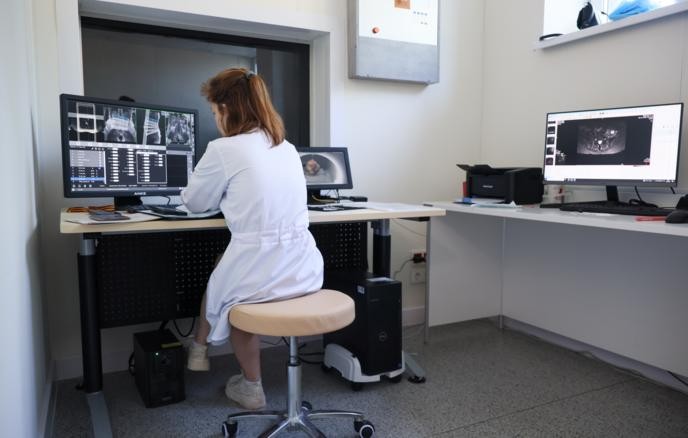
Russian scientists use 3D-printed tungsten grid to improve X-ray imaging quality, potentially reducing patient radiation exposure
The press service of the Russian Ministry of Education and Science recently stated that a Russian research team has used 3D printing technology to manufacture a tungsten-based anti-scatter grid for X-ray machines, with partition thickness only one-third that of similar products. The researchers believe this achievement could help reduce patient radiation exposure during X-ray examinations while maintaining medical image quality. During X-ray imaging, some rays scatter after passing through human tissue, creating background noise that weakens image contrast. Clinical equipment typically suppresses such interference through anti-scatter grids. Traditional anti-scatter grids are mostly made of lead, but lead has low mechanical strength and imposes high requirements on processing techniques, resulting in...
2026-09-01