
Search Results
Keyword:nuclear
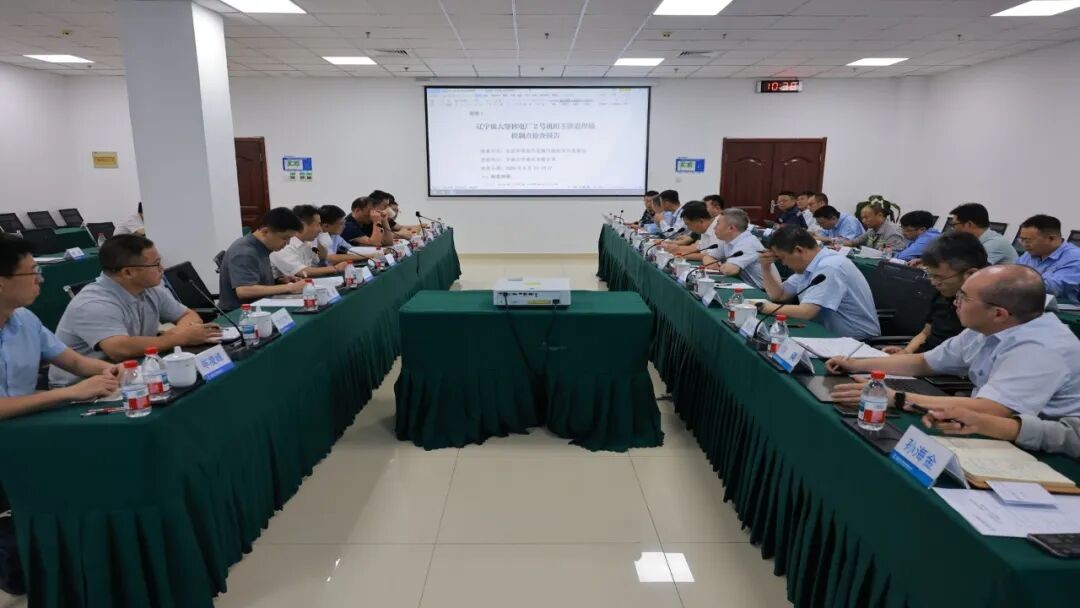
Release of the Main Piping Welding Control Point for Unit 2 of Xudabao Nuclear Power Plant
Recently, the Northeast Regional Office of Nuclear and Radiation Safety Supervision under the Ministry of Ecology and Environment (hereinafter referred to as the Northeast Office) organized an inspection team to conduct an inspection at the main piping welding control point for Unit 2 of Xudabao Nuclear Power Plant. Experts from the East China Regional Office of Nuclear and Radiation Safety Supervision, the South China Regional Office of Nuclear and Radiation Safety Supervision, the Nuclear and Radiation Safety Center, the China Machinery Productivity Promotion Center, the Shanghai Nuclear Safety Review Center, the Suzhou Nuclear Safety Center, and other organizations participated in the inspection. As a critical component of the reactor coolant pressure boundary, the welding quality of the main piping is directly related to the construction quality and operational safety of the nuclear power unit. In strict accordance with relevant procedural requirements, the inspection team conducted a comprehensive inspection covering the implementation of the operating organization's quality assurance program, quality control of important items and activities, and preparation for main piping welding through on-site inspections, document reviews, and personnel interviews...
2026-09-05
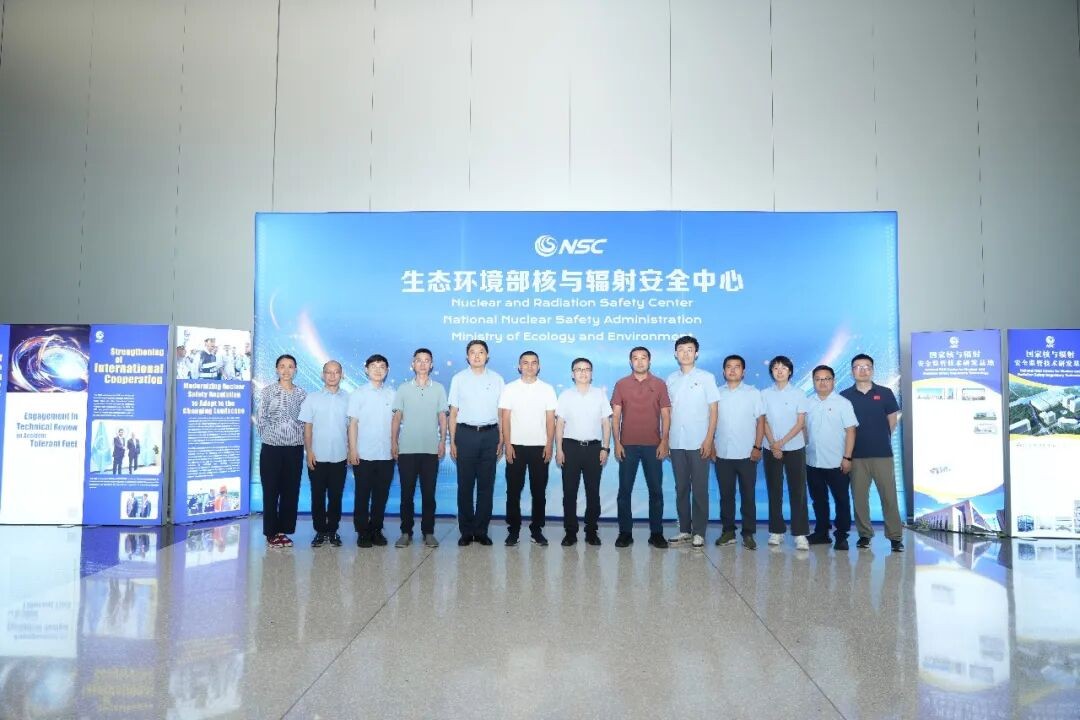
China and Uzbekistan Deepen Cooperation in Nuclear Safety Regulatory Training
Since the National Nuclear Safety Administration and the Industrial, Radiation and Nuclear Safety Committee of Uzbekistan signed a Memorandum of Understanding (MoU) on nuclear safety cooperation at the beginning of the year, the two sides have continued to deepen their cooperation in the field of nuclear and radiation safety regulation. As an important measure to implement the MoU, the Nuclear and Radiation Safety Center of the Ministry of Ecology and Environment has successively organized two special training sessions for Uzbek nuclear safety regulators and convened China-Uzbekistan technical exchange activities on nuclear safety regulation. In June, the first training session focused on China's regulatory oversight of civil nuclear safety equipment. Experts from the Nuclear and Radiation Safety Center and the Northeast Regional Office of Nuclear and Radiation Safety Supervision delivered a four-week special training program for Uzbek trainees based on regulatory practices, covering China's...
2026-09-05
China-Russia Energy Cooperation Committee Meeting Discusses Cooperation in Nuclear Energy and Other Fields
Ding Xuexiang, Member of the Standing Committee of the Political Bureau of the CPC Central Committee and Vice Premier of the State Council, co-chaired the 23rd meeting of the China-Russia Energy Cooperation Committee with Russian Deputy Prime Minister Novak in Vladivostok on the 4th. Ding Xuexiang stated that President Xi Jinping and President Putin have held multiple meetings this year, conducting in-depth strategic communication and making top-level arrangements, drawing a clear blueprint for upgrading and enhancing China-Russia energy cooperation. Since the 22nd meeting of the China-Russia Energy Cooperation Committee, bilateral energy trade has steadily expanded, landmark major cooperation projects have progressed smoothly, and new progress has been made in clean energy cooperation. China is willing to work with Russia to implement the important consensus of the two heads of state, fully leverage the role of the committee mechanism, and promote...
2026-09-05
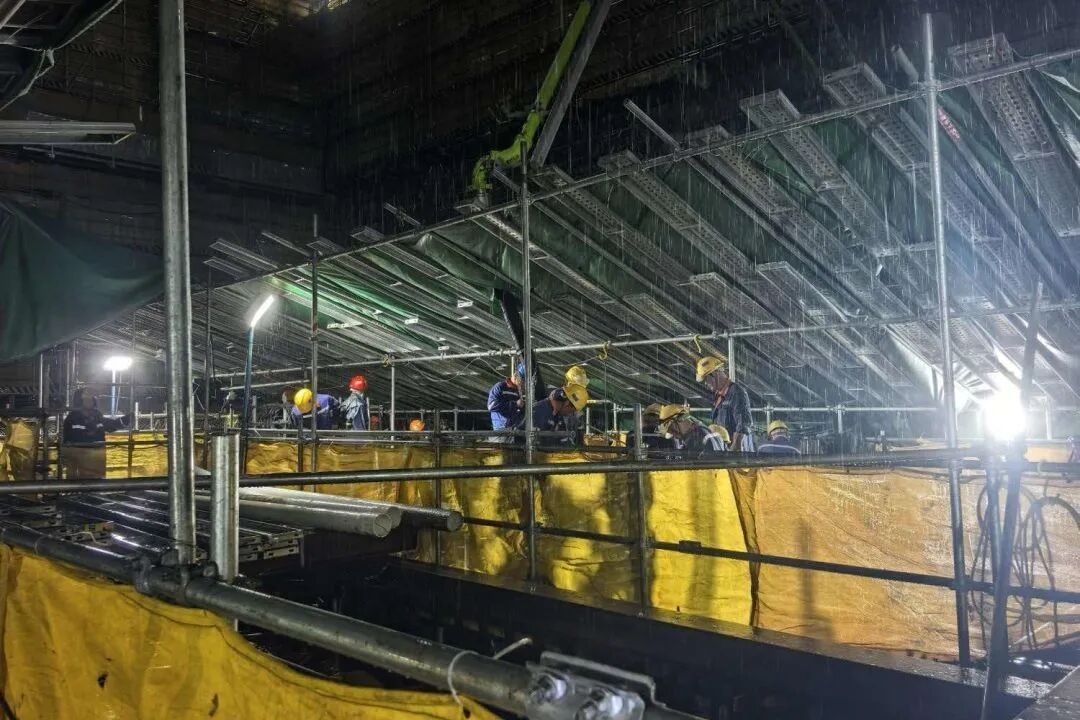
Concrete Placement Completed for Turbine Foundation Base Slab of Unit 5 Conventional Island at Ningde Nuclear Power Phase II
At 13:09 on September 2, the large-volume concrete placement for the turbine foundation base slab at elevation +15.95 meters in the conventional island building of Unit 5 of the Ningde Nuclear Power Project Phase II was completed. The placement lasted approximately 46 hours, marking phased progress in the main civil construction of the conventional island for this unit and creating conditions for subsequent installation of turbine-generator equipment. The placement commenced at 15:37 on August 31 and was carried out in a single continuous pour, with a cumulative concrete volume of 2,456 cubic meters. The turbine foundation base slab is a critical load-bearing structure in the conventional island of a nuclear power plant, supporting the loads of the turbine-generator unit and auxiliary equipment. It demands high structural precision, construction quality, and overall stability, and its forming quality will affect subsequent equipment installation accuracy and unit operational reliability.
2026-09-05
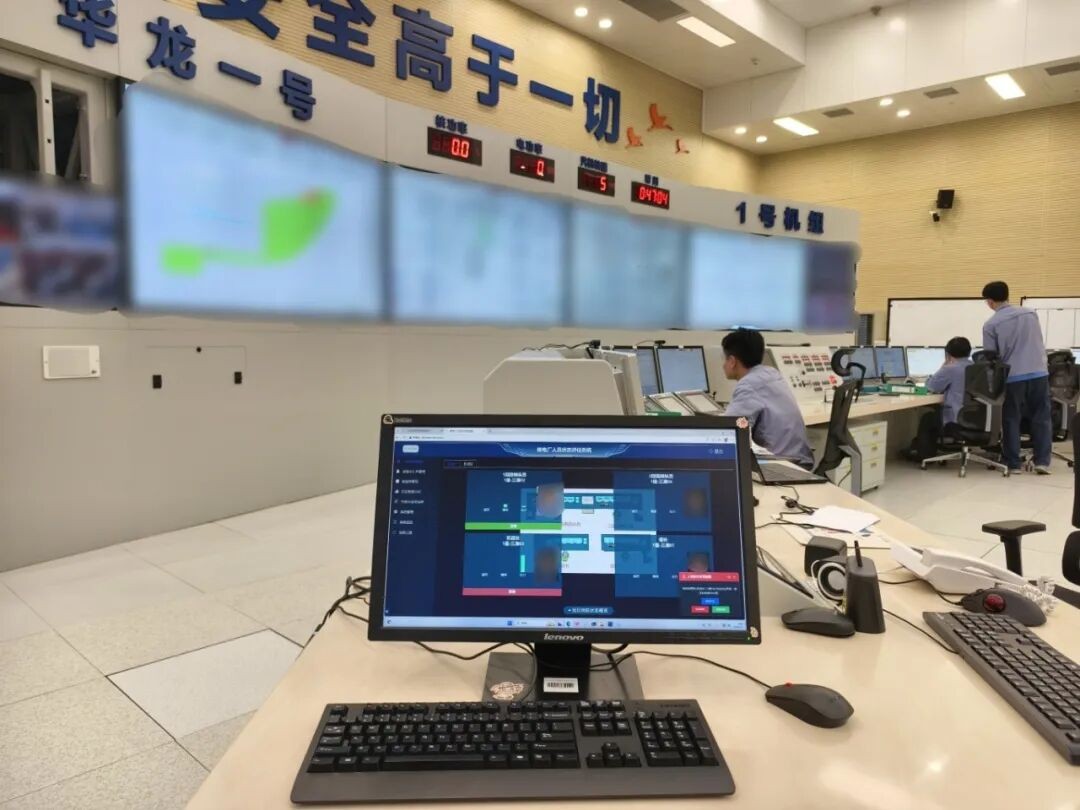
First Application and Verification of Intelligent Monitoring and Adjustment System for Nuclear Power Plant Personnel Status at "Hualong One" Nuclear Power Plant
On September 4, CGN Engineering, in collaboration with Cangnan Nuclear Power, successfully completed the testing, verification, and on-site data collection of the Intelligent Monitoring and Adjustment System for Nuclear Power Plant Personnel Status at the San'ao Nuclear Power Base. The CGN Engineering departments participating in this testing and verification included CGN Design Institute, the National Key Laboratory of Nuclear Power Safety Technology and Equipment (hereinafter referred to as the National Key Laboratory), CGN Engineering Cangnan Project Department, and Huasheng Technology. This joint test marks an important milestone in the project's transition from technology research and development to engineering application, providing key technical support for the quantitative analysis transformation of human factors safety management in China's nuclear power industry. The system, built upon the personnel fatigue status monitoring principle prototype developed under the Intelligent Nuclear Power strategic special project, has been iteratively improved with continuous support from the Yangjiang Chuangbao High-tech Research Project and the National Key Laboratory research projects, and has now evolved into a mature product suitable for engineering and large-scale application. Previously, relevant functional modules of the system had been deployed and data collected in applications such as human factors verification in the main control room of Yangjiang Nuclear Power Base and simulator training at Taishan Nuclear Power Base. The on-site testing and data collection at the San'ao Nuclear Power Base further verified the system's environmental adaptability and reliability across multiple nuclear power base scenarios, laying a solid foundation for subsequent industry-wide promotion and application.
2026-09-05
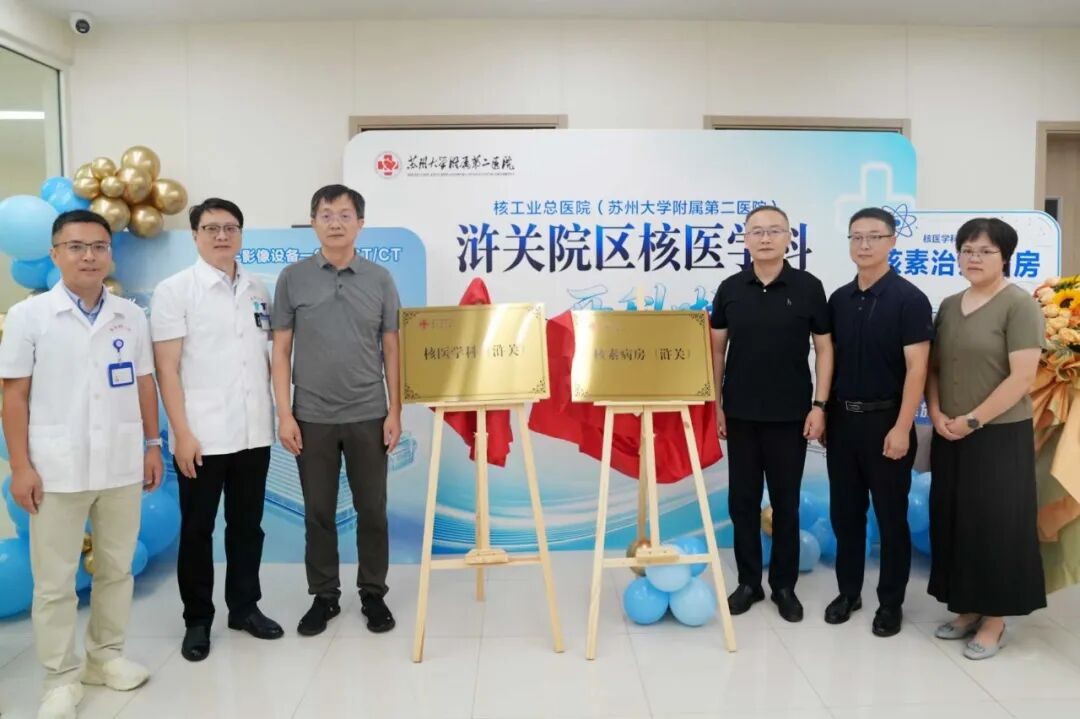
Radionuclide Ward Officially Launched at Xuguan Campus of Suzhou Nuclear Industry General Hospital under CNNC Medical
On September 3, the radionuclide ward of the Nuclear Medicine Department at the Xuguan Campus of Suzhou Nuclear Industry General Hospital, affiliated with CNNC Medical, was officially inaugurated and put into operation. The ward addresses the standardized radionuclide therapy needs of patients with tumors, thyroid diseases, and endocrine disorders, providing inpatient treatment services with isolation and protection conditions. According to reports, the newly launched radionuclide ward is equipped with radiation protection facilities and intelligent monitoring systems, enabling fully enclosed ward management, treatment process monitoring, and multi-level protection. Following the ward's commissioning, the Nuclear Medicine Department will expand from its previous examination-focused service model into a closed-loop service chain integrating radionuclide diagnosis, drug therapy, isolated hospitalization, and research follow-up, enhancing its capacity to manage complex and critically ill patients...
2026-09-05
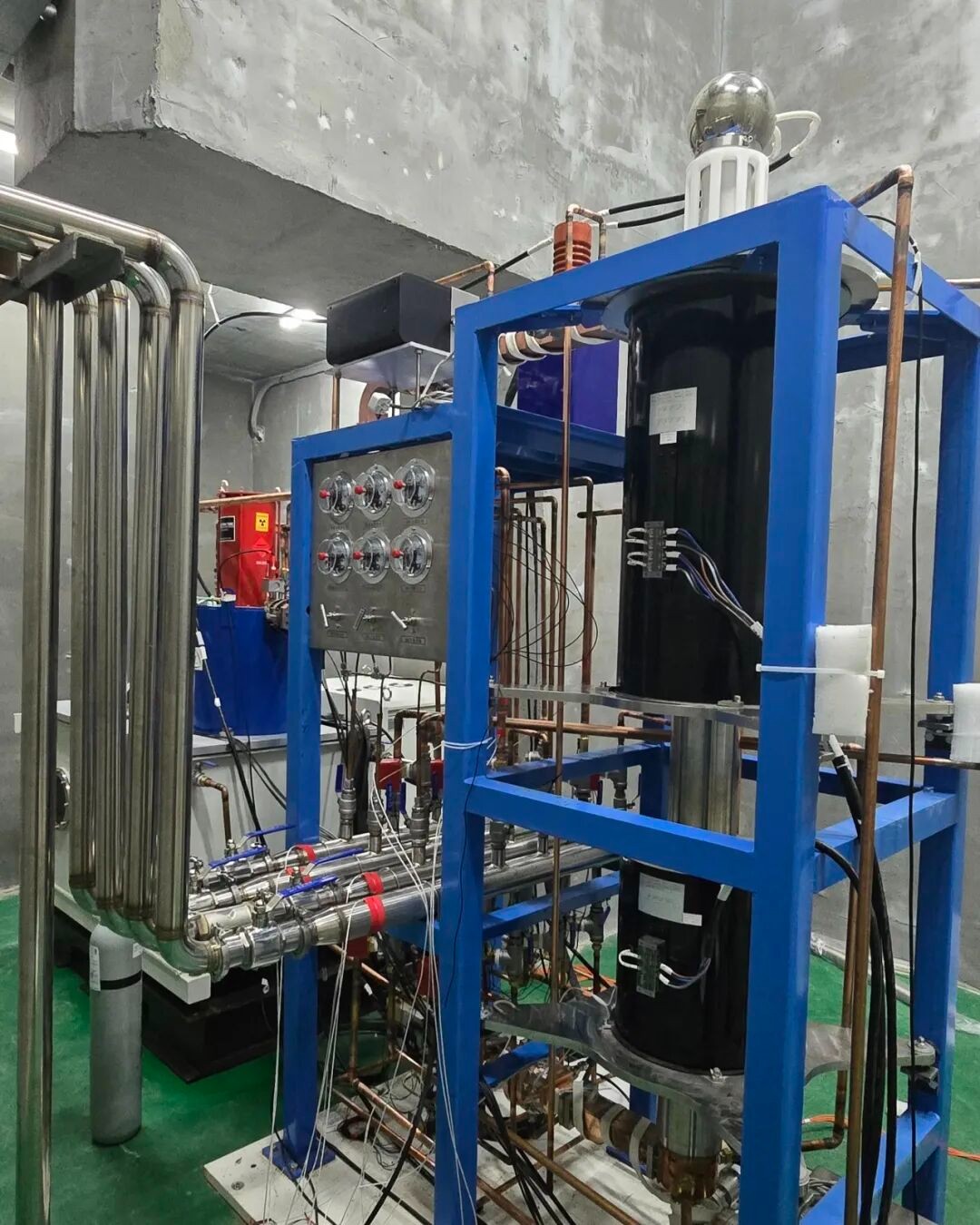
State Nuclear Uranium Industry Achieves 100% Localization of Electron Linear Accelerator Development
Recently, the first fully domestically produced 10 MeV/20 kW electron linear accelerator developed by the Technology Center of State Nuclear Uranium Industry (Nuclear Power Tongchuang) completed its 20 kW beam extraction test, with performance meeting design specifications. This marks a significant breakthrough for State Nuclear Uranium Industry in the field of electron accelerator development and elevates its capability in developing nuclear technology application equipment to a new level. Main unit of the 10MeV/20kW electron irradiation accelerator As a versatile high-energy electron linear accelerator, the 10MeV/20kW electron linear accelerator is widely used in multiple sectors of the national economy, including medical device sterilization, traditional Chinese medicine pest control, food preservation, and polymer material modification. During the current process of engineering application and industrial promotion, its core components such as klystrons, waveguide windows, and water loads have a relatively low localization rate, with some models still relying on imports, facing challenges such as long procurement cycles, high costs, and difficulties in spare parts support. The R&D team of State Nuclear Uranium Industry has focused on industry pain points, adhered to a problem-oriented approach, overcome difficulties, efficiently resolved various technical challenges, and successfully achieved 100% localization of this model of electron linear accelerator with significantly reduced overall machine costs, breaking the reliance on imported core components. As a key R&D project for differentiated layout in the nuclear technology industry, State Nuclear Uranium Industry will continue to improve its processes and standards systems, accelerate the application of research achievements in typical scenarios, bridge the chain from R&D to industrial application, and promote the steady development of the nuclear technology industry.
2026-09-05
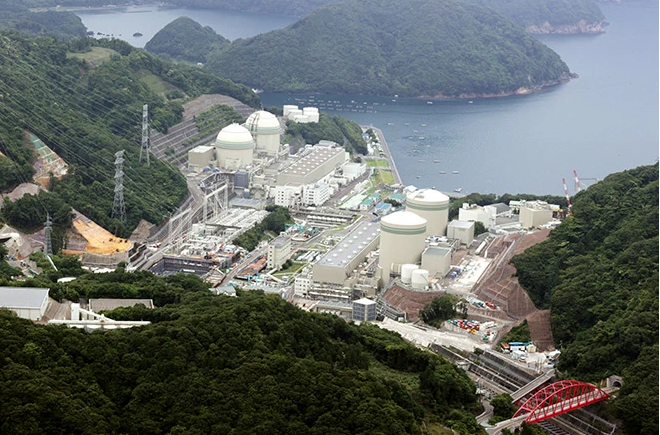
Takahama Nuclear Power Plant in Japan to Transport 1,600 Drums of Low-Level Radioactive Waste
Kansai Electric Power announced on September 4 that it will transport low-level radioactive waste generated at the Takahama Nuclear Power Plant to the Low-Level Radioactive Waste Disposal Center of Japan Nuclear Fuel Limited (JNFL) in Rokkasho Village, Aomori Prefecture. According to the plan, the dedicated low-level radioactive waste transport vessel Seiei Maru will berth at the Takahama Nuclear Power Plant on September 5 and depart on September 12 after loading is completed. If the transport schedule is adjusted due to factors such as weather conditions, Kansai Electric Power will announce the actual situation separately. This shipment consists of 200 dedicated containers holding 1,600 waste drums, all of which are cement-solidified waste, excluding homogeneously solidified waste.
2026-09-04
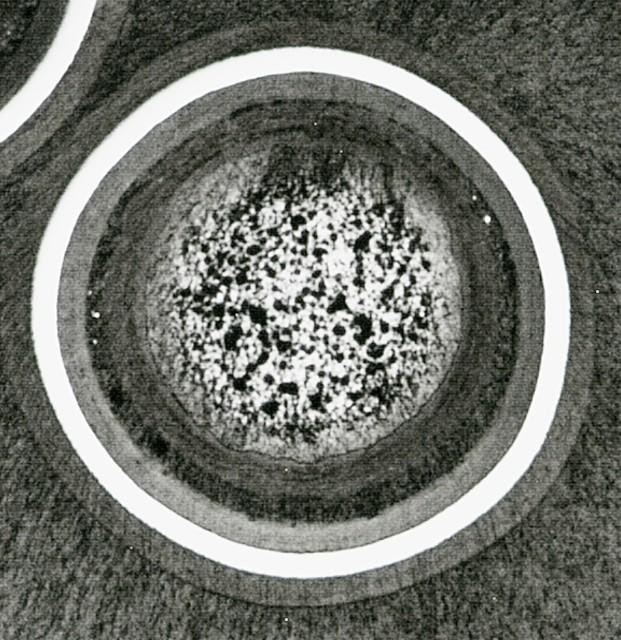
U.S. Completes Mechanical Property Measurements of Irradiated HALEU TRISO Fuel Particles
Researchers at the U.S. Department of Energy's Oak Ridge National Laboratory (ORNL) have completed mechanical property measurements of irradiated high-assay low-enriched uranium (HALEU) TRISO fuel particles, providing new experimental data for the development and qualification of next-generation nuclear fuels. This is an optical cross-sectional image of an irradiated AGR-2 TRISO fuel particle in the Irradiated Fuels Examination Laboratory at Oak Ridge National Laboratory. Image credit: Oak Ridge National Laboratory, U.S. Department of Energy. TRISO fuel, or tri-structural isotropic fuel, features particles coated with multiple protective layers, typically including pyrolytic carbon layers and a silicon carbide layer. This structure provides strong fission product retention capability and is considered one of the key fuel options for advanced reactors, particularly high-temperature gas-cooled reactors. Understanding the property changes of these coatings after irradiation is a critical step in predicting fuel performance under reactor operating conditions.
2026-09-04
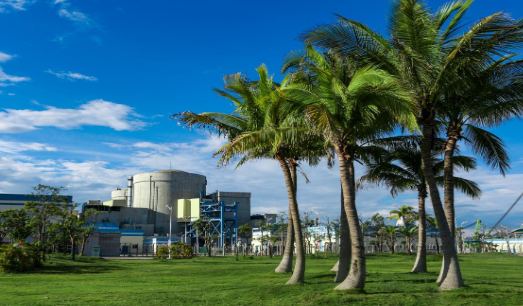
Danzhou in Hainan Advances "Nuclear Power to Yangpu" and "Nuclear Steam to Yangpu" to Support Zero-Carbon Industrial Park Development
On September 2, the series of themed press conferences for the "15th Five-Year Plan" kickoff (fifth session at the city and county level) — the Danzhou special session was held. A relevant official from Danzhou stated that during the "15th Five-Year Plan" period, Danzhou will focus on building a new-type power system, a new-type energy system, and zero-carbon industrial parks and low-carbon city development, promoting deep integration of clean energy with port-adjacent industries, and striving to become a national demonstration area for new-type power systems. According to the released content, during the "15th Five-Year Plan" period, Hainan Power Grid plans to invest 5 billion yuan in Danzhou to build a coordinated "transmission-distribution-microgrid" three-tier power grid. By 2030, Danzhou will fully establish a layered, zoned, and independently operated grid framework, promote "nuclear power to Yangpu" to achieve local consumption of green electricity with full-chain traceability and verifiability, reducing the regional power carbon emission factor across the entire area to below 0.05 kgCO₂/kWh.
2026-09-04
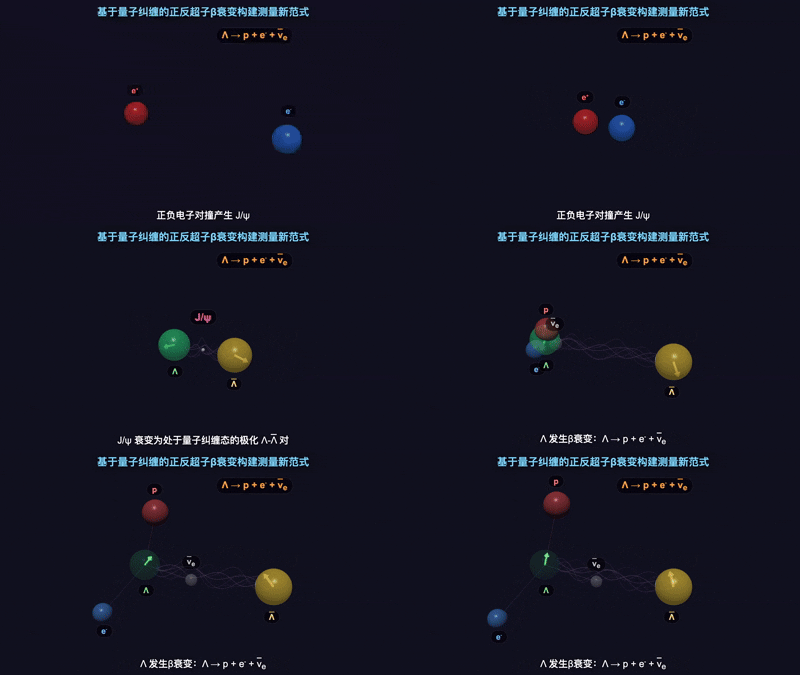
Fudan team extracts CKM matrix element |Vus| via quantum entanglement in collider experiment for the first time
On the evening of September 2, 2026, Beijing time, the team led by Luo Tao from the Institute of Modern Physics at Fudan University, together with collaborators, published a research achievement titled "Exploring baryon semileptonic decays through polarization and entanglement" in Nature. This study, for the first time in a collider experiment, utilized quantum entanglement and polarization information to extract the Cabibbo-Kobayashi-Maskawa (CKM) matrix element |Vus|, providing a new experimental pathway for precisely testing the Standard Model of particle physics. The CKM matrix describes the strength of transitions between different quarks under the weak interaction. Among them, |Vus| corresponds to the transition from the strange quark to the up quark, and its numerical precision is related to the test of the three-generation quark mixing mechanism in the Standard Model. Currently, results for |Vus| obtained from different decay processes still show discrepancies, and the unitarity test of the first row of the CKM matrix also exhibits some tension, necessitating more independent measurement methods for verification.
2026-09-04

Sweden's First New Nuclear Reactor Could Be Operational by Mid-2030s
Sweden's Minister for Energy and Industry, Ebba Busch, who also leads the Christian Democrats (KD), stated at a public hearing on September 3 that the country's first newly built nuclear reactor could be operational by the mid-2030s. When asked when the new nuclear unit could be connected to the grid, Busch indicated the mid-2030s. She also noted that the new nuclear project would not rely on direct state funding. However, the Swedish government has previously prepared a support framework for new nuclear construction. The arrangements could involve financial support amounting to hundreds of billions of Swedish kronor, including loans and electricity price guarantees totaling approximately 400 billion Swedish kronor. Busch stated that this is indeed a substantial sum, but its nature is that of loans and price hedging arrangements targeting critical infrastructure.
2026-09-04
Iowa Releases Final Report of Nuclear Energy Task Force
Iowa Governor Kim Reynolds announced on September 3 that the Iowa Nuclear Energy Task Force has completed its final report. The task force was established in January of this year under Executive Order No. 17, with the mission of assessing opportunities for advancing nuclear energy technology and related infrastructure development in Iowa. The task force is composed of representatives from utility companies, power generators, local governments, academia, the Iowa Utilities Commission, industry associations, national laboratories, and the state legislature, and is supported by the Iowa Economic Develop...
2026-09-04
Site Construction Officially Launched for Phase I of Shandong Laiyang Nuclear Power Project
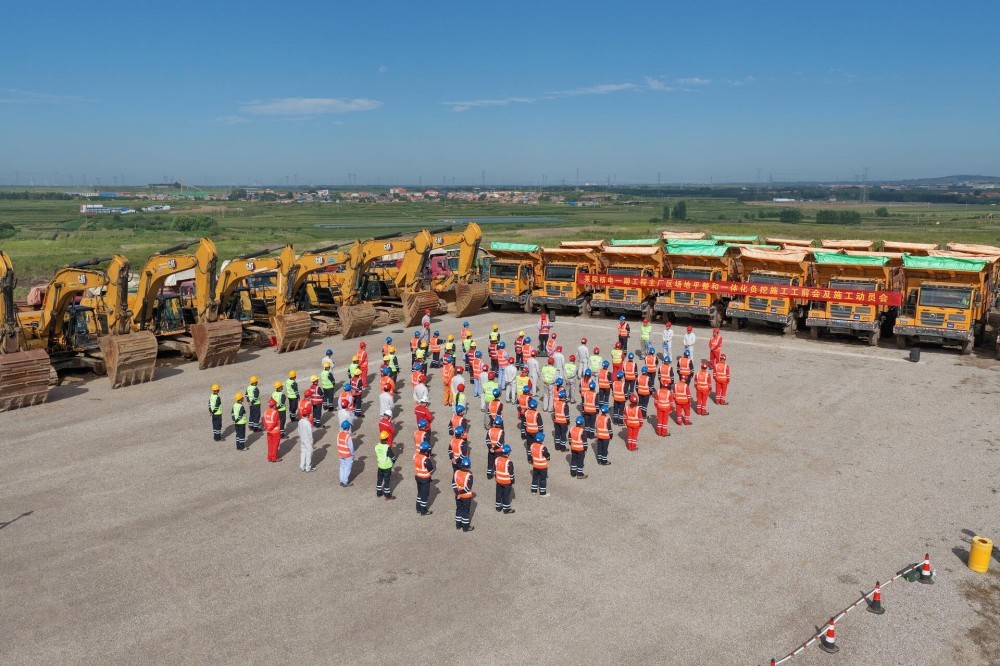
On September 1, the pre-work meeting and construction mobilization meeting for the main plant area site leveling of Phase I of the State Power Investment Corporation (SPIC) Shandong Laiyang Nuclear Power Project was held at the project site, marking a key step forward in the construction of the Laiyang Nuclear Power Project and the full launch of site leveling works for Phase I. Before the meeting, the construction crew organized a pre-work briefing, during which responsible persons from all participating construction parties inspected the site on location, verified the operating conditions of construction machinery and equipment one by one, and conducted inspections and evaluations of pre-work preparations, solidifying the foundational conditions for construction commencement from the source. At the construction site, engineering machinery stood in orderly formation, and the construction teams were in high spirits. The responsible person of SPIC Laiyang stated that the Laiyang Nuclear Power Project will strictly implement the "four strictest" work requirements, coordinate all aspects of safety, quality, and schedule, and that all participating construction units will work in synergy, strive for excellence, and promote high-quality project development throughout the full lifecycle, injecting strong momentum into the Group's nuclear energy business for greater strength, optimization, and expansion.
2026-09-04
Pre-commissioning WANO Peer Review Launched at Türkiye's Akkuyu Nuclear Power Plant
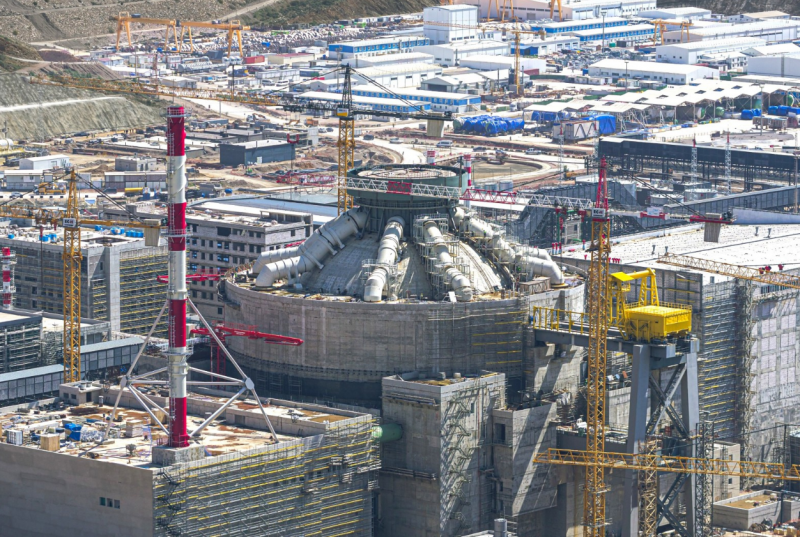
The planning phase of the pre-commissioning peer review by the World Association of Nuclear Operators Moscow Centre (WANO-MC) has been launched at the Akkuyu Nuclear Power Plant (NPP) site in Türkiye. The plant, being constructed by Rosatom, is the first nuclear power plant under construction in Türkiye. This mission focuses primarily on Unit 1 of the Akkuyu NPP. Upon completion of the review, the World Association of Nuclear Operators (WANO) will conduct an independent assessment of the operational readiness of the unit's systems, equipment, and operating personnel, providing a reference for the subsequent safe operation of the unit. The review is led by Wang Tingkui, head of the WANO-MC Crew Performance Observation (CPO) and peer review team. According to...
2026-09-04