
Search Results
Keyword:nuclear facilities
IAEA Confirms Undeclared Nuclear Facilities in Syria
A confidential report by a United Nations agency reveals that after IAEA inspectors visited multiple locations in Syria in August this year, they confirmed that the former Syrian authorities had failed to declare relevant nuclear materials, nuclear facilities, and nuclear activities as required by the safeguards agreement under the Treaty on the Non-Proliferation of Nuclear Weapons. The report states that the information includes a nuclear reactor that was under construction in Deir ez-Zor, a fuel fabrication facility, and another site used for fuel storage during the former government era. For a long time, there has been external suspicion that Syria had secretly pursued a nuclear program, with a facility in Deir ez-Zor province believed to be a nuclear reactor built with assistance from North Korea. The facility was destroyed by an Israeli airstrike in 2007...
2026-09-03
Iran Still Denies IAEA Inspectors Access to Some Nuclear Facilities
A recent report shows that Iran has still not allowed International Atomic Energy Agency (IAEA) inspectors to access some of its nuclear facilities, including sites in Isfahan, Natanz, and Fordow that were previously damaged in airstrikes. The report states that the IAEA had previously detected over 440 kilograms of highly enriched uranium and nearly 8,600 kilograms of low-enriched uranium at these locations. Due to the current lack of sufficient information on the status and whereabouts of the relevant nuclear materials, IAEA Director General Rafael Grossi has expressed concerns over nuclear non-proliferation risks and called on Tehran to allow inspectors to access the facilities for verification as soon as possible. The report also mentions that inspectors...
2026-09-02
South Korea Develops AI Model for Prioritizing Post-Earthquake Inspections at Nuclear Facilities
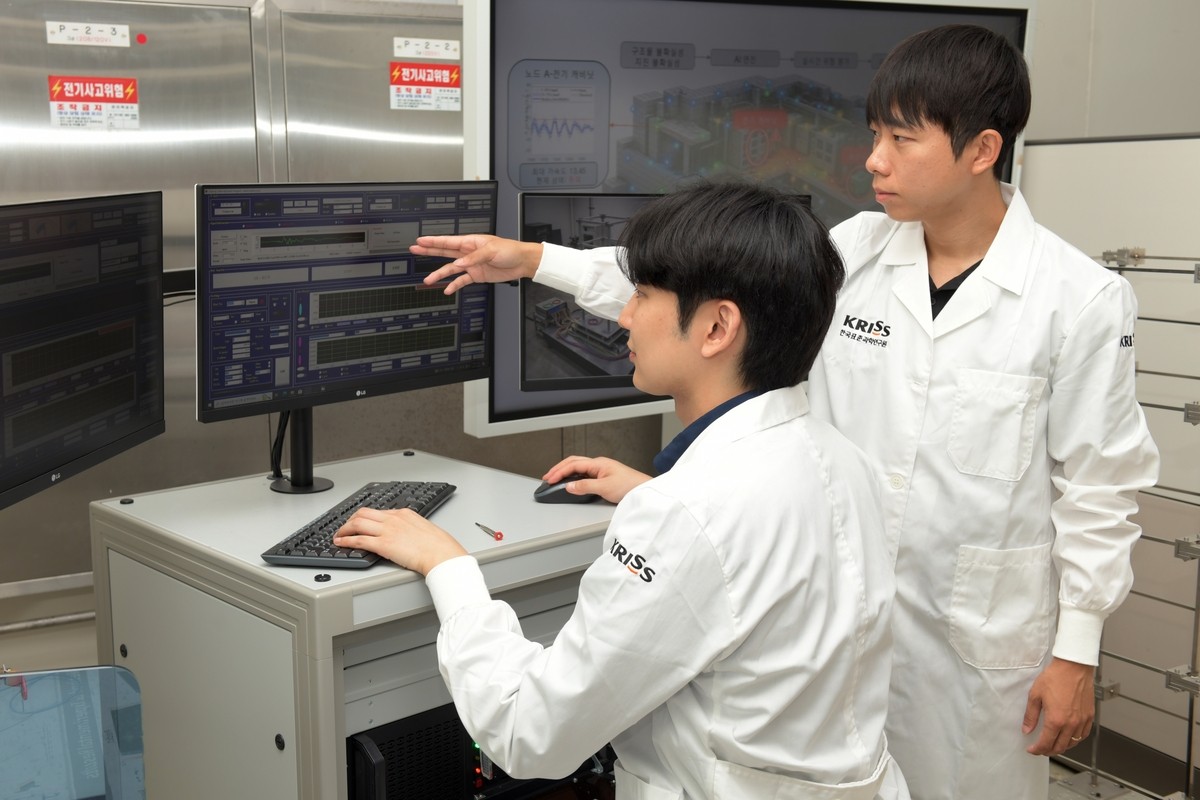
A joint research team from the Korea Research Institute of Standards and Science (KRISS) and Ulsan National Institute of Science and Technology (UNIST) has developed a deep learning model that can assist nuclear facilities in rapidly identifying priority inspection areas after an earthquake. The model uses seismic wave signals collected from a single seismometer to predict in real time the vibration responses at multiple locations within a nuclear power plant and quantitatively ranks potential risks. The research was jointly conducted by the team of Jae-Beom Lee, senior researcher at KRISS, and Young-Ju Lee, professor at UNIST. The researchers stated that this technology can, without installing sensors at every critical location...
2026-08-26
Magnitude 3.1 Earthquake in South Korea Does Not Affect Safety of Nuclear Facilities
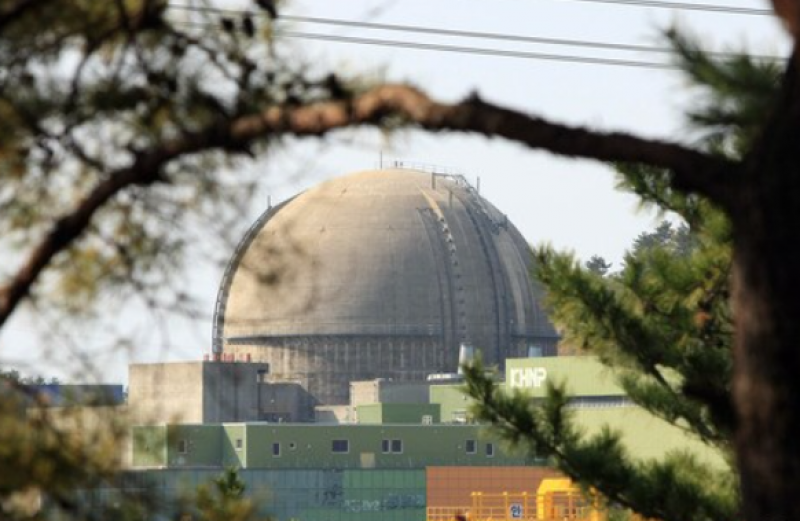
On August 23, the Nuclear Safety and Security Commission (NSSC) of South Korea reported that at 6:43 a.m. that day, a magnitude 3.1 earthquake occurred approximately 21 kilometers northwest of Haenam County, South Jeolla Province, South Korea. It was confirmed that all nuclear reactors and related nuclear facilities in South Korea were operating stably, with no abnormalities detected. The nuclear facility closest to the epicenter was the Hanbit Nuclear Power Plant, approximately 83.2 kilometers away. The peak ground acceleration recorded at this plant during the earthquake was 0.0032g, far below its seismic design basis of 0.2g, and it is expected that the safety of the facility will not be affected. The Hanbit Regional Office of the NSSC has conducted emergency safety inspections at the Hanbit Nuclear Power Plant site...
2026-08-24
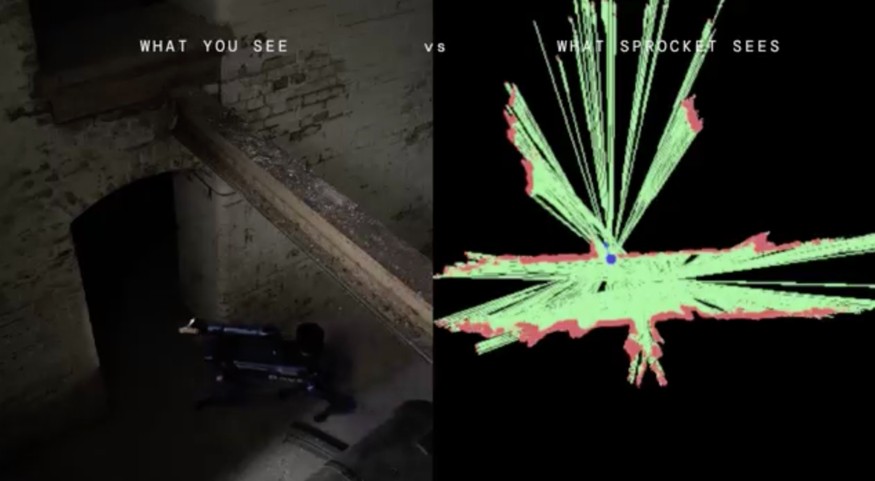
US Boston Dynamics and UK Roke Expand Spot Robot Reconnaissance Applications for Nuclear Facilities
US-based Boston Dynamics is expanding its collaboration with overseas specialized defense solutions companies to promote the application of its quadruped robot Spot in industrial, defense, and high-risk operational scenarios. Leveraging Spot's mature mobile platform capabilities, the company aims to further enter industry sectors with high demand for unmanned operations by integrating software systems designed for reconnaissance in hazardous environments. Boston Dynamics' quadruped robot Spot is equipped with autonomous reconnaissance software SPROCKET developed by UK-based Roke. (Image courtesy of Roke) UK defense security R&D company Roke announced on the 22nd that it has deployed Spot quadruped...
2026-08-23
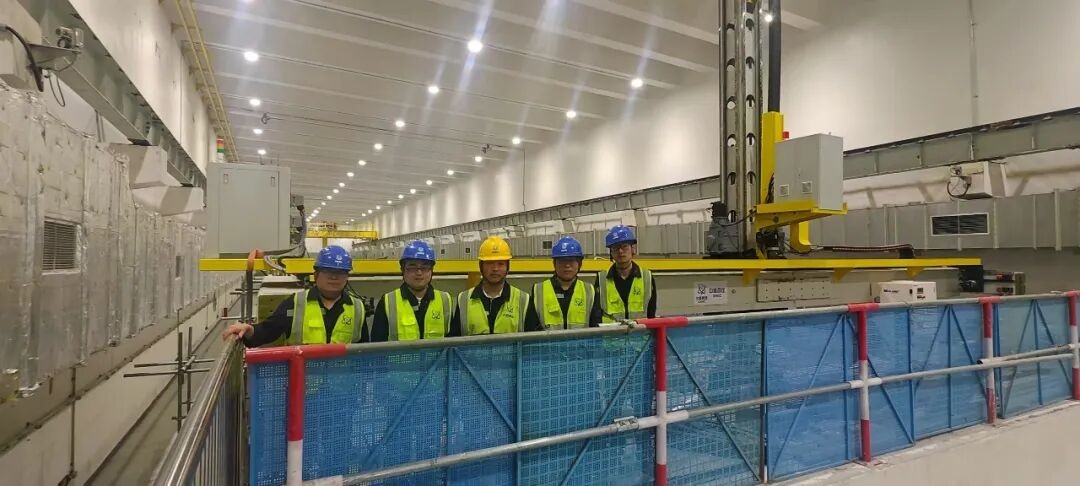
CNNC Xiyi Waste Barrel Storage Well Grinding Robot Completes On-Site Testing
Recently, the waste barrel storage well grinding robot developed by CNNC Xiyi officially completed on-site testing in the grinding project of the process BOP (three wastes) storage wells of Units 3 and 4 at Xudabao, marking a substantial breakthrough in the field of automated construction in confined deep-well spaces within the nuclear industry. Waste barrel storage wells feature great depth, small openings, high verticality requirements, and high dust concentrations. Traditional manual grinding requires multiple workers to take turns entering the confined space, resulting in long construction cycles and high risks. The grinding robot developed by CNNC Xiyi is equipped with an XYZ three-axis movement mechanism and a multi-degree-of-freedom motion system with R rotation and W width adjustment, covering a working width of 12 meters with a maximum grinding depth of 5 meters, applicable to the construction of standard waste barrel storage wells across various reactor types...
2026-08-20
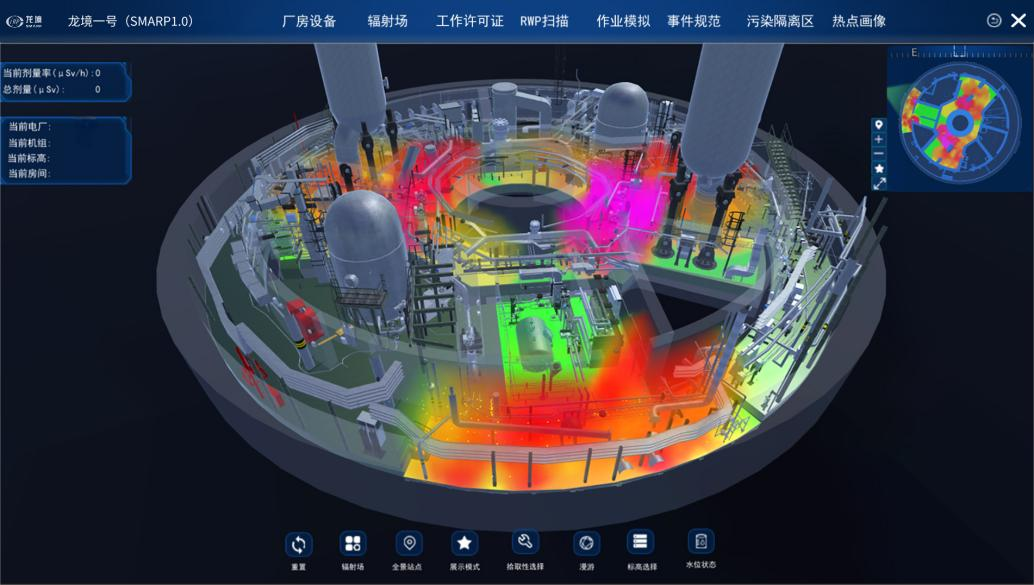
CIRP's "Dragon Realm" Series Advances Digital Upgrade of Radiation Protection for Nuclear Facilities
The Dragon Realm series is a digital radiation protection system product independently developed by CIRP (China Institute for Radiation Protection), refined over more than a decade of accumulation, based on the on-site radiation protection needs of nuclear facilities. It integrates radiation field visualization, real-time monitoring, and intelligent management and control, providing core technical support for the digital transformation of radiation protection in nuclear facilities. Dragon Realm One focuses on "seeing." It recreates the radiation environment of nuclear facilities in three-dimensional digital form, integrating scene roaming and operational simulation to make radiation risks perceivable and tangible, providing an intuitive basis for protection decision-making. Radiation field visualization: establishes a mapping relationship between dose rate and color in the radiation field, achieving 3D visualization of the radiation field. Simulation roaming: supports...
2026-08-18

The Ecological Environment Code of the People's Republic of China Officially Takes Effect Today
On August 15, 2026, coinciding with the fourth National Ecology Day, the Ecological Environment Code of the People's Republic of China officially took effect. The promulgation and implementation of this Code marks the formal entry of China's ecological environment protection legal system into a new stage of codification, representing a major milestone in the rule of law for advancing ecological civilization construction and the building of a Beautiful China. The Code's promulgation: A historic leap in the rule of law for ecological civilization construction. The Ecological Environment Code of the People's Republic of China is the second foundational law named as a "Code" after the Civil Code. The Code systematically integrates existing effective laws and regulations in areas including environmental protection, air pollution prevention and control, water pollution prevention and control, soil pollution prevention and control, solid waste pollution prevention and control, radioactive pollution prevention and control, and noise pollution prevention and control. It abolishes 10 separate laws, incorporates the essential provisions of more than 20 laws into the Code system, and makes comprehensive provisions on basic principles of ecological environment protection, supervision and management systems, pollution prevention and control, ecological protection and restoration, green and low-carbon development, and climate change response, establishing a complete and logically rigorous legal norm system. The Code also makes comprehensive provisions on radioactive pollution prevention and control...
2026-08-15
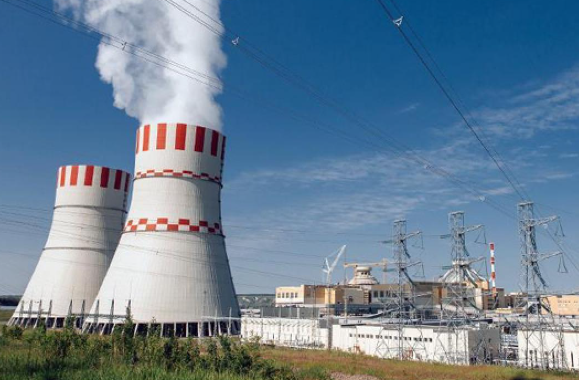
Turkey's Nuclear Regulatory Authority (NDK) Relaxes Certification Requirements for Testing of Short-Cycle Equipment
Turkey's Nuclear Regulatory Authority (NDK) has recently adjusted testing requirements for equipment related to nuclear facilities, providing flexibility for equipment with a production cycle of less than 15 days. According to the decision published in the Official Gazette, under specific conditions, when such equipment undergoes certain tests, testing laboratories will no longer be required to hold specific accreditation for the corresponding test methods. This adjustment applies to the supply chain under the framework of the Regulation on Authorization of Nuclear Facilities. When the NDK, suppliers, or subcontractors are unable to provide a laboratory accredited for the relevant test methods, the original accreditation prerequisite may be waived for the testing of such equipment. This indicates that the regulatory authority, while ensuring quality control of nuclear facility equipment, has also left operational leeway for the testing process of short-cycle production equipment.
2026-08-14
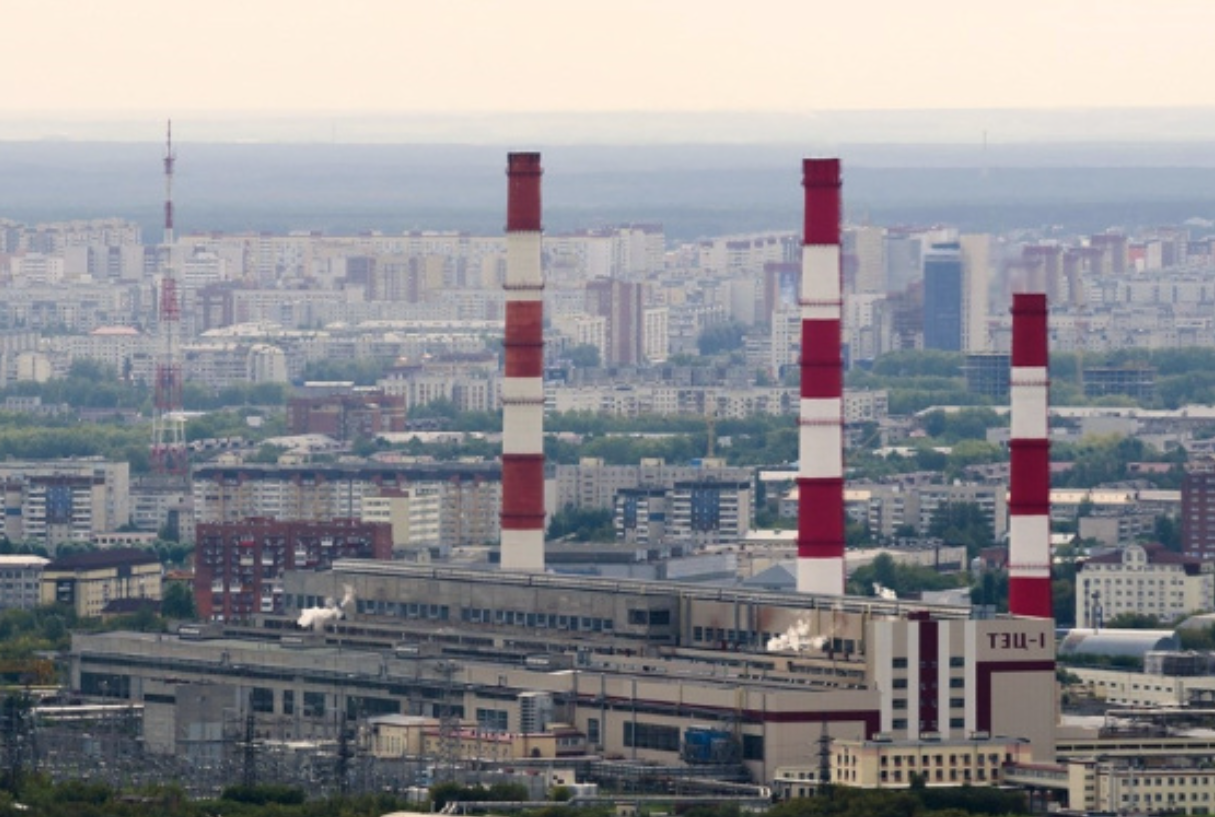
Russia's National Anti-Terrorism Committee Demands Enhanced Security for Energy and Nuclear Facilities
On August 12, Russia's National Anti-Terrorism Committee (NAK) held a meeting chaired by Alexander Bortnikov, Director of the Federal Security Service, to discuss security issues at transportation, fuel-energy complex, and nuclear energy industrial facilities. The Committee emphasized the need to strengthen comprehensive security safeguards and respond more effectively to sabotage and terrorist threats. The meeting proposed that protecting energy and nuclear industrial facilities should not remain at the institutional level alone, but rather should develop more targeted priority tasks based on evolving actual risks. Damage to fuel-energy systems and nuclear industrial facilities could affect the stability of energy supply and trigger broader security risks, which is why their level of protection is regarded as...
2026-08-13

Rosatom selects SNIIP as chief design organization for radiation control systems, overseeing standardization of radiological instrumentation and import substitution assurance at nuclear facilities
Rosatom has selected the Research Institute of Scientific Instruments (SNIIP) as the chief design organization for radiation control systems. The institute, which is part of Rosatom's automation control and electrical equipment division, has been granted this status for a range of similar products in radiation control equipment and systems, including automated radiation control systems and radiation environment monitoring. SNIIP's status as chief design organization means it will be responsible for ensuring Russia's technological autonomy in this field and for developing radiation control instruments and systems. SNIIP General Director Alexey Nikitin stated that this recognition is a testament to the years of work, experience, and professional expertise of the institute's employees...
2026-08-06
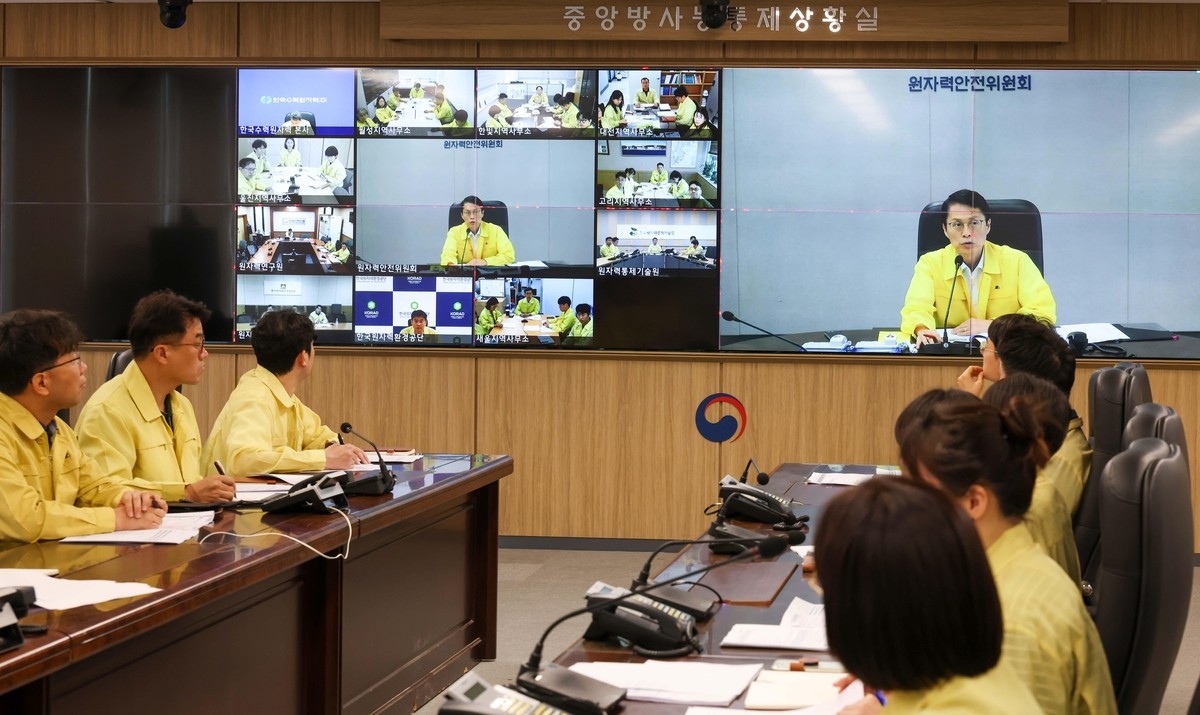
South Korea Launches Emergency Safety Inspection of Nuclear Facilities Amid Heatwave
The Nuclear Safety and Security Commission (NSSC) of South Korea announced on August 5 that, due to the ongoing nationwide heatwave, it will conduct an emergency inspection of the safety status and emergency response preparedness of nuclear facilities, including nuclear power plants. The inspection was conducted via video conference, with participation from personnel of the NSSC's six regional offices, safety regulatory agencies, and Korea Hydro & Nuclear Power (KHNP). The inspection focused on the potential impact of rising seawater temperatures used for cooling nuclear power plants. The NSSC verified the performance of relevant measuring instruments and heat exchangers, and examined KHNP's on-site emergency response status and handling procedures. The design temperature limits for seawater intake at South Korea's nuclear power plants range from 31 to 36.1 degrees Celsius. Due to climate change, the risk of high seawater temperatures is gradually emerging. In 2024, seawater temperatures in the waters off all South Korean nuclear power plants, except for the area around Shin-Hanul Units 1 and 2, reached record highs.
2026-08-05
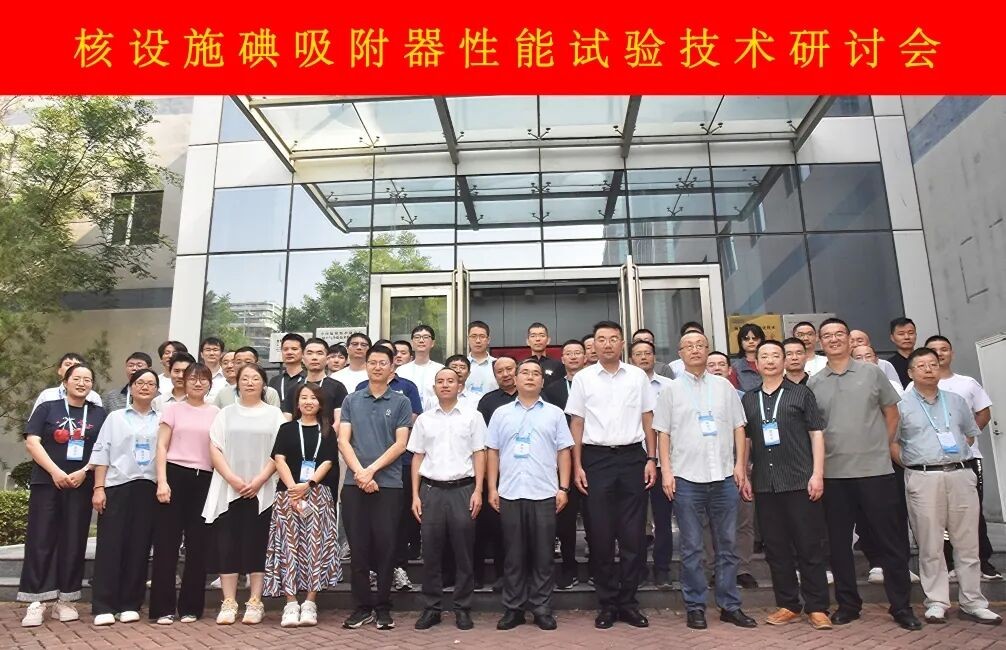
The Nuclear and Radiation Safety Center of the Ministry of Ecology and Environment Successfully Held a Technical Seminar on Performance Testing of Iodine Adsorbers in Nuclear Facilities
Recently, the technical seminar on performance testing of iodine adsorbers in nuclear facilities, hosted by the Nuclear and Radiation Safety Center of the Ministry of Ecology and Environment (hereinafter referred to as "the Center") and organized by the Key Laboratory of Radioactive Gas Purification Technology of CNNC, was held in Taiyuan, Shanxi Province. Representatives from domestic nuclear facility operation, design, testing and inspection organizations, as well as relevant personnel from the Center's Reactor Department, Event Assessment Department, and General Operations Department attended the meeting. The seminar focused on core topics such as periodic testing methods for iodine adsorbers in ventilation systems of nuclear facilities, acceptance criteria, and test cycle requirements under long-term operation. Participants conducted in-depth exchanges on the advantages and disadvantages of radioactive versus non-radioactive test methods for iodine adsorber adsorption efficiency, 2-inch...
2026-08-01
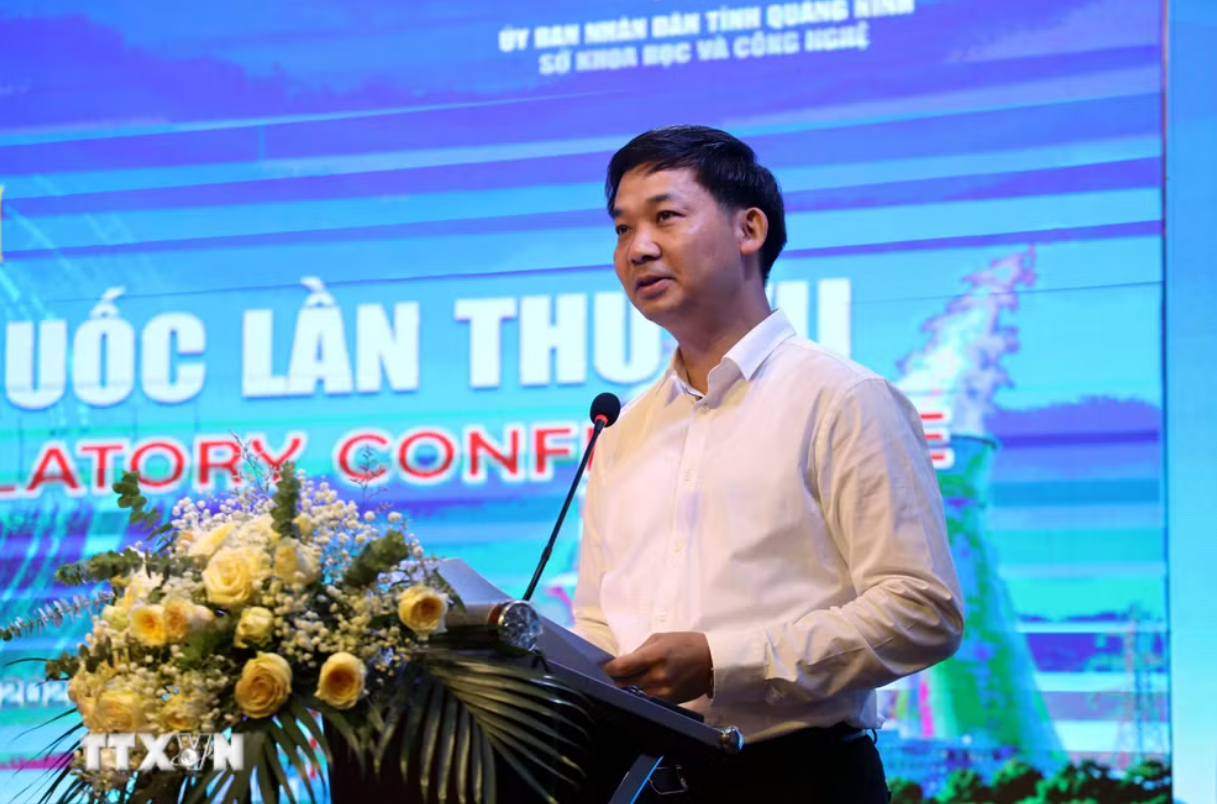
The 7th National Nuclear Regulatory Conference of Vietnam Convened: Improving the Legal Framework to Serve the National Nuclear Program and Sustainable Development
The 7th National Nuclear Regulatory Conference of Vietnam was held in Quang Ninh Province, with the theme of national management of radiation and nuclear safety serving socio-economic development. The conference brought together leaders from the government, ministries, and industry sectors, local officials, as well as over 400 delegates and experts from international organizations including the International Atomic Energy Agency (IAEA). This conference aimed to comprehensively assess the achievements of national governance in the field of radiation and nuclear safety over the past period, unify directions, clarify tasks, and formulate key solutions for development from 2026 to 2035. The conference took place at an important time when Vietnam's nuclear program is being restarted, supporting the peaceful use of atomic energy, ensuring radiation and nuclear safety, and strengthening national scientific and technological capabilities...
2026-07-30