
Search Results
Keyword:research
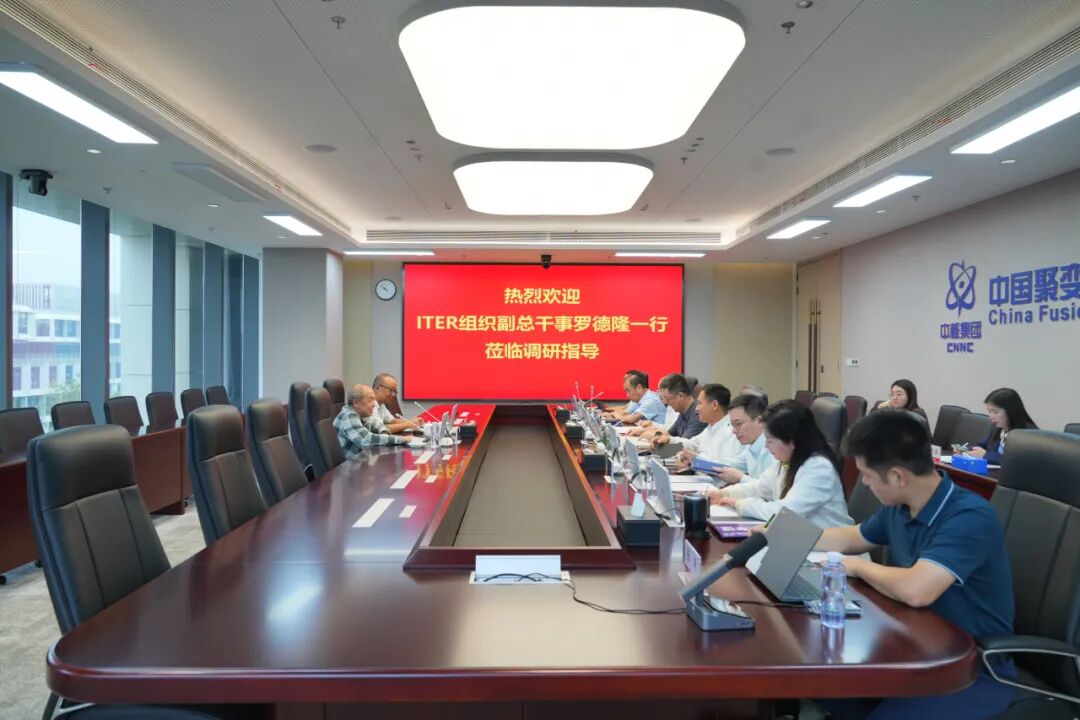
ITER Organization Deputy Director-General Luo Delong and his delegation visited China Fusion Energy Co., Ltd. for research and guidance
On September 11, Luo Delong, Deputy Director-General of the International Thermonuclear Experimental Reactor (ITER) Organization, and his delegation visited China Fusion Energy Co., Ltd. (hereinafter referred to as "China Fusion") for research and guidance, gaining an in-depth understanding of China Fusion's overall development situation and the progress of key task implementation. Zhang Libo, General Manager of China Fusion, accompanied the research visit. During the visit, both parties held a special symposium. On behalf of China Fusion, Zhang Libo extended a warm welcome to Luo Delong and his delegation, and expressed sincere gratitude to the ITER Organization and Mr. Luo Delong for their concern, support, and guidance regarding China Fusion's development and the fulfillment of ITER Project-related tasks. At the meeting, Zhong Wulv, Chief Engineer of China Fusion, delivered an overall situation report, focusing on...
2026-09-14
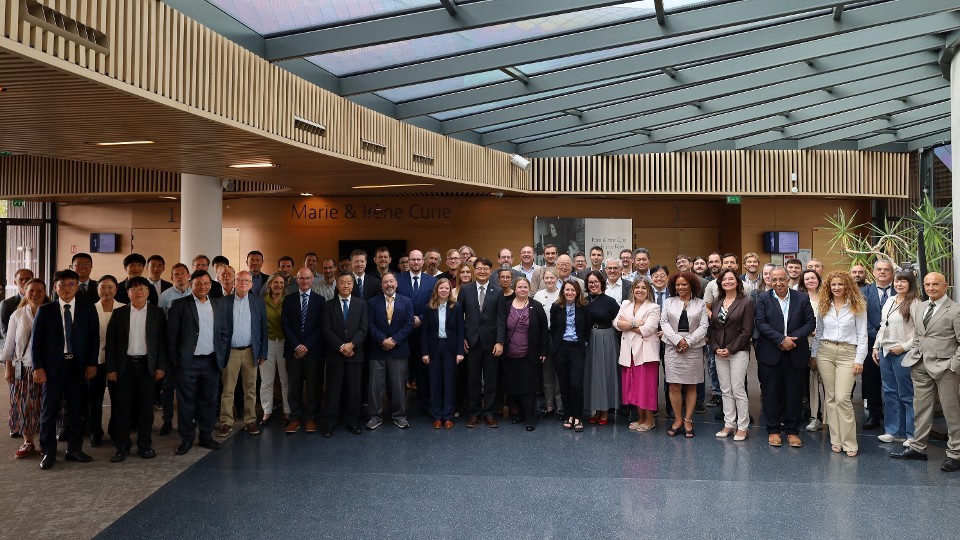
Paris, France workshop explores ATHENA thermal-hydraulics nuclear safety research cooperation framework
On September 10-11, 2026, dozens of researchers, experts and related professionals gathered in Paris, France to participate in the workshop on building the ATHENA framework, discussing collaborative mechanisms for thermal-hydraulics nuclear safety research. ATHENA stands for Advanced Thermal-Hydraulics Experiments for Nuclear Analysis and Safety Applications, and aims to establish a more coordinated and more sustainable thermal-hydraulics research framework. Participants believed that clarifying the framework's flexibility, applicable boundaries and advantages requires strengthened communication among all relevant parties to ensure that different research needs are...
2026-09-13

Brookhaven National Laboratory Develops Integrated X-ray Imaging Tool for Nuclear Materials Research
A research team at the U.S. Department of Energy's Brookhaven National Laboratory has recently developed and built a new experimental apparatus that integrates four X-ray computed tomography techniques into a single instrument, enabling multiscale, comprehensive studies of next-generation nuclear reactor materials. The related technical achievements and capability demonstration have been published in the Journal of Synchrotron Radiation. The apparatus is located at the X-ray Powder Diffraction (XPD) beamline of the National Synchrotron Light Source II (NSLS-II) and was commissioned jointly by the U.S. Department of Energy Office of Nuclear Energy's Nuclear Science User Facilities program, Brookhaven National Laboratory's Nuclear Science and Security Department, and NSLS-II. Researchers said that next...
2026-09-12

Daejeon, South Korea Ranks Second Nationwide in Low- and Intermediate-Level Radioactive Waste Storage, Spent Fuel Transfer Plan Still Not Implemented
According to data released on September 12 by South Korea's Integrated Radioactive Waste Safety Management Information System, two nuclear-related facilities in Daejeon——the Korea Atomic Energy Research Institute and Korea Hydro & Nuclear Power's Nuclear Fuel Company——currently store a total of 29,587 drums of low- and intermediate-level radioactive waste, with each drum having a capacity of 200 liters. This storage volume ranks second in South Korea, surpassed only by the Gori Nuclear Power Plant's 40,087 drums. Transportation of low- and intermediate-level radioactive waste Daejeon provides The low- and intermediate-level radioactive waste stored by the Korea Atomic Energy Research Institute mainly comes from the operation of the Hanaro research reactor, as well as waste generated during the decommissioning of an experimental reactor in Seoul in the mid-2000s. Nuclear-related facilities in Daejeon...
2026-09-13
Sichuan Energy Nuclear Industry Co., Ltd. Established in Chengdu, Focusing on Advanced Nuclear Microreactor R&D
On September 9, according to Chengdu Sci-Tech Innovation Investment Group, Sichuan Energy Nuclear Industry Co., Ltd. recently completed its establishment in Chengdu with a registered capital of 1 billion yuan. The company was jointly funded and established by Chengdu Sci-Tech Innovation Investment Group through its Chengdu Future Industry Venture Capital Fund, together with Sichuan Energy Development Group, China Nuclear Power Research and Design Institute, Shenzhen Capital Group, and other state-owned capital entities, with its registered address in Chengdu. According to disclosed information, Sichuan Energy Nuclear Industry Co., Ltd. will mainly focus on advanced nuclear microreactor technology R&D iteration, industrialization implementation, and green energy technology layout, positioned as a resource integration center, R&D innovation center, and investment decision-making center, with priority on advancing advanced multi-purpose...
2026-09-10
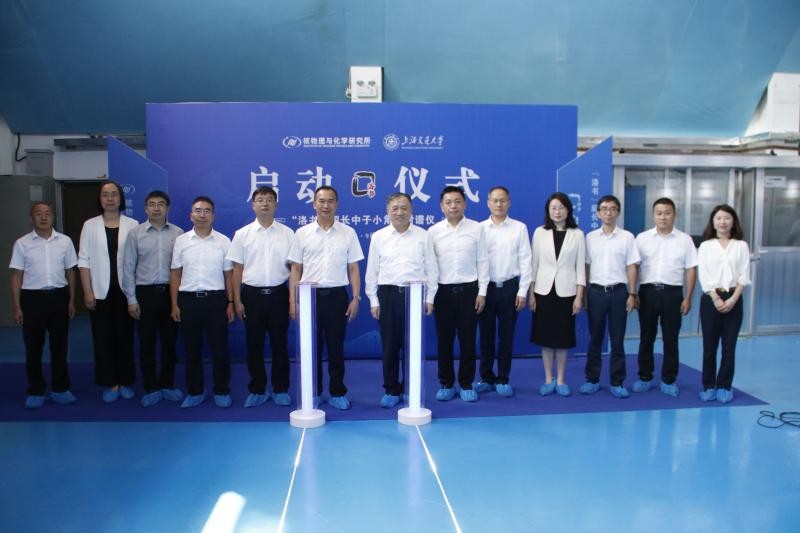
Shanghai Jiao Tong University's "Luoshu" Ultra-Long Neutron Small-Angle Scattering Spectrometer Officially Commissioned
On September 2, the launch ceremony for Shanghai Jiao Tong University's Luoshu Ultra-Long Neutron Small-Angle Scattering Spectrometer was held at the China Mianyang Research Reactor. Yang Zhenbin, Secretary of the Party Committee of Shanghai Jiao Tong University, Huang Ming, Vice President of the China Academy of Engineering Physics, and other leaders attended the event to jointly witness the official commissioning of this major scientific research facility. At the launch ceremony, Yang Zhenbin and Huang Ming jointly lit up the Luoshu Ultra-Long Neutron Small-Angle Scattering Spectrometer, marking its official commissioning. The Luoshu spectrometer was jointly built and collaboratively developed by Shanghai Jiao Tong University and the China Mianyang Research Reactor, with multiple core indicators reaching internationally advanced levels. It can broadly support research in fields such as aerospace, nuclear power and energy, biomedicine, new materials, and basic sciences, providing...
2026-09-10
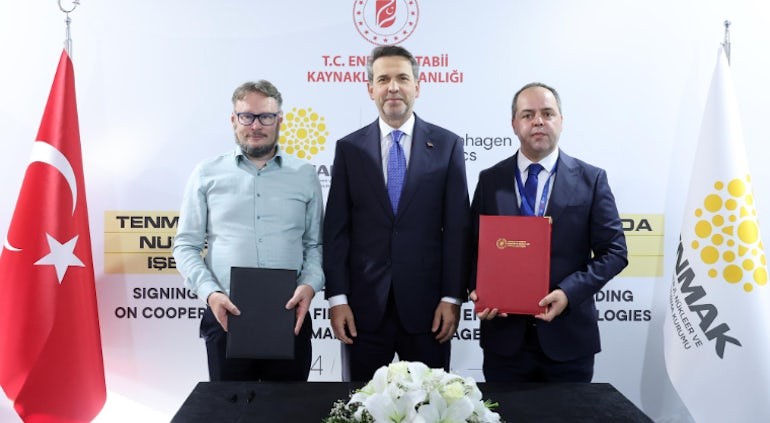
Turkey and Danish Developer Sign Memorandum of Understanding on Thorium-Based Molten Salt Reactor Research
On September 9, 2026, the Turkish Ministry of Energy stated that the Turkish Energy, Nuclear and Mining Research Institute (TENMAK) has signed a memorandum of understanding with Danish advanced reactor developer Copenhagen Atomics (CA), under which the two parties will conduct collaborative research on the application of thorium as a potential nuclear fuel for molten salt reactors. Tenmak and Copenhagen Atomics signed the memorandum of understanding on September 7. Photo courtesy of the Turkish Ministry of Energy and Natural Resources. The Turkish Ministry of Energy stated that the cooperation aims to advance research in areas related to thorium as a potential fuel for nuclear reactors, with a focus on assessing...
2026-09-10
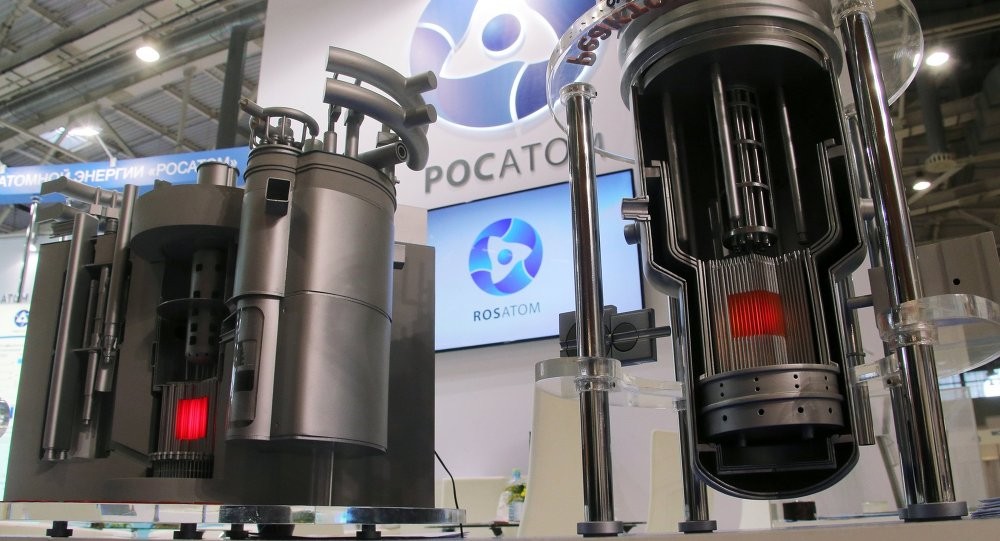
Vietnam to Join International Consortium for Russia's MBIR Fast Neutron Research Reactor
On September 9, the press service of Rosatom announced that Vietnam will join the international consortium for Russia's MBIR multi-purpose fast neutron research reactor. The reactor is currently under construction in Dimitrovgrad, Russia. Under the arrangement, the Vietnam Atomic Energy Institute (Vinatom) has been designated as Vietnam's lead organization for participation in the International Research Centre MBIR (IRC MBIR) project based on the MBIR reactor. Tran Chi Thanh, President of the Vietnam Atomic Energy Institute, stated in a declaration that participation in the project will give Vietnam more direct access to this unique experimental platform, further...
2026-09-10
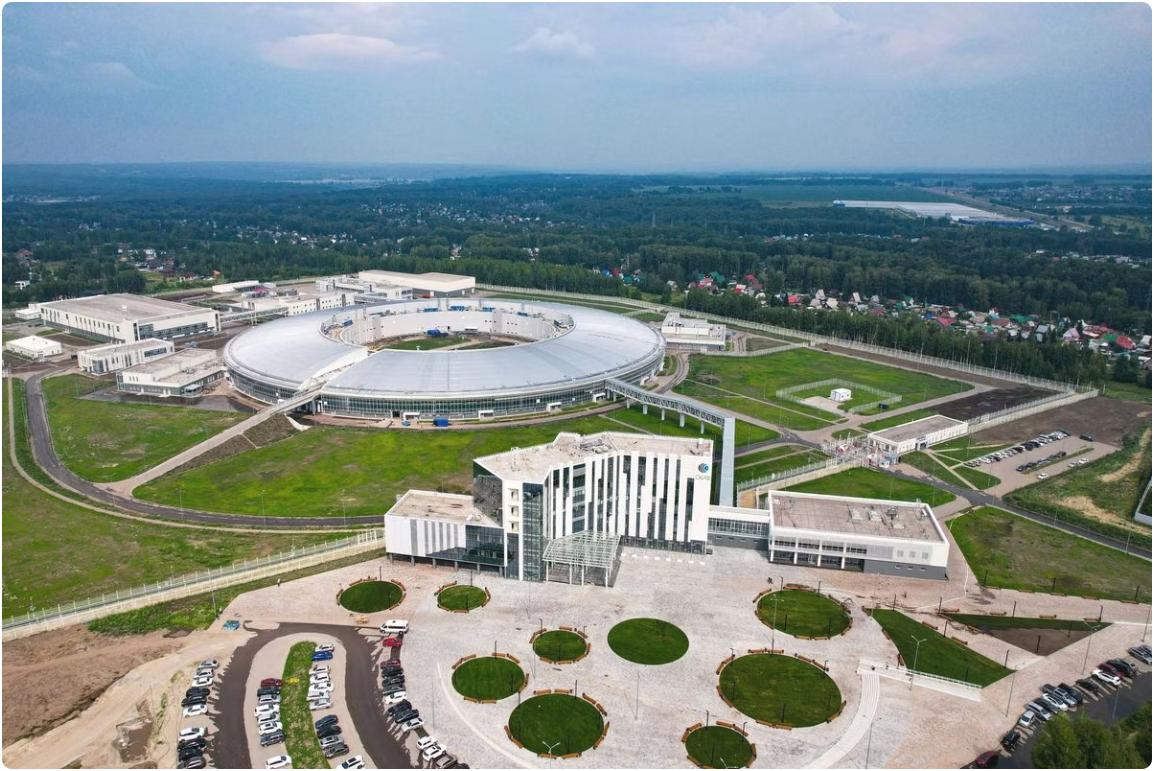
Russia's SKIF Synchrotron Considers Building Enterprise-Funded Experimental Stations
The Siberian Circular Photon Source (SKIF) synchrotron project in Russia is considering the construction of enterprise-funded experimental stations. Andrei Bukhtiyarov, Deputy Director of the SKIF Shared Use Center, stated that this idea is expected to advance after the first-phase experimental stations are put into operation and their operational capabilities are verified. According to reports, construction of the SKIF synchrotron was completed in June 2026. Once the facility becomes operational, it will help researchers obtain high-precision data on the internal structure and behavior of materials. The first phase of the SKIF project, located near Novosibirsk, plans a total of 7 experimental stations, all scheduled to become operational by August 2027, when research teams can begin conducting relevant experiments. Bukhtiyarov...
2026-09-09
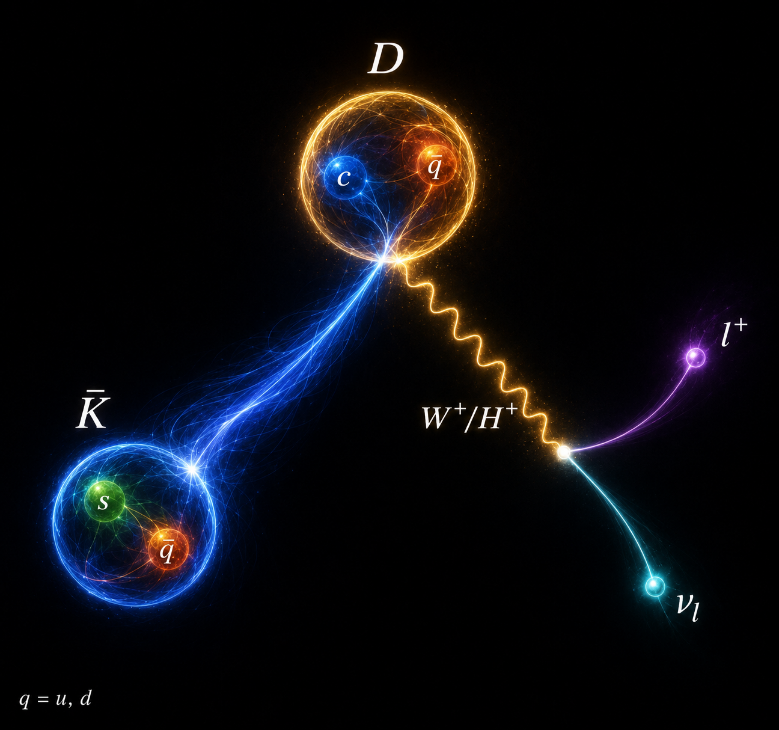
BESIII Experiment Achieves High-Precision Measurement of Charm Meson Semileptonic Decays and First Constraint on "Scalar Current"
Recently, the BESIII international collaboration utilized the world's largest near-threshold charm meson data sample to perform a combined measurement of four semileptonic decay channels: D⁰→K⁻e⁺νₑ, D⁰→K⁻μ⁺νμ, D⁺→K̄⁰e⁺νₑ, and D⁺→K̄⁰μ⁺νμ. The research team extracted the quark mixing matrix element |Vcs| with a precision better than 0.5%, determined the form factor zero-point value f₊(0) with a precision better than 0.2%, and verified lepton universality in the above processes at the 0.5% precision level. Beyond these precise determinations of Standard Model parameters, what is particularly noteworthy is that this experiment has, for the first time...
2026-09-08
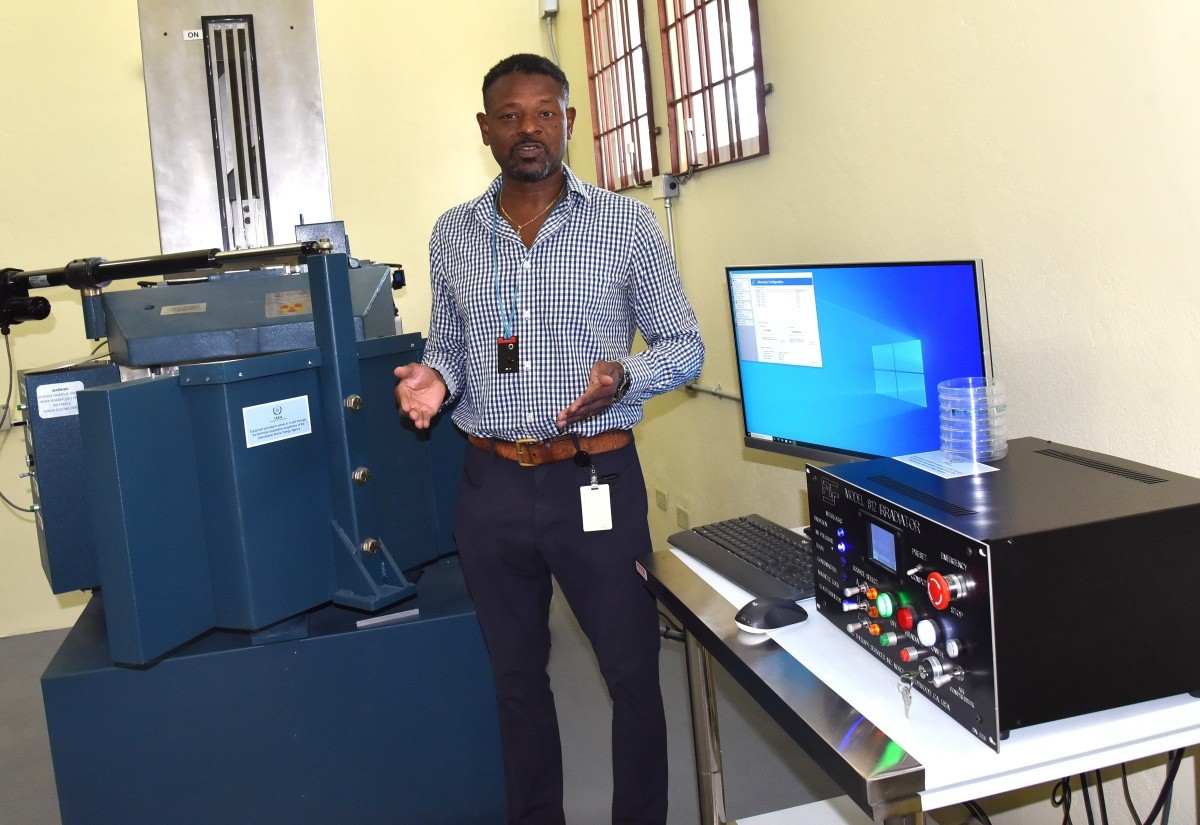
Jamaica Commissions Cobalt-60 Gamma Irradiator to Support Sterile Insect Technique and Agricultural Research
A new gamma irradiator at the International Centre for Environmental and Nuclear Sciences at the University of the West Indies in Jamaica has been commissioned, providing new technical capabilities for the country's research in vector-borne disease control, agricultural improvement, and nuclear technology applications. The equipment began operation in October 2024 and was officially inaugurated in August 2025, currently focusing primarily on sterile insect technique research, with the main objective of controlling Aedes aegypti mosquitoes. John Antoine, head of the Nuclear Analysis Laboratory and senior research scientist at the International Centre for Environmental and Nuclear Sciences, explained that the irradiator can deliver controlled, measurable doses of radiation to samples or products without making the samples or products themselves radioactive. He compared the...
2026-09-08

U.S. Research Team Discovers Strong Ultrafast Optical Response Induced by Ionizing Radiation, Potentially Advancing Medical Imaging and Sensing Technologies
September 3 news, Stanford University and the U.S. Department of Energy's SLAC National Accelerator Laboratory research team used ultrafast electron and laser pulses to observe a strong ultrafast optical response triggered by ionization processes in semiconductor materials. The related research has been published in Nature Photonics. The researchers believe this discovery could provide new insights for radiography and sensing technologies, and also offer experimental evidence for understanding the fundamental behavior of materials under high-energy particle interactions. Radiation detection is a key technology in particle accelerators, scientific instruments, medical imaging, and security screening equipment. Existing detectors typically face a trade-off between signal strength and response speed: processes with stronger signals tend to be slower, while those with faster response may produce weaker signals...
2026-09-08
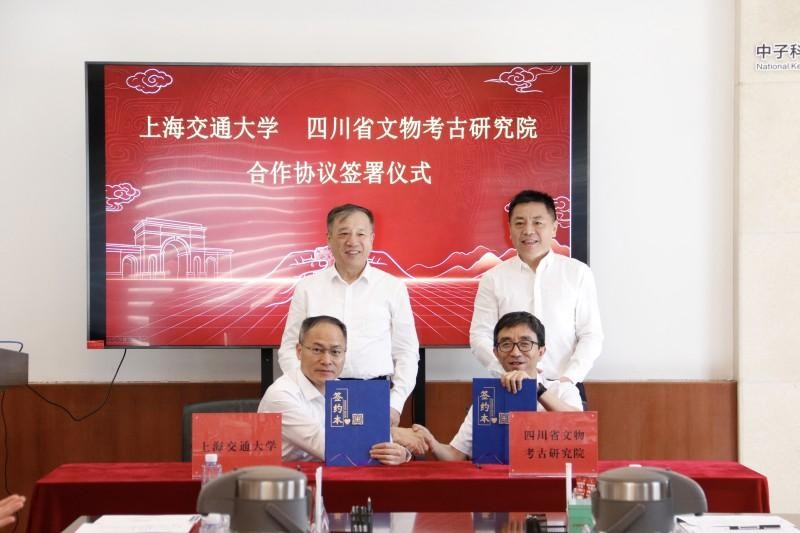
Shanghai Jiao Tong University and Sichuan Provincial Cultural Relics and Archaeology Research Institute to Jointly Build Neutron Cultural Heritage Protection Laboratory
On September 2, Shanghai Jiao Tong University and the Sichuan Provincial Cultural Relics and Archaeology Research Institute signed a strategic cooperation agreement to jointly advance the construction of the Neutron Cultural Heritage Protection Laboratory, promoting the deep integration of modern technology and cultural heritage conservation. Yang Zhenbin, Party Secretary of Shanghai Jiao Tong University, and Pu Xin, Deputy Director of the Sichuan Provincial Cultural Heritage Administration, delivered speeches respectively and jointly witnessed the signing. The collaboration focuses on the scientific research, conservation, and transmission of significant cultural heritage sites including Sanxingdui. The Sanxingdui site is a vital component of the Chinese Civilization Exploration Project. With the continuous advancement of archaeological excavations in recent years, a large number of precious artifacts have been unearthed, with increasingly complex structures and materials. How to accurately obtain their internal structure, material composition, manufacturing techniques, and preservation status without damaging the artifacts themselves has become a critical issue in cultural heritage conservation and archaeological research...
2026-09-08
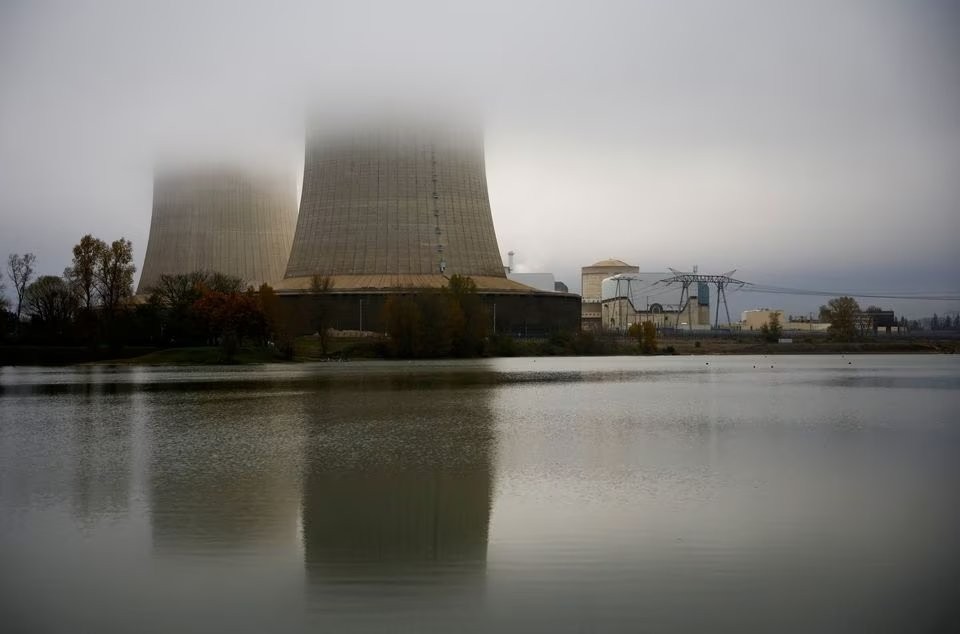
France to Invest €18 Million in Nuclear Fission Research Program
The French National Centre for Scientific Research (CNRS) recently announced the launch of a new scientific research program on nuclear fission. The program will run for six years, from 2026 to 2031, with a total funding of €18 million. Financed by the French government under the France 2030 initiative and coordinated by the French National Research Agency (ANR), the program aims to strengthen the scientific foundation required for the development of current and future nuclear fission technologies. Under the arrangement, approximately half of the funding will be allocated to human resources development, including doctoral and postdoctoral projects; the remaining funds will be directed toward research equipment and infrastructure, covering particle accelerators, experimental reactors, and radiochemistry laboratories, among others....
2026-09-08
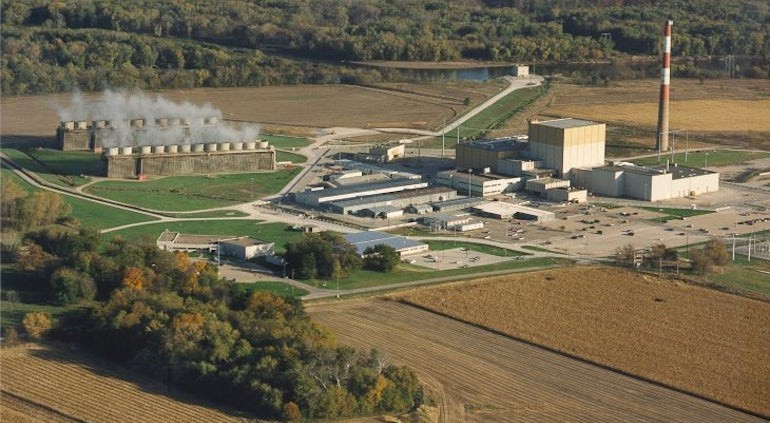
Iowa Research Promotes Nuclear Energy Industry Development
The Iowa Nuclear Energy Task Force released a report stating that, leveraging experience in deploying new energy technologies, a strong manufacturing base, workforce conditions, and the Duane Arnold nuclear power plant restart plan, Iowa is well-positioned to play a greater role in the growing nuclear energy industry. NextEra Energy has agreed to restart the Duane Arnold nuclear power plant, primarily to supply power to Google. Image courtesy of NextEra Energy. The task force was established by Iowa's governor in January of this year with the mission of assessing opportunities for advancing nuclear energy technology and infrastructure in the state. The report recommends that Iowa conduct a statewide nuclear energy feasibility study, identify areas suitable for new nuclear project development, and establish a one-stop coordination window to facilitate nuclear project advancement.
2026-09-08