
Search Results
Keyword:research
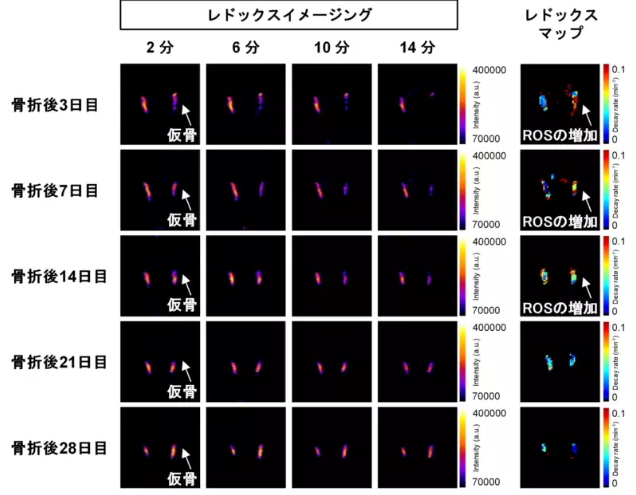
Japanese research team visualizes cellular metabolic changes during fracture healing using hyperpolarized MRI
August 21, 2026, Gifu Pharmaceutical University and Gifu University announced that a multi-institutional Japanese research team successfully visualized changes in the redox state of skeletal progenitor cells during fracture healing in living mice using hyperpolarized magnetic resonance imaging technology. The findings were published online on August 15, 2026, in the British academic journal *npj Imaging*. The study was led by Takuya Kubo, a graduate student in the Department of Pharmacology at Gifu Pharmaceutical University, Professor Eiichi Hinoi, and related research teams at Gifu University, in collaboration with the University of Tokyo, Osaka University, the Research Institute of National Rehabilitation Center for Persons with Disabilities, and other institutions. After a fracture occurs, a tissue called a...
2026-08-31
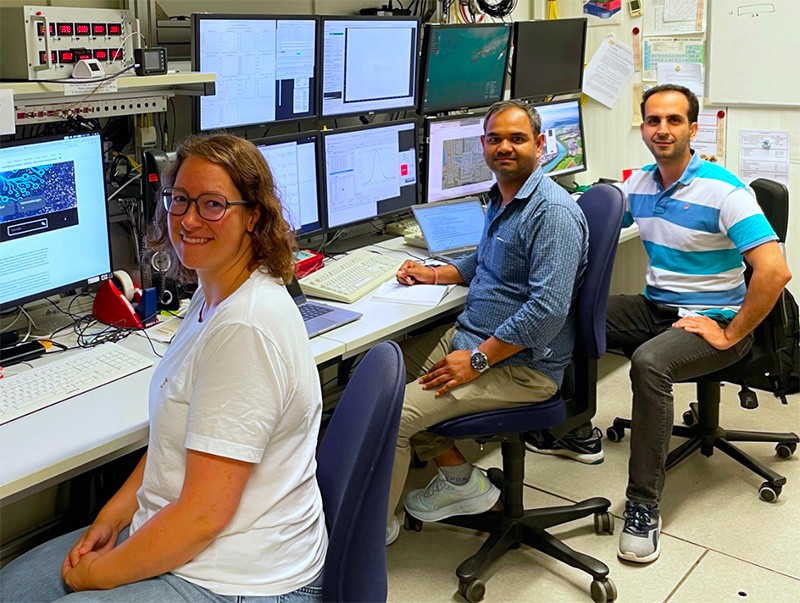
German Photon and Neutron Research Data Alliance Receives €8.3 Million in Second-Phase Funding
The German National Research Data Infrastructure consortium for photon and neutron experimental data (DAPHNE4NFDI) will enter its second funding phase, receiving initial funding of €8.3 million, with the funding period running until the end of 2028. Since 2021, the consortium has been working to improve the management of research data from photon and neutron experiments, making the data easier to find, access, and reuse over the long term. DAPHNE4NFDI is one of the disciplinary consortia under the German National Research Data Infrastructure (NFDI), with members including the German Electron Synchrotron (DESY), Kiel University (CAU), and other universities and research institutions. The funding decision is based on a recommendation from the German Research Foundation (DFG). Since January 2026...
2026-08-31
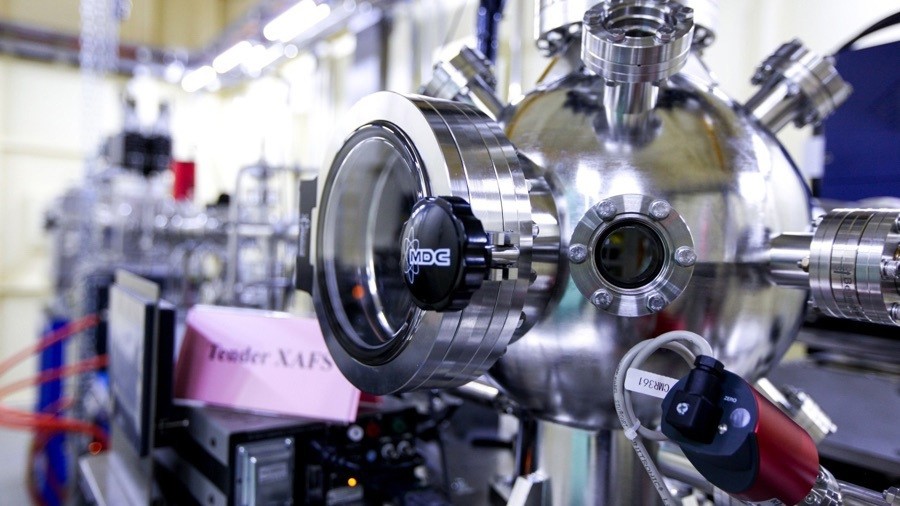
China's First Enterprise-Level Synchrotron Radiation Technology Application Research Platform Inaugurated in Shanghai
The Sinopec Shanghai Synchrotron Radiation Facility Energy and Chemical Science Laboratory, invested by Sinopec and jointly built with the Shanghai Advanced Research Institute of the Chinese Academy of Sciences, and based on the Shanghai Synchrotron Radiation Facility (SSRF) major scientific infrastructure, was recently inaugurated in Shanghai Zhangjiang Science City. This laboratory is the first enterprise-level synchrotron radiation technology application research platform in China. According to reports, the laboratory consists of three beamline stations and auxiliary laboratories, and will provide technical support and services for basic scientific research conducted by Sinopec and public users, with a focus on oil and gas exploration and development, petroleum refining and chemical engineering, and new energy and new materials. Once the platform is completed, it will help enhance the enterprise's capabilities in forward-looking and fundamental research, and provide scientific research support for cultivating new quality productive forces in China's energy and chemical industry.
2026-08-29
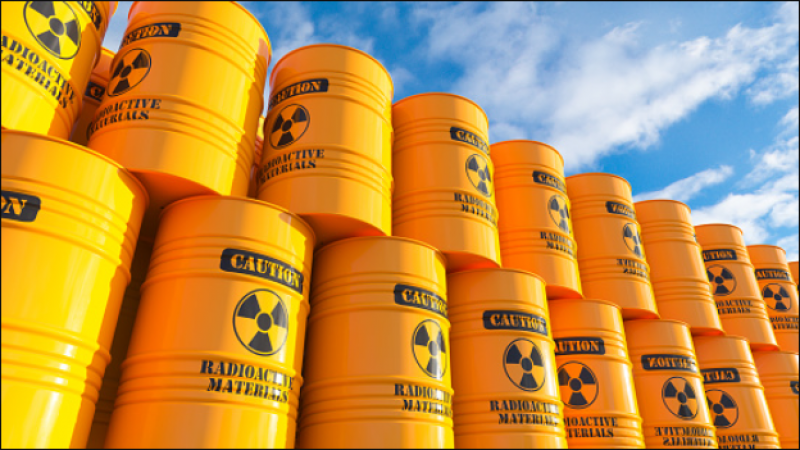
Japanese Nuclear Regulator Inspects Horonobe Geological Disposal Research Facility for High-Level Radioactive Waste
On August 28, Shinya Nagasaki and other members of Japan's Nuclear Regulation Authority (NRA) inspected an underground research facility in Horonobe Town, Japan. The facility, operated by the Japan Atomic Energy Agency (JAEA), conducts technical research on deep geological disposal of high-level radioactive waste. Geological disposal of high-level radioactive waste involves encapsulating the waste and burying it deep underground, achieving long-term isolation through engineered and natural geological barriers. During the inspection, Nagasaki and his delegation examined test facilities used to evaluate the corrosion resistance of iron containers. The tests simulate the environment of containers holding heat-generating radioactive waste after being buried underground...
2026-08-30
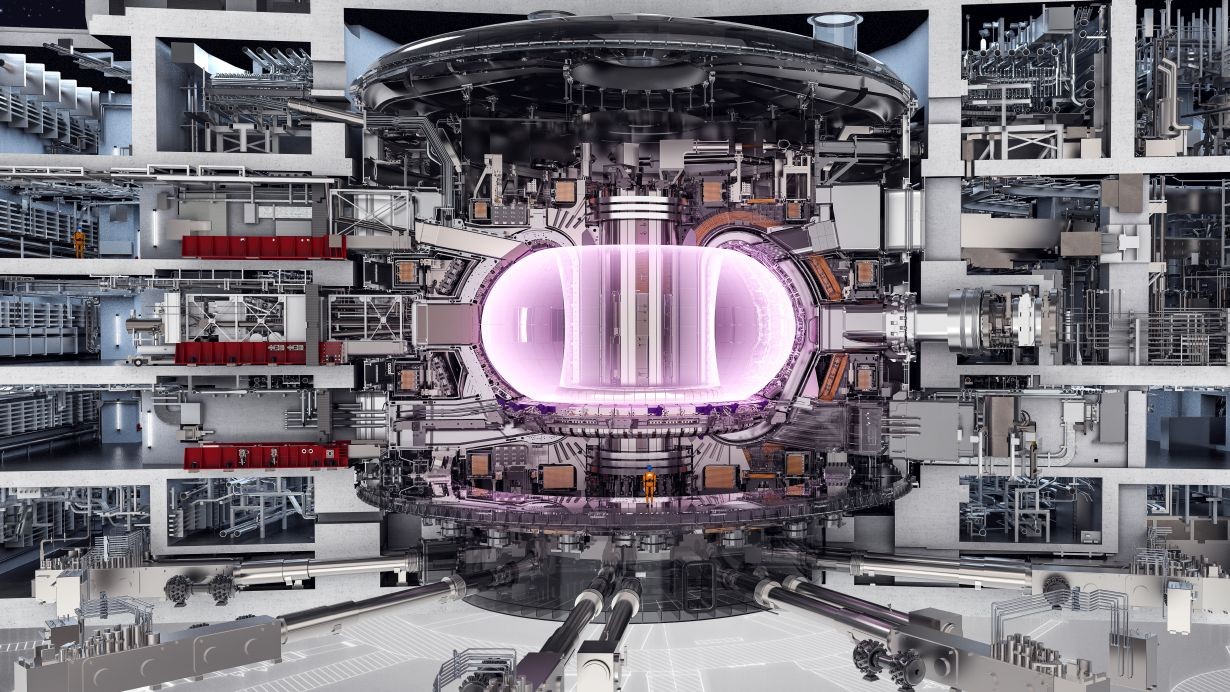
France's ITER research program may start before 2034
Scientific preparation work for the International Thermonuclear Experimental Reactor (ITER) is currently about 7 months ahead of the original schedule, and the research program may start earlier than the previously set target of 2034. Anatoly Krasilnikov, Director of the ITER Project Center at Rosatom, revealed this progress during the Technoprom-2026 forum. Krasilnikov stated that the project team no longer uses the milestone term "first plasma," but has instead adjusted the objective to "start of the research program," with a target date of 2034. Based on the current progress, the work is 7 months ahead of schedule, and there is a possibility of achieving the goal ahead of time...
2026-08-28
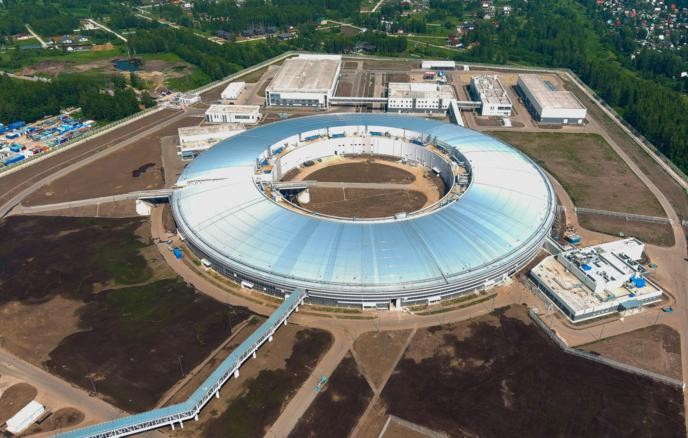
First Seven Experimental Stations of Russia's SKIF Synchrotron Planned for Commissioning in Summer 2027
The first seven scientific experimental stations at the Siberian Circular Photon Source (SKIF) shared center, located near Novosibirsk, Russia, are planned to begin beam testing in August 2027. According to the center's relevant official, all experimental station equipment has been fully installed, and experts are currently conducting commissioning work. Construction of the SKIF synchrotron was completed in June 2026. Once the project becomes operational, it will utilize synchrotron radiation to help researchers observe the internal structure of matter, obtaining high-precision data on material structure and behavior, which can serve fundamental research and related industrial R&D. As planned, the Budker Institute of Nuclear Physics of the Siberian Branch of the Russian Academy of Sciences will launch beam operation in the main storage ring in September...
2026-08-28

Japan to Build Fusion Tritium Fuel Research Base in Aomori Prefecture
Japan's Ministry of Education, Culture, Sports, Science and Technology (MEXT) has decided to establish a new fusion power generation research base in Aomori Prefecture, focusing on tritium fuel handling technology. The base will target the development needs of fusion demonstration projects in the 2030s, promoting joint research and development among industry, government, and academia. MEXT plans to include approximately 100 billion yen in fusion development-related funding in its budget request for the next fiscal year. Fusion power generation releases energy through the fusion reaction of deuterium and tritium nuclei, a principle similar to the energy generation process inside the sun. Unlike traditional nuclear power that relies on nuclear fission chain reactions, fusion reactions carry a lower risk of runaway, leading many countries to view it as an important direction for future energy technology...
2026-08-28
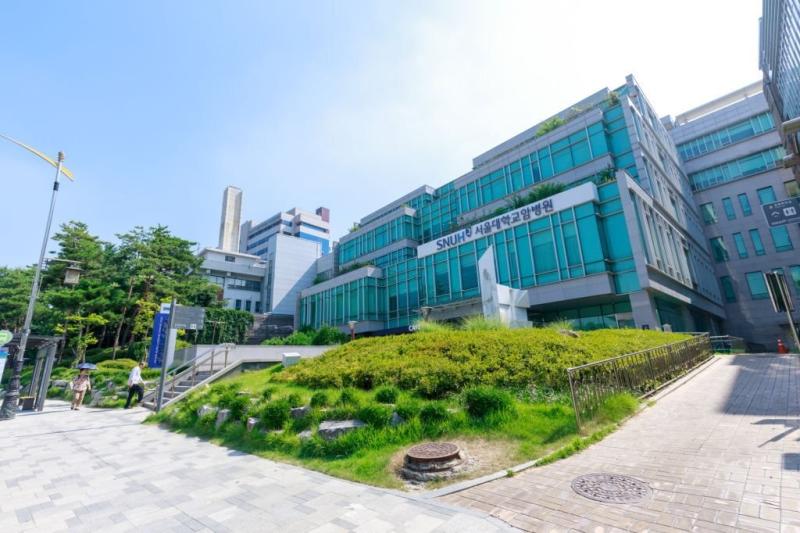
South Korean research team evaluates pipe rupture risk in nuclear power plants using probabilistic analysis
Researchers from Seoul National University of Science and Technology in South Korea have recently proposed a sensitivity analysis method based on probabilistic fracture mechanics to evaluate the rupture frequency of main coolant piping systems in nuclear power plants. This method can analyze the impact of uncertainties and modeling assumptions on prediction results, helping engineers distinguish extremely low-probability events from relatively more likely failure scenarios. In nuclear power plants, the main coolant piping system plays a critical role in maintaining structural integrity under normal reactor operating conditions. A pipe rupture could trigger a loss-of-coolant accident, and therefore this system has long been included in the key scope of nuclear power plant safety design and assessment.
2026-08-28
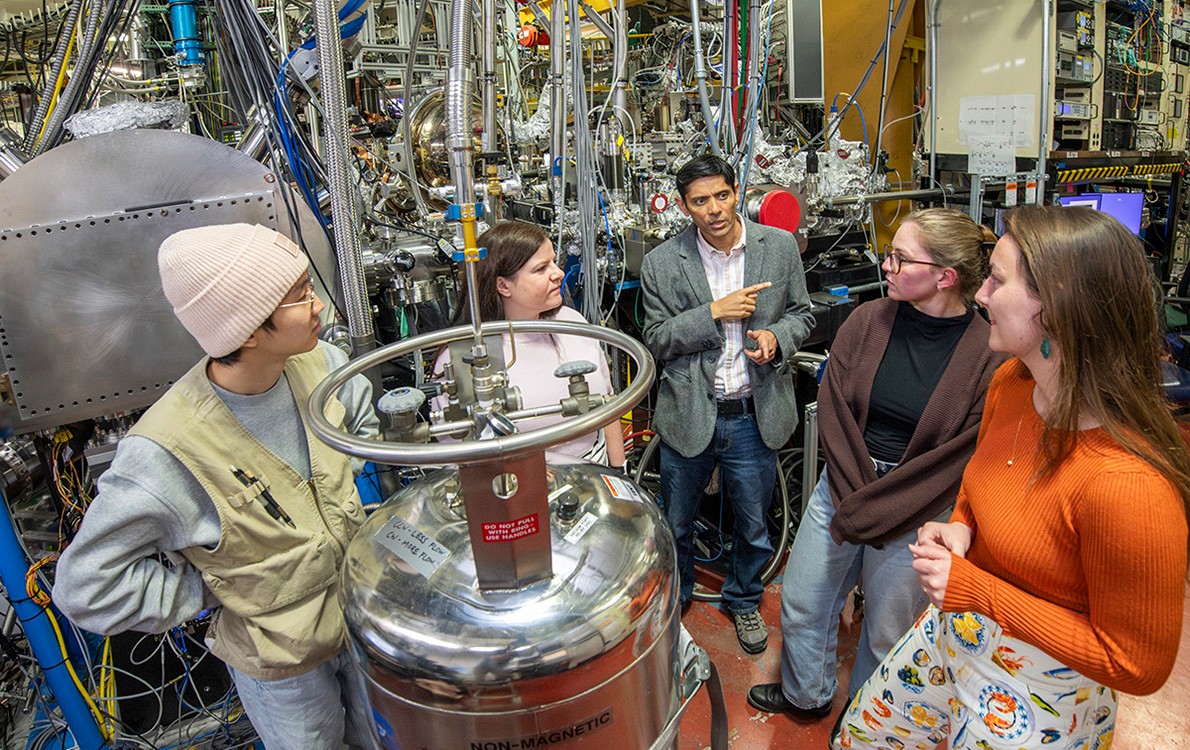
U.S. Advanced Light Source Upgrade to Enhance Nanoscale Research Capabilities for Quantum Materials
The Advanced Light Source (ALS) at Lawrence Berkeley National Laboratory in the United States is enhancing its quantum materials research capabilities through an upgrade project. As a U.S. Department of Energy Office of Science user facility, ALS has supported researchers worldwide over the past 30+ years in studying quantum materials such as superconductors, topological insulators, and correlated electron materials, leveraging its synchrotron soft X-ray, ultraviolet, and full-spectrum X-ray experimental capabilities. Doctoral students Wei Francis He (left), Kate Matthews (second from right), and Robin Greifke (right) from the University of California, San Diego, are from the Alex Frañó research group at the ALS COSMIC beamline (7.0.1)...
2026-08-27
German BESSY II Research Reveals: Cesium Chloride Seed Layer Can Improve Quality of Perovskite-Silicon Tandem Solar Cells
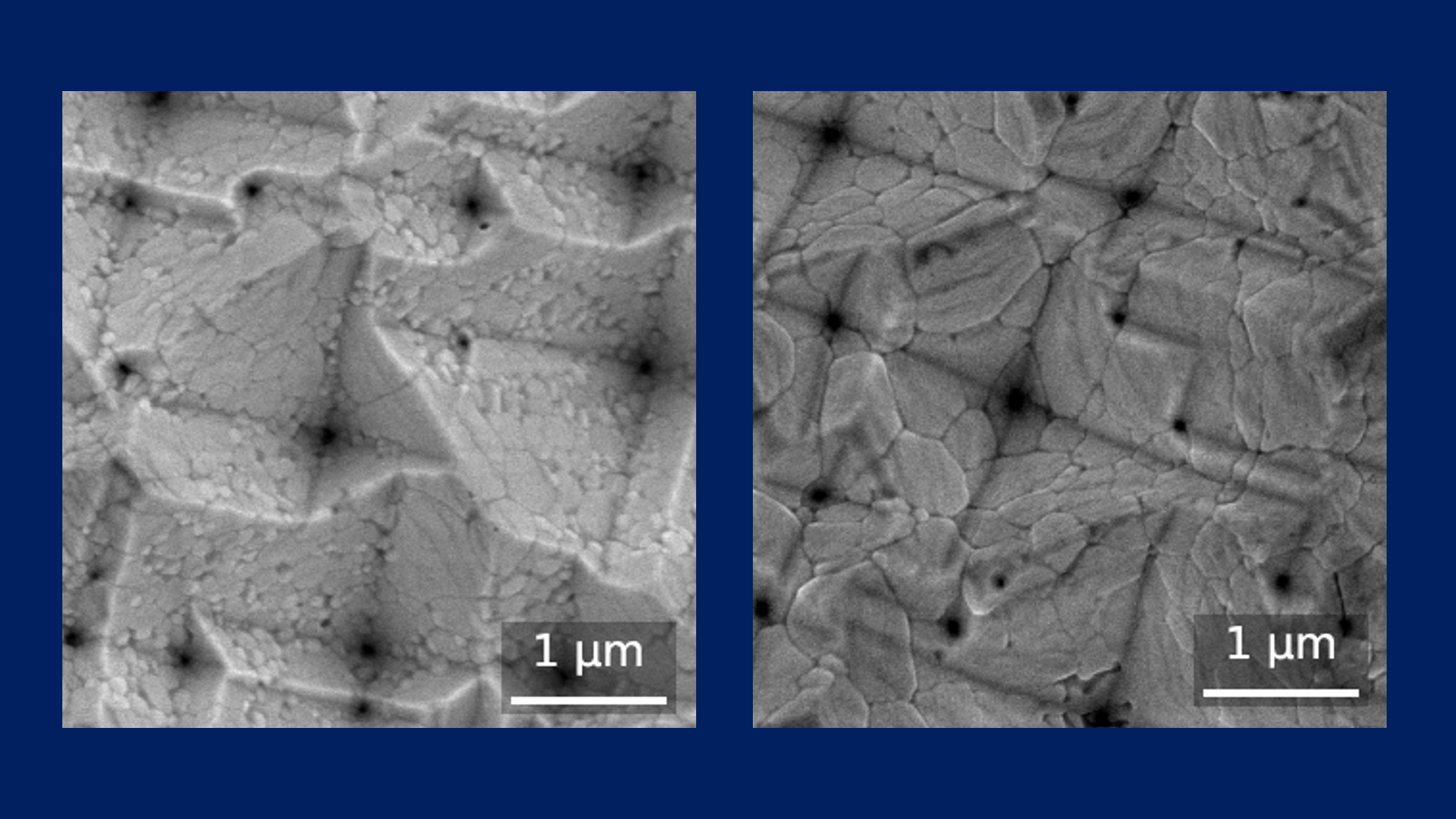
A team from the Helmholtz-Zentrum Berlin (HZB) in Germany used the BESSY II synchrotron radiation facility to conduct nanoscale analysis of perovskite-silicon tandem solar cells fabricated by evaporation methods, and proposed a new approach to improve the quality of perovskite thin films. The study shows that introducing a thin cesium chloride (CsCl) seed layer between the two sub-cells promotes uniform growth of the perovskite layer while reducing undesirable lead iodide deposition at the interface. The research demonstrates that the cesium chloride seed layer improves the growth of the evaporated perovskite layer and reduces the formation of lead iodide. Scanning electron microscopy images show that the perovskite layer grown without a seed layer (left image) consists of extremely fine crystallites...
2026-08-27

Europe Advances Space Nuclear Power Research, Targeting Lunar and Mars Missions
The European Space Agency (ESA) is accelerating its assessment of nuclear energy applications in deep-space missions, focusing on using small nuclear reactors to power spacecraft electric propulsion systems, as well as providing stable energy for future fixed lunar surface facilities and subsequent Mars missions. Existing space missions primarily rely on chemical fuels and solar panels. The former is limited by the amount of propellant that can be carried, while the latter suffers from declining power generation efficiency as spacecraft move farther from the Sun. ESA believes that nuclear power systems could compensate for the shortcomings of both approaches, particularly in long-duration lunar operations and deeper space exploration. ESA completed a nuclear thermal propulsion study last year. In March this year, the agency...
2026-08-27
Japan's Helical Fusion and Tohoku University Launch Social Communication Research on Fusion Energy
Helical Fusion recently announced that it has launched a joint research project with the Takahashi-Kariwara Laboratory of the Graduate School of Engineering at Tohoku University in August 2026, focusing on ideal communication methods for the social implementation of fusion energy. The project is planned to last approximately one year, with a focus on exploring the communication methods, dialogue mechanisms, and decision-making pathways required for fusion energy to move toward social application. According to the project plan, both parties will examine cases of existing advanced technologies in areas such as social acceptance and risk perception to study communication strategies needed for the stable application of fusion energy in future society. The research also plans to introduce...
2026-08-27
Tohoku University and Rigaku Establish Joint Research Institute for X-ray Metrology
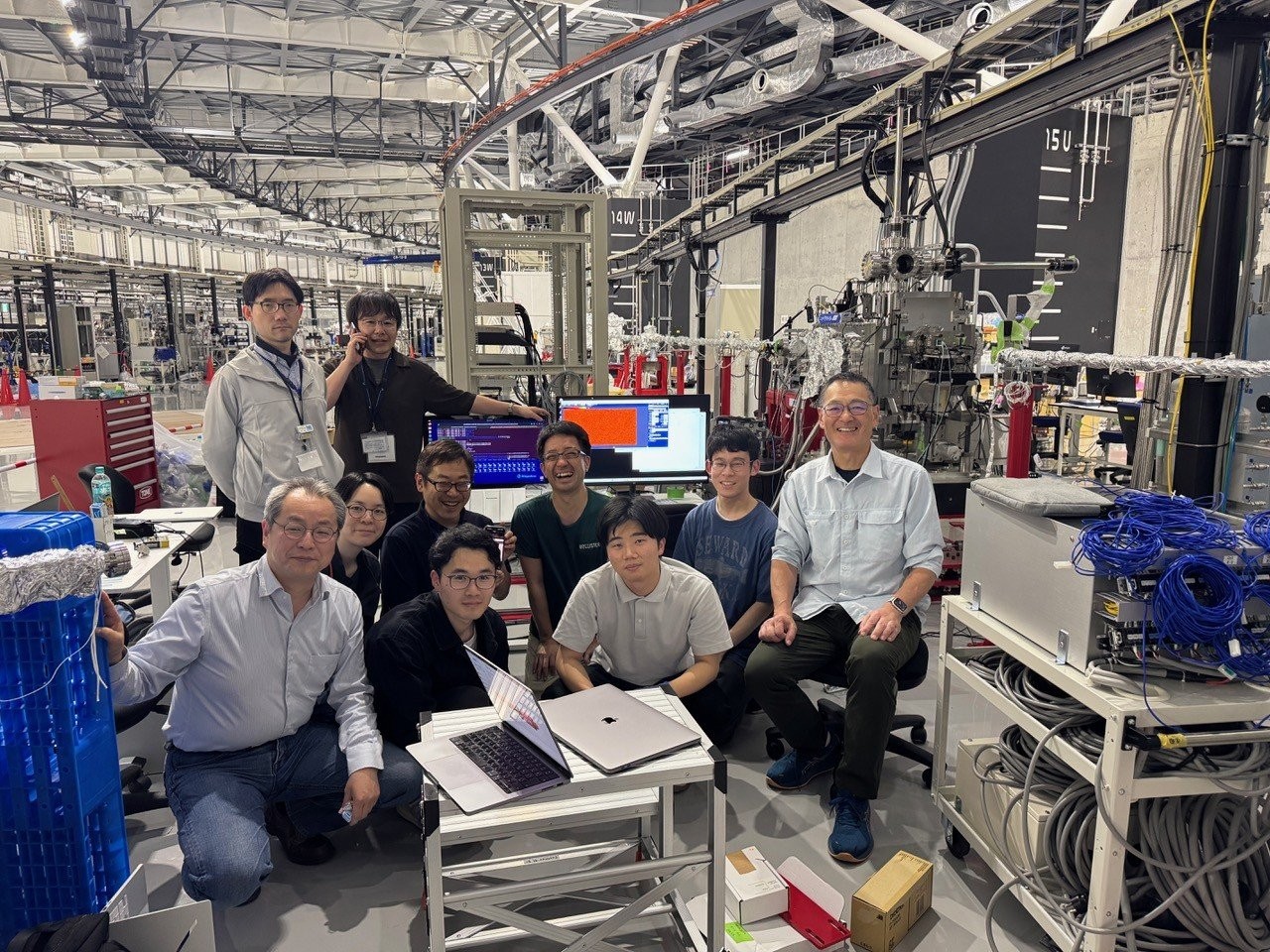
Tohoku University and Rigaku Corporation, a subsidiary of Rigaku Holdings Group, recently announced that they established the "Rigaku-Tohoku University X-ray Metrology Co-Creation Research Institute Beyond The Limits" on August 1, 2026, and commenced joint research. The institute will operate for a period of three years, until July 31, 2029, with the possibility of extension based on research outcomes. According to the announcement, the new institute will focus on upgrading X-ray metrology technologies, establishing new measurement methods, and nurturing the next generation of researchers. As semiconductor devices continue to shrink in size while becoming increasingly multi-layered and multi-material in composition, manufacturing processes are growing more complex, driving rising demand for high-precision, non-destructive evaluation of materials and structures. Existing measurement methods face limitations in evaluating fine structures and precisely analyzing depth-direction structures, making the development of new approaches such as soft X-ray techniques an important direction.
2026-08-27
NSF Funds $30 Million Turbulence Research Center Focused on Predictive Modeling for Fusion Energy
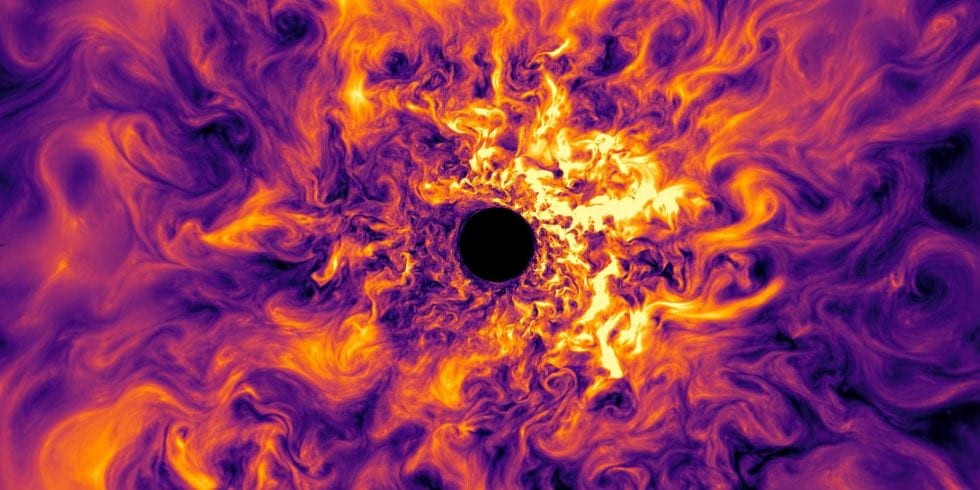
The U.S. National Science Foundation (NSF) has established a new Science and Technology Center with a total funding of $30 million, focusing on the understanding and prediction of turbulence. The project targets application scenarios such as fusion energy, astrophysics, and hypersonic flight, aiming to tackle the challenges of cross-scale turbulence modeling and prediction in complex physical systems. Researchers and students from San José State University (SJSU) will participate in the related research. This is a three-dimensional simulated turbulent velocity field at the core collapse point of a massive star before a supernova explosion. Image credit: S. Couch, based on research by Fields and Couch published in The Astrophysical Journal, Volume 921, Page 28.
2026-08-27

Malaysia Advances Nuclear Energy Workforce Planning Capacity Building
The International Atomic Energy Agency (IAEA) recently held a national workshop on nuclear energy human resource planning in Malaysia to help the country enhance its workforce forecasting and capacity building for existing and future nuclear applications. The workshop was held from 17 to 21 August 2026 over five days, with participants from MyPOWER Corporation, the Malaysian Nuclear Agency, regulatory bodies, national utilities, and academic and training institutions. The five-day workshop was held in Malaysia from 17 to 21 August 2026, with participants including representatives from MyPOWER Corp...
2026-08-27