
Search Results
Keyword:research
Indonesia Incorporates Nuclear Energy into Decarbonization and Power Planning
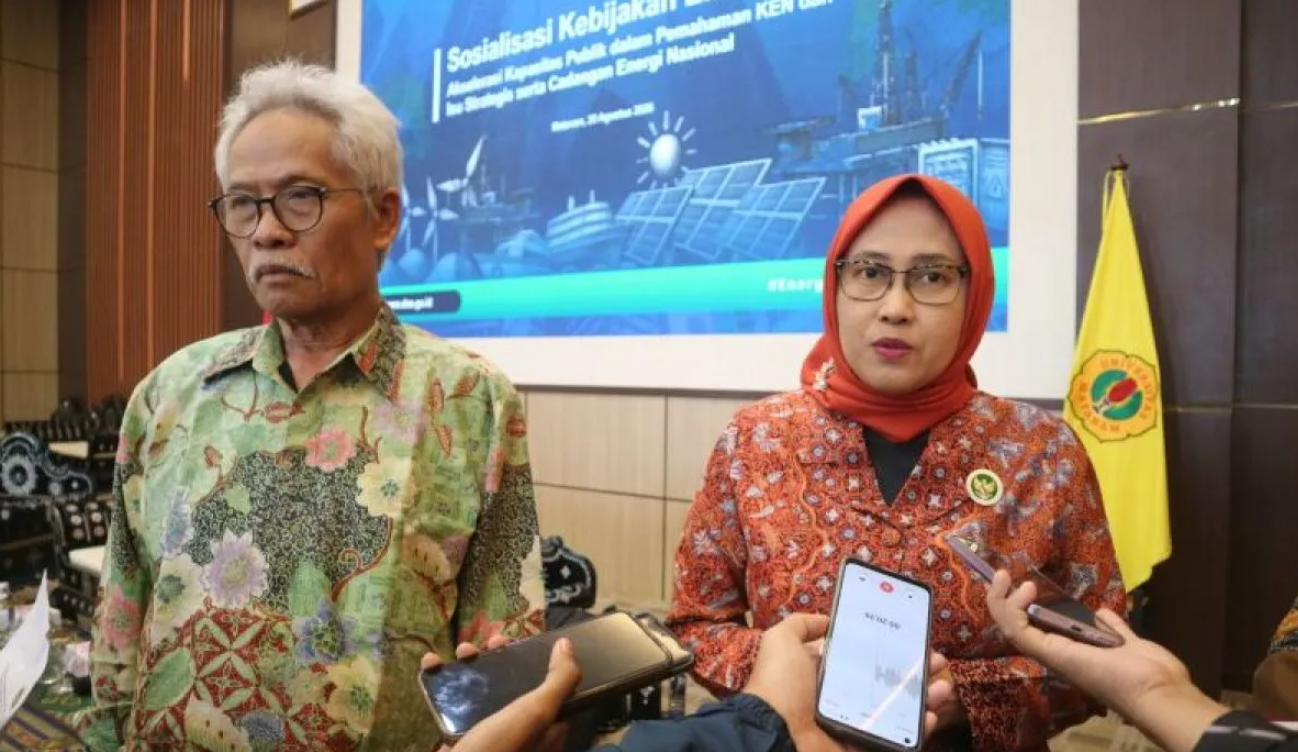
The National Energy Council (DEN) of Indonesia recently stated that nuclear energy is expected to become an important option for driving the country's energy transition and achieving its net-zero emission targets. DEN member Sripeni Inten Cahyani said at a national energy policy promotion event held at Mataram University that the positioning of nuclear energy in Indonesia's energy planning is changing, and it is no longer just a last resort. Sripeni Inten Cahyani (right), a member of the National Energy Council (DEN), accompanied by fellow member Surono (left), gave an exclusive interview to reporters after a national energy policy outreach activity at Mataram University in West Nusa Tenggara Province on Thursday, August 20, 2026...
2026-08-21
Kyoto University and NEDO to Build Dedicated Beamline for Hydrogen Energy Research at SPring-8-II
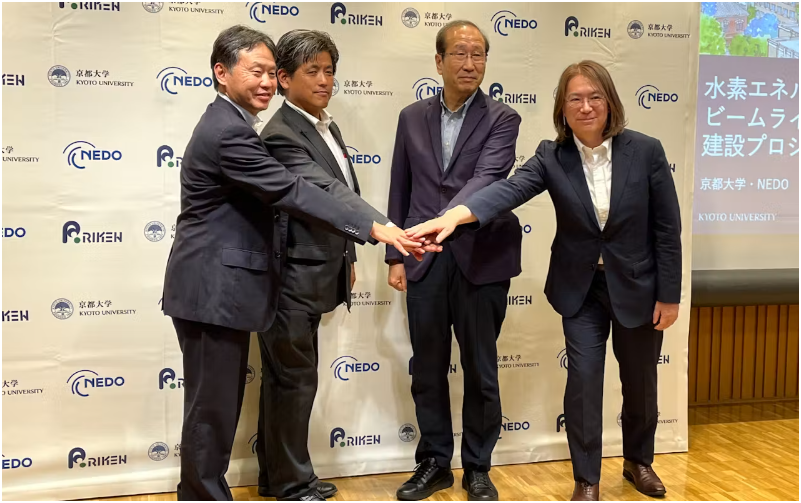
Kyoto University announced on August 20 that it will collaborate with the New Energy and Industrial Technology Development Organization (NEDO) to construct dedicated research equipment for the hydrogen energy field at the large synchrotron radiation facility SPring-8-II, located in Sayo Town, Hyogo Prefecture, Japan. SPring-8-II is scheduled to begin operation in fiscal year 2029. On the 20th, Hajime Kitagawa, Executive Director of Kyoto University (2nd from right), attended a press conference held by Kyoto City government officials. According to the plan, the two parties will install a dedicated beamline at the facility, focusing on hydrogen energy-related research such as fuel cells and hydrogen production via water electrolysis. The beamline will be used to analyze key materials including catalysts and electrolyte membranes in fuel cells and water electrolyzers, leveraging synchrotron radiation to observe material reaction processes and help researchers identify the main factors affecting performance and cost.
2026-08-21
IAEA Launches New Project to Enhance Nuclear Fuel and Materials Testing Capabilities in Research Reactors
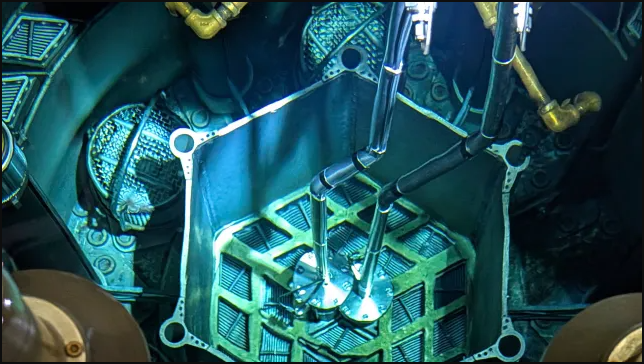
The International Atomic Energy Agency (IAEA) recently launched a four-year coordinated research project aimed at optimizing the experimental design of nuclear fuel and structural materials testing in research reactors, enhancing the safety, effectiveness, and efficiency of irradiation experiments. Top view showing a materials testing reactor core loaded with two in-core materials testing devices. (Photo: Y. Ostrovsky/MIT) With the continued advancement of new nuclear reactor technologies, growing interest in small modular reactors, and existing nuclear power plants seeking long-term operation, the demand for reliable testing of new nuclear fuels and structural materials is increasing. Before being put into use in nuclear reactors, these fuels and materials must be tested and qualified under harsh conditions such as radiation and high temperatures...
2026-08-21

Korean Research Team Reveals Mechanism Behind Neutron Irradiation-Induced Reliability Degradation in Ferroelectric AI Semiconductors
Jeonbuk National University announced on the 20th that a research team led by Professor Bae Hak-yeol from the Department of Electronic Engineering at its College of Engineering, in collaboration with Professor Kim Tae-wan's team at Seoul National University and Q-Beam Solution, a startup affiliated with the Korea Atomic Energy Research Institute, conducted a joint study analyzing the causes of performance degradation in next-generation ferroelectric memory and neuromorphic semiconductor devices under neutron irradiation. The findings have been published in the latest issue of ACS Applied Electronic Materials. Ferroelectric semiconductors, which can maintain their polarization state even after power is disconnected, are considered a key candidate for next-generation non-volatile memory and neuromorphic computing devices. Neuromorphic computing aims to simultaneously implement both memory and computation within a single device...
2026-08-20

IAEA Launches Research Project on Edible Insects and Novel Foods Safety
As global demand for alternative protein sources rises, the International Atomic Energy Agency has recently launched a five-year coordinated research project focusing on assessing safety risks associated with edible insects and other novel foods during production, processing, and consumption. The project will be implemented through the Joint FAO/IAEA Centre of Nuclear Techniques in Food and Agriculture, utilizing nuclear techniques, isotope techniques, and related detection methods to analyze chemical, biological, and physical hazards in food. Currently, more than 2,000 species of edible insects are known globally, and approximately 2 billion people regularly consume insects. In Africa, Asia, the Pacific region, and Latin America, insects have long been part of the diet in some communities...
2026-08-20
India and Germany's Hesse Explore Clean Energy Cooperation, with Discussions Covering Laser-Based Nuclear Fusion Research
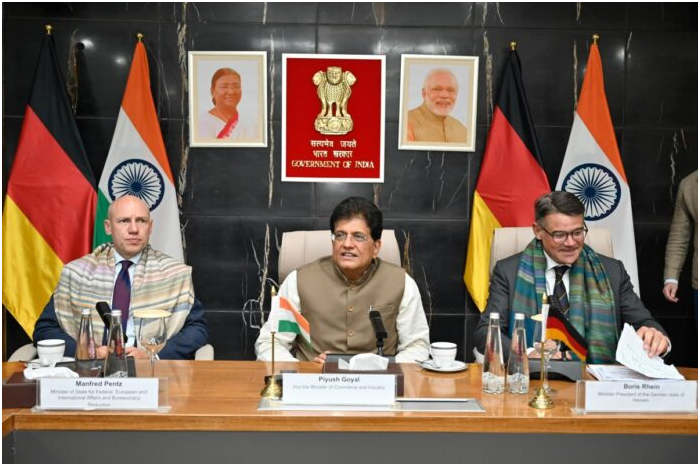
On August 19, India's Minister of Commerce and Industry Piyush Goyal held talks with Boris Rhein, Minister-President of the German state of Hesse, to discuss strengthening economic and technological cooperation between India and Hesse. Manfred Pentz, Minister for Federal and European Affairs, International Affairs and Deregulation, along with a German business delegation, attended the meeting. The talks covered several emerging and high-growth sectors, with energy-related discussions focusing on clean energy and future technologies. The two sides discussed Hesse's initiatives in next-generation energy technologies, including laser-based...
2026-08-20
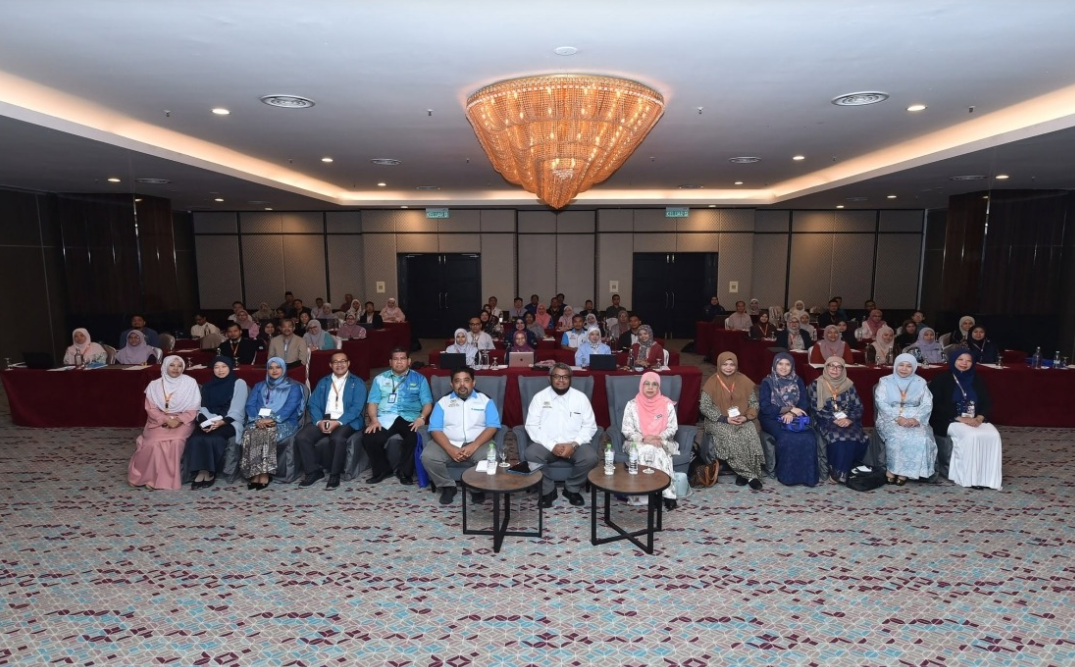
Malaysian Nuclear Agency Strengthens Scientific Writing Training to Promote Dissemination of Nuclear Technology Research Outcomes
On August 18, the Malaysian Nuclear Agency stated that it will continue to enhance the scientific writing and publishing capabilities of its professionals and technical staff, driving research outcomes out of the laboratory to serve society and national development in a broader manner. Dr. Muhamad Rawi Mohamed Zin, Director General of the Malaysian Nuclear Agency, said at the opening of the 2026 Scientific Writing and Publishing Seminar and Workshop that scientific publications are a key indicator of whether research outcomes can promote knowledge advancement, solve practical problems, and create value for national development. High-quality publishing not only helps demonstrate research impact but also enables scientific outcomes to be shared, understood, and applied by a wider audience. This seminar...
2026-08-19
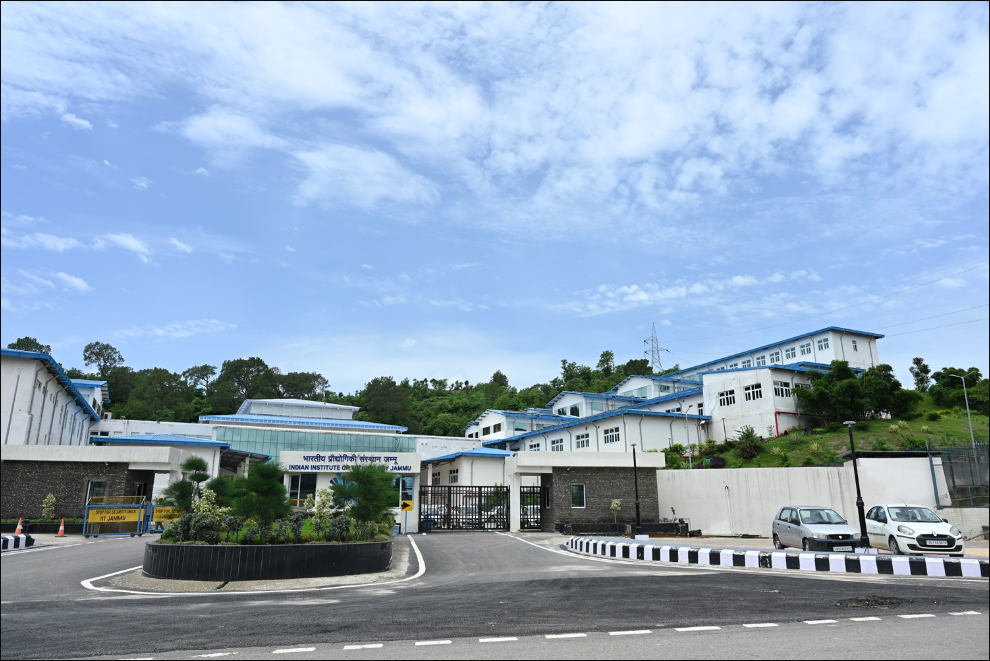
Indian research team uses supercomputer to track microscopic mechanisms of turbulence in dusty plasmas
Researchers at the Indian Institute of Technology Jammu (IIT Jammu), in collaboration with the Indian Institute of Technology Kanpur (IIT Kanpur), used supercomputer simulations to study the origin of chaos in dusty plasmas. By tracking the motion of millions of individual particles, the study revealed how turbulent energy is transferred from large-scale vortices to microscopic thermal motion of particles, providing a new computational perspective for nuclear fusion plasma research and astrophysical process analysis. Plasma is often referred to as the fourth state of matter. Unlike solids, liquids, and gases, atoms in plasma are ionized, forming a system composed of positively charged ions and negatively charged electrons. When tiny solid dust particles enter the plasma, these particles absorb electrons and become negatively charged, subsequently undergoing complex interactions with surrounding particles to form dusty plasma.
2026-08-19
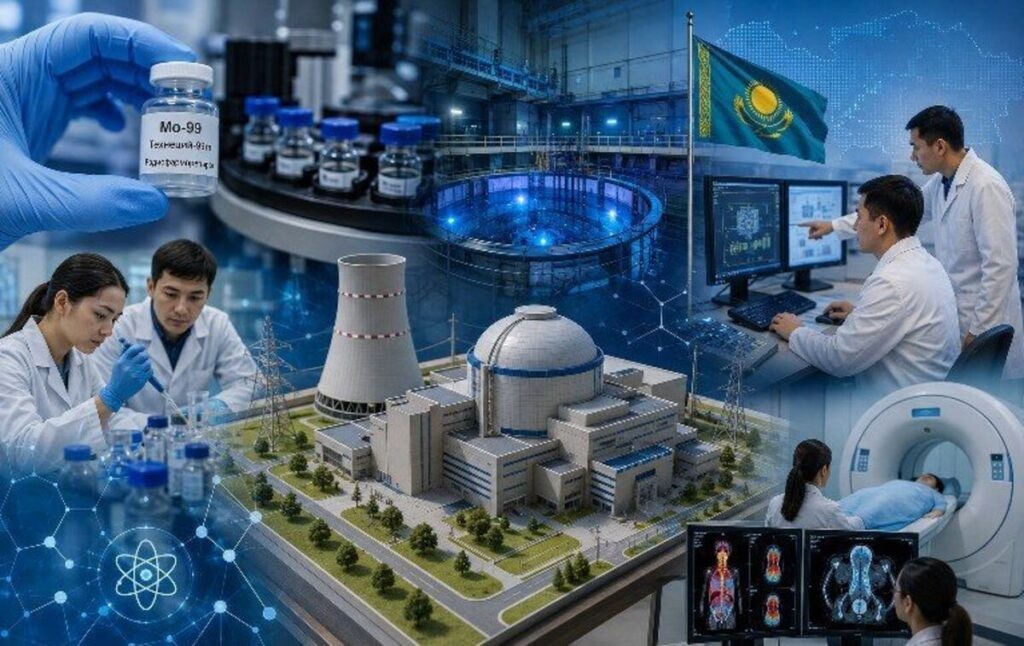
Kazakhstan's Institute of Nuclear Physics Plans to Expand Medical Radioisotope Production and Export
The Institute of Nuclear Physics (INP) of Kazakhstan is progressively expanding the applications of radioisotopes and radiation technologies, with related products already used in cancer diagnosis and treatment, industrial production, and scientific research. Institute Director Sayabek Sakhiyev stated that radioisotope and radiopharmaceutical production is one of the institute's key applied activities, covering the full chain from scientific research and research reactor operation to radiochemical technology development and medical applications. Currently, INP produces three main categories of radiopharmaceuticals: sodium iodide I-131 for thyroid disease treatment, Mo-99/Tc-99m related products for radionuclide diagnostics, and...
2026-08-18
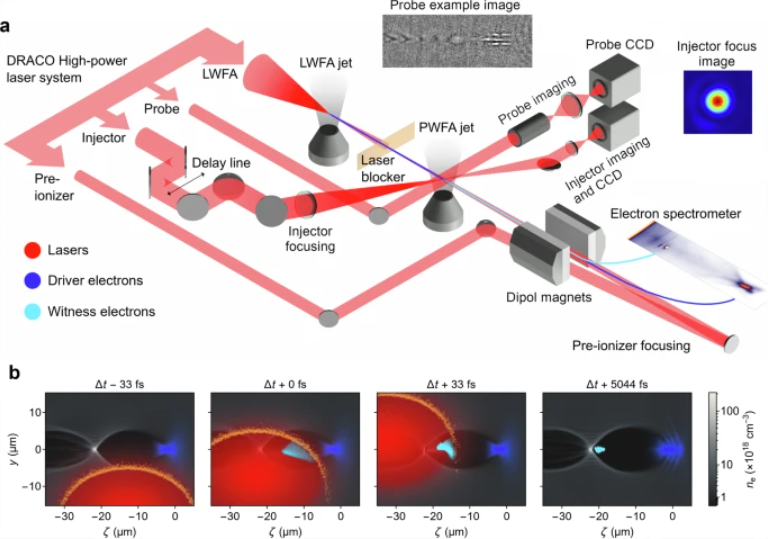
German research team achieves ultra-compact plasma photocathode injection
A research team from institutions including the Helmholtz-Zentrum Dresden-Rossendorf in Germany has demonstrated an ultra-compact plasma photocathode injection scheme integrated into a hybrid plasma wakefield accelerator on the DRACO laser facility. The study utilized a 150 TW-class laser system to drive a laser wakefield accelerator (LWFA), generating high-peak-current electron beams, which in turn drove a subsequent particle beam wakefield accelerator (PWFA), completing the generation and acceleration of witness electron beams within millimeter-scale plasma structures. Plasma wakefield accelerators can produce accelerating fields far exceeding those of conventional radiofrequency linear accelerators, but how to obtain high-quality, high-brightness electron beams in compact devices...
2026-08-18
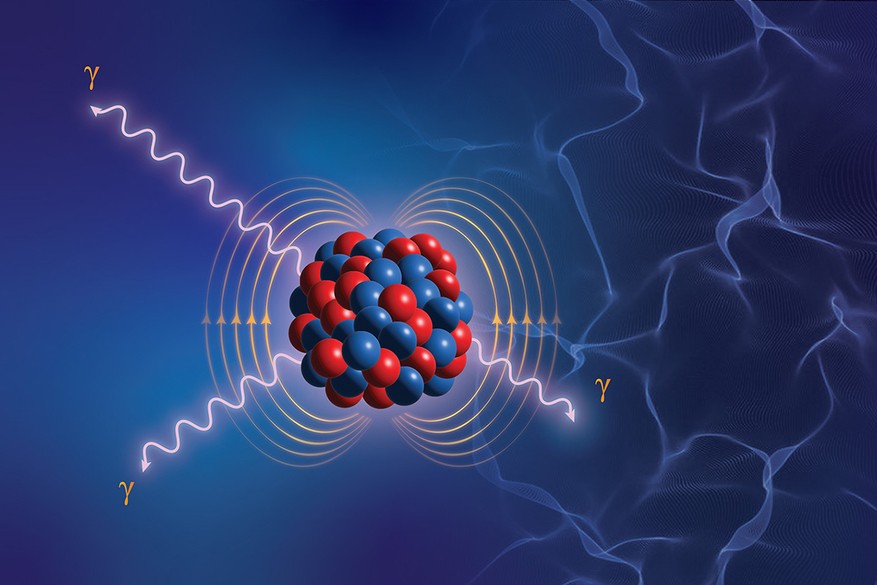
US FRIB Research Reveals Low-Energy Gamma-Ray Enhancement Originates from Nuclear Magnetic Transitions
An international research team led by the US Facility for Rare Isotope Beams (FRIB), with participation from Lawrence Livermore National Laboratory (LLNL) and other institutions, recently published findings in Nature that explain a long-standing question in nuclear physics: why some atomic nuclei emit anomalously high numbers of low-energy gamma rays. Image: FRIB Gamma rays are a type of electromagnetic radiation. Excited atomic nuclei release gamma rays during radioactive decay, gradually returning to lower, more stable energy levels. Over the past few decades, scientists have discovered that certain nuclei exhibit a low-energy enhancement phenomenon, where the number of low-energy gamma rays emitted exceeds expectations. However, this phenomenon is not universal, and its occurrence is theoretically difficult to predict.
2026-08-18

Libya Plans to Restore Tajoura Research Reactor for Medical Isotope Production
The Libyan Atomic Energy Establishment recently proposed a plan to restore and restart the Tajoura nuclear research reactor for the production of medical radioisotopes. The establishment stated that this initiative aims to support the diagnosis and treatment of diseases and tumors, while reducing dependence on imports of relevant isotopes. Radioisotopes are essential materials in nuclear medicine, serving as tracers in medical imaging to help track organ function and detect certain diseases and tumors; some isotopes are also used in radiotherapy targeting specific tissues. According to the Libyan Atomic Energy Establishment, the Tajoura reactor has a rated thermal power of 10 megawatts and holds potential for producing various medical isotopes, including...
2026-08-18
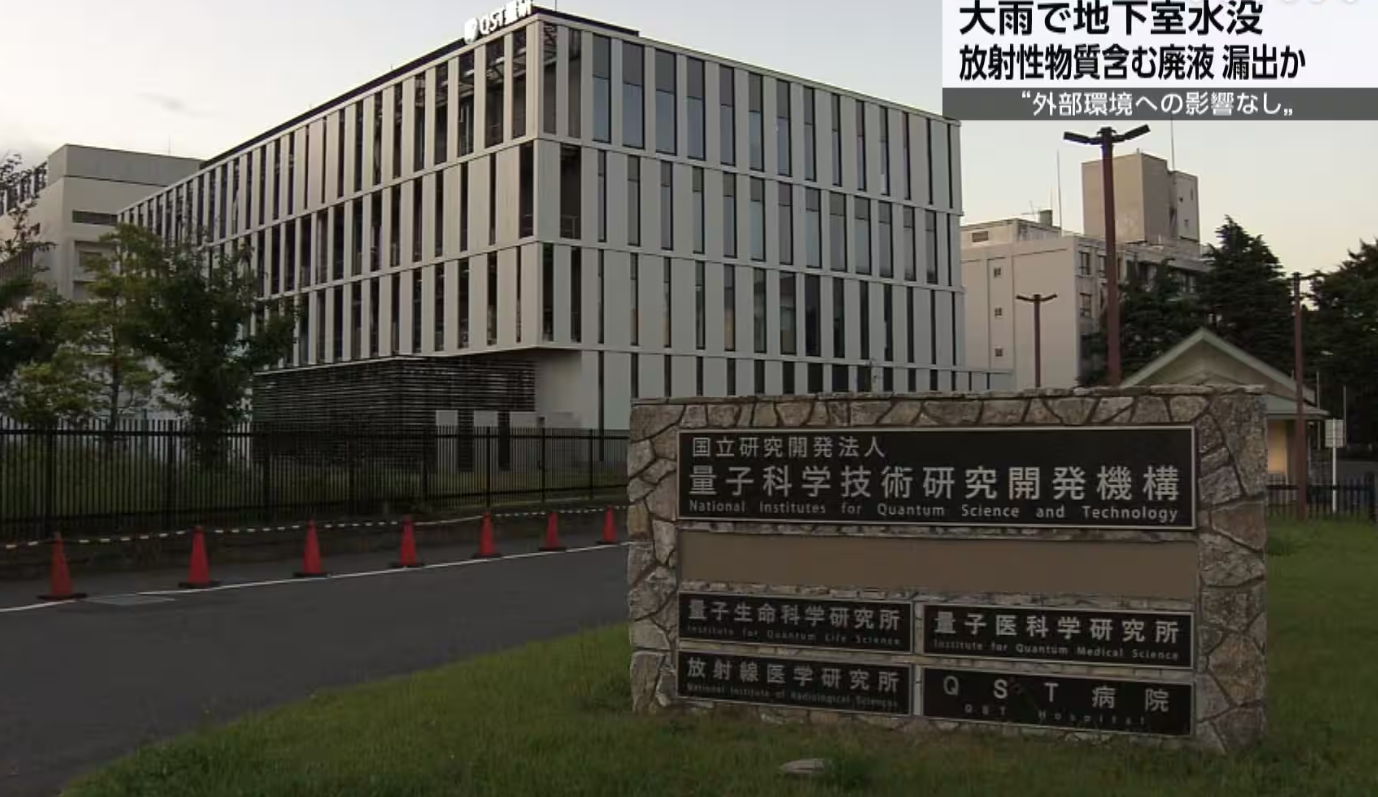
Radioactive liquid waste leak suspected at QST's underground facility in Chiba due to record rainfall
According to Japanese media reports, due to record-breaking rainfall in Chiba Prefecture, an underground facility of the National Institutes for Quantum Science and Technology (QST) in Chiba City was flooded, and radioactive liquid waste in underground storage tanks at the facility may have mixed with rainwater and leaked outdoors. QST stated that as of the 13th, an estimated 2,000 to 3,000 liters of liquid waste had accumulated in the relevant underground storage tanks. After investigating water bodies around the tanks, the institute confirmed that detected radioactive material concentrations were below standard values, and no environmental impact has been indicated so far. QST reported the incident to national and local governments the following day and plans to submit preventive measures to the Nuclear Regulation Authority of Japan.
2026-08-18
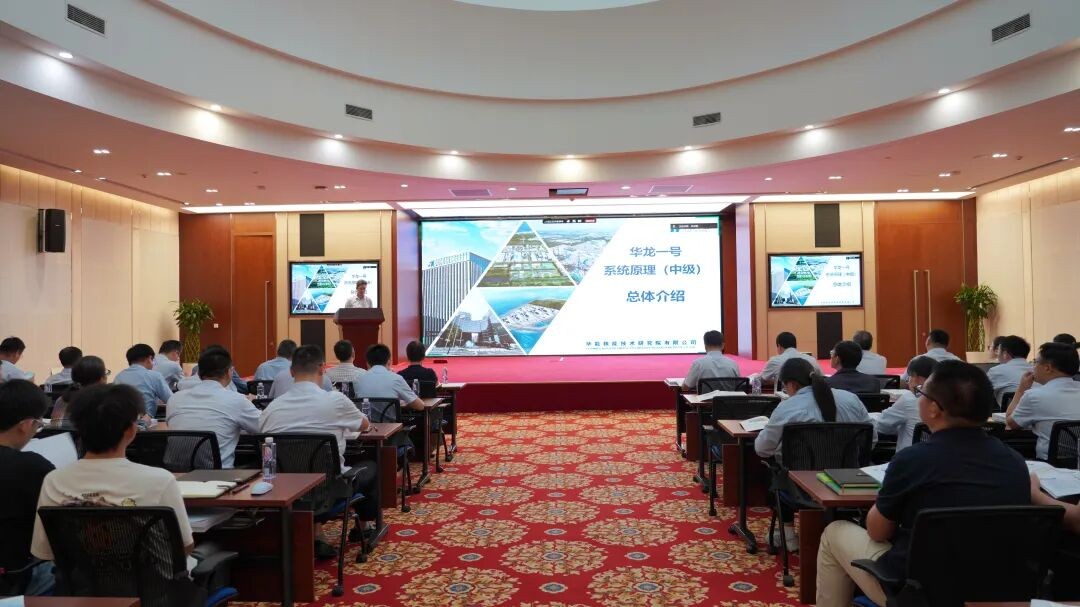
Huaneng Nuclear Energy Research Institute Conducts First Specialized Training on Hualong One System Principles
To enhance the Institute's technical support services and scientific research capabilities regarding Hualong One technology, and to strengthen employees' systematic understanding of Hualong One, Huaneng Nuclear Energy Research Institute organized training on Hualong One system principles, completing the first specialized session on August 12. A total of 101 company leaders and employees participated in the training through a combination of online and offline methods. The first training session reviewed China's path toward independent development of pressurized water reactor technology from an industry development perspective, systematically outlining the global evolution of nuclear power technology and the safety design criteria for Generation III nuclear power. By benchmarking against mainstream Generation III reactor designs such as the US AP1000 and European EPR, the session provided in-depth explanations of Hualong One's dual safety architecture combining active and passive safety systems...
2026-08-18
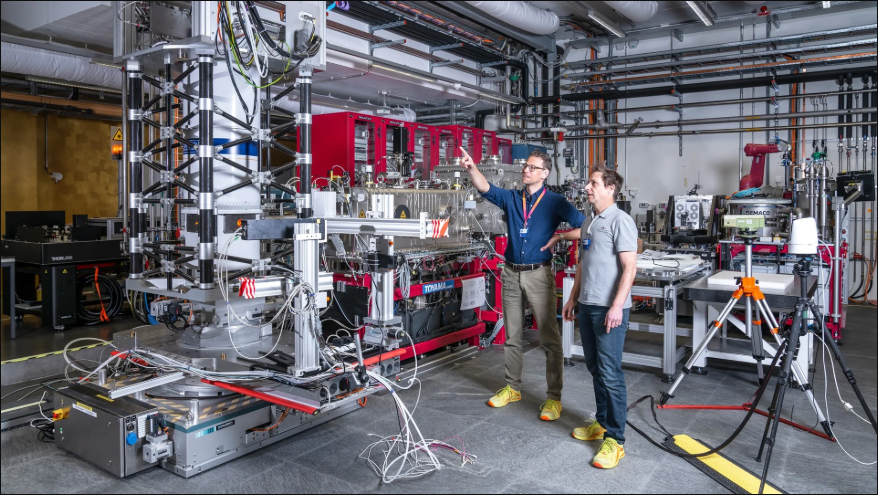
SwissFEL Achieves Ultralow-Temperature X-ray Observation of Quantum States
Researchers at the Paul Scherrer Institute (PSI) in Switzerland recently reported that the Cristallina experimental station of the Swiss Free-Electron Laser (SwissFEL) can now observe quantum states that only emerge at extremely low temperatures using X-ray scattering at temperatures close to absolute zero. Simon Gerber (left) and Bill Pedrini (right) at the Cristallina experimental station of SwissFEL. With the help of a custom-built cryostat connected to the beamline (far left), quantum states can now be studied at extremely low temperatures. Paul Scherrer Institute PSI/Markus FischerAccording to the team, they recently achieved a low temperature of 35 millikelvin in experiments...
2026-08-17