
Search Results
Keyword:research

Argonne National Laboratory Unveils DONUT Tool to Accelerate Real-Time Analysis of X-ray Nanodiffraction Data
Researchers at the U.S. Department of Energy's Argonne National Laboratory have developed a new machine learning tool called DONUT to accelerate X-ray data analysis in experiments at the Advanced Photon Source (APS). The tool can process complex images generated by scanning X-ray nanodiffraction microscopy (SXDM) in real time during experiments, helping researchers more quickly determine internal structural changes in materials. DONUT stands for "Nanobeam Optical Diffraction based on Unsupervised Training," a physics-aware neural network. Its key feature is combining artificial intelligence methods with physical models of focused X-ray beam interactions with materials, allowing it to learn directly from experimental data without relying on pre-labeled training...
2026-08-17
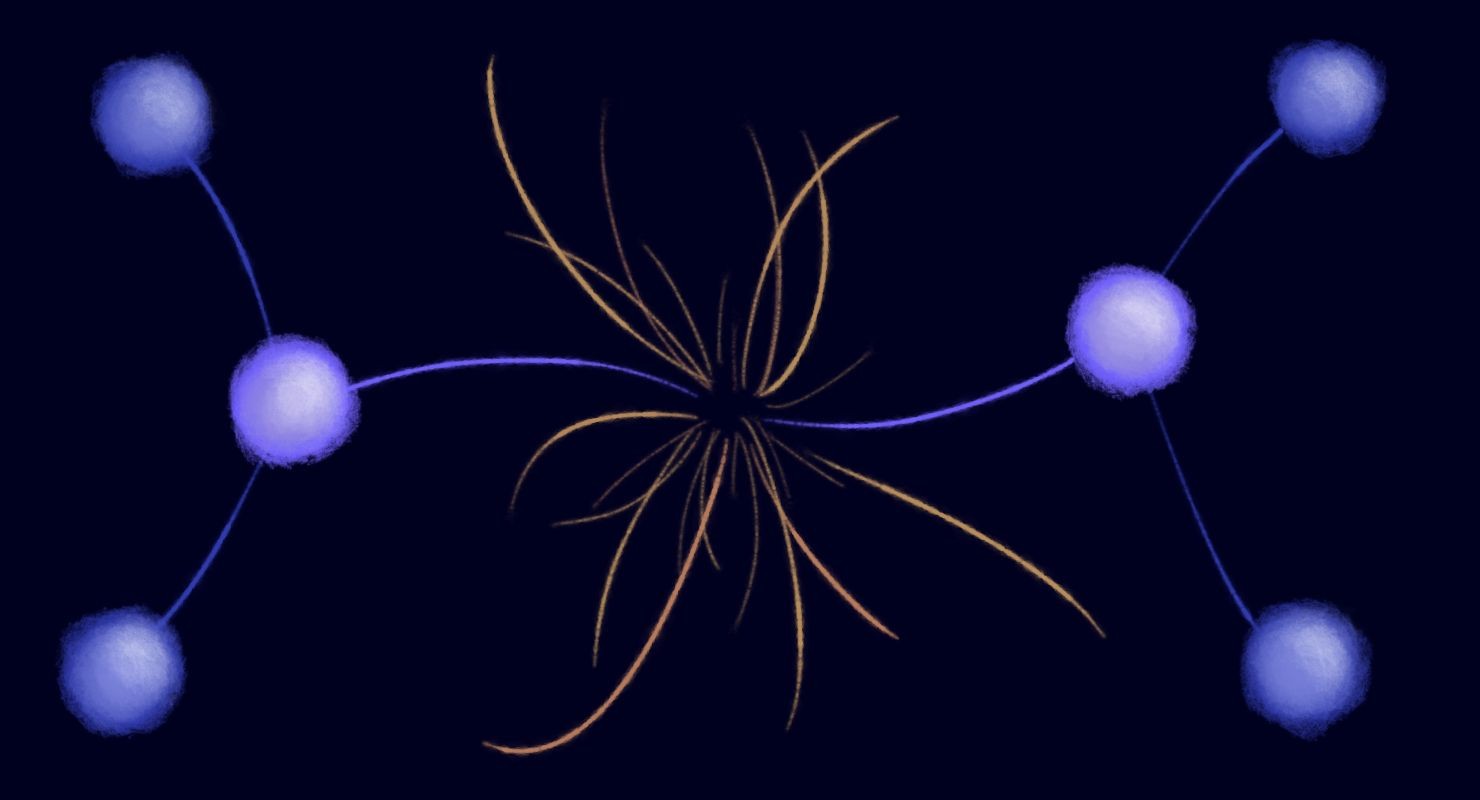
CMS Experiment Advances Higgs Boson Pair Search with New Data
The CMS Collaboration has recently announced new progress in the study of Higgs boson pair production. The study is based on proton collision data at a center-of-mass energy of 13.6 TeV recorded by the CMS detector from 2022 to 2024, focusing on the search for processes where one Higgs boson decays to a bottom quark–antiquark pair and the other decays to a τ lepton–antitau pair, namely the HH→bbττ channel. Since the discovery of the Higgs boson in 2012, the CMS and ATLAS Collaborations have continuously measured the interactions of the Higgs boson with other Standard Model particles, and the results so far remain generally consistent with Standard Model predictions. In contrast, the “self-coupling” among multiple Higgs bosons...
2026-08-17
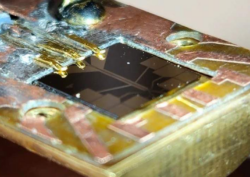
Russian Researchers Develop Highly Sensitive Radio Astronomy Sensor for Axion Dark Matter Detection
Researchers from the Institute for Physics of Microstructures of the Russian Academy of Sciences and Nizhny Novgorod State Technical University have developed a radio astronomy sensor whose sensitivity is reportedly two to three times higher than that of existing international counterparts, and it has been granted a Russian patent. The device is designed for detecting weak electromagnetic radiation signals and can be used in frontier physics experiments such as cosmic microwave background radiation studies and axion dark matter searches. The researchers explain that this type of detector is essentially an electromagnetic radiation receiver. When electromagnetic radiation strikes the sensitive element, the electron temperature rises, thereby altering the recorded signal. To improve detection sensitivity, the research team introduced a thin hafnium layer into the structure, which acts as a thermal...
2026-08-17

US experiment reveals diamond melting behavior under high pressure, potentially advancing inertial confinement fusion research
Researchers at Lawrence Livermore National Laboratory published a new study in Nature Physics documenting the melting process of diamond at pressures approximately three times greater than those at Earth's core. The experiments showed that under high-pressure conditions, diamond floats in liquid metallic carbon, similar to how ice floats in water. This finding helps improve inertial confinement fusion experimental models and provides new evidence for understanding the potential "diamond rain" phenomenon inside ice giant planets such as Neptune and Uranus. The latest melting experiments confirmed that under high pressure, diamond floats in liquid metallic carbon, just as ice floats in a glass of water. (Concept image: James Wickboldt/LLNL) The research team stated...
2026-08-17
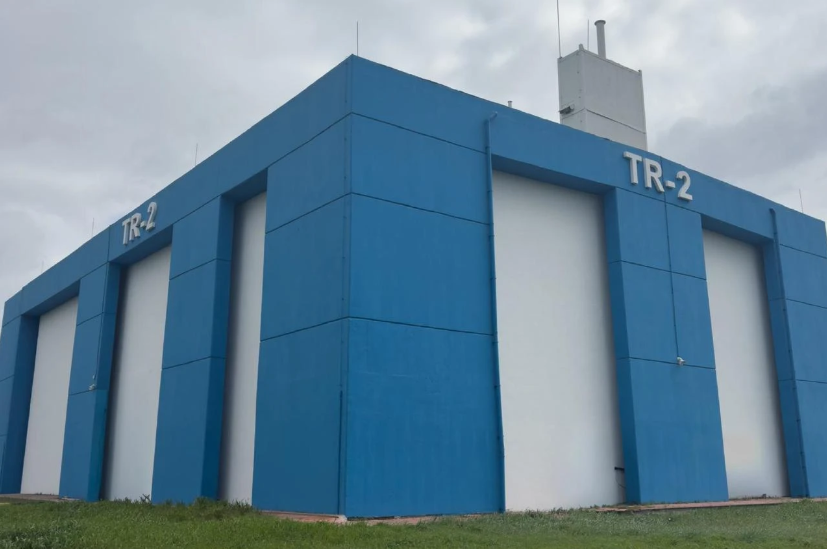
Turkey's TR-2 Research Reactor Receives Operating License
The Turkish Nuclear Regulatory Authority has issued an operating license for the TR-2 research reactor at the Istanbul campus of the Nuclear Energy Institute under the Turkish Energy, Nuclear and Mineral Research Agency (TENMAK). The license was issued pursuant to the Authority's Decision No. 2026-34/3 dated August 6, 2026. Following the review and evaluation of TENMAK's application documents, the Turkish Nuclear Regulatory Authority authorized the agency to carry out the activities required for the transition of the TR-2 research reactor from its current status to the operational phase. TR-2 is located at the Istanbul campus of TENMAK's Nuclear Energy Institute, with an approved thermal power of 5 megawatts. The facility is a research reactor and is not a nuclear facility primarily intended for power generation. According to...
2026-08-17
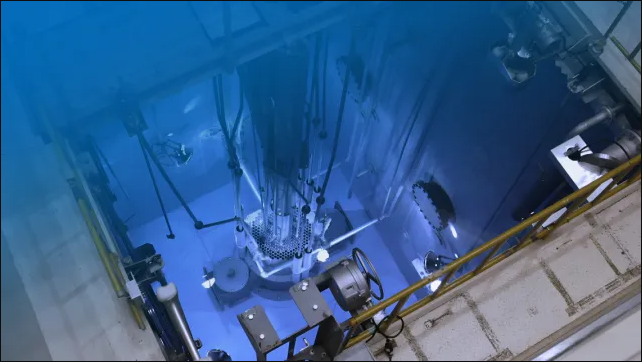
Public Announcement of Winning Bidder Candidates for the Civil Construction Project of the Huludao Research Reactor Project
Recently, the public announcement of winning bidder candidates for the civil construction project of the Huludao Research Reactor Project of the China Institute of Atomic Energy was released. The announcement shows that China Nuclear Industry 24 Construction Co., Ltd. ranks as the first winning bidder candidate with a bid price of RMB 1,109,080,000.00; China Nuclear Industry Huaxing Construction Co., Ltd. ranks as the second winning bidder candidate with a bid price of RMB 1,109,100,279.50. The tendered project is the research reactor project of the China Institute of Atomic Energy, with the scope of tender covering the civil construction works of the research reactor project, and the construction site located in Xingcheng City, Huludao City, Liaoning Province. The maximum bid limit for the project is RMB 1,109,550,000.00, and the maximum bid limit for daywork is RMB 320 per workday, excluding tax. According to...
2026-08-17

Oak Ridge National Laboratory marks 80 years of isotope research and production, with applications spanning medicine, industry, and scientific research
On August 2, 1946, the Clinton Laboratories in Oak Ridge, Tennessee, held the first formal ceremony to deliver reactor-produced radioactive isotopes. A shipment of carbon-14 was sent from there to the Barnard Free Skin and Cancer Hospital in St. Louis, Missouri. Over the past 80 years, this event has been regarded as the starting point of Oak Ridge National Laboratory's isotope research and production endeavors, and also marked the beginning of broader civilian applications for reactor-produced radioactive isotopes. After World War II, the U.S. scientific community began exploring peaceful uses of atomic energy, with radioactive isotopes becoming an important direction. As unstable variants of elements, radioactive isotopes release radiation during decay and can be used...
2026-08-15
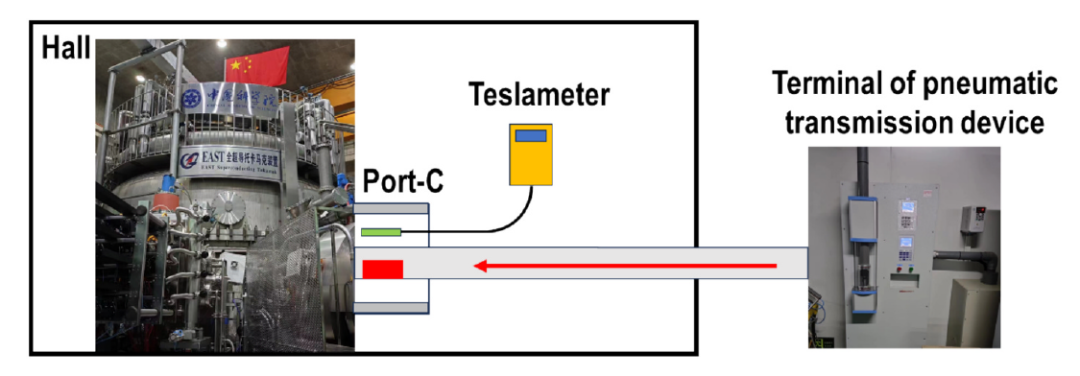
The Energy Research Institute of Hefei Comprehensive National Science Center Achieves a Series of New Progress in Safety Assessment of Activated Corrosion Products under Magnetic Field Environments in Fusion Reactors
Recently, the Radiation Protection and Safety Research Center of the Energy Research Institute of Hefei Comprehensive National Science Center has made a series of significant progress in the field of safety assessment of activated corrosion products under magnetic field environments in fusion reactors. The research team conducted systematic studies on the corrosion behavior of China's low-activation ferritic/martensitic steel CLF-1 in magnetic field environments, from three dimensions: water corrosion characteristics, migration patterns of corrosion products, and the influence of surface roughness. The relevant results have been published as three papers in the journal *Nuclear Materials and Energy*, which is ranked in Zone 1 of the emerging journal classification table. This series of research outcomes provides key scientific evidence for the radiological safety assessment of cooling water systems in fusion reactors...
2026-08-15
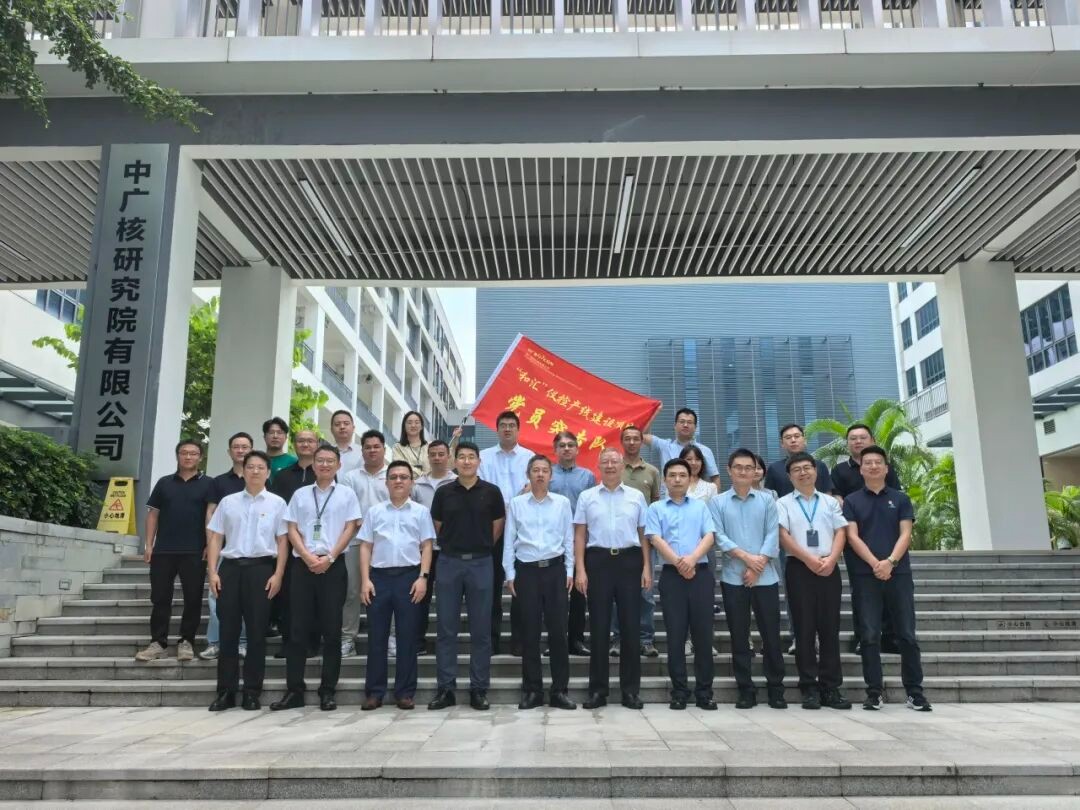
CGN Research Institute Launches "Hehui" I&C Production Line Construction to Advance Domestic Autonomy of High-End Nuclear Power Equipment
Recently, CGN Research Institute held the kickoff meeting for the Hehui I&C production line construction project in Shenzhen, marking new progress in infrastructure and capacity building for the Hehui brand. The project will serve the domestic autonomy of high-end nuclear power equipment, provide support for ensuring the construction progress of nuclear power projects and meeting the safe operation needs of operating units, and help enhance the resilience and competitiveness of China's nuclear power industry chain. The meeting clarified the overall project planning, construction objectives, key milestones, and responsibilities of all parties, established the project management system, and deployed near-term key tasks. The meeting required all parties involved in the construction to increase resource investment, strengthen safety and quality management, strictly enforce technical review, uphold integrity standards, and ensure the production line is commissioned on schedule with high quality...
2026-08-15
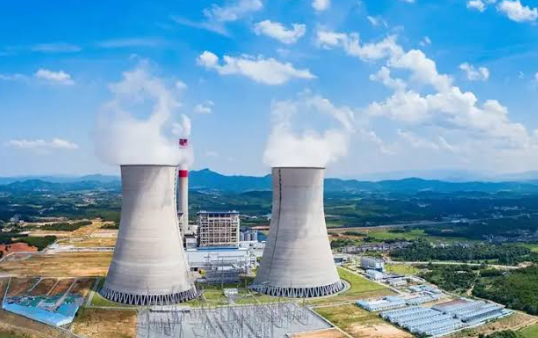
Kazakhstan Enters a New Era of Atomic Energy, with the Institute of Nuclear Physics Viewed as a Key Pillar of the National Nuclear Industry
Kazakhstan is entering a new stage of nuclear energy development. The construction of a nuclear power plant means not only the addition of a major energy project, but also the need for the country to simultaneously establish a complete nuclear industry system, including research support, personnel training, experimental infrastructure, nuclear and radiation safety systems, and indigenous technological capabilities. The article points out that a nuclear power plant can be built using foreign project designs, but true scientific and technological capability cannot be purchased along with the equipment; it is gradually formed through the long-term operation of nuclear facilities, conducting research, training engineering teams, and passing on experience. Against this backdrop, the Institute of Nuclear Physics of Kazakhstan is regarded as an important pillar of the future nuclear energy industry. The institution...
2026-08-14

Russian Researchers Find Low-Energy Electron Beam and X-Ray Treatment of Wheat Seeds Can Increase Yields
Researchers from the D.V. Skobeltsyn Institute of Nuclear Physics at Lomonosov Moscow State University, in collaboration with the Faculty of Physics and the Faculty of Chemistry of Lomonosov Moscow State University, as well as the Siberian Federal Scientific Centre of Agro-BioTechnologies of the Russian Academy of Sciences, have found that pre-sowing treatment of wheat seeds with low-energy electron beams and X-rays can help increase crop yields and enhance plant resistance to diseases. The study focused on the wheat variety Novosibirskaya 29 and included laboratory experiments, two consecutive years of field trials, and computer modeling. The results showed that a dose range of 5 to 15 Gy is suitable as a pre-sowing irradiation treatment parameter for wheat seeds. According to Moscow State University...
2026-08-14

Radioactivity Levels in Arctic Archipelagos Within Background Range, Russian Research Team Reports No Anomalies
On August 13, Andrei Puchkov, senior researcher at the Environmental Radioactivity Laboratory of the N.P. Laverov Federal Arctic Integrated Research Center, Ural Branch of the Russian Academy of Sciences, stated that measurements taken during the 2026 Arctic Floating University expedition's landings on Novaya Zemlya and Franz Josef Land showed very low radioactivity levels, with no anomalies detected. Puchkov noted that the expedition measured radon concentrations at all landing sites, with radon flux densities ranging from below 1 millibecquerel per square meter per second to 200 millibecquerels per square meter per second, all recorded values remaining within background levels. He indicated that permafrost acts as a barrier and shield in the region, preventing radioactive gases from reaching the surface; relatively higher radon fluxes in some areas may be associated with geological features such as fault zones and fracture zones.
2026-08-14
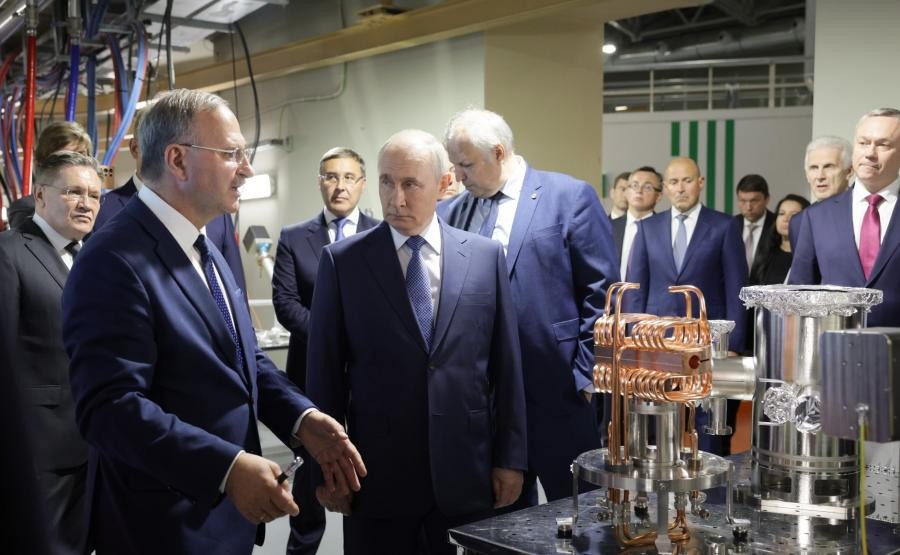
Russia's SKIF Synchrotron Radiation Facility Hailed as a Milestone for Russian Science
On August 13, Russian President Vladimir Putin visited the Koltsovo Science City in Novosibirsk to learn about the operating principles of the Siberian Circular Photon Source (SKIF), a shared-use center. This center is the first facility in a network of modern synchrotron radiation sources being built in Russia, with construction efforts incorporated into the national development program for synchrotron and neutron research and related research infrastructure, covering the period through 2030 and beyond. It was reported that SKIF, with its high-brightness, high-intensity X-ray beams, can serve high-level research in fields such as chemistry, physics, materials science, biology, geology, archaeology, and paleontology. Officials also noted that...
2026-08-14
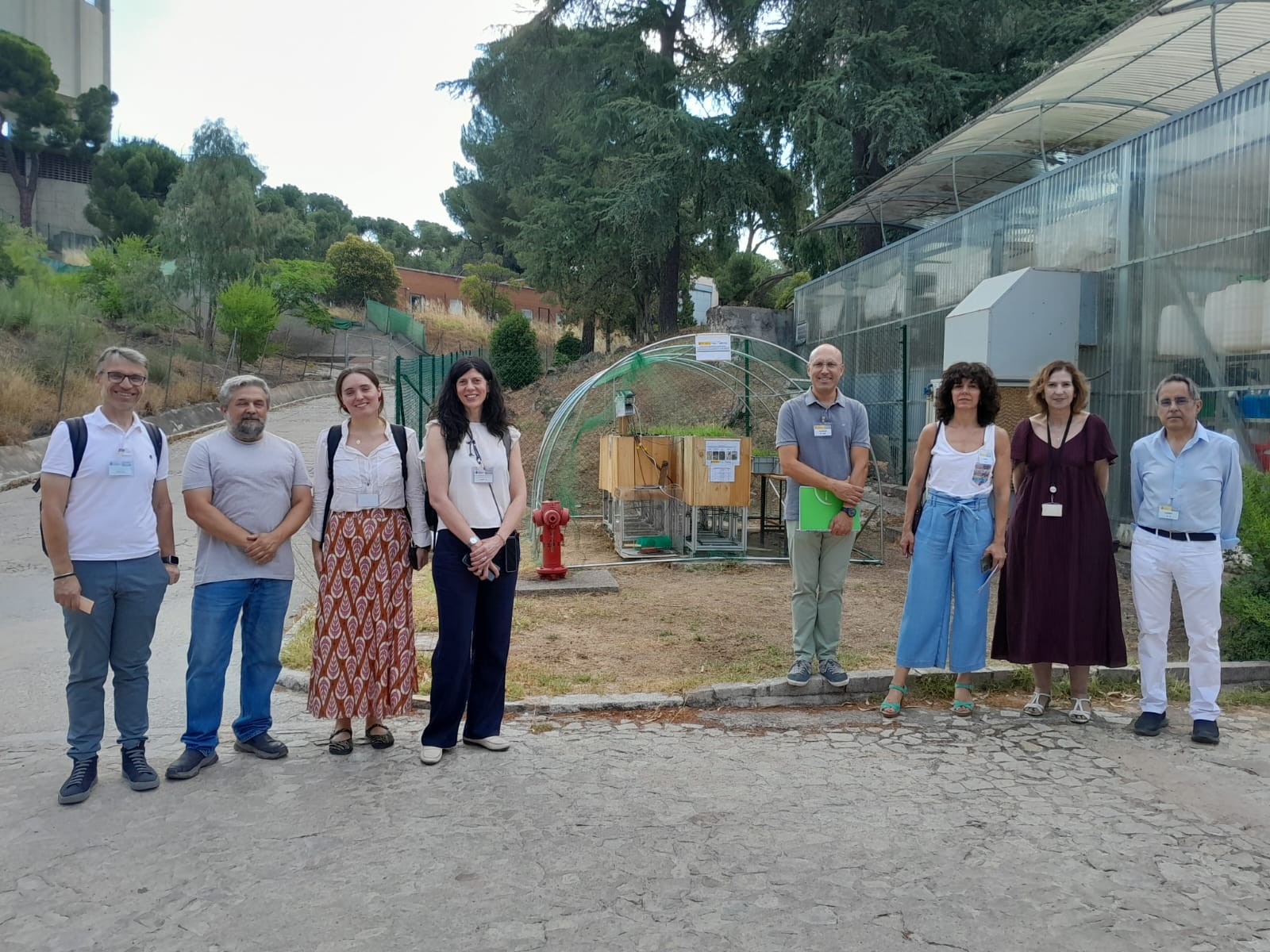
Spanish ENRESA visits CIEMAT to advance safety research on radioactive waste covers
Technical staff from the Spanish National Radioactive Waste Company (ENRESA) recently visited facilities of the Environmental Department at the Spanish Research Centre for Energy, Environment and Technology (CIEMAT) to review the progress of joint research projects in the field of radioactive waste safety management. The visit focused on two projects, VEBIOCA and CARCOB, whose research supports the optimization of the safety cover system and long-term environmental protection at the El Cabril waste storage facility in the province of Córdoba. During the visit, ENRESA technical staff first toured CIEMAT's Soil Conservation and Remediation Department. The research team presented the progress of the VEBIOCA project, which primarily analyzes the influence of vegetation on the behavior of the bio-intrusion layer within the pilot vegetation cover at the El Cabril waste storage facility. Researchers are conducting plant species identification and assessment at two locations, Madrid and Córdoba, with particular focus on the growth characteristics of different plants at the site and in the surrounding environment, as well as their interactions with the vegetation cover system. The results will provide a basis for ENRESA's selection of plant species in subsequent pilot trials.
2026-08-13

Bhabha Atomic Research Centre (BARC) in India develops 72 improved crop varieties through radiation mutation technology
The integration of nuclear technology with agricultural production is demonstrating increasingly tangible value in Indian farmlands. Through radiation-induced mutation and hybrid breeding techniques, the Bhabha Atomic Research Centre in India has successively developed 72 improved crop varieties, covering peanuts, rice, mung beans, mustard, and other crops. India's Minister of State Jitendra Singh disclosed this progress in a written reply to Parliament, showing that the peaceful application of nuclear science has extended from laboratories to the frontlines of agricultural production. In terms of variety composition, peanut new varieties are the most numerous, reaching 17; rice has 10, mung beans and mustard 9 each, black gram 8, pigeon pea 5, sorghum 3, and cowpea, wheat, and soybean 2 each. Additionally...
2026-08-13