
Search Results
Keyword:research reactor
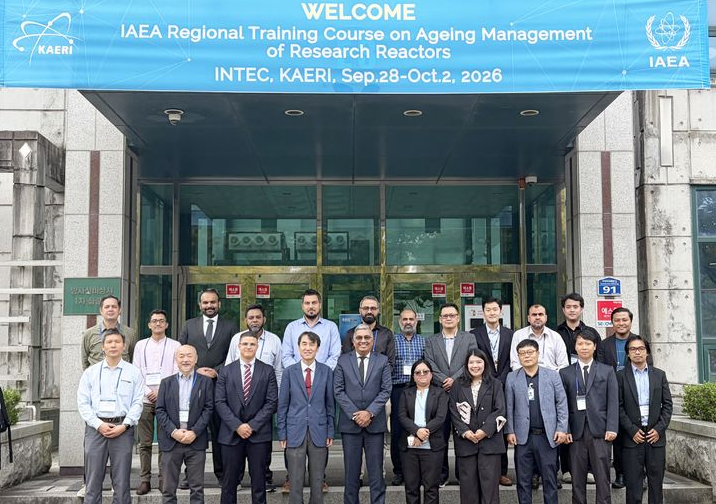
KAERI and IAEA Jointly Hold Research Reactor Ageing Management Training Workshop
On September 28, SPIC's first fully independent full-scope simulator and related independent technologies were released in Beijing, marking that State Power Investment Corporation (SPIC) has mastered complete full-scope simulator R&D and supply capabilities. A full-scope simulator is like a mirror of a nuclear power plant; operators performing control actions in the full-scope simulator can obtain realistic feedback in real time. With the help of this digital nuclear power plant that poses no nuclear accident hazard, operators repeatedly hone their daily operation control and accident handling skills, becoming professionals who safeguard the safe and efficient operation of real nuclear power plants. To ensure the training quality of main control room operators at nuclear power plants, the Central Research Institute of SPIC took the lead, together with SNERDI, SNST...
2026-09-28
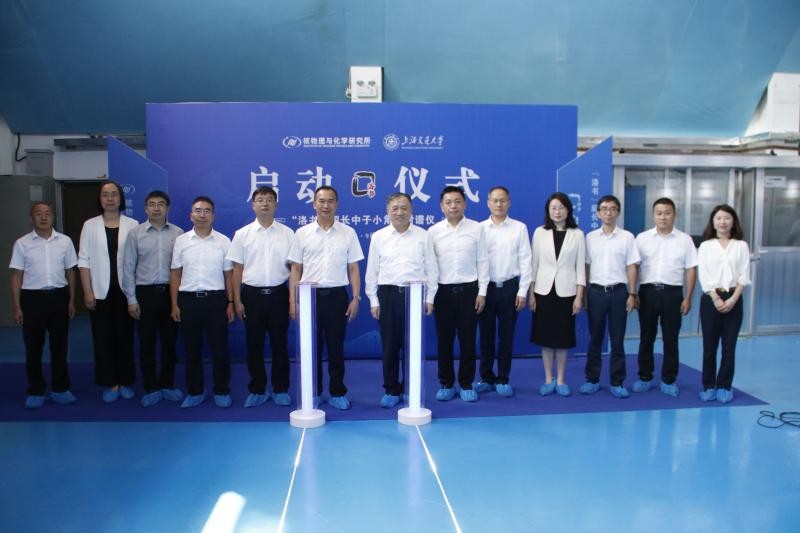
Shanghai Jiao Tong University's "Luoshu" Ultra-Long Neutron Small-Angle Scattering Spectrometer Officially Commissioned
On September 2, the launch ceremony for Shanghai Jiao Tong University's Luoshu Ultra-Long Neutron Small-Angle Scattering Spectrometer was held at the China Mianyang Research Reactor. Yang Zhenbin, Secretary of the Party Committee of Shanghai Jiao Tong University, Huang Ming, Vice President of the China Academy of Engineering Physics, and other leaders attended the event to jointly witness the official commissioning of this major scientific research facility. At the launch ceremony, Yang Zhenbin and Huang Ming jointly lit up the Luoshu Ultra-Long Neutron Small-Angle Scattering Spectrometer, marking its official commissioning. The Luoshu spectrometer was jointly built and collaboratively developed by Shanghai Jiao Tong University and the China Mianyang Research Reactor, with multiple core indicators reaching internationally advanced levels. It can broadly support research in fields such as aerospace, nuclear power and energy, biomedicine, new materials, and basic sciences, providing...
2026-09-10
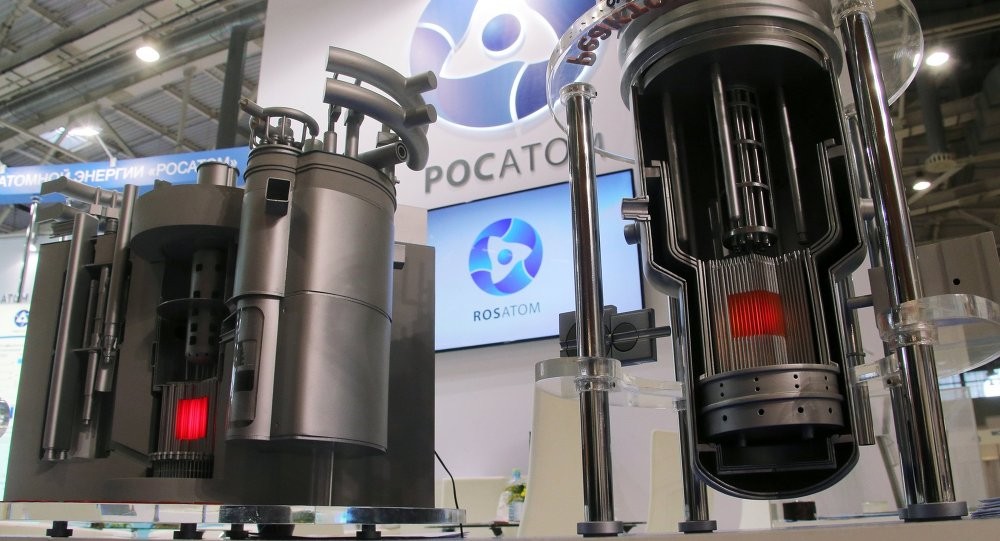
Vietnam to Join International Consortium for Russia's MBIR Fast Neutron Research Reactor
On September 9, the press service of Rosatom announced that Vietnam will join the international consortium for Russia's MBIR multi-purpose fast neutron research reactor. The reactor is currently under construction in Dimitrovgrad, Russia. Under the arrangement, the Vietnam Atomic Energy Institute (Vinatom) has been designated as Vietnam's lead organization for participation in the International Research Centre MBIR (IRC MBIR) project based on the MBIR reactor. Tran Chi Thanh, President of the Vietnam Atomic Energy Institute, stated in a declaration that participation in the project will give Vietnam more direct access to this unique experimental platform, further...
2026-09-10
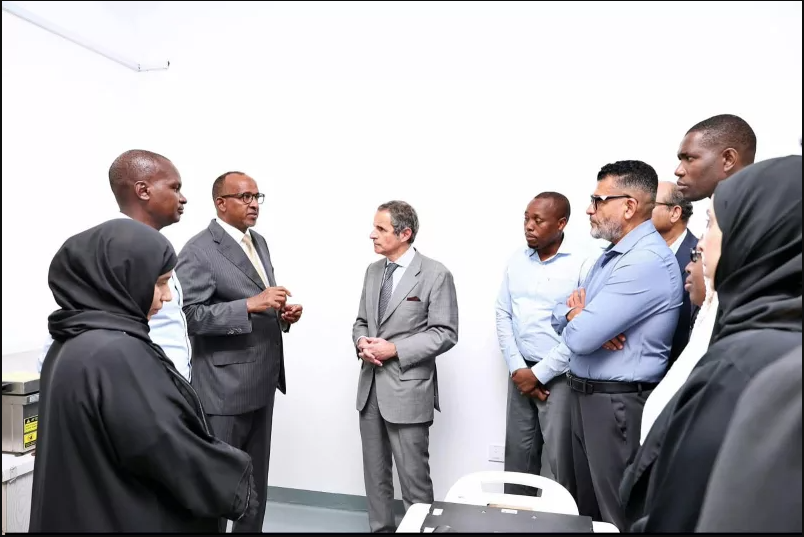
Kenya seeks IAEA review support to advance nuclear power project by 2034
Kenya is seeking a new round of review and expanded technical support from the International Atomic Energy Agency (IAEA) to advance its long-planned nuclear power program toward construction readiness by 2034. According to relevant meeting briefings, Kenya hopes the IAEA will conduct a Phase 2 Integrated Nuclear Infrastructure Review (INIR) mission in the fourth quarter of 2026, along with support in training nuclear engineers and nuclear scientists. Kenya also plans to leverage the IAEA's 70th General Conference, to be held in Vienna from September 14 to 18, to secure advisory services, skills training, and technical assistance for advancing its nuclear power project and nuclear research reactor construction. Kenya is expected to send a high-level delegation of approximately 30 people...
2026-09-07
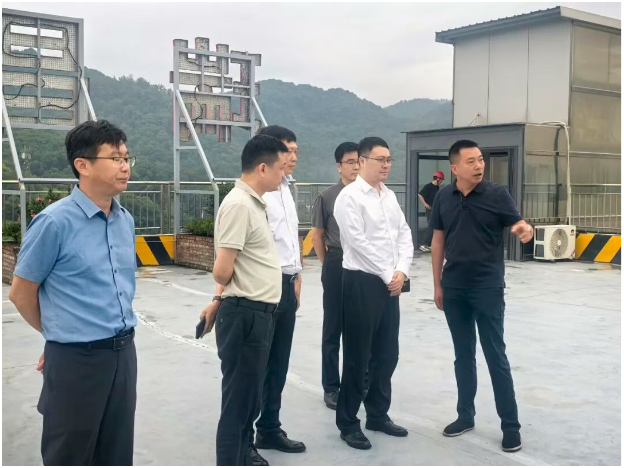
Baiyunshan Xike Visits Jiujiang, Jiangxi to Explore Nuclear Medicine Industry Chain Cooperation
Recently, a delegation from Guangzhou Baiyunshan Xike Health Pharmaceutical Co., Ltd., a subsidiary of Guangzhou Pharmaceutical Holdings Limited (GP Corp.), visited Jiujiang City, Jiangxi Province, conducting field inspections and discussion exchanges in Ruichang City, Jiujiang Economic Development Zone, and Pengze County, focusing on cooperation across the full nuclear medicine industry chain. Liu Hong, Director of the Scientific Research Project Management Department of GP Corp. and Chairman and General Manager of Baiyunshan Xike, led the core team in exchanges with Chen Shuilian, Member of the Party Leadership Group and Vice Mayor of Jiujiang Municipal People's Government, as well as responsible officials from Ruichang City, Pengze County, and Jiujiang Economic Development Zone, reaching multiple consensuses on subsequent cooperation. The inspection covered key facilities including the Ruichang Institute of Nuclear Physics Applications, the Biomedical (Nuclear) Industrial Park in Jiujiang Economic Development Zone, and the Jiangxi Tianhong Nuclear Technology project site in Pengze County. The delegation conducted in-depth visits to research laboratories, industrial parks, and projects under construction to understand local capabilities in nuclear technology research, isotope R&D infrastructure, project construction progress, as well as land and industrial supporting conditions.
2026-09-07

Busan, South Korea Secures 2027 Budget Support; Export-Oriented Research Reactor and Other Projects Included in Government Proposal
Busan Metropolitan City recently announced that multiple national projects aligned with its core development goals have been included in the South Korean government's 2027 budget proposal, including the Gadeok Island New Airport, a new export-oriented research reactor, a heavy ion accelerator, as well as industrial projects such as port artificial intelligence, naval vessel maintenance, repair and overhaul, and power semiconductors. Under the budget arrangement, the Gadeok Island New Airport construction project has secured 431.1 billion KRW in support. To enhance maritime and logistics competitiveness, the budget proposal also includes 7.35 billion KRW for a demonstration project on autonomous port cargo handling equipment, 36.4 billion KRW to support shipbuilding and shipping cooperation, 5 billion KRW to strengthen the global competitiveness of small and medium-sized shipbuilders in naval vessel maintenance, repair and overhaul, and an additional 24.9 billion KRW allocated for the development of a fishery products industrial cluster.
2026-09-02
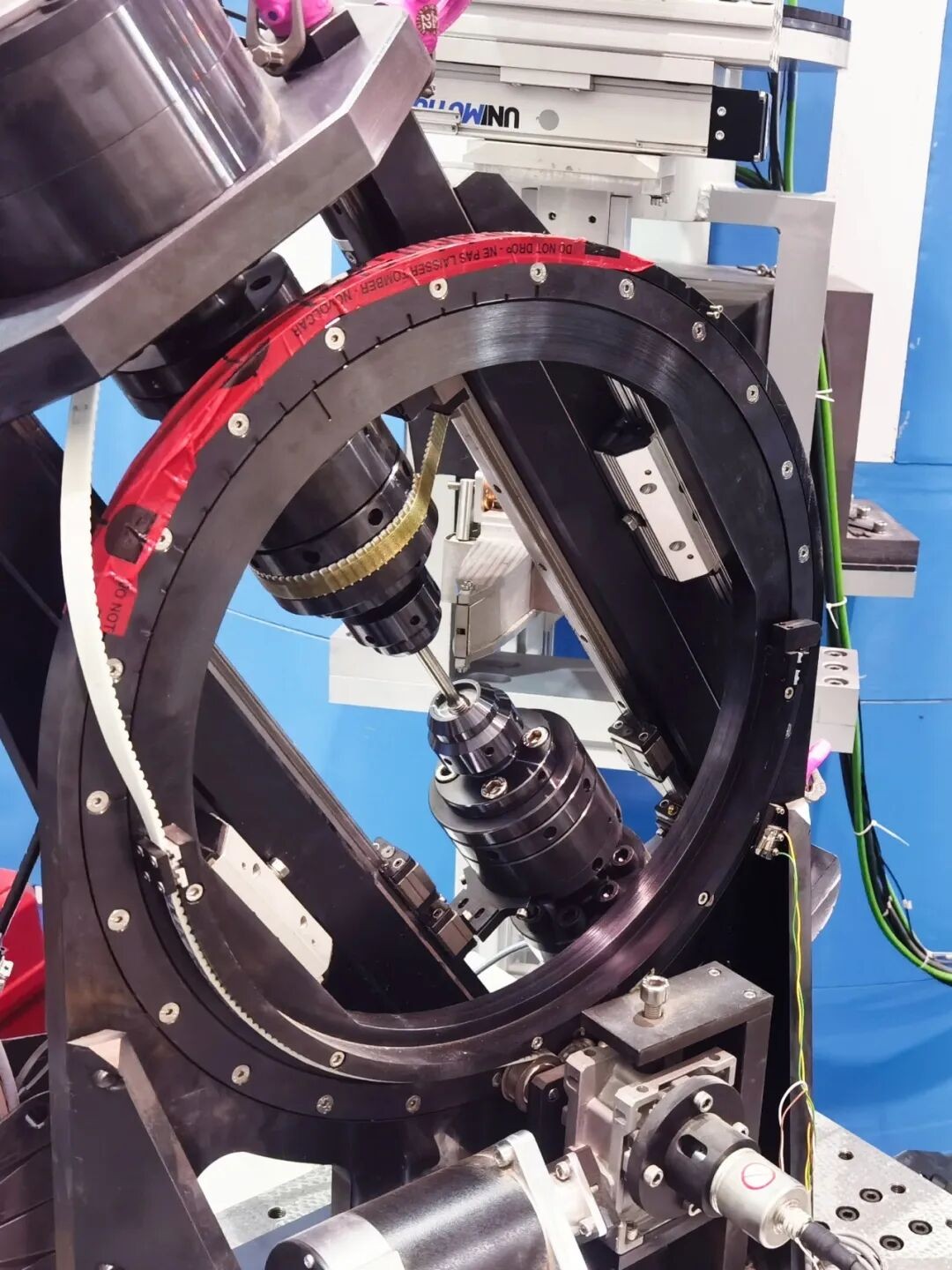
Major Breakthrough in Residual Stress Research on Key Aviation Materials in China
Nickel-based single-crystal superalloys are key materials for manufacturing turbine blades in aviation engines. Recently, the neutron scattering team from the Department of Nuclear Physics at the China Institute of Atomic Energy (CIAE) under CNNC, leveraging the Engineering Science Stress Spectrometer at the China Advanced Research Reactor (CARR), overcame technical challenges in residual stress measurement of single-crystal superalloys and established a precise three-dimensional residual stress testing method based on neutron diffraction. This provides an effective solution for residual stress assessment of critical aviation materials and lays a solid methodological foundation for the in-depth application of the CARR Engineering Science Stress Spectrometer in high-end manufacturing. During high-temperature heat treatment or service of nickel-based single-crystal superalloys...
2026-09-02
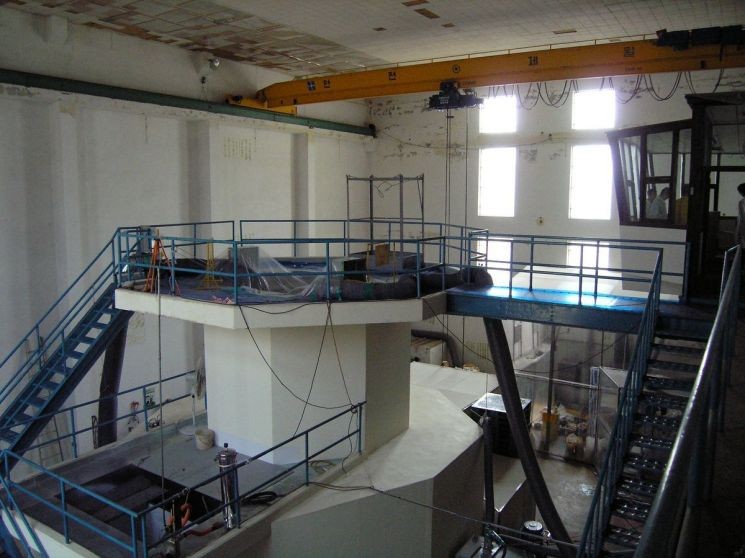
Fourteen academic societies in South Korea call for protection of KRR-1 research reactor auxiliary buildings
On September 1, fourteen academic societies and associations, including the Korean Nuclear Society, issued a statement welcoming the temporary registration of the reactor hall and auxiliary buildings of Research Reactor Unit 1 (KRR-1, TRIGA Mark-II) in Gongneung-dong, Nowon-gu, Seoul, as nationally registered cultural heritage, and urged Korea Electric Power Corporation (KEPCO), the owner of the site and buildings, to promptly submit a formal registration application. Panoramic view of KRR-1, South Korea's first research reactor. Korea National Heritage Administration The Korea National Heritage Administration had placed the KRR-1 reactor hall and auxiliary buildings on the temporary list of nationally registered cultural heritage on July 1 through the emergency measures system, suspending related demolition work. However, if a formal registration application is not submitted by the end of December this year, the temporary listing will lapse and demolition work may resume.
2026-09-01

Malaysia Advances Nuclear Energy Workforce Planning Capacity Building
The International Atomic Energy Agency (IAEA) recently held a national workshop on nuclear energy human resource planning in Malaysia to help the country enhance its workforce forecasting and capacity building for existing and future nuclear applications. The workshop was held from 17 to 21 August 2026 over five days, with participants from MyPOWER Corporation, the Malaysian Nuclear Agency, regulatory bodies, national utilities, and academic and training institutions. The five-day workshop was held in Malaysia from 17 to 21 August 2026, with participants including representatives from MyPOWER Corp...
2026-08-27
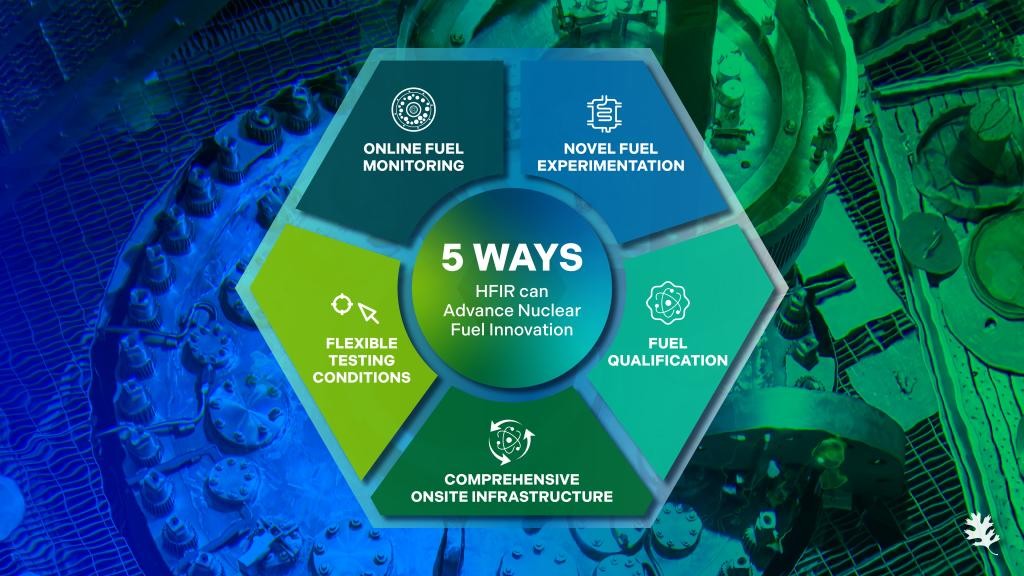
U.S. HFIR Research Reactor Boosts Validation of New Nuclear Fuels
The High Flux Isotope Reactor (HFIR) at the U.S. Department of Energy's (DOE) Oak Ridge National Laboratory (ORNL) is becoming a key facility in the U.S. research, development, and qualification system for new nuclear fuels. A research paper published on August 25 noted that amid growing demand for new commercial nuclear power and advanced reactor construction in the United States, research reactor resources available for new fuel testing are becoming strained, and HFIR is expected to help alleviate the shortage of related testing capabilities. Image credit: Gunes Ozcan/Oak Ridge National Laboratory, U.S. Department of Energy. HFIR is one of the world's highest-flux steady-state research reactors and has long been used for nuclear fuel and materials irradiation testing. The paper recognizes...
2026-08-26
France Authorizes CEA to Dismantle the Pégase Research Reactor Facility at Cadarache
The French Official Journal published a decree on August 23 authorizing the French Alternative Energies and Atomic Energy Commission (CEA) to carry out dismantling operations on the Pégase (Pégase) nuclear facility located at the Cadarache site in Saint-Paul-lès-Durance, Bouches-du-Rhône department. The facility is classified as Basic Nuclear Installation No. 22 (INB 22). The decree specifies the implementation phases for the partial dismantling of the Pégase research reactor and authorizes the CEA to build the equipment required for the dismantling operations. Under the decree, the boundaries of the Pégase facility will be adjusted to provide the necessary space for the layout of dismantling equipment and the temporary storage of waste generated during the dismantling process. The dismantling scope covers the Pégase facility itself, including the main building housing the storage and treatment...
2026-08-25
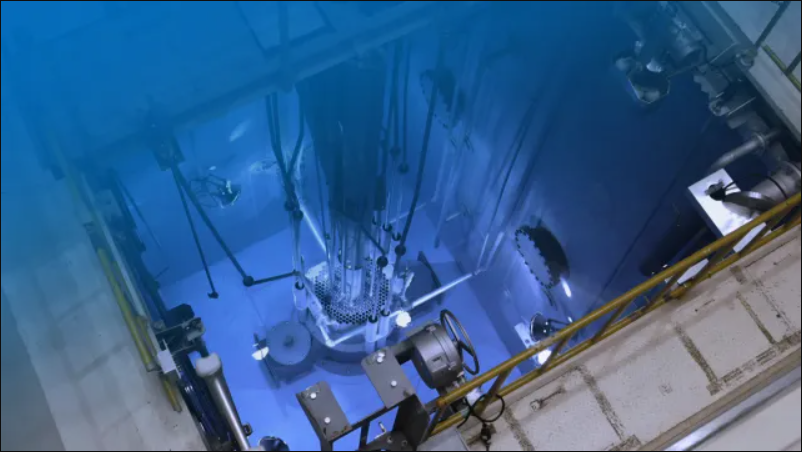
Research reactors provide critical support for global medical, scientific, and industrial innovation
The International Atomic Energy Agency recently reported that research reactors continue to play a vital role in medical, scientific, industrial innovation, and nuclear workforce development, serving as key infrastructure for many countries to build their nuclear science and technology capabilities. Currently, 228 research reactors are in operation across 54 countries worldwide, with another 23 under construction or in the planning stage. Unlike nuclear power reactors used for electricity generation, research reactors primarily produce neutrons for applications in medicine, industry, agriculture, geological sciences, forensics, and other fields. With capabilities such as neutron irradiation, neutron imaging, elemental analysis, and radioisotope production, research reactors have become important platforms for advancing peaceful nuclear technology applications. In the medical field, research...
2026-08-23
Indonesia Incorporates Nuclear Energy into Decarbonization and Power Planning
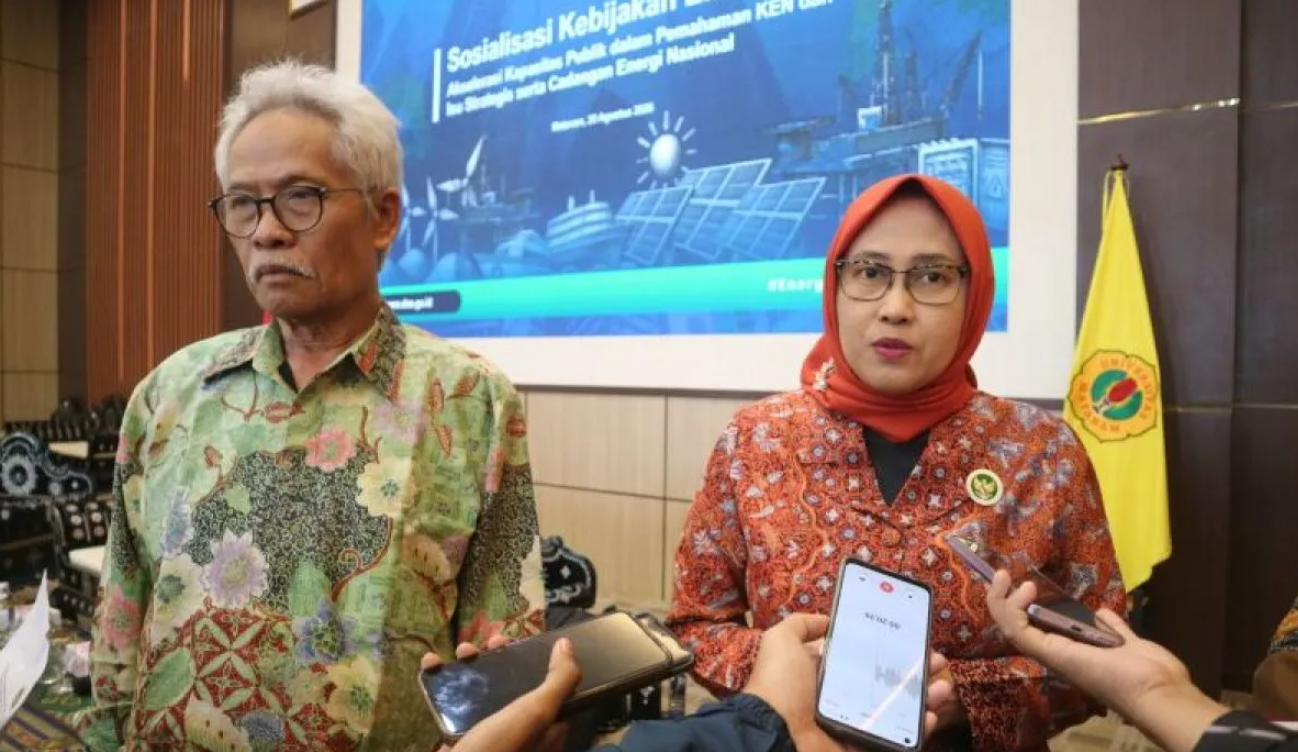
The National Energy Council (DEN) of Indonesia recently stated that nuclear energy is expected to become an important option for driving the country's energy transition and achieving its net-zero emission targets. DEN member Sripeni Inten Cahyani said at a national energy policy promotion event held at Mataram University that the positioning of nuclear energy in Indonesia's energy planning is changing, and it is no longer just a last resort. Sripeni Inten Cahyani (right), a member of the National Energy Council (DEN), accompanied by fellow member Surono (left), gave an exclusive interview to reporters after a national energy policy outreach activity at Mataram University in West Nusa Tenggara Province on Thursday, August 20, 2026...
2026-08-21
IAEA Launches New Project to Enhance Nuclear Fuel and Materials Testing Capabilities in Research Reactors
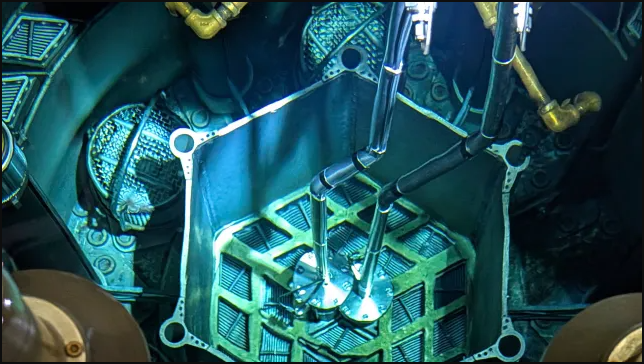
The International Atomic Energy Agency (IAEA) recently launched a four-year coordinated research project aimed at optimizing the experimental design of nuclear fuel and structural materials testing in research reactors, enhancing the safety, effectiveness, and efficiency of irradiation experiments. Top view showing a materials testing reactor core loaded with two in-core materials testing devices. (Photo: Y. Ostrovsky/MIT) With the continued advancement of new nuclear reactor technologies, growing interest in small modular reactors, and existing nuclear power plants seeking long-term operation, the demand for reliable testing of new nuclear fuels and structural materials is increasing. Before being put into use in nuclear reactors, these fuels and materials must be tested and qualified under harsh conditions such as radiation and high temperatures...
2026-08-21

Kazakhstan's Institute of Nuclear Physics Plans to Expand Medical Radioisotope Production and Export
The Institute of Nuclear Physics (INP) of Kazakhstan is progressively expanding the applications of radioisotopes and radiation technologies, with related products already used in cancer diagnosis and treatment, industrial production, and scientific research. Institute Director Sayabek Sakhiyev stated that radioisotope and radiopharmaceutical production is one of the institute's key applied activities, covering the full chain from scientific research and research reactor operation to radiochemical technology development and medical applications. Currently, INP produces three main categories of radiopharmaceuticals: sodium iodide I-131 for thyroid disease treatment, Mo-99/Tc-99m related products for radionuclide diagnostics, and...
2026-08-18