
Search Results
Keyword:research reactor

France Authorizes CEA to Dismantle the Pégase Research Reactor Facility at Cadarache
The French Official Journal published a decree on August 23 authorizing the French Alternative Energies and Atomic Energy Commission (CEA) to carry out dismantling operations on the Pégase (Pégase) nuclear facility located at the Cadarache site in Saint-Paul-lès-Durance, Bouches-du-Rhône department. The facility is classified as Basic Nuclear Installation No. 22 (INB 22). The decree specifies the implementation phases for the partial dismantling of the Pégase research reactor and authorizes the CEA to build the equipment required for the dismantling operations. Under the decree, the boundaries of the Pégase facility will be adjusted to provide the necessary space for the layout of dismantling equipment and the temporary storage of waste generated during the dismantling process. The dismantling scope covers the Pégase facility itself, including the main building housing the storage and treatment...
2026-08-25
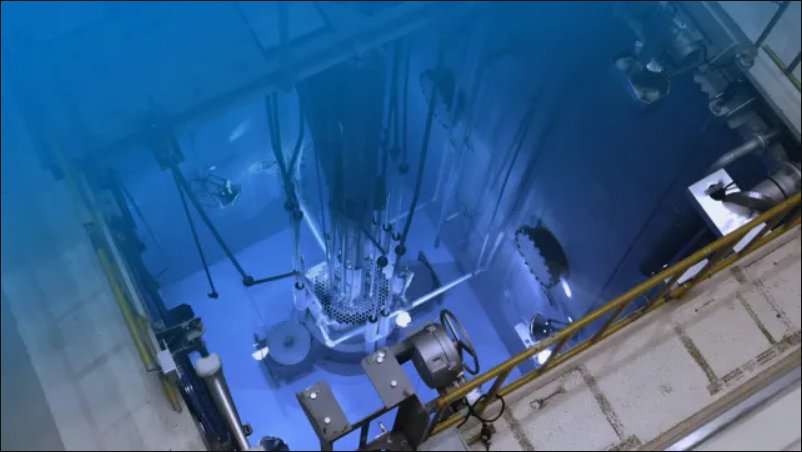
Research reactors provide critical support for global medical, scientific, and industrial innovation
The International Atomic Energy Agency recently reported that research reactors continue to play a vital role in medical, scientific, industrial innovation, and nuclear workforce development, serving as key infrastructure for many countries to build their nuclear science and technology capabilities. Currently, 228 research reactors are in operation across 54 countries worldwide, with another 23 under construction or in the planning stage. Unlike nuclear power reactors used for electricity generation, research reactors primarily produce neutrons for applications in medicine, industry, agriculture, geological sciences, forensics, and other fields. With capabilities such as neutron irradiation, neutron imaging, elemental analysis, and radioisotope production, research reactors have become important platforms for advancing peaceful nuclear technology applications. In the medical field, research...
2026-08-23
Indonesia Incorporates Nuclear Energy into Decarbonization and Power Planning
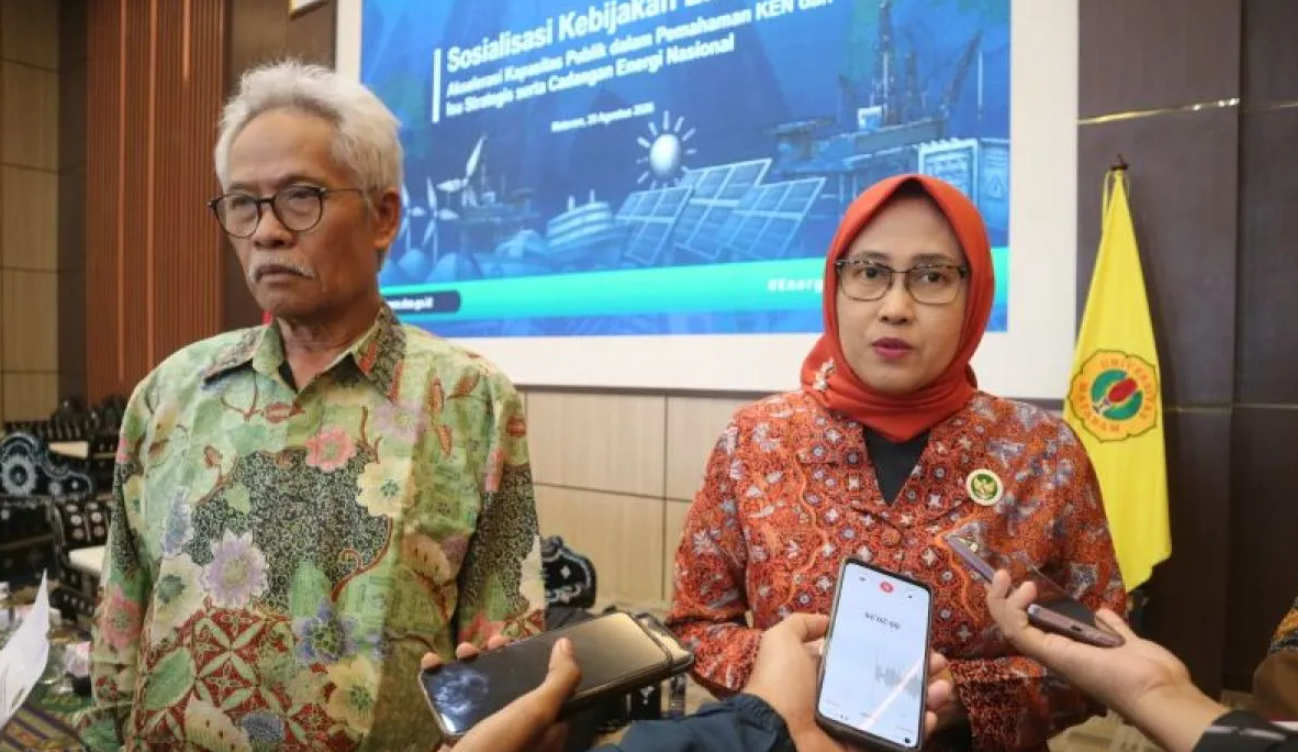
The National Energy Council (DEN) of Indonesia recently stated that nuclear energy is expected to become an important option for driving the country's energy transition and achieving its net-zero emission targets. DEN member Sripeni Inten Cahyani said at a national energy policy promotion event held at Mataram University that the positioning of nuclear energy in Indonesia's energy planning is changing, and it is no longer just a last resort. Sripeni Inten Cahyani (right), a member of the National Energy Council (DEN), accompanied by fellow member Surono (left), gave an exclusive interview to reporters after a national energy policy outreach activity at Mataram University in West Nusa Tenggara Province on Thursday, August 20, 2026...
2026-08-21
IAEA Launches New Project to Enhance Nuclear Fuel and Materials Testing Capabilities in Research Reactors
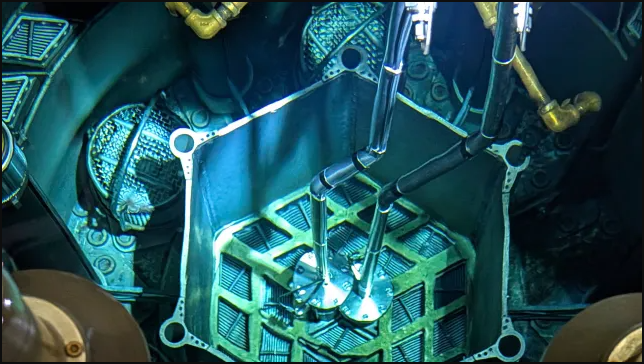
The International Atomic Energy Agency (IAEA) recently launched a four-year coordinated research project aimed at optimizing the experimental design of nuclear fuel and structural materials testing in research reactors, enhancing the safety, effectiveness, and efficiency of irradiation experiments. Top view showing a materials testing reactor core loaded with two in-core materials testing devices. (Photo: Y. Ostrovsky/MIT) With the continued advancement of new nuclear reactor technologies, growing interest in small modular reactors, and existing nuclear power plants seeking long-term operation, the demand for reliable testing of new nuclear fuels and structural materials is increasing. Before being put into use in nuclear reactors, these fuels and materials must be tested and qualified under harsh conditions such as radiation and high temperatures...
2026-08-21
Kazakhstan's Institute of Nuclear Physics Plans to Expand Medical Radioisotope Production and Export
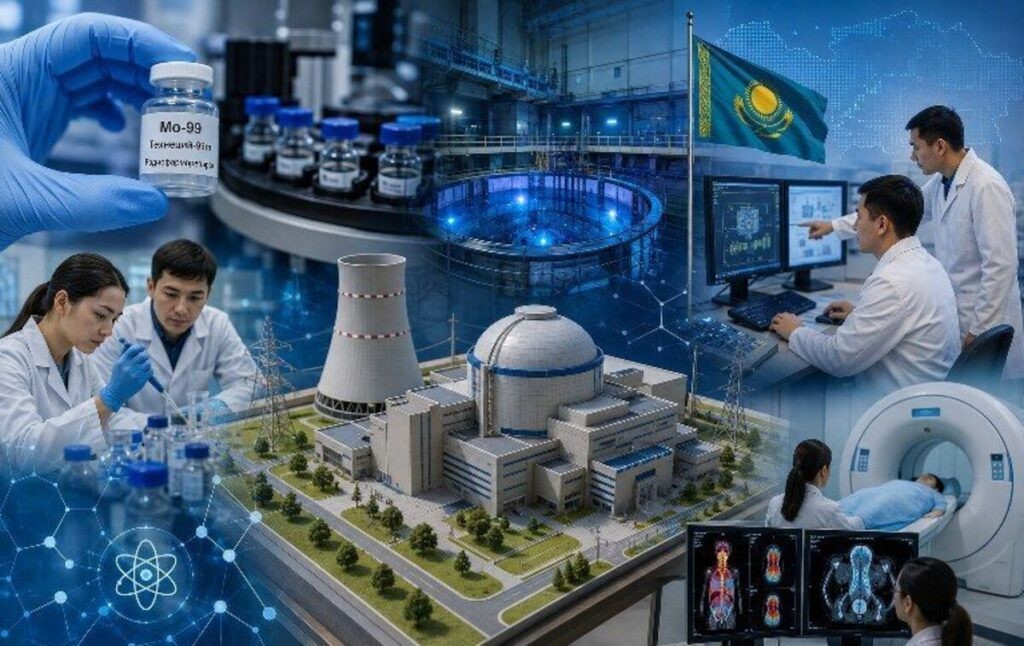
The Institute of Nuclear Physics (INP) of Kazakhstan is progressively expanding the applications of radioisotopes and radiation technologies, with related products already used in cancer diagnosis and treatment, industrial production, and scientific research. Institute Director Sayabek Sakhiyev stated that radioisotope and radiopharmaceutical production is one of the institute's key applied activities, covering the full chain from scientific research and research reactor operation to radiochemical technology development and medical applications. Currently, INP produces three main categories of radiopharmaceuticals: sodium iodide I-131 for thyroid disease treatment, Mo-99/Tc-99m related products for radionuclide diagnostics, and...
2026-08-18

Libya Plans to Restore Tajoura Research Reactor for Medical Isotope Production
The Libyan Atomic Energy Establishment recently proposed a plan to restore and restart the Tajoura nuclear research reactor for the production of medical radioisotopes. The establishment stated that this initiative aims to support the diagnosis and treatment of diseases and tumors, while reducing dependence on imports of relevant isotopes. Radioisotopes are essential materials in nuclear medicine, serving as tracers in medical imaging to help track organ function and detect certain diseases and tumors; some isotopes are also used in radiotherapy targeting specific tissues. According to the Libyan Atomic Energy Establishment, the Tajoura reactor has a rated thermal power of 10 megawatts and holds potential for producing various medical isotopes, including...
2026-08-18
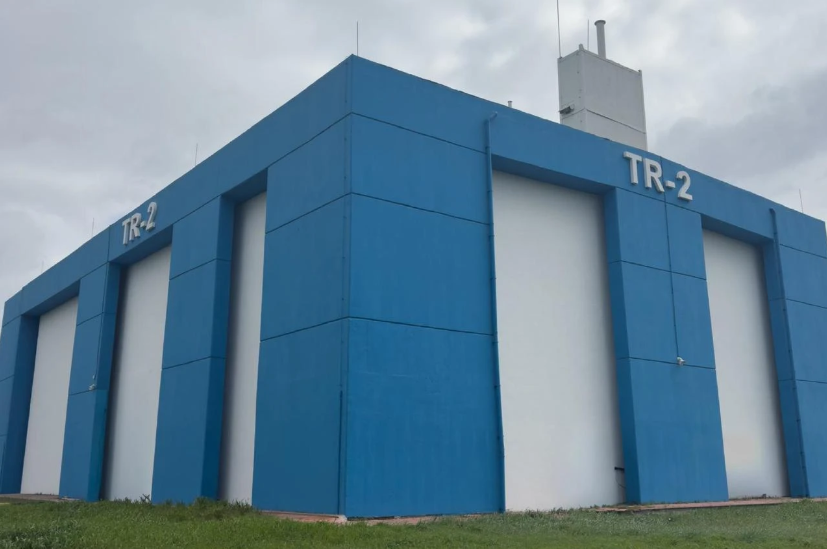
Turkey's TR-2 Research Reactor Receives Operating License
The Turkish Nuclear Regulatory Authority has issued an operating license for the TR-2 research reactor at the Istanbul campus of the Nuclear Energy Institute under the Turkish Energy, Nuclear and Mineral Research Agency (TENMAK). The license was issued pursuant to the Authority's Decision No. 2026-34/3 dated August 6, 2026. Following the review and evaluation of TENMAK's application documents, the Turkish Nuclear Regulatory Authority authorized the agency to carry out the activities required for the transition of the TR-2 research reactor from its current status to the operational phase. TR-2 is located at the Istanbul campus of TENMAK's Nuclear Energy Institute, with an approved thermal power of 5 megawatts. The facility is a research reactor and is not a nuclear facility primarily intended for power generation. According to...
2026-08-17
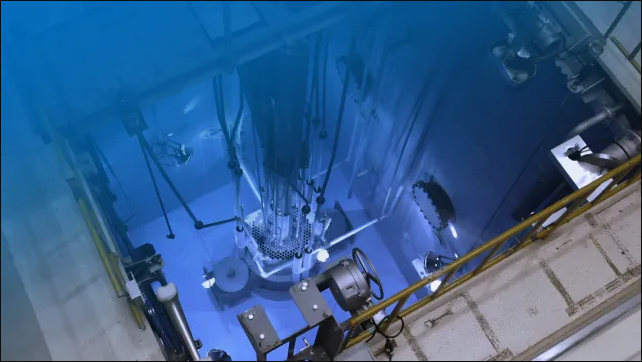
Public Announcement of Winning Bidder Candidates for the Civil Construction Project of the Huludao Research Reactor Project
Recently, the public announcement of winning bidder candidates for the civil construction project of the Huludao Research Reactor Project of the China Institute of Atomic Energy was released. The announcement shows that China Nuclear Industry 24 Construction Co., Ltd. ranks as the first winning bidder candidate with a bid price of RMB 1,109,080,000.00; China Nuclear Industry Huaxing Construction Co., Ltd. ranks as the second winning bidder candidate with a bid price of RMB 1,109,100,279.50. The tendered project is the research reactor project of the China Institute of Atomic Energy, with the scope of tender covering the civil construction works of the research reactor project, and the construction site located in Xingcheng City, Huludao City, Liaoning Province. The maximum bid limit for the project is RMB 1,109,550,000.00, and the maximum bid limit for daywork is RMB 320 per workday, excluding tax. According to...
2026-08-17
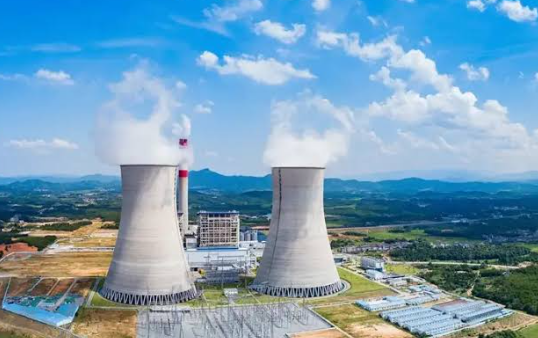
Kazakhstan Enters a New Era of Atomic Energy, with the Institute of Nuclear Physics Viewed as a Key Pillar of the National Nuclear Industry
Kazakhstan is entering a new stage of nuclear energy development. The construction of a nuclear power plant means not only the addition of a major energy project, but also the need for the country to simultaneously establish a complete nuclear industry system, including research support, personnel training, experimental infrastructure, nuclear and radiation safety systems, and indigenous technological capabilities. The article points out that a nuclear power plant can be built using foreign project designs, but true scientific and technological capability cannot be purchased along with the equipment; it is gradually formed through the long-term operation of nuclear facilities, conducting research, training engineering teams, and passing on experience. Against this backdrop, the Institute of Nuclear Physics of Kazakhstan is regarded as an important pillar of the future nuclear energy industry. The institution...
2026-08-14
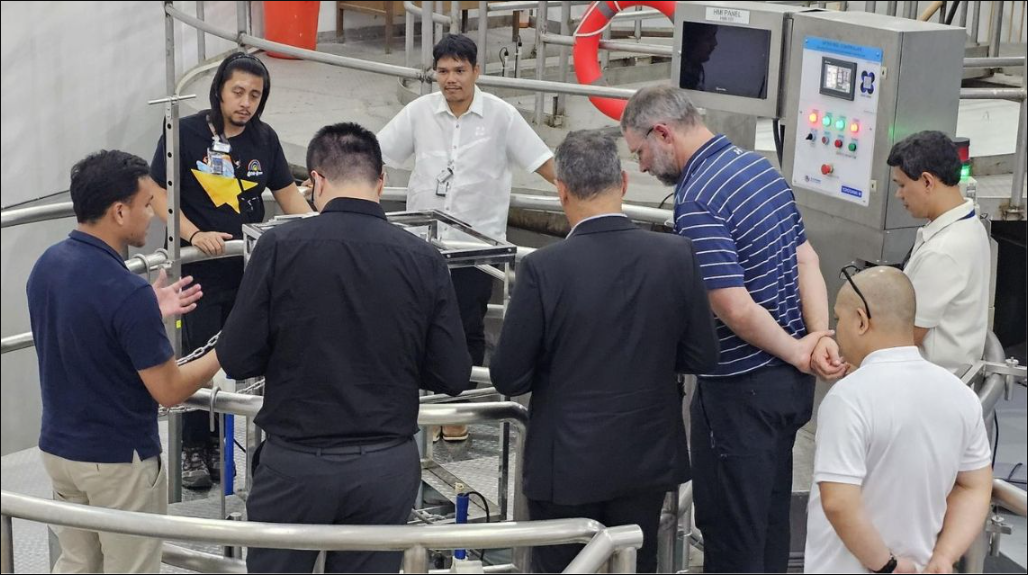
IAEA Expert Team Acknowledges Safety Progress of Philippine Research Reactor
The International Atomic Energy Agency (IAEA) conducted a follow-up Integrated Safety Assessment of Research Reactors (INSARR) mission to the Philippine Research Reactor-1 (PRR-1) Subcritical Assembly for Training, Education and Research (SATER) facility in Quezon City, approximately 10 kilometers northeast of Manila, Philippines, from August 10 to 12, 2026. The review was conducted at the request of the Philippine Nuclear Research Institute (PNRI) to examine the implementation status of safety recommendations made during the initial INSARR mission in 2023. The mission team consisted of two experts from Romania and the United States, along with one IAEA official. During the visit, they conducted an on-site inspection of the assembly facility, reviewed relevant documents, and engaged with the facility's management, operations, and technical staff...
2026-08-13
Kazakhstan's National Nuclear Center Advances Material Testing Research for Future Reactors
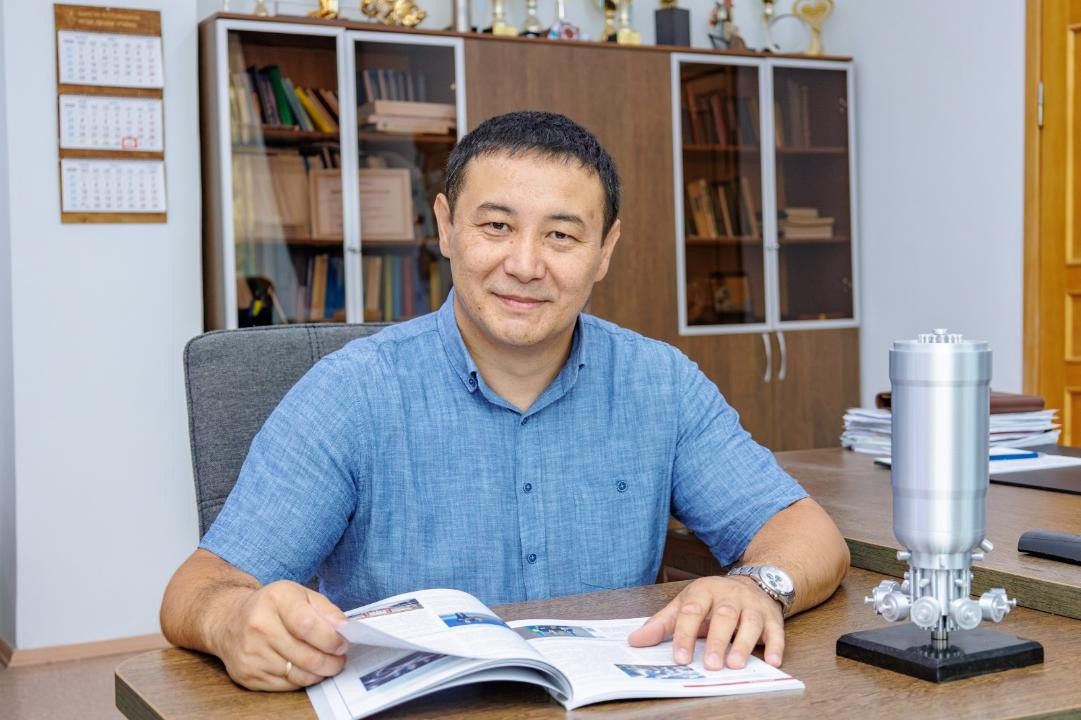
On August 11, the National Nuclear Center of the Republic of Kazakhstan presented its progress in research on structural materials for advanced reactors. Yerzhan Ernatuly Sapataev, head of the Radiation Materials Science Laboratory at the center's Institute of Atomic Energy, stated that the development of next-generation reactors and fusion technologies has imposed higher requirements on structural materials in terms of high-temperature resistance, radiation tolerance, and corrosion resistance, and that material reliability will directly determine the safety and service life of future nuclear energy systems. Materials inside future reactors typically need to...
2026-08-12
Russia Approves Chinese Academy of Sciences' Accession to International Research Organization at PIK Reactor
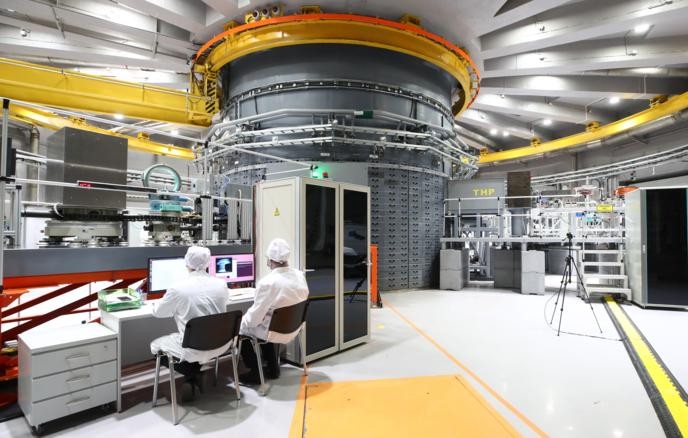
Mikhail Kovalchuk, Director of the Kurchatov Institute National Research Centre in Russia, recently stated that Russia has approved the Chinese Academy of Sciences' accession to the International Centre for Synchrotron Radiation, Neutron and Laser Research, which is being established around the PIK high-flux research reactor. Speaking at a meeting of the Science and Education Committee held in Novosibirsk, Kovalchuk said that three Chinese institutions have successively submitted applications to join the international organization, with the application from the Chinese Academy of Sciences having completed review and received approval. In June of this year, he had indicated that the Chinese side was interested in participating in this international research cooperation mechanism. The PIK high-flux research reactor is located in Gatchina, Russia, and was developed by the Konstantinov Petersburg Nuclear Physics Institute...
2026-08-12
Kazakhstan Strengthens Radiation Safety Monitoring and Nuclear Power Talent Development
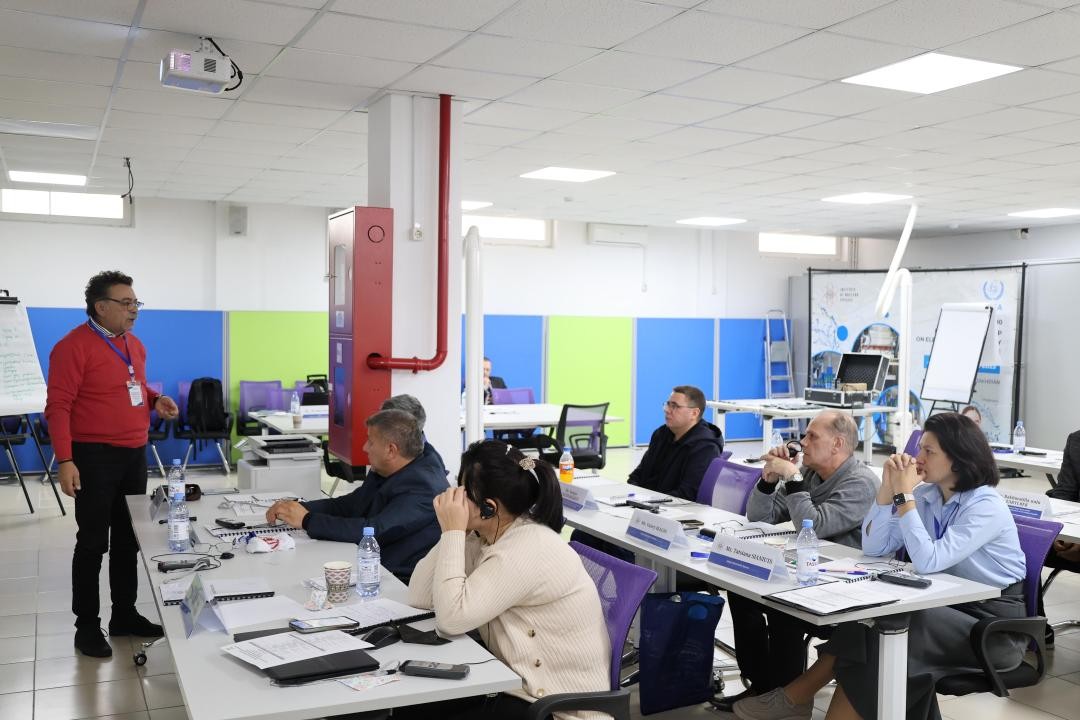
Kazakhstan is improving its safety system in the field of nuclear energy and ionizing radiation source utilization, focusing on radiation monitoring, protective measures, and professional personnel training. Ionizing radiation technologies are now widely used in disease diagnosis and treatment, scientific research, product quality inspection, medical device sterilization, geophysical operations, and other fields, and their application simultaneously requires strict implementation of radiation safety management systems. In Kazakhstan, national policy and regulation in the field of atomic energy utilization are the responsibility of the Atomic Energy Agency (AEA) of the Republic of Kazakhstan, while supervision and inspection of atomic energy utilization facilities are carried out by its subordinate Committee for Atomic and Energy Supervision and Control. Current regulations stipulate licensing of related activities, registration and control of ionizing radiation sources...
2026-08-11
Research Reactors Support Kazakhstan's Safe Nuclear Energy Development
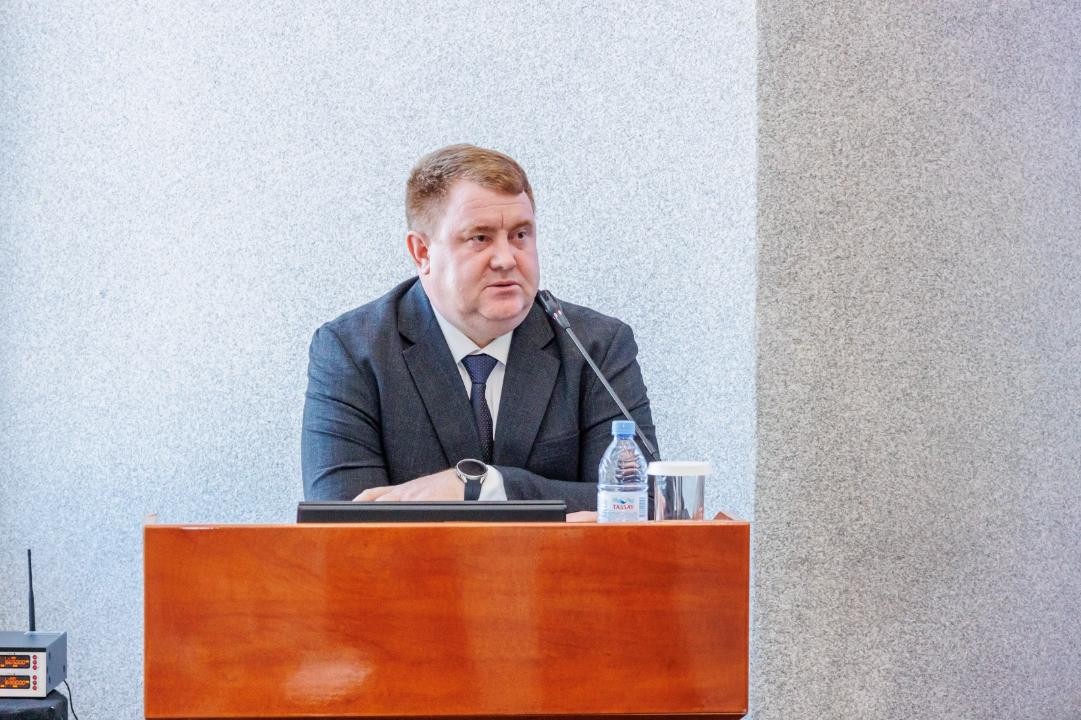
Against the backdrop of growing demand for low-carbon electricity, nuclear energy is being regarded by many countries as a key energy option. Kazakhstan is also advancing its own nuclear energy development. Equally critical to the construction of nuclear power plants is the long-term research, testing, and validation of nuclear fuel, structural materials, reactor operating conditions, and safety systems. Research reactors and experimental facilities are precisely the core platforms undertaking such work. Unlike power reactors, which primarily target electricity generation, research reactors are closer to specialized nuclear science laboratories. Researchers can study the behavior of nuclear fuel and structural materials, simulate different reactor operating states, including off-normal conditions, test new technologies, and validate engineering solutions subsequently used in nuclear...
2026-08-09
228 Research Reactors Worldwide in Operation, Supporting Medical Isotope Production and Neutron Science Innovation
According to the International Atomic Energy Agency on August 7, research reactors continue to drive innovation in science, medicine, and industry worldwide. Currently, 228 research reactors are in operation across 54 countries, with another 23 under construction or in the planning stage. Unlike nuclear reactors used for power generation, these reactors primarily produce neutrons to support medical, industrial, agricultural, geological, forensic, and nuclear science research. A research reactor pool photographed from above. (Photo: IAEA) In the medical field, research reactors are a vital source of medical radioisotopes. Among them, technetium-99m is widely used for diagnosing cancer and diseases of the heart, brain, and bones; a large number of medical diagnostic and therapeutic procedures worldwide rely on this isotope. Other radioisotopes such as iodine-131 are also used in the treatment of cancer and thyroid diseases. The IAEA states that radioisotopes produced by research reactors serve millions of patients globally and are an essential component of modern nuclear medicine systems.
2026-08-09