
Nuclea Energy to Acquire Moltex Advanced Nuclear Technology Portfolio
Moltex Energy announced on August 13 that Nuclea Energy Inc. has signed a definitive agreement to acquire its advanced nuclear technology portfolio. The transaction was concluded following a competitive bidding process, with the relevant technologies and company assets having attracted interest from multiple parties earlier. The proposed technology platform, developed over more than a decade, encompasses the Waste-to-Stable Salt (WATSS) spent fuel recycling process, the Stable Salt Reactor – Wasteburner (SSR-W), and FLEX reactor technology. The portfolio includes 80 granted patents across 9 patent families, as well as 9 pending patents related to the WATSS recycling process...
2026-08-14
Finland's Onkalo Spent Nuclear Fuel Final Disposal Facility Expected to Receive Operating License by Year-End
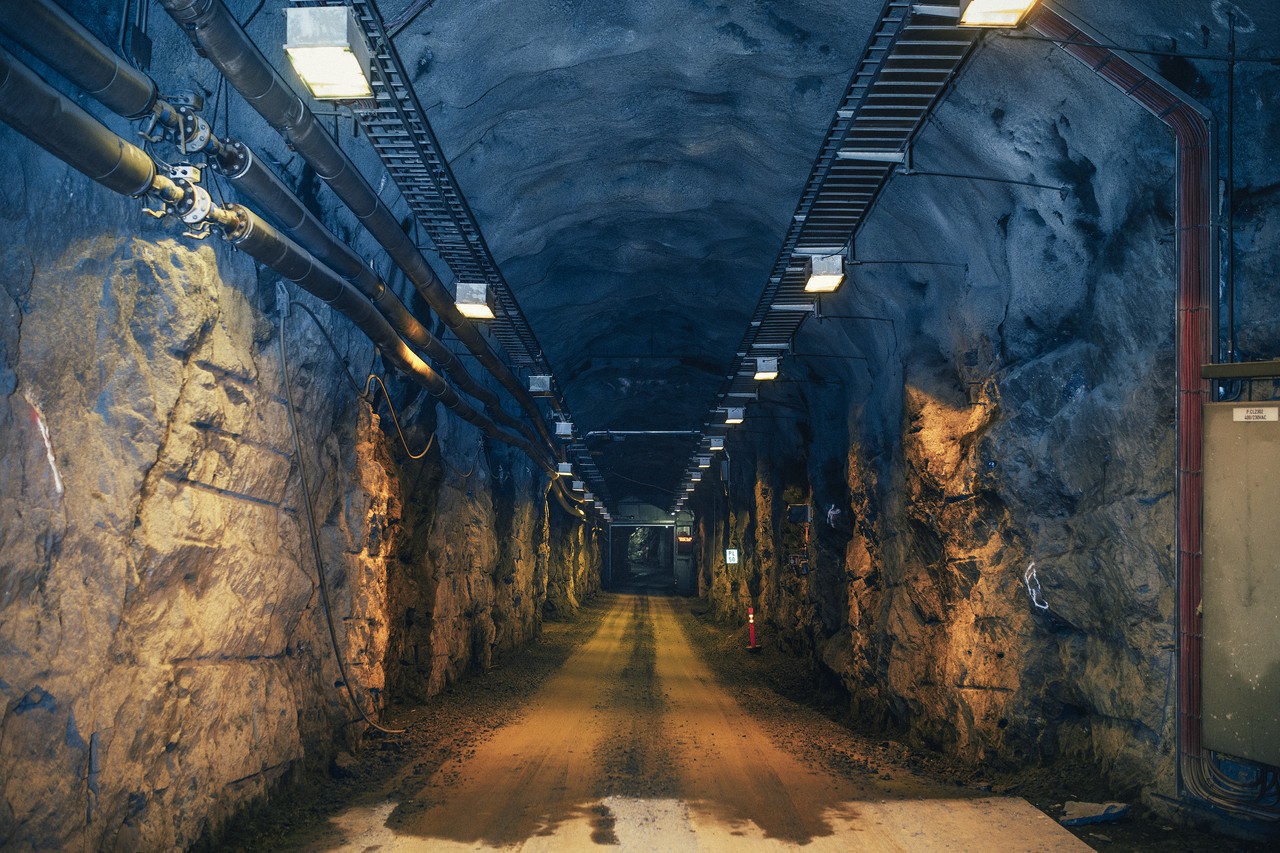
Finland's spent nuclear fuel final disposal project has entered the critical stage of operating license review. The Radiation and Nuclear Safety Authority of Finland (STUK) issued a statement saying that the design and emergency response procedures of the Onkalo final disposal facility meet the safety requirements for granting an operating license. The Finnish government is expected to decide whether to approve the facility's operation before the end of the year. Onkalo is located on Olkiluoto Island in southwestern Finland. "Onkalo" means "cave" in Finnish. If licensed and operational, the facility will become the world's first deep geological final disposal facility for spent nuclear fuel from nuclear power plants, serving as a reference for other countries considering similar facilities...
2026-08-14
TEPCO and JAPC invite eight power companies to participate in spent fuel transport
August 12 news, Tokyo Electric Power Company (TEPCO) and Japan Atomic Power Company (JAPC) invited eight other Japanese power companies that own nuclear power plants on the 10th to consider participating in the transport of spent fuel to the Mutsu City interim storage facility in Aomori Prefecture. Mutsu City has agreed to expand the scope of operating entities involved in the transport. The interim storage facility is operated by Recyclable-Fuel Storage Company (RFS), jointly established by TEPCO and JAPC, and is primarily used for temporary storage of spent fuel generated from nuclear power plants before reprocessing. The eight invited companies are Hokkaido Electric Power Company (Hokkai...
2026-08-13
Japan's Mutsu Spent Fuel Interim Storage Facility May Expand Participants; KEPCO and Hokuriku Electric Power Say They Are Considering
Tokyo Electric Power Company (TEPCO) and Japan Atomic Power Company (JAPC) began contacting eight other domestic electric power companies that own nuclear power plants on August 10, asking whether they would be interested in participating in the expansion of the entities responsible for transporting spent fuel to the interim storage facility in Mutsu City, Aomori Prefecture. Among the eight companies contacted, Kansai Electric Power Company (KEPCO) and Hokuriku Electric Power Company indicated in response to the inquiries that they are considering whether to participate. In December 2025, TEPCO and JAPC had submitted a proposal to Aomori Prefecture and Mutsu City regarding the expansion of operating entities, and at that time they had also sought the intentions of these eight companies...
2026-08-12

Belarusian NPP safe operation period may be extended to 100 years, with first spent fuel to be shipped to Russia for reprocessing in 2034
Stanislav Levitsky, head of the Rosatom representative office in Belarus, stated on the "Economic Environment" program of Belarusian TV Channel One that Belarusian nuclear energy development is backed by comprehensive safety assurances. He emphasized that while nuclear facilities can indeed have serious consequences if mismanaged, under the existing risk control system and modern technological support at the Belarusian NPP, nuclear power can become a low-cost, stable, and safe energy source. Levitsky believes that amid intense competition in the energy sector, some irresponsible players may use information tactics to create anxiety and attempt to provoke panic among the public...
2026-08-10
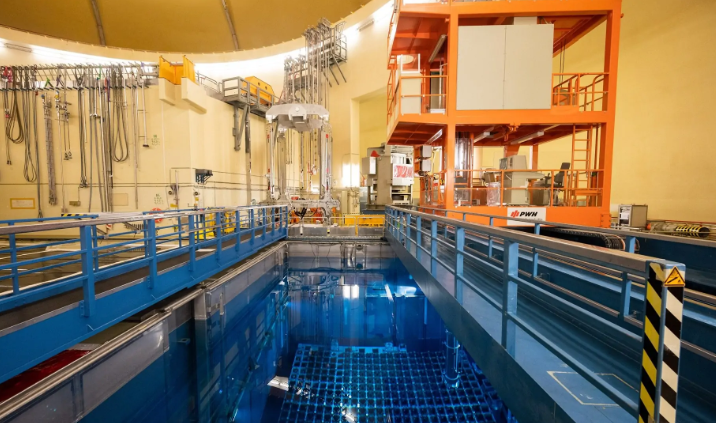
U.S. Department of Energy Selects SHINE Technologies for Genesis Initiative, AI to Optimize Reprocessing of 95,000 Tons of Spent Nuclear Fuel
The U.S. Department of Energy has selected SHINE Technologies to participate in the Genesis mission, advancing the application of artificial intelligence in the nuclear industry. The core objective of the project is to develop an AI-assisted design system for engineers to plan more efficient spent fuel reprocessing facilities. The United States currently has approximately 95,000 tons of accumulated spent nuclear fuel, which has historically posed long-term storage and disposal challenges. The new approach seeks to recover still-valuable components from this material, reducing waste volume and improving resource utilization. The key to this project lies in transforming traditional engineering design methods. In the past, metrics such as throughput, final product quality, and waste volume in nuclear fuel reprocessing processes were typically evaluated separately...
2026-08-09
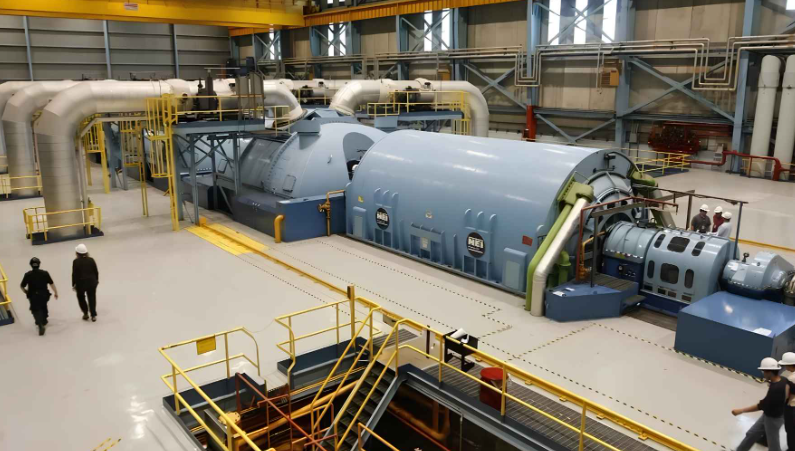
Canadian laboratory validates molten salt separation process with real spent fuel, extracting nearly 90% of plutonium in 24 hours
A chemical experiment in Canada involving real commercial reactor spent fuel has achieved noteworthy progress. Canadian Nuclear Laboratories, in shielded hot cells at Chalk River, used irradiated spent fuel from CANDU reactors to validate the first phase of Moltex Energy's waste-to-stable-salt process. The experiment showed that within 24 hours, 89.4% of the plutonium was transferred into the molten salt; by 60 hours, this proportion rose to 94.3%. Meanwhile, the vast majority of uranium remained outside the salt phase, indicating that the process exhibits strong selectivity in separating target elements. This process, named WATSS, is not a plutonium purification route but rather a group separation technology. In addition to large quantities of uranium, spent fuel contains fission products as well as transuranic elements such as plutonium and americium, the latter being a significant source of long-term radiological risk. WATSS uses high-temperature chloride molten salt and specific reducing metals to convert transuranic oxides into salt-soluble forms, while most uranium oxides remain solid. In this experiment, researchers used niobium as the reducing metal; after 24 hours, only 0.05% of uranium entered the salt, dropping to 0.02% after 60 hours, demonstrating that it does not carry large amounts of uranium into the molten salt system.
2026-08-09
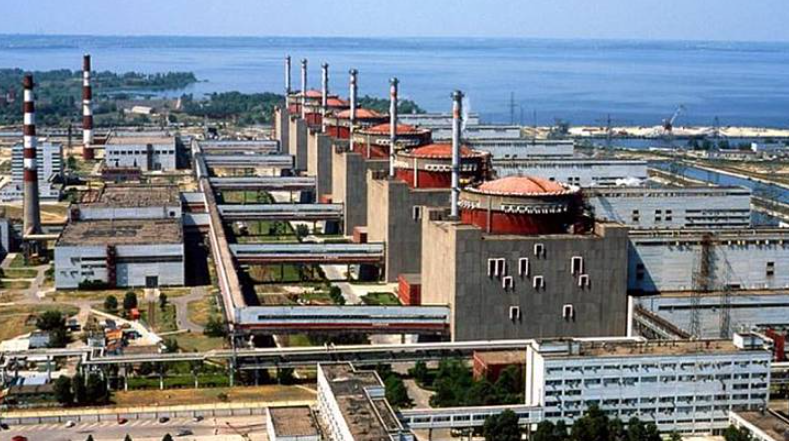
Zaporizhzhia Nuclear Power Plant to Raise Spent Fuel Pool Water Levels to Mitigate Power Outage Risks
The International Atomic Energy Agency (IAEA) stated that the operator of the Zaporizhzhia Nuclear Power Plant has decided to raise the water levels in the spent fuel pools on site to enhance safety buffer capacity in the event of a prolonged loss of external power. The primary purpose of raising the water levels is to extend the time before water in the spent fuel pools begins to boil and evaporate under extreme conditions where external power to the plant is interrupted for an extended period, diesel reserves are depleted, and emergency diesel generators can no longer supply power to the cooling systems. Spent fuel pools are used to store used nuclear fuel underwater, typically for at least five years, allowing its radioactivity and residual heat to gradually decay, making continuous cooling a critical element of nuclear safety. All six units at the Zaporizhzhia Nuclear Power Plant...
2026-08-08
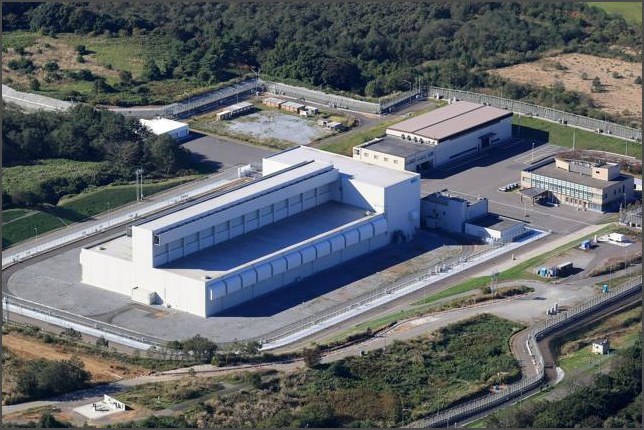
Mutsu City Requests Submission of Revised Plan for 5,000-Ton Transport to Spent Fuel Interim Storage Facility
On August 7, Tomoya Yamamoto, Mayor of Mutsu City, Aomori Prefecture, Japan, met with representatives of Recycle Fuel Storage (RFS) and its co-investors Tokyo Electric Power Company Holdings (TEPCO HD) and Japan Atomic Power Company (JAPC), requesting the three parties to submit a revised mid-to-long-term spent nuclear fuel transport plan, with consideration given to inter-operator cooperation. The plan may involve accepting spent nuclear fuel from other electric power companies. The facility in question, located in Mutsu City, Aomori Prefecture, is currently Japan's only interim spent fuel storage facility situated outside a nuclear power plant site. Under the existing siting agreement, the facility's acceptance scope...
2026-08-08
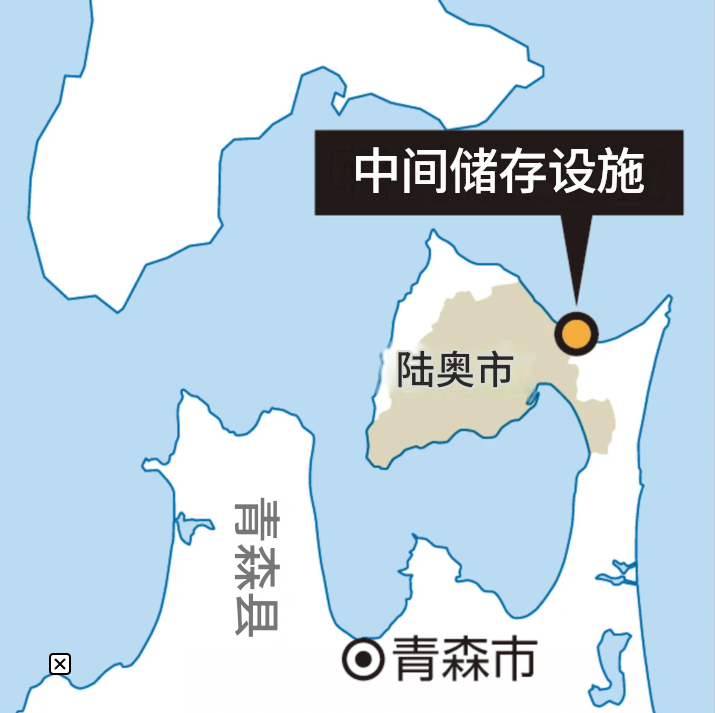
Mutsu City in Japan agrees to study receiving fuel from other companies at interim spent fuel storage facility
On August 7, Mutsu City in Aomori Prefecture, Japan, notified Tokyo Electric Power Company Holdings (TEPCO Holdings) and Japan Atomic Power Company (JAPC) that it agreed to allow the two companies to study a plan to receive spent nuclear fuel from other electric power companies at the local interim spent fuel storage facility. The facility, promoted and constructed by entities related to the two companies, is the only facility in Japan located outside nuclear power plant sites for interim storage of spent nuclear fuel. Under the current arrangement, the facility only accepts spent nuclear fuel from TEPCO Holdings and JAPC, and spent nuclear fuel from other companies is not permitted to be transported in. On the same day, Mutsu City Mayor Tomoya Yamamoto met with senior executives of the two companies at City Hall...
2026-08-07
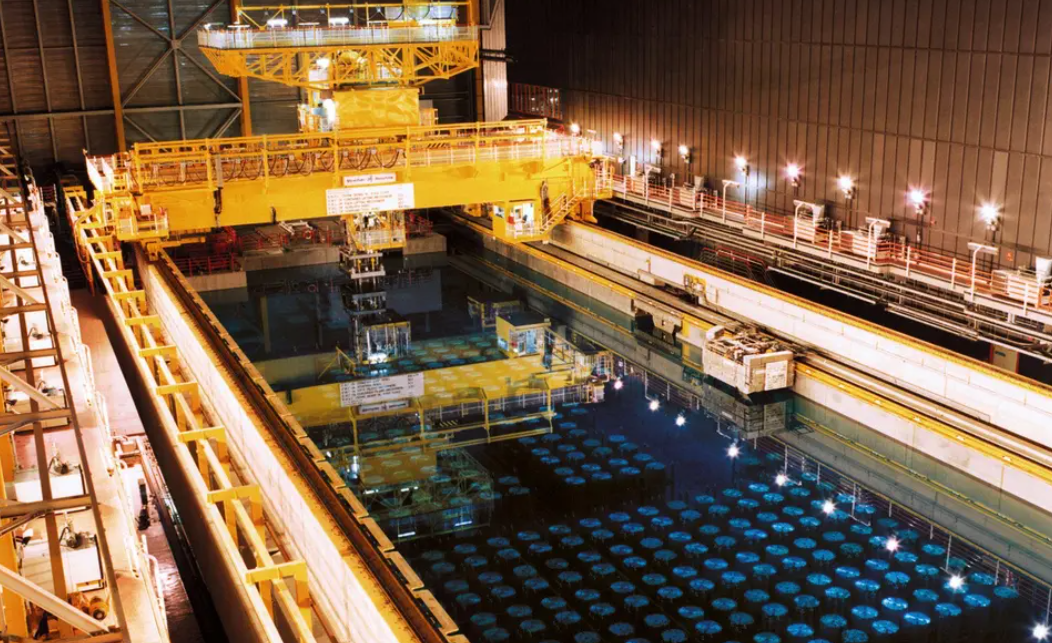
Three U.S. Nuclear Energy Companies Explore Manufacturing Next-Generation Reactor Fuel from Recycled Nuclear Materials
U.S. nuclear energy companies Curio, NuScale Power, and Framatome have signed a memorandum of understanding to evaluate the feasibility of converting recycled nuclear materials into next-generation reactor fuel and related products. The tri-party collaboration is not focused on immediate commercial production, but rather on research into technical feasibility, fuel development, manufacturing capabilities, supply chain integration, and future commercial deployment, seeking to connect spent fuel recycling, fuel fabrication, and advanced reactor applications into a more complete industrial chain. Under this collaboration, Curio will provide its NuCycle nuclear fuel recycling technology, aiming to recover reusable strategic nuclear materials from spent fuel, with claims of reducing residual waste volume by up to 97%.
2026-08-07
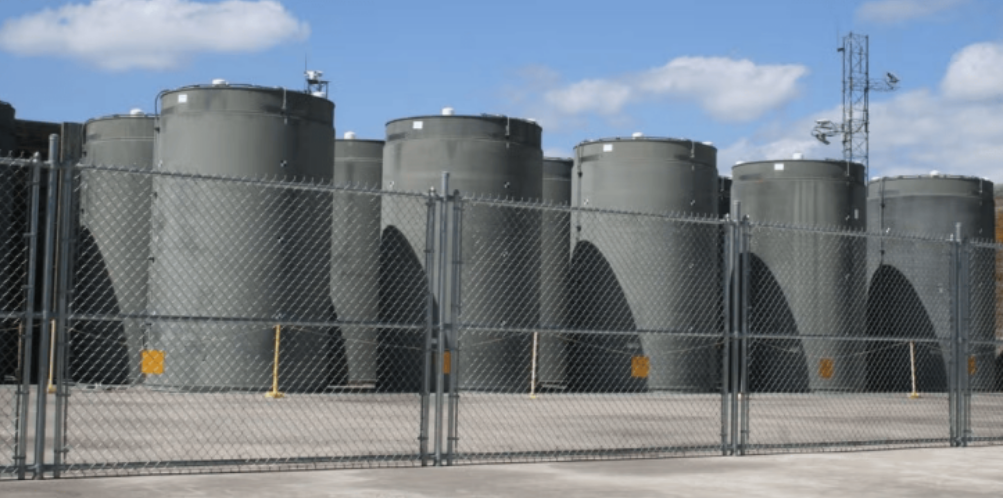
IAEA Publishes Report on Aging Management of Spent Fuel Dry Storage Systems
The International Atomic Energy Agency (IAEA) has published the findings of a decade-long study on aging management of spent fuel dry storage systems. According to IAEA estimates, by the end of 2024, spent fuel discharged from nuclear power plants worldwide had exceeded 400,000 tonnes of heavy metal (tHM). Of this, 106,000 tHM is in dry storage, a long-term storage method that is becoming increasingly common compared with wet storage. Most IAEA member states are still decades away from commissioning permanent spent fuel repositories, which means dry storage systems will likely need to continue operating safely beyond their design lifetimes. Wet storage has been in operation for decades, and the IAEA states that aging management of such facilities is generally well understood. Utilities choose dry storage for its passive safety features, and many dry storage facilities have already received license extensions. The IAEA expects demand for dry storage to continue growing, with service periods extending well beyond the original 20-to-40-year licensing terms, potentially exceeding 120 years. Aging management programs (AMPs) are therefore needed to verify continued safe operation.
2026-08-06

Vietnam's Ministry of Science and Technology and Canada's Saskatchewan Province Strengthen Cooperation on Peaceful Use of Nuclear Technology
Vietnam and Canada's Saskatchewan Province are cooperating on the peaceful use of nuclear technology. Officials from both sides met in Hanoi on August 5, 2026, to discuss directions for cooperation in science, technology, and innovation, particularly in advanced nuclear technology. The Vietnamese side stated that as Vietnam's energy demand grows, ensuring a stable, green, and clean energy supply is of paramount importance, expressing strong interest in research on small modular reactors (SMRs) as well as CANDU reactor technology. During the meeting, both sides discussed strengthening cooperation among regulatory agencies, legal departments, and research organizations in the nuclear technology field, covering legal framework development, technical standards, nuclear safety and safeguards assessment licensing, accident response, and...
2026-08-06

Trump Administration Revives Spent Fuel Disposal Plan, Seeks State Cooperation
The Trump administration is reshaping spent fuel policy, attempting to restart a long-stalled permanent disposal program through a combination of administrative and legislative measures. This initiative aims to address the growing accumulation of spent fuel, a long-standing issue that has lacked an effective solution. To fund the Nuclear Waste Fund and restore the Department of Energy's access to its $50 billion in resources, the draft legislation proposes reinstating surcharges on nuclear power plants. The core of this policy shift lies in seeking state government participation and cooperation, hoping that states will proactively assume a leading role in spent fuel disposal. While at least two states have already expressed willingness to serve as potential candidate sites, long-time advocates and researchers monitoring the issue warn that significant political resistance and logistical challenges lie ahead.
2026-08-06
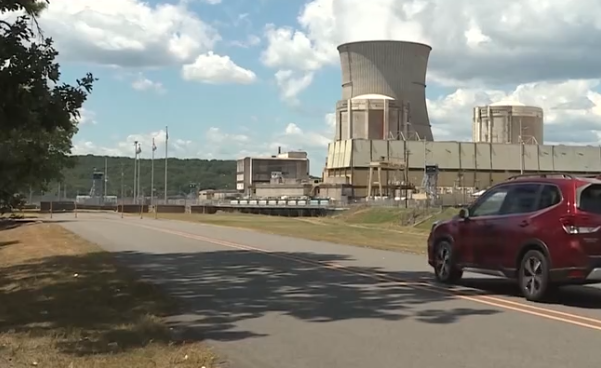
Oklahoma Strives to Build the Nation's First Nuclear Energy Innovation Hub
Oklahoma is actively competing to become the first nuclear energy innovation hub in the United States, having submitted a detailed 31-page proposal. The plan aims to cover the entire nuclear fuel lifecycle management, encompassing fuel fabrication, advanced reactor construction, spent fuel recycling, and permanent disposal of high-level radioactive waste. Oklahoma's goal is to establish the first permanent waste disposal solution in the U.S., achieving this before commercial nuclear power deployment. In the proposal, deep borehole drilling for radioactive waste disposal emerges as a key component. This method involves drilling thousands of feet deep and placing radioactive waste sealed in specially designed containers into the subsurface, followed by sealing the borehole.
2026-08-05
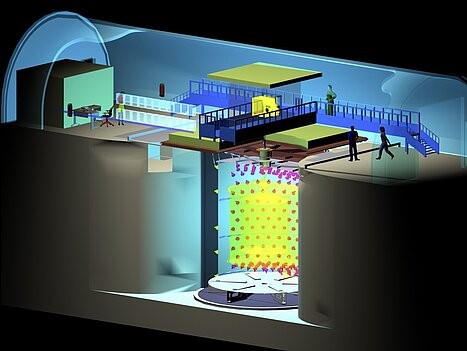
Antineutrinos Detected for the First Time in Spent Fuel Elements
Even after a nuclear reactor has been shut down, the radioactive fuel continues to emit a faint stream of antineutrinos. The Double Chooz collaboration, led by scientists from the Max Planck Institute for Nuclear Physics (MPIK), has succeeded for the first time in measuring this elusive signal, opening up new prospects for reactor monitoring, nuclear safety, and control procedures. The Double Chooz detector. Image credit: Double Chooz collaboration. The research team conducted these measurements at the Chooz nuclear power plant in northern France. The Double Chooz detector is located approximately 400 meters underground, in close proximity to two reactor cores. Inside, the detector contains more than 30 cubic meters of liquid scintillator material...
2026-08-04

NEA Advances SFCOMPO Database Upgrade to Support Spent Nuclear Fuel Nuclide Inventory and Decay Heat Validation
The Nuclear Energy Agency (NEA) held the ninth annual meeting of the Technical Review Group (TRG) for the International Spent Nuclear Fuel Analysis Data Database (SFCOMPO) on July 9 in Boulogne-Billancourt, France. Thirty-three experts from research institutions, regulatory bodies, waste management organizations, and industry across 12 countries attended the meeting. The experimental and evaluated data contained in SFCOMPO are primarily used to validate computational tools related to nuclear safety and the nuclear fuel cycle, with applications including reactor physics, criticality safety, radiation shielding, and radioactive waste management. Accurate characterization of spent nuclear fuel is an essential foundation for supporting decisions on storage, transportation, reprocessing, and disposal, and is also relevant to...
2026-08-01
Japan Nuclear Fuel Company Says It Will Propose New Schedule for Rokkasho Reprocessing Plant as Soon as Possible
Naohiro Masuda, President of Japan Nuclear Fuel Company (JNFL), stated at a regular press conference on July 29 that the spent nuclear fuel reprocessing plant in Rokkasho Village, Aomori Prefecture, may be difficult to complete within the current fiscal year. The company will propose a new overall schedule as soon as possible after continuing consultations with regulatory authorities on the treatment of liquid waste within the facility. Masuda said that earlier this month, when an official from the Agency for Natural Resources and Energy of the Ministry of Economy, Trade and Industry met with Aomori Governor Soichiro Miyashita, Miyashita had informed the official that completing construction of the reprocessing plant within the current fiscal year would be challenging. Masuda stated that the company needs to make every effort to avoid the risk of schedule delays becoming a reality, and will manage the project construction progress from multiple aspects...
2026-07-30
TEPCO says cooling interruption of spent fuel pool at Fukushima Daini Unit 1 due to human error
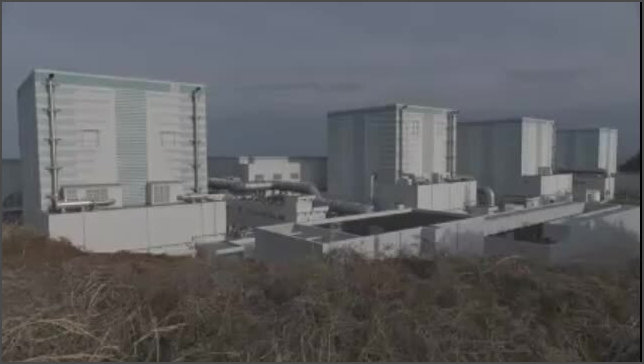
Tokyo Electric Power Company (TEPCO) announced on July 29 that the event in April 2026, where the spent fuel pool cooling system at Unit 1 of the Fukushima Daini Nuclear Power Plant was shut down for approximately 32 hours, was determined to be caused by human error. At the time of the incident, the plant was in the decommissioning phase. On April 5, a fault alarm was triggered by the cooling water circulation pump of Unit 1 at Fukushima Daini. After on-site personnel confirmed smoke from the equipment, the pump was stopped, resulting in an interruption of the spent fuel pool cooling system for about 32 hours. TEPCO previously stated that the cause was damage to the cable connecting the pump motor. According to TEPCO's latest explanation, the cable melting may be related to the installation method when the cable was replaced in 2012...
2026-07-30
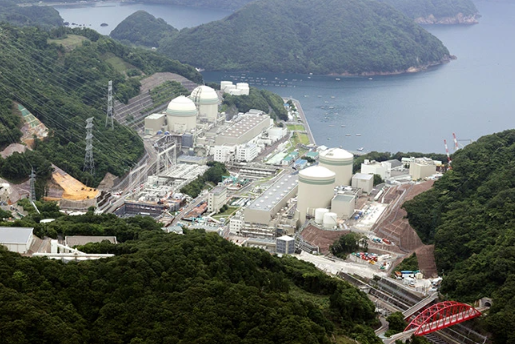
A member of Japan's Nuclear Regulation Authority inspects safety management at the Takahama Nuclear Power Plant.
Tomoyuki Sugiyama, a commissioner of Japan's Nuclear Regulation Authority (NRA), recently visited Kansai Electric Power Co.'s Takahama Nuclear Power Plant to inspect safety management measures, the execution of routine inspections, and pre
2026-07-27
Reading Ranking
- 1 Thailand Advances SMR Regulatory Preparedness to Strengthen Energy Security
- 2 Ukraine's Energoatom purchases additional 41 VVER Spent Fuel Dry Storage Systems
- 3 Japan Explains Plan for Spent Fuel Interim Storage Facility in Kaminoseki Town
- 4 Belarusian NPP safe operation period may be extended to 100 years, with first spent fuel to be shipped to Russia for reprocessing in 2034
- 5 Daejeon, South Korea Ranks Second Nationwide in Low- and Intermediate-Level Radioactive Waste Storage, Spent Fuel Transfer Plan Still Not Implemented
- 6 US Advances Preparations for High-Burnup Spent Fuel Shipment to Idaho for Research
- 7 Mutsu City Requests Submission of Revised Plan for 5,000-Ton Transport to Spent Fuel Interim Storage Facility
- 8 Removal of Highly Radioactive Spent Fuel Begins at Unit 2 of Fukushima Daiichi Nuclear Power Station
- 9 Boric Acid Leakage During Spent Fuel Transfer Preparation at South Korea's Hanul Nuclear Power Plant
- 10 Kyushu Electric Power explains holding company transition to Kagoshima Prefecture; Sendai Nuclear Power Plant business to continue
- 11 Kansai Electric says Rokkasho reprocessing plant delay does not change target of starting operation in fiscal 2027
- 12 Vietnam's Ministry of Science and Technology and Canada's Saskatchewan Province Strengthen Cooperation on Peaceful Use of Nuclear Technology
- 13 IAEA Publishes Report on Aging Management of Spent Fuel Dry Storage Systems
- 14 Nuclea Energy to Acquire Moltex Advanced Nuclear Technology Portfolio
- 15 DOE Officials Visit Fort St. Vrain Spent Fuel Storage Facility in Colorado